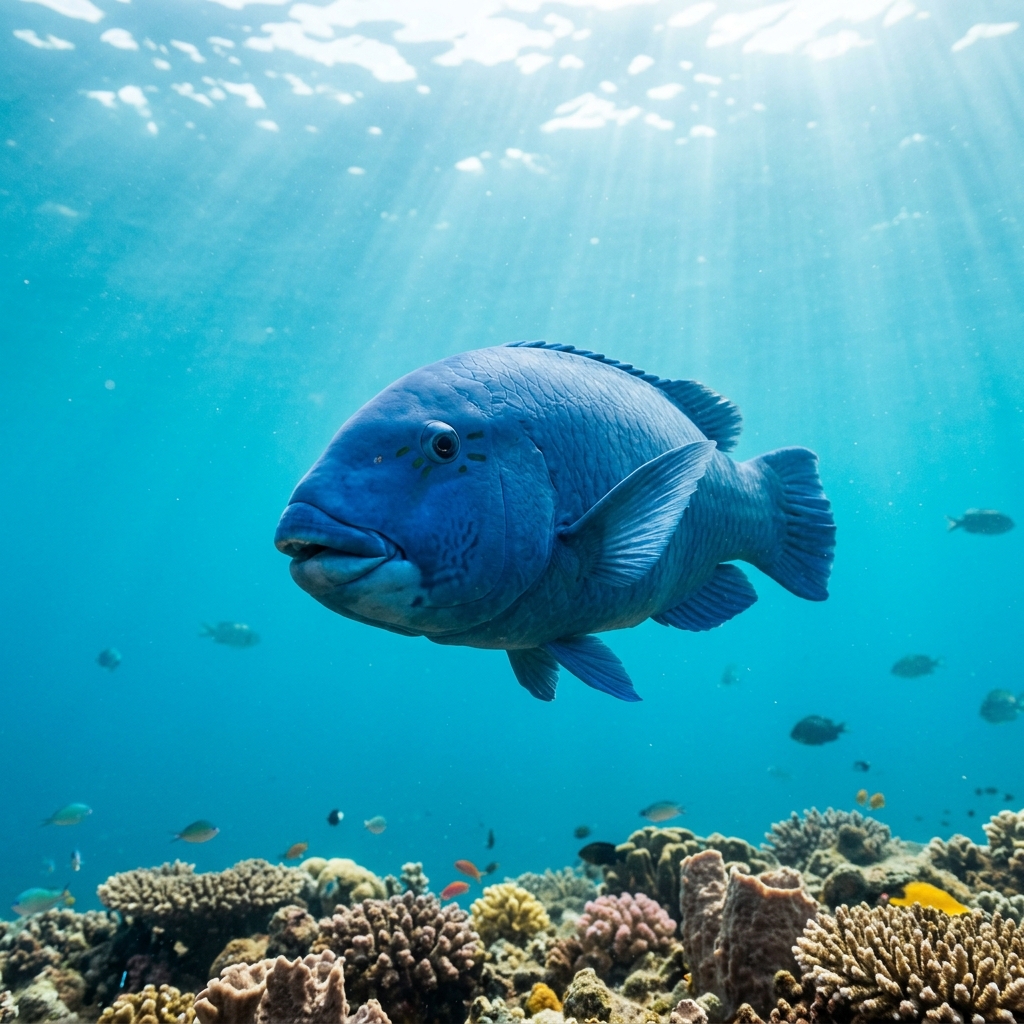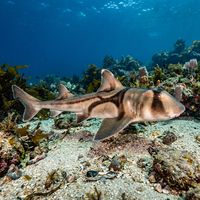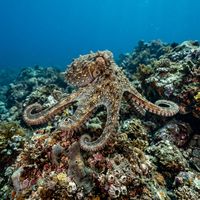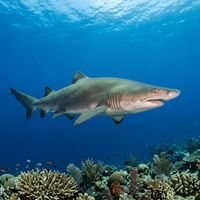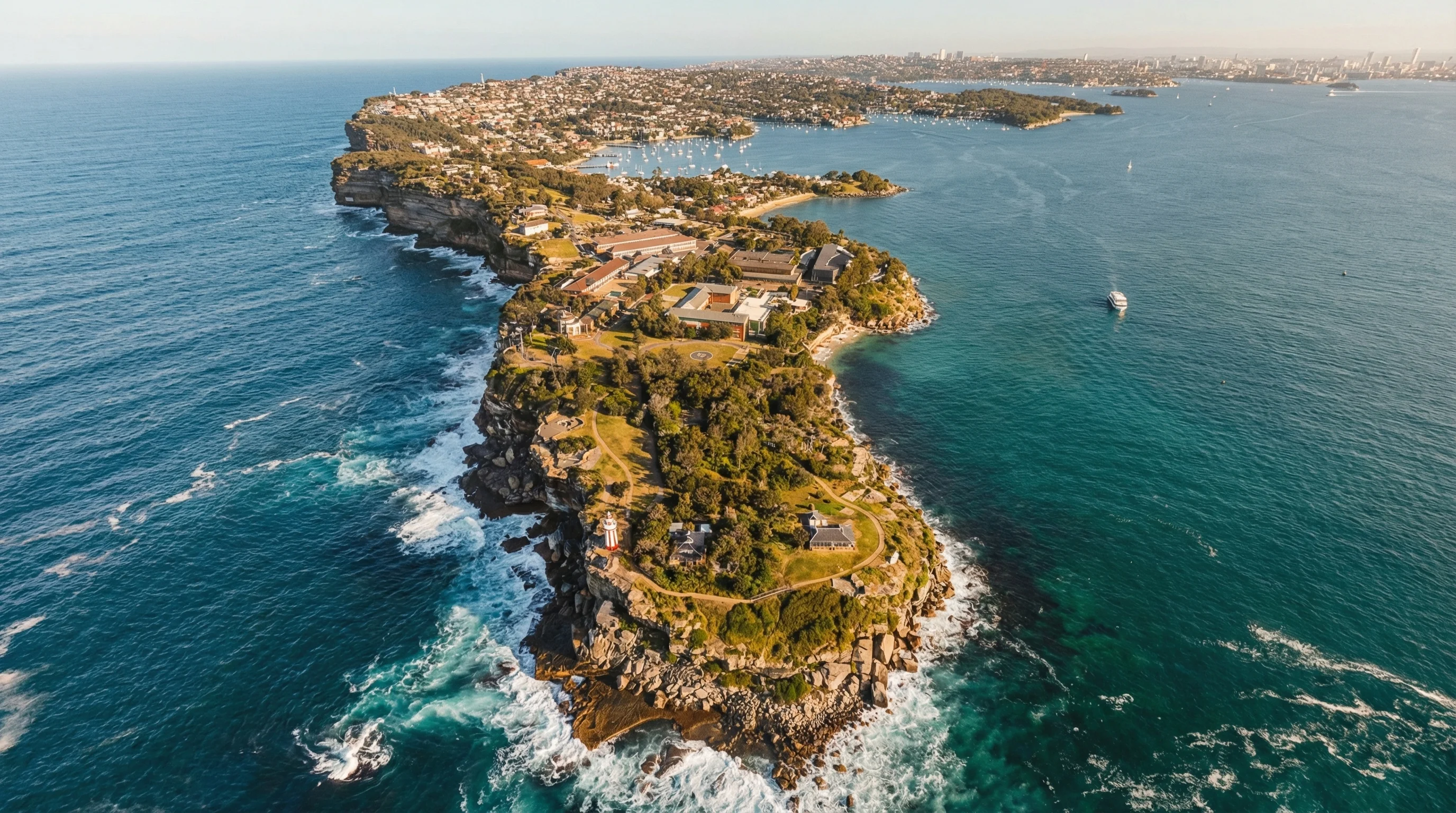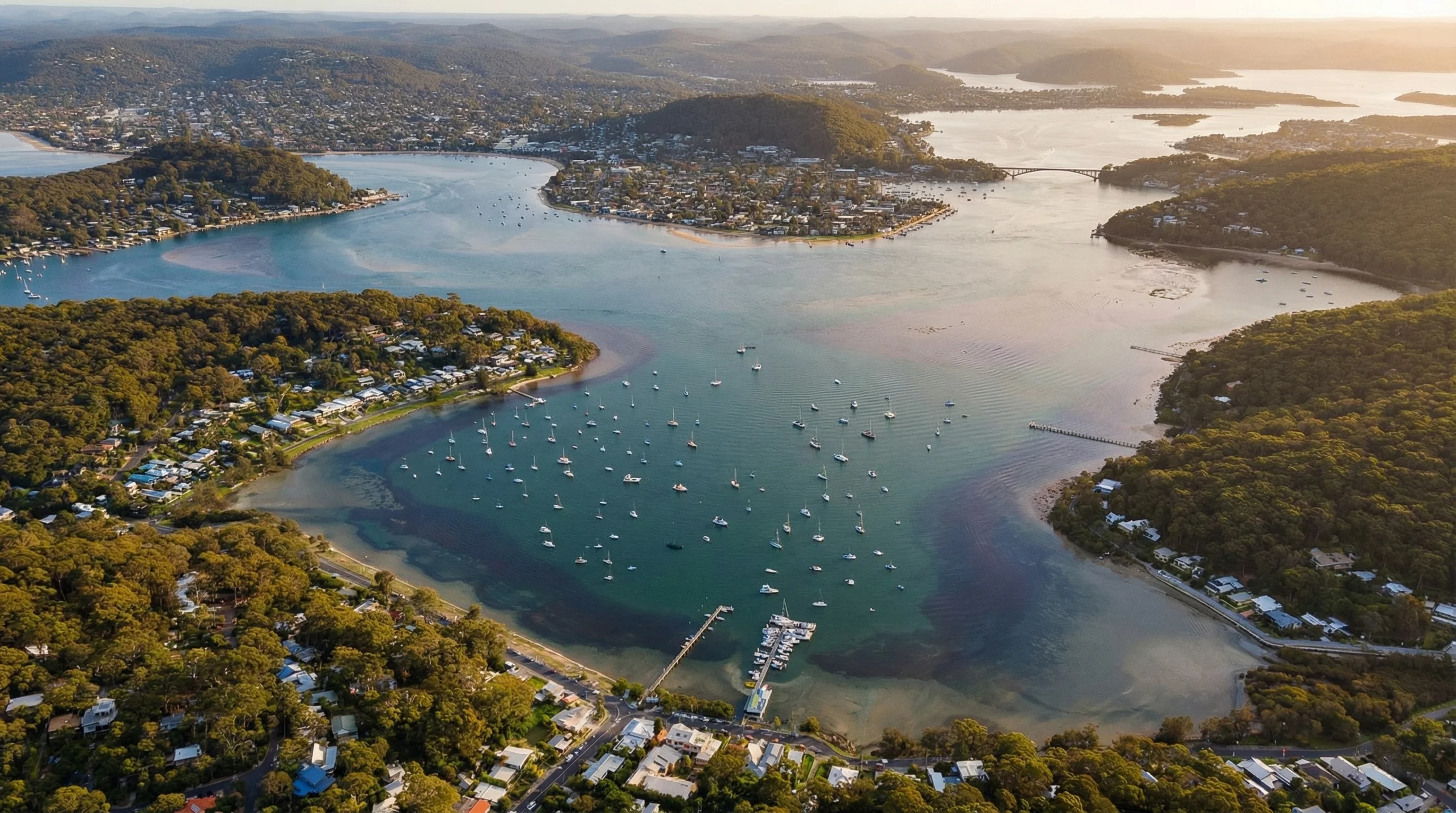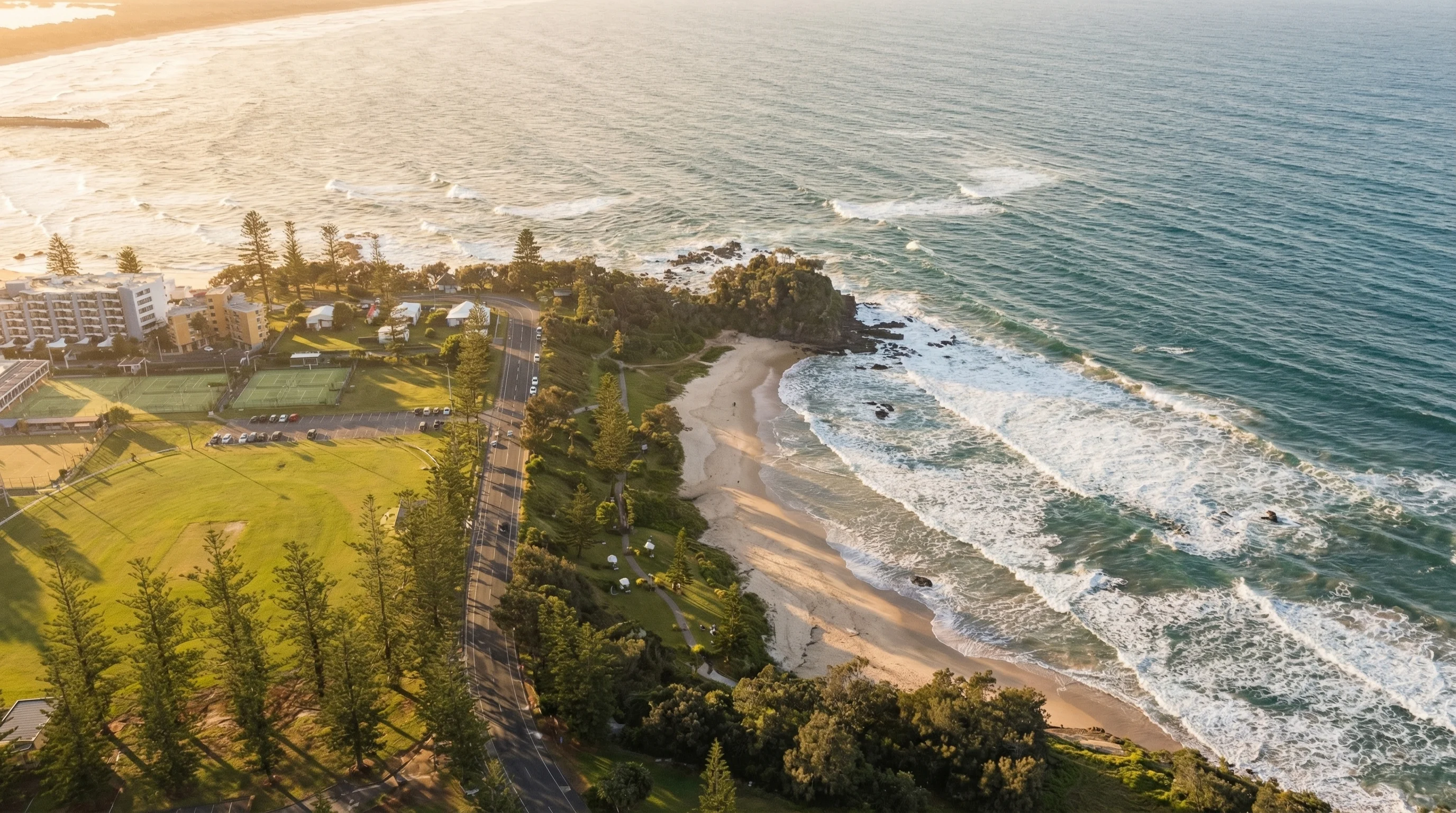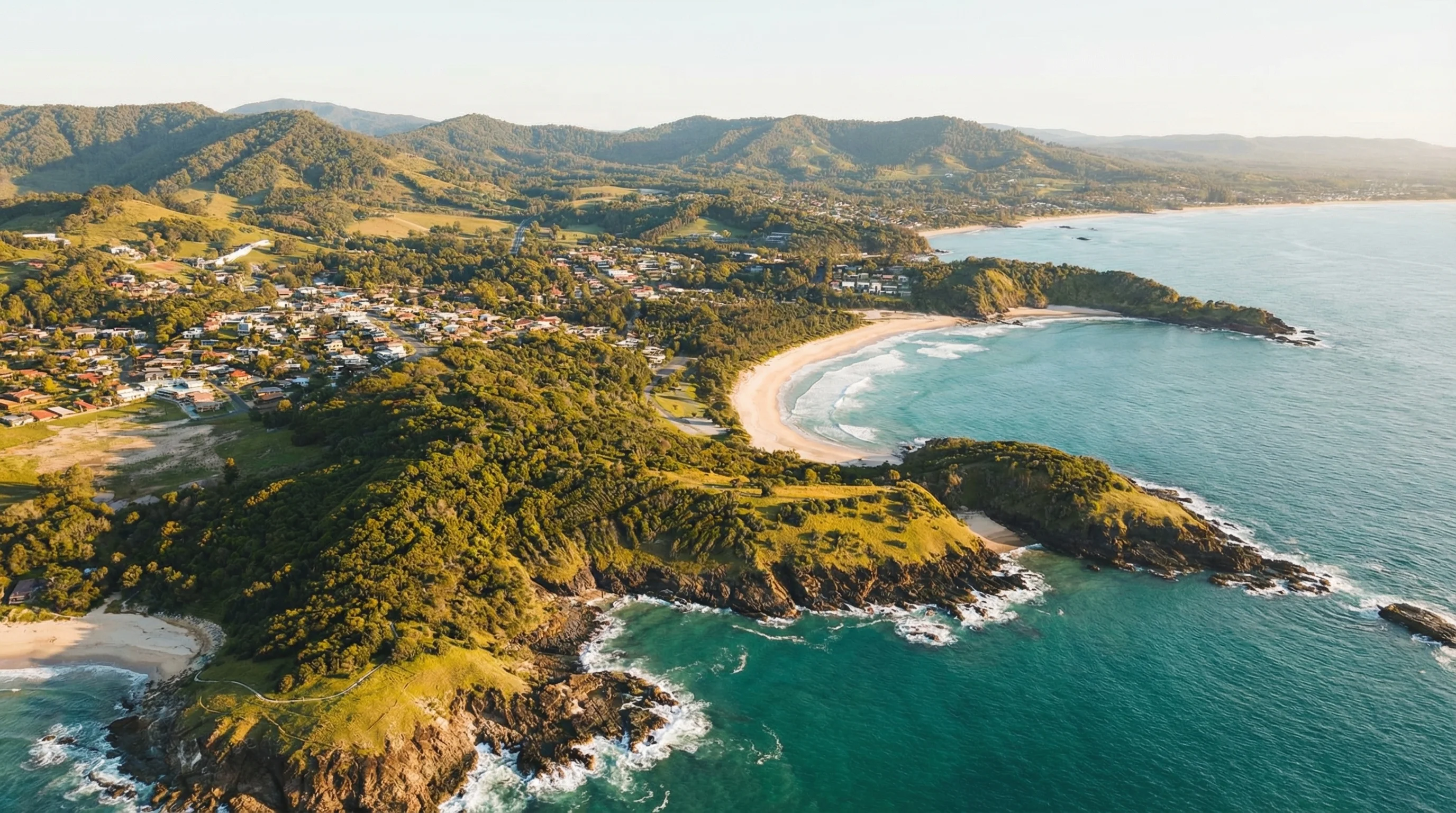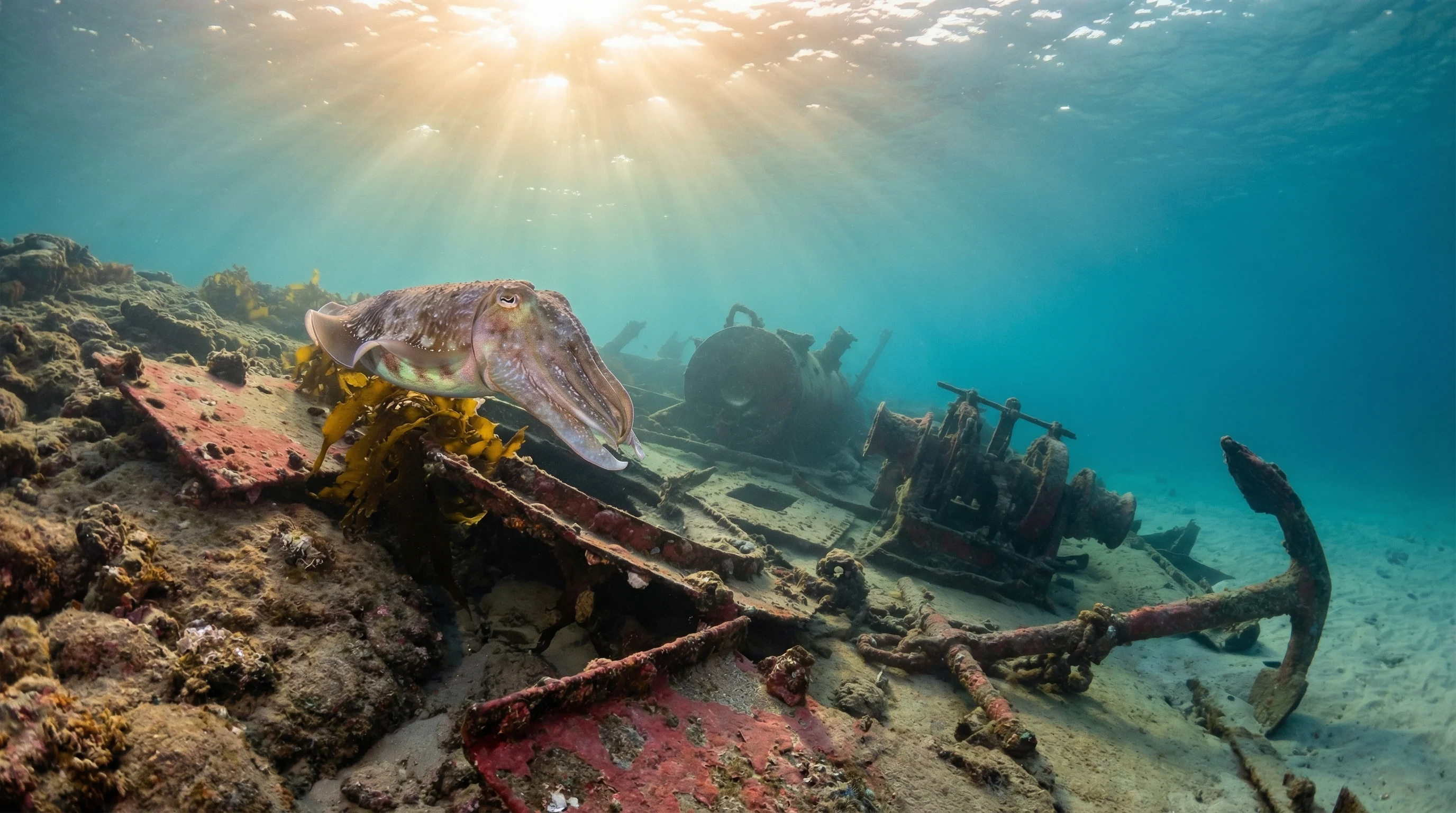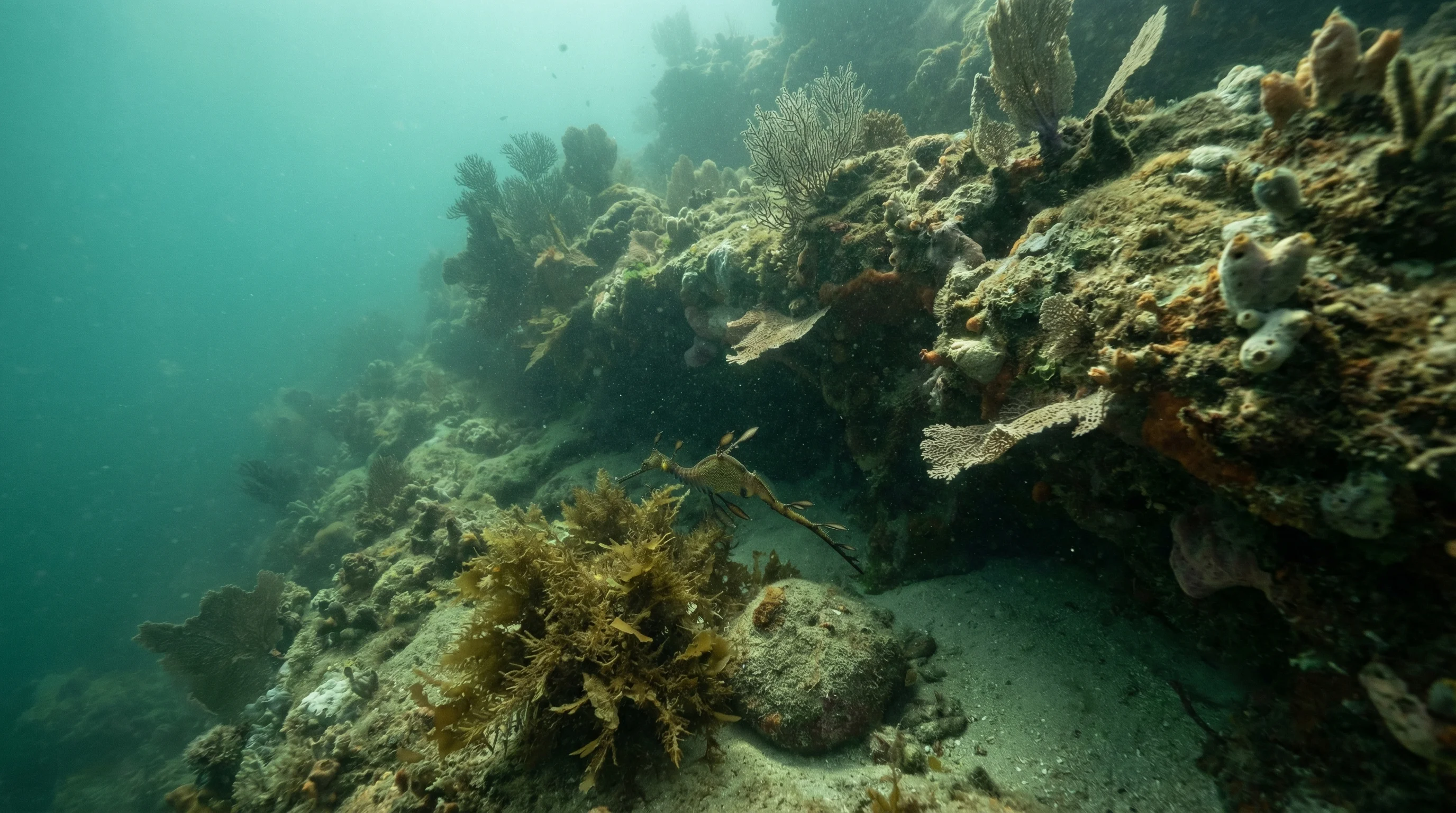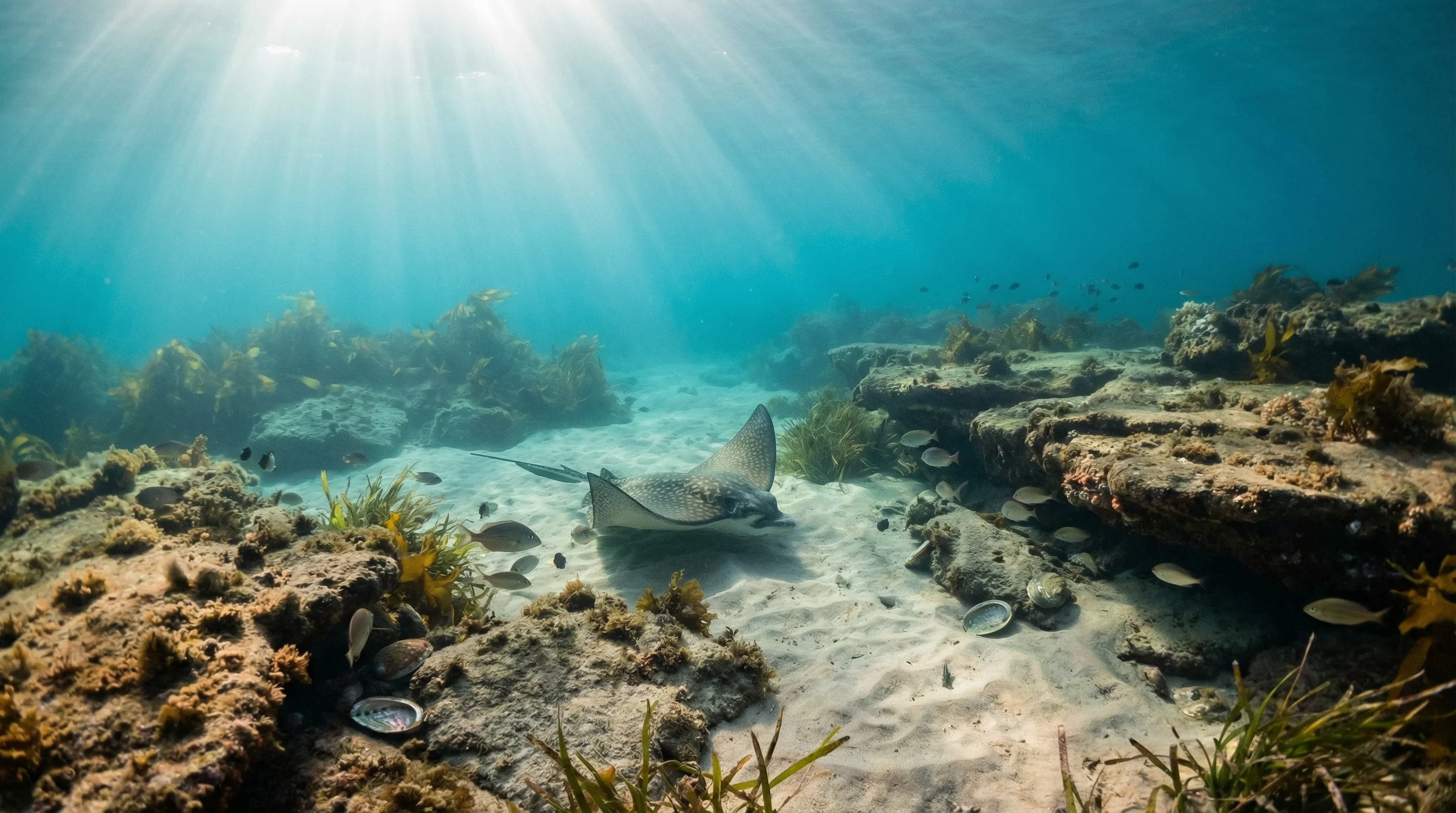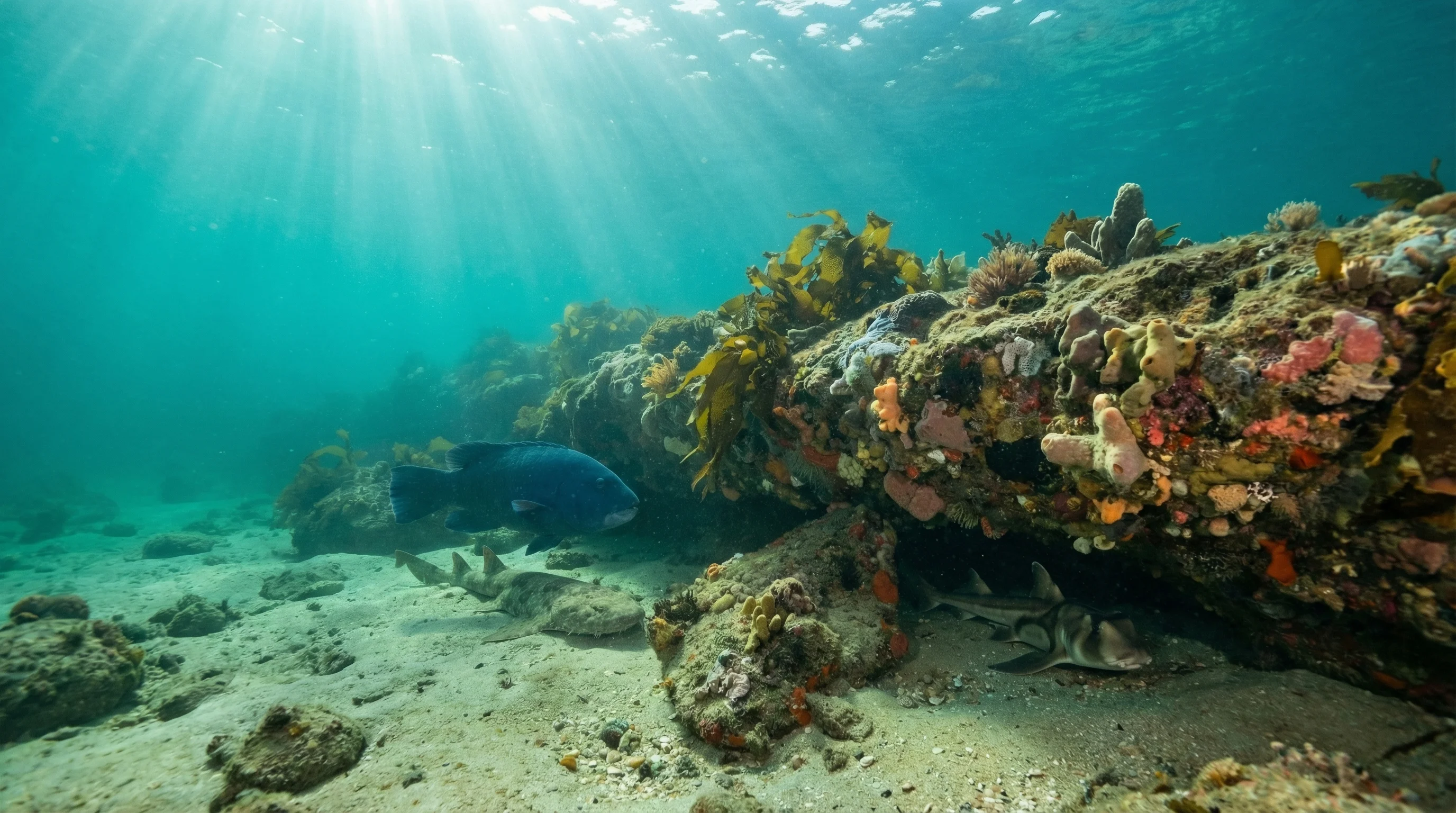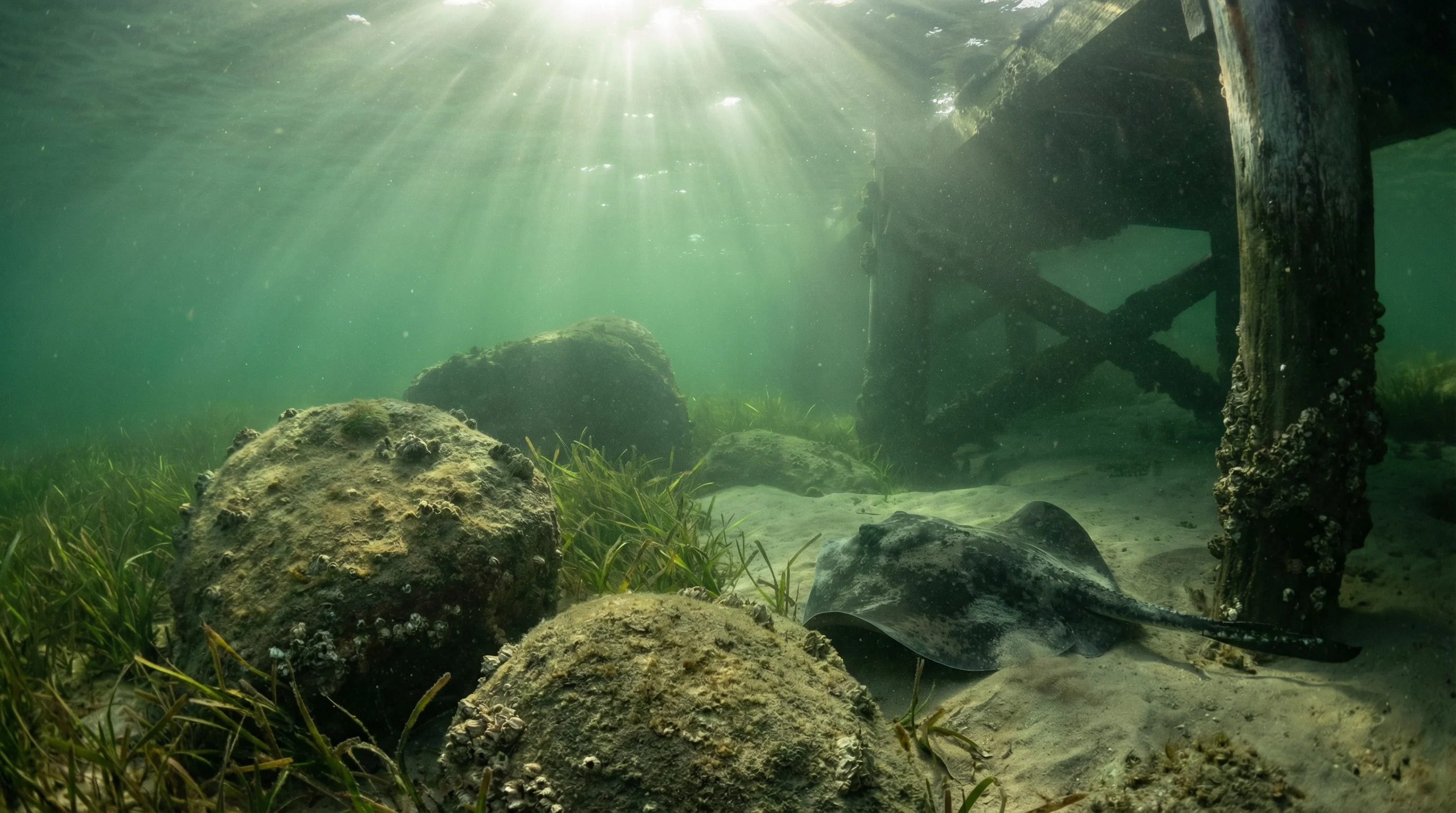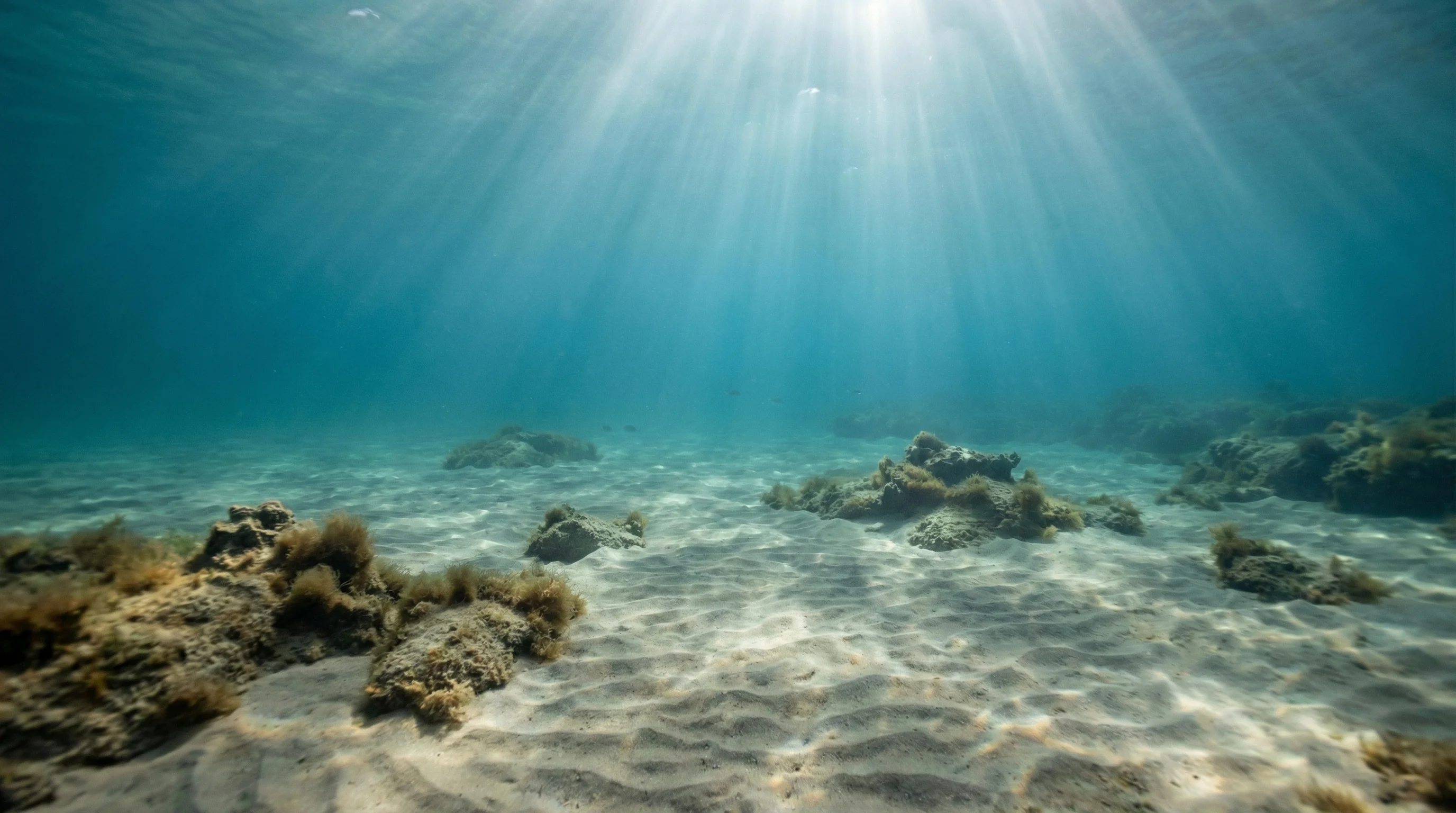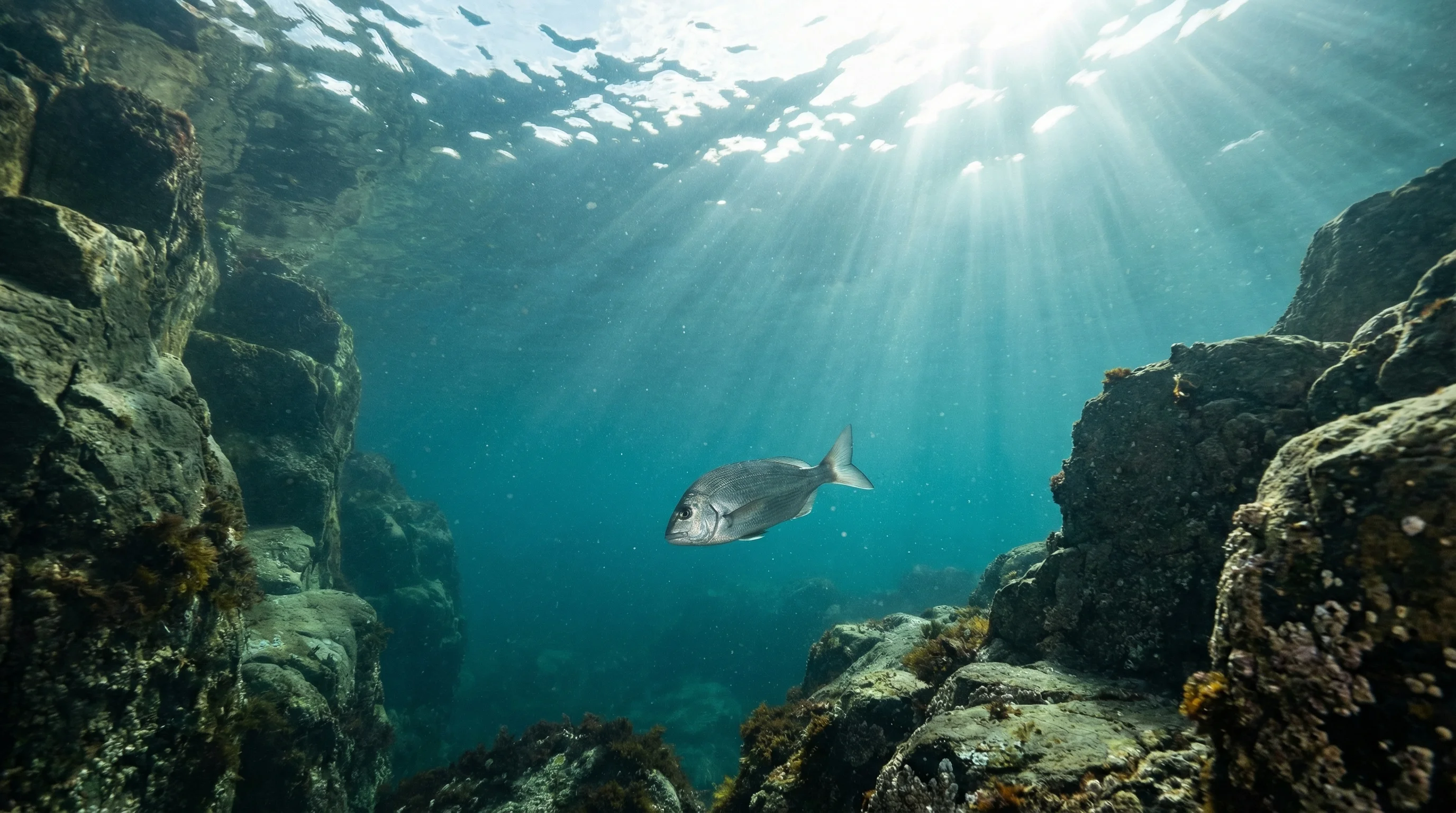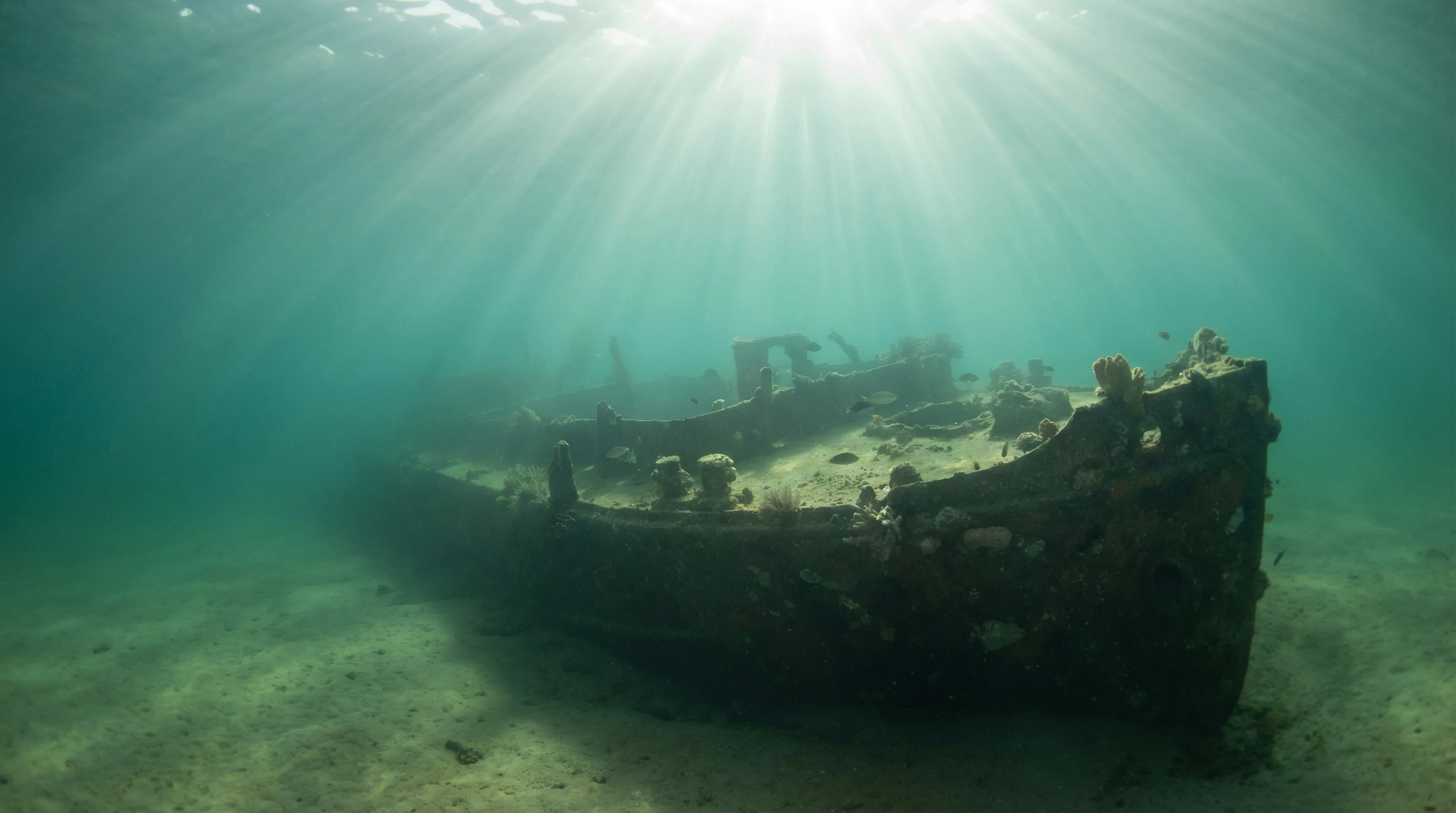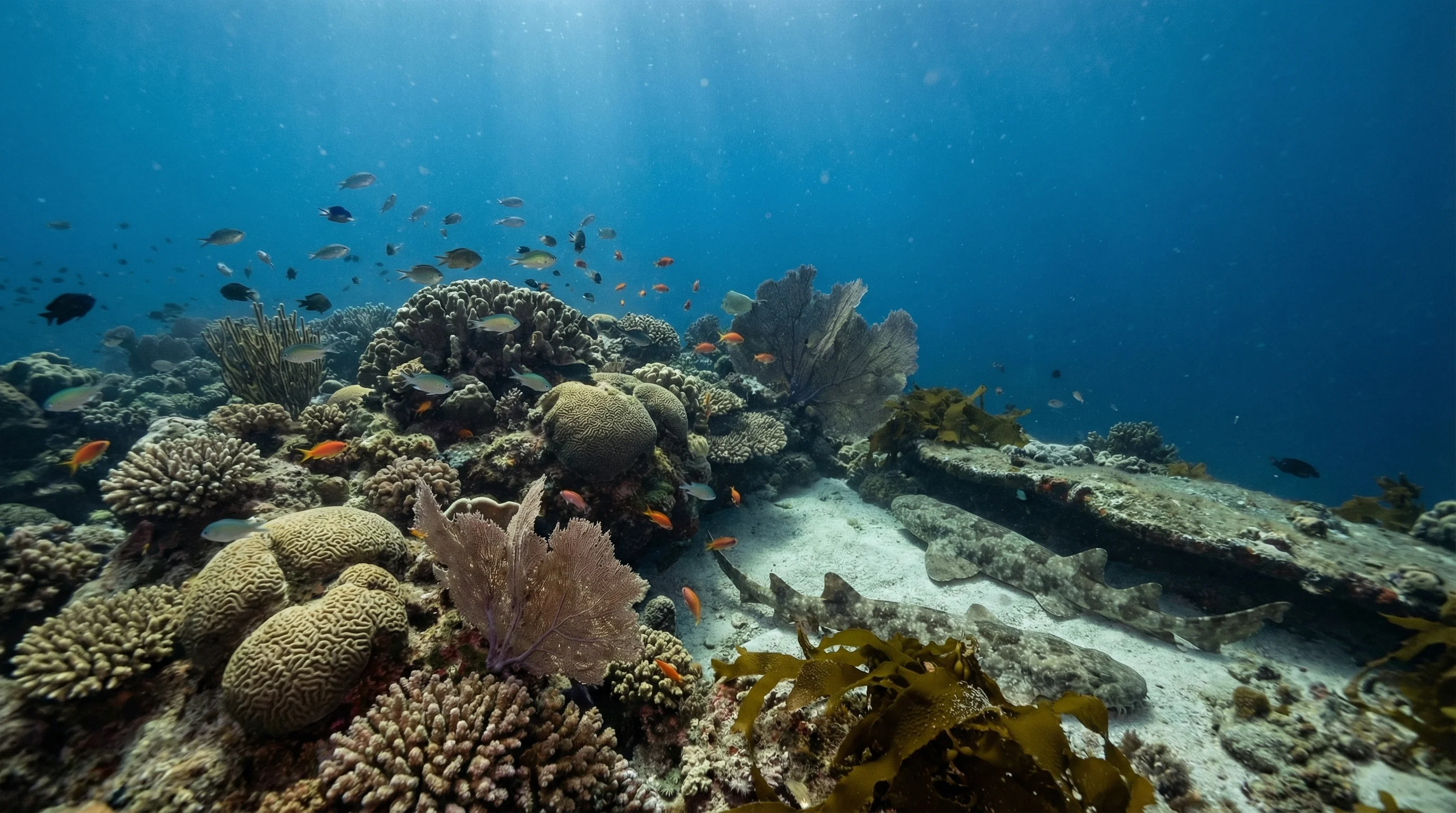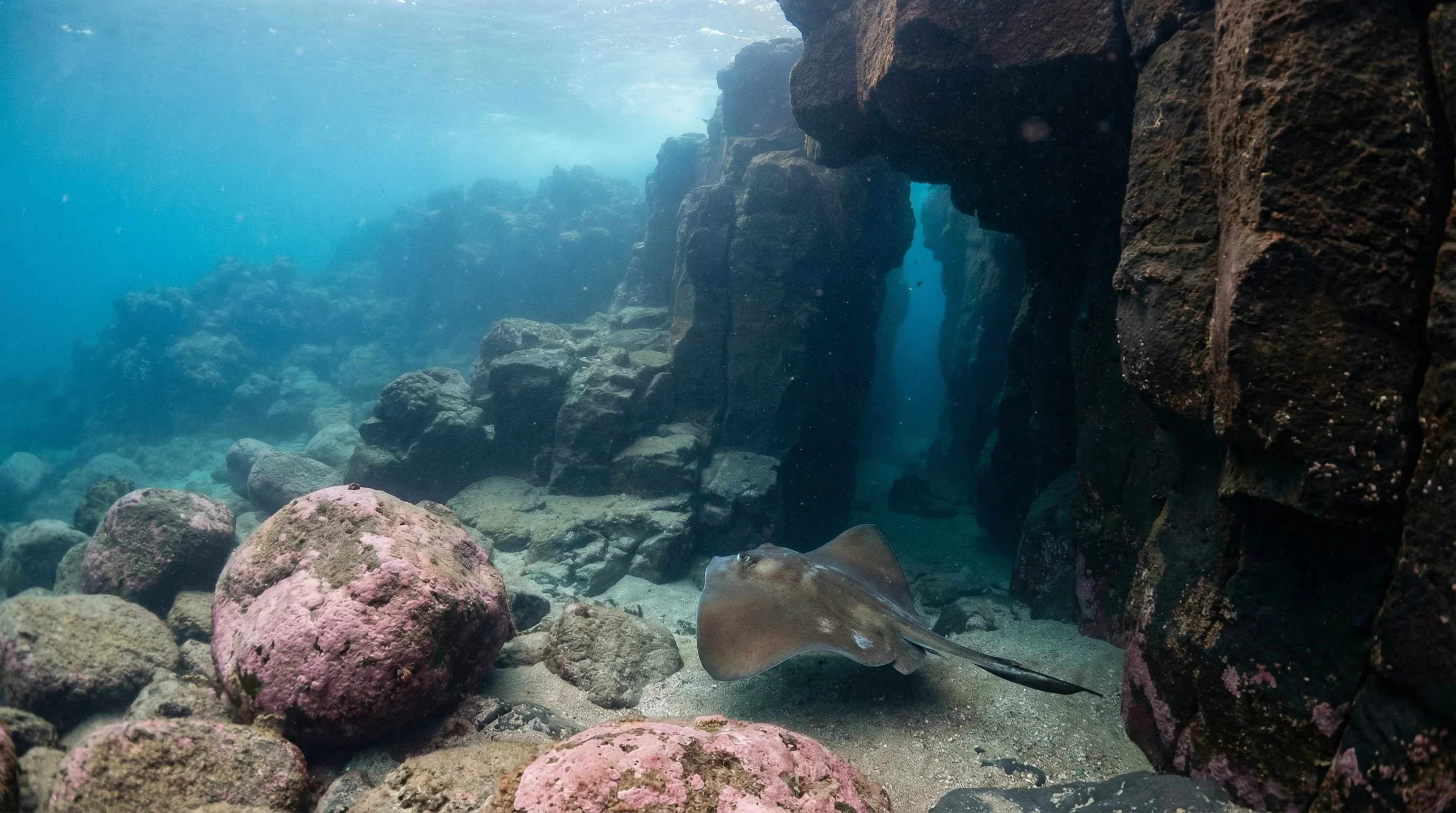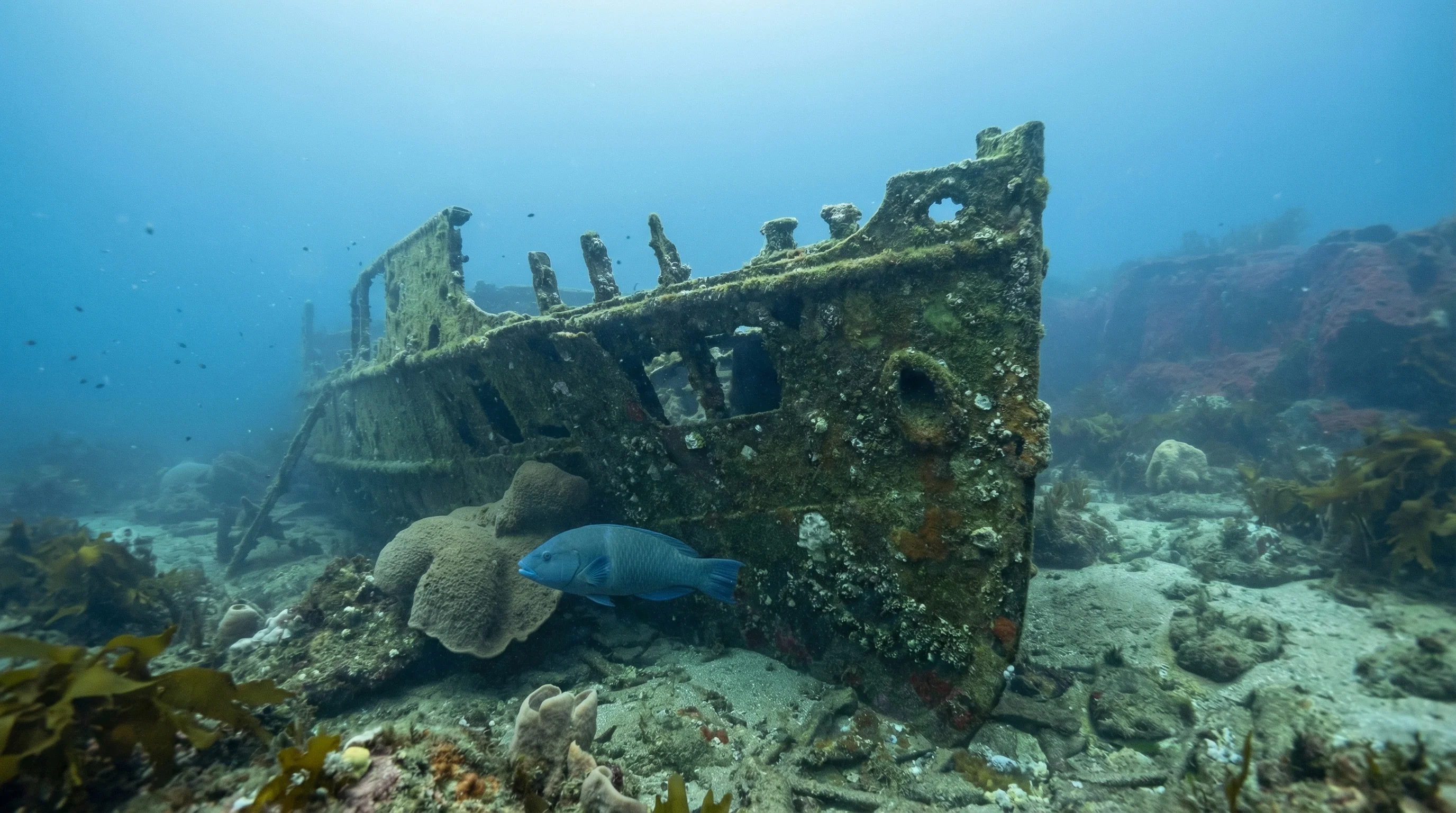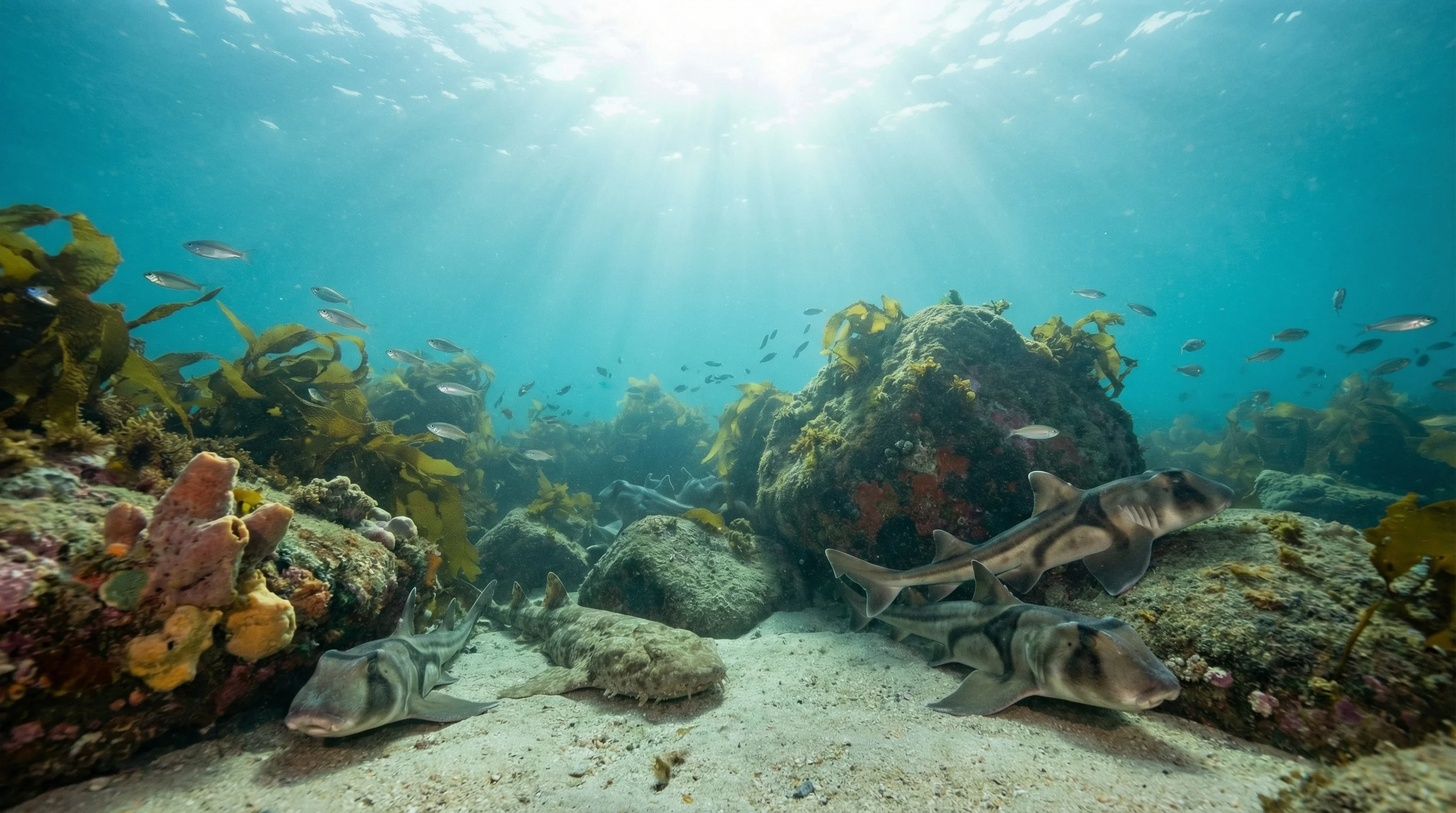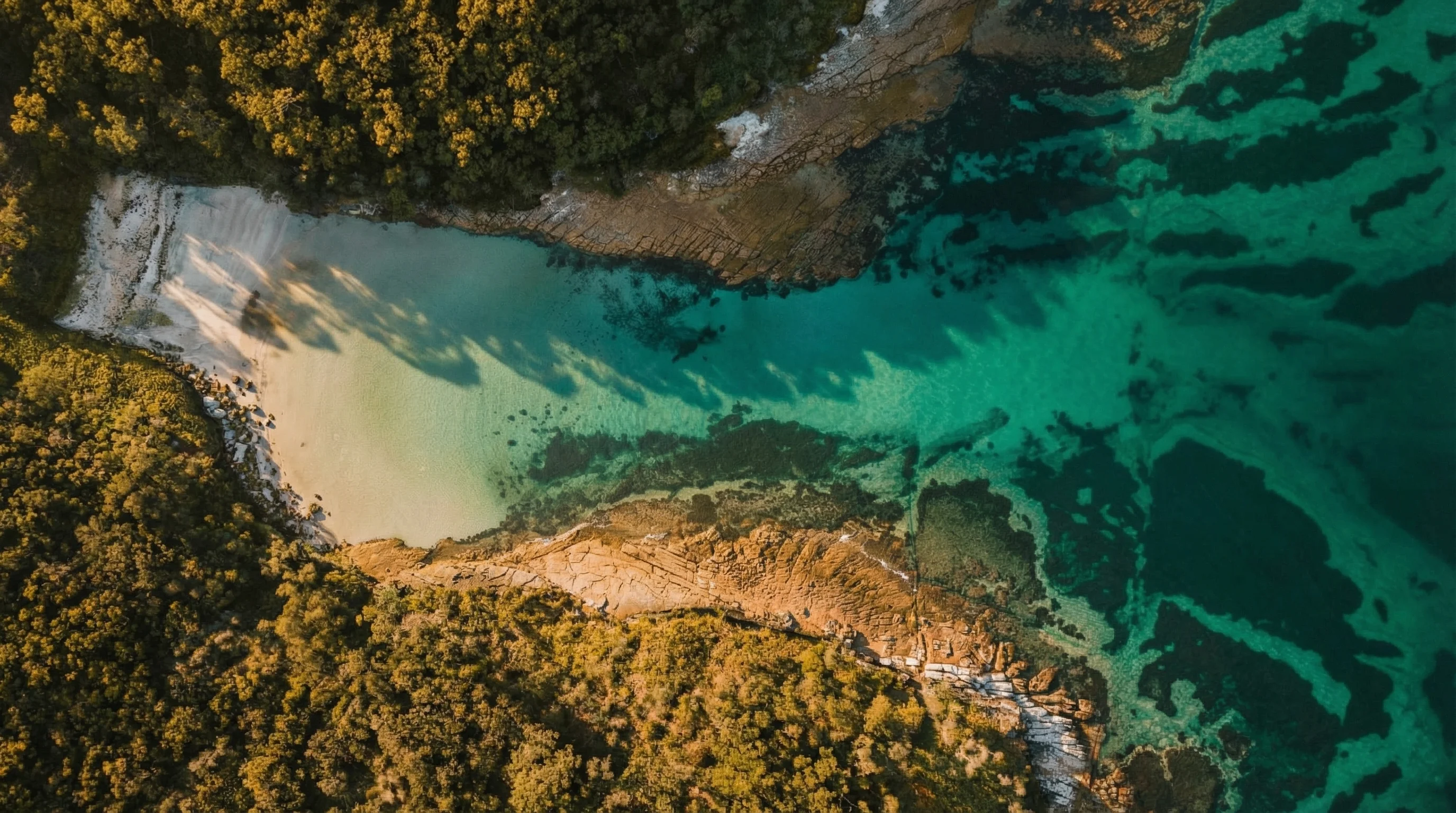
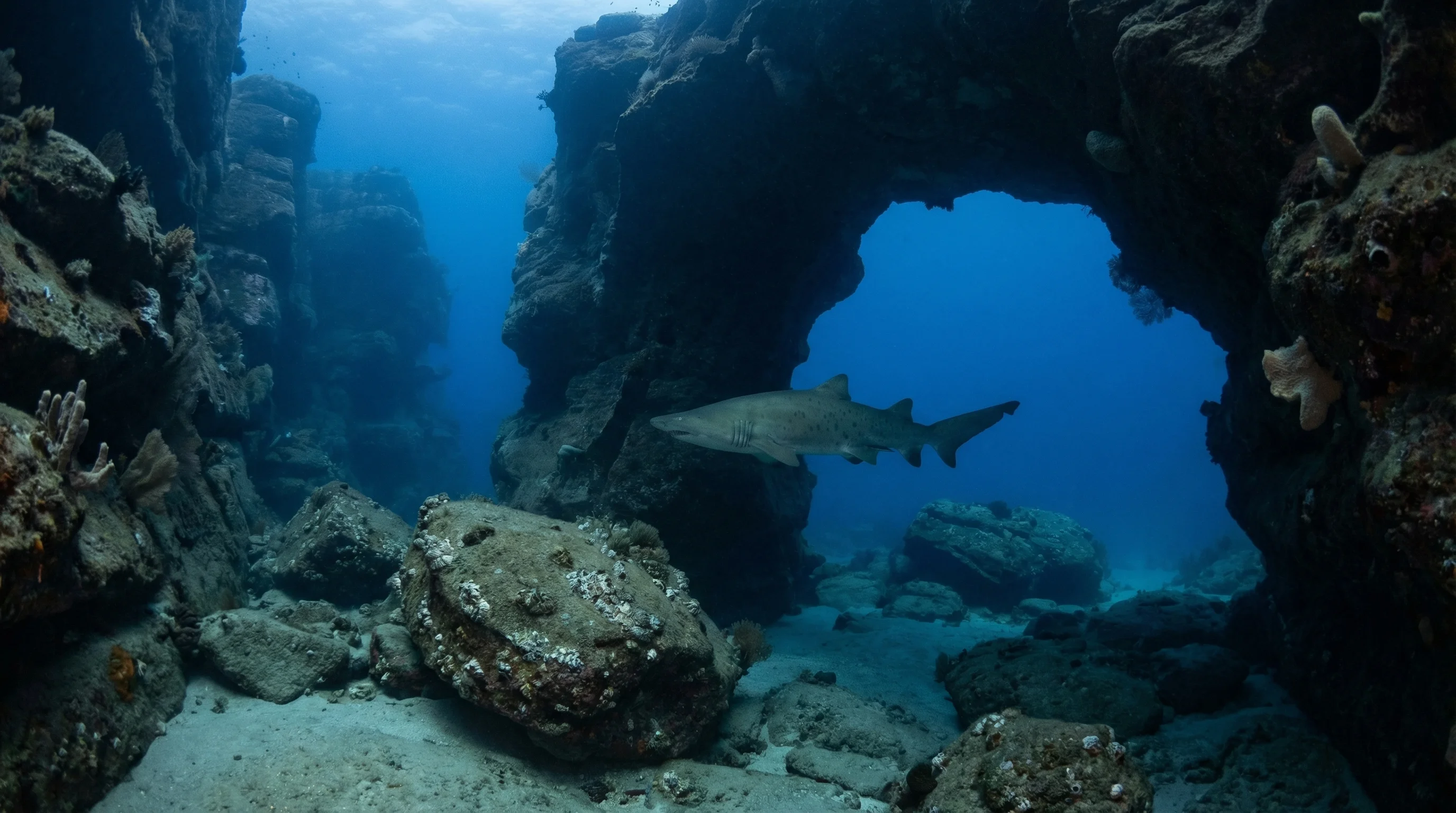
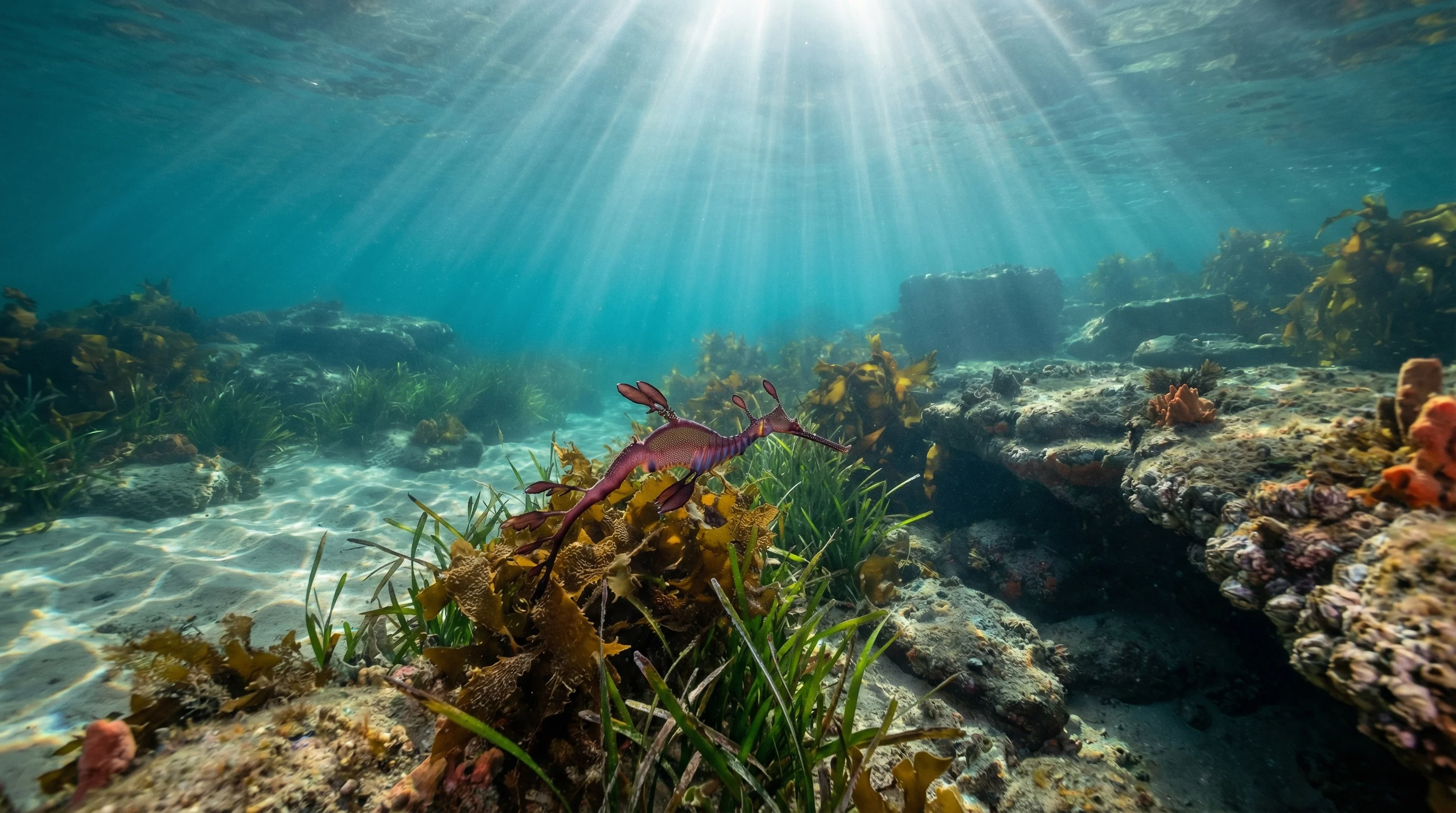
The South Coast of New South Wales spans a long stretch of sub-areas from Wollongong and Kiama in the north down to Eden and Green Cape in the south, taking in major hubs like Bass Point, Booderee, Montague Island and Jervis Bay along the way. Site types range from deep walls and cave systems through kelp forests and wrecks to shallow seagrass beds. The marine life is distinctly temperate: Spotted Wobbegong, Port Jackson Shark, Grey Nurse Shark, Weedy Seadragon and Eastern Blue Groper are all regularly observed. Conditions suit every level, from sheltered shore entries for beginners to demanding deep-water boat dives for advanced divers.
20 areas
Monthly water temperature across South Coast's sites, from satellite sea-surface data corrected for depth. The band shows the site-to-site spread.
Water temperatures peak in late summer and taper through autumn into a cooler winter and spring. April sits at the warmer end of the shoulder season and scores well in the best-months data, making it a sweet spot before the cooler mid-year period. Visibility is typically at its best away from winter swells, rewarding divers who time their visit to the warmer half of the year.
21 operators

62 more sites to explore
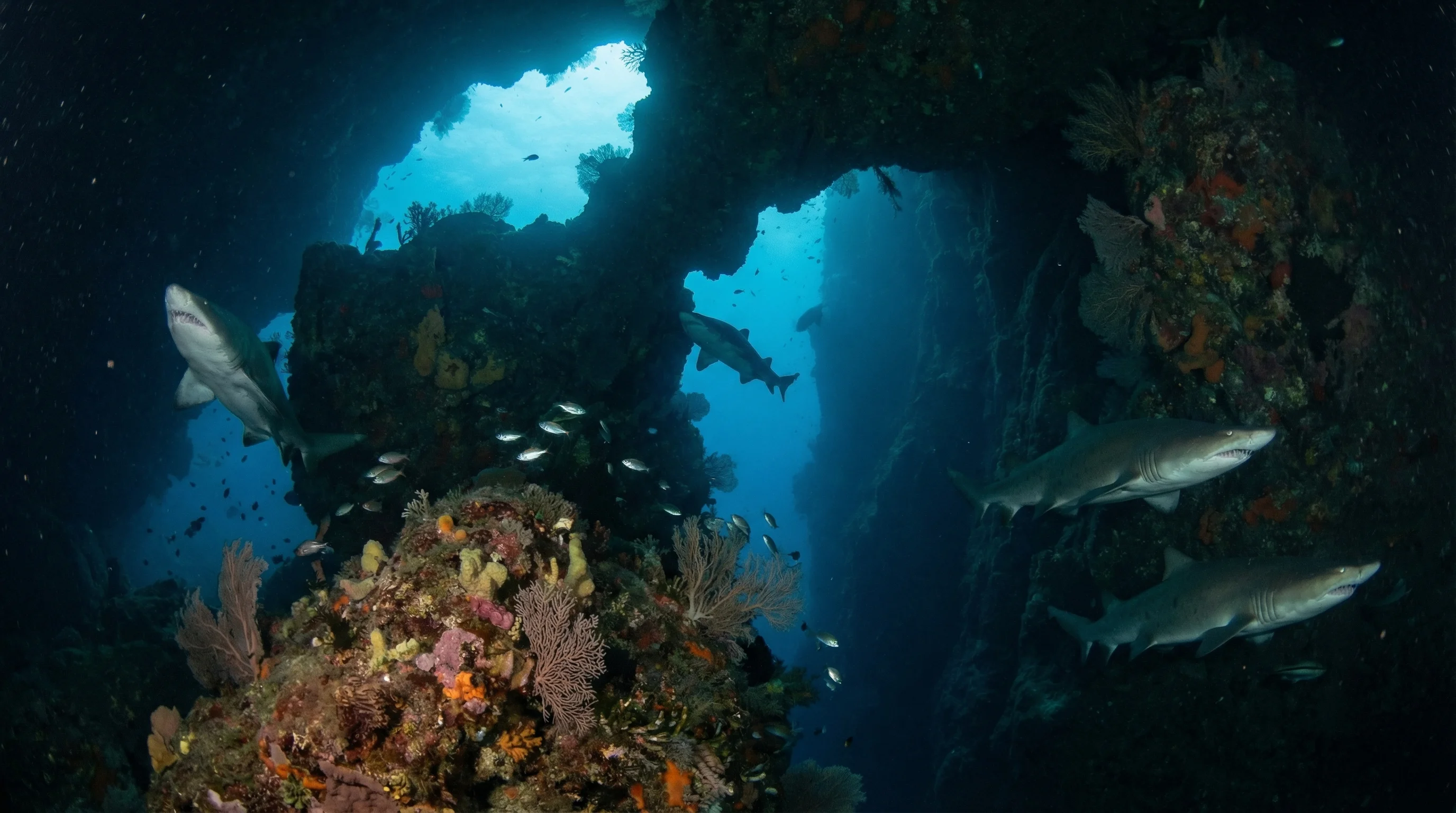
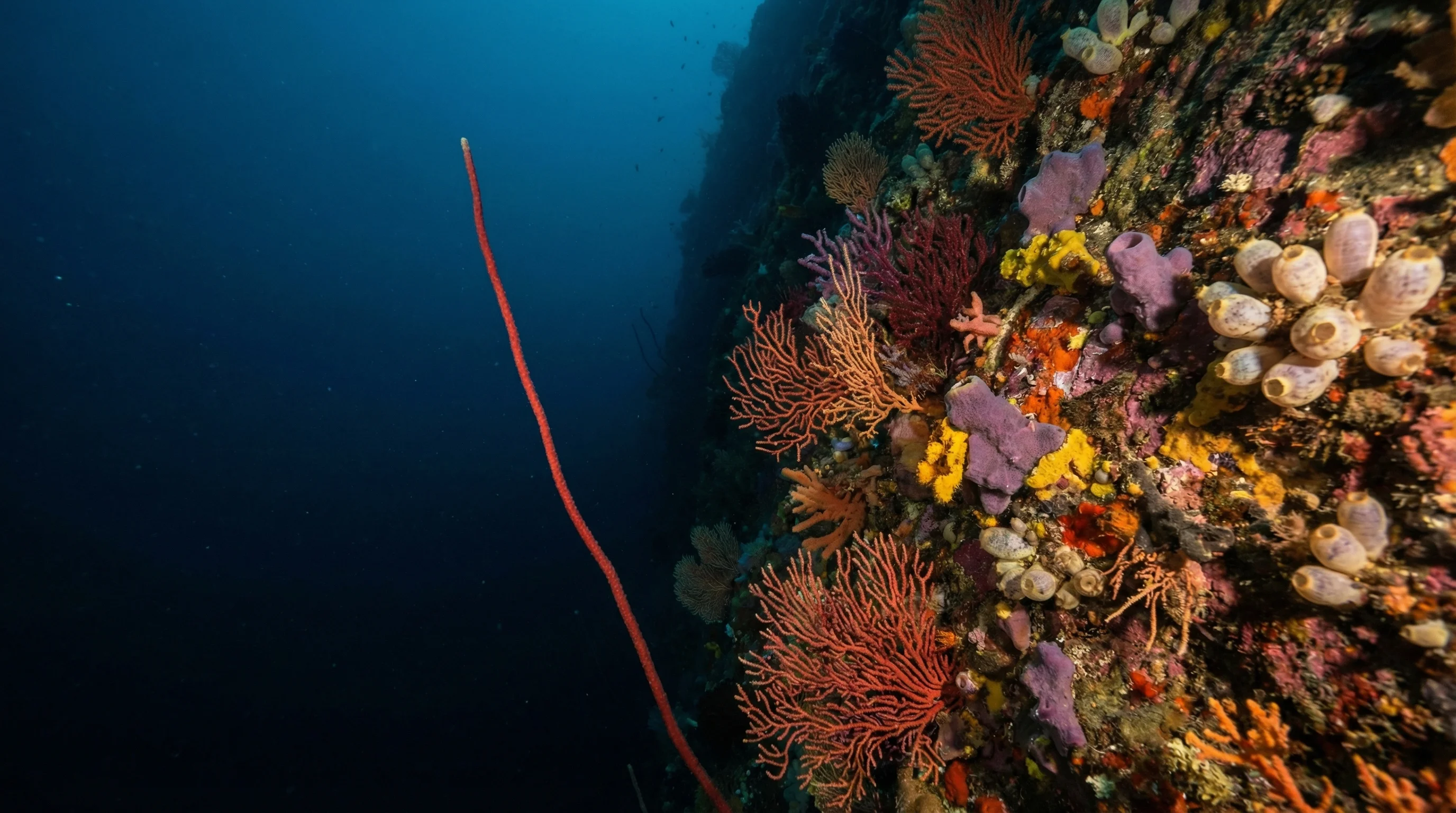
Temperate wall and cave diving with Grey Nurse Shark, Giant Cuttlefish, and exceptional nudibranch diversity off New South Wales.
Water temperature around South Coast ranges from about 18°C in July to 23°C in February, based on satellite sea-temperature data for its dive sites.
In the warm season (about 23°C) a 3mm full suit is comfortable in South Coast; in the coldest months (about 18°C) step up to a 5mm suit.
Fin maps 74 sites in South Coast (67 scuba diving sites and 28 snorkelling spots, with some suited to both), organised into 20 areas.
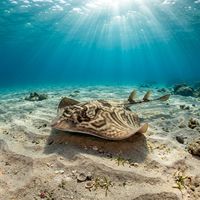
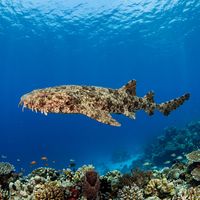
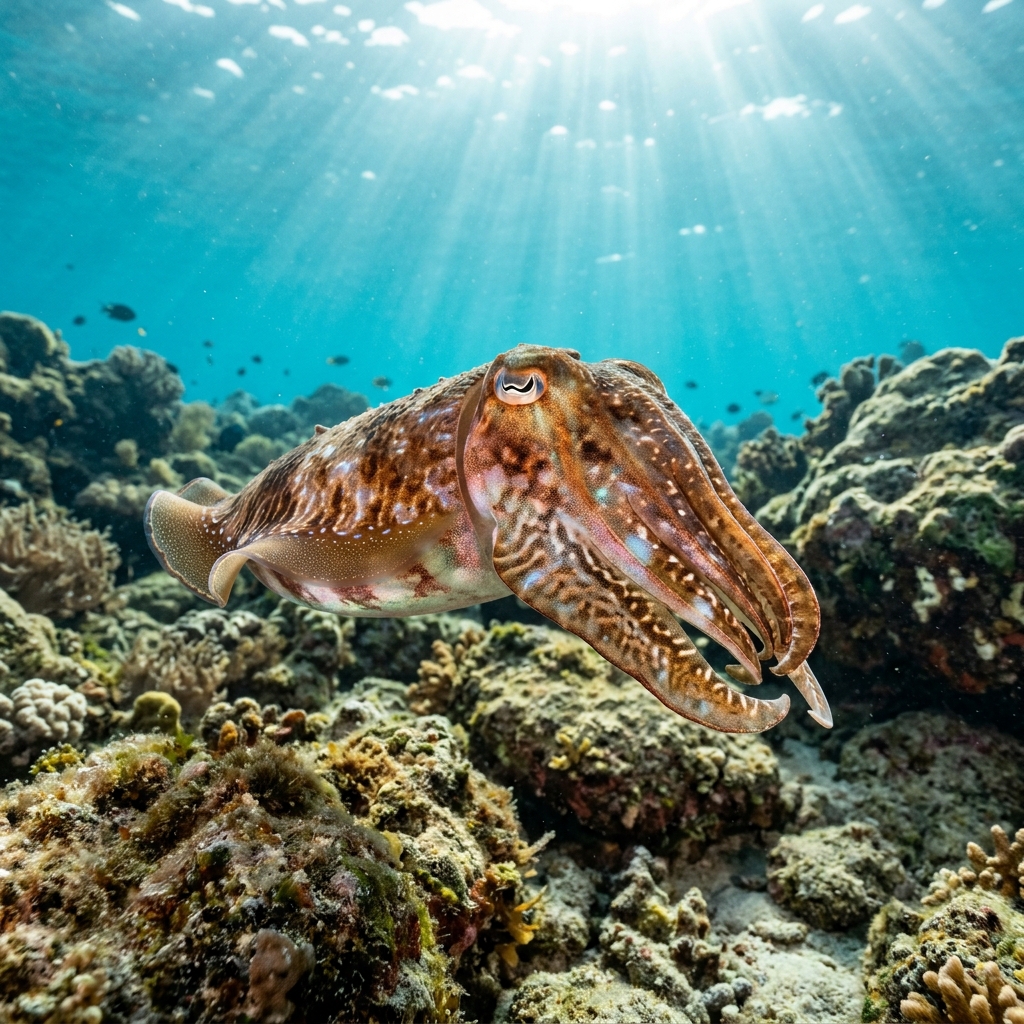
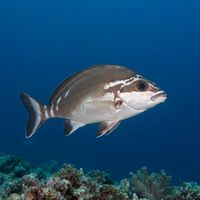
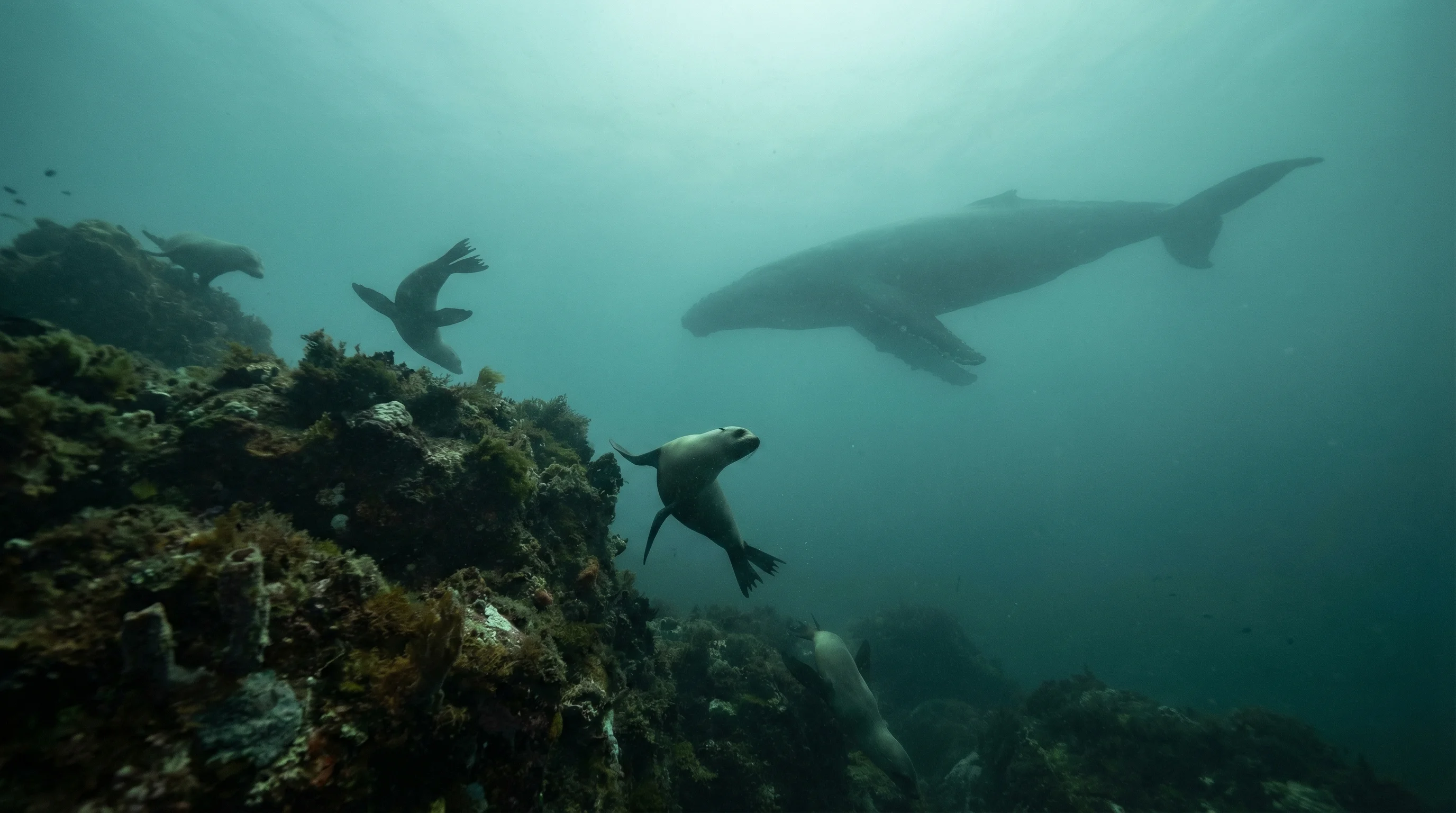
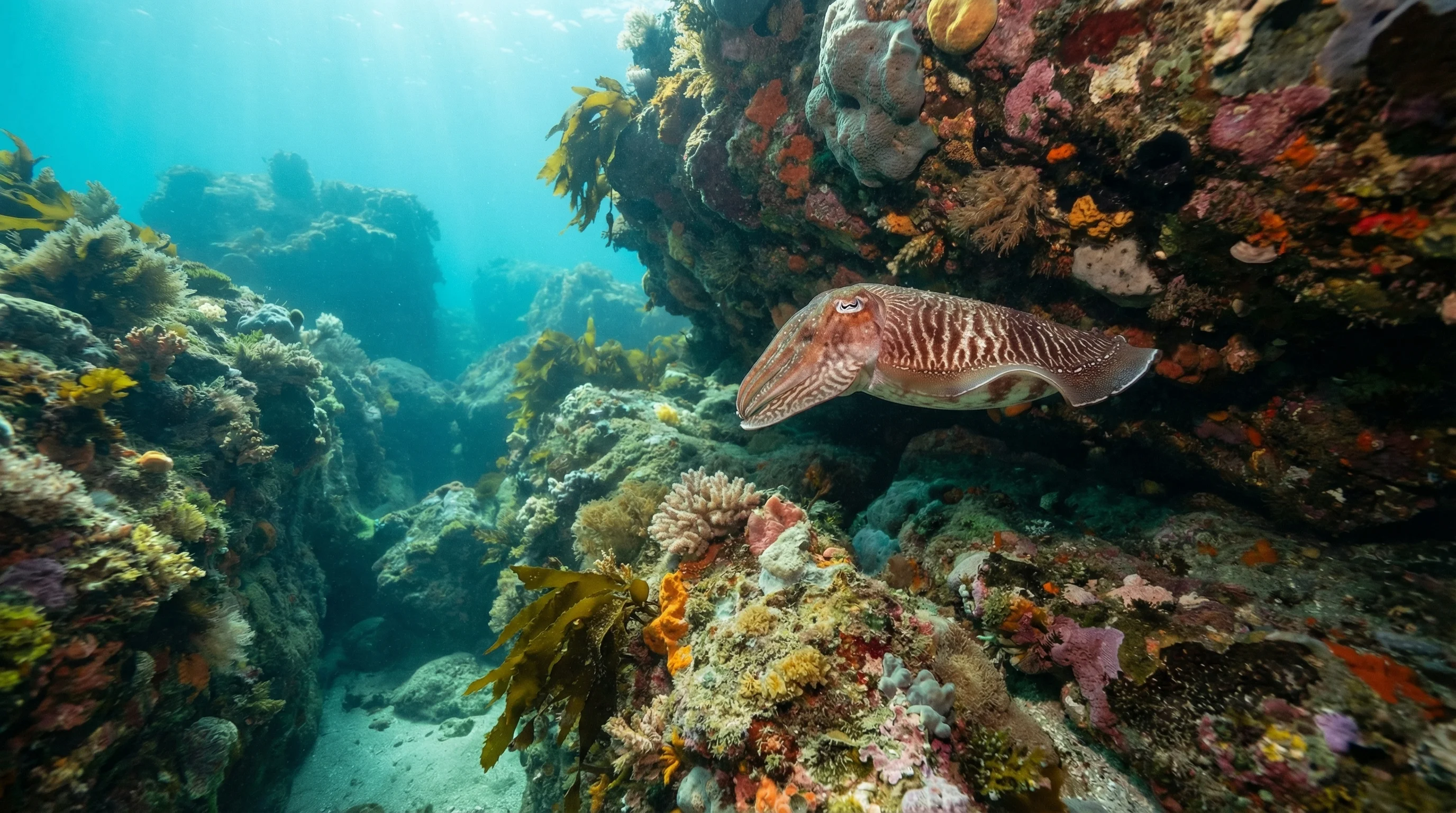
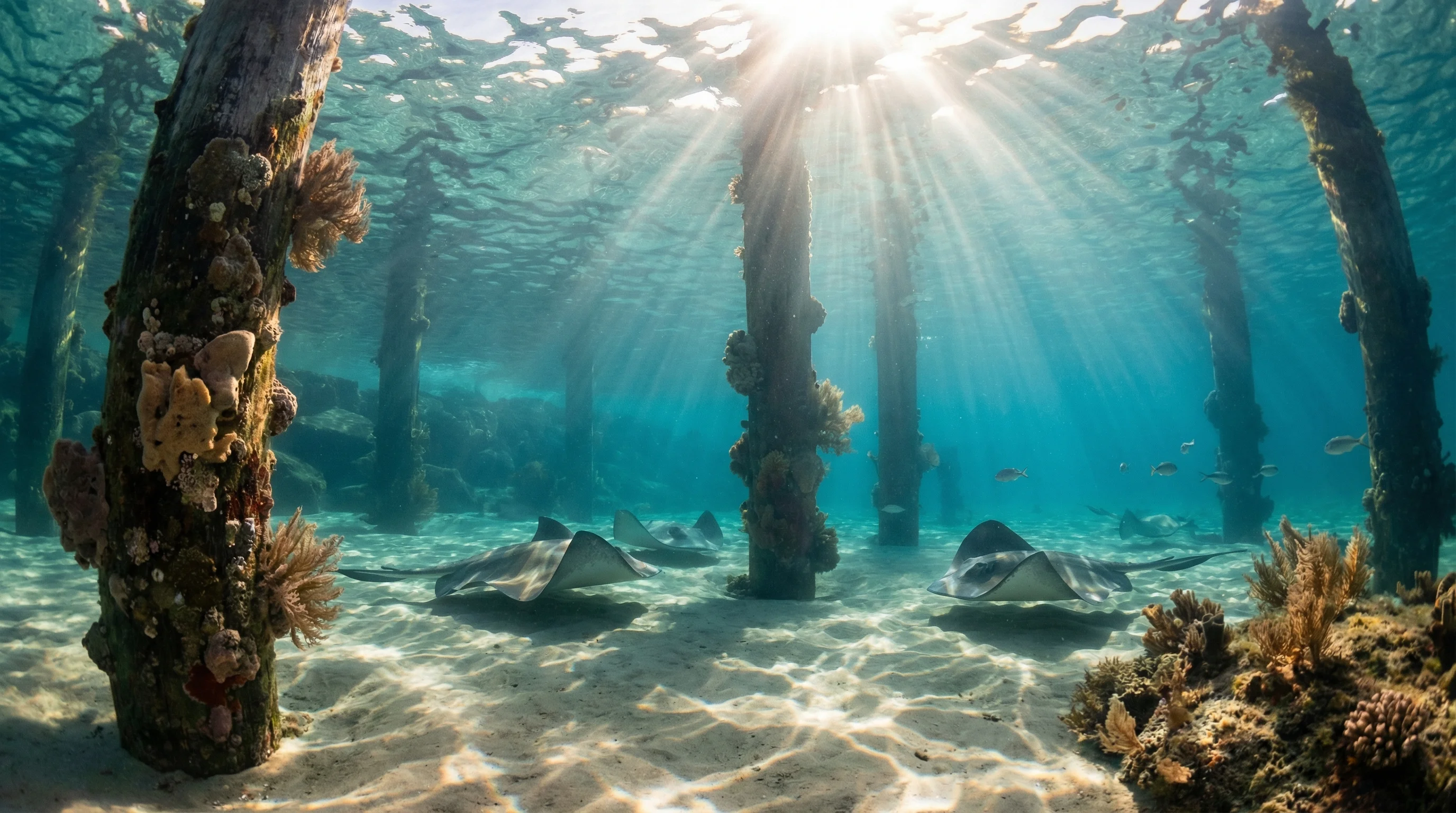
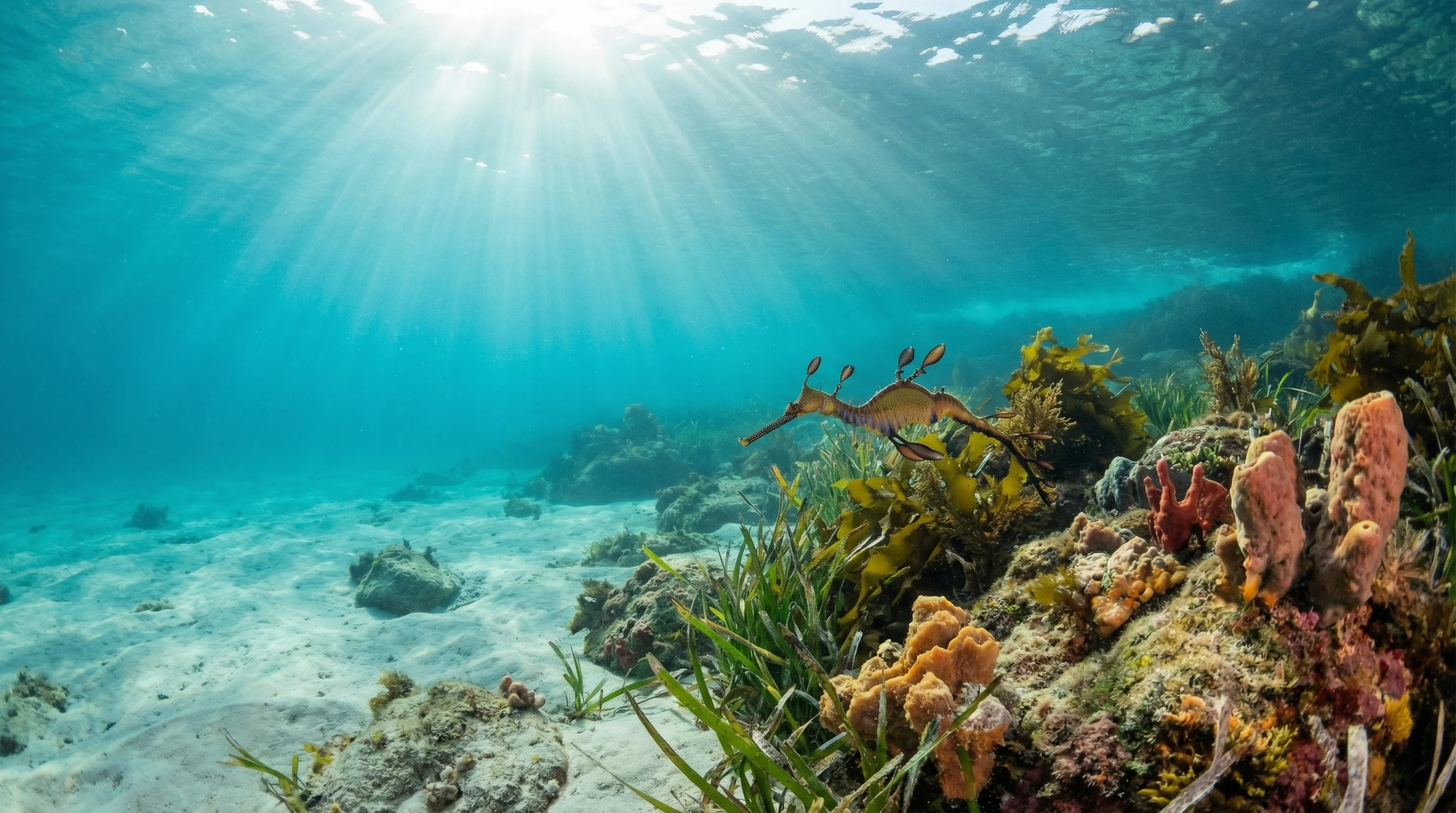
The South Coast has a strong line-up of temperate signature species. Grey Nurse Shark, Port Jackson Shark, Spotted Wobbegong and Fiddler Ray are all commonly observed, along with the Smooth Ray and Common Stingray. Weedy Seadragon and Giant Cuttlefish appear occasionally, and Eastern Blue Groper is one of the most frequently encountered fish across the region.
Yes. A good proportion of sites are rated beginner level, including shallow shore entries at Green Patch Beach, Mystery Bay and Greenfield Beach. The TSS Merimbula wreck is another accessible option for those new to diving. More demanding sites such as Stoney Creek and The Arch in Booderee are reserved for advanced divers comfortable with deep walls and caves.
Booderee and Bass Point offer the most technically challenging diving, with deep walls, cave systems and arches. Hyams Beach and Batemans Bay lean towards gentle reef and seagrass dives suited to beginners. Montague Island adds a drift dive over an artificial reef structure, while Broulee covers everything from sheltered estuaries to exposed reef. Merimbula and Tathra in the south round out the region with calmer conditions.
Not at all. Many of the region's sites are shore-accessible, including Mystery Bay, Narooma Wharf, Guerilla Bay, Candlagan Creek and the TSS Merimbula wreck. Boat diving becomes necessary for deeper sites like Stoney Creek and The Igor, and for reaching offshore locations around Hyams Beach and Booderee. Operators including Dive Jervis Bay, Infinity Dive and Sapphire Coast Scuba can arrange boat charters.