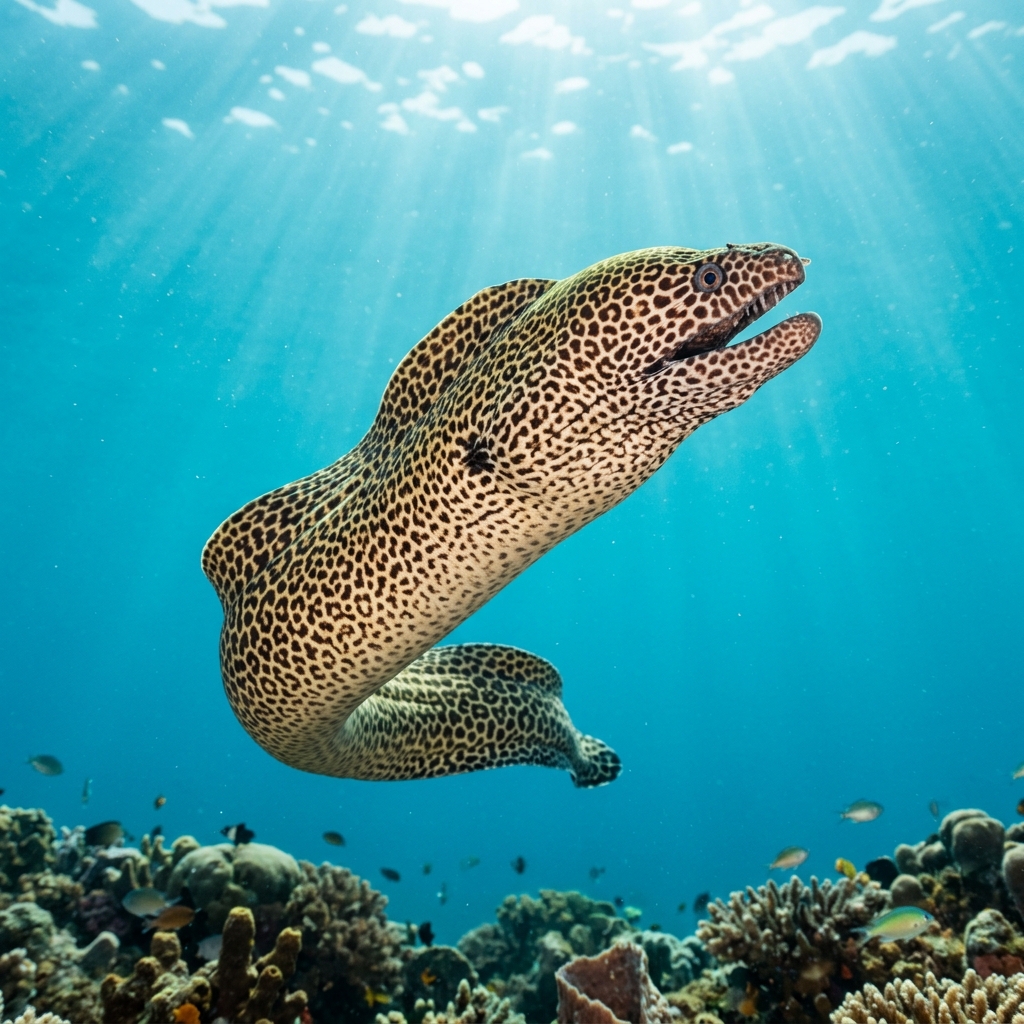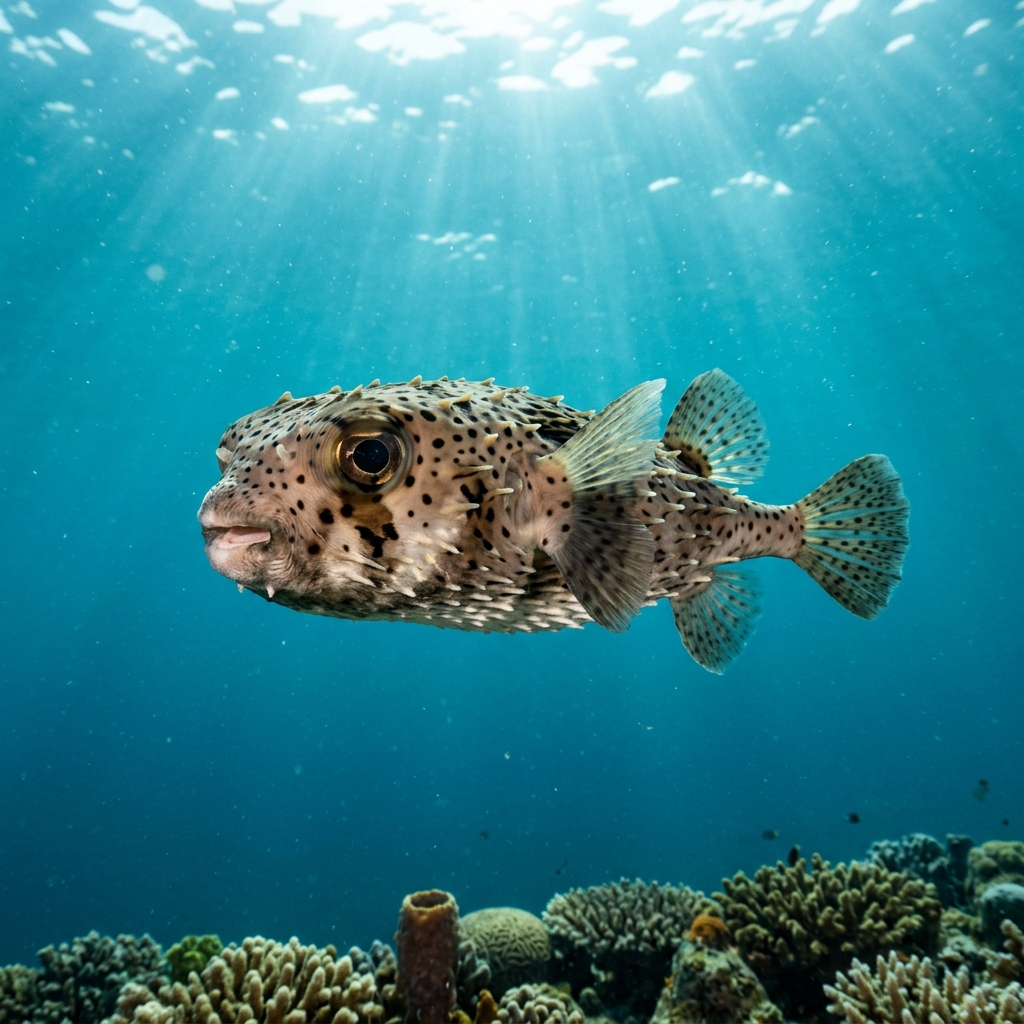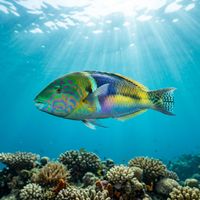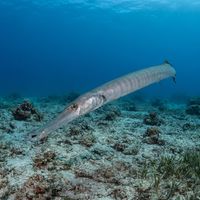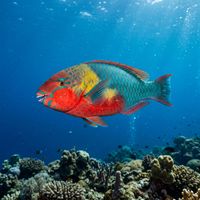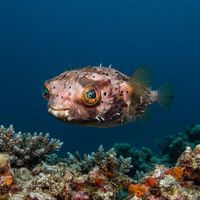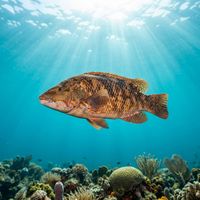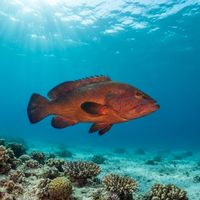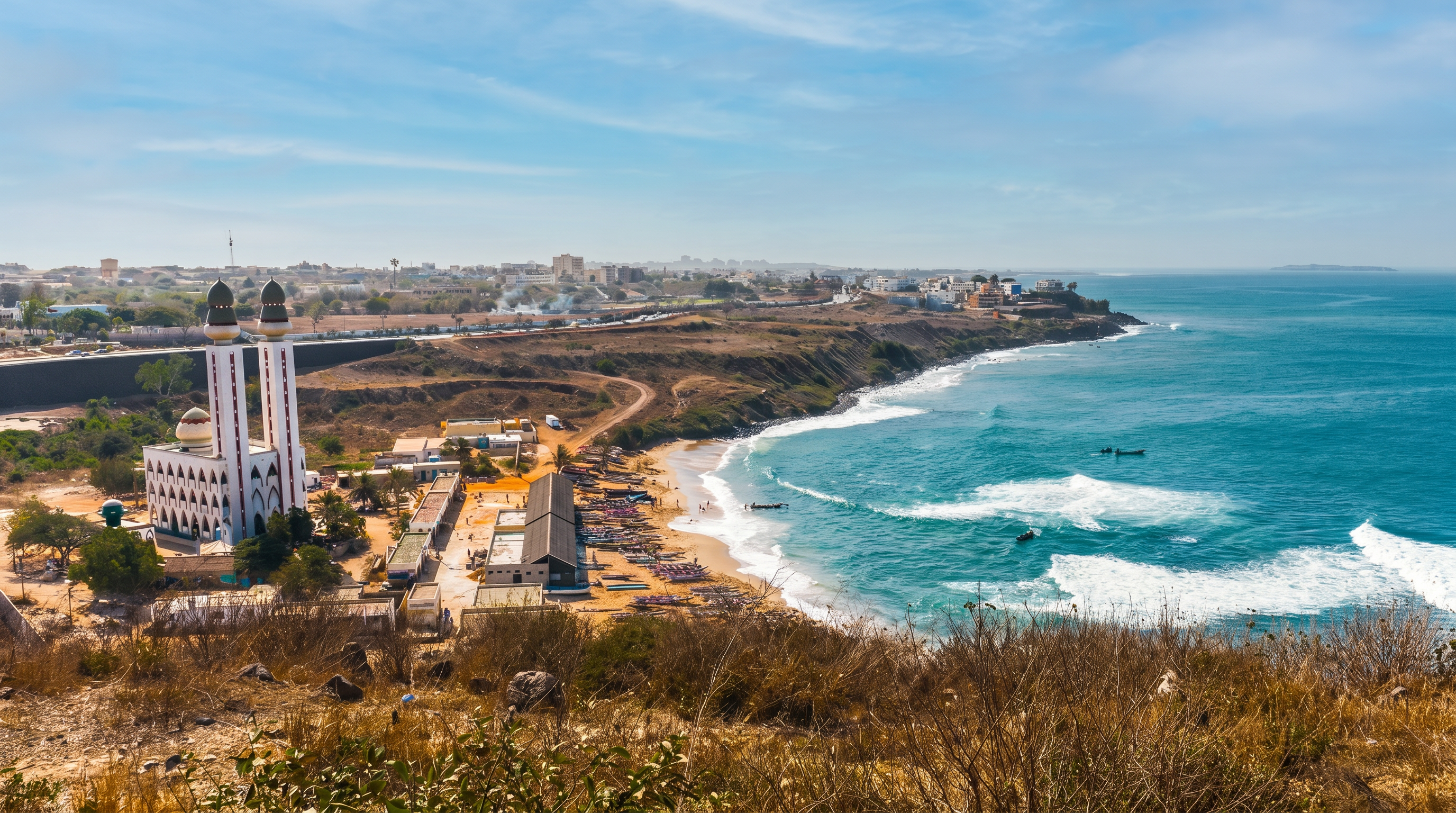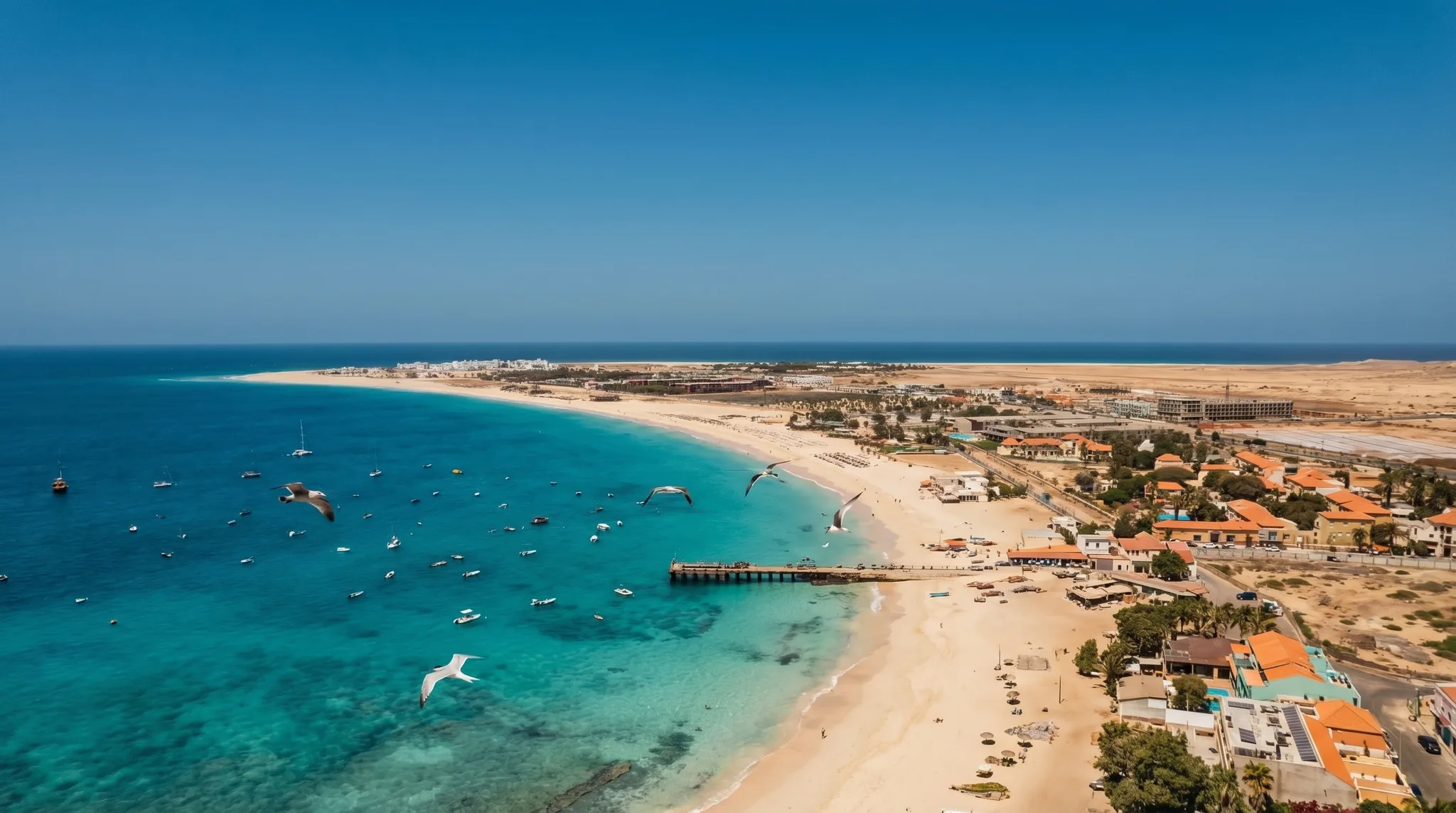
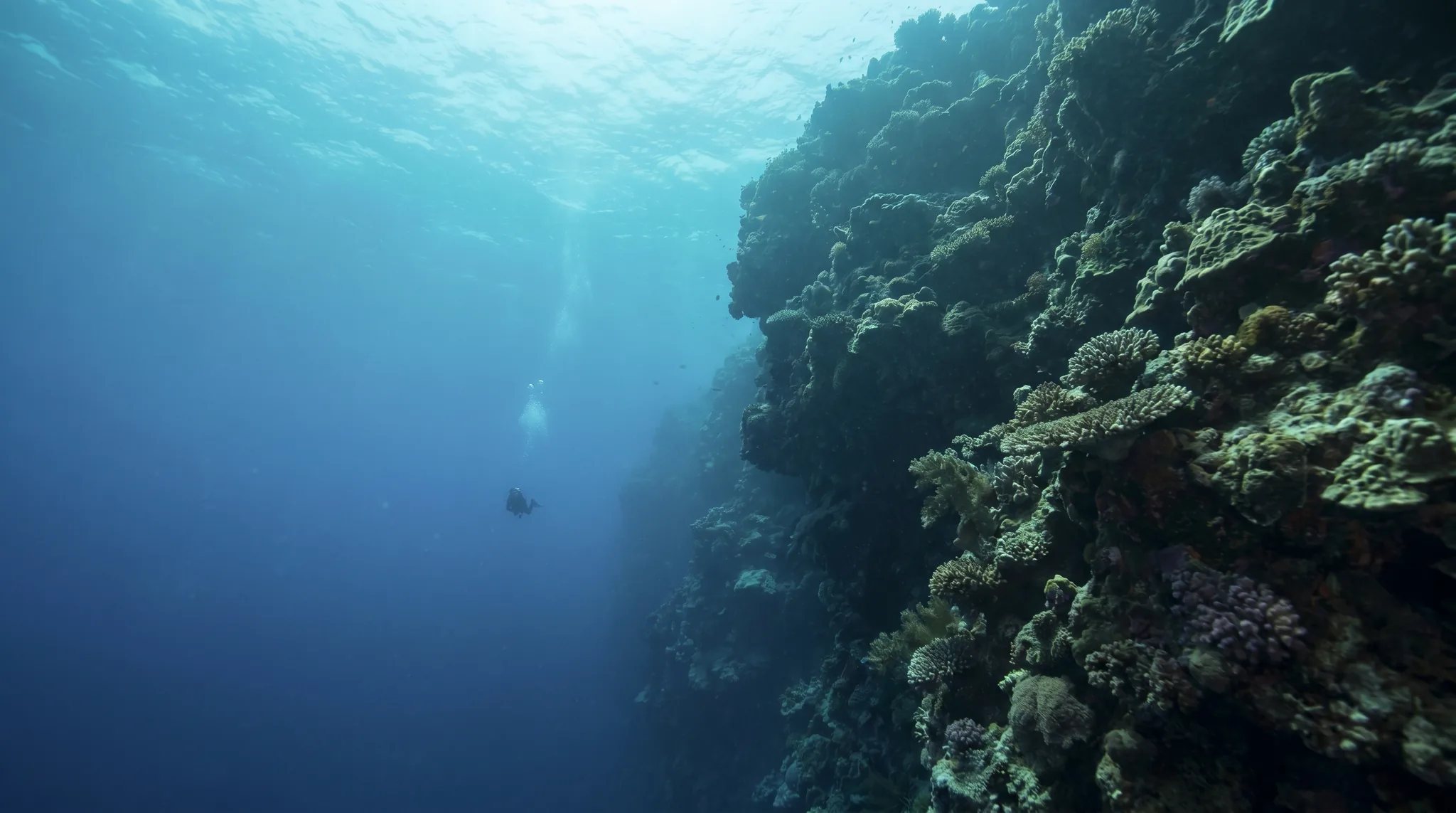
Cape Verde's underwater landscape is shaped by volcanic origins and open-ocean exposure, producing a striking range of site types across its main islands. Walls drop sharply from shallow reef crests, caves pierce volcanic rock, and drift dives run along current-swept points. Sal and Boa Vista offer more sheltered reef diving, while Santo Antão and São Vicente deliver the archipelago's most dramatic walls and drop-offs at sites like Monte Trigo, Ponta d'Tum, and Hanging Garden. Santiago rounds out the mix with compact reef and wall terrain. The species list is truly varied: Scorpionfish and Porcupinefish are encountered across much of the site network, Nurse Shark and Honeycomb Moray are frequently observed, and the Frogfish and Flying Gurnard reward slower, more attentive dives. Green Sea Turtle sightings add a highlight to many trips. Conditions suit everyone from beginners to technical divers.
5 areas
 36
36An island built for cave divers, with multiple moray species, resident Nurse Shark, and wrecks for every skill level.
 34
34Wrecks, walls, caves and exceptionally rich cryptic life across two distinct dive areas on the same island.
 34
34Wall dives, reef caves, and a strong showing of Nurse Shark and Dusky Grouper across three varied sub-areas.
 20
20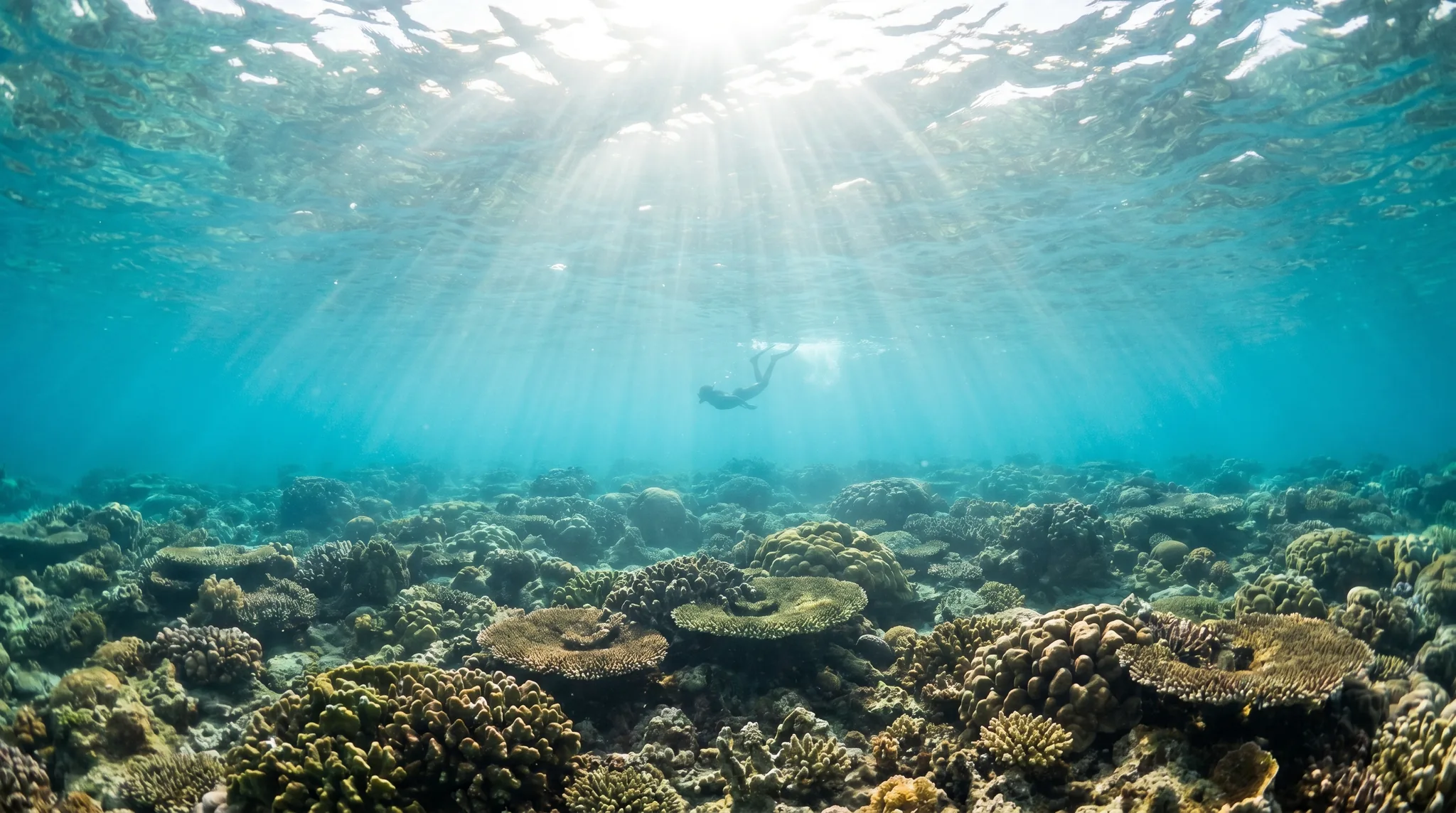
Monthly water temperature across Cape Verde's sites, from satellite sea-surface data corrected for depth. The band shows the site-to-site spread.
Water temperatures stay warm throughout the year, rising to their peak in the autumn months and sitting at their coolest, though still comfortable, from January through May. The period from April through June draws the strongest diver interest, with a secondary peak in October and November. Exposed sites on Santo Antão and São Vicente can carry meaningful currents, while more sheltered sites on Sal and Boa Vista offer calmer conditions for those seeking relaxed dives.
41 operators
Reef walls, caves and an unusual density of moray eels and bottom-dwellers define diving around Santiago, Cape Verde.
Water temperature around Cape Verde ranges from about 23°C in January to 27°C in September, based on satellite sea-temperature data for its dive sites.
In the warm season (about 27°C) a rash guard or 3mm shorty is comfortable in Cape Verde; in the coldest months (about 23°C) step up to a 3mm full suit.
Fin maps 140 sites in Cape Verde (128 scuba diving sites and 21 snorkelling spots, with some suited to both), organised into 5 areas.
The resident community is diverse and observation-backed. Scorpionfish, Porcupinefish, Honeycomb Moray, and Trumpetfish are common across much of the site network. Nurse Shark is frequently encountered, and the Flying Gurnard is a local speciality that rewards patient divers. Green Sea Turtle and Frogfish are occasional but consistently recorded highlights.
Cape Verde caters well to a wide range of skill levels. Sites such as Sem Âncora, Furna de Rosa, and Critters Walk are rated for beginners and involve shallower reef diving from a boat. Intermediate divers have a large selection of walls and reef dives, while advanced divers can target deeper walls like Monte Trigo and Parede de Bitxon, as well as cave penetration dives at Dos Olhos.
Santo Antão and São Vicente hold the greatest concentration of wall and drift sites, including dramatic drop-offs that appeal to more experienced divers. Sal is the most operator-rich island and offers a broad mix of reefs, caves, and the twin-cave penetration site Dos Olhos. Boa Vista has a smaller site selection with a generally calmer character, and Santiago adds reef and wall diving with a distinct feel from the northern islands.
The majority of sites across Cape Verde are boat-access dives, reflecting the archipelago's volcanic coastline and open-ocean setting. Shore entry is available at certain sites, including Buracona on Sal, a volcanic cave system accessible directly from the coast. A handful of sites, including Choclassa and Les Grottes, offer the option of either shore or boat entry depending on conditions.