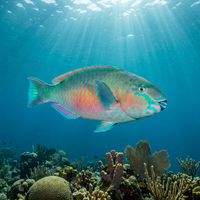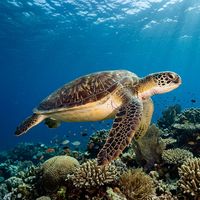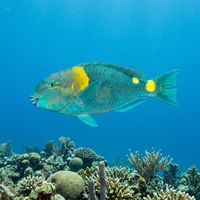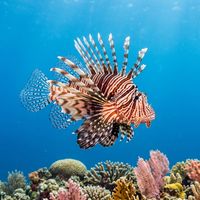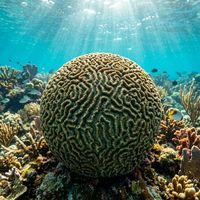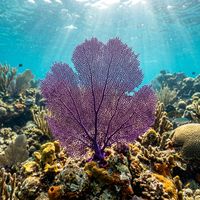
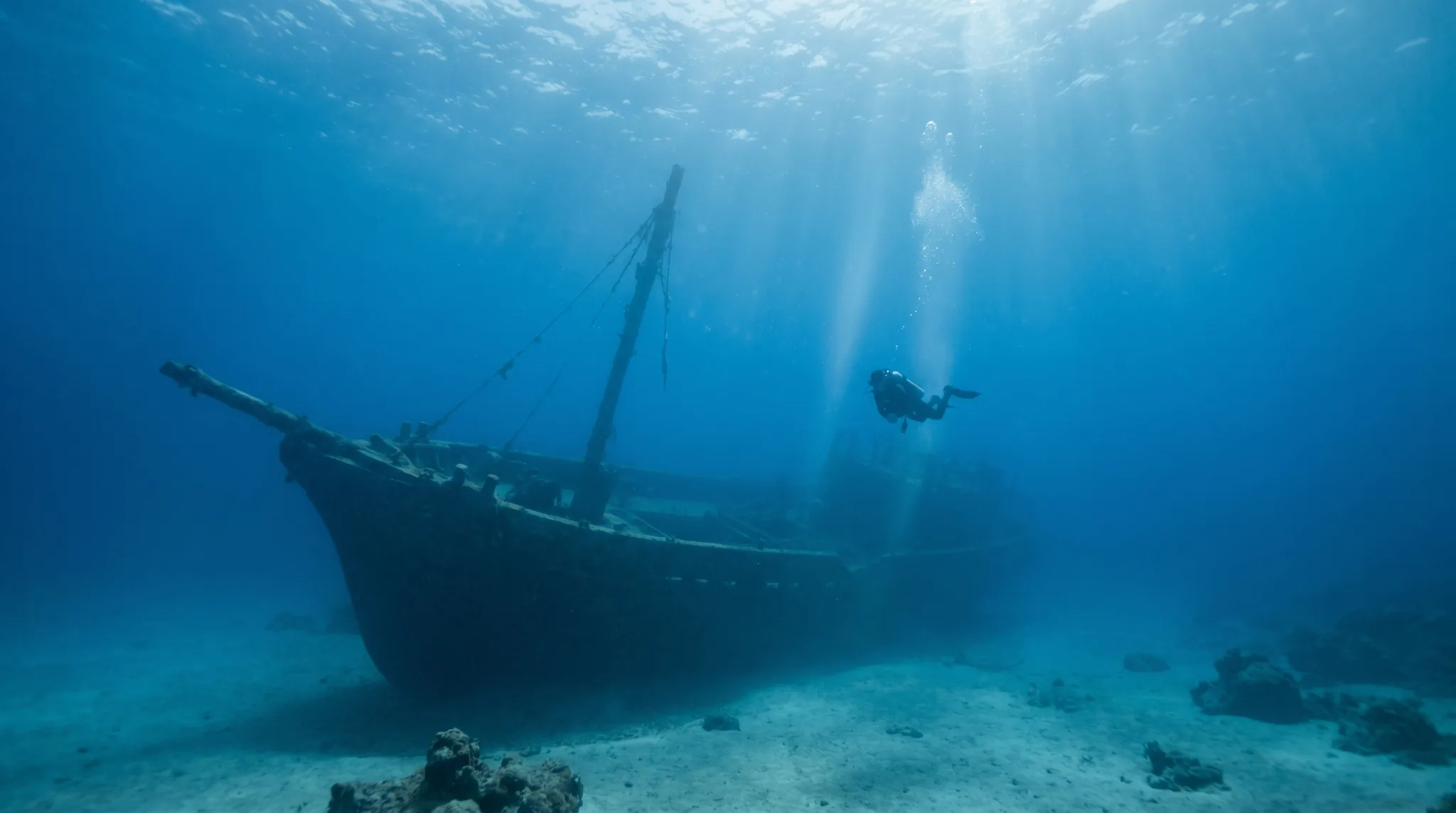
Bermuda's diving character is defined almost entirely by wrecks. The reefs along the North Shore have claimed vessels across several centuries, and the result is one of the most wreck-dense dive rosters anywhere. Sites range from very shallow to moderately deep, and many wrecks have merged with natural reef over time, making them as rich in marine life as they are in history. The Cristobal Colon, Constellation and Montana Wrecks, and The King each offer distinct structural experiences, while beginner-friendly sites such as L'herminie and North Carolina keep the roster accessible. Wrasses, Queen Parrotfish, Stoplight Parrotfish, and Brain Coral colonise the encrusted hulls throughout. Green Sea Turtle and Indian Lionfish add highlights to the reef sections. Water is warmest from summer into early autumn, and visibility is consistently strong across the best months.
Monthly water temperature across Bermuda's sites, from satellite sea-surface data corrected for depth. The band shows the site-to-site spread.
Water temperature climbs steadily from spring, peaking in late summer before easing through autumn. The most popular diving months run from late spring through to mid-autumn, when warm water and strong visibility coincide. Winter months bring cooler conditions and fewer divers, suiting those who prefer quieter sites.
22 operators
19 more sites to explore
Water temperature around Bermuda ranges from about 20°C in February to 28°C in August, based on satellite sea-temperature data for its dive sites.
In the warm season (about 28°C) a rash guard or 3mm shorty is comfortable in Bermuda; in the coldest months (about 20°C) step up to a 5mm suit.
Fin maps 31 sites in Bermuda (31 scuba diving sites and 6 snorkelling spots, with some suited to both).
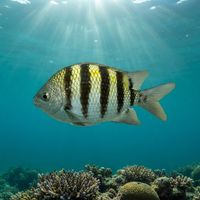
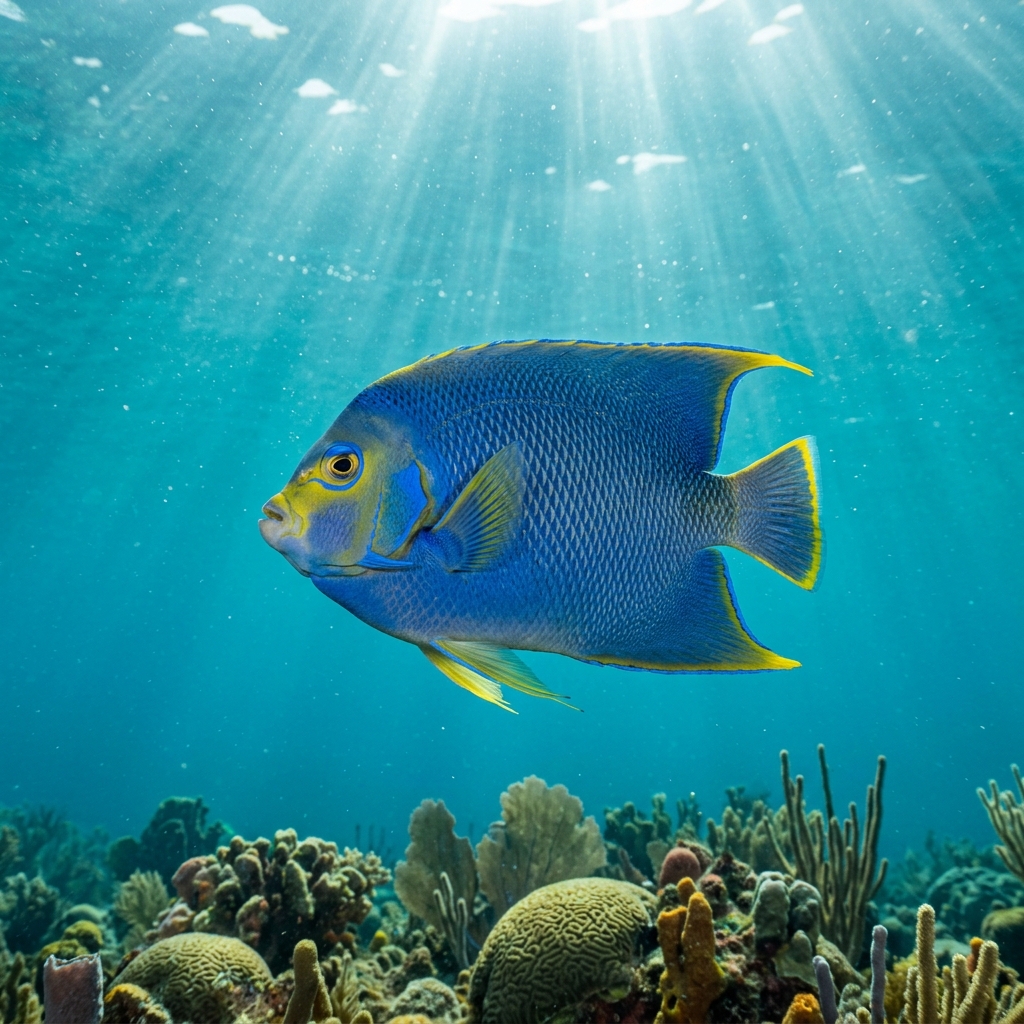
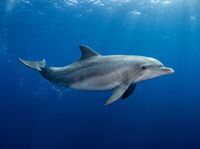
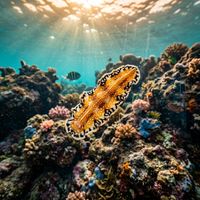
Wrasse and Crab are observed across virtually every site. Queen Parrotfish, Stoplight Parrotfish, Yellowtail Parrotfish, and Angelfish are common on the reef sections of wrecks, alongside Brain Coral and Purple Sea Fan. Green Sea Turtle and Indian Lionfish are the signature species, encountered occasionally across a good portion of sites. Honeycomb Cowfish, Flatworm, Blue Tang, and Sergeants round out the list of regularly observed species.
A large proportion of Bermuda's wreck sites are rated beginner level, including Blanche King, L'herminie, North Carolina, Darlington, and Marie Celeste. Many of these are shallow and reached by boat in calm conditions, making them manageable for newly certified divers. Intermediate-rated sites such as Pelanion and Aristo are available for those looking to progress to deeper penetration or wider depth ranges.
The vast majority of sites are reached by boat, which is the standard entry type across the region. A small number of sites, including Pollockshields, offer the option of shore or boat entry. Operators such as Dive Bermuda Somerset, SeaVenture Diving, EcoDive Bermuda, and Deep Blue Dive Training Center run guided boat trips to the wreck sites.
Most Bermuda wrecks have been colonised by coral and reef species over time, so a single dive combines structural wreck exploration with active reef ecology. Sites like Pollockshields have deteriorated enough that the vessel has fully merged with the surrounding reef. Several wrecks, including The King and The Forceful, were deliberately scuttled to create artificial reef habitat, adding purpose-sunk structure to the naturally occurring losses.