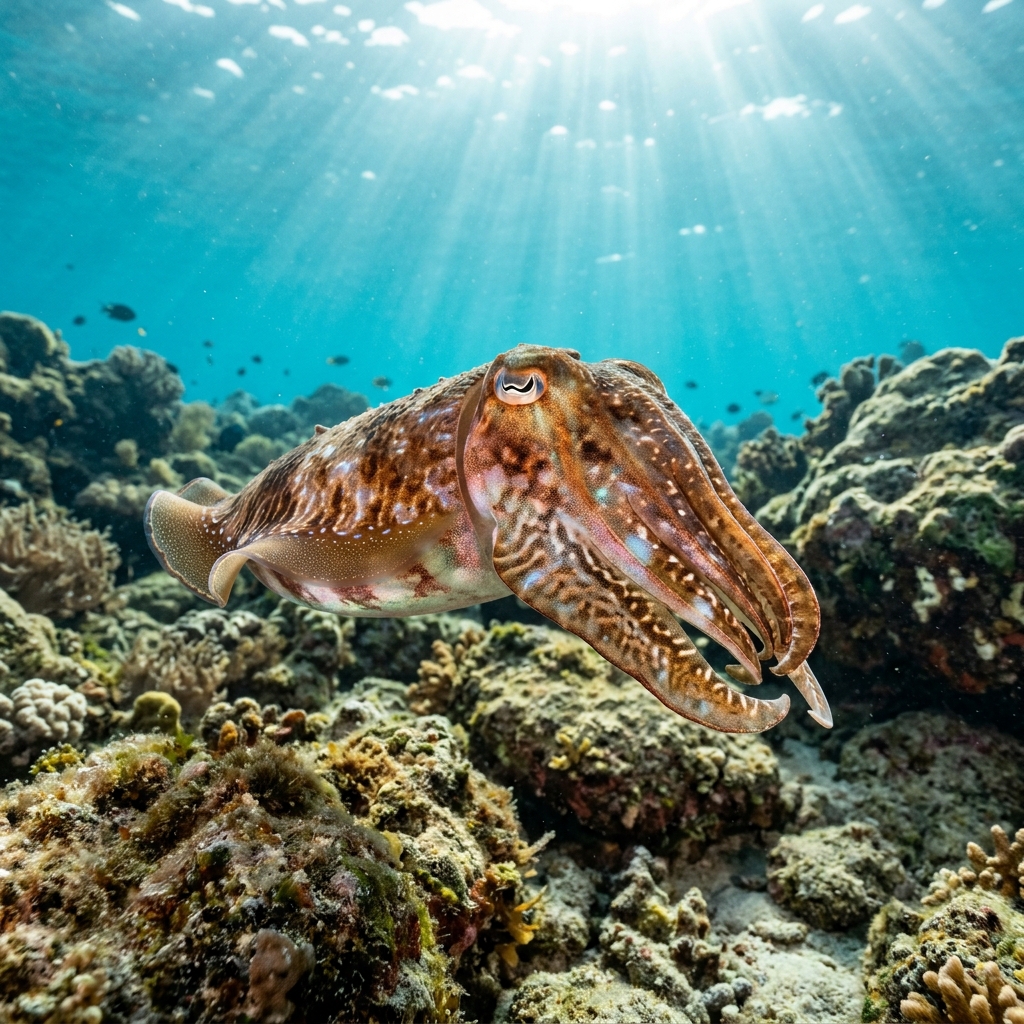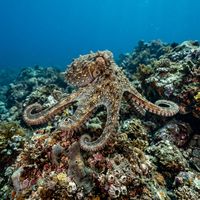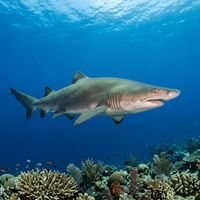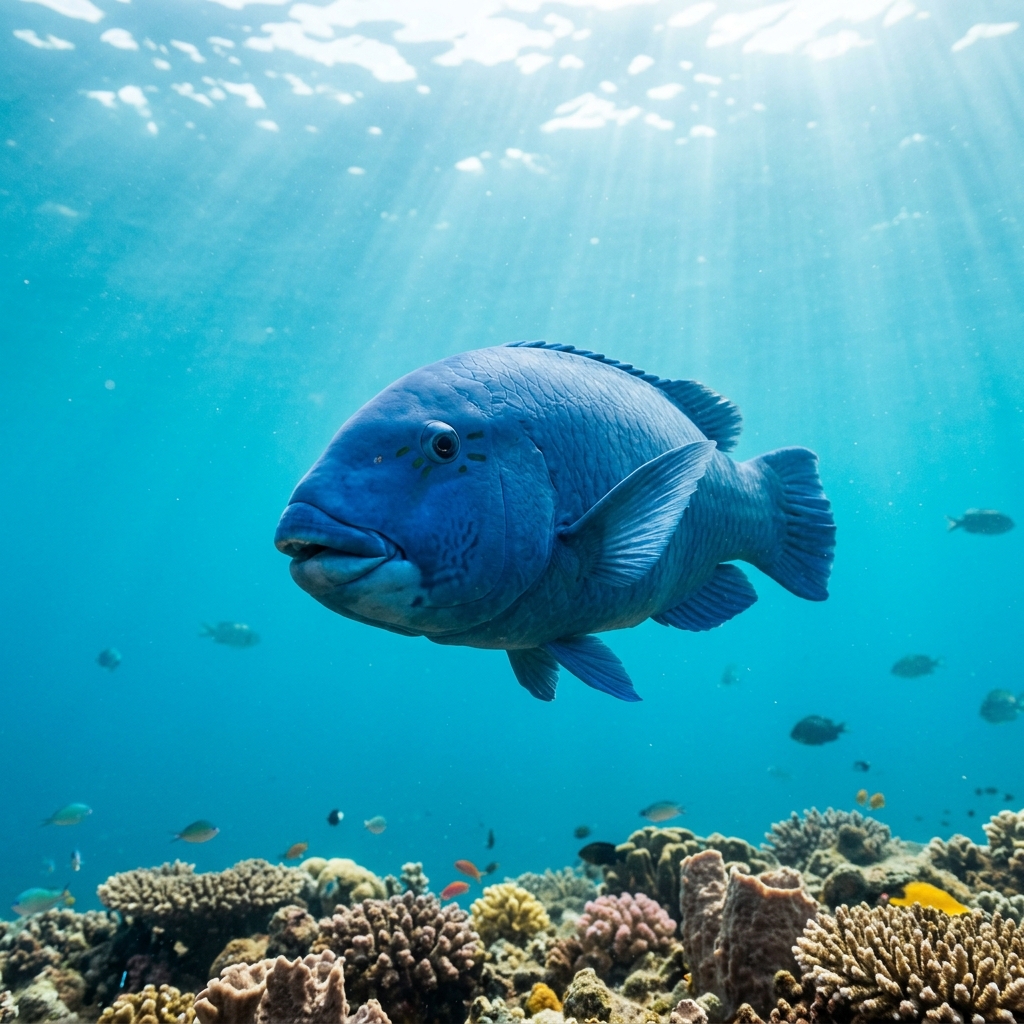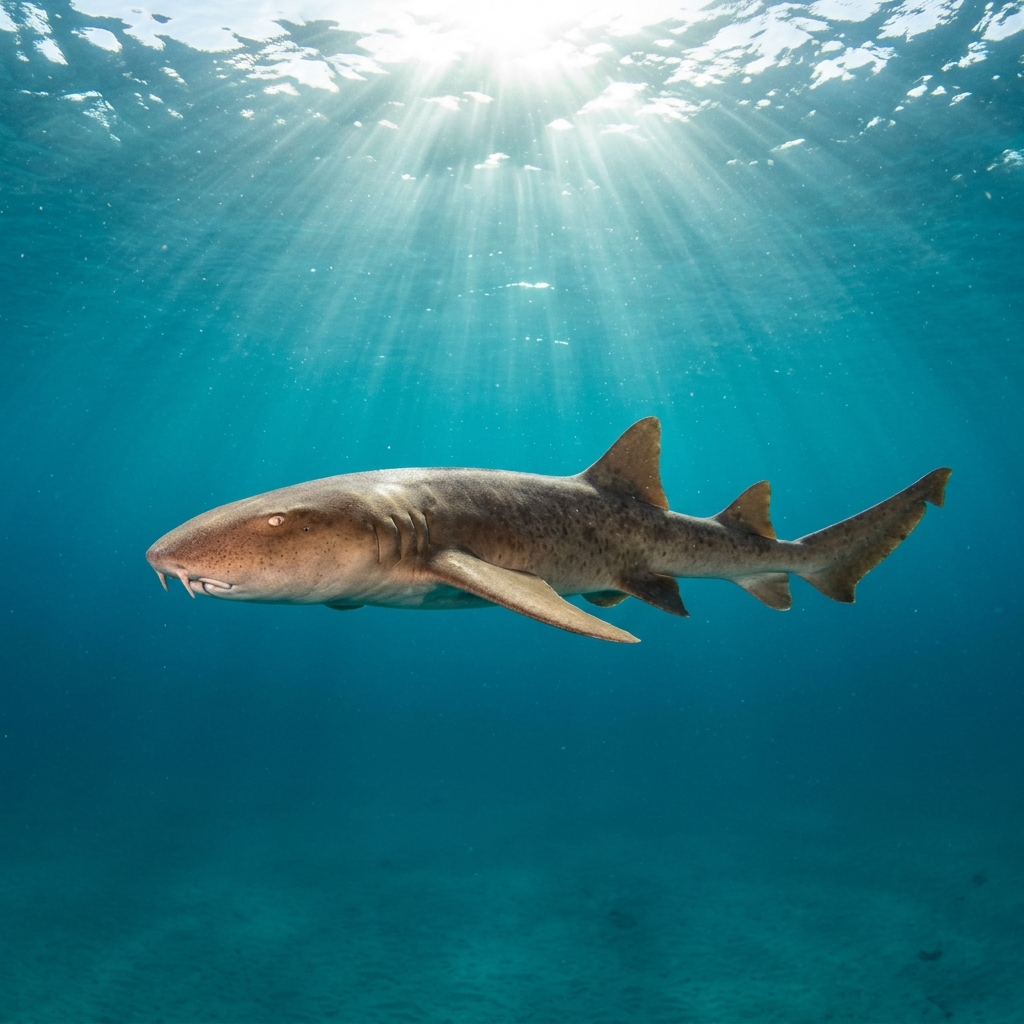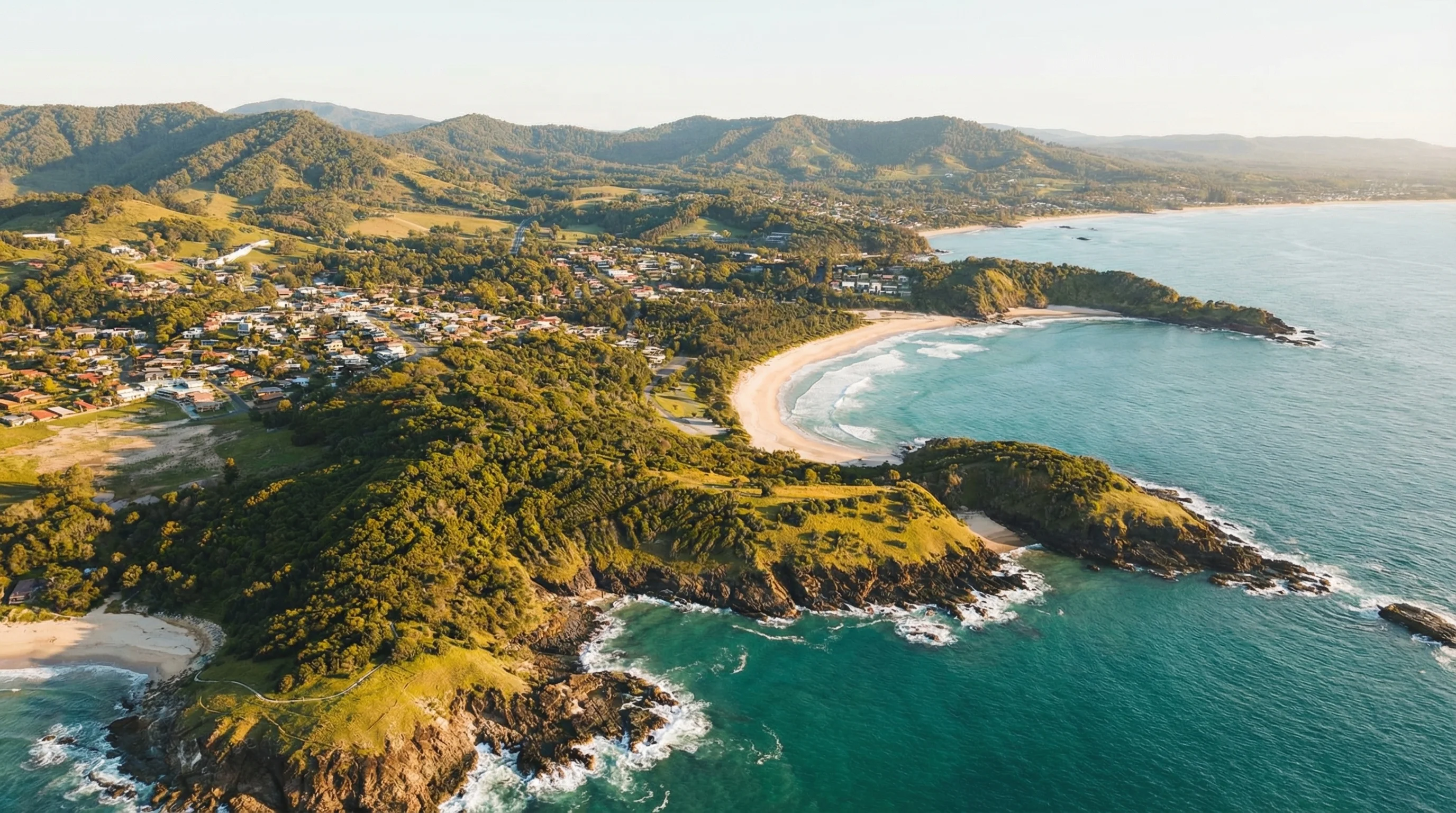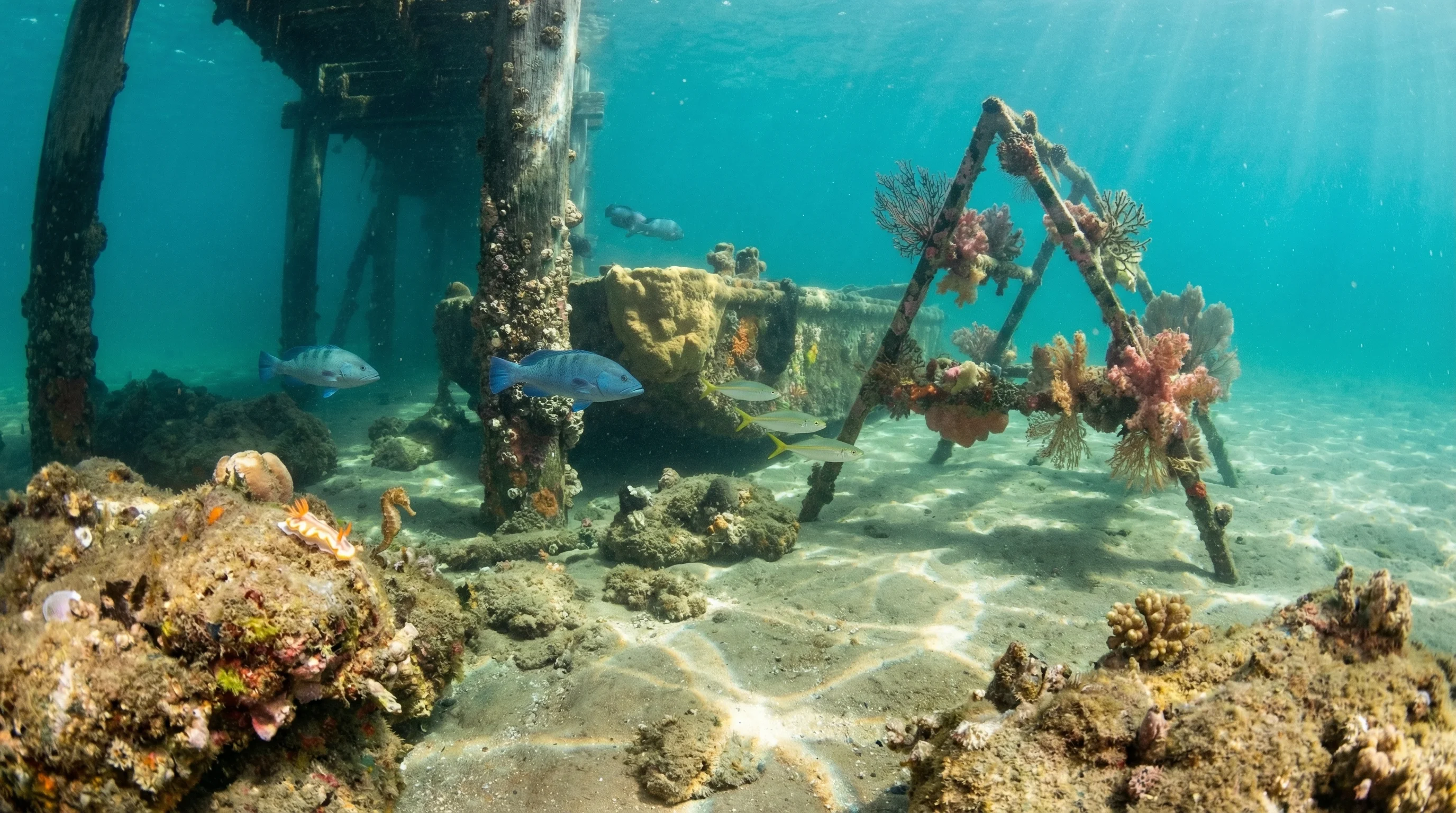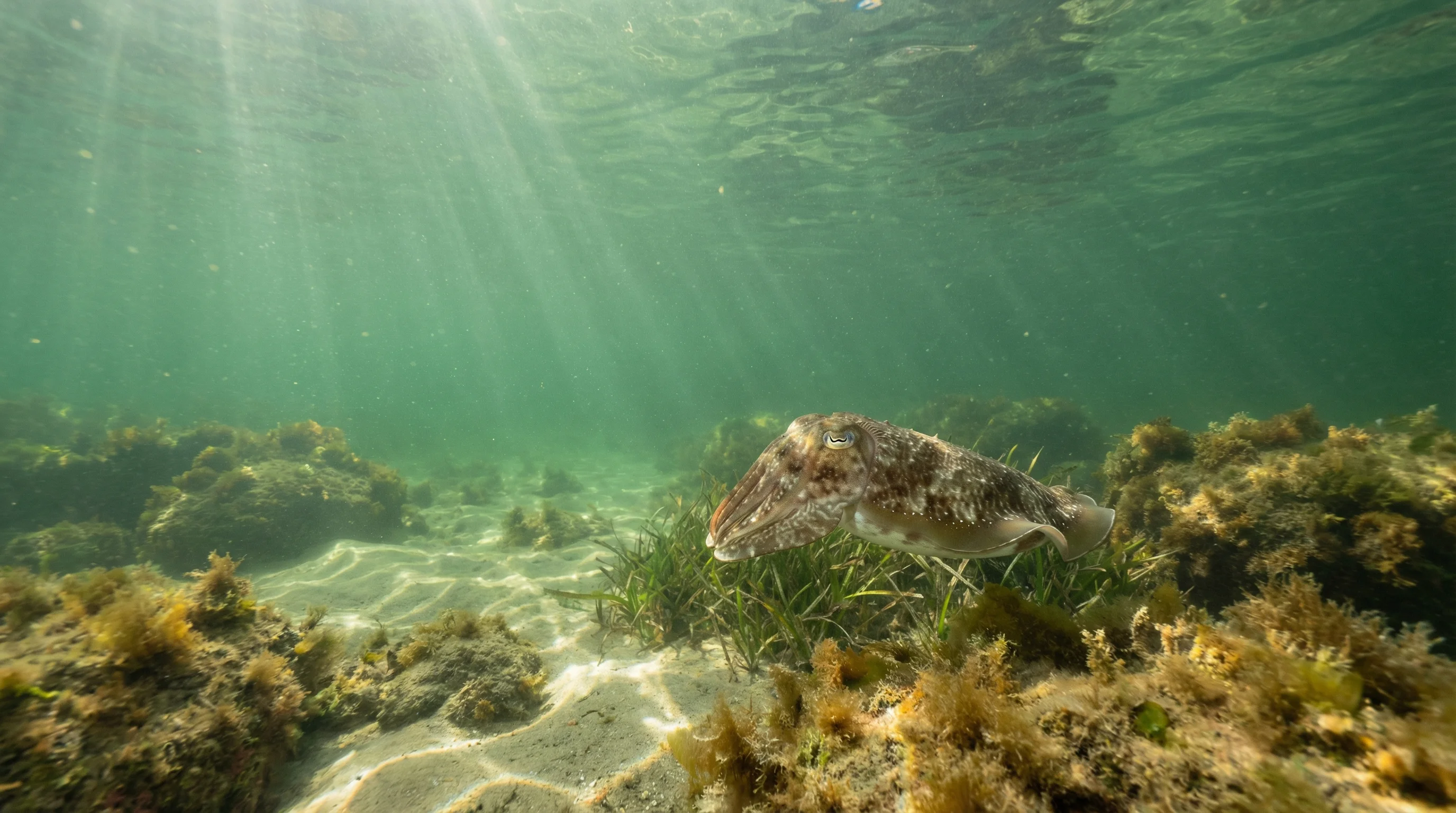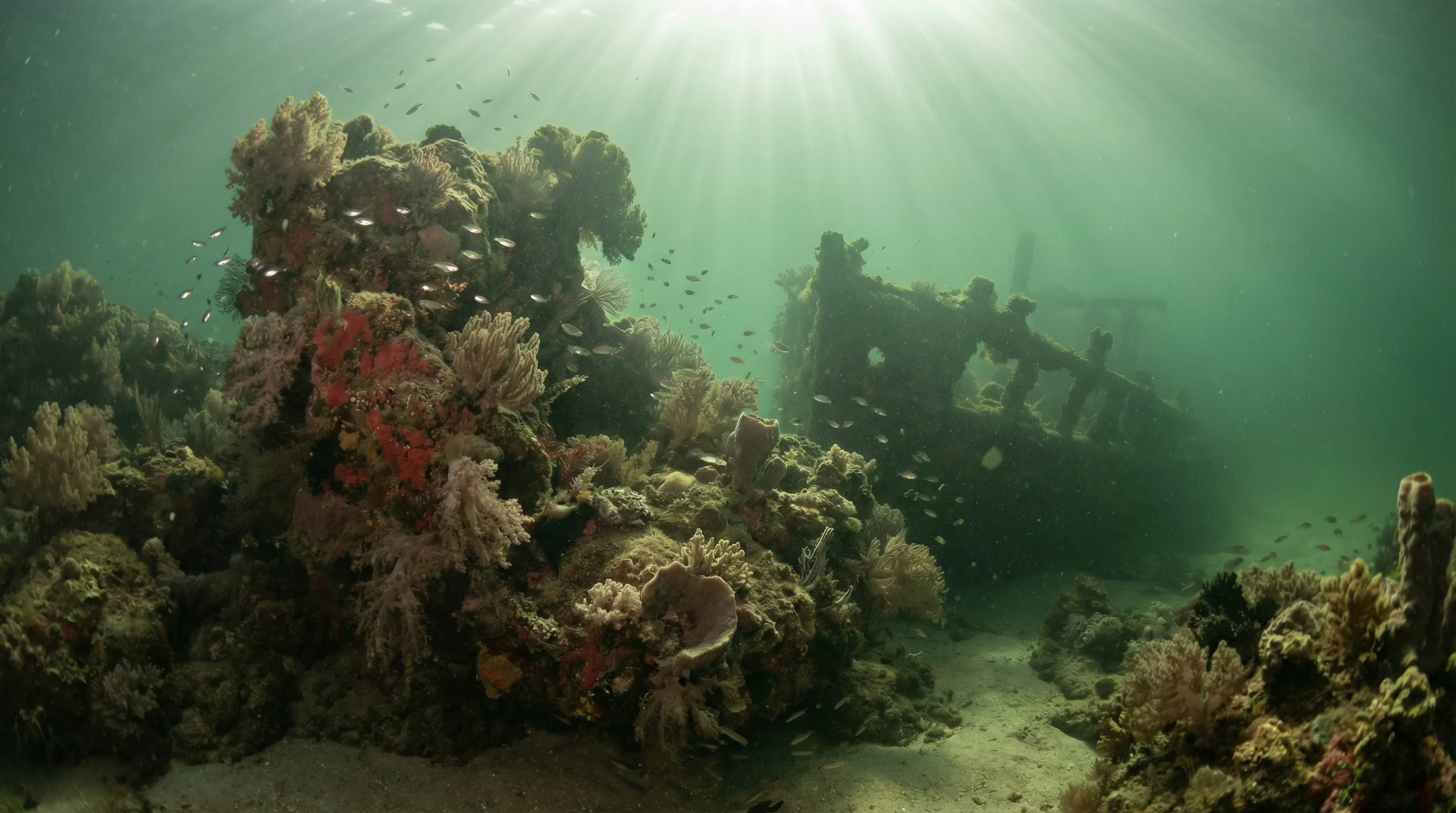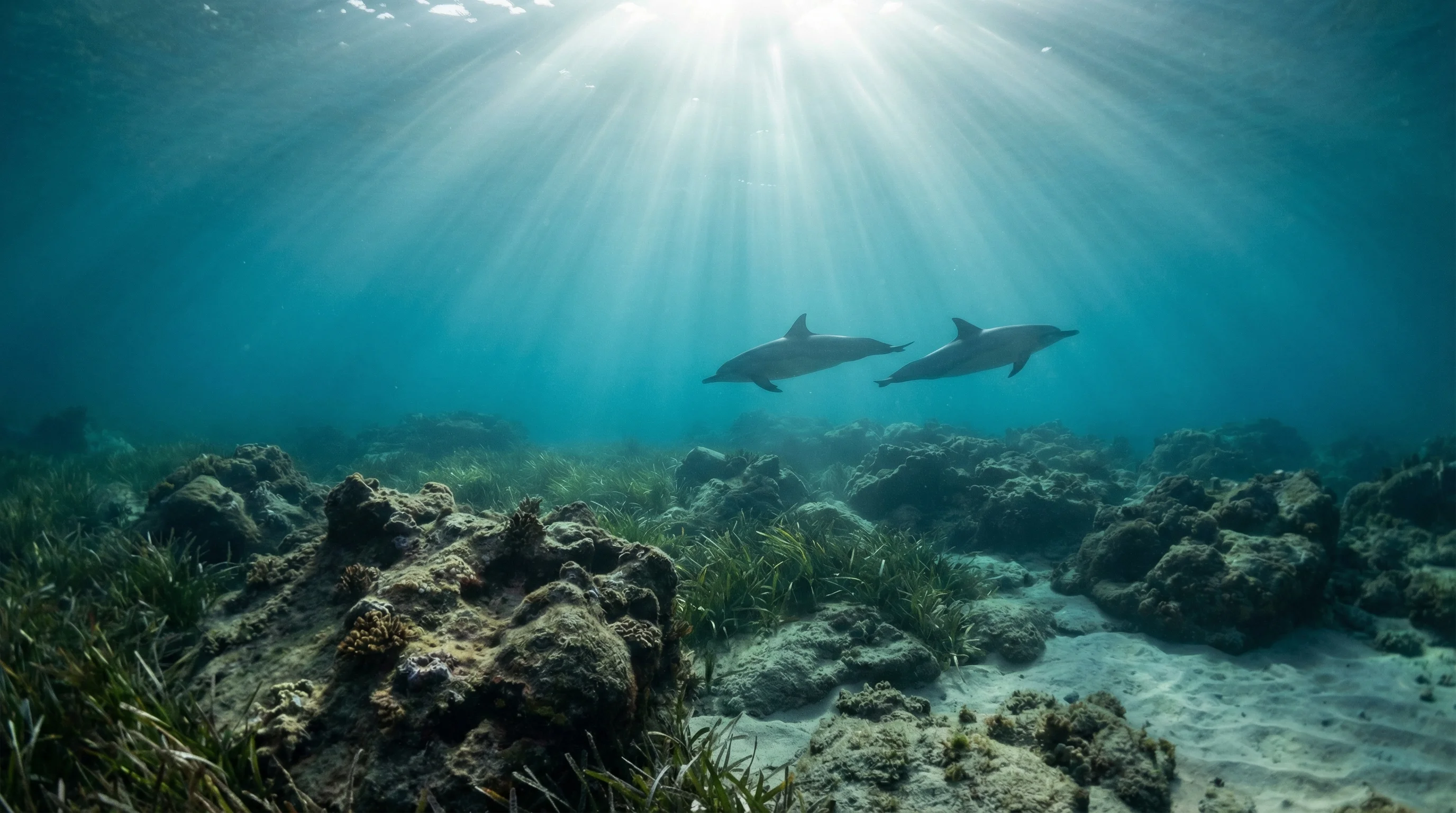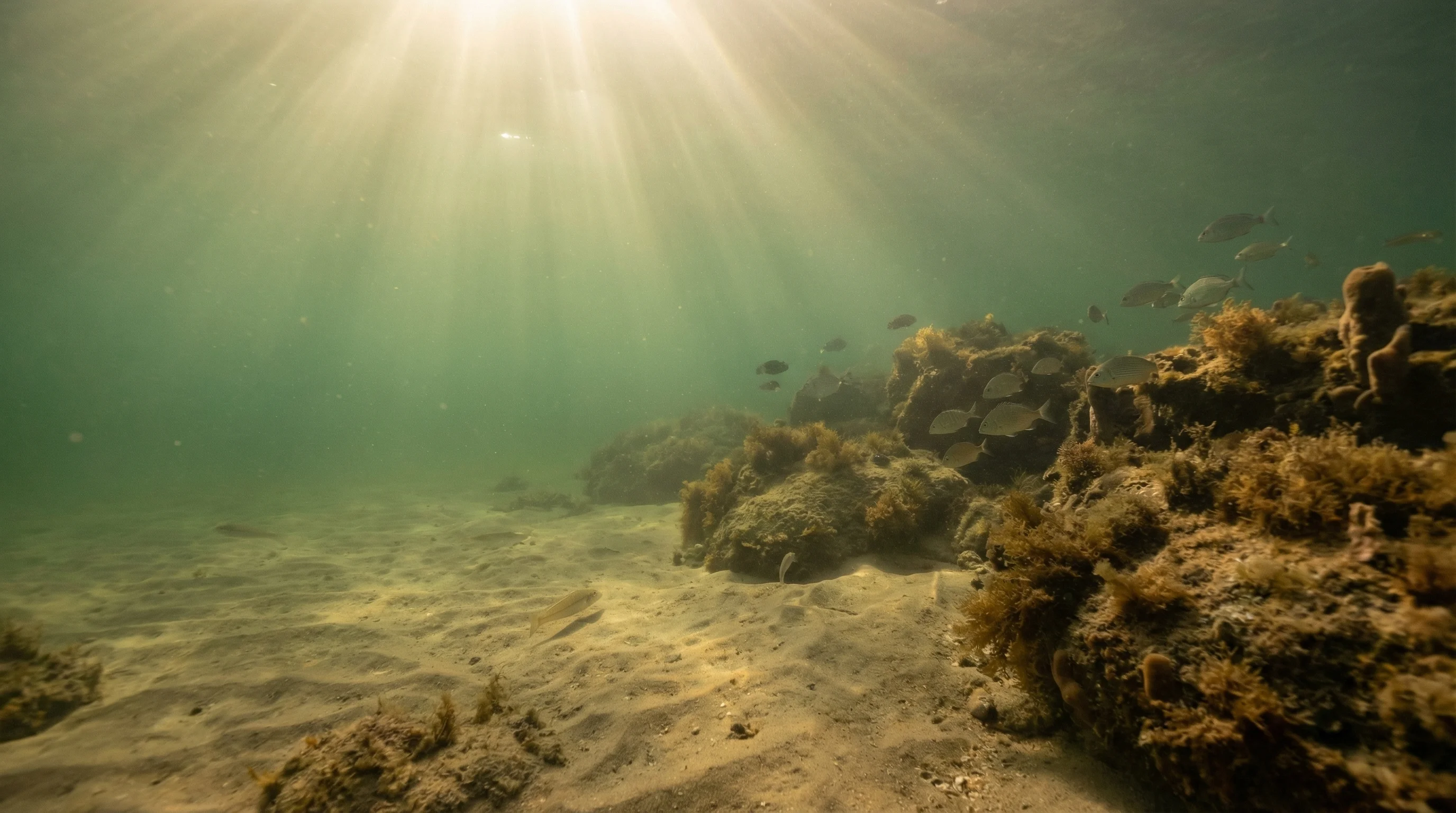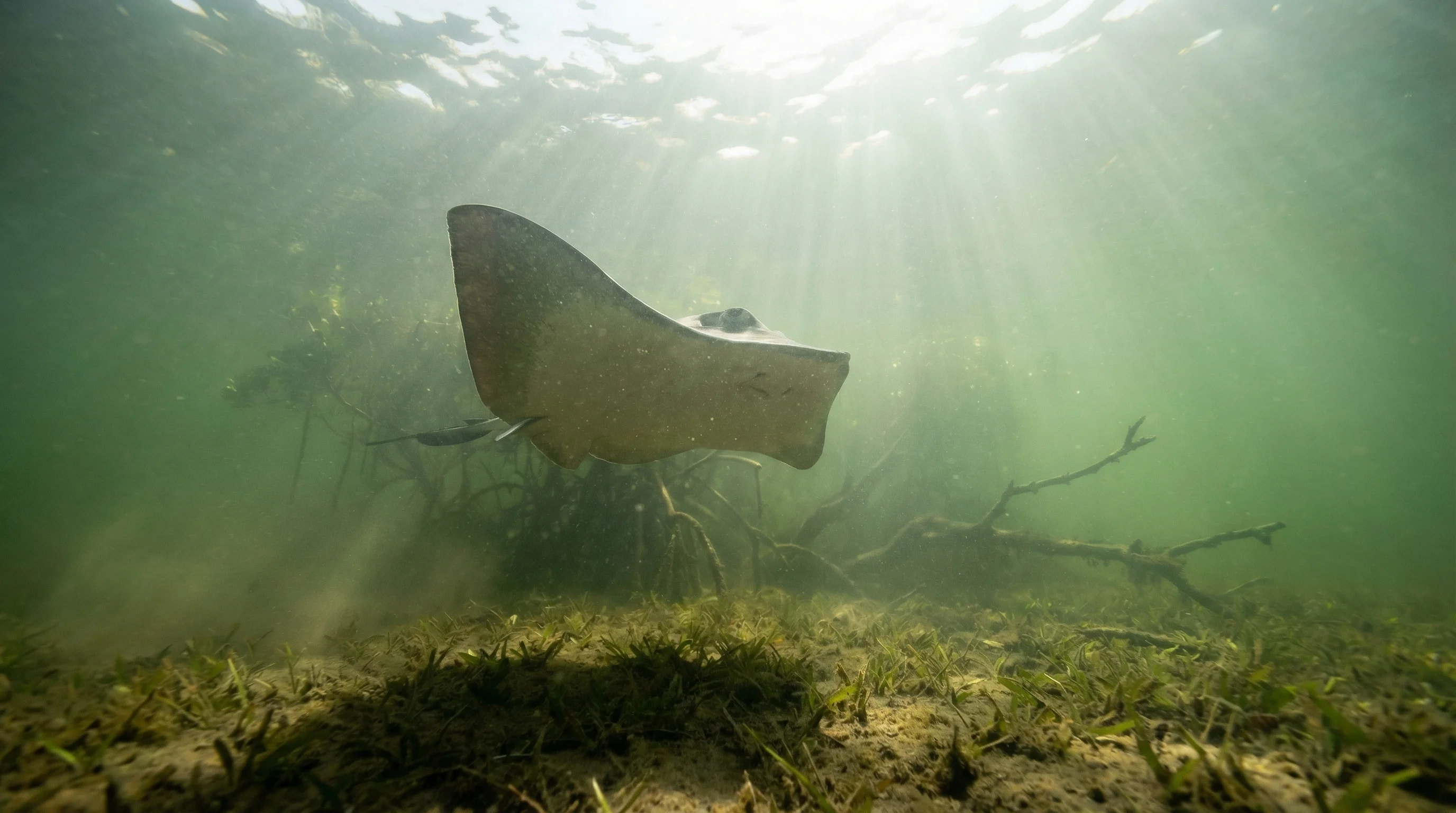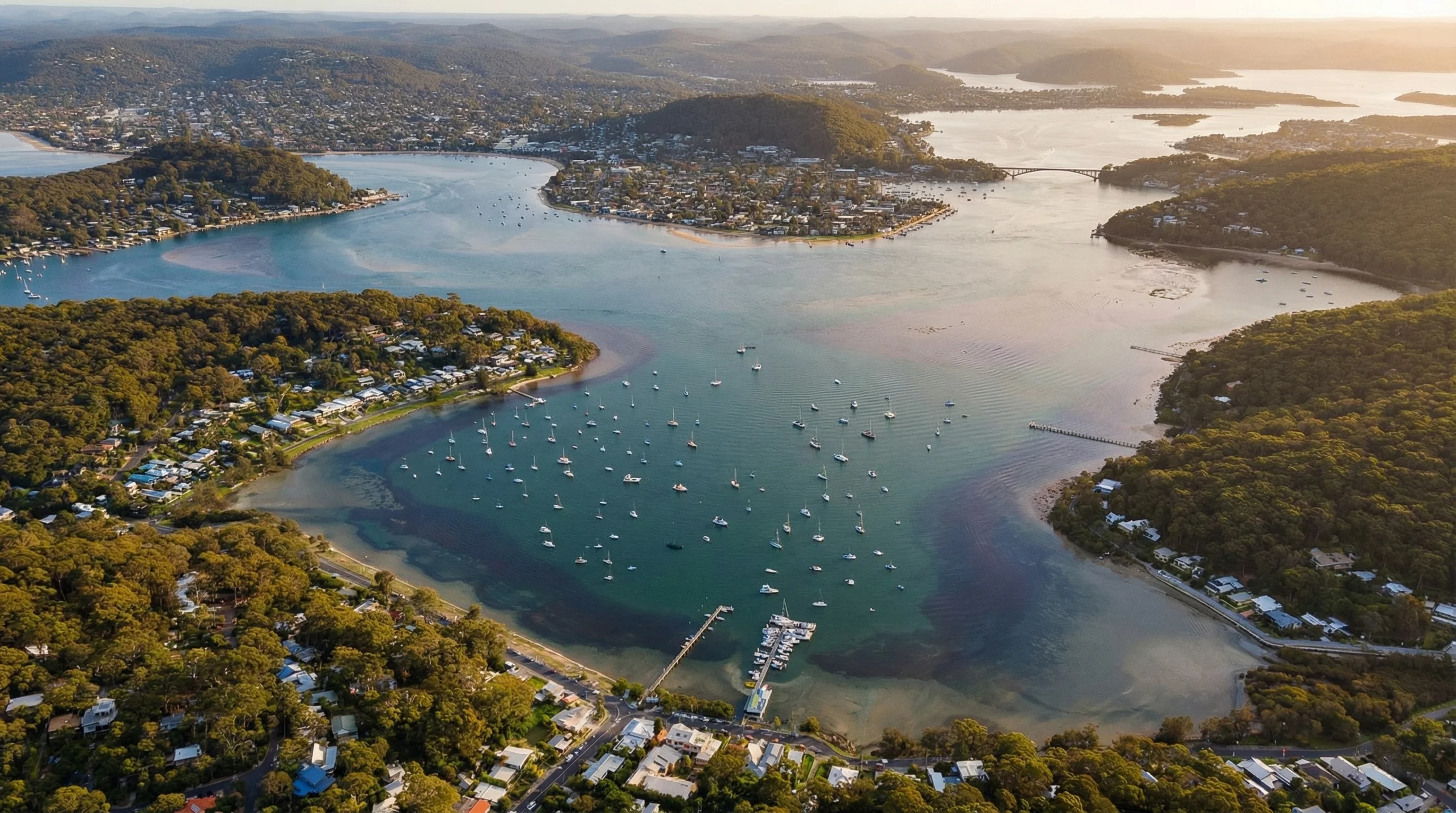
Central Coast delivers a varied underwater landscape anchored around Copacabana, where the ex-HMAS Adelaide and Skillion Cave draw divers seeking wrecks, caverns and wall topography. Terrigal's sheltered sites suit beginners and snorkellers, while deeper boat dives like Foggy Shark Cave and the SS Galava cater to advanced divers. Port Jackson Shark, Spotted Wobbegong and Grey Nurse Shark are regularly encountered across the region, alongside Giant Cuttlefish, Common Sydney Octopus and Eastern Blue Groper.
9 areas
Monthly water temperature across Central Coast's sites, from satellite sea-surface data corrected for depth. The band shows the site-to-site spread.
Water temperature peaks through late summer and eases gradually into the cooler months, with winter bringing the coldest conditions. Diver reports cluster most strongly from late summer through autumn, with a secondary uptick in spring, suggesting these periods offer the most consistent experience. Exposed boat sites can be swell-affected in winter, so checking conditions before heading to deeper sites like Foggy Shark Cave or the SS Galava is worthwhile.
5 operators

Australia
Australia
16 more sites to explore
Central Coast NSW diving across sheltered beginners' sites, offshore reefs, a decommissioned warship wreck, and caves with diverse temperate species.
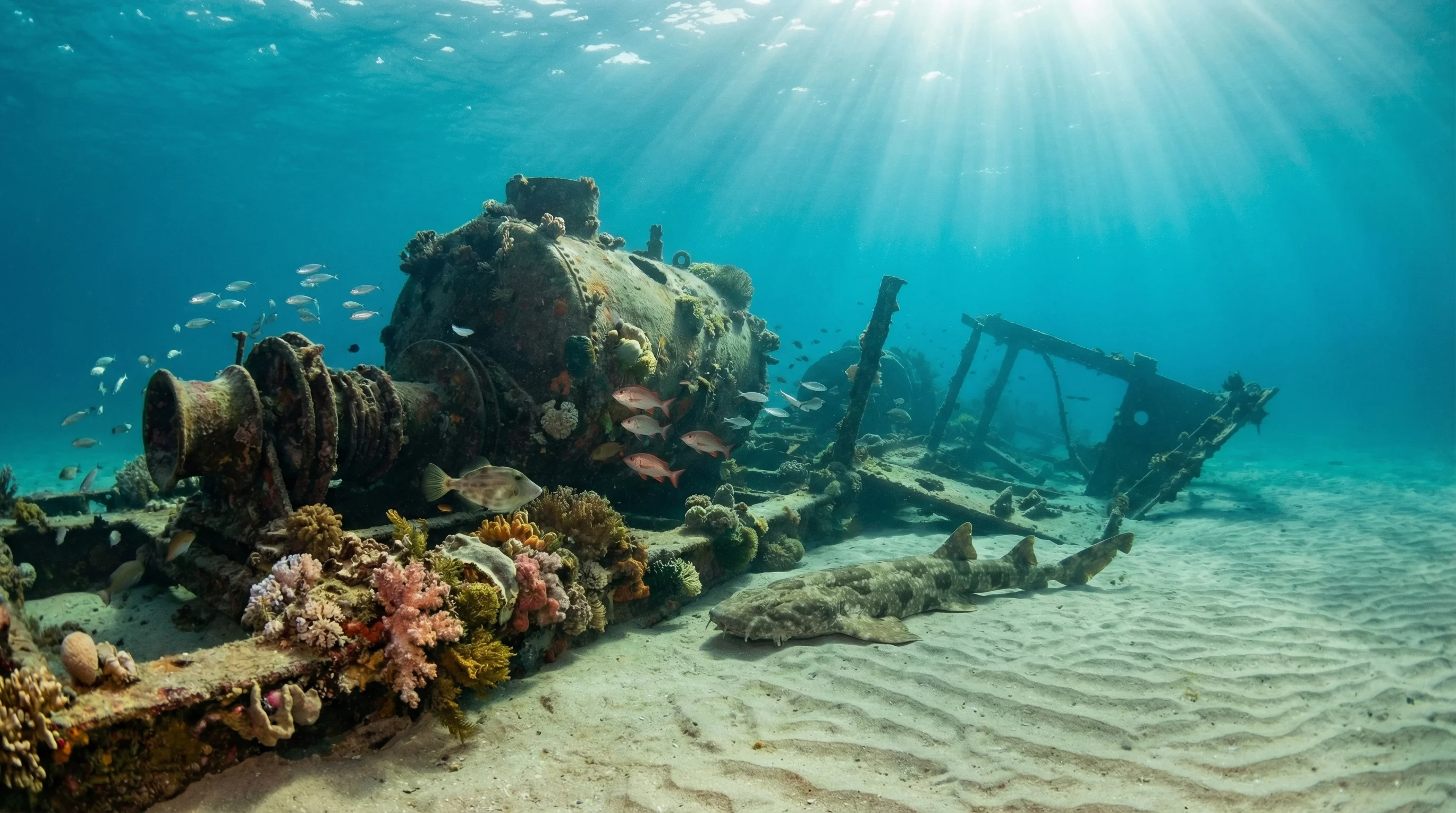
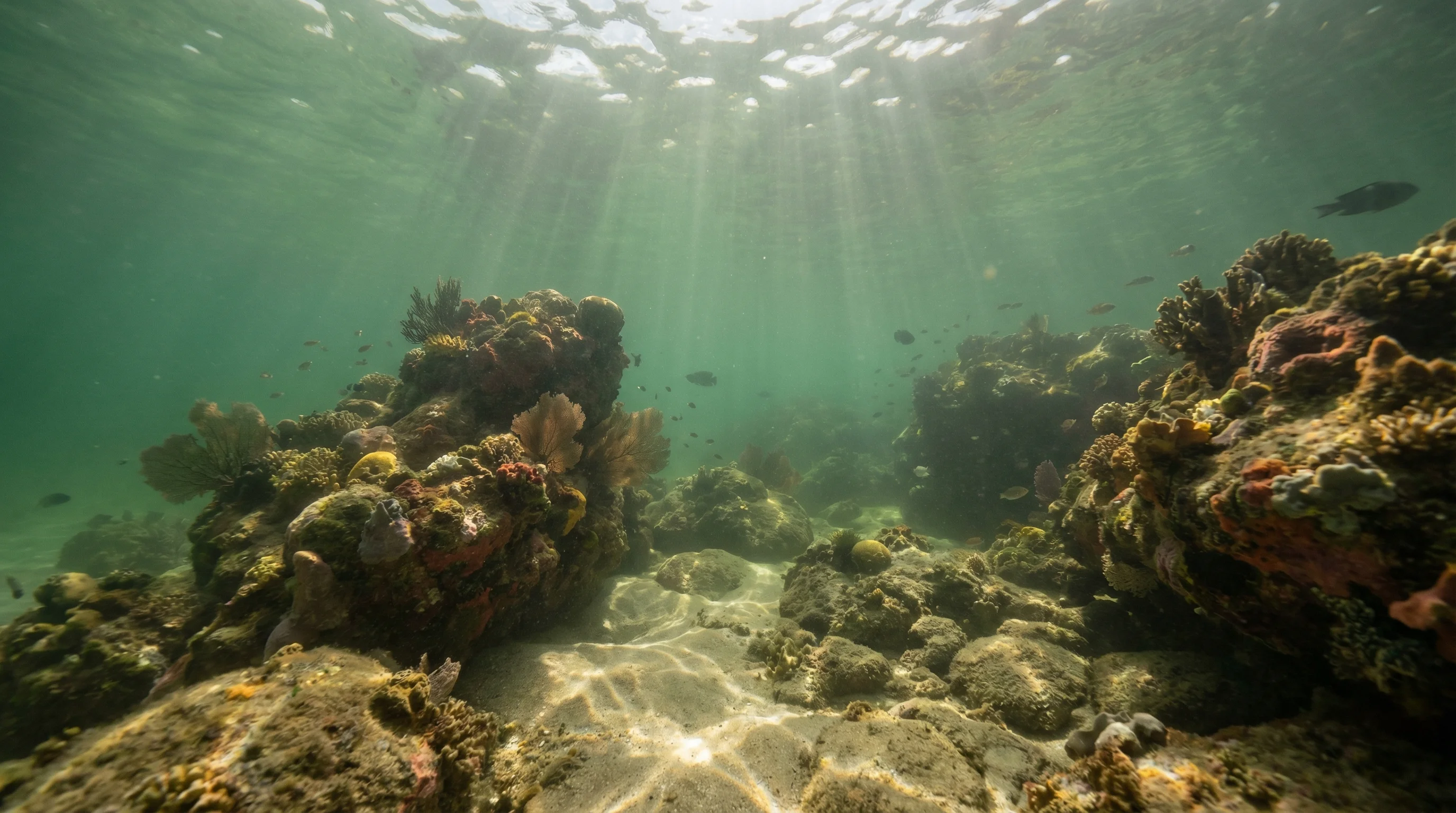
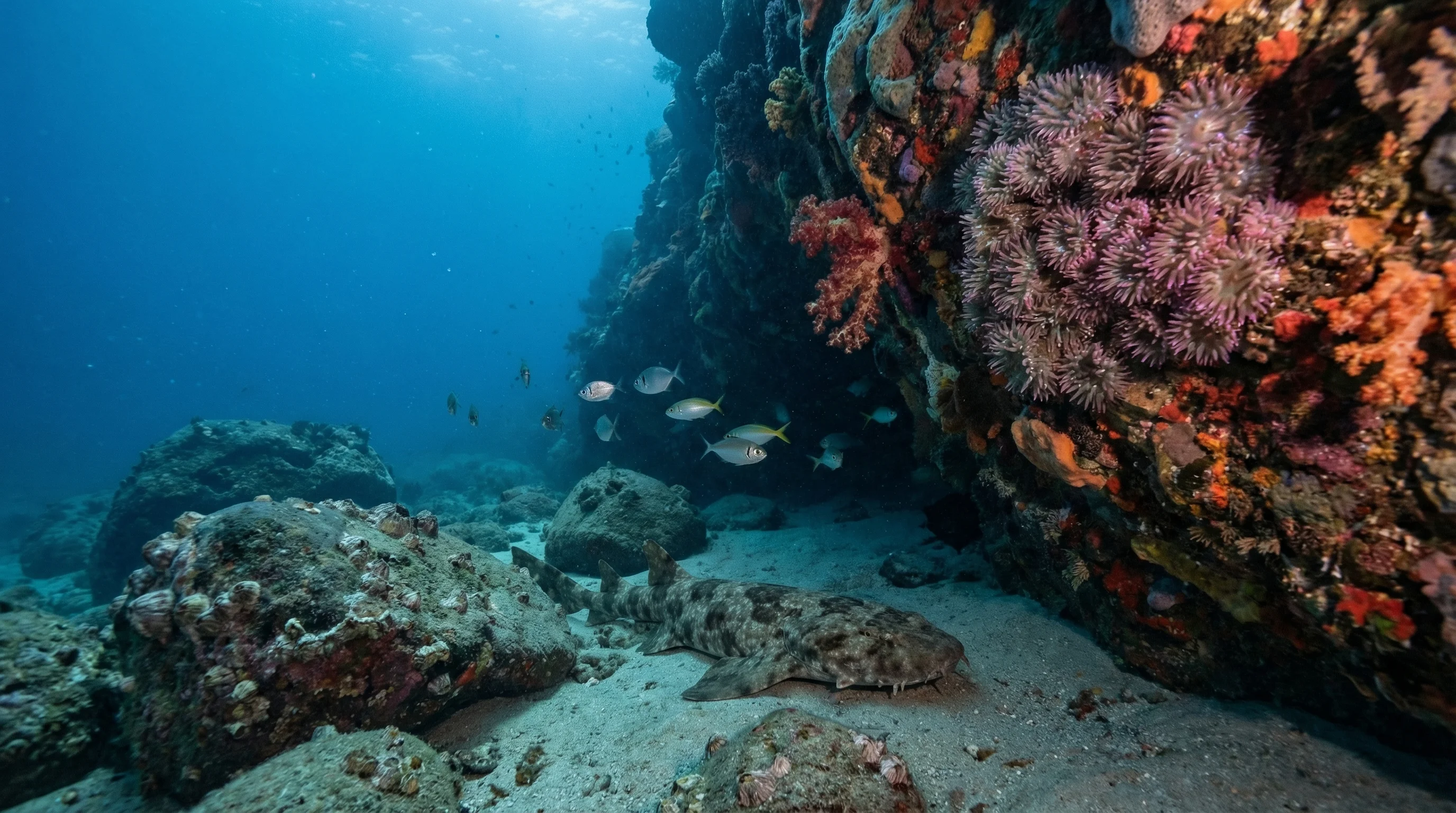
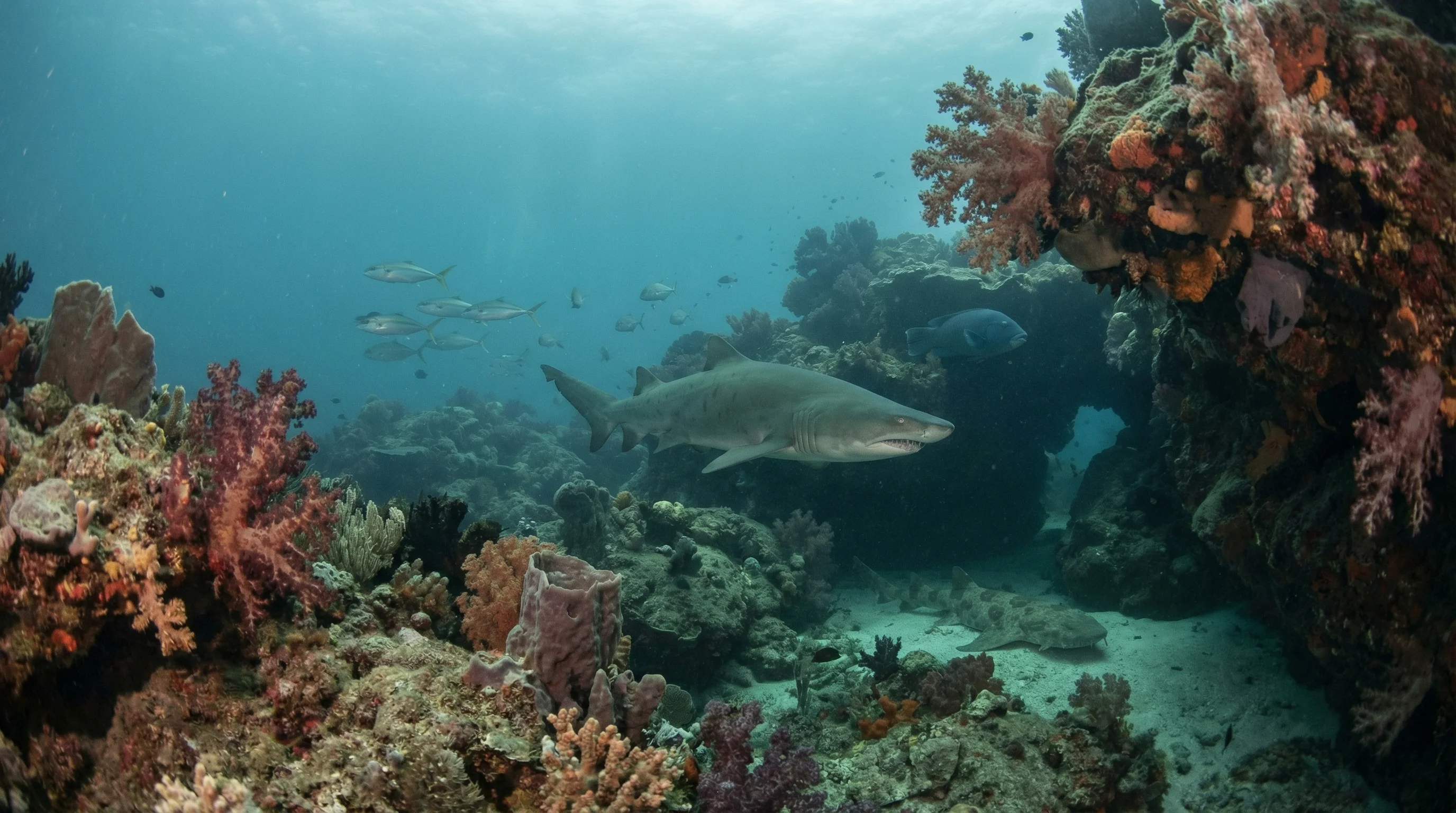
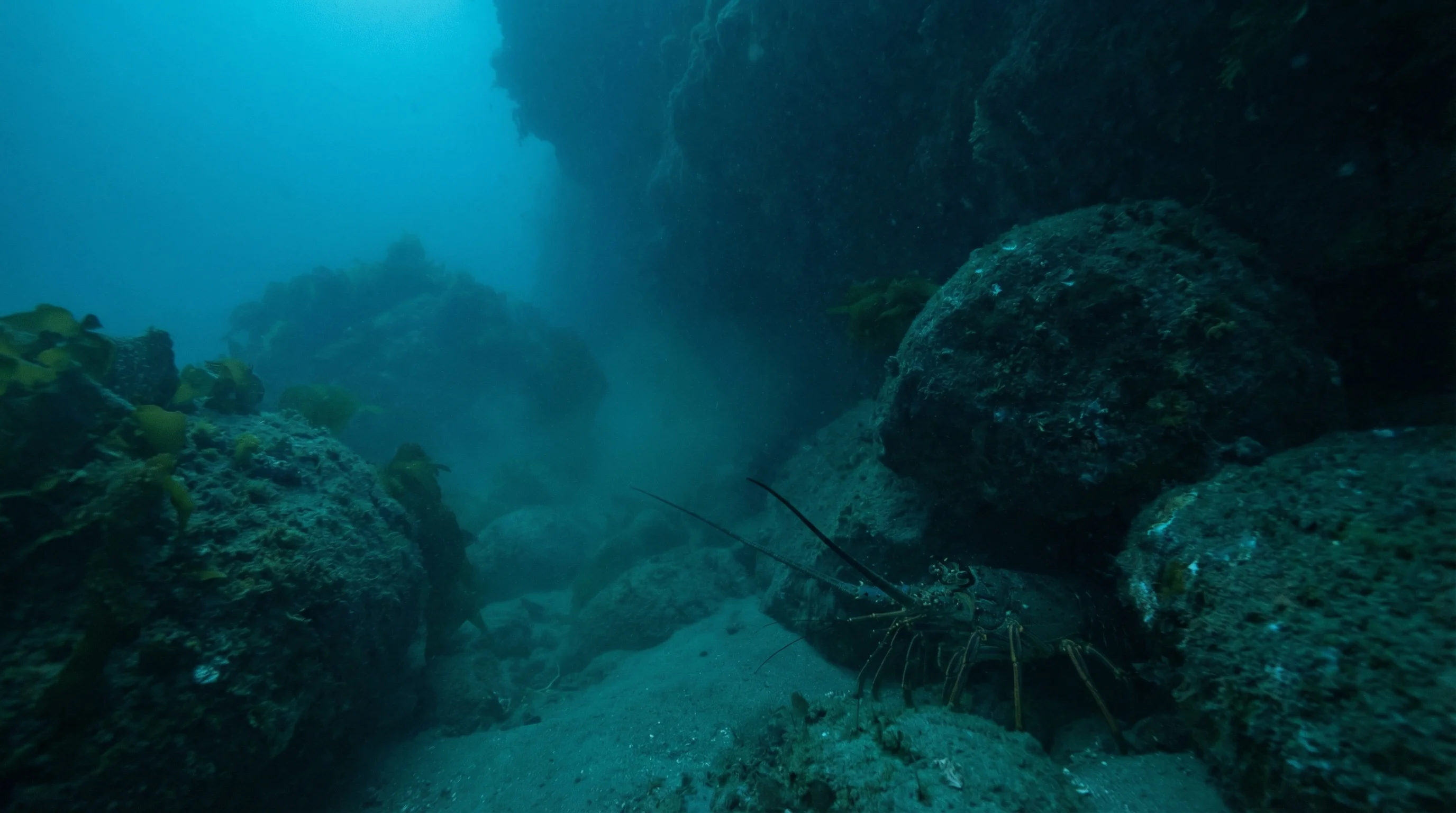
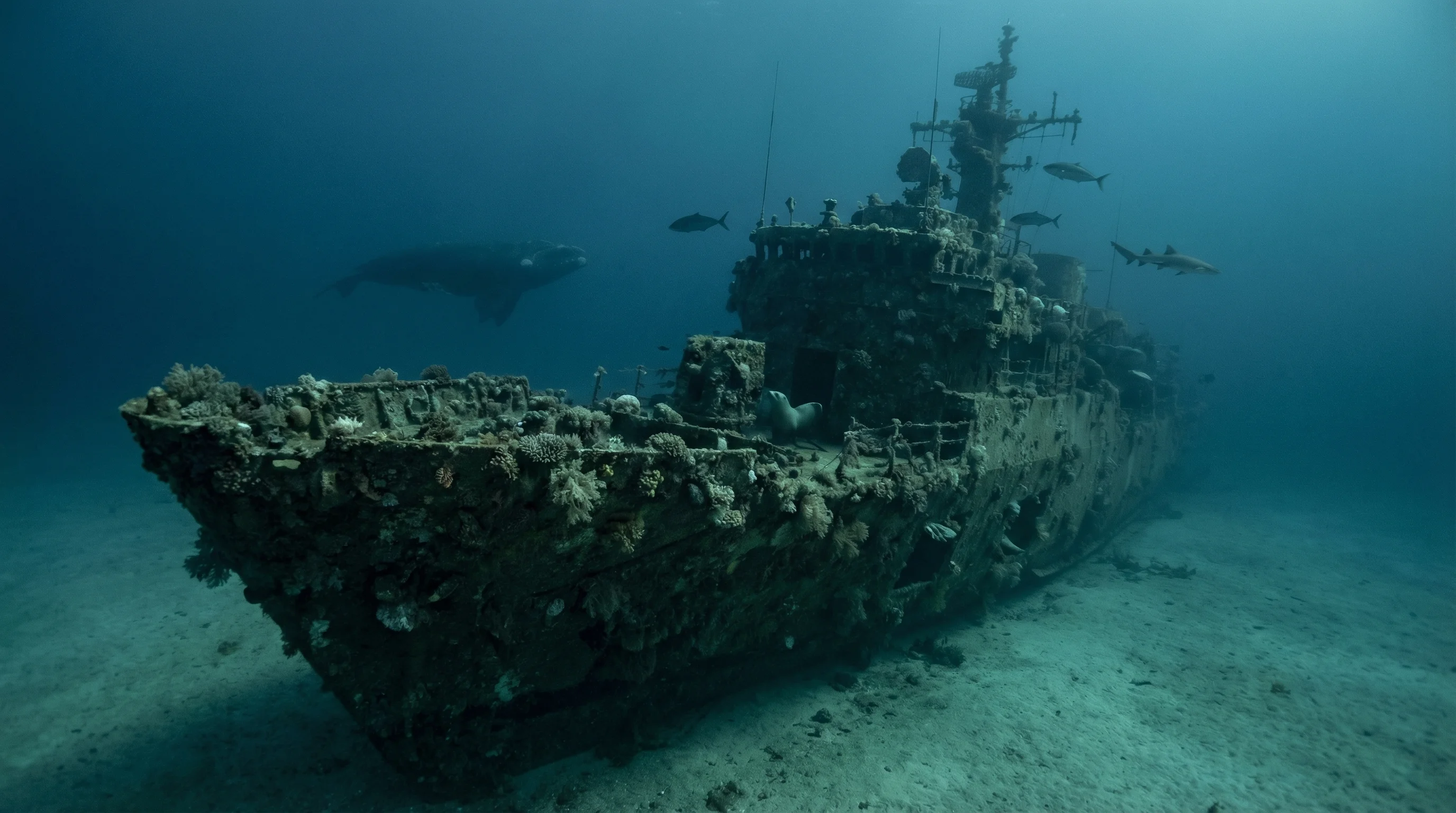
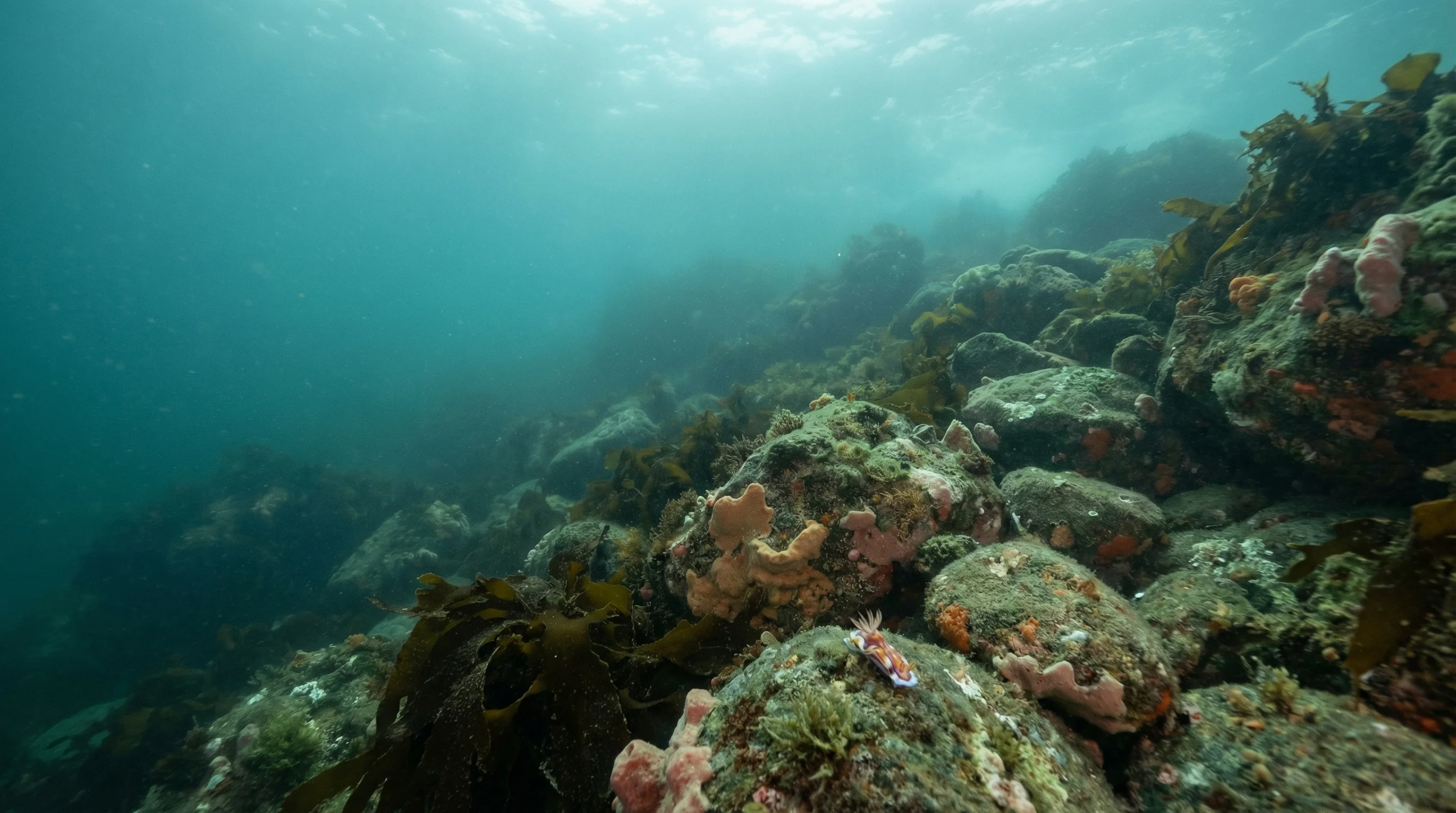
Water temperature around Central Coast ranges from about 18°C in August to 24°C in February, based on satellite sea-temperature data for its dive sites.
In the warm season (about 24°C) a 3mm full suit is comfortable in Central Coast; in the coldest months (about 18°C) step up to a 5mm suit.
Fin maps 25 sites in Central Coast (21 scuba diving sites and 9 snorkelling spots, with some suited to both), organised into 9 areas.
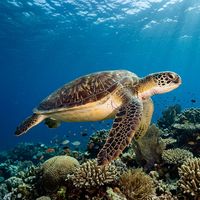
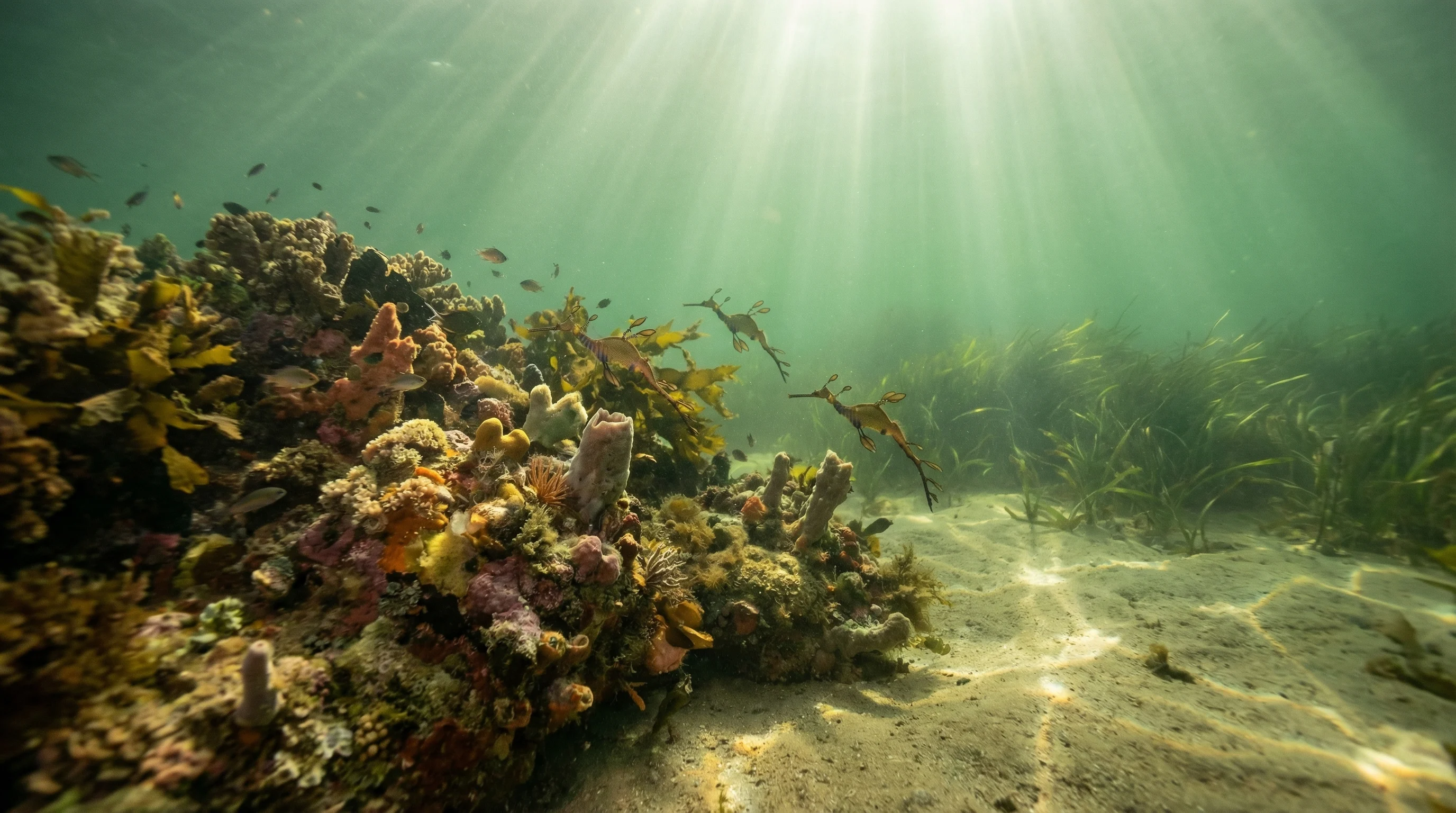
The region has strong observation records for Port Jackson Shark, Spotted Wobbegong and Grey Nurse Shark, all of which appear across a wide range of sites. Giant Cuttlefish, Common Sydney Octopus and Common Stingray are very commonly encountered, and nudibranch enthusiasts will find species such as Black-margined Nudibranch, Bennett's Hypselodoris and Clown Doris across the reefs. Green Sea Turtle and Eagle Ray appear regularly, and patient divers occasionally spot a Weedy Seadragon.
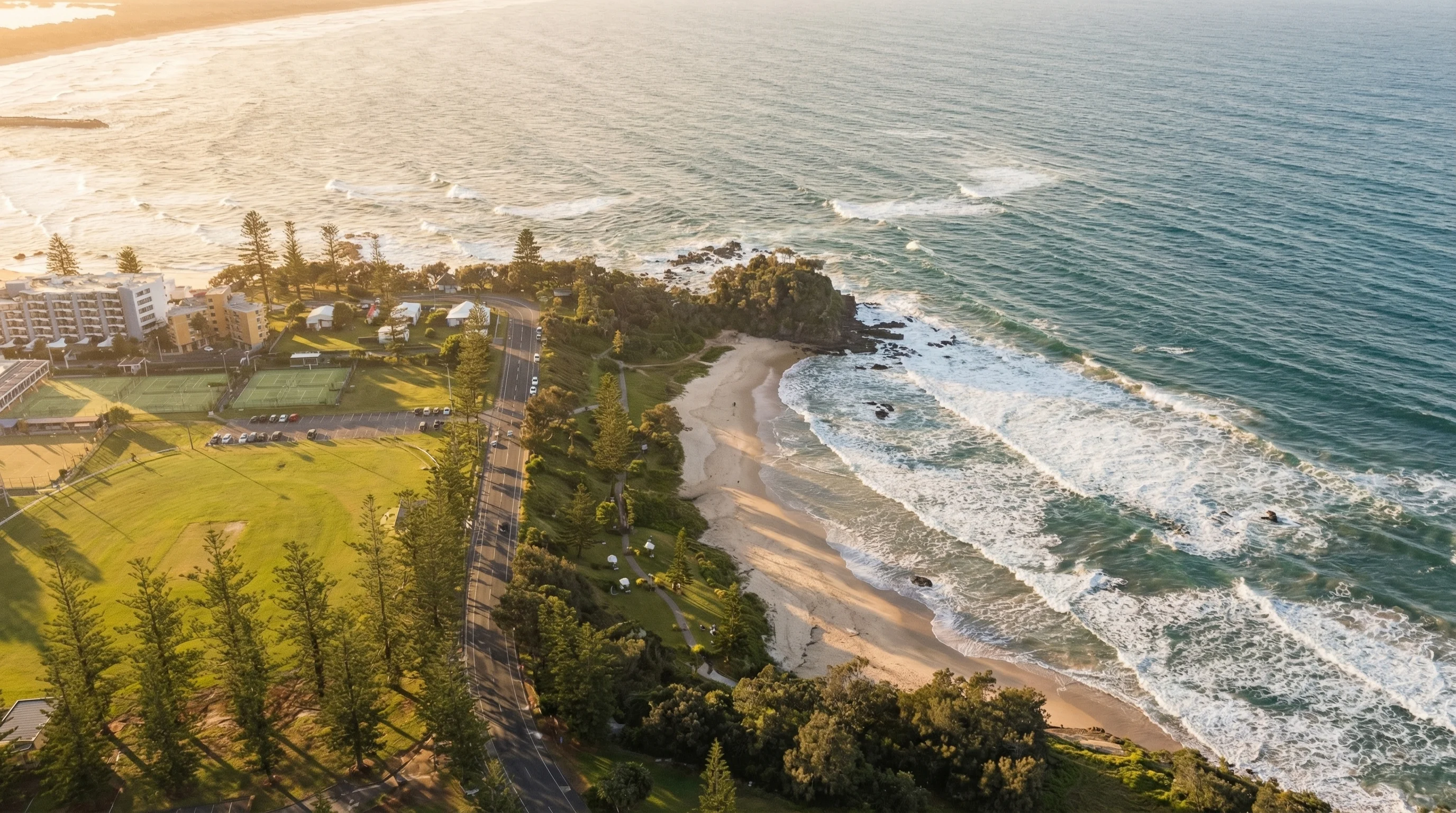
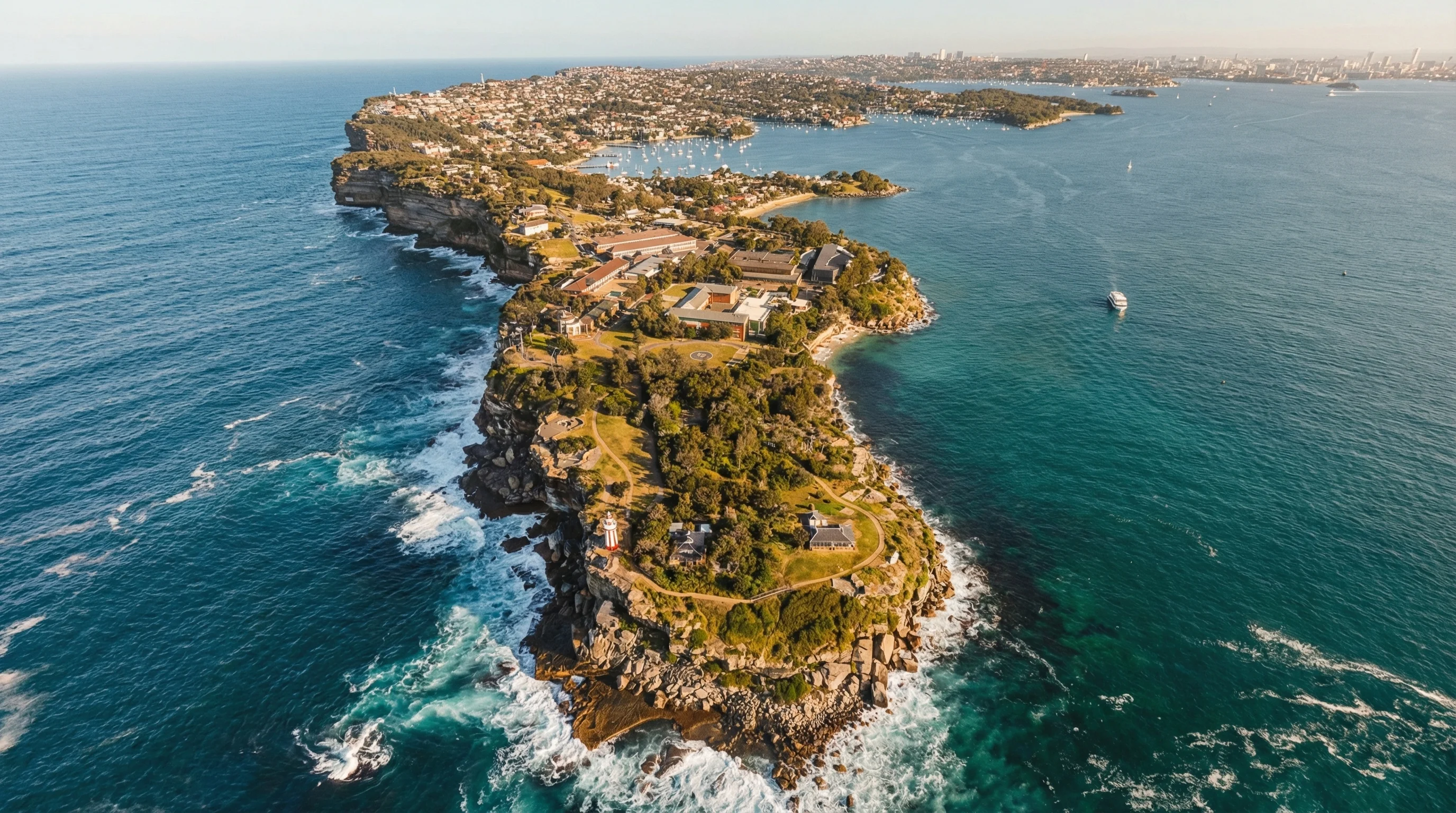
Copacabana has the greatest concentration of sites and includes the ex-HMAS Adelaide wreck and the cavern dive at Skillion Cave, making it the focal point for more serious divers. Avoca Beach and MacMasters Beach add reef and mixed topography options nearby. Terrigal is better suited to snorkellers and beginners, with sheltered shore entries and seagrass habitat, while sites around Gosford and Patonga are fewer in number and tend to be quieter.
Both options are available depending on the site. Cabbage Tree Bay, Skillion Cave and The Slide are shore dives, meaning no boat is needed to access them. The SS Galava and Foggy Shark Cave require boat access, and operators such as The Scuba Gym Australia Ltd and Freediving Australia are listed in the region for those who need guided or boat-based trips. The Avoca site offers the flexibility of either entry method.