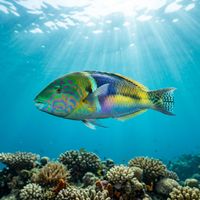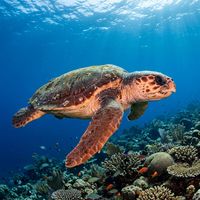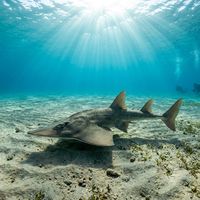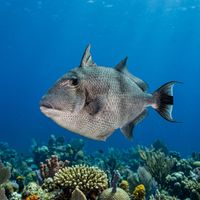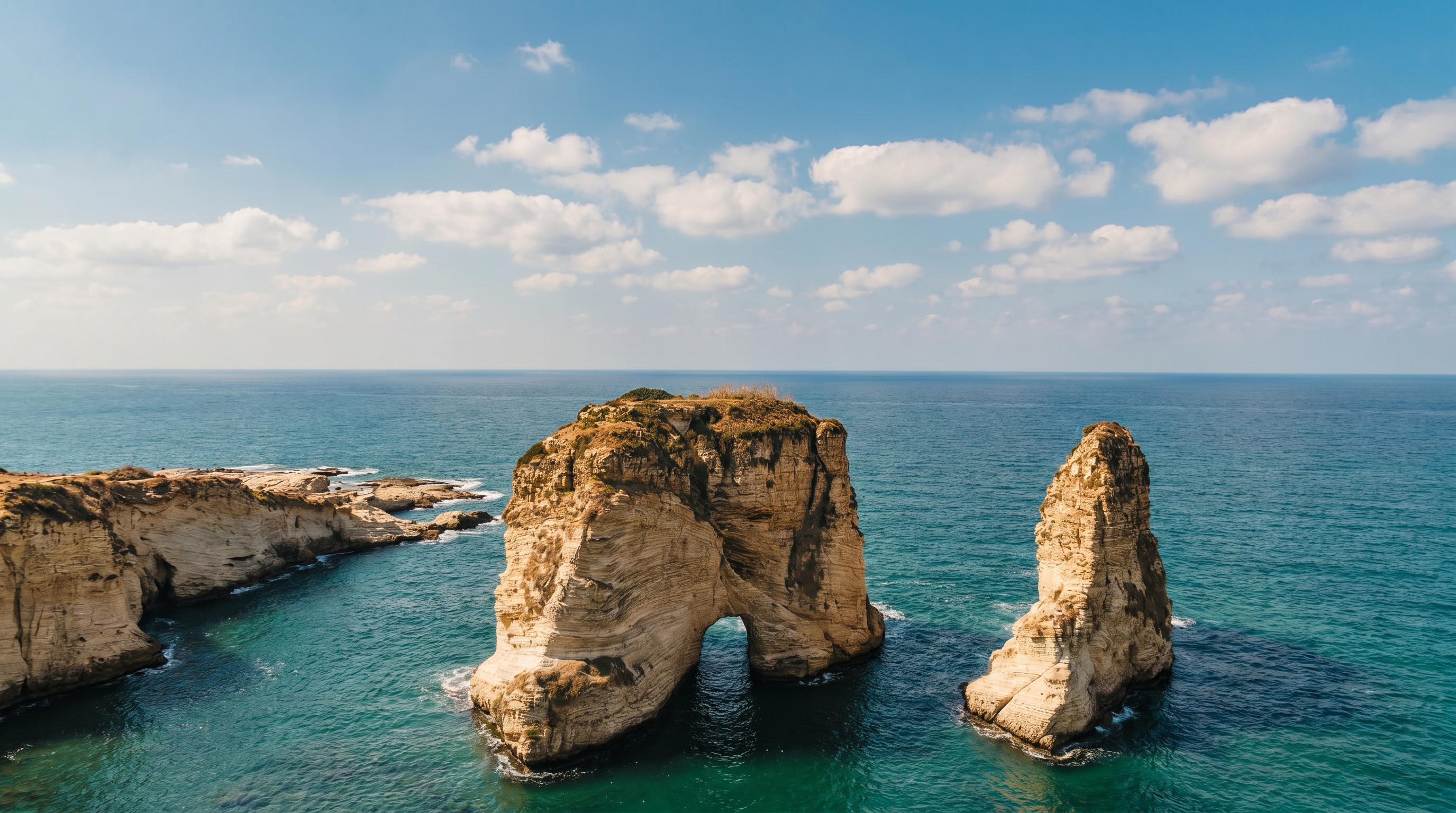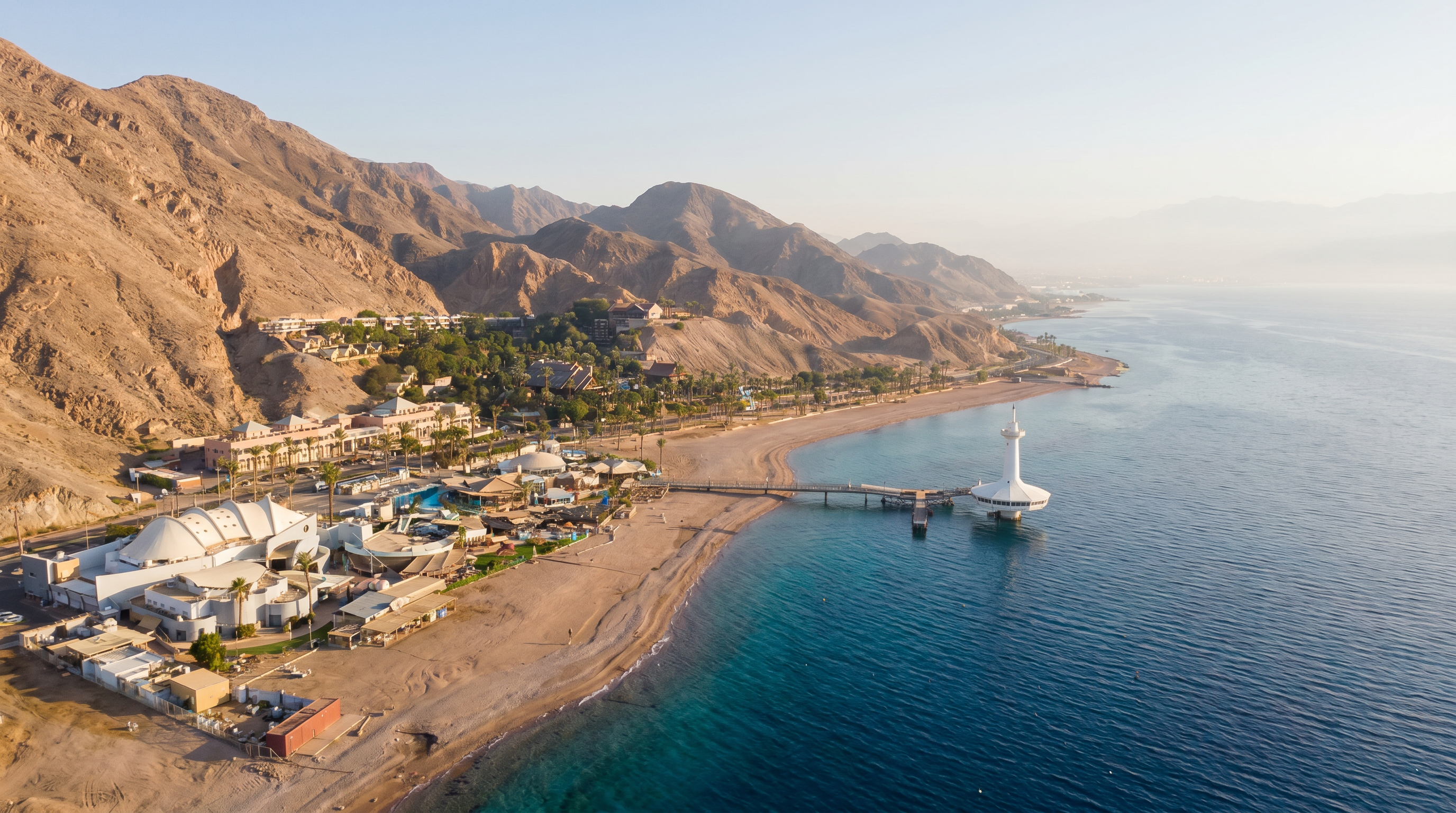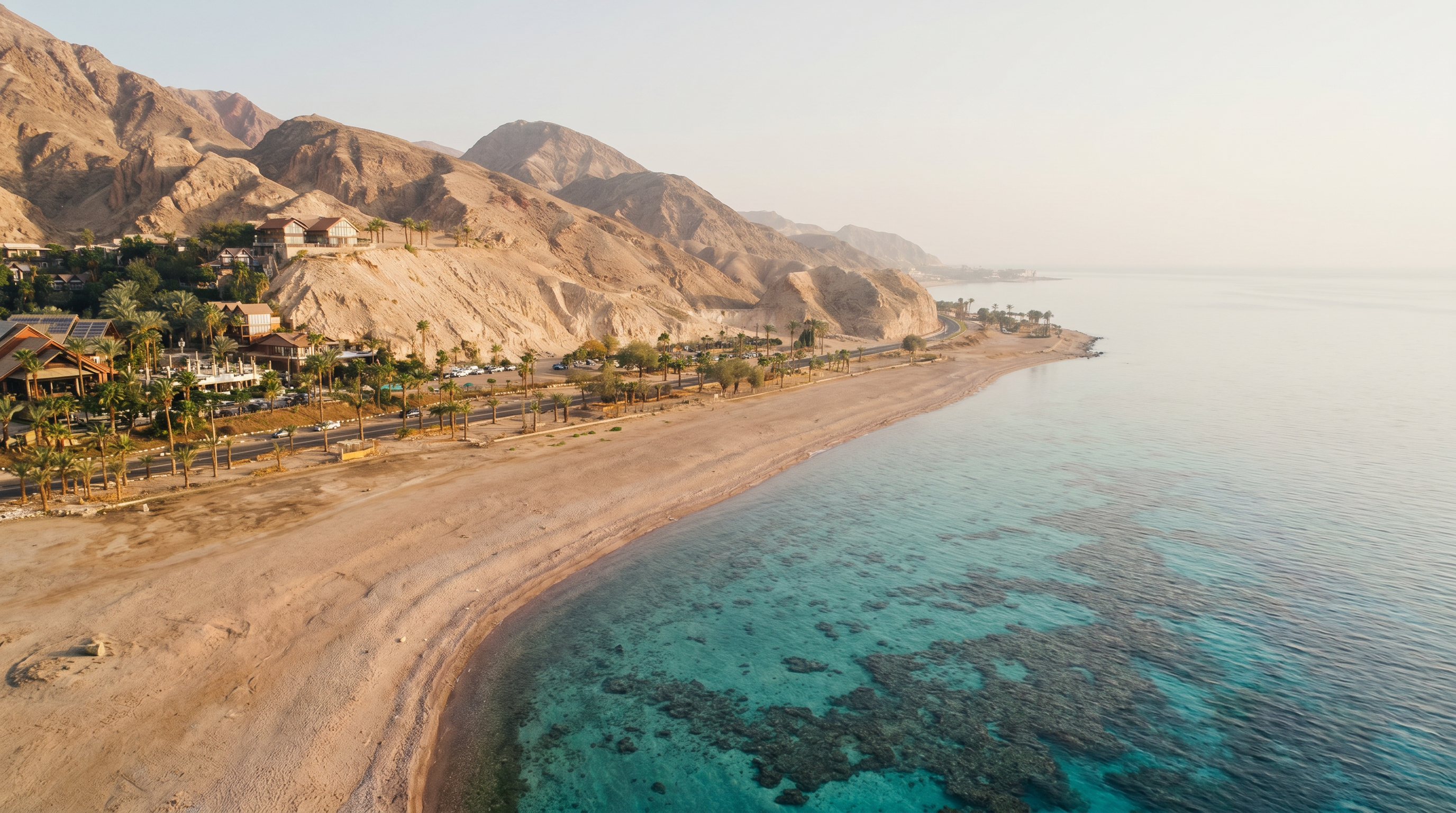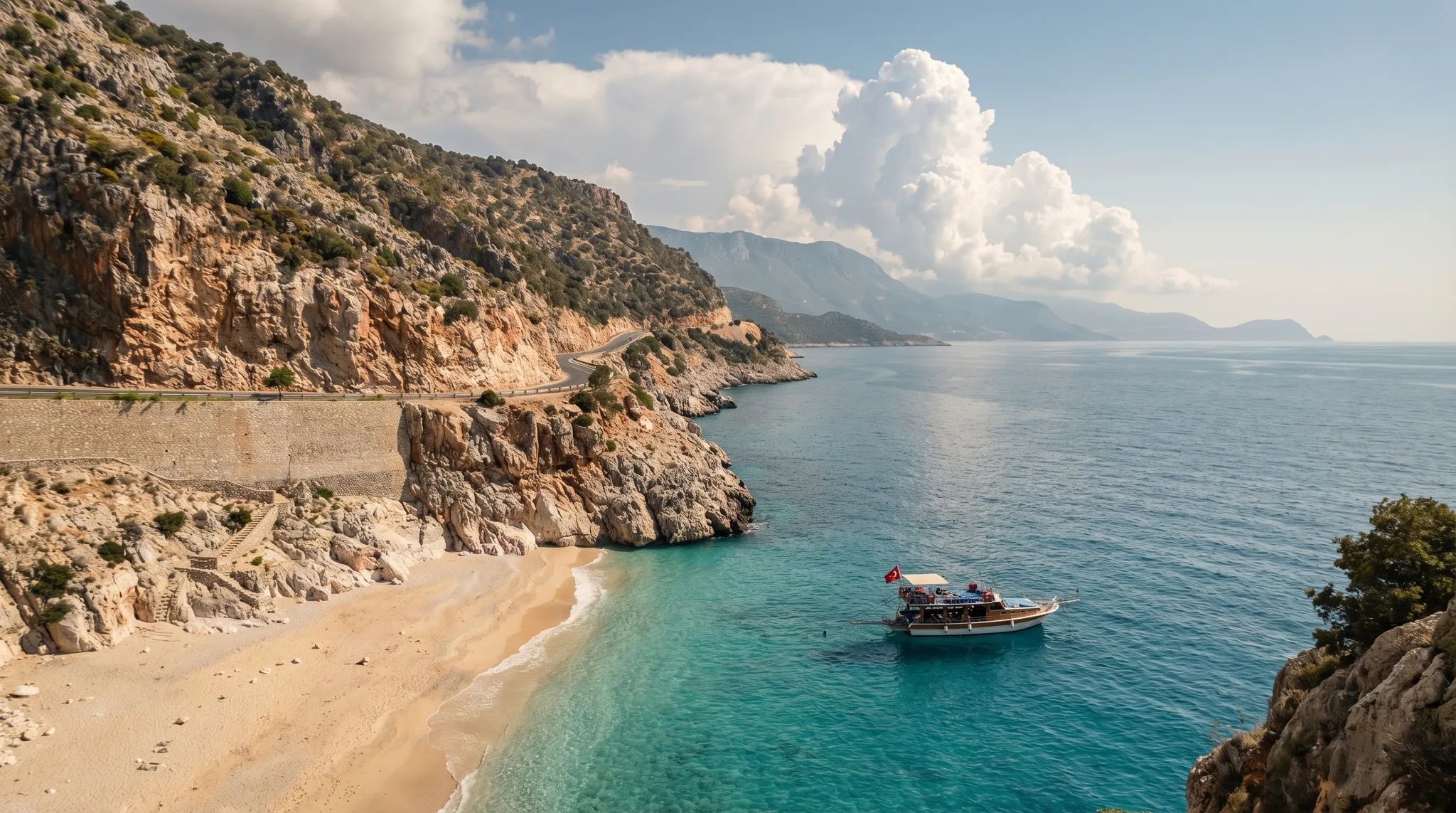
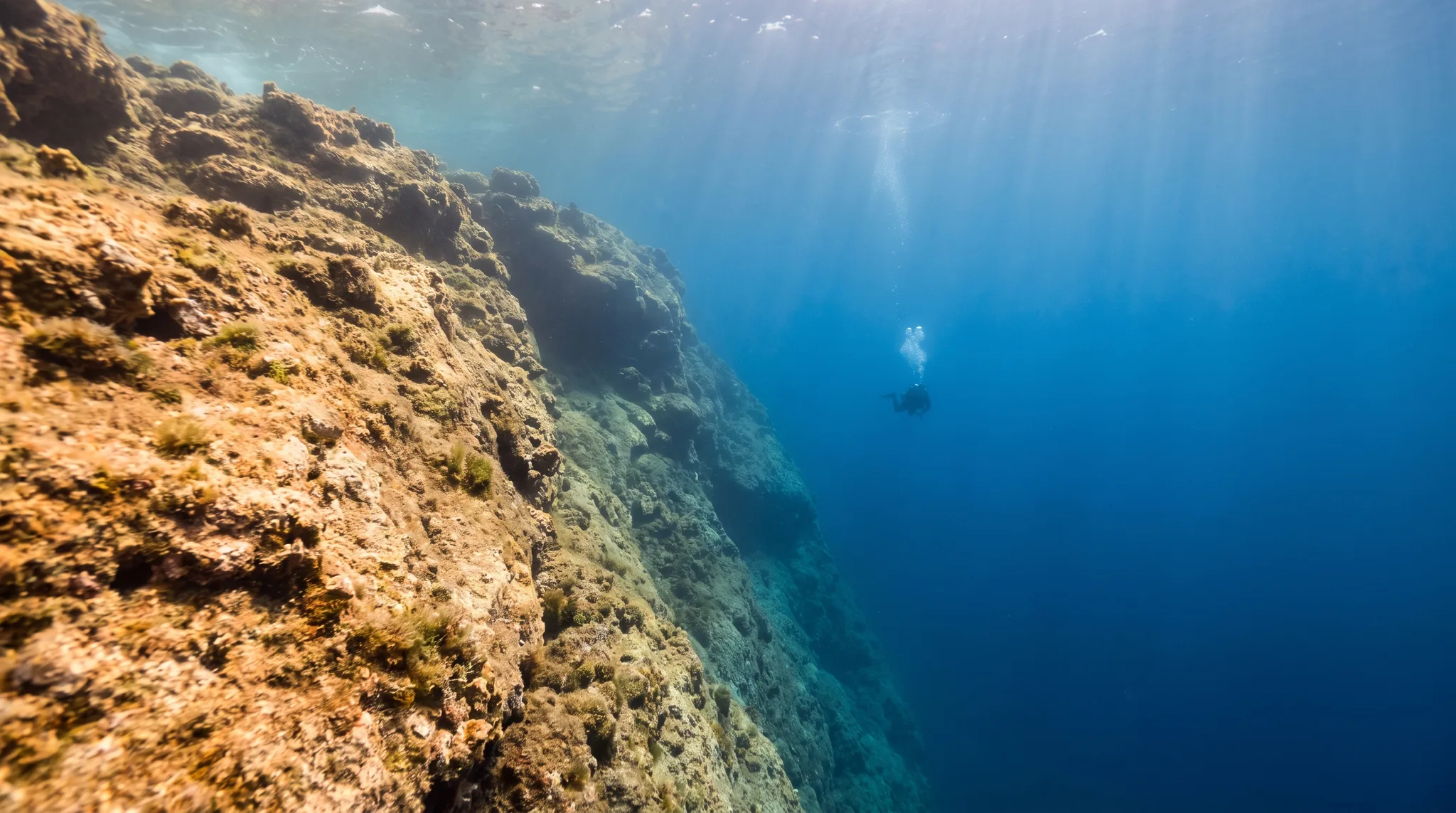
Turkey's dive and snorkel sites spread across seven distinct sub-areas, from the site-rich Turquoise Coast and Antalya in the south to the cooler, current-driven waters around Saros Bay and Istanbul in the north. Wrecks are a defining feature: the SG-115 Turkish Navy Shipwreck, the Duchess of York, the Lundy, and several others sit alongside natural reefs, walls, and drift sites. Bodrum adds the Amphorafield's ancient amphora fragments and the deep wall at Orak Island. The marine life is varied and well-documented: Turkish Wrasse and White Seabream are found across nearly every site, while Dusky Grouper, Common Octopus, Conger Eel, and Guitarfish are consistently encountered. Loggerhead Sea Turtle and Grey Nurse Shark appear at a meaningful share of sites. Conditions are warmest from late summer into autumn, with spring and autumn drawing the highest concentration of diver visits.
7 areas
 97
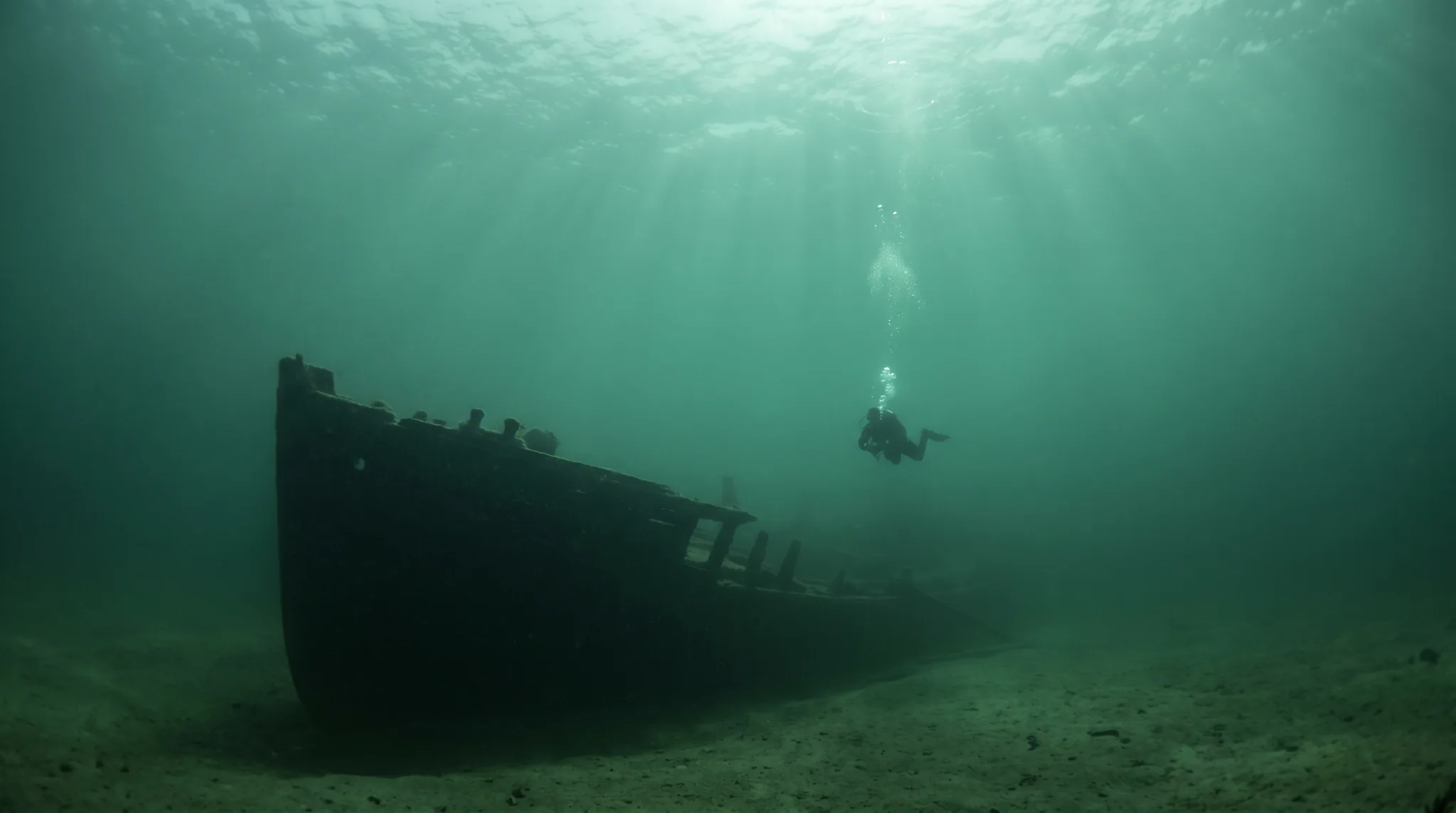
97Walls, wrecks and caves along a Turkish coastline where Turkish Wrasse, Indian Lionfish and Loggerhead Sea Turtle are regularly observed.
 77
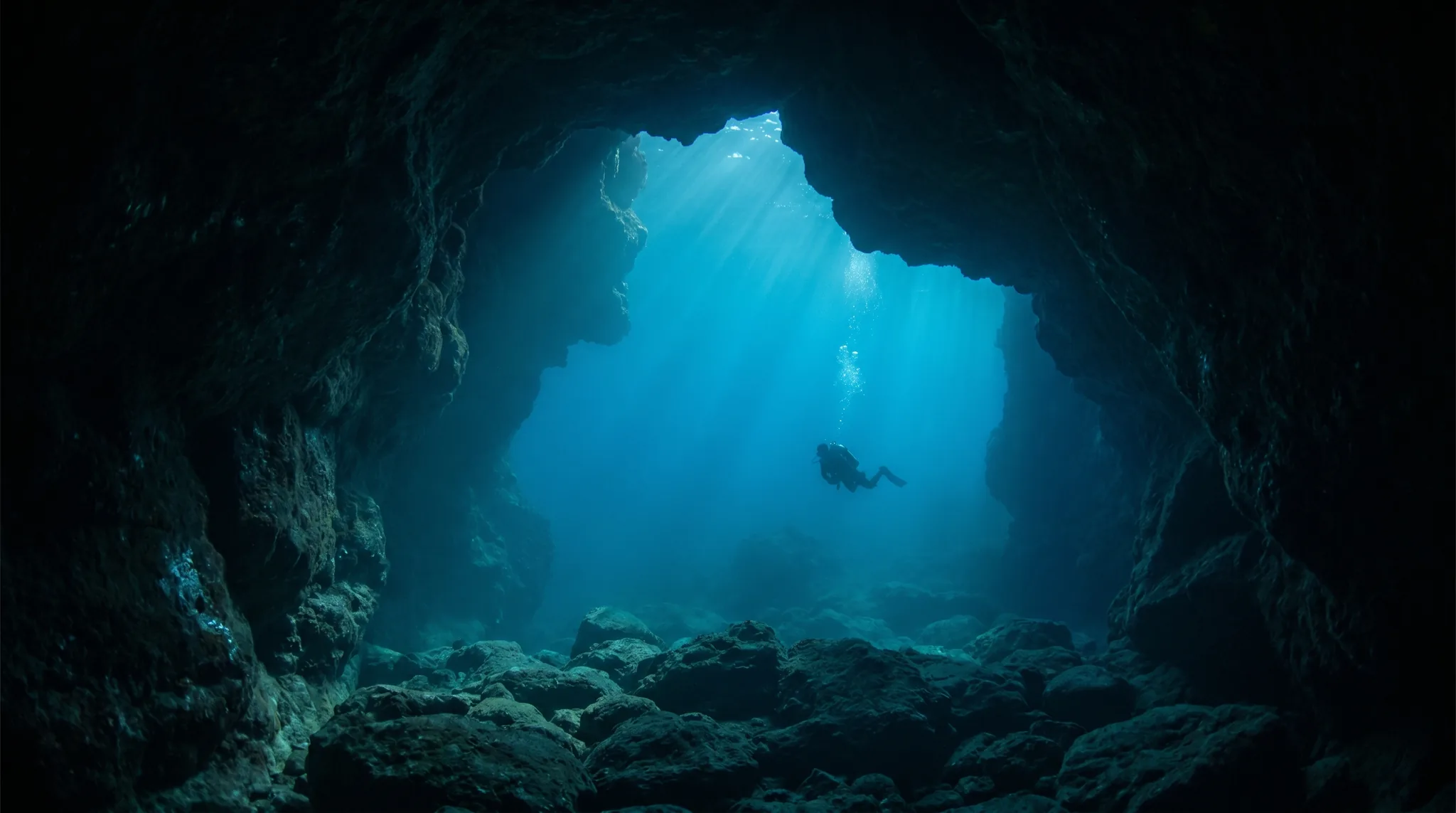
77Wrecks, caves, and reefs across five sub-areas, with turtles, grouper, and a deliberately sunk aircraft among the highlights.
 41
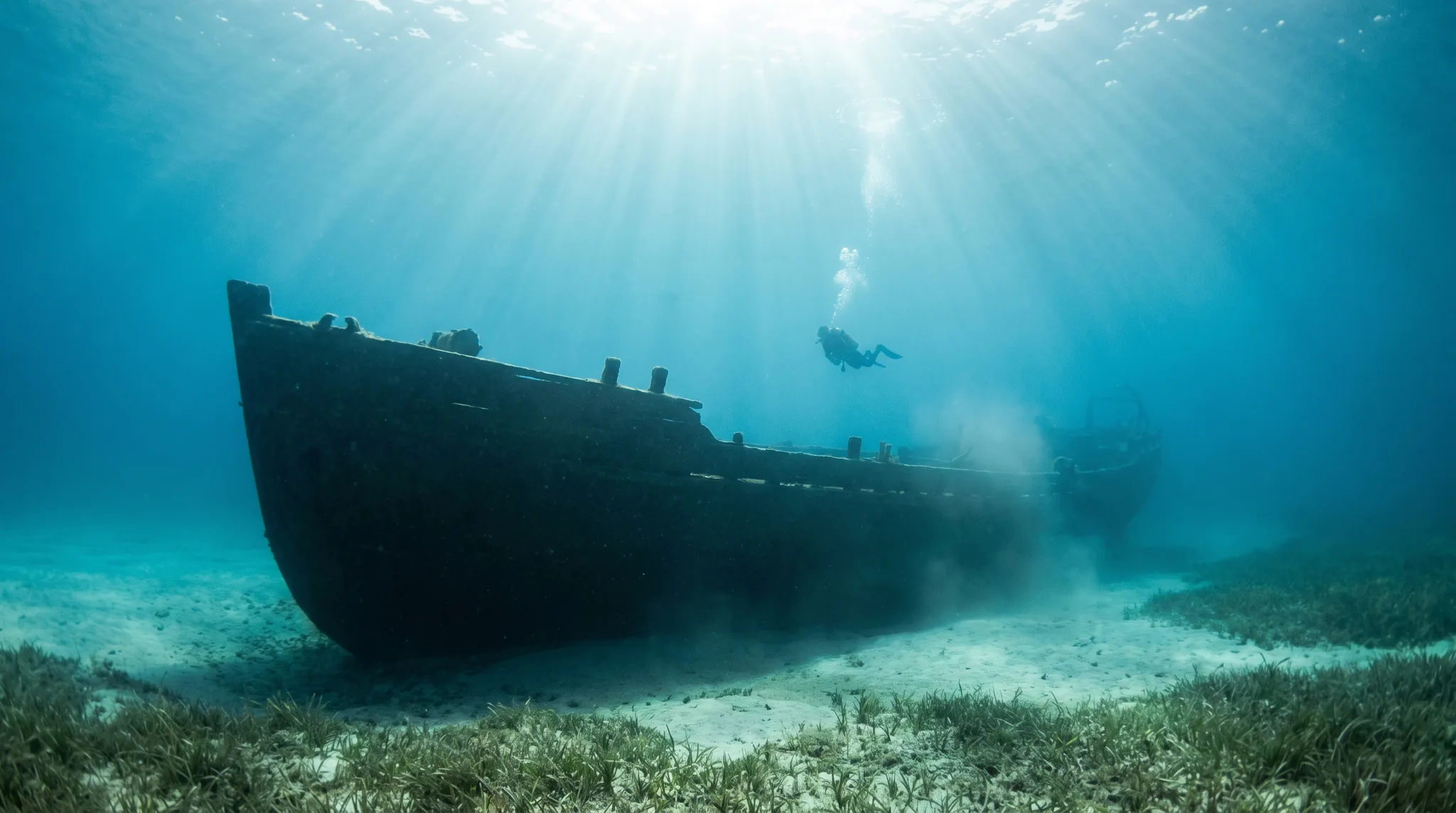
41Wrecks, walls, and Loggerhead Sea Turtles define Bodrum's diving, with sites ranging from beginner-friendly artificial reefs to deep advanced walls.
 28
28
Monthly water temperature across Turkey's sites, from satellite sea-surface data corrected for depth. The band shows the site-to-site spread.
Water temperature climbs steadily from spring, peaking in September and October, which coincide with the highest diver activity. Summer months are warm and generally calm along the southern coasts, while Saros Bay and Istanbul experience more exposure and variable currents year-round. Winter temperatures remain relatively mild compared to northern European waters, meaning year-round diving is feasible, though the quietest months see far fewer operators running regular trips.
137 operators

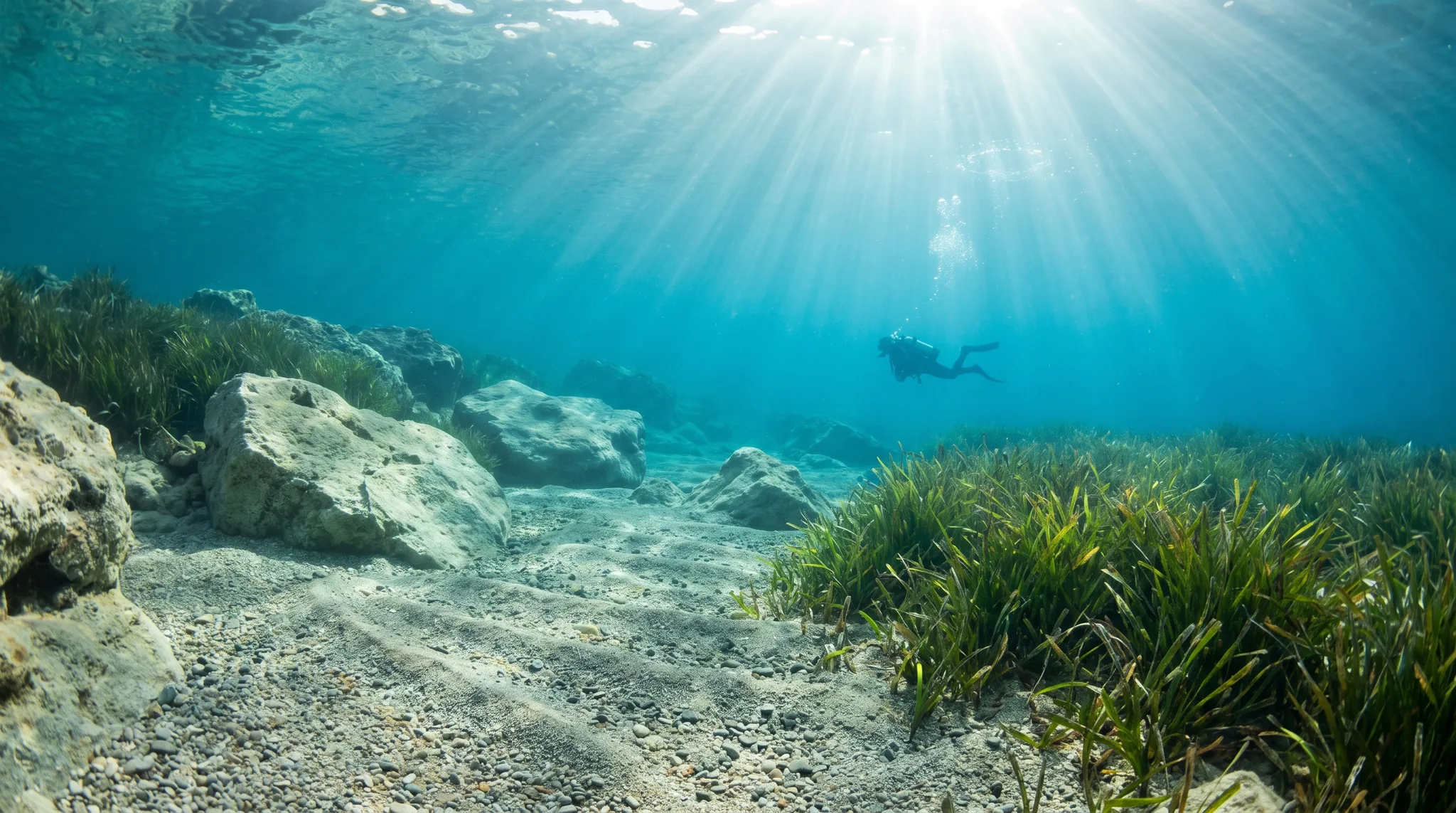
Wrecks, reefs, and walls across four sub-areas, with Grey Nurse Shark and Loggerhead Sea Turtle among the signature sightings.
Water temperature around Turkey ranges from about 18°C in February to 24°C in September, based on satellite sea-temperature data for its dive sites.
In the warm season (about 24°C) a 3mm full suit is comfortable in Turkey; in the coldest months (about 18°C) step up to a 5mm suit.
Fin maps 283 sites in Turkey (239 scuba diving sites and 83 snorkelling spots, with some suited to both), organised into 7 areas.
Across Turkey's dive sites, May, June, July, August, September and October are most often reported as the best months to visit.
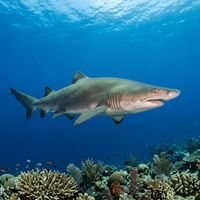
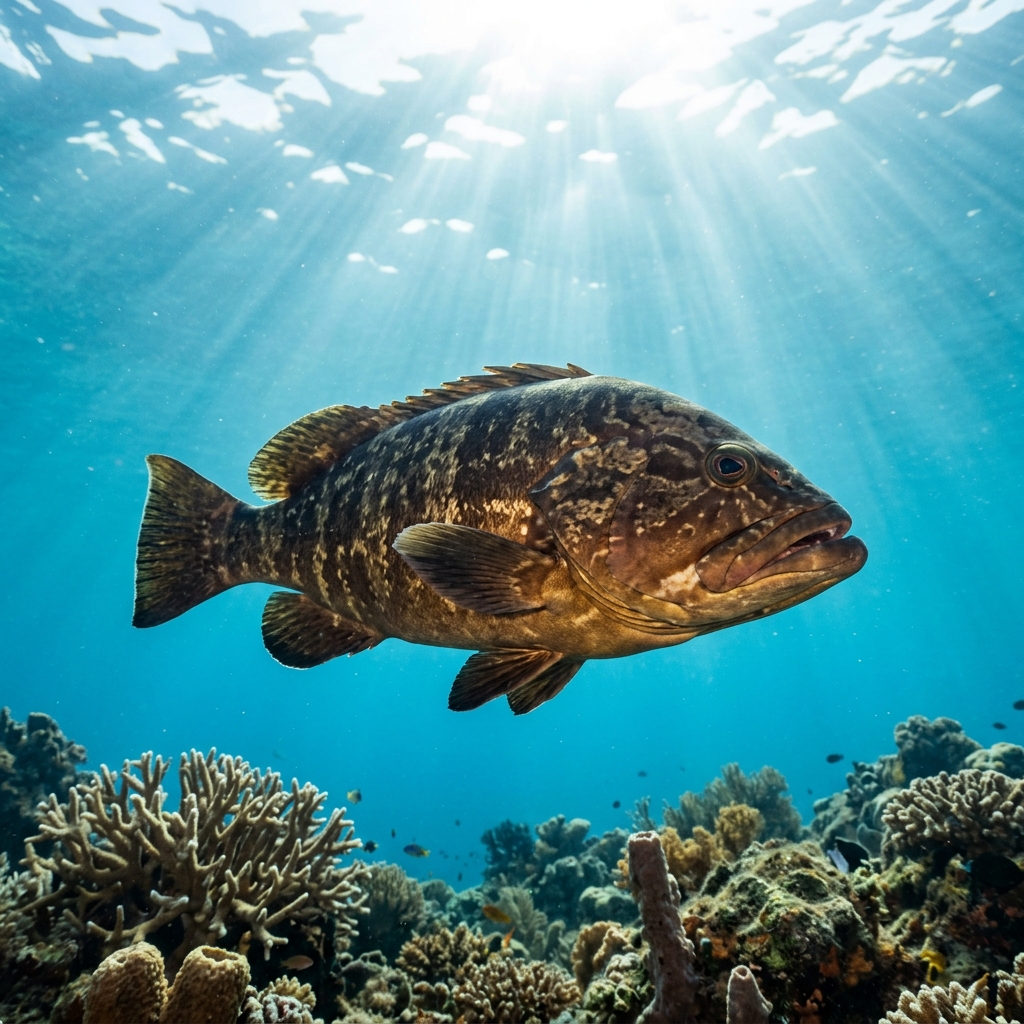
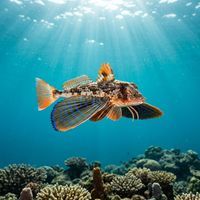
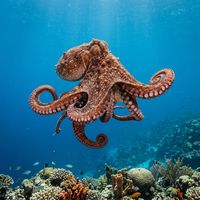
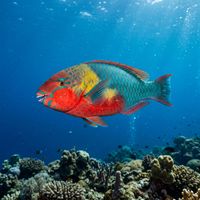
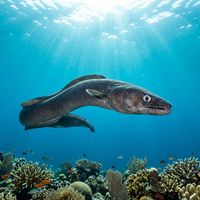
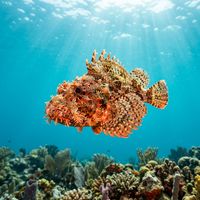
Turkish Wrasse and White Seabream are encountered at the vast majority of sites across the country. Dusky Grouper, Common Octopus, Conger Eel, Guitarfish, and Grey Triggerfish are all commonly observed. Loggerhead Sea Turtle and Grey Nurse Shark appear at a notable share of sites, and the Flying Gurnard, Scorpionfish, Slipper Lobster, and Spiny Lobster round out a diverse reef community.
Turkey caters to a wide range of skill levels. Beginner-rated sites include the shallow Water Ship Wreck, the reef at Kidrak, and the Lundy wreck in Saros Bay. Intermediate divers are well served by sites such as Pacoz Bay and the Canyon. Advanced divers have dedicated destinations including Orak Island's deep wall and the Duchess of York wreck, which descends to significant depth.
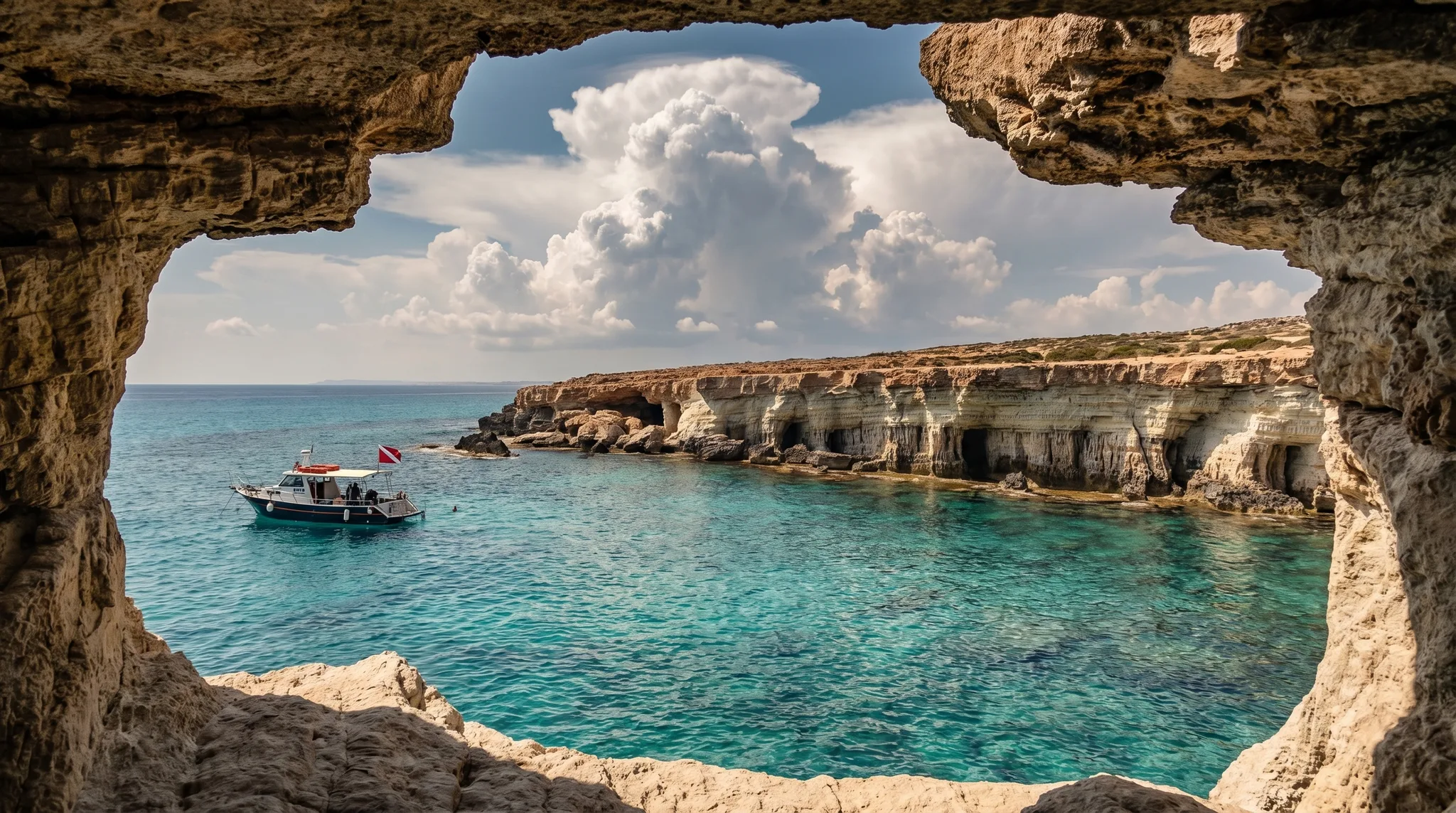
The Turquoise Coast and Antalya together hold the largest concentration of sites and a strong mix of reefs, walls, and wrecks. Bodrum is notable for its amphora fragments at Amphorafield and the dramatic drop at Orak Island. Saros Bay offers the Lundy wreck with excellent visibility in a more northerly, exposed setting. Istanbul and Izmir sit further from the main southern diving corridor and tend to have cooler, more variable conditions.
The majority of Turkey's dive sites are accessed by boat, including all of the top wreck sites and deeper reef dives. Shore entry does exist: Kidrak is a notable example, offering a gentle reef entry suitable for snorkellers and beginner divers alike. Operators such as Innovasub, Nautilus Diving, Dolphin, and Guru Dive run boat charters across the main sub-areas, making it straightforward to reach offshore sites.