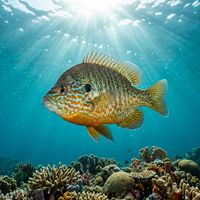
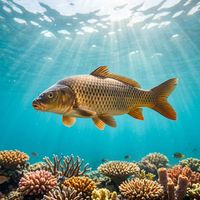
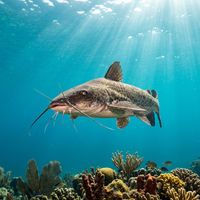
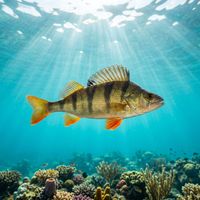
Serbia offers a distinctive freshwater diving experience spread across sub-areas including Western Serbia, Belgrade, Bela Crkva, Šumadija and Vojvodina. The site mix centres on lake and reservoir dives, with artificial reefs and muck sites making up much of the character. Beginners are well served by shallow shore-entry lakes such as Šumaricko jezero and Vračevgajsko, while sites like Zaovinsko jezero and Valjevska Gracanica extend the range for advanced and intermediate divers. Underwater life is truly freshwater in character: Sun Perch is the most frequently observed species, alongside Carp, Catfish, Common Perch and Pike Perch. Operators are spread across the country, from Belgrade to Bela Crkva, giving divers a range of local bases from which to explore this landlocked diving scene.
5 areas
 5
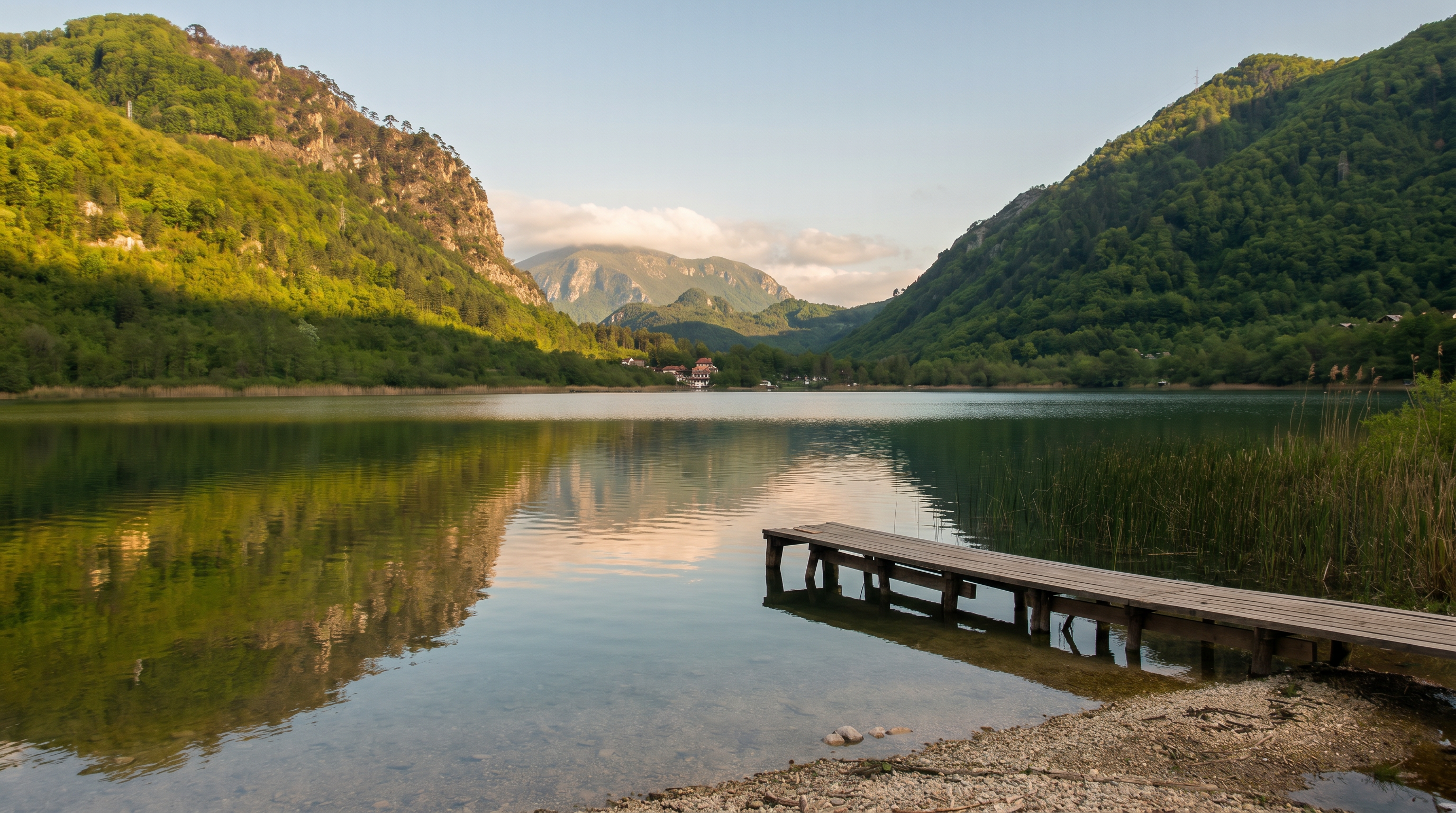
5Mountainous freshwater diving across reservoirs and lakes, with submerged heritage sites and high-altitude depth.
3City-accessible freshwater diving on the Sava at Ada Ciganlija, with artificial reefs and muck dives used heavily for training.
3Shallow former gravel-pit lakes near Bela Crkva, ideal for beginner training and recreational dives with diverse freshwater species.
2Two beginner-friendly freshwater lakes near Kragujevac, used mainly for training in low-visibility conditions.
1Very shallow freshwater diving near Palic in northern Serbia's flat plains, accessible by shore or boat with calm conditions.
24 operators
Zemun, Serbia
Fin maps 14 sites in Serbia (14 scuba diving sites and 1 snorkelling spots, with some suited to both), organised into 5 areas.
Across Serbia's dive sites, June, July, August and September are most often reported as the best months to visit.
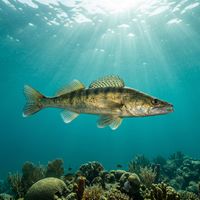
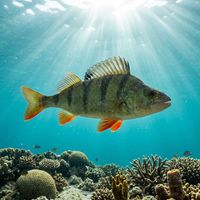
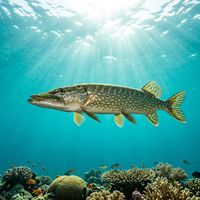
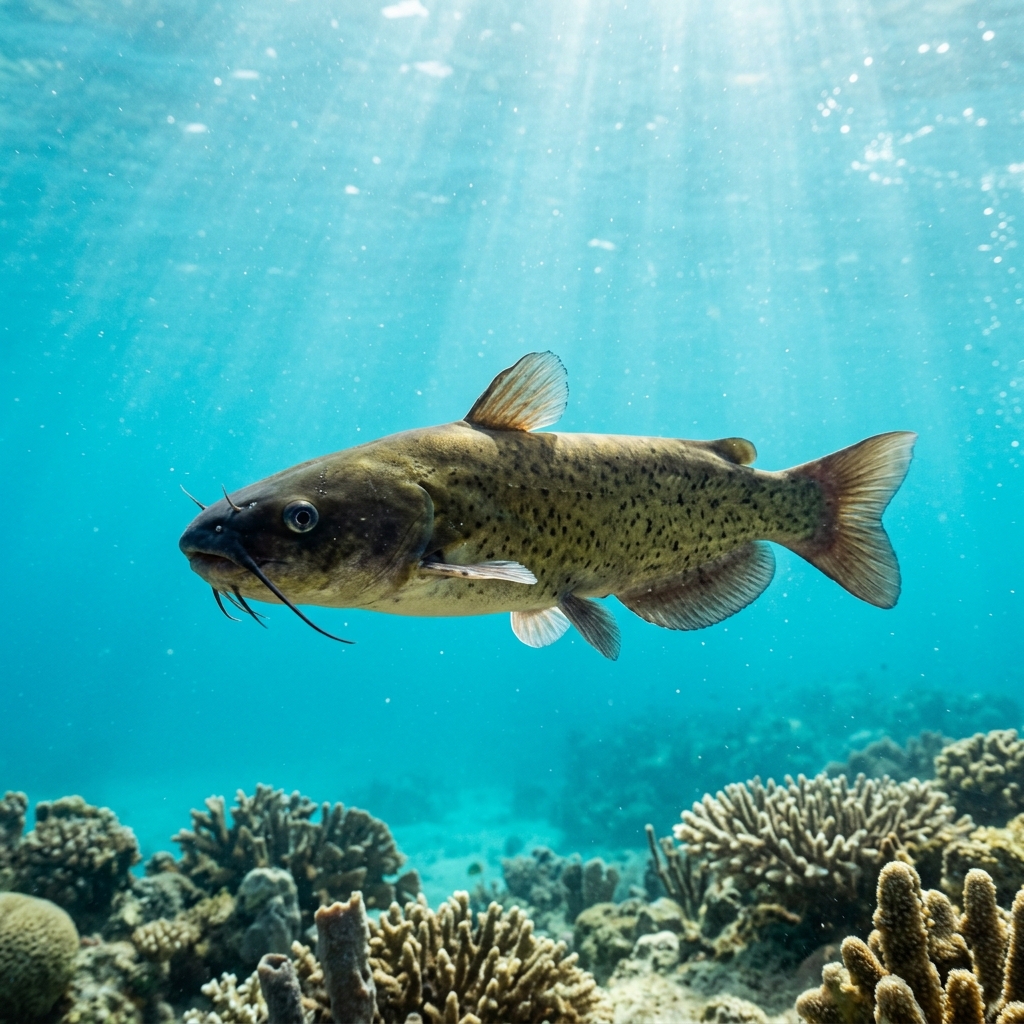
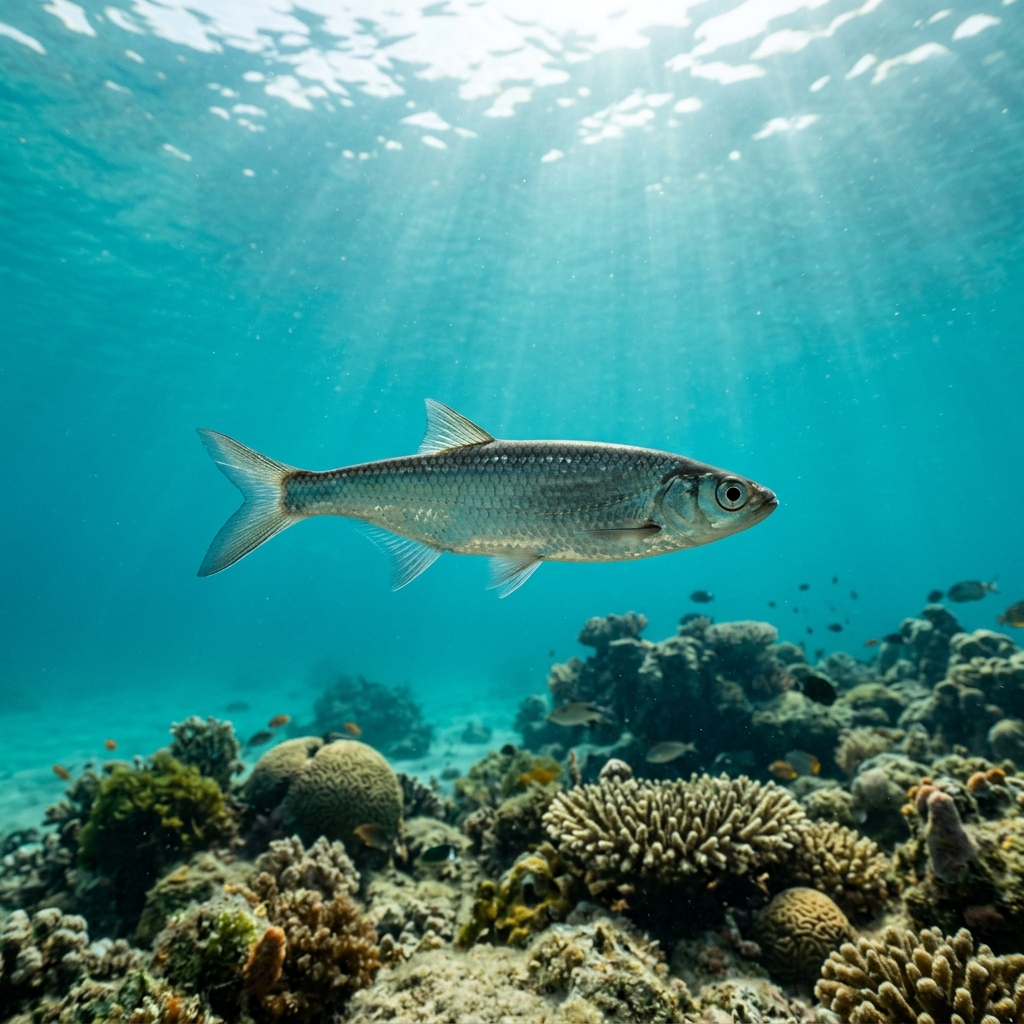
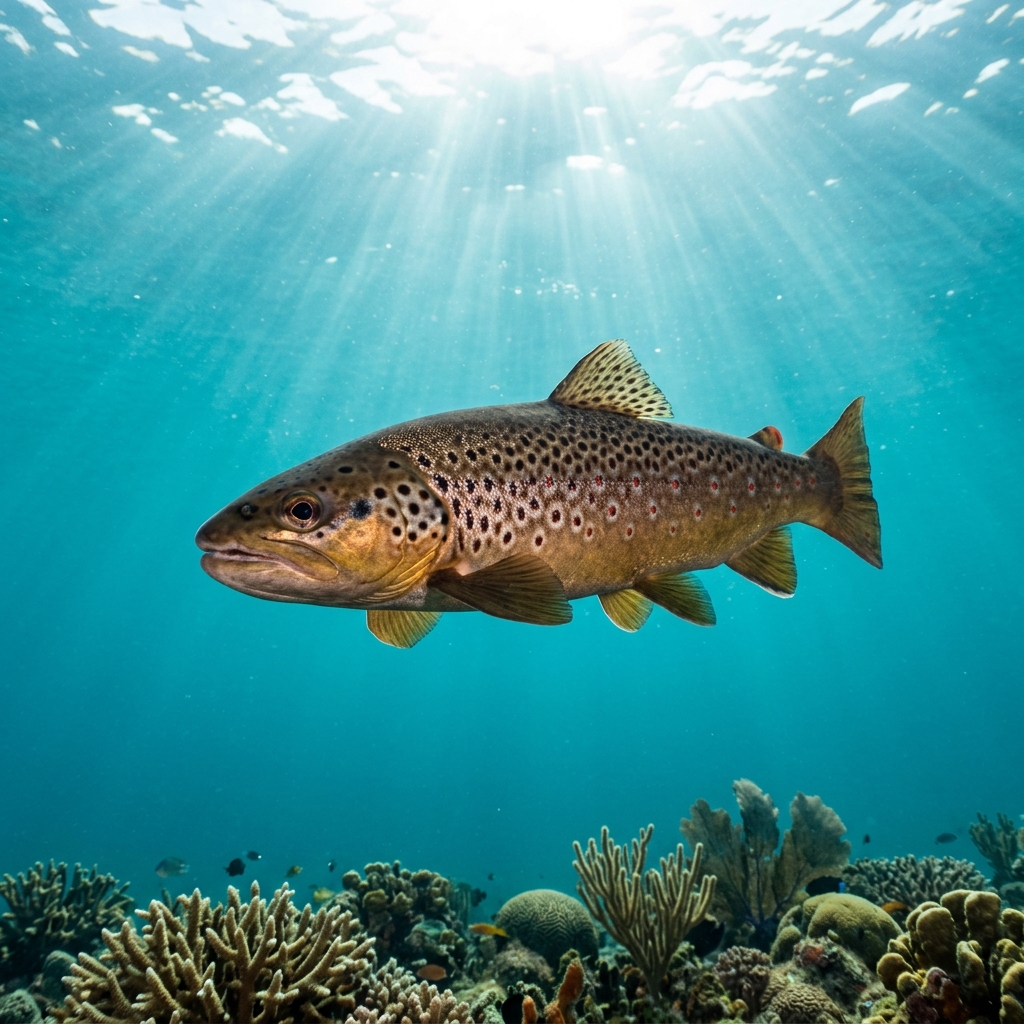
Serbia's lakes and reservoirs host a variety of freshwater species rather than marine life. Sun Perch is the most commonly observed, appearing at the majority of sites. Carp, Catfish, Common Perch and Pike Perch are also frequently encountered, with Pike and Trout seen occasionally depending on the site.
Yes, the majority of sites in Serbia are rated for beginner skill levels. Shore-entry lakes such as Šumaricko jezero, Betonjerka and Klanica offer shallow, calm freshwater conditions ideal for those new to diving or in training. More challenging depth is available at Valjevska Gracanica and Zaovinsko jezero for those progressing further.
Western Serbia has the largest number of sites and includes deeper lake dives such as Zaovinsko jezero. Belgrade offers accessible urban freshwater diving including the muck dive at Ada Ciganlija-Smokvica. Bela Crkva has a cluster of sites served by a dedicated local club, while Šumadija and Vojvodina add further variety across the country.
All listed sites in Serbia use shore entry, which keeps logistics straightforward and generally removes the need for a boat. Sites are spread inland across lakes and reservoirs, so divers travel by road to reach them. Operators including Aqua Ski d.o.o, Lazy Divers and Ronilački klub Roniti se Mora Bela Crkva are positioned around the country to support access.