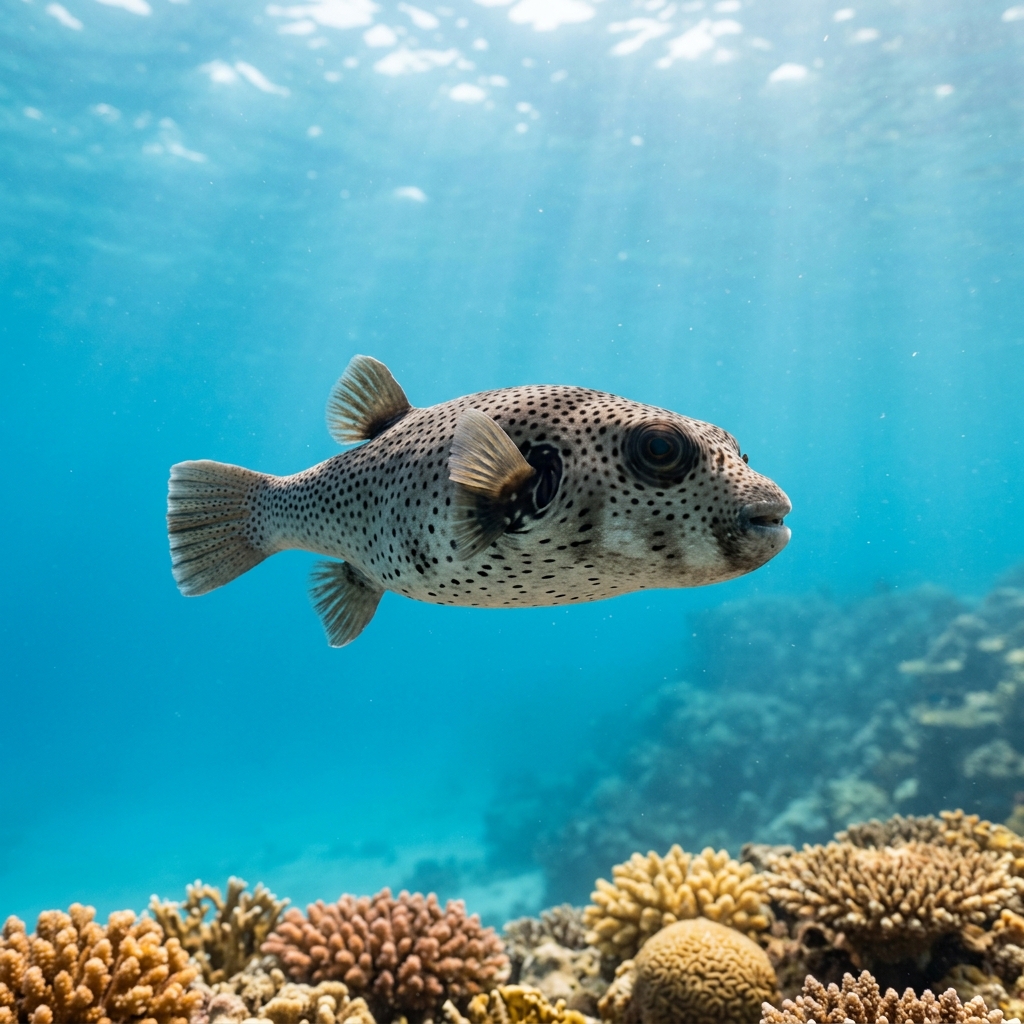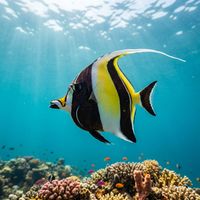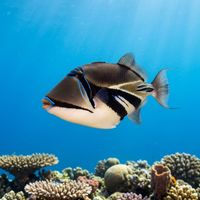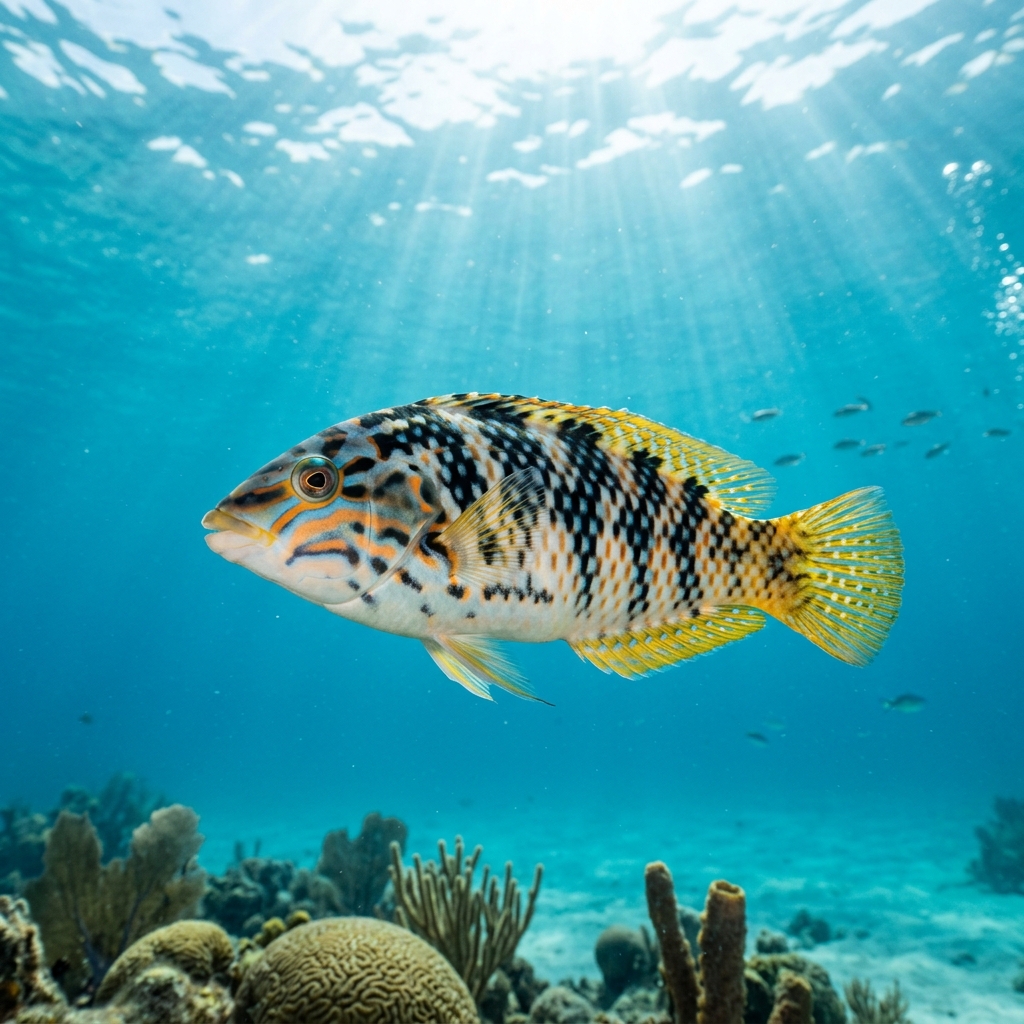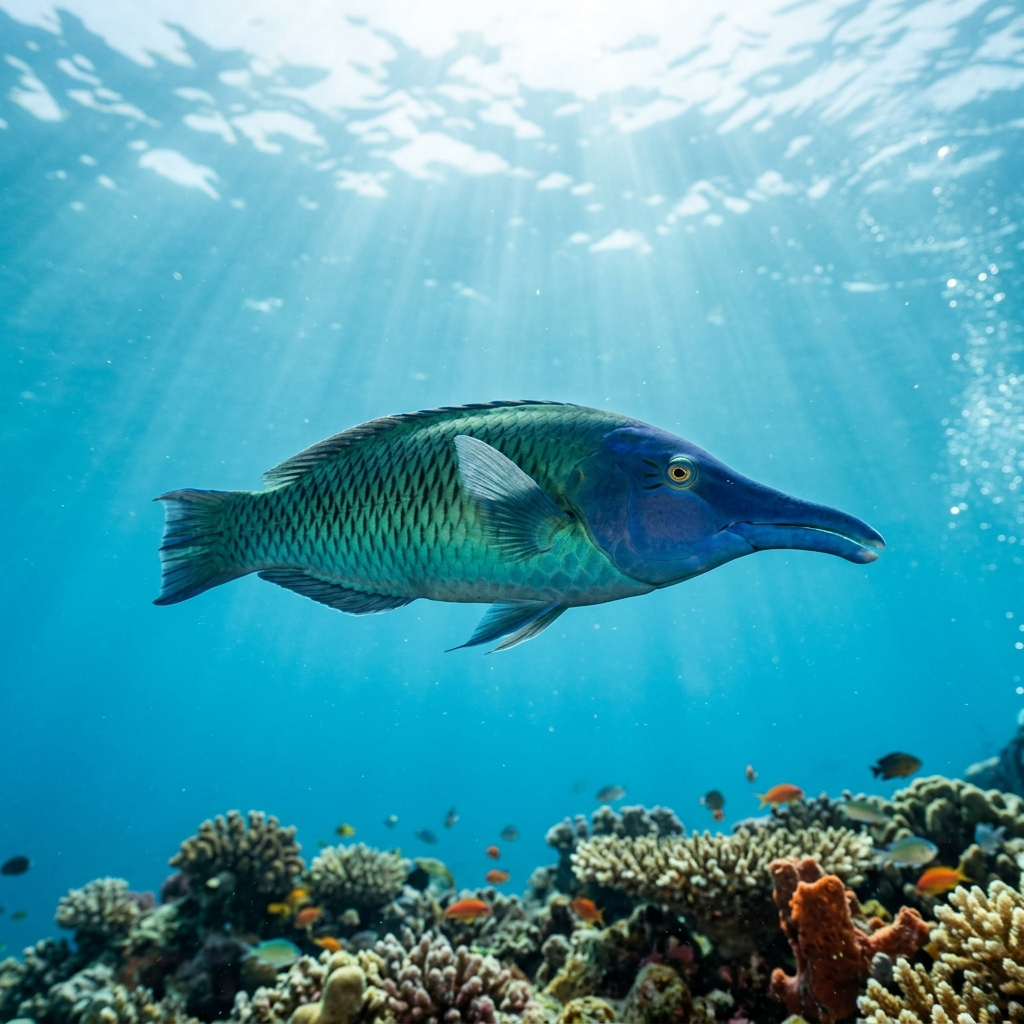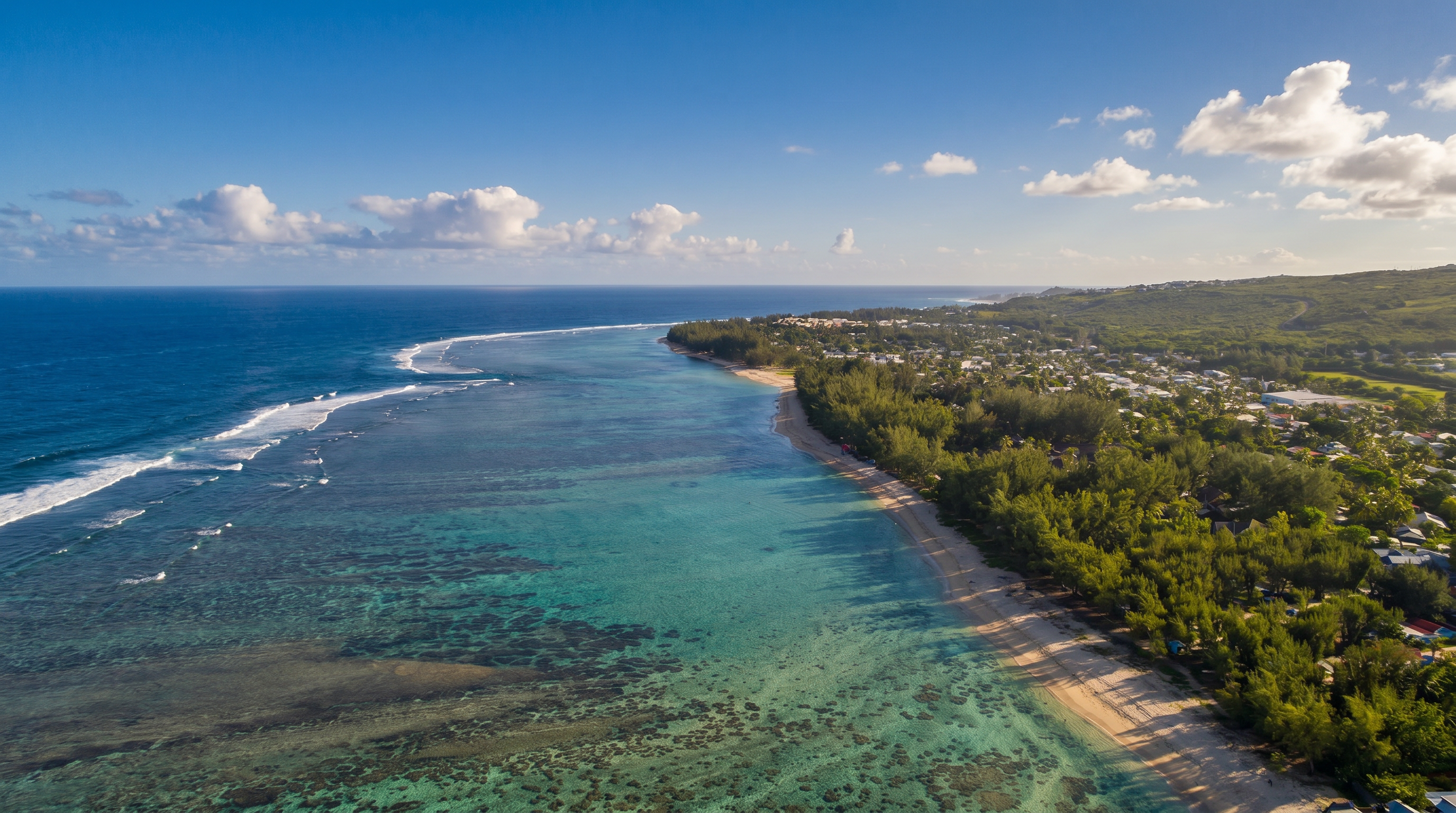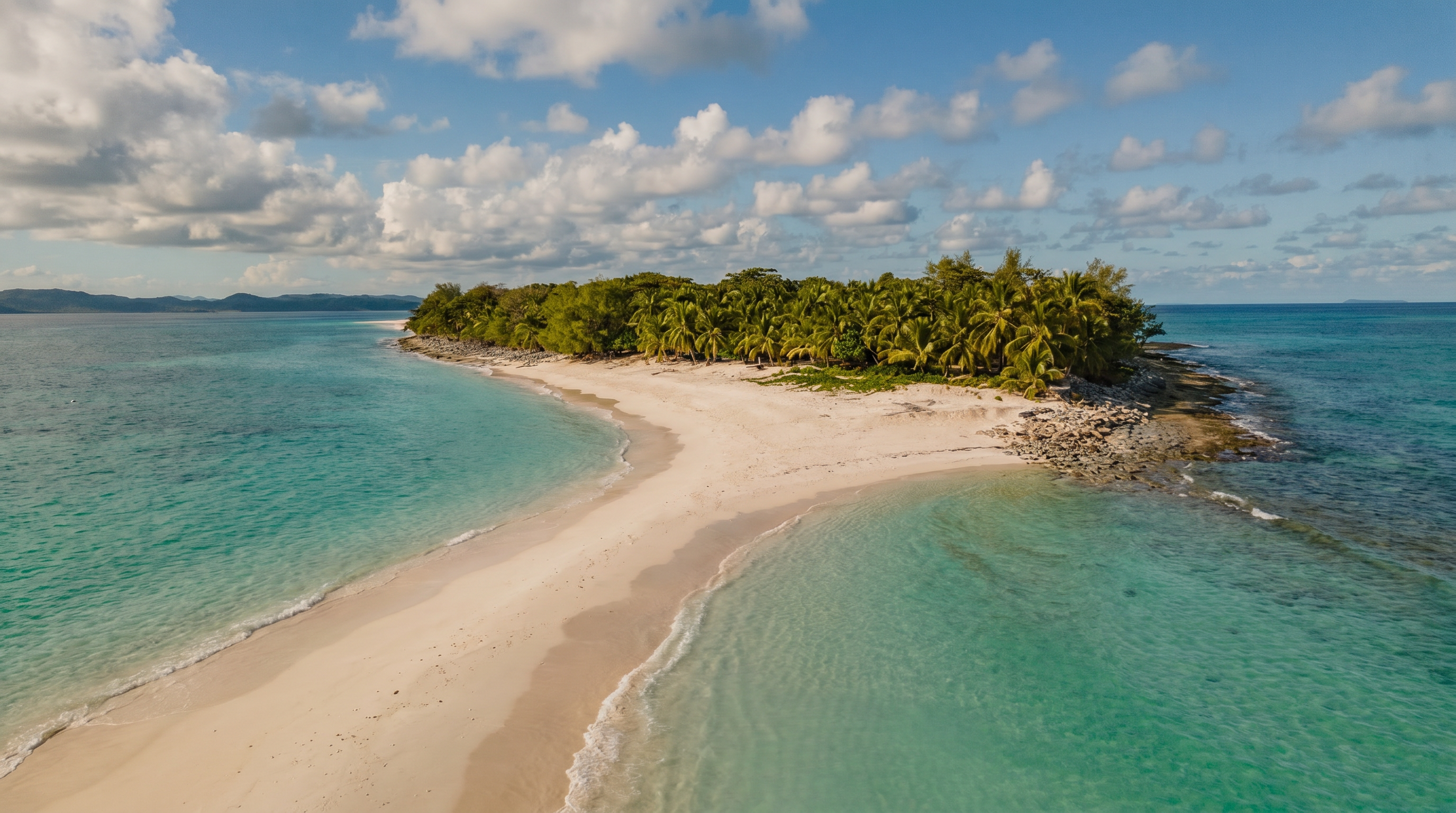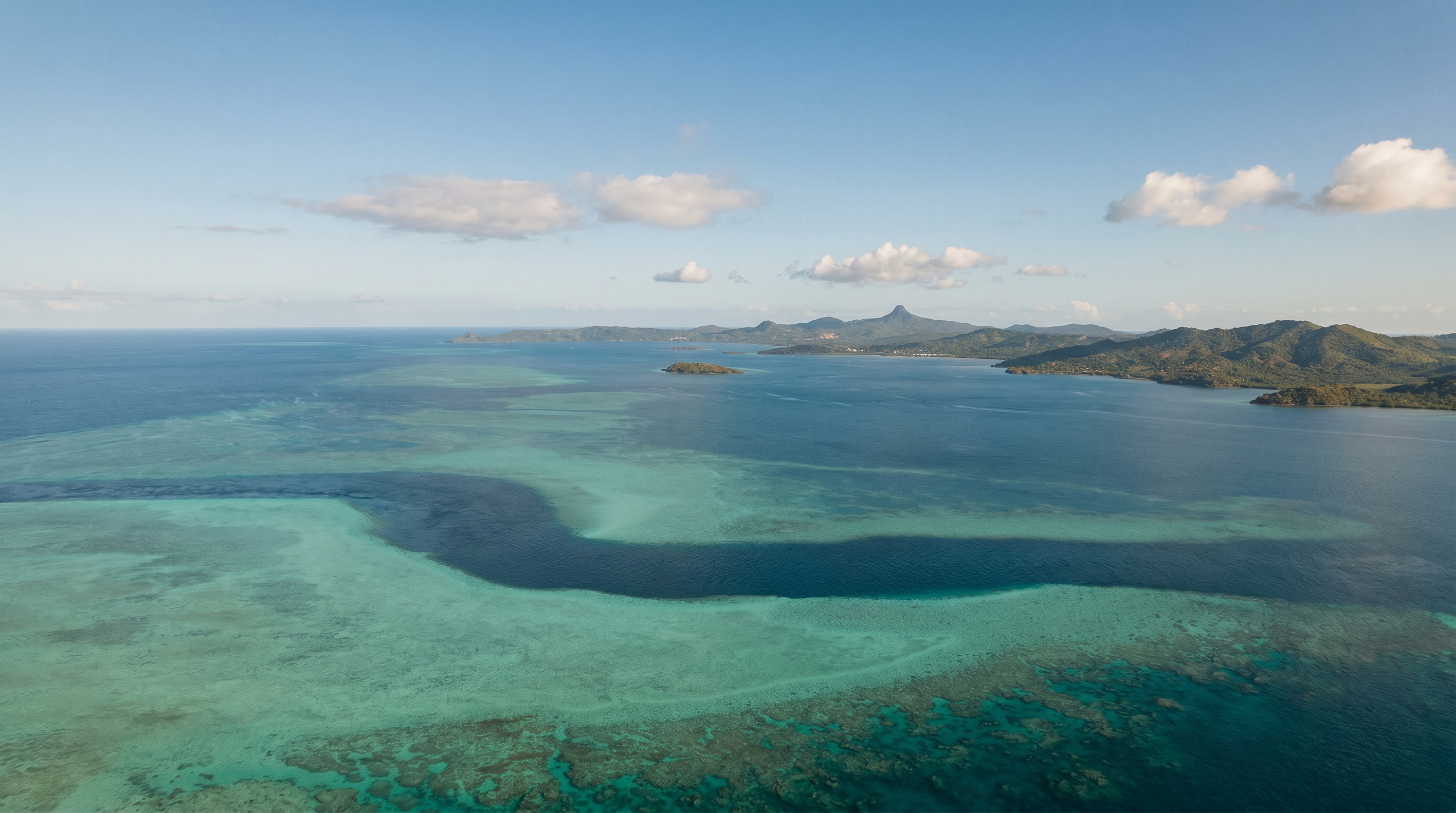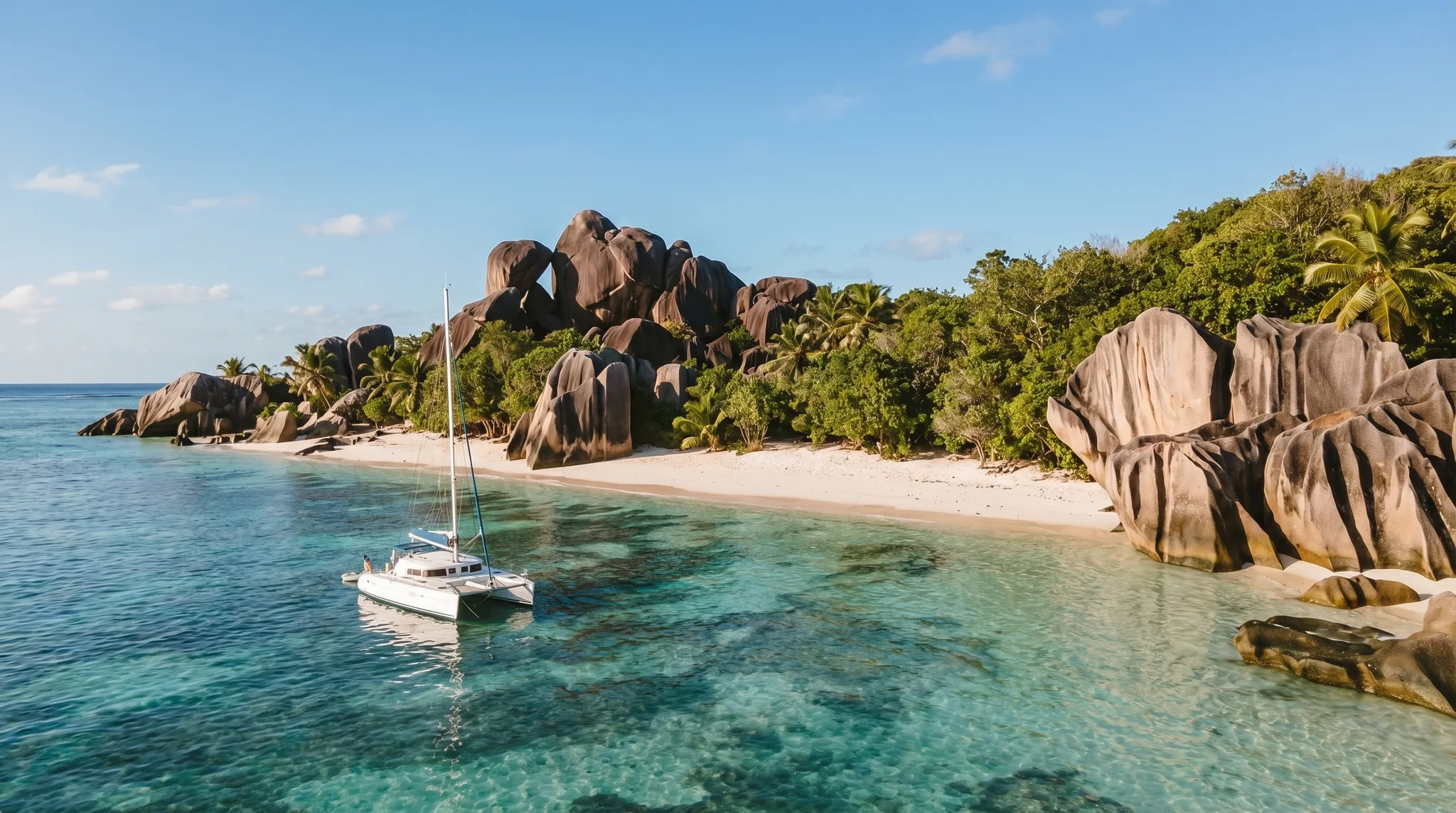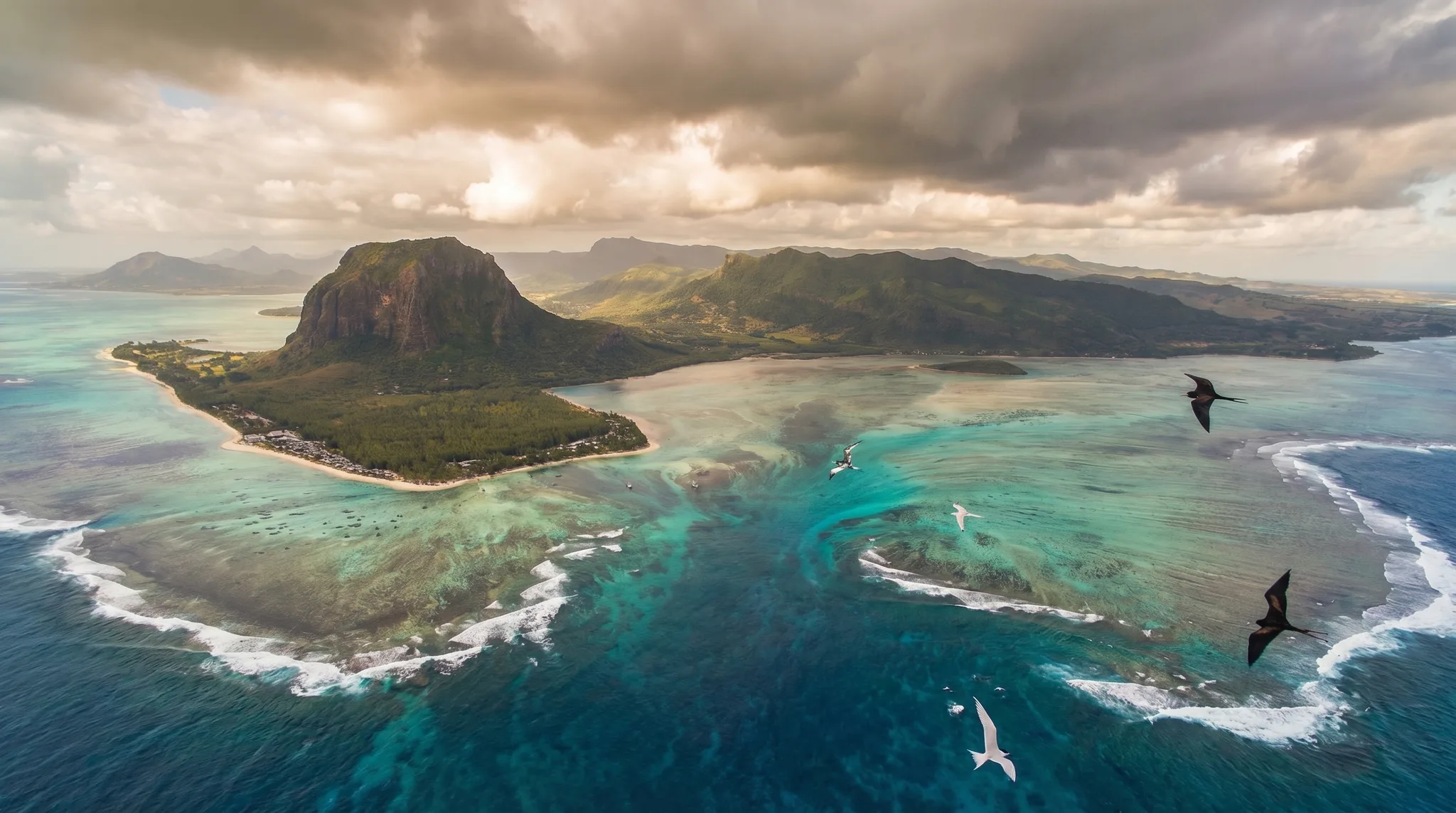
Mauritius offers a varied underwater landscape shaped by fringing reefs, purpose-sunk wrecks, drift passages, pinnacles, walls, and cave systems. The west coast around Flic-en-Flac holds the largest concentration of sites, while Coin de Mire to the north rewards divers with drift dives through caves and swim-throughs. Grand Baie is the wreck hub, with the Stella Maru, Azuma Maru, and Emily and Waterlily all serving as mature artificial reefs. Blue Bay and Belle Mare offer their own distinct reef and wall topography to the south and east. Wrasses, Blackspotted Pufferfish, Moorish Idol, and Lagoon Triggerfish appear across almost every site, while the Turkey Moray and Giant Moray are reliably encountered in reef crevices. The Emperor Angelfish and the occasional Green Sea Turtle round out a reef community that rewards repeated dives across sub-areas.
7 areas
 34
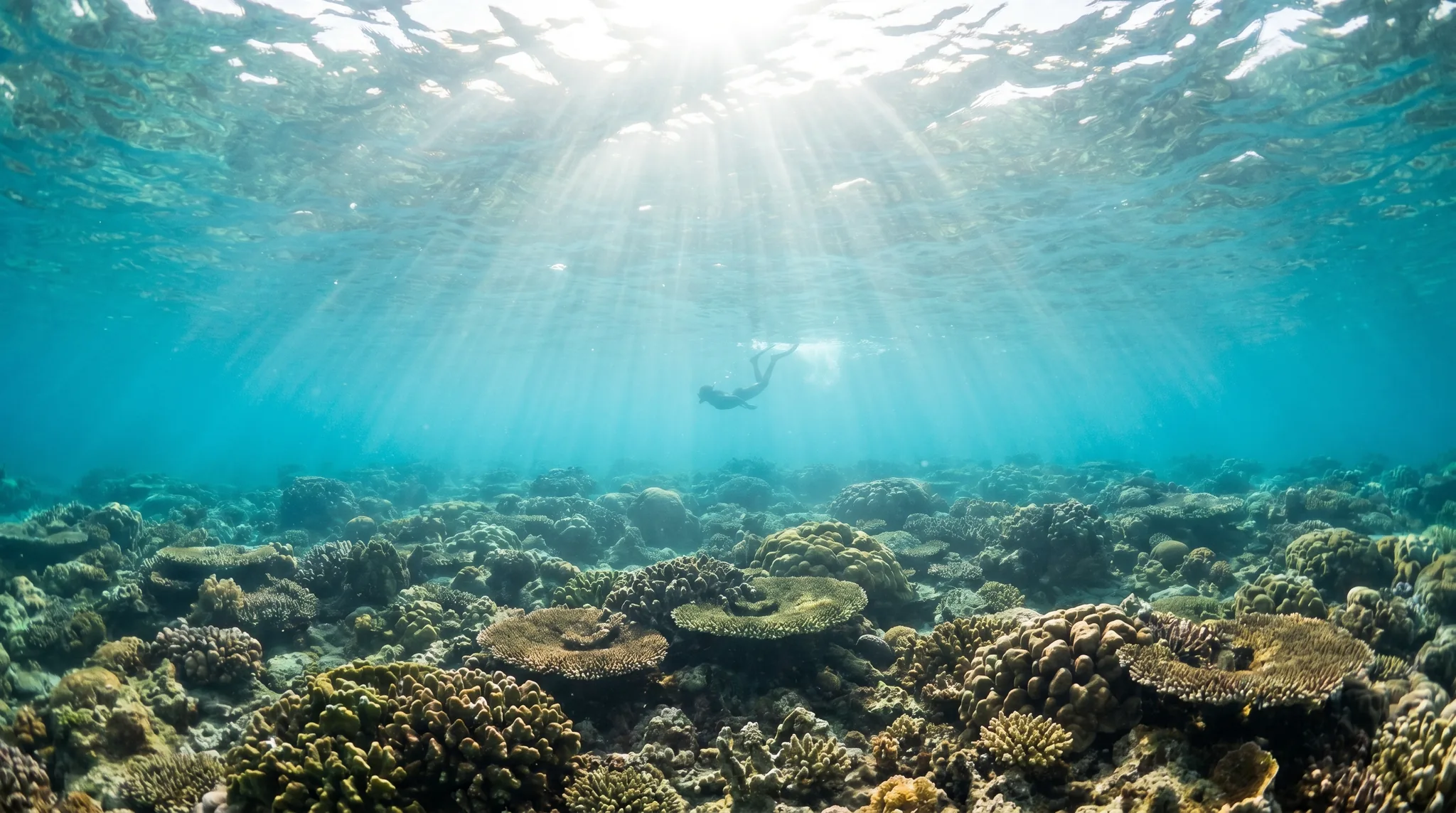
34Wrecks, caverns and reef drift dives off Mauritius's west coast, with Spotted Eagle Ray and a rich cast of reef species across four distinct sub-areas.
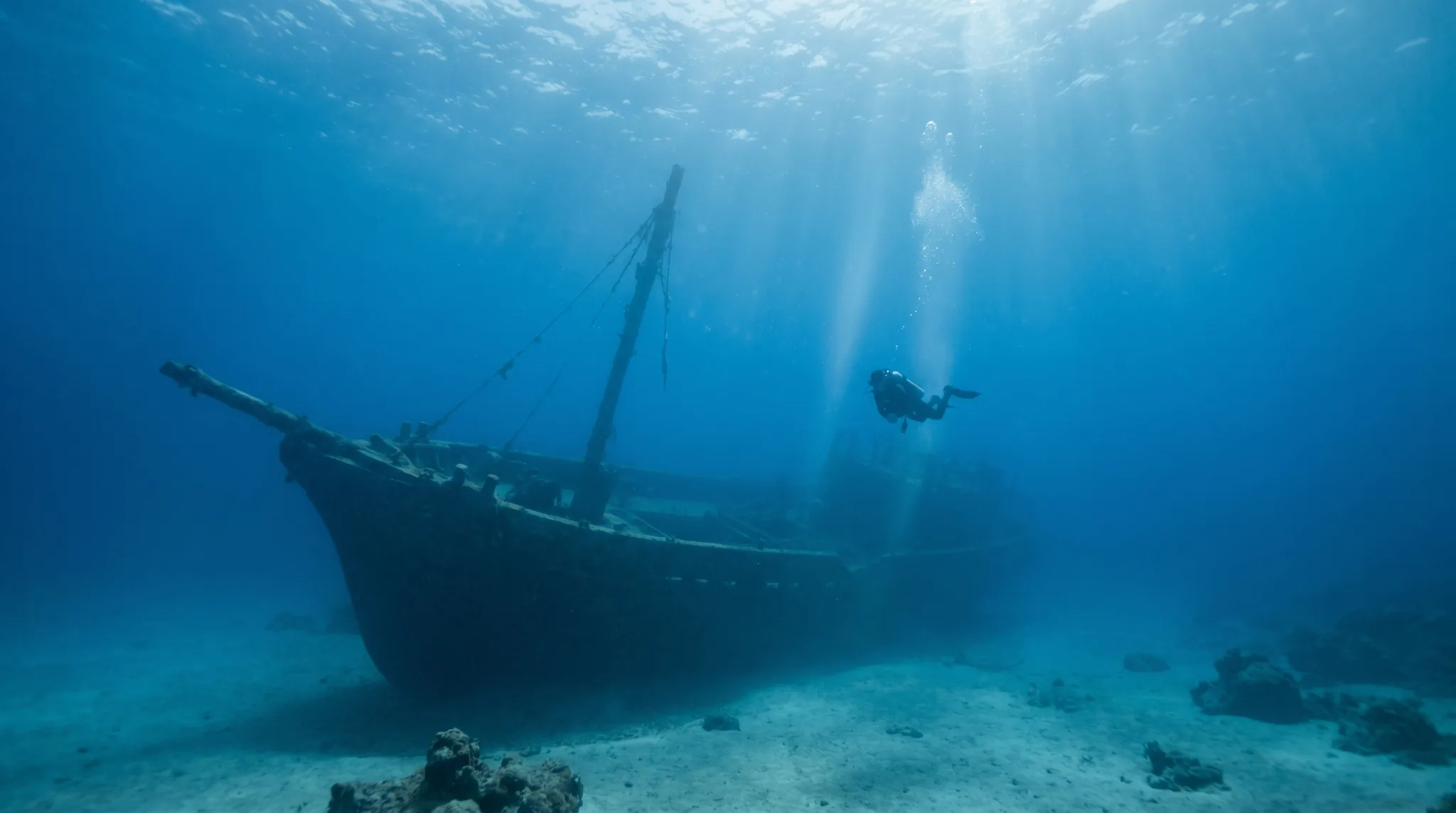
17A boat-based diving area pairing reef, cave and wreck sites with strong marine life, including the Emperor Angelfish and Giant Moray.
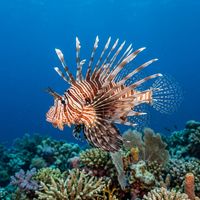
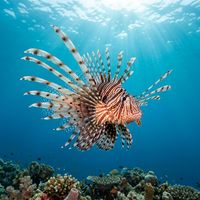
16Reef, wall, cave and wreck diving off Mauritius, with an exceptional density of moray eels, lionfish and angelfish.
 16
16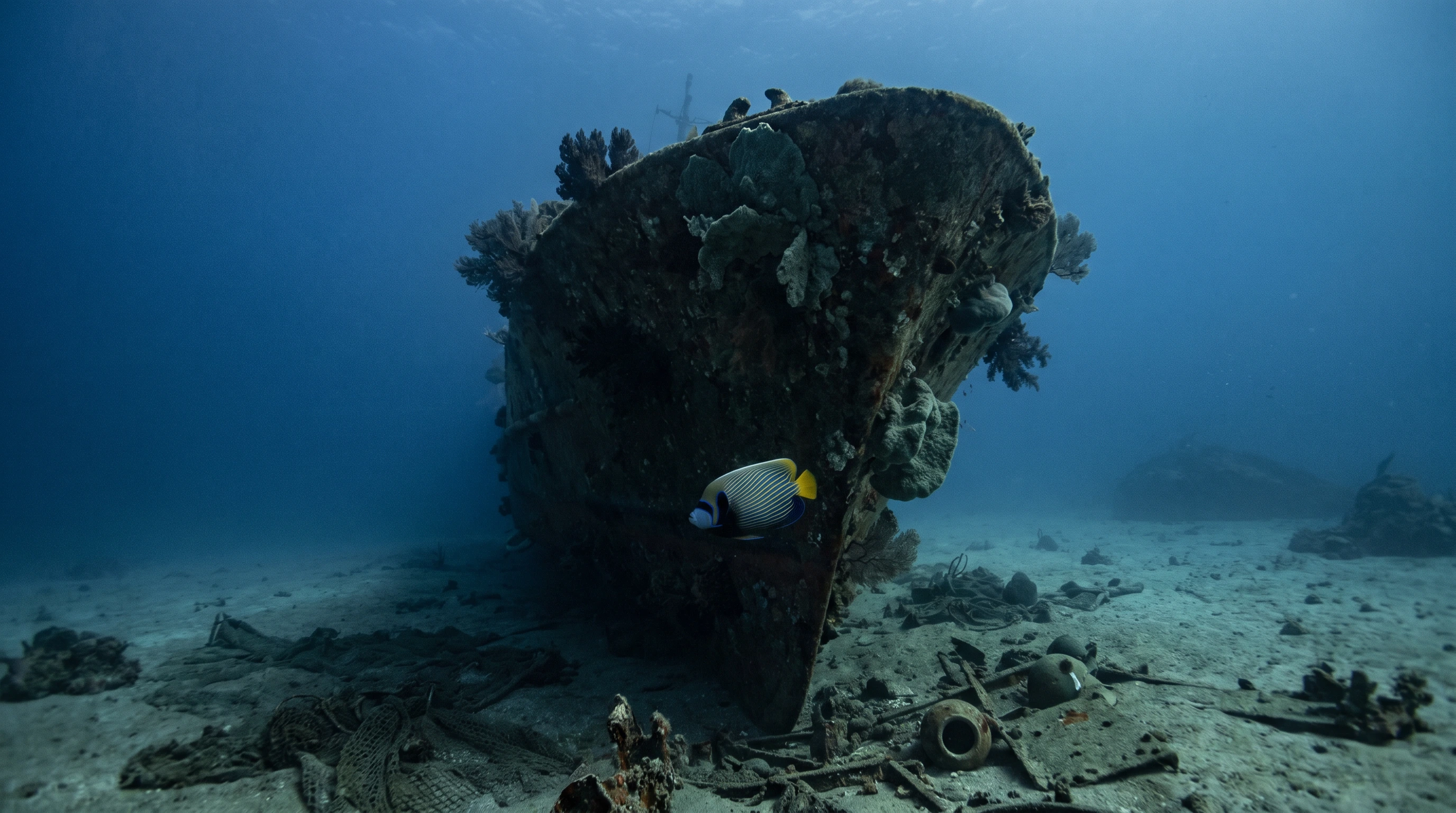
Monthly water temperature across Mauritius's sites, from satellite sea-surface data corrected for depth. The band shows the site-to-site spread.
Water temperatures peak through the southern summer months from November to April, easing into a cooler period from June through September. The best-months data points strongly to October and November as the sweet spot, when warmth begins to return and conditions settle after the windier mid-year period. Drift sites such as Passe St Jacques and The Channel are most energetic when trade winds are active, so divers chasing calmer, more predictable conditions generally favour the shoulder months on either side of winter.
78 operators
A wreck-rich stretch of Mauritius with multiple artificial reefs, abundant lionfish, morays, and shore-entry snorkelling in sheltered lagoon shallows.
Water temperature around Mauritius ranges from about 24°C in July to 28°C in January, based on satellite sea-temperature data for its dive sites.
In the warm season (about 28°C) a rash guard or 3mm shorty is comfortable in Mauritius; in the coldest months (about 24°C) step up to a 3mm full suit.
Fin maps 98 sites in Mauritius (89 scuba diving sites and 21 snorkelling spots, with some suited to both), organised into 7 areas.
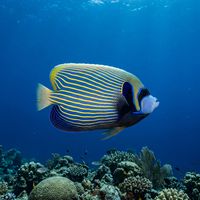
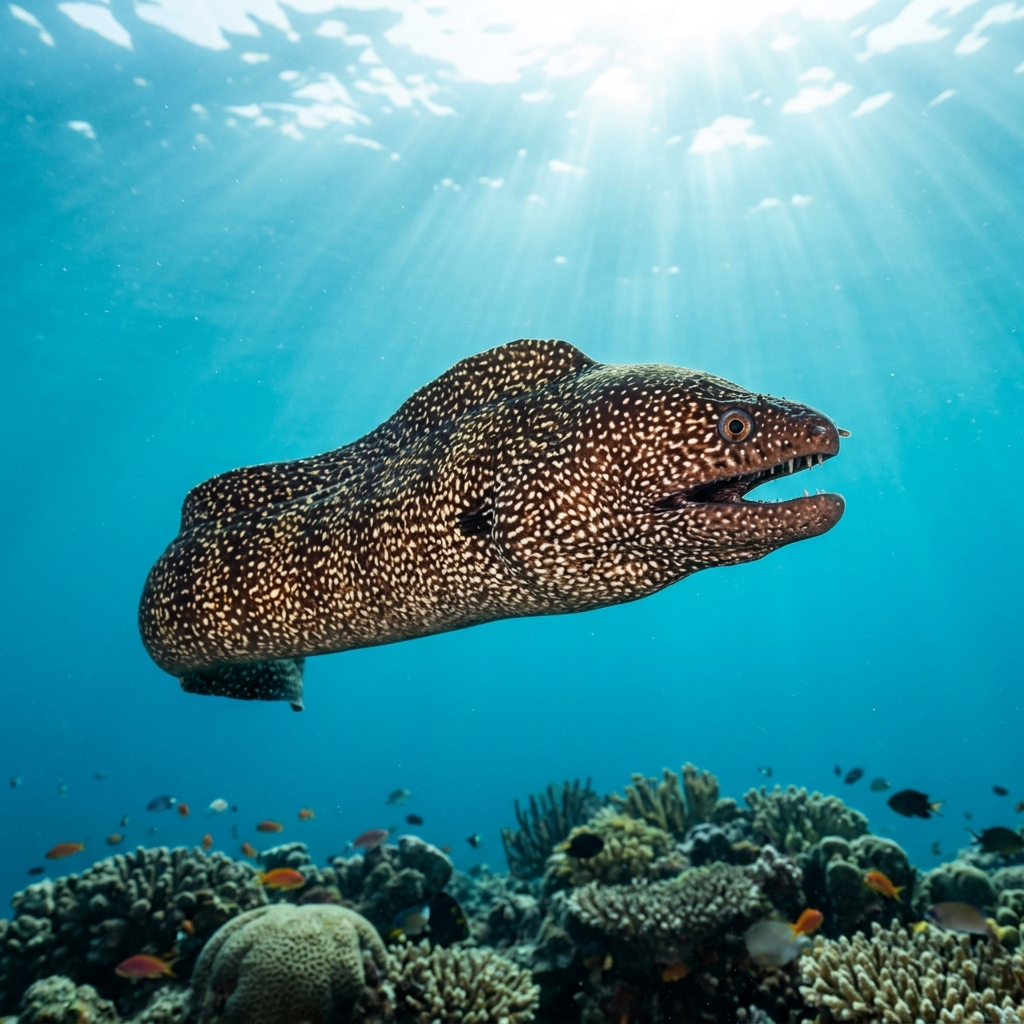
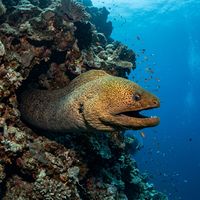
Wrasses, Blackspotted Pufferfish, Moorish Idol, and Lagoon Triggerfish are among the most frequently encountered species across the reef network. The Turkey Moray and Giant Moray are common in rocky and reef habitats, while the Emperor Angelfish is a reliable presence on coral structures. The Green Sea Turtle appears occasionally, and the Spanish Dancer nudibranch is spotted on night dives at a range of sites.
Mauritius caters to a wide range of skill levels. Sites such as Poison Reef, Confetti Bay, Tug II, and Holt's Rock are rated for beginners and are accessible by boat without demanding conditions. Intermediate and advanced divers have plenty to explore, from the deep wrecks of Grand Baie to the drift passages at Coin de Mire and the wall and cave systems at Blue Bay and Flic-en-Flac.
Flic-en-Flac on the west coast has the highest number of sites and includes energetic drift dives alongside more sheltered reef options. Coin de Mire to the north is characterised by cave and drift diving, with sites like Carpenter Reef and The Channel drawing more experienced divers. Grand Baie is the centre for wreck diving, while Blue Bay and Belle Mare on the south and east coasts offer walls, drop-offs, and quieter reef systems. Rodrigues Island, listed as a separate sub-area, has a smaller but distinct site selection.
The majority of dive sites in Mauritius are reached by boat, which reflects the offshore position of most reef and wreck structures. A handful of sites, including Confetti Bay and Belle Mare Passe, offer both shore and boat entry, giving some flexibility for those staying nearby. Operators across the island's main sub-areas run regular boat departures, with more than fifty dive centres listed across the region.