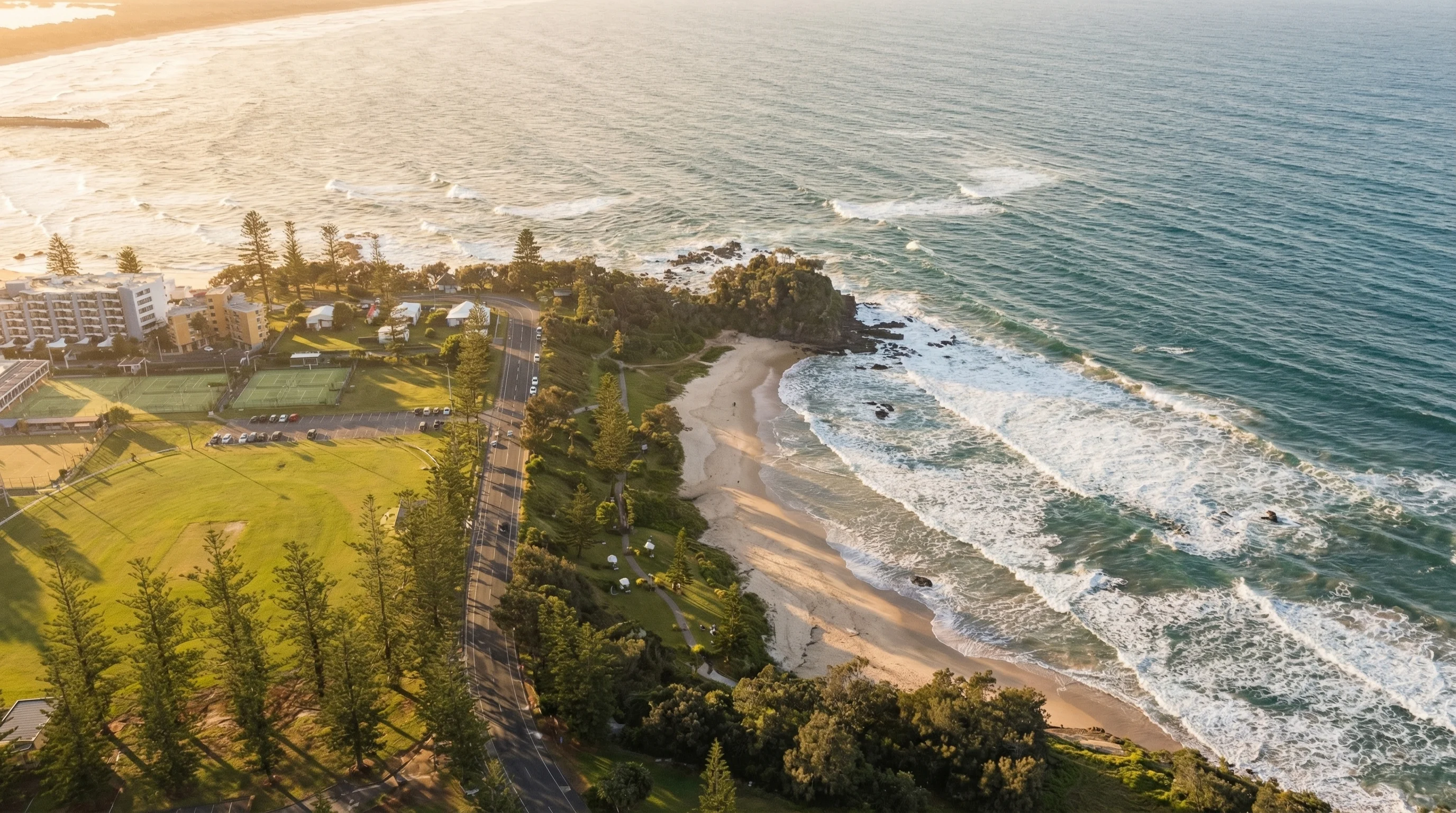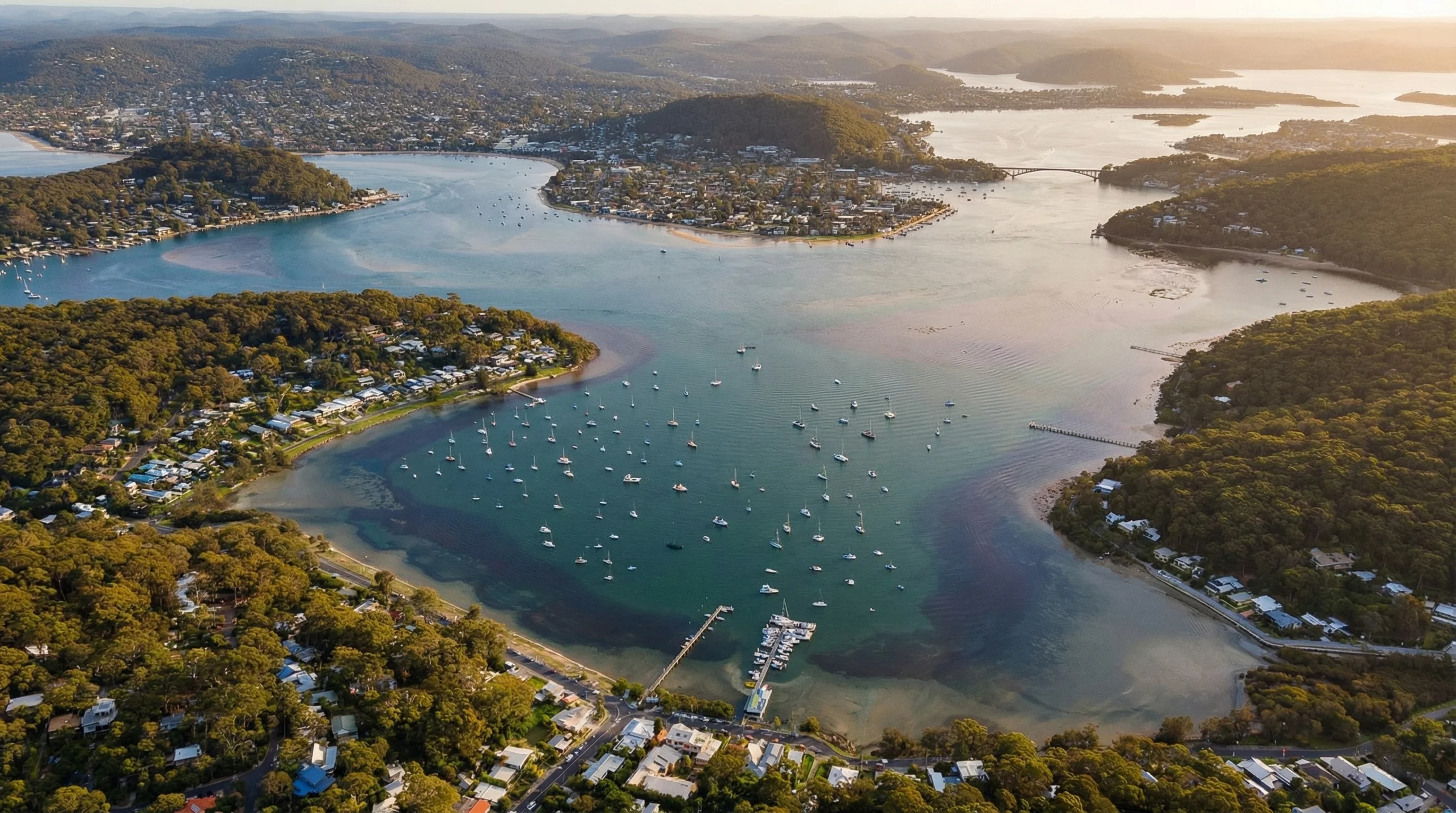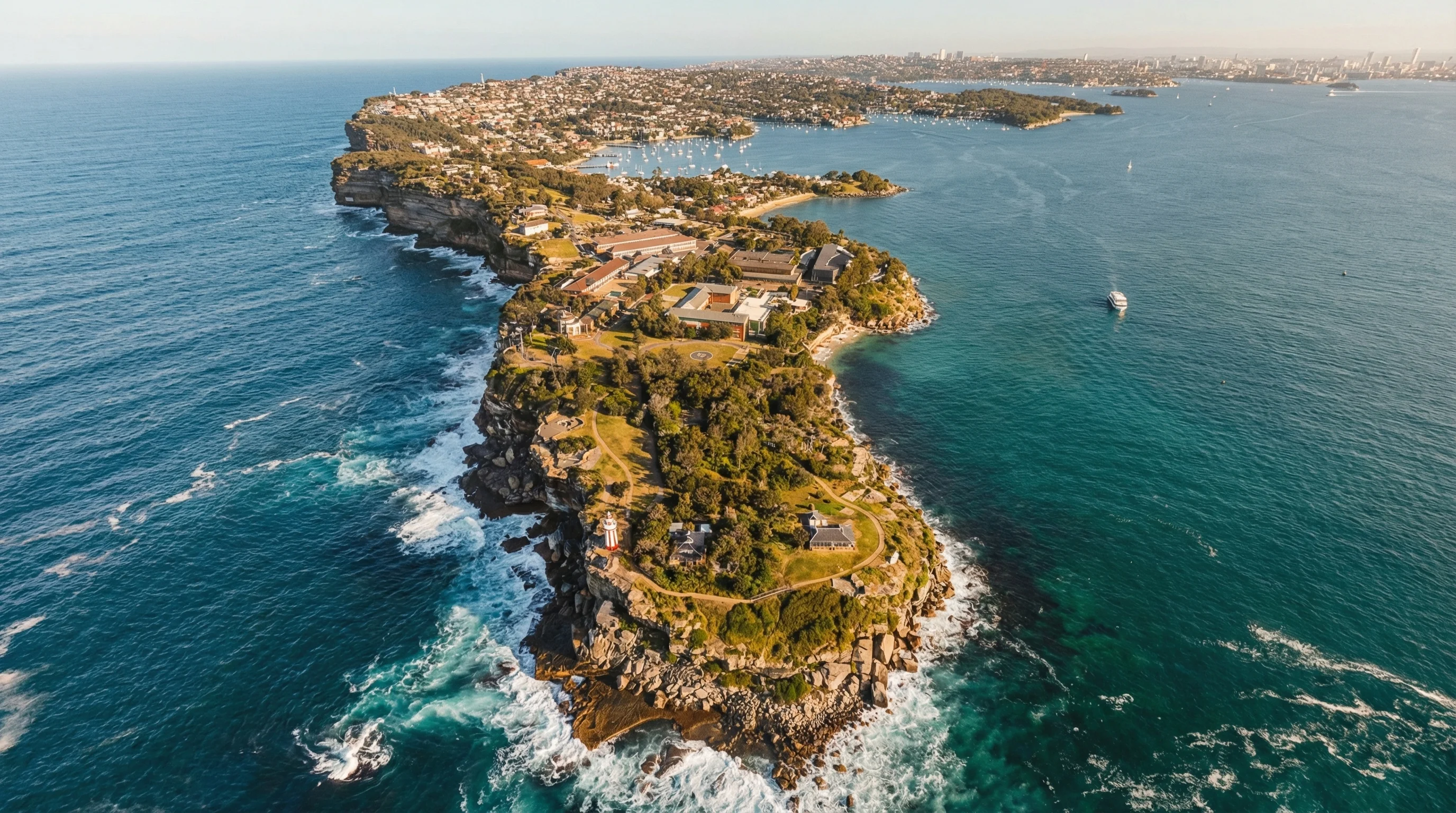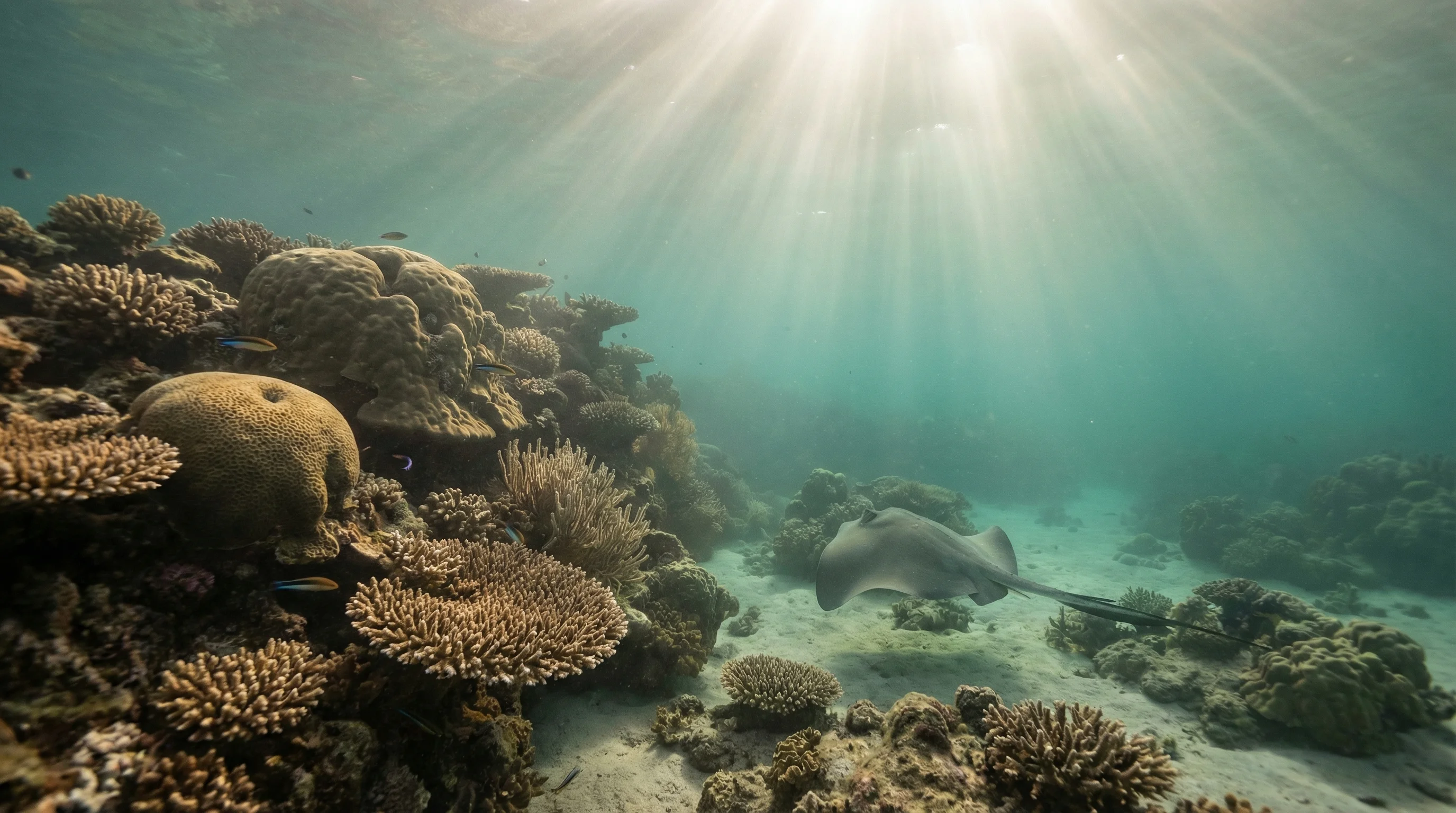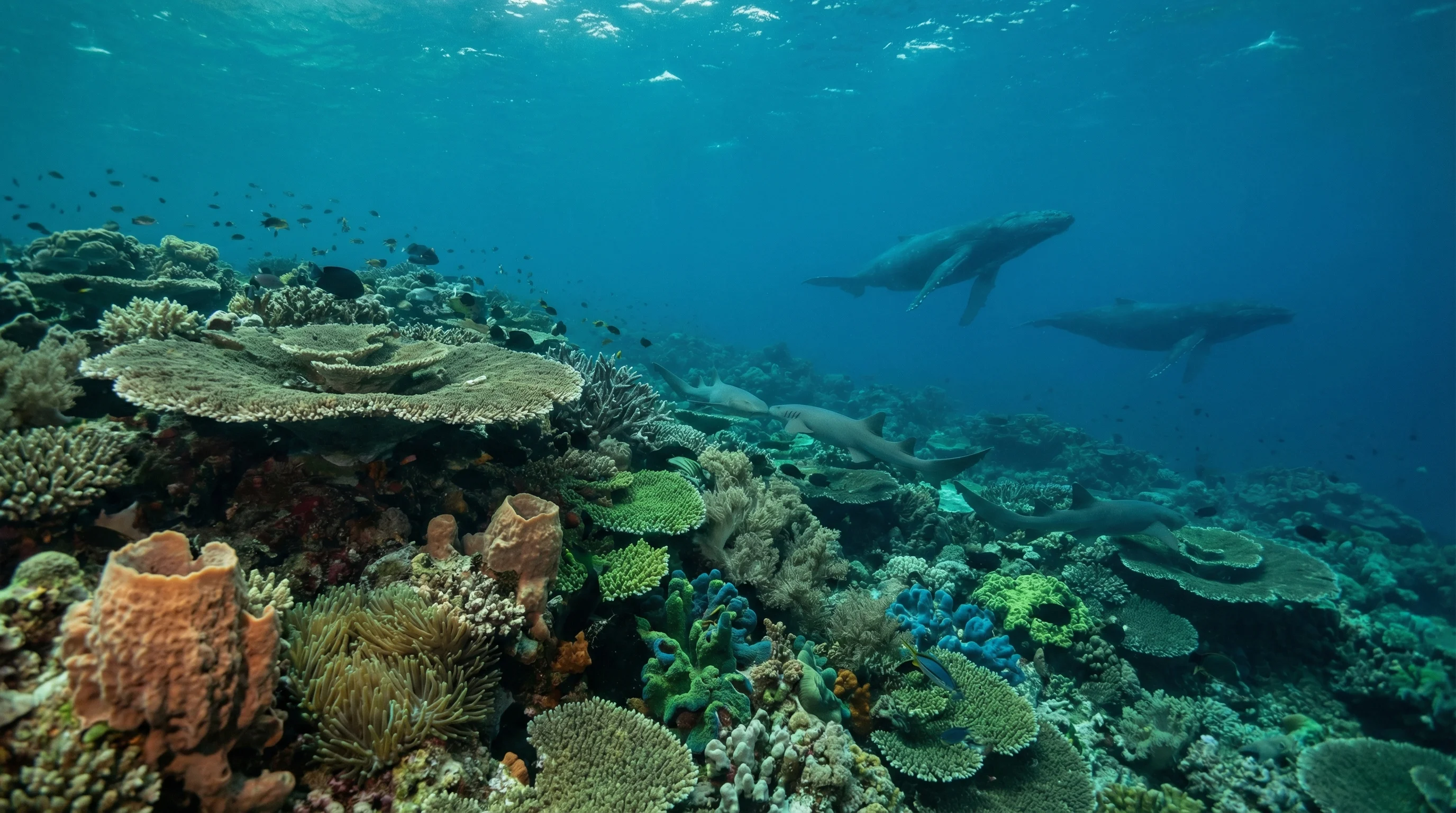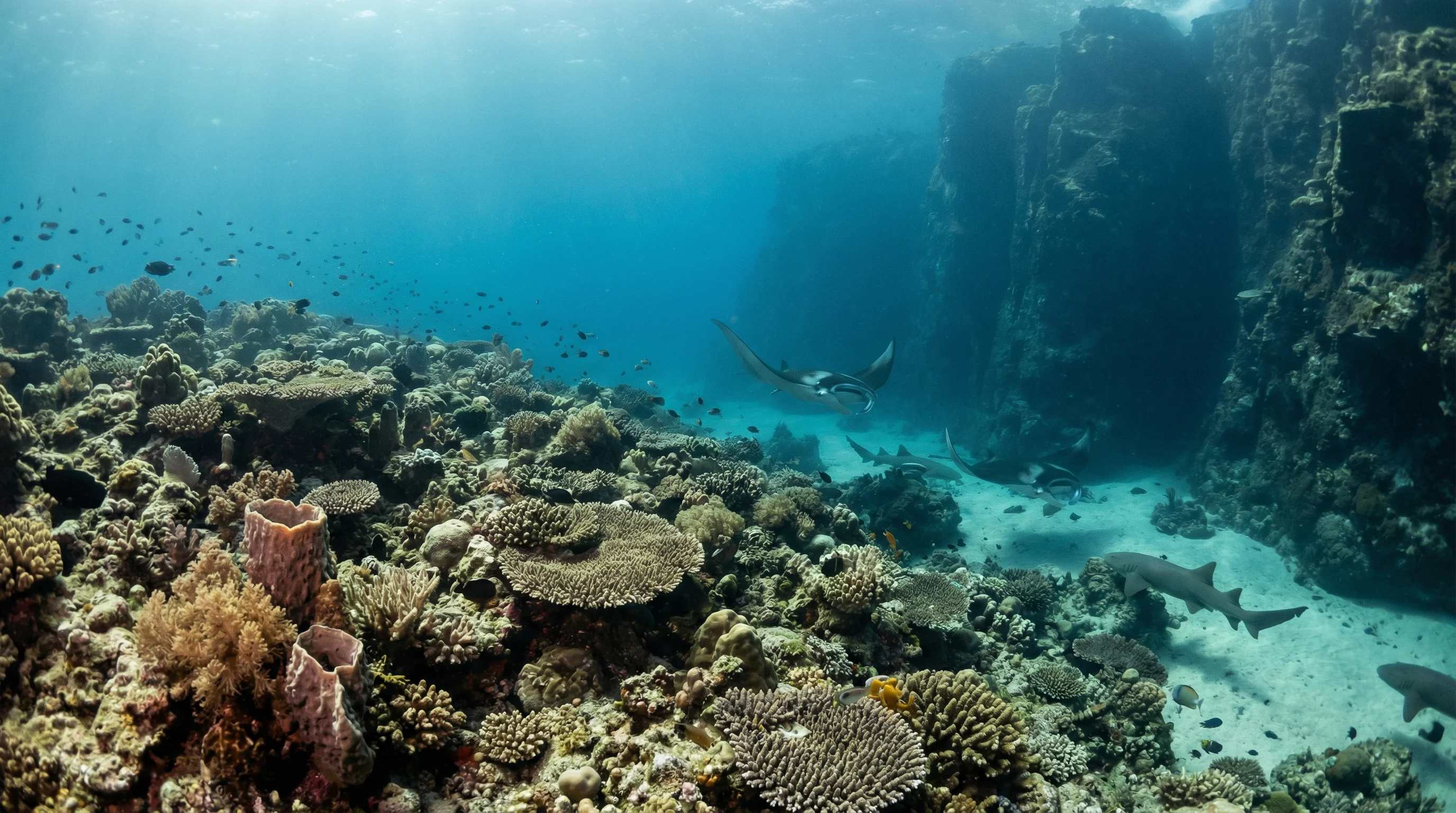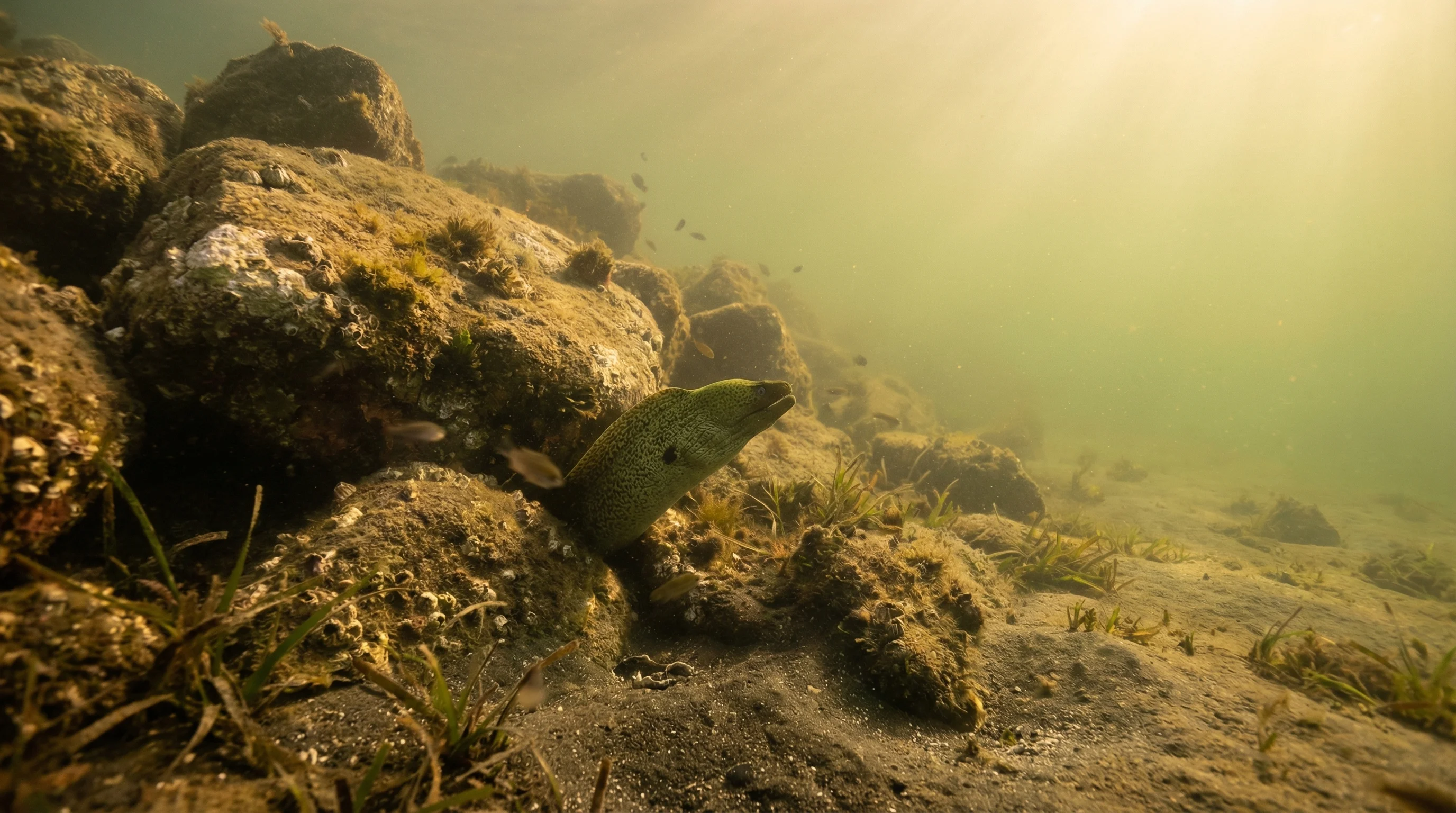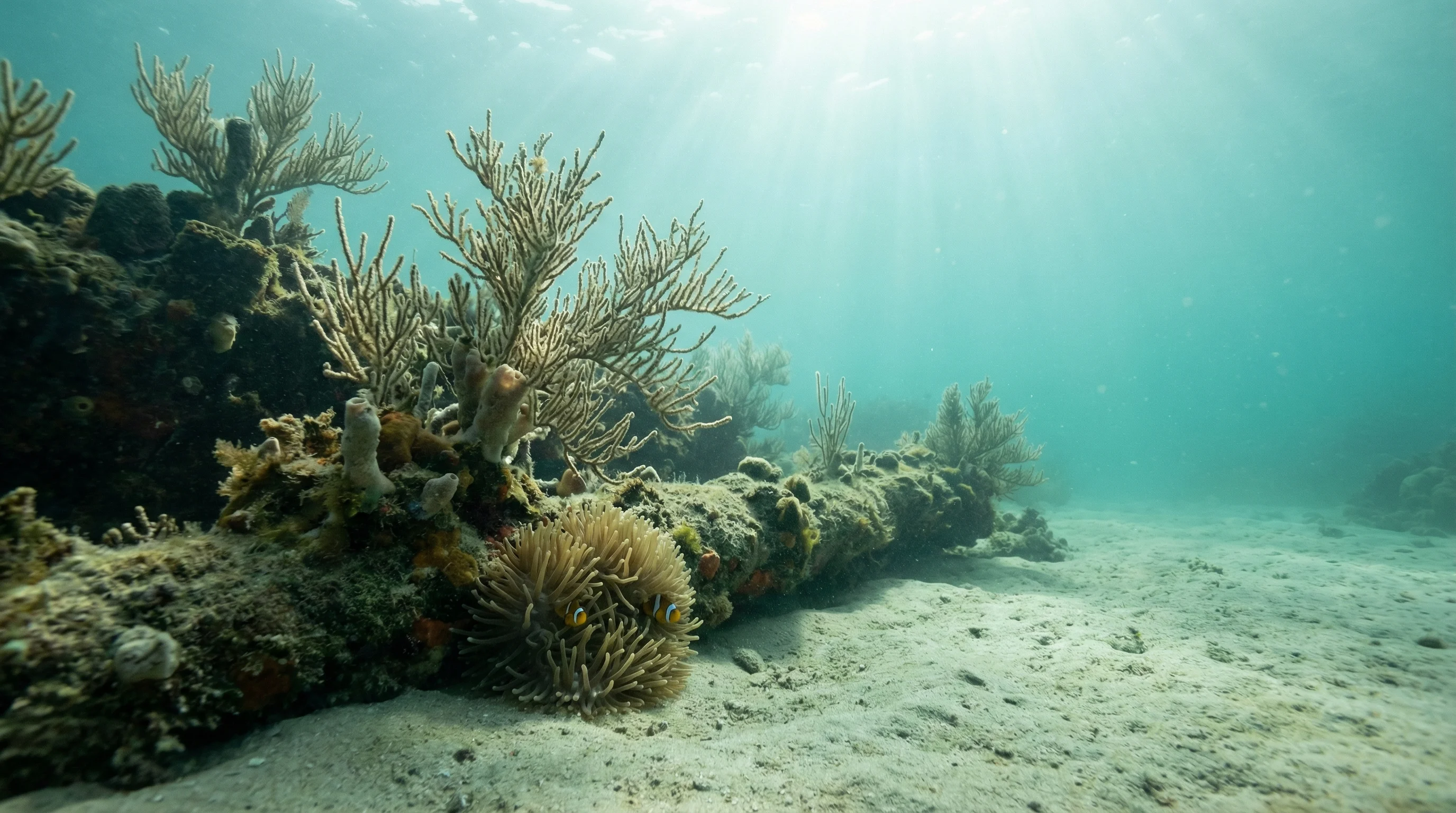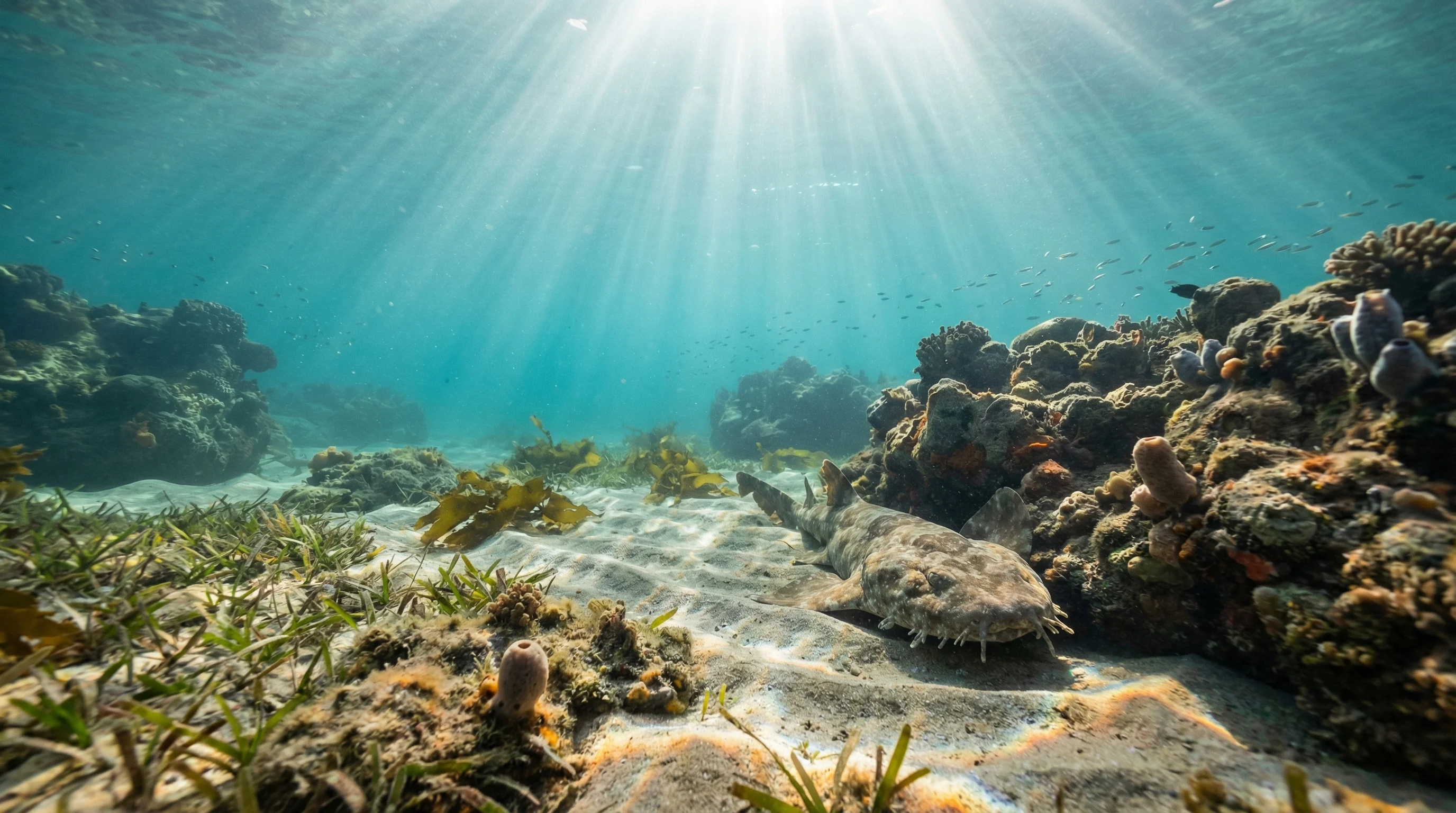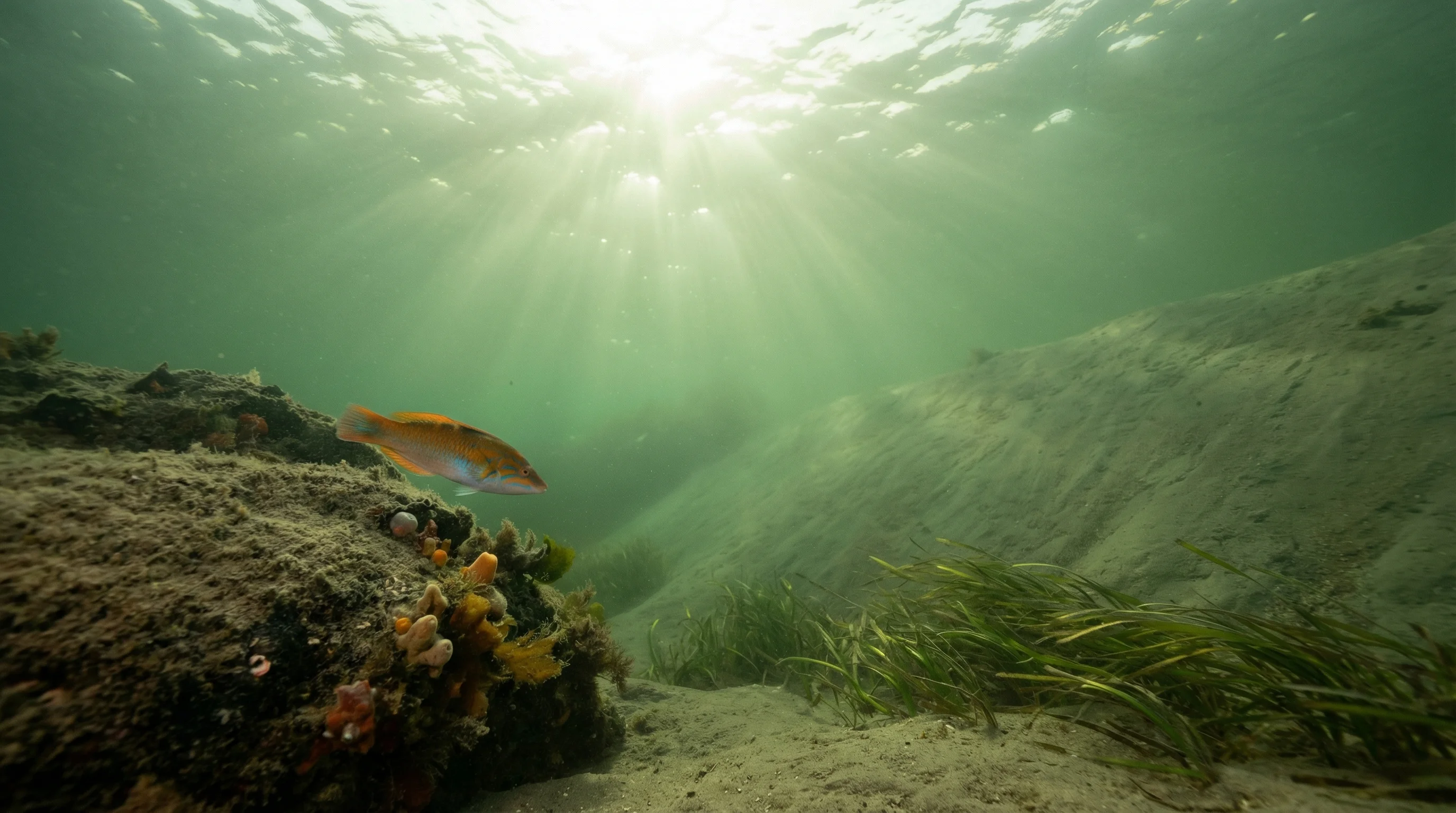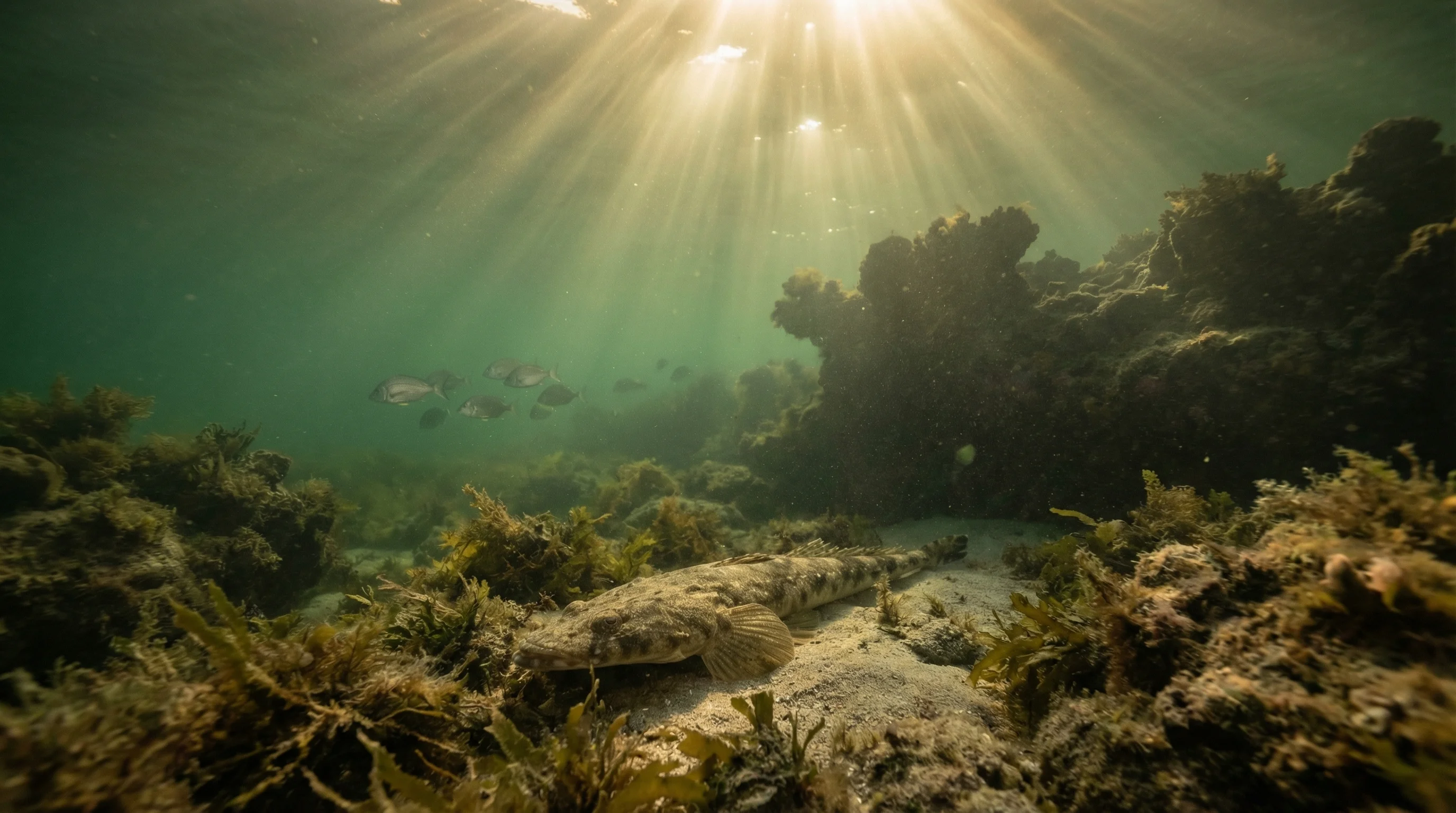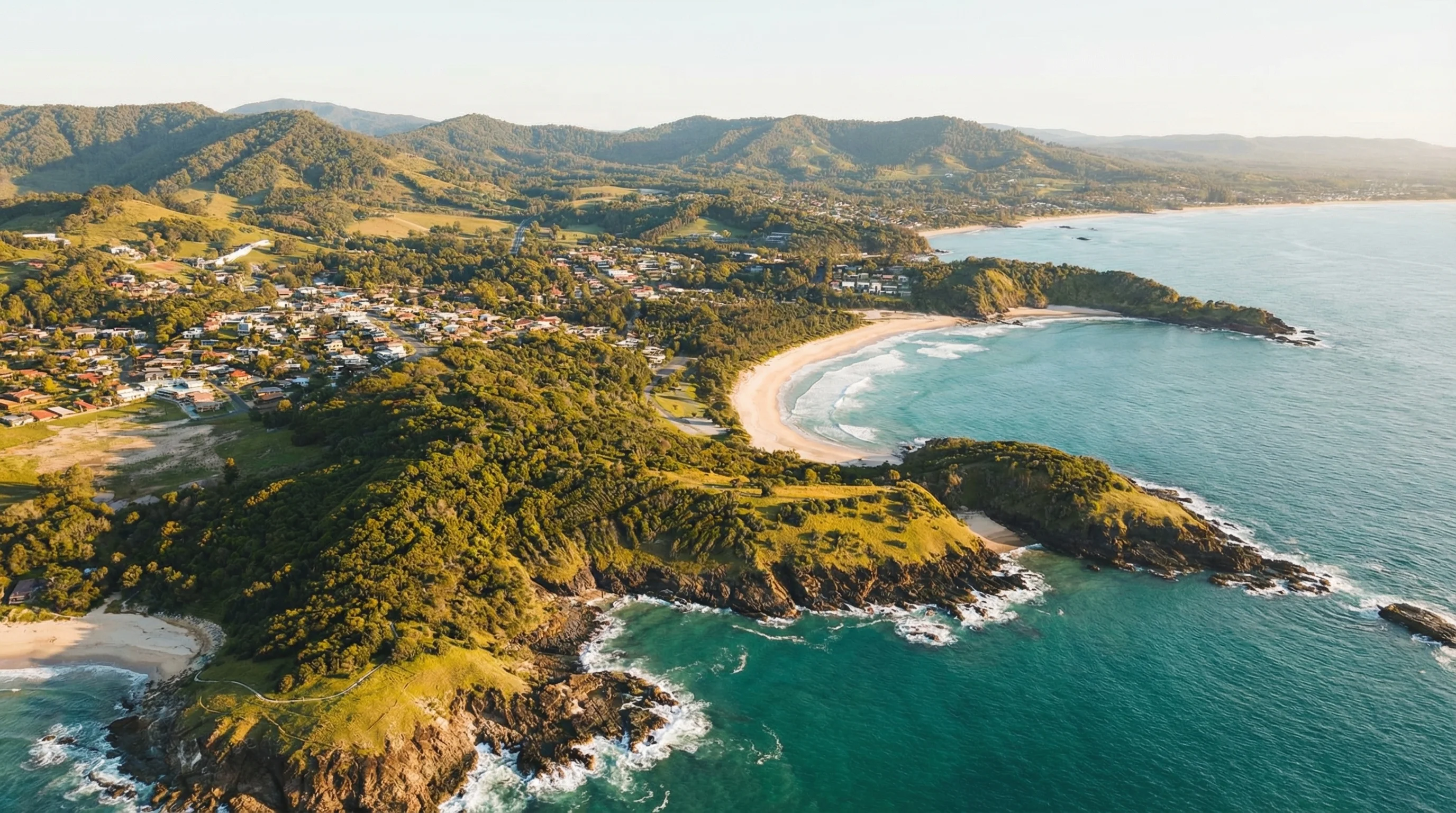
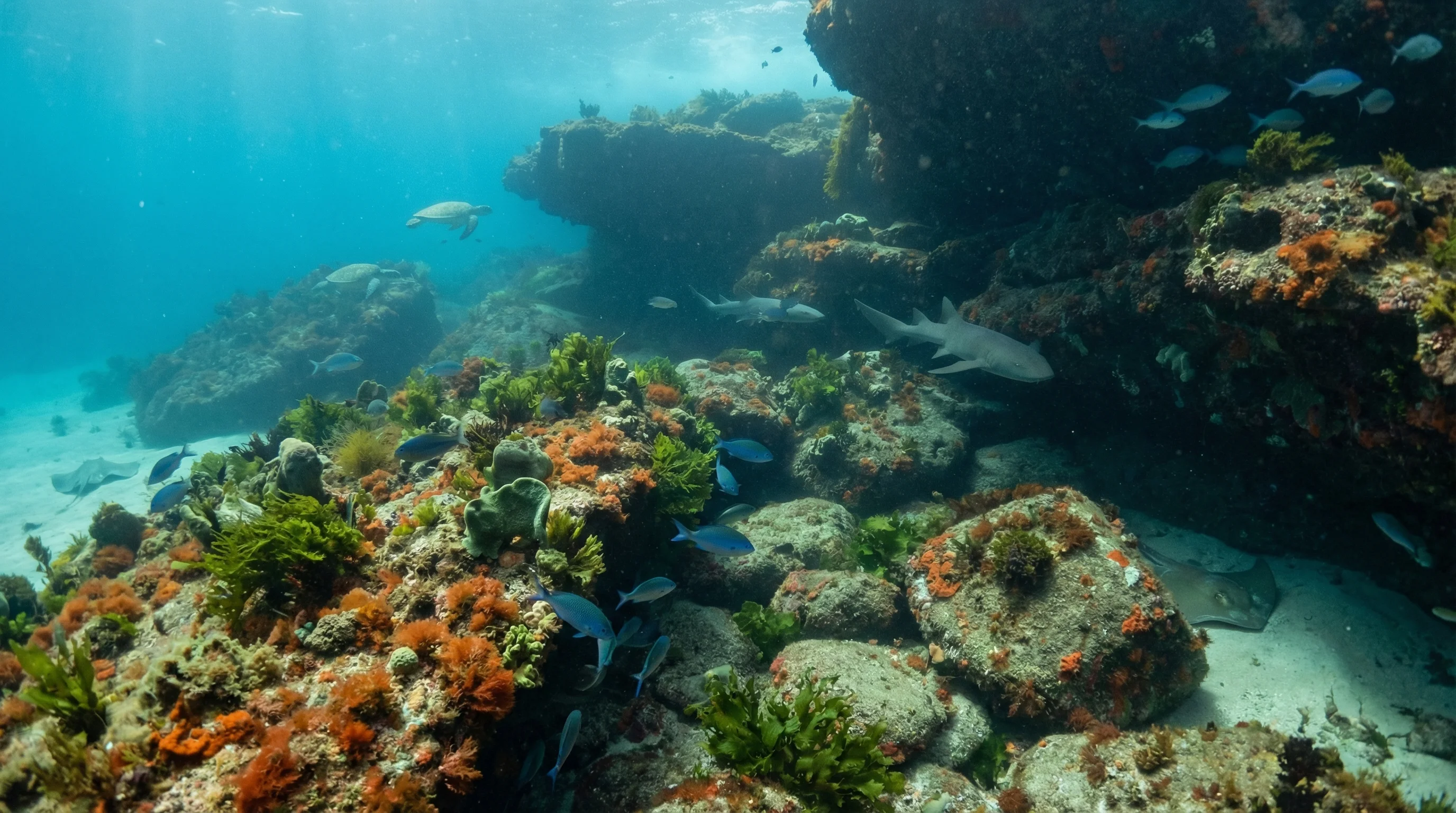
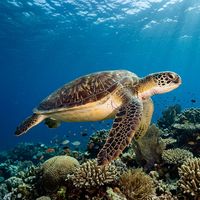
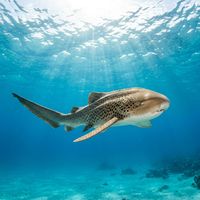
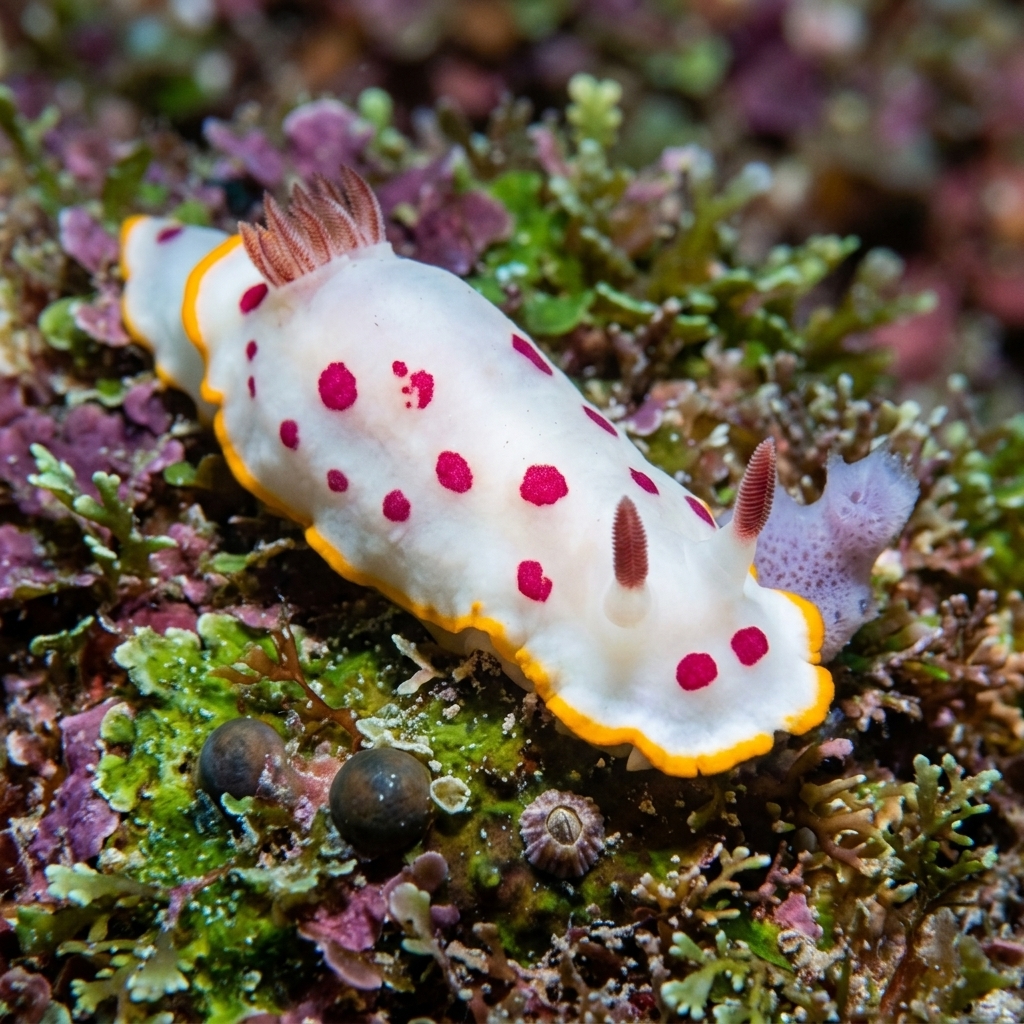
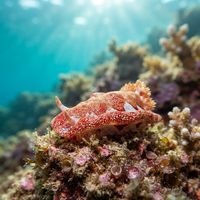
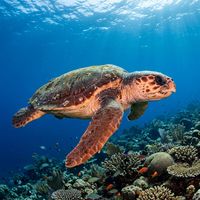
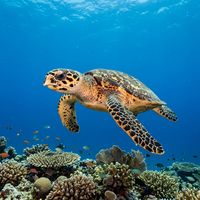
The North Coast of New South Wales offers a striking variety of reef structures, from shallow caves and pinnacles to canyon systems and drift dives. Sub-areas such as South West Rocks, Byron Bay, and the Solitary Islands group each have a distinct character. Signature species include the Grey Nurse Shark, Spotted Wobbegong, Green Sea Turtle, and the vivid Spanish Dancer nudibranch. Most sites are boat-accessed, with conditions favouring summer and autumn for the warmest, clearest water.
13 areas
Monthly water temperature across North Coast's sites, from satellite sea-surface data corrected for depth. The band shows the site-to-site spread.
Water temperature peaks across summer and into early autumn, when conditions are generally at their most inviting and visibility is at its best. Cooler months from mid-year bring a noticeable drop, which combined with occasional swells can make exposed offshore sites more demanding. The warmest, calmest window from December through April draws the highest diver activity across the region.
13 operators
32 more sites to explore
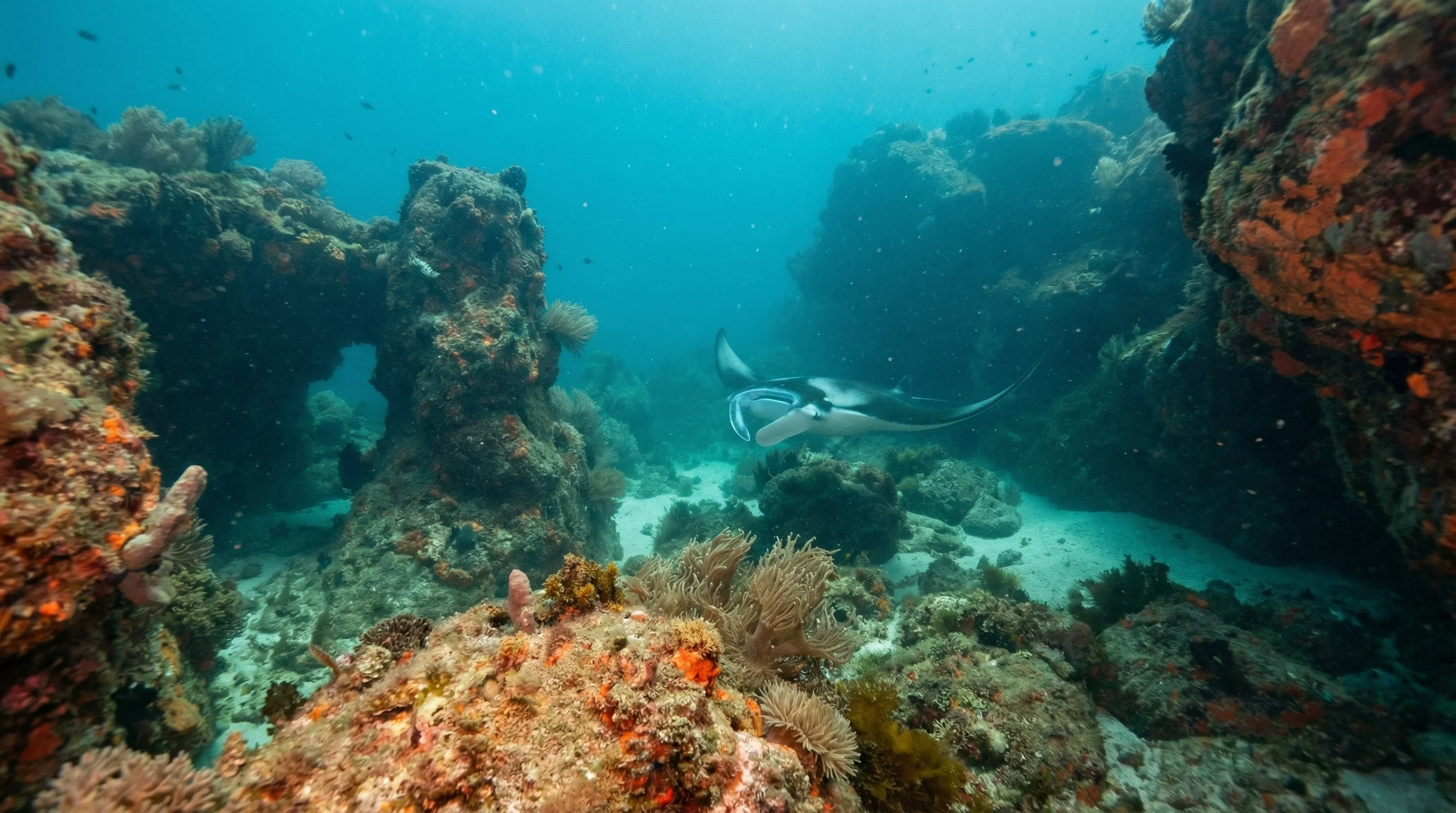
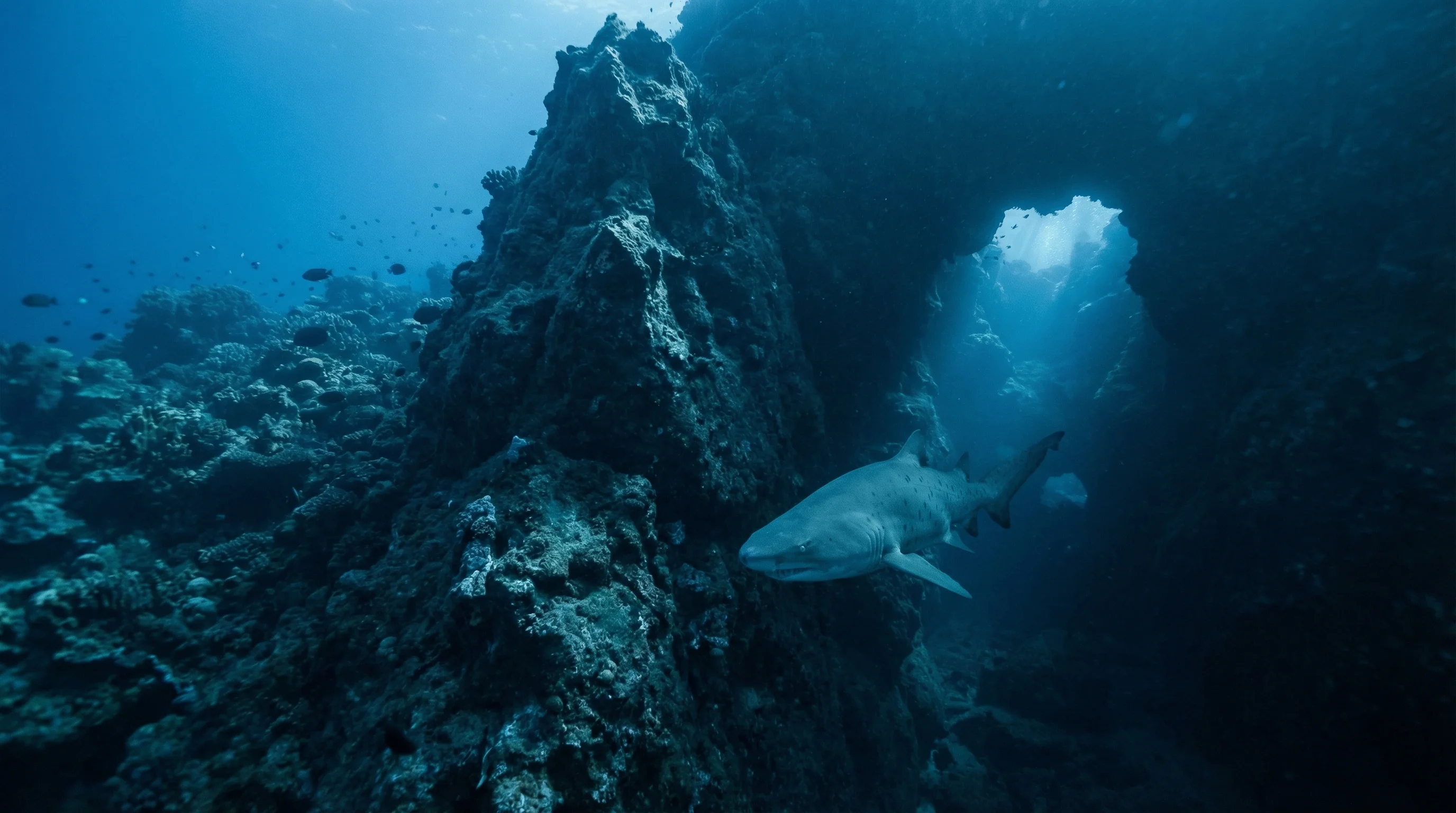
North coast NSW diving centred on Fish Rock Cave, a world-famous underwater tunnel with grey nurse sharks, turtles, and diverse reef.
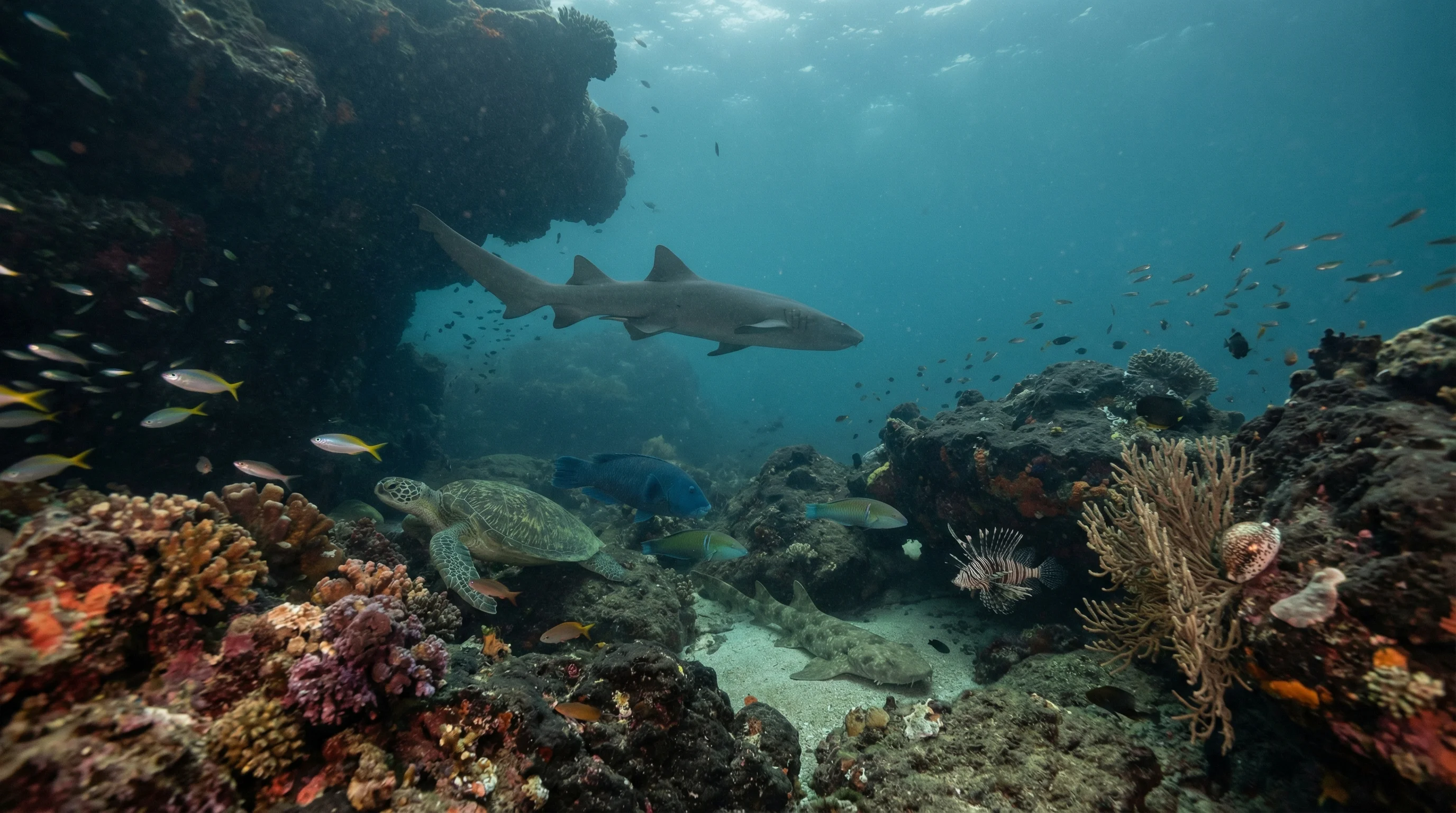
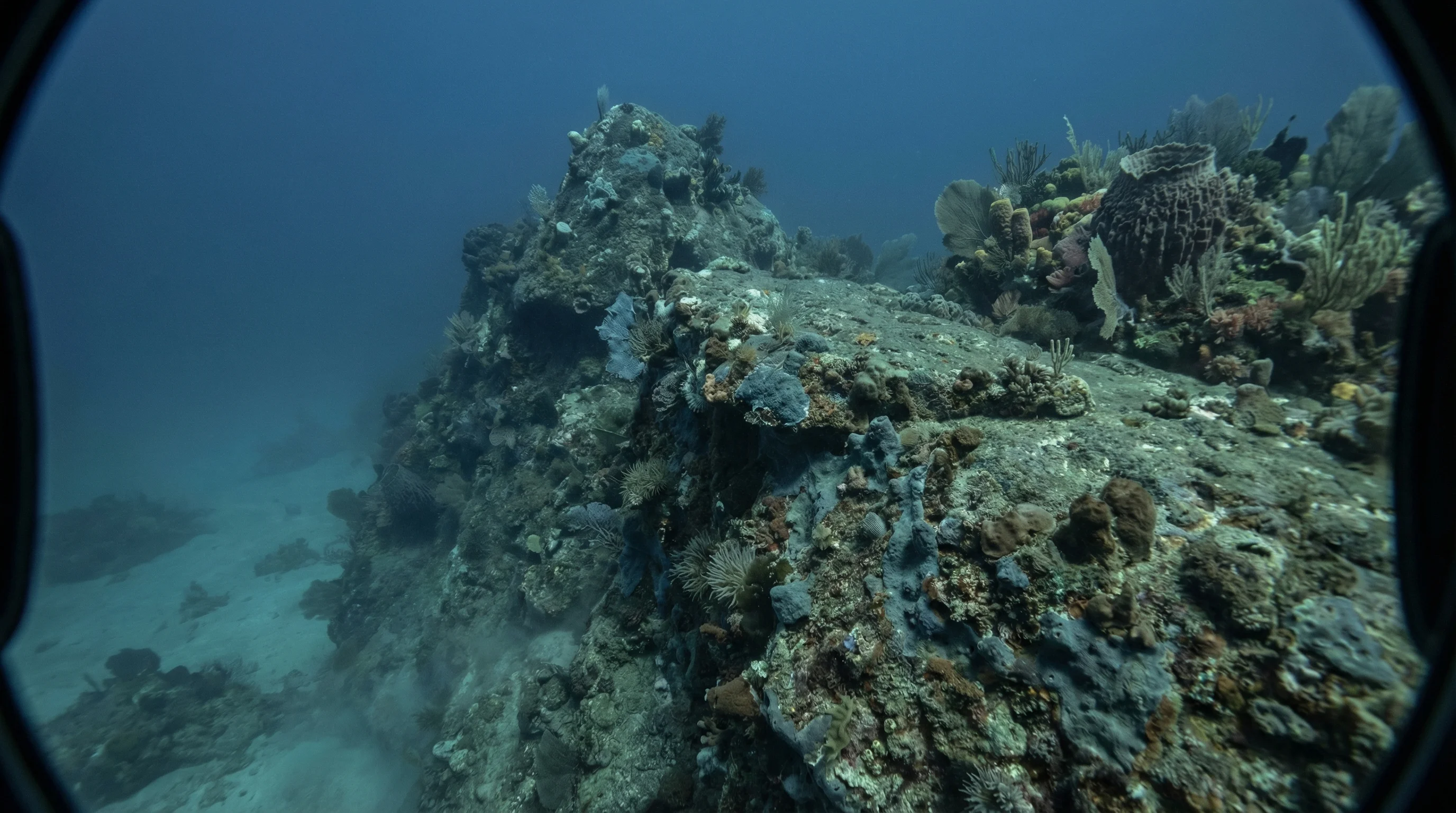
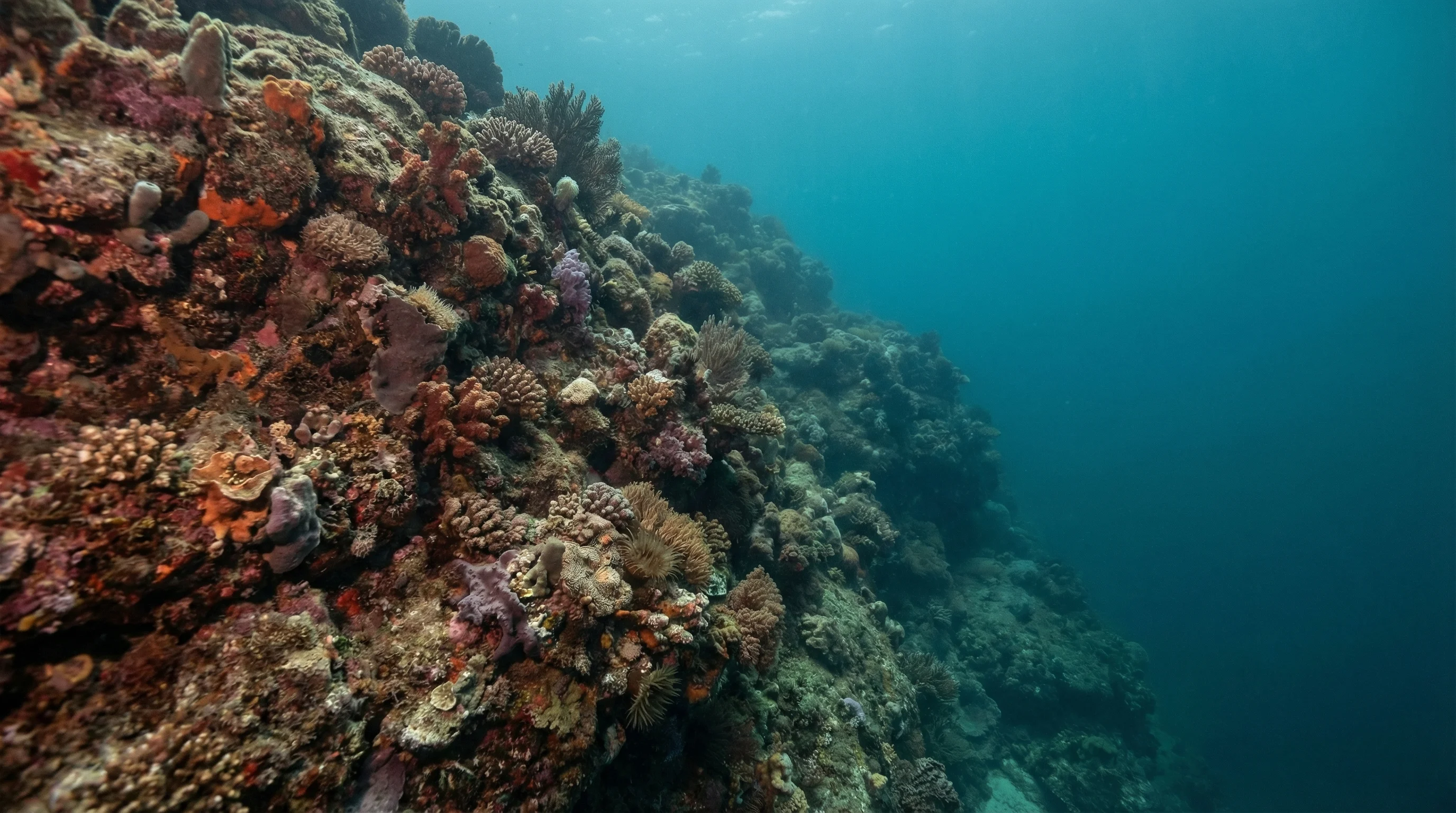
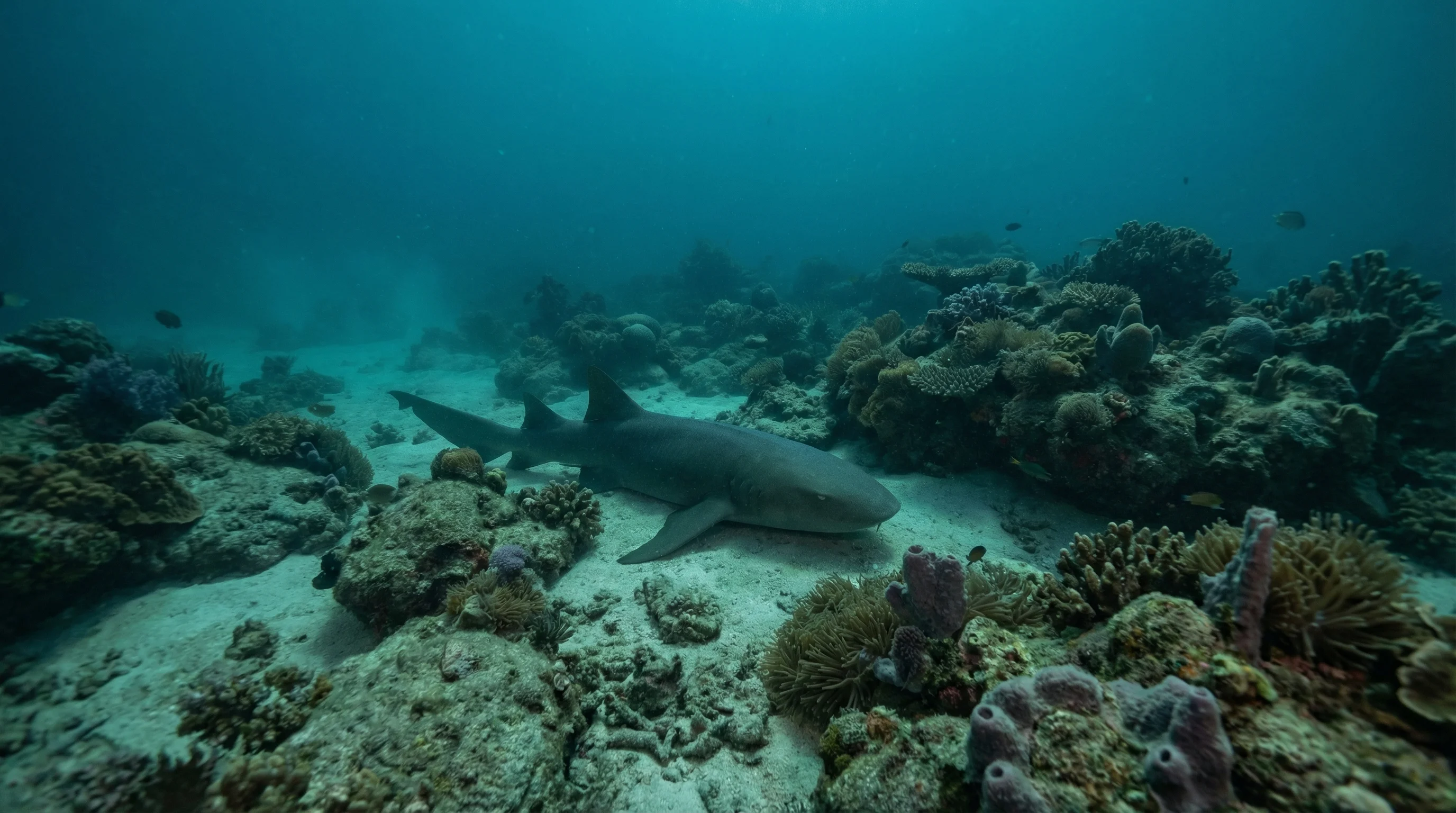
Water temperature around North Coast ranges from about 20°C in August to 26°C in February, based on satellite sea-temperature data for its dive sites.
In the warm season (about 26°C) a 3mm full suit is comfortable in North Coast; in the coldest months (about 20°C) step up to a 5mm suit.
Fin maps 44 sites in North Coast (40 scuba diving sites and 21 snorkelling spots, with some suited to both), organised into 13 areas.
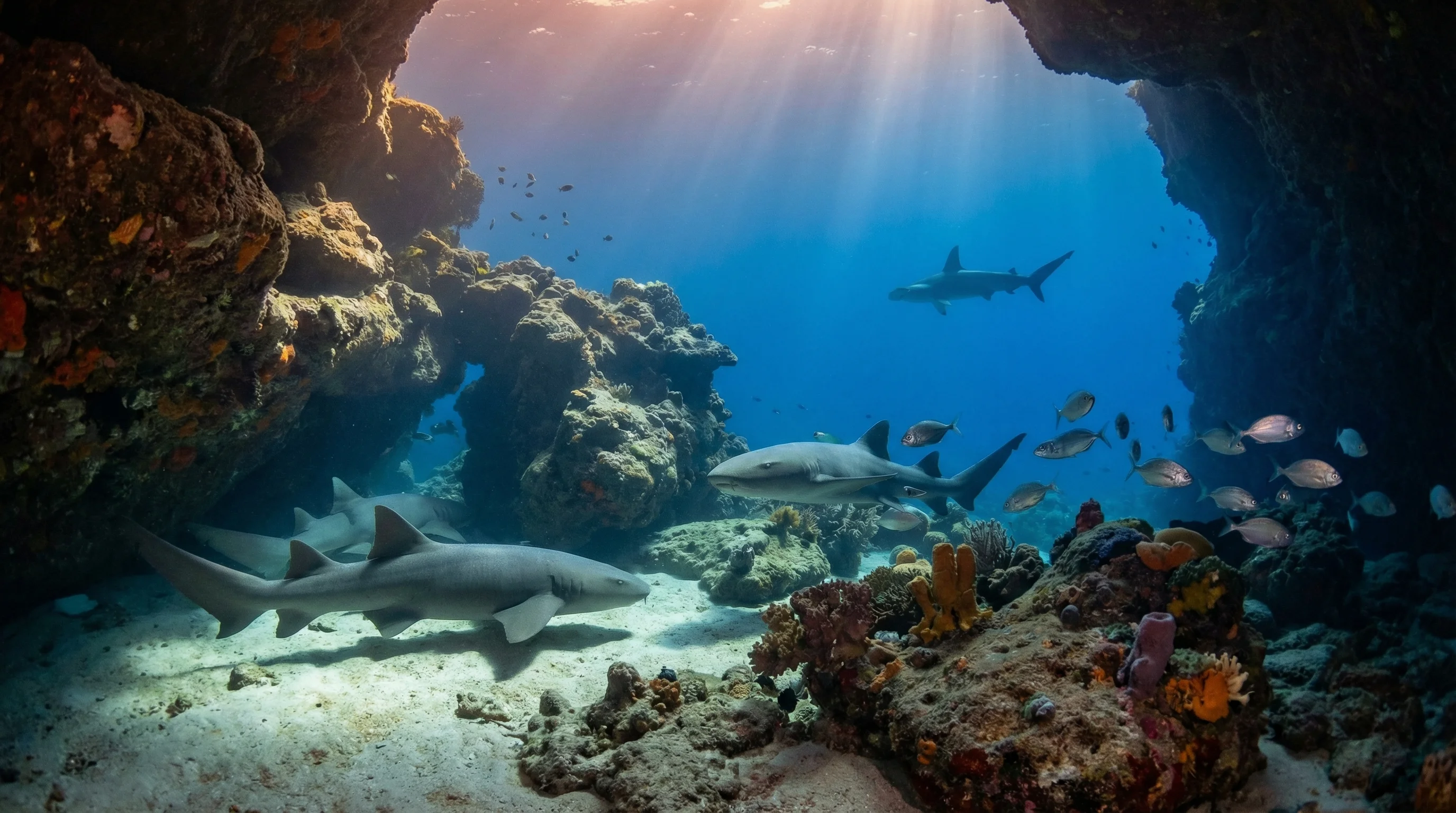
The Grey Nurse Shark is one of the most commonly observed species across the region, with dedicated sites such as Grey Nurse Gutters at South Solitary Island offering reliable encounters. The Zebra Shark has also been observed at a number of sites. Both species are observation-backed records rather than mere range estimates.
A good portion of the sites listed are rated for beginners, including Julian Rocks at Byron Bay, Green Island and Black Rock at South West Rocks, and Split Solitary Island off Coffs Harbour. Advanced divers will find more challenging terrain at sites such as Pimpernel Rock, which descends to considerable depth with complex wall and cave structures. Intermediate sites like Fish Rock Cave and Grey Nurse Gutters sit between the two.
South West Rocks is known for Fish Rock Cave, a lengthy overhead environment suited to intermediate divers, alongside shallower reef sites for beginners. Byron Bay centres on Julian Rocks, a diverse reef and cave system accessible to beginners. The Emerald Beach and Coffs Harbour areas offer offshore reef and pinnacle diving at sites such as Grouper Island and the Solitary Islands. Port Macquarie provides a quieter selection of reef dives in generally mild conditions.
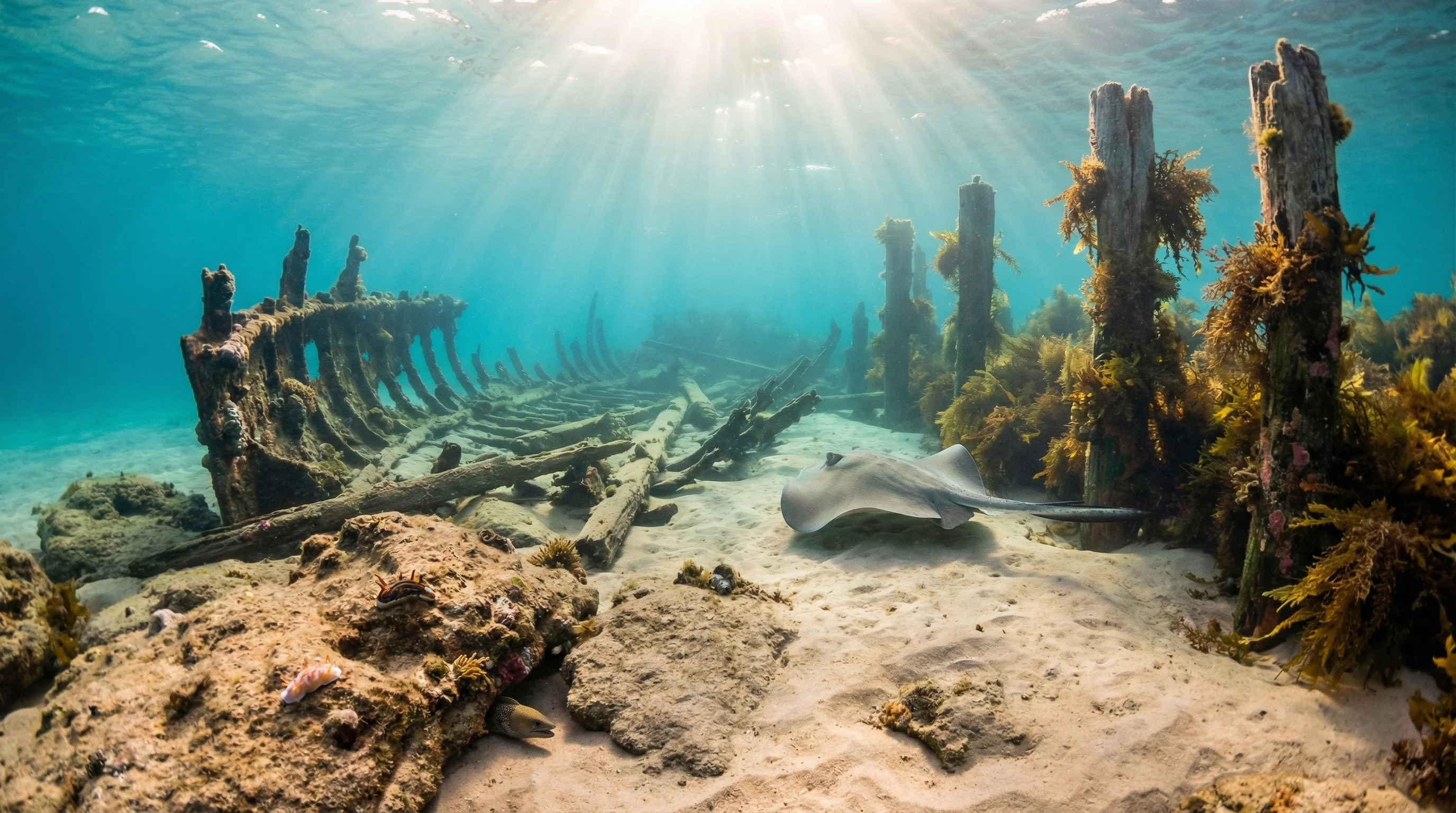
The vast majority of sites in the region require boat access, and most operators run dedicated charter boats to offshore reefs and islands. Tassie III at Julian Rocks is a notable exception, accessible from shore as a very shallow wreck suitable for beginners and snorkellers. Divers planning independent access should check individual site entries, as boat travel is the norm across the region.