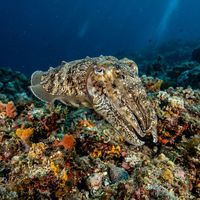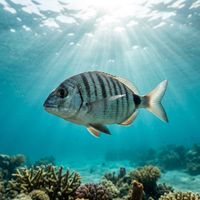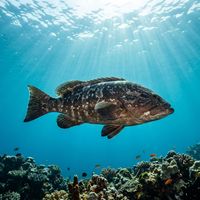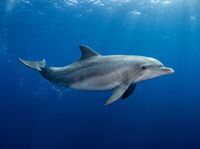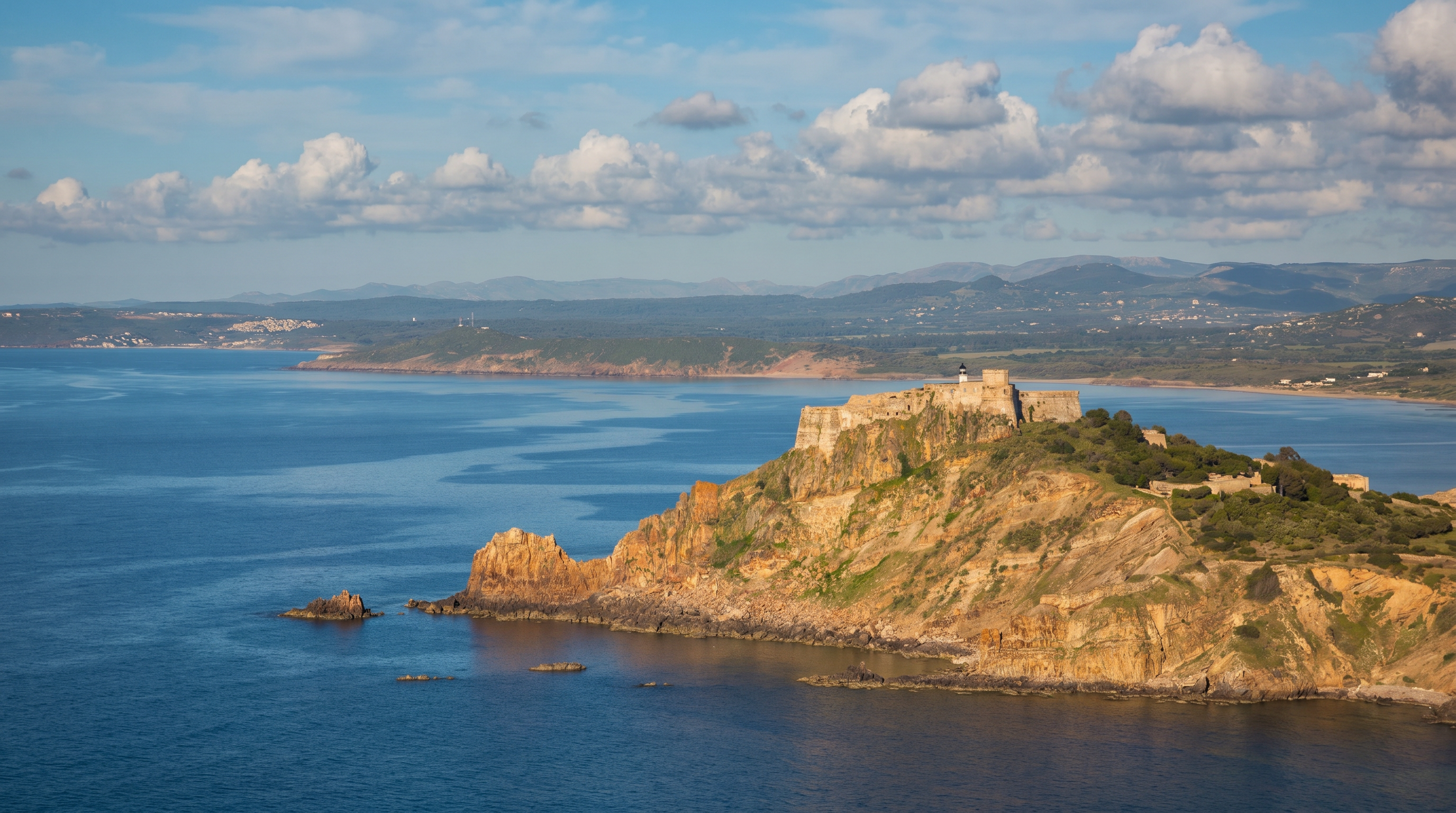
Tunisia's dive sites span four distinct sub-areas, each with its own character. Tabarka, in the north-west, offers the most varied terrain: reef and cave systems at Capo Tabarka, a network of tunnels and caverns at Les Tunnels, drop-off walls at La Secca delle Cernie, and the deep boat dive at Les Vigies for experienced divers. Djerba, in the south, is wreck country, with the SS Edda, Wreck Eso, and the shallower Napoli complemented by reefs like Sidi Bakour and Mongi's Reef. Monastir and Mahdia add two further sites, while Bizerte contributes one. White Seabream and Sponge are found across the region, European Common Cuttlefish is the signature species, and observation-backed sightings include Groupers, Eagle Ray, Green Sea Turtle, and Bottlenose Dolphin. Most sites are beginner-friendly, with boat access the norm.
4 areas
 7
7Reef and cavern diving on Tunisia's north-western coast, known for red coral, swim-throughs, and varied topography from shore to deeper drop-offs.
 6
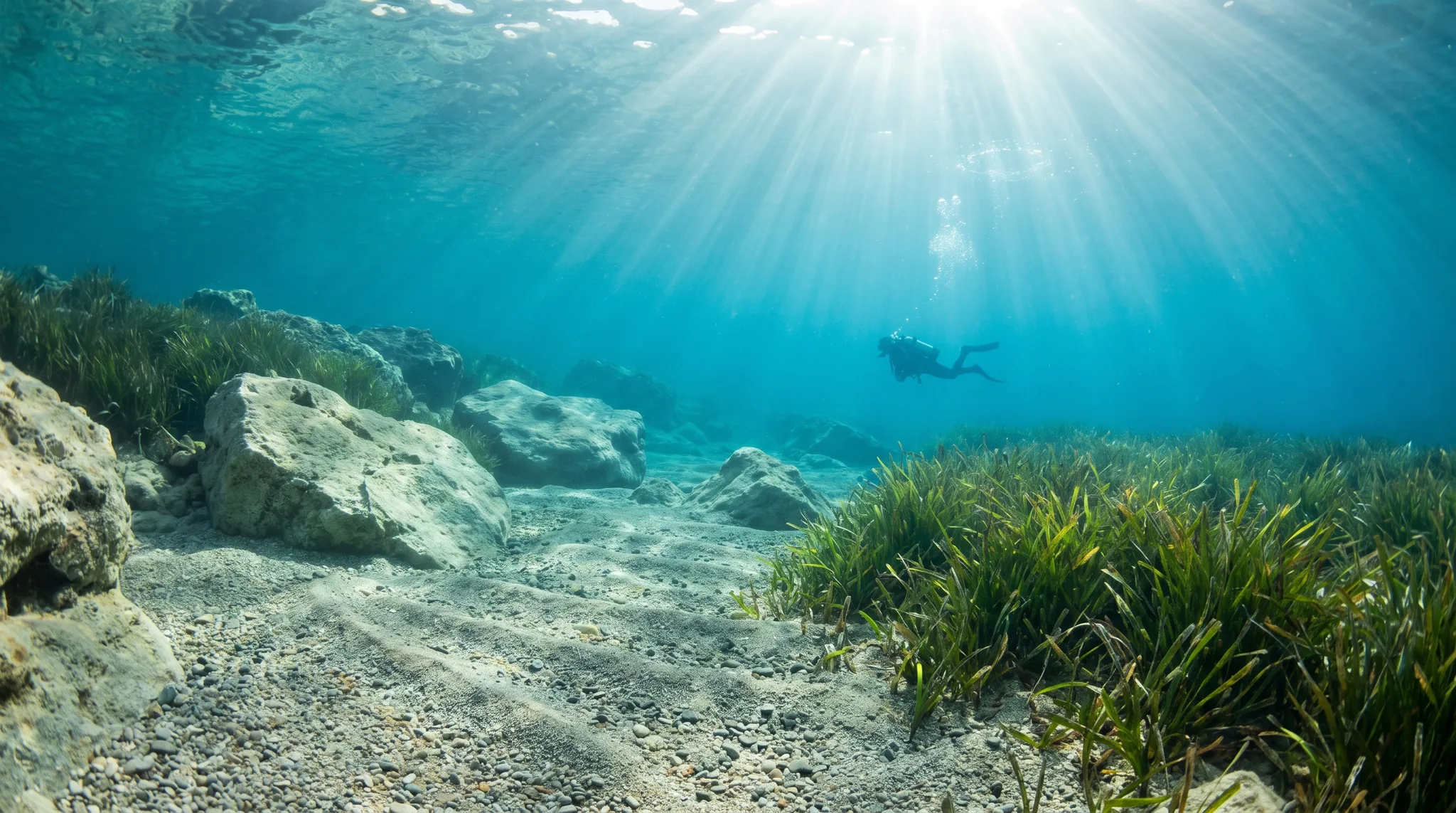
6Relaxed Mediterranean diving off Djerba, with shallow reefs and wreck sites suitable for beginners and intermediates, reachable by boat or shore.
 2
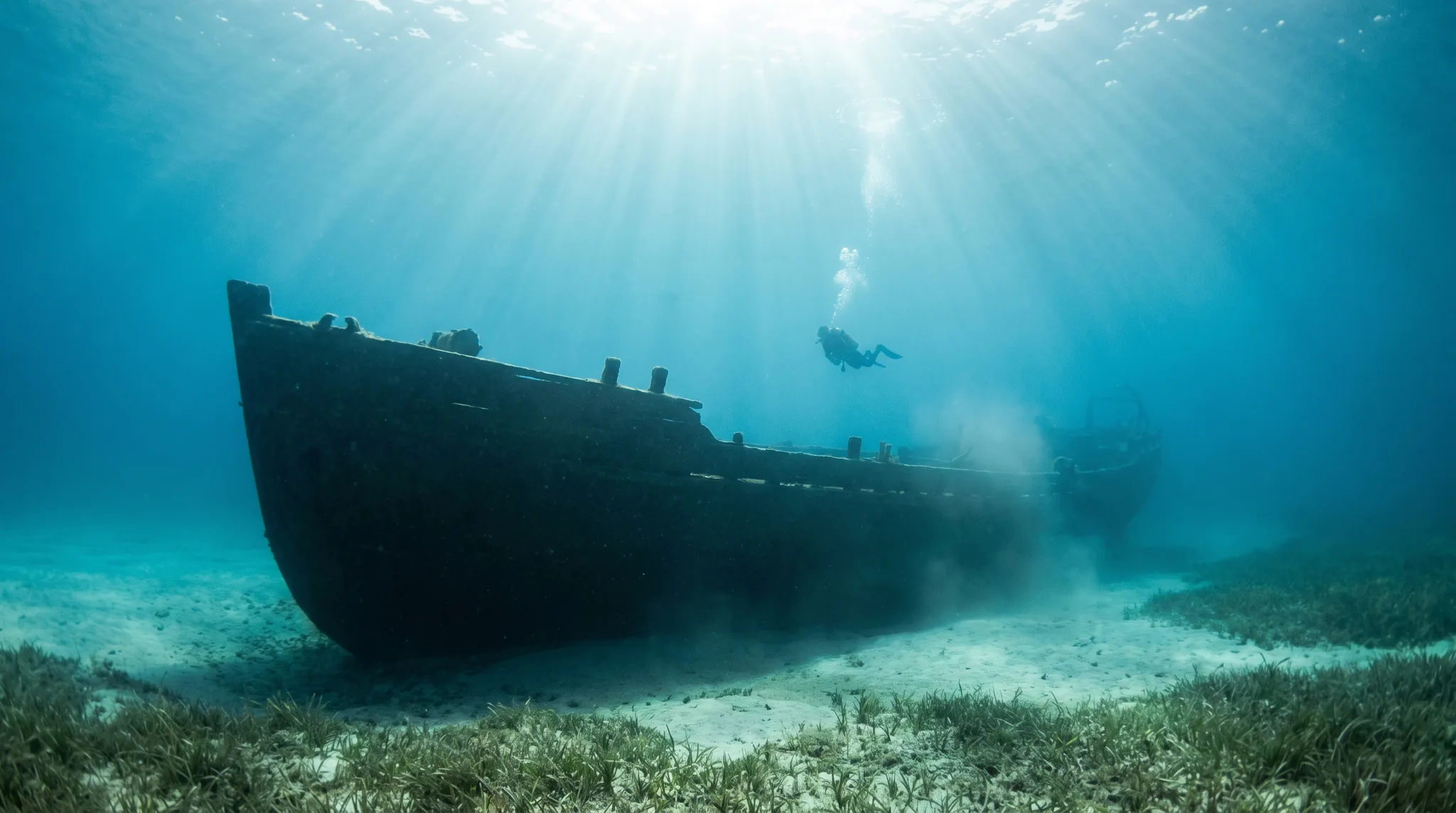
2Shallow wreck diving near Monastir and Mahdia, with beginner-friendly boat-access sites and a spread of operators along the central Tunisian coast.
1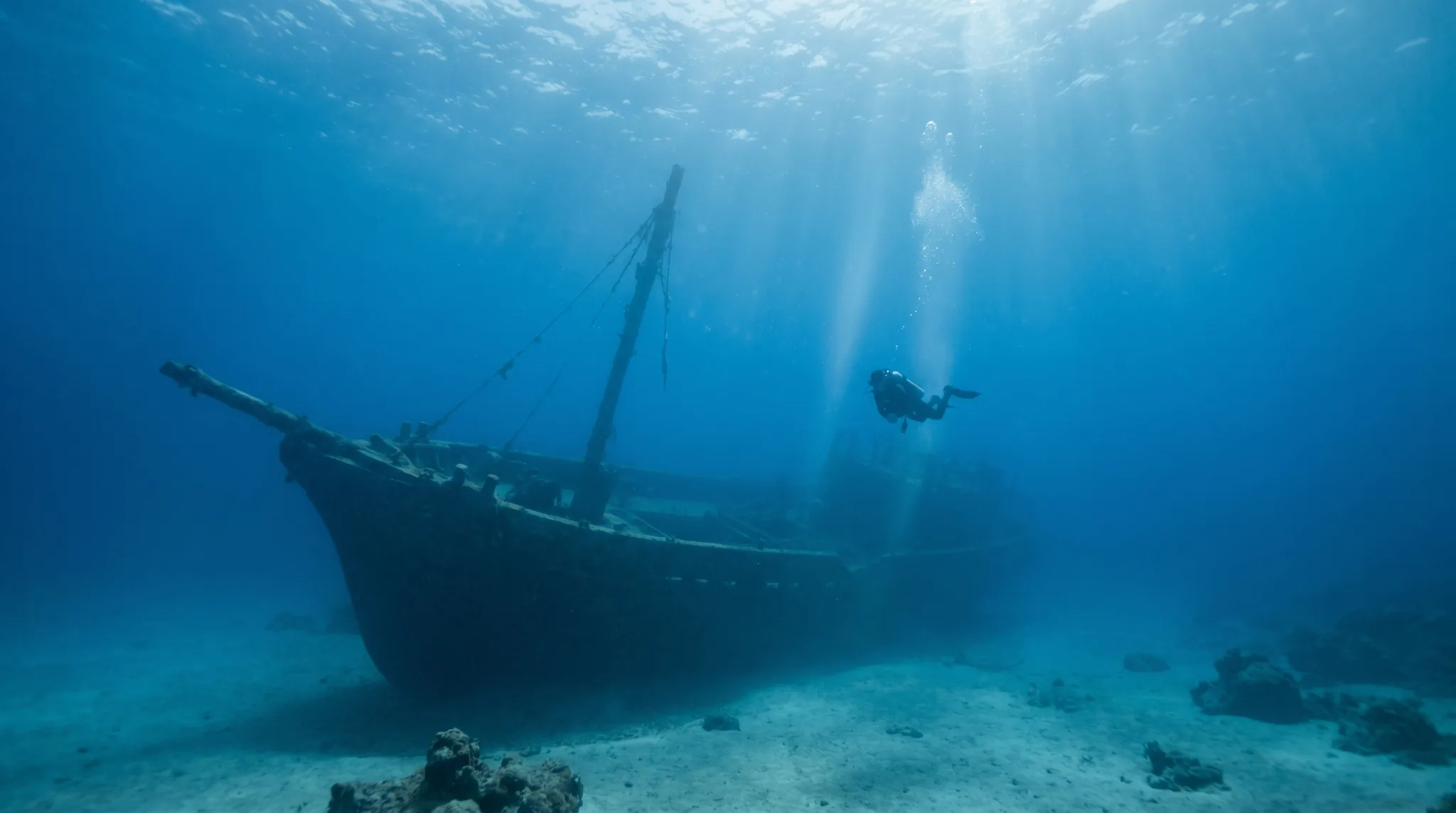
Monthly water temperature across Tunisia's sites, from satellite sea-surface data corrected for depth. The band shows the site-to-site spread.
Water temperatures follow a clear seasonal arc, cool through winter and early spring then climbing steadily from May onward to peak warmth in August and September before easing back through autumn. The best-months data points strongly to May and the October shoulder as particularly productive periods, with summer months also popular. Tabarka's exposed northern sites can carry currents, while Djerba's offshore wrecks are typically accessed in calmer southern conditions.
15 operators
Midoun, Tunisia
Monastir, Tunisia
Bizerte's single listed dive site at Cani offers natural reef, cavern, and artificial reef terrain by boat, with depth to suit beginners.
Water temperature around Tunisia ranges from about 15°C in February to 26°C in August, based on satellite sea-temperature data for its dive sites.
In the warm season (about 26°C) a 3mm full suit is comfortable in Tunisia; in the coldest months (about 15°C) step up to a 7mm or semi-dry suit.
Fin maps 16 sites in Tunisia (16 scuba diving sites), organised into 4 areas.
Across Tunisia's dive sites, May and October are most often reported as the best months to visit.
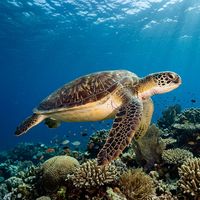
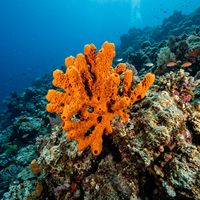
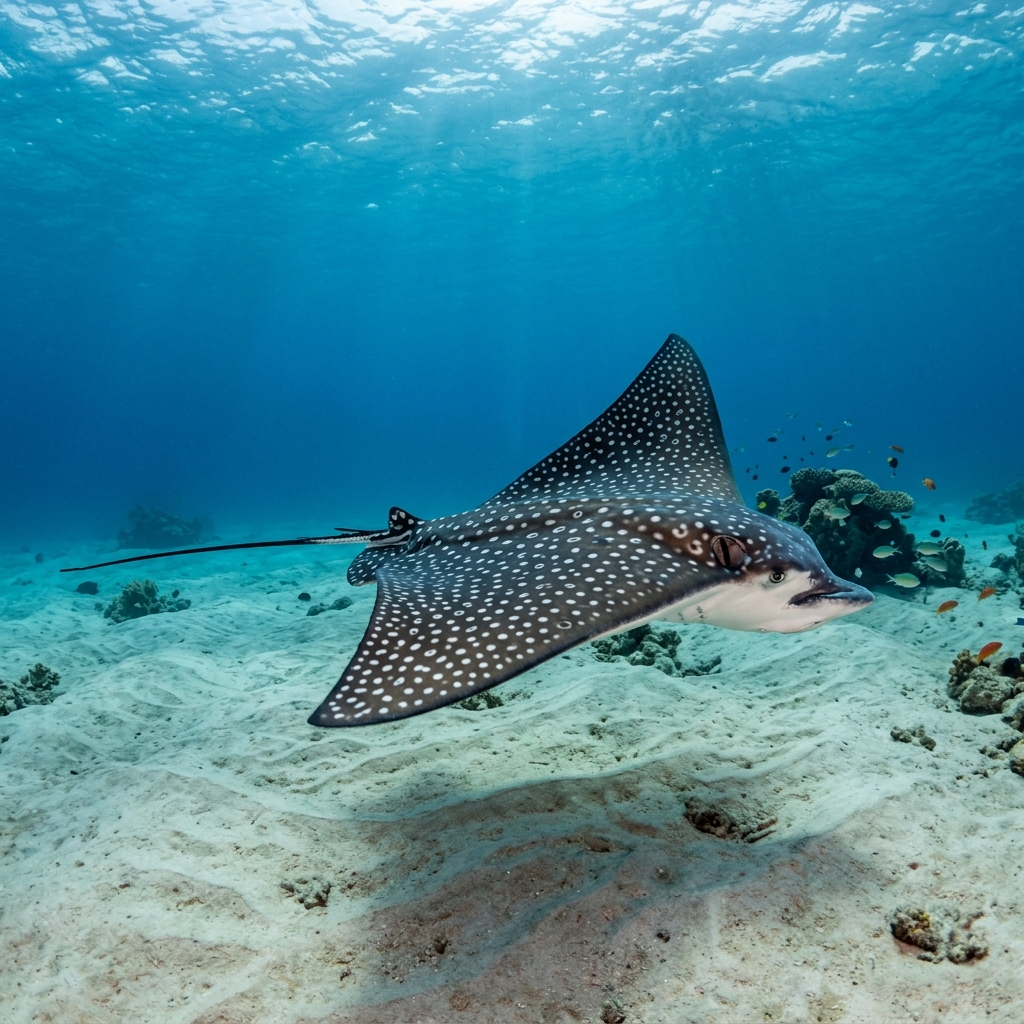
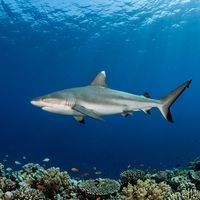
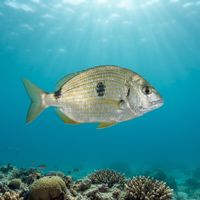
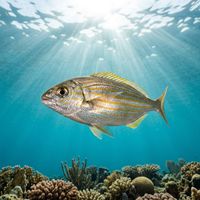
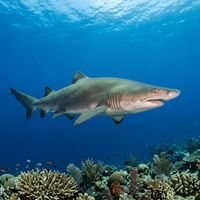
White Seabream is observed across virtually all sites, and Sponge is equally widespread. European Common Cuttlefish is the region's signature species and is commonly recorded. Observation-backed sightings also include Groupers, Eagle Ray, Green Sea Turtle, Bream, Bottlenose Dolphin, and Grey Reef Shark, though the latter are less frequently encountered.
A good number of sites are rated for beginners, including Capo Tabarka, Cani, Sidi Bakour, Mongi's Reef, Sidi Soliman's Reef, and the Napoli wreck. Intermediate divers are well served by the SS Edda, Wreck Eso, and Les Tunnels. Les Vigies, with its deep boat dive off Tabarka, is suited to experienced divers.
Tabarka, in the north-west, has the largest number of sites and emphasises reef, cave, and cavern diving, with some deeper drop-off and drift options. Djerba, in the south, is the main wreck-diving hub, with multiple wrecks alongside reef sites. Monastir and Mahdia offer a smaller selection, and Bizerte contributes a single site, making them useful additions rather than standalone destinations.
Boat access is the dominant mode across Tunisia's dive sites, and most operators run scheduled boat departures to offshore reefs and wrecks. A small number of sites, including Capo Tabarka and Sidi Soliman's Reef, offer shore entry and are convenient for divers who prefer to avoid boat travel. Operators such as Abyss Dive Center Djerba, Club De Plongée La Sirène, and Monastir Plongée are among those providing guided access across the region.