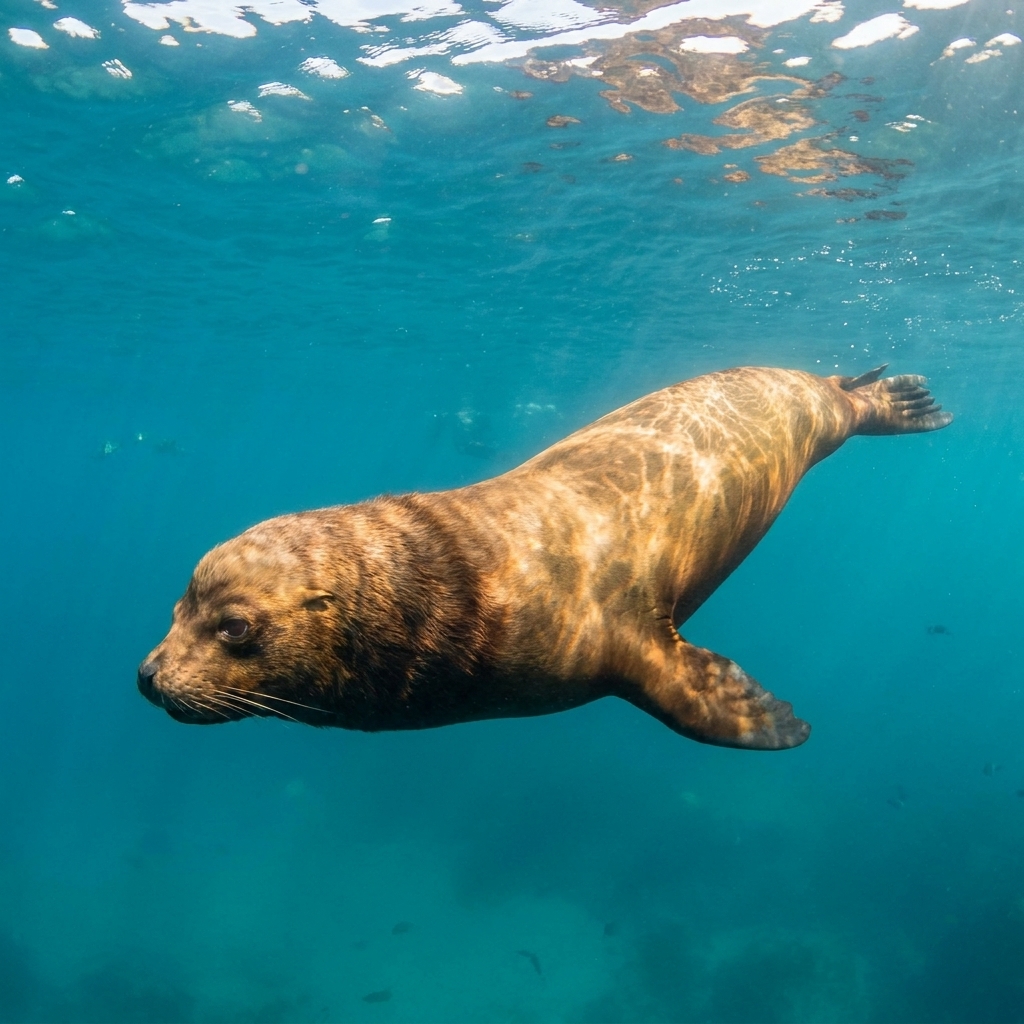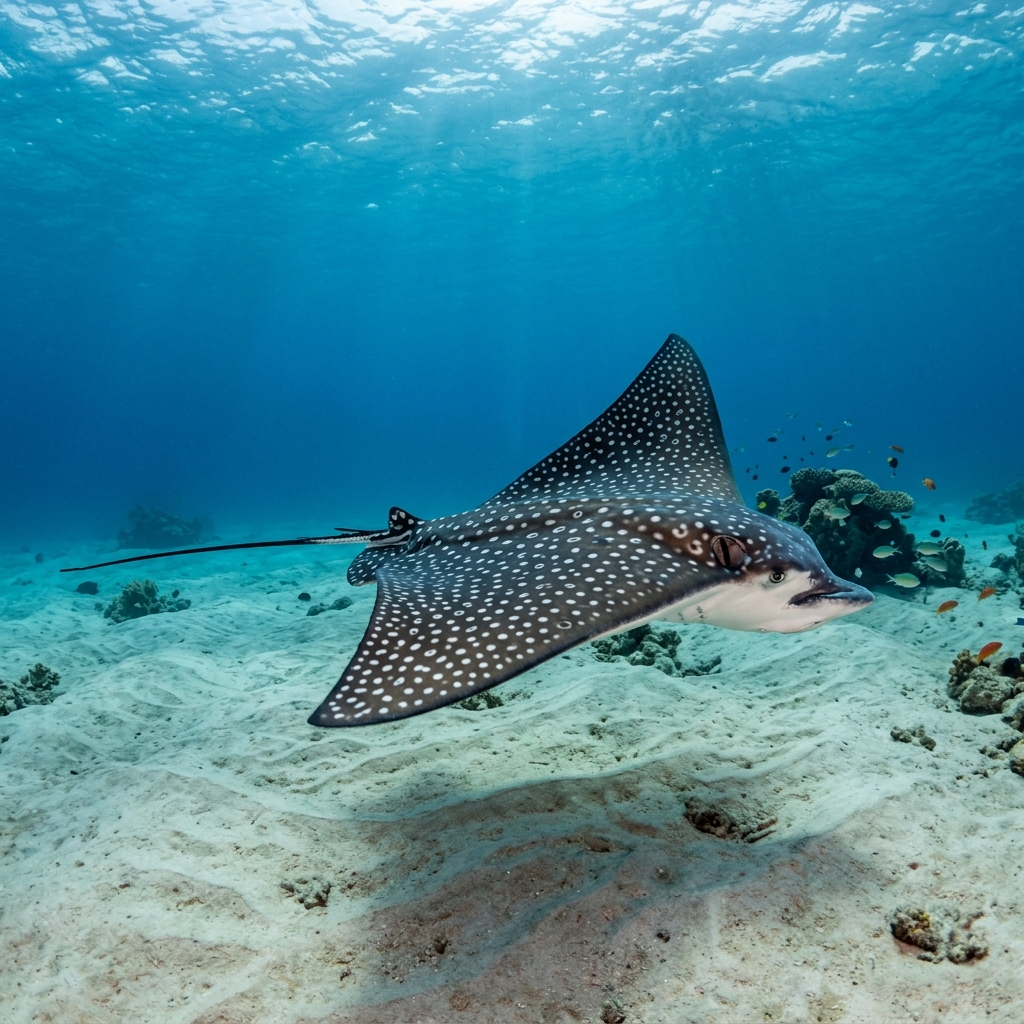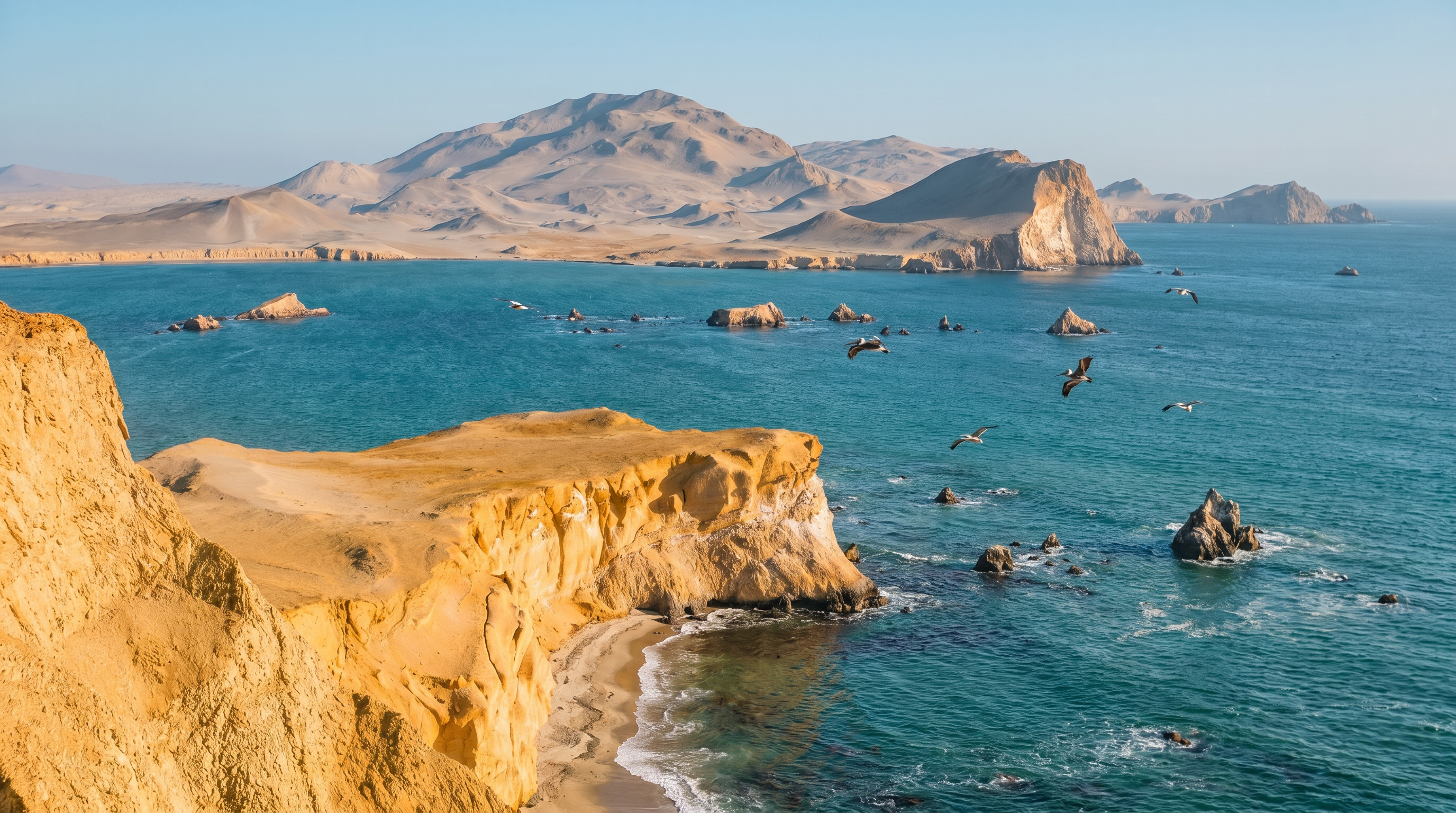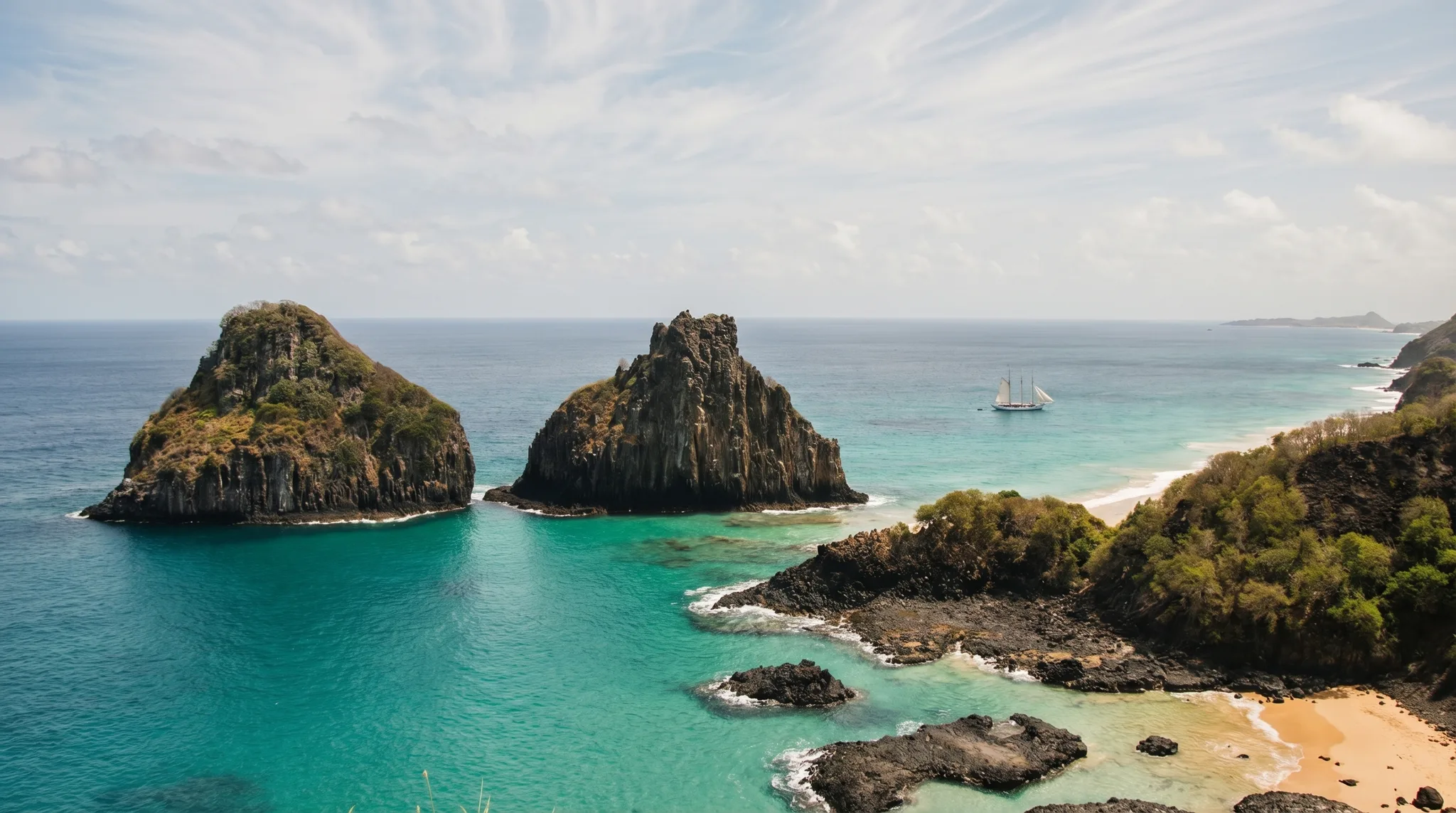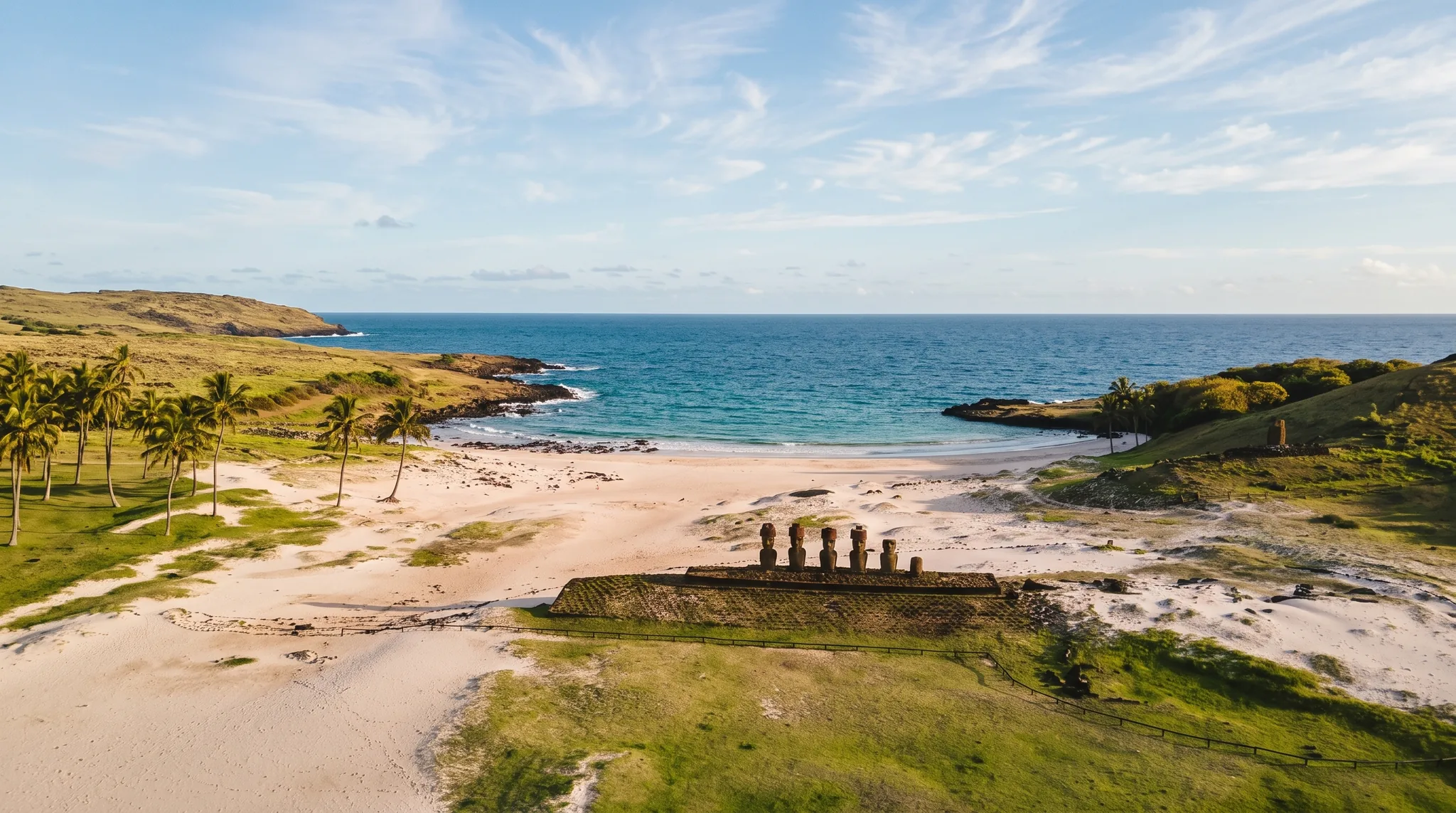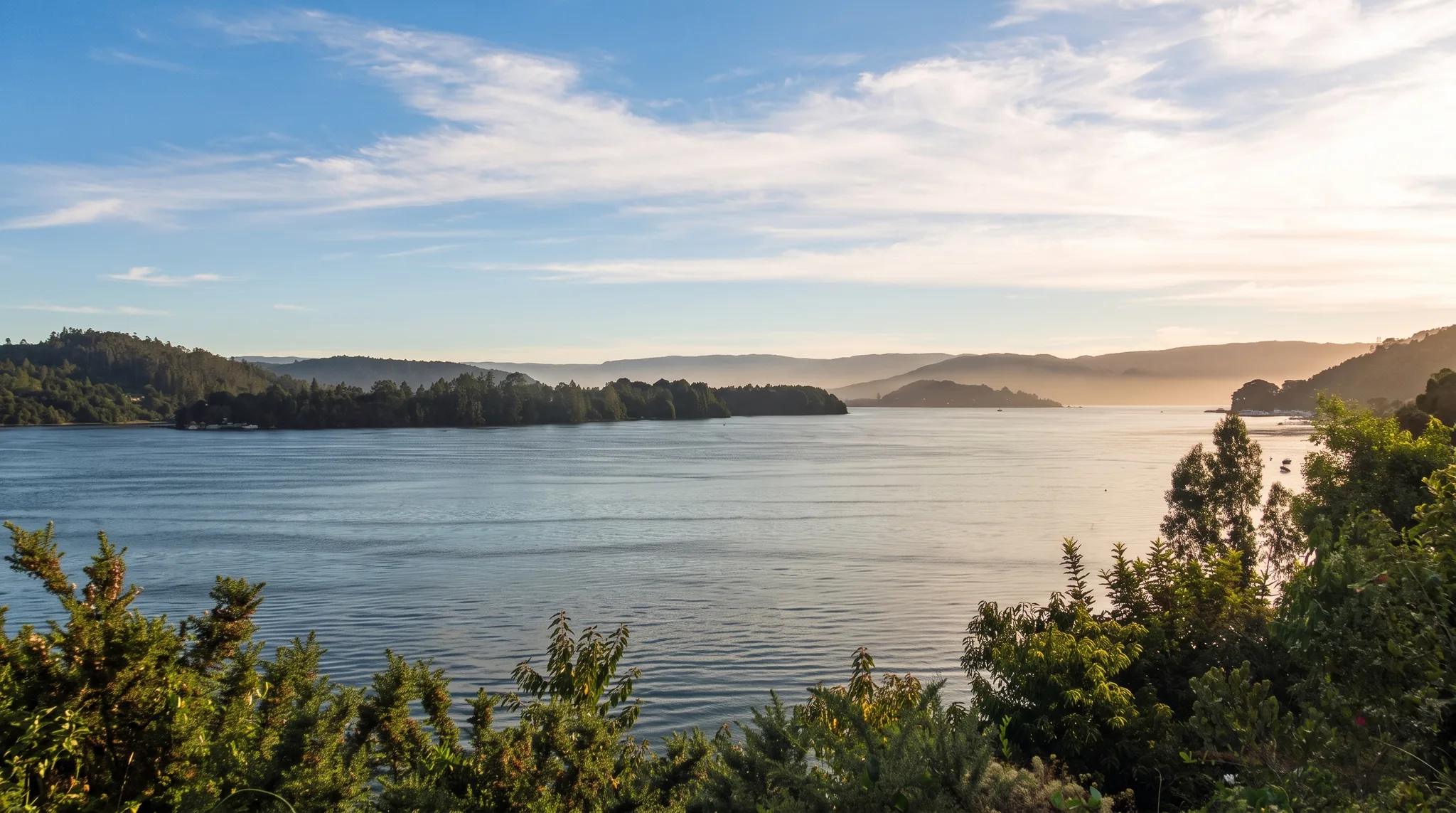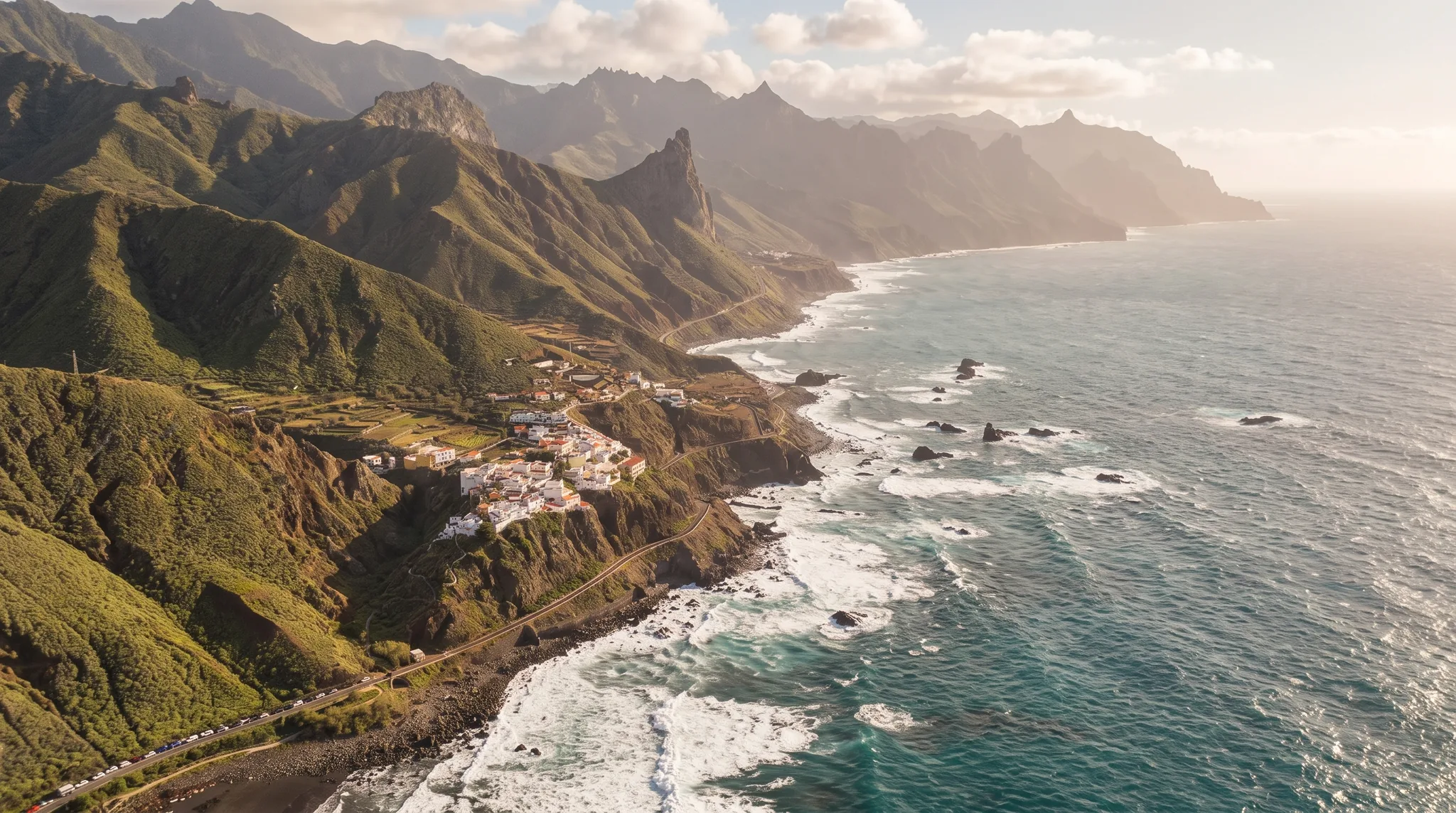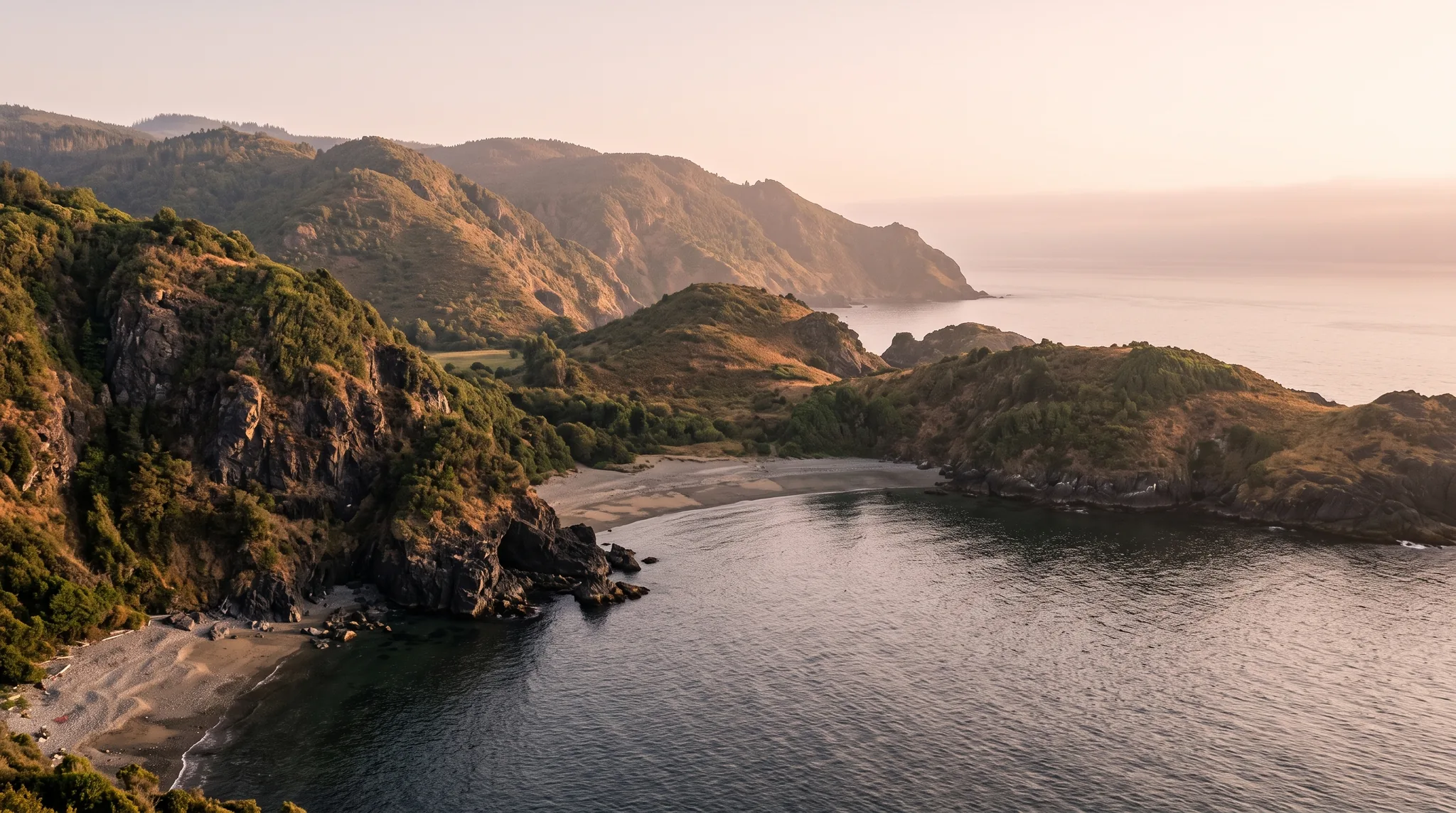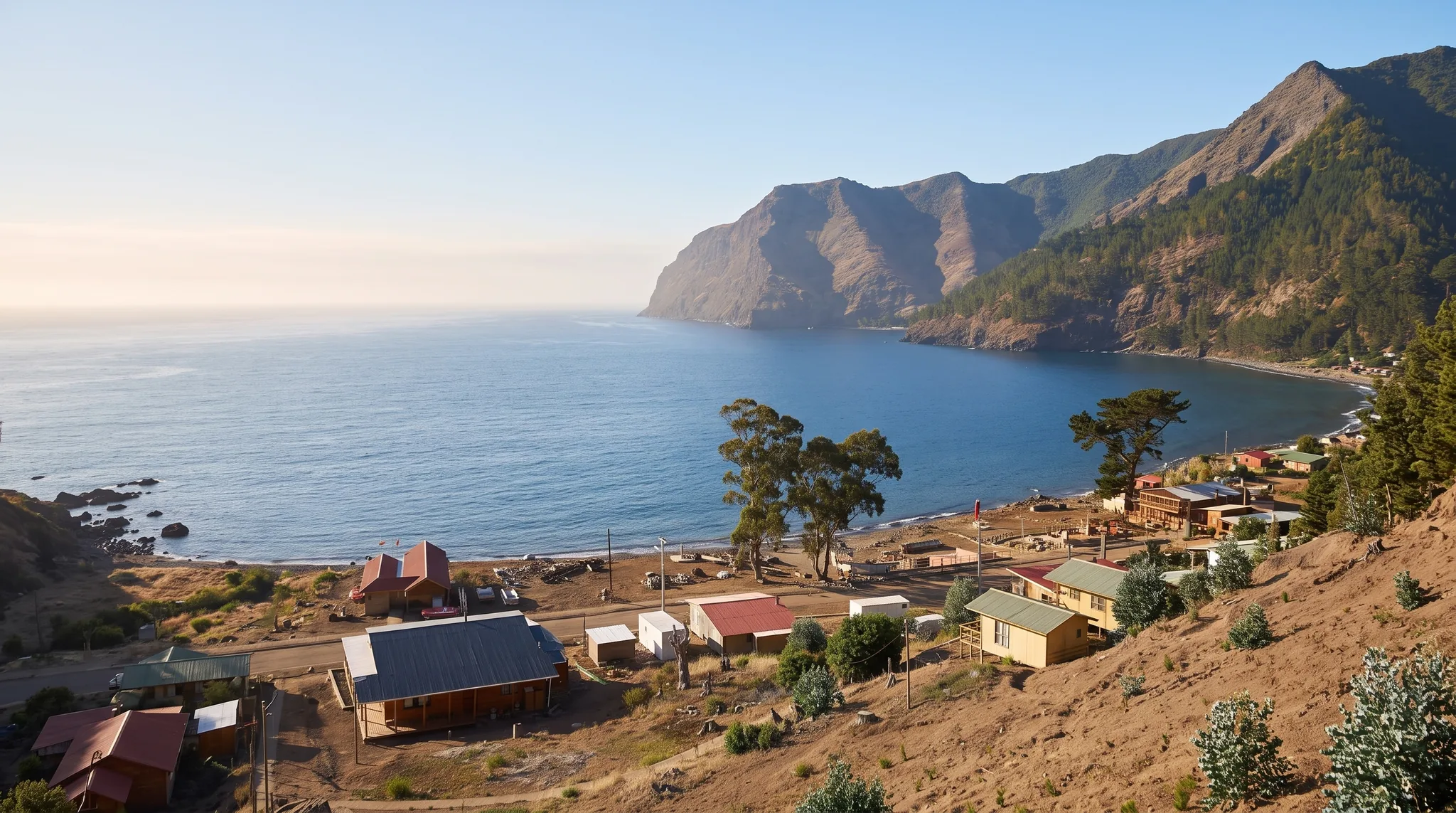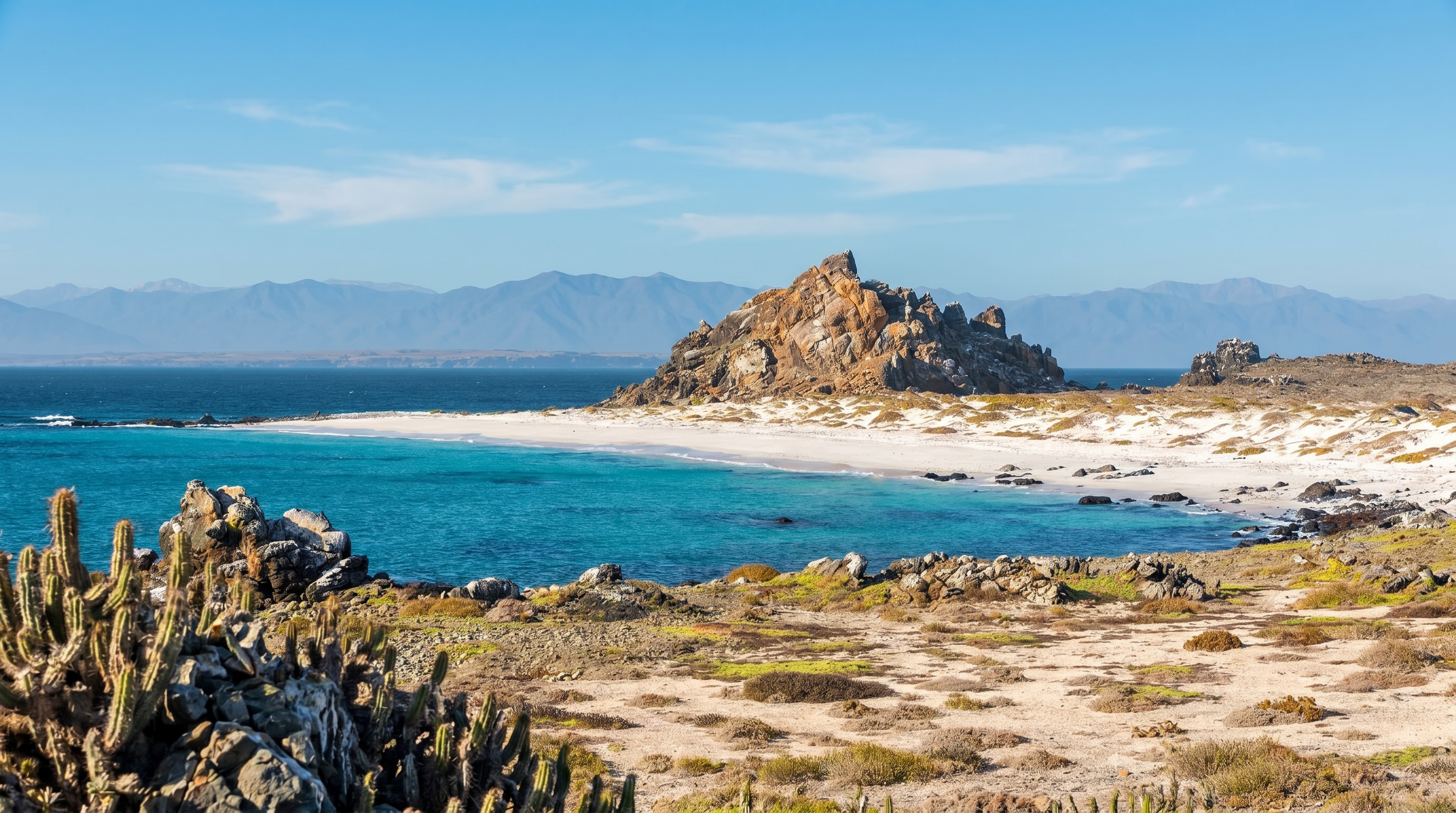
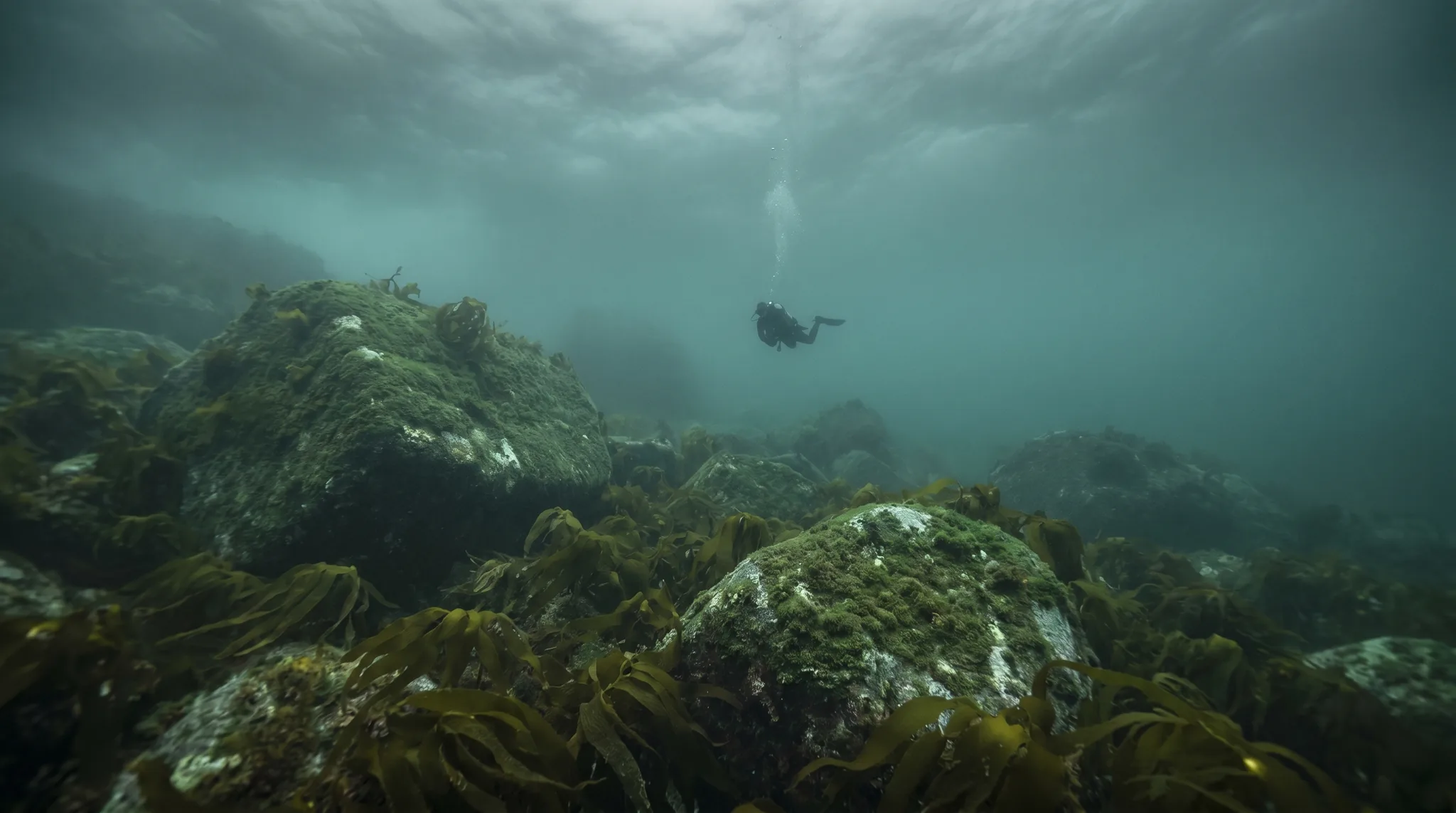
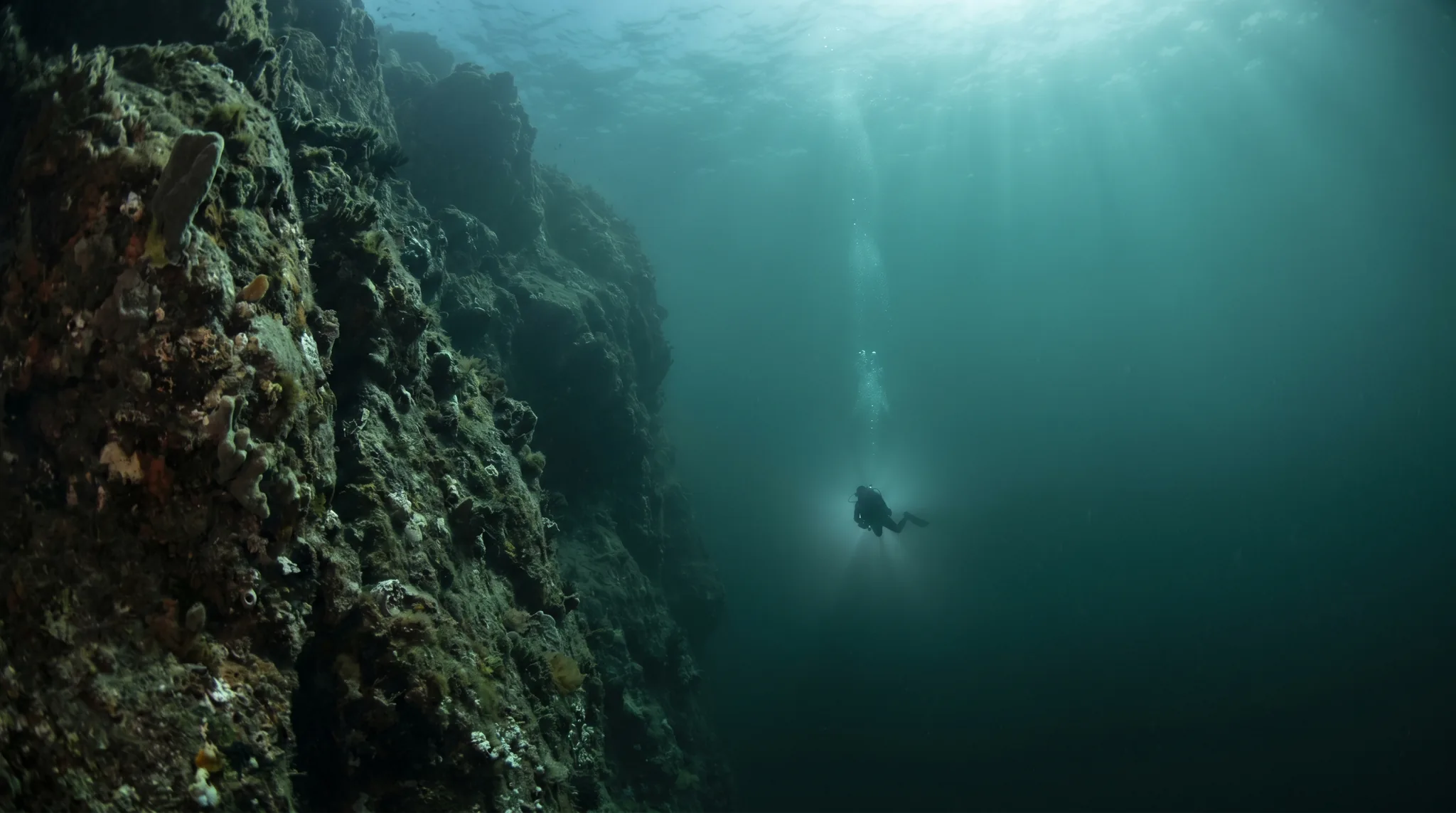
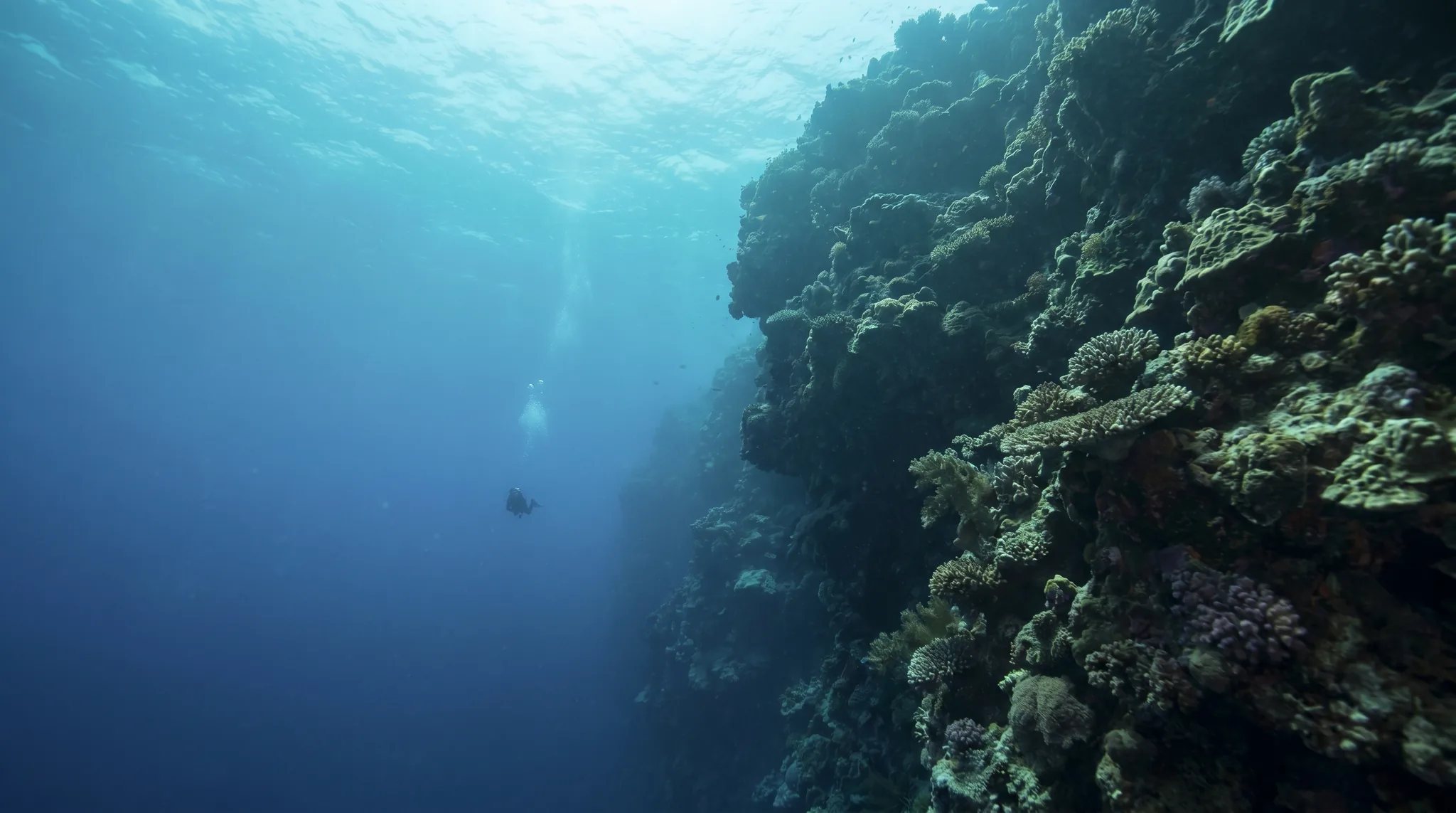
Chile's dive sites span a dramatic stretch of coastline, from the warmer northern reefs of Antofagasta and Coquimbo through the kelp-draped walls of Valparaíso and Los Molles to the cooler, current-driven sites around Valdivia and Concepción. Easter Island and Juan Fernández add remote open-water character to the mix. The dominant site types are reef and wall, with kelp forest appearing frequently in the central and southern sub-areas, and wrecks providing added variety at Valdivia and Valparaíso. South American Sea Lion is exceptionally well-represented across the region, while Eagle Ray, Green Sea Turtle, Whale Shark, and Grey Reef Shark round out the larger encounters. Shore entry is possible at many sites, but the deeper walls and offshore reefs require boat access. Conditions and skill requirements range from calm beginner reefs to advanced sites with strong variable currents.
9 areas
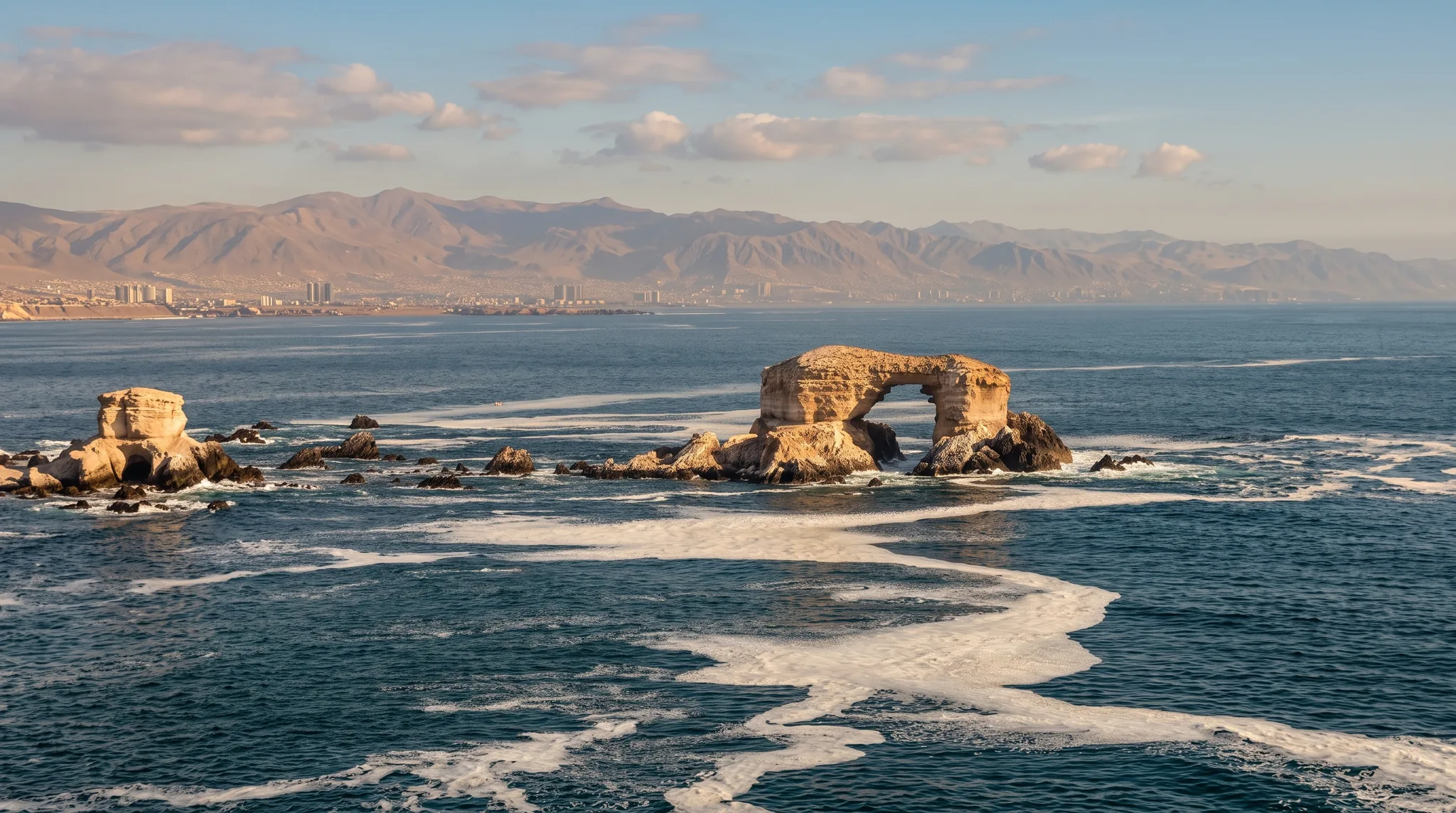 16
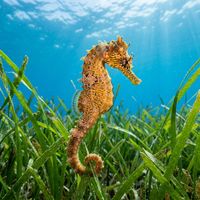
16Cool-water kelp and reef diving with reliable Green Sea Turtle and Seahorse sightings, plus wrecks and walls for all levels.
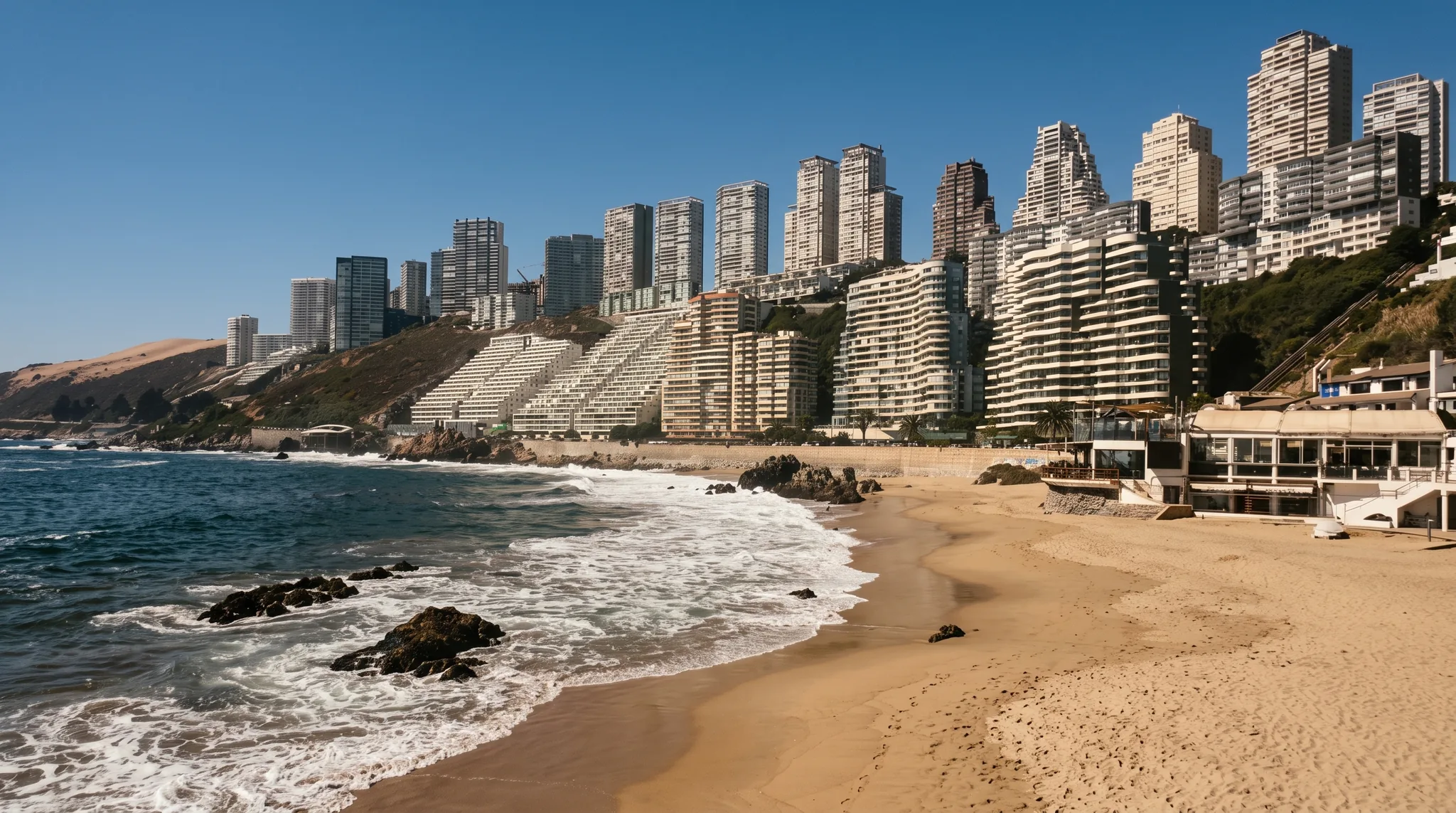 15
15Cold-water kelp forests, upright wrecks, and South American Sea Lion encounters define diving around Valparaíso.
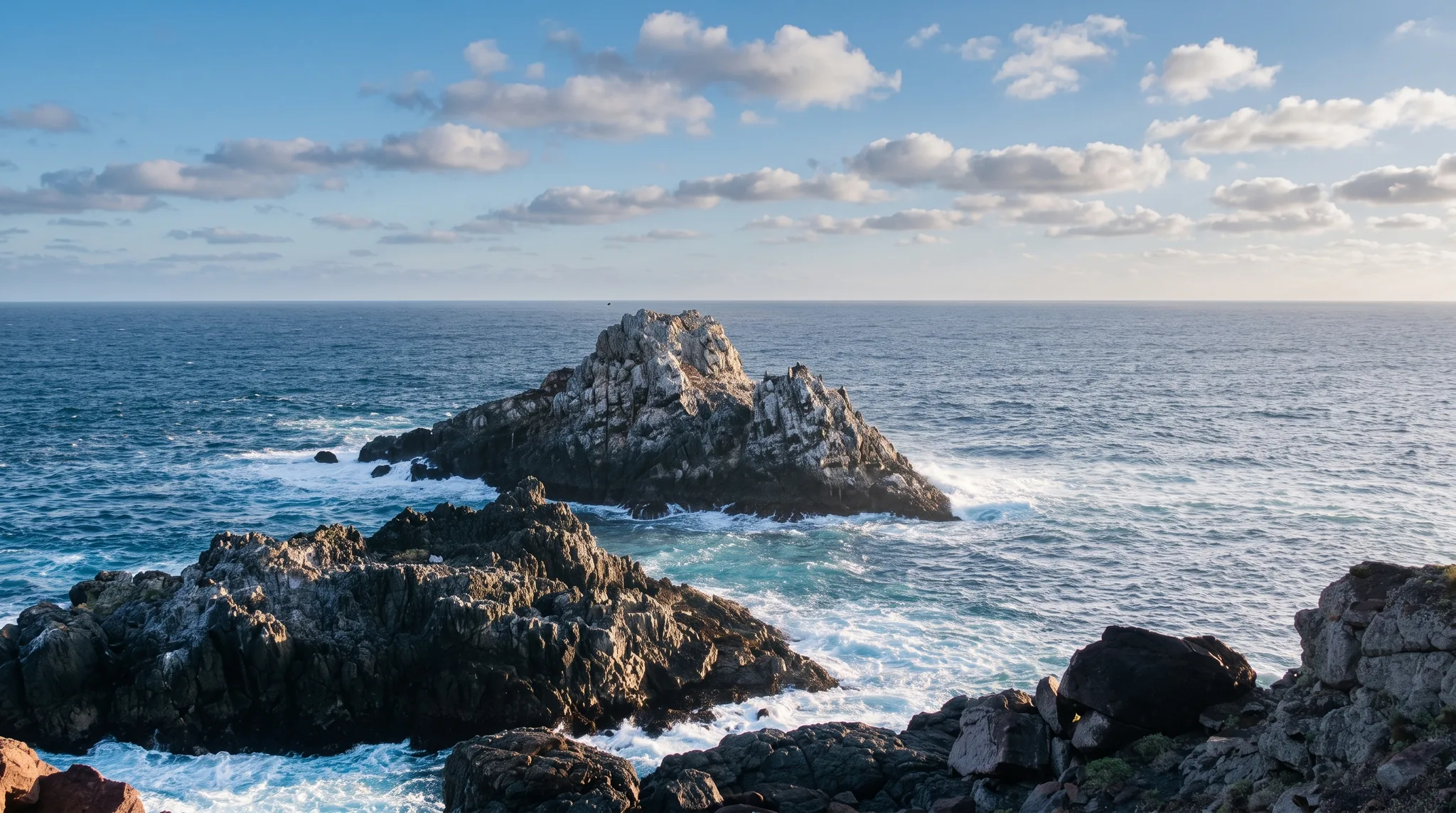 14
14Cold-water diving in central Chile with sea lions, Whale Shark encounters, a historic wreck, and kelp-draped walls.
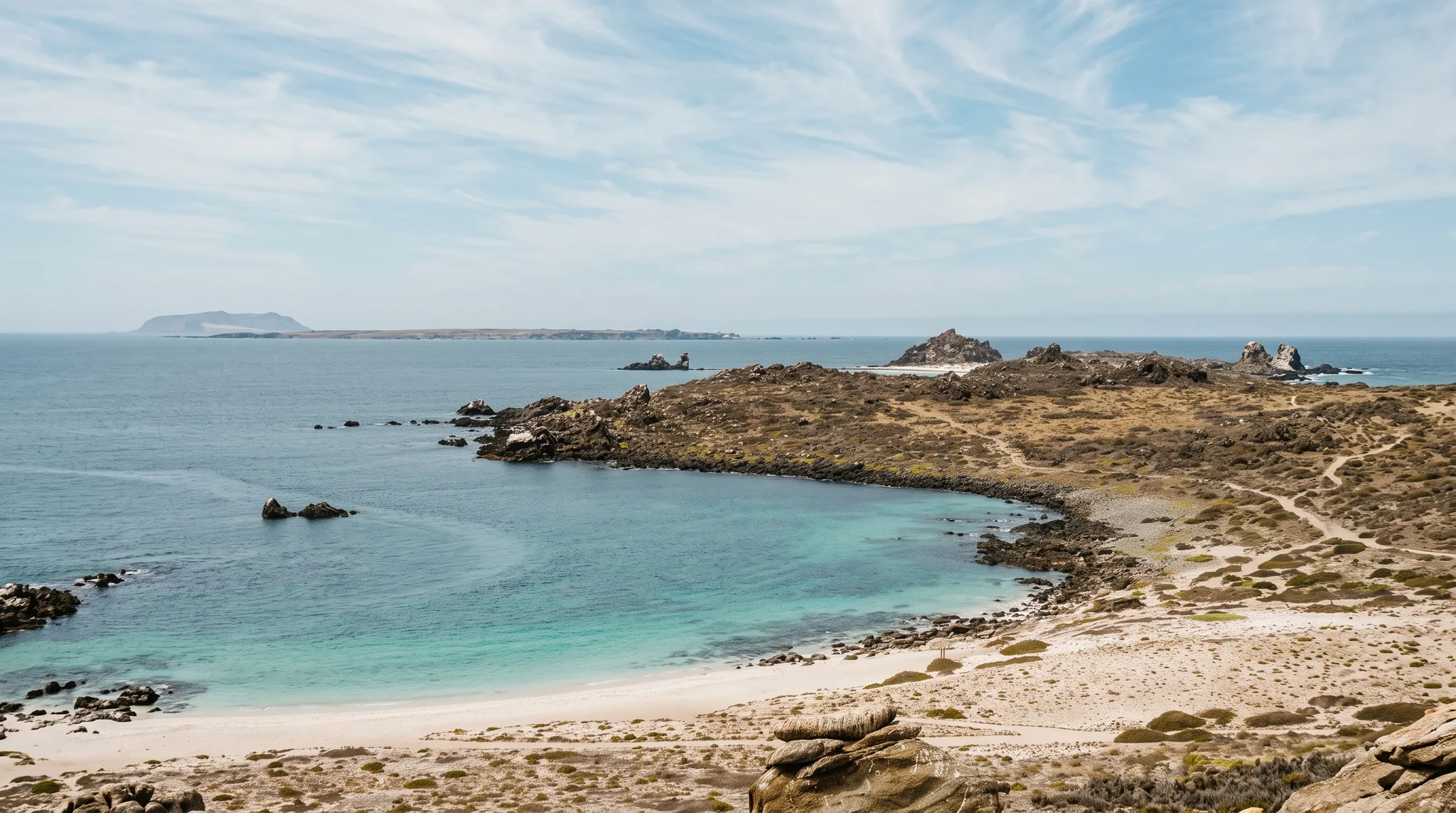 7
7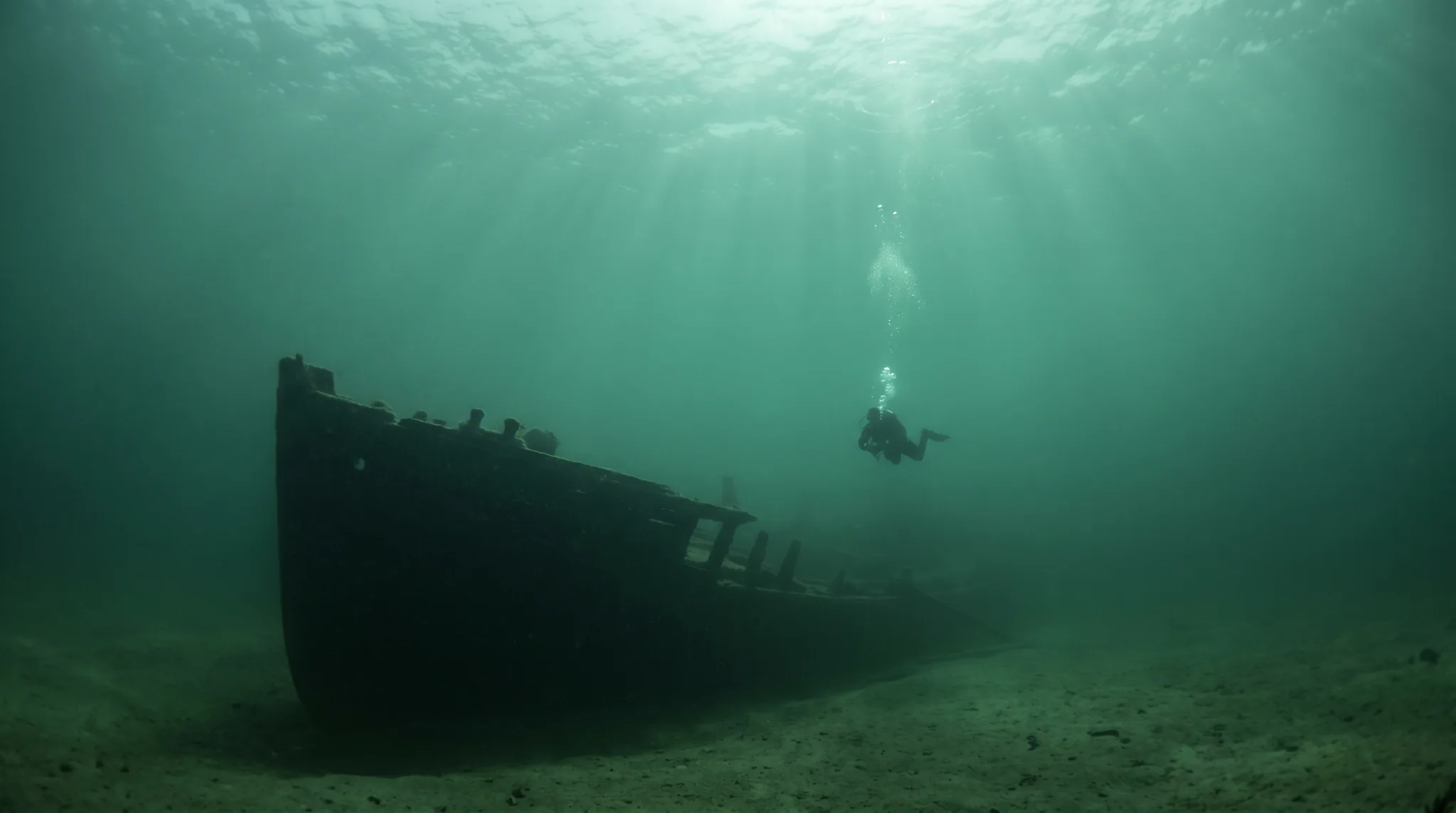

Chile covers a wide stretch of coastline, so conditions vary by area. The band below shows the spread across its sites through the year.
Water temperature is at its warmest from December through March and gradually cools toward a September trough, making the summer months the most comfortable for extended dives. The best-months data confirms that January and February draw the greatest dive activity, with December and March also popular. From autumn onward conditions become cooler and some sites, particularly the deeper walls around Valdivia, carry stronger and more variable currents that demand more experience.
68 operators
Humboldt Current reefs, kelp forests, walls, and wrecks on Chile's northern Pacific coast.
Chile spans a wide latitude range, so water temperature varies a lot by area: roughly 11-21°C across its dive sites. Check the individual area pages for local conditions.
Fin maps 77 sites in Chile (77 scuba diving sites and 6 snorkelling spots, with some suited to both), organised into 9 areas.
Across Chile's dive sites, January, February, March and December are most often reported as the best months to visit.
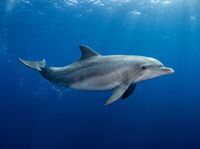
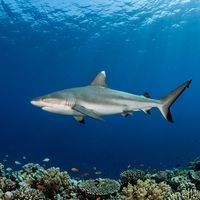
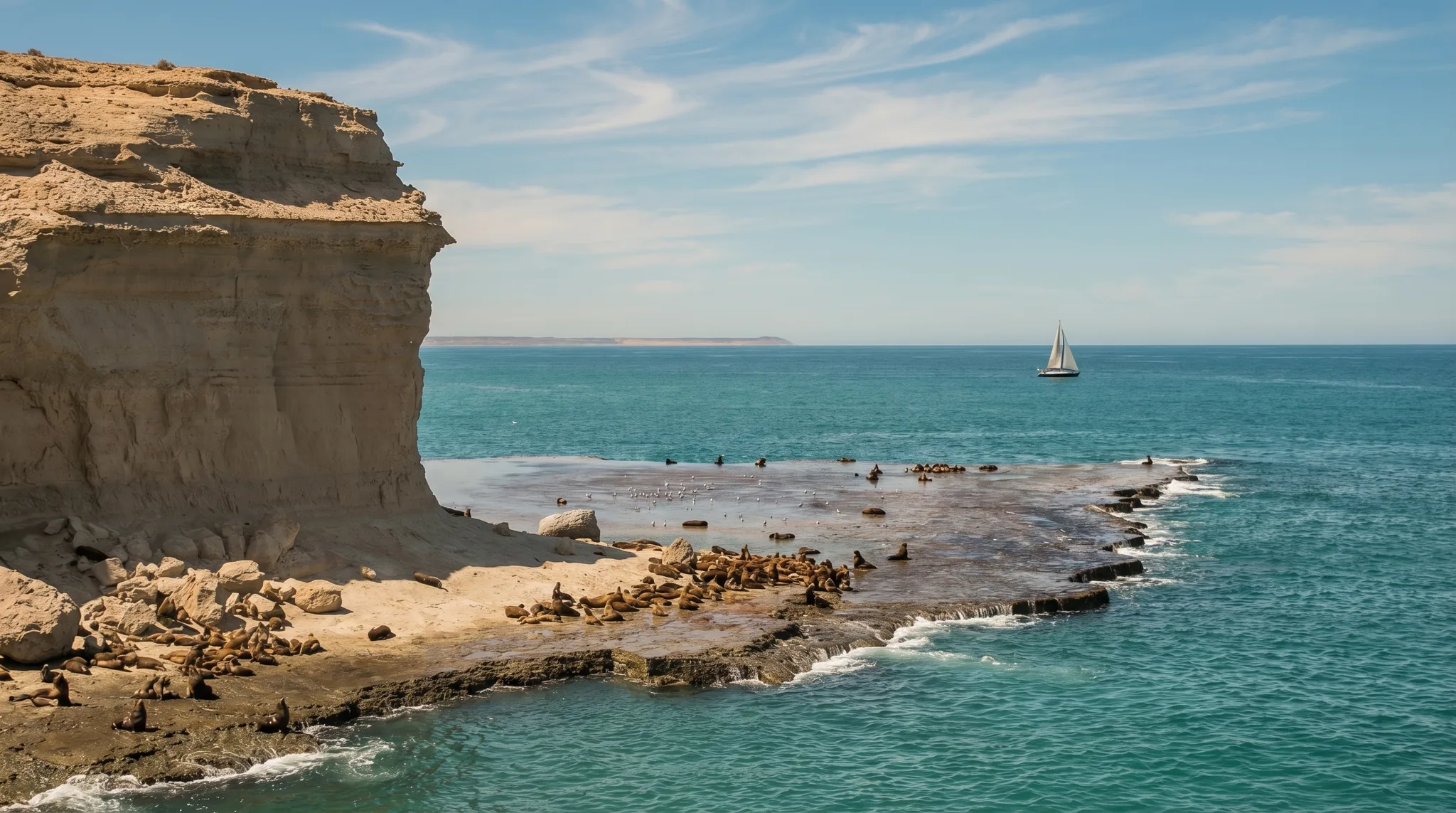
South American Sea Lion is observed across the vast majority of Chile's sites and is the species you are most likely to meet on any dive. Eagle Ray, Green Sea Turtle, Grey Reef Shark, and Whale Shark have all been recorded here, though they appear occasionally rather than on every dive. Bottlenose Dolphin and Long-nosed Fur Seal are observed less frequently but are part of the confirmed species list.
Chile caters well to a range of skill levels. Sites such as Pino Huacho, Bajos del Tiburon, and Blanco Encalada are rated beginner-friendly and offer shore or boat entry on shallow to moderate reefs. More demanding sites like Bajo el Raqui, rated advanced due to strong currents, and several deeper walls and cave systems around Antofagasta require solid buoyancy control and current experience. Beginners will find the most choice in the northern sub-areas.
Antofagasta in the north offers the greatest concentration of sites, mixing reef, kelp forest, wall, and cave topography. Valparaíso and Los Molles are known for reef and wall diving with some wrecks, while Valdivia adds wreck diving and stronger current sites in a cooler, more sheltered setting. Easter Island stands apart with open-water reef character distinct from mainland conditions, and Juan Fernández rounds out the offshore options.
Shore entry is available at a good number of Chile's sites, including several in Antofagasta and Valparaíso, making independent diving practical in those sub-areas. Many of the deeper reefs, walls, and offshore sites require boat access, and a handful of sites such as the Remolacador Caupolican wreck near Valparaíso and La Pared in Coquimbo are reachable by both. Operators including Formasub, Rapa Nui Dive Center, and Orca Diving Center are among those running trips across the region.