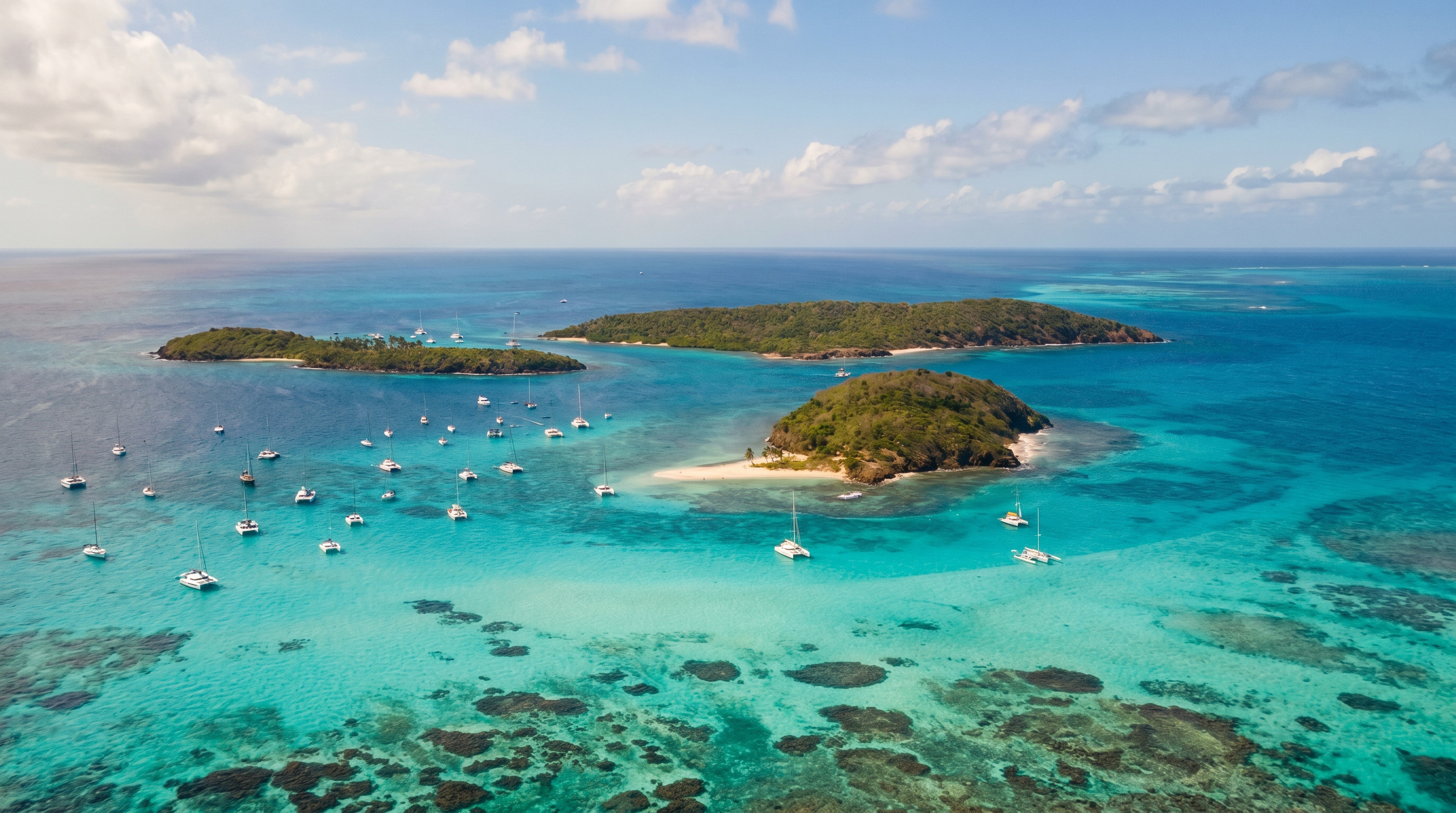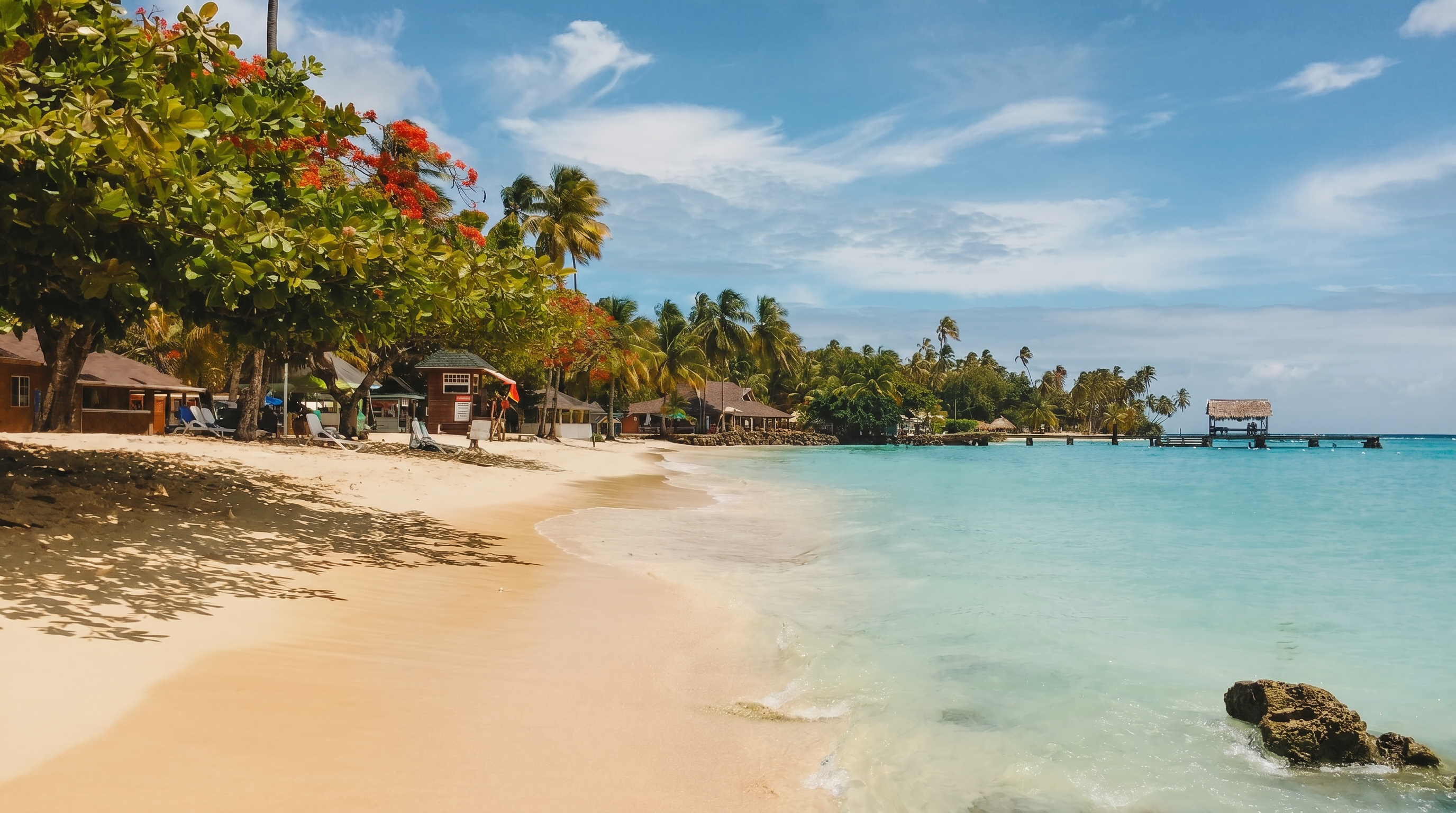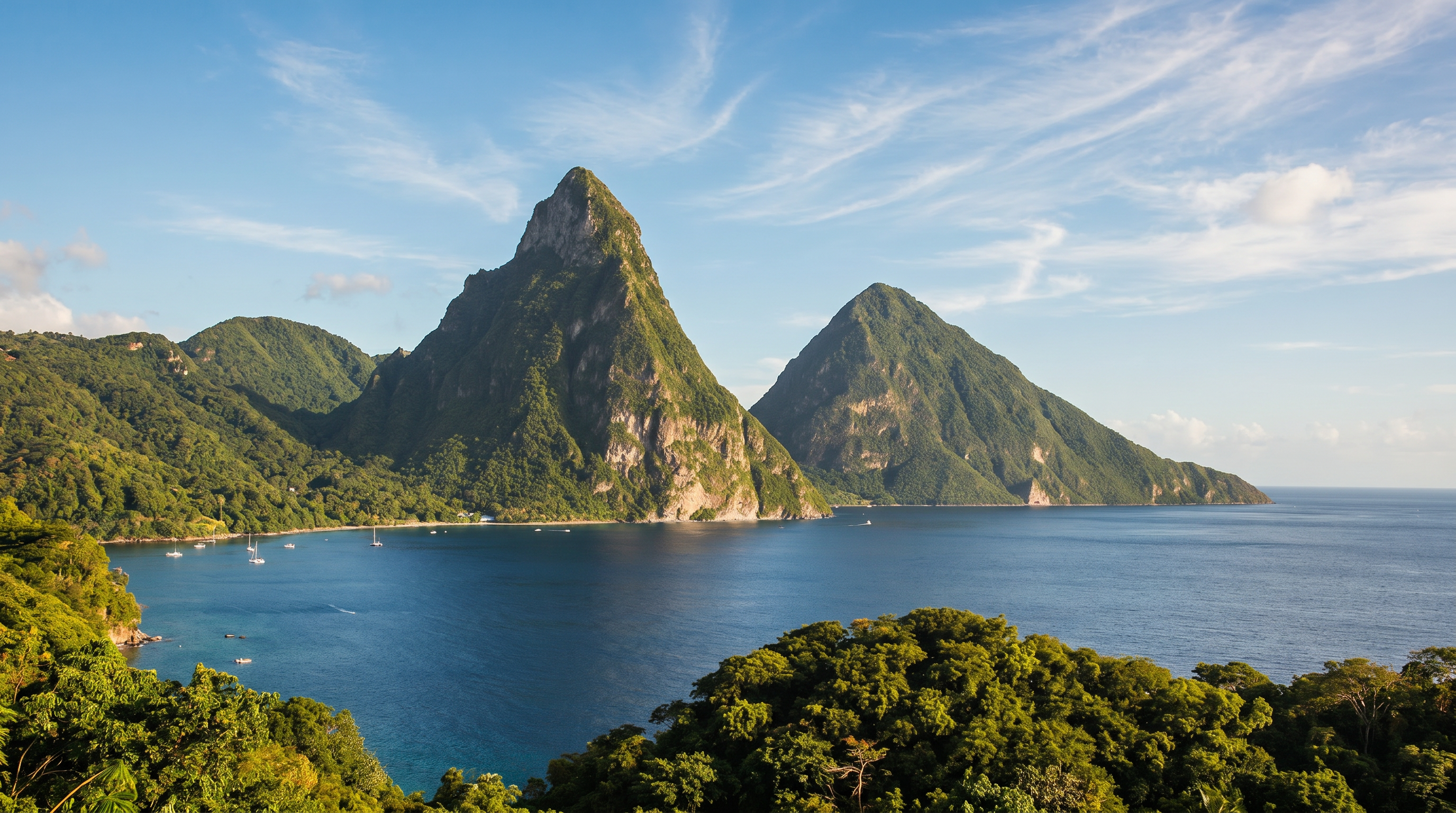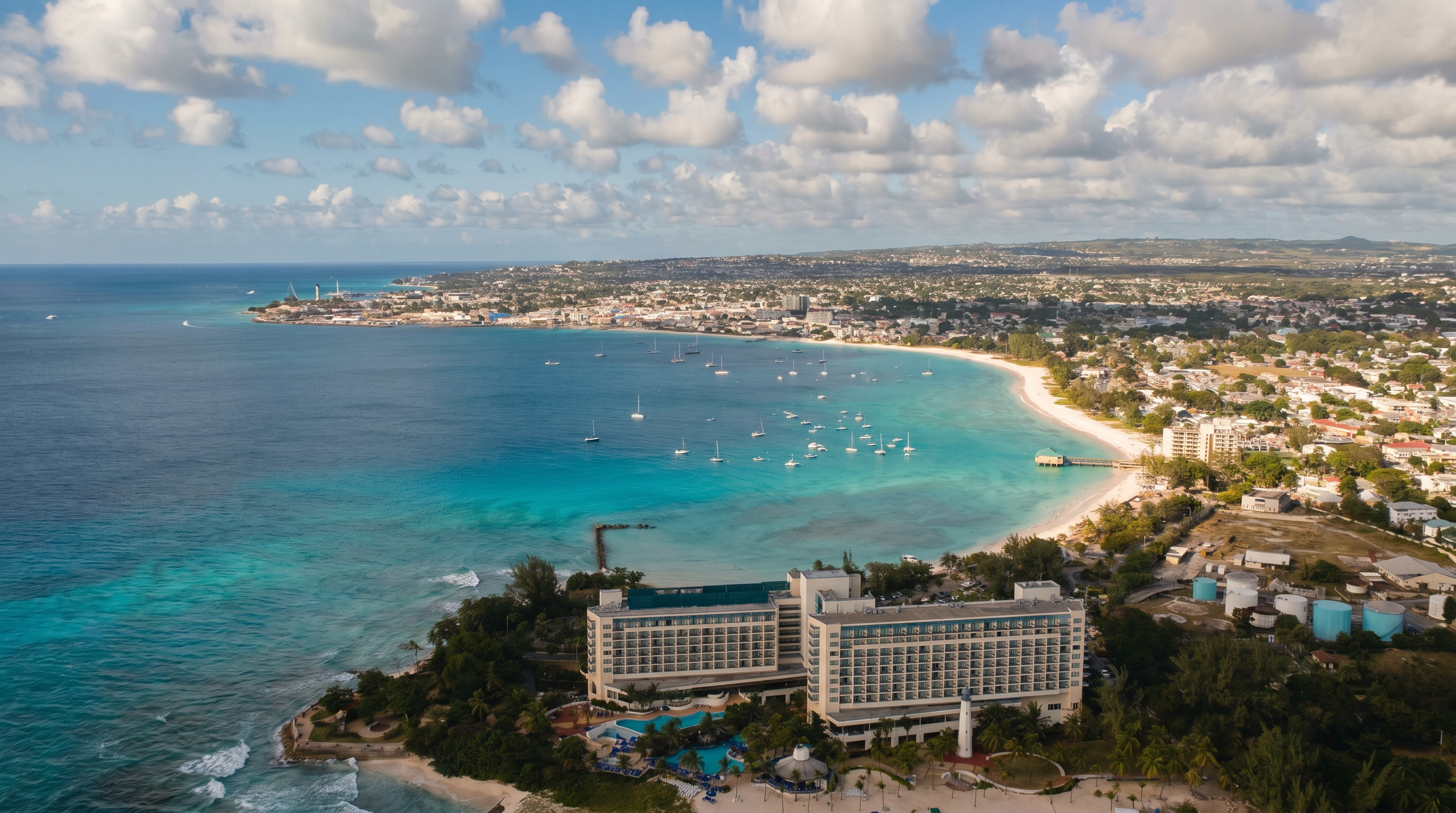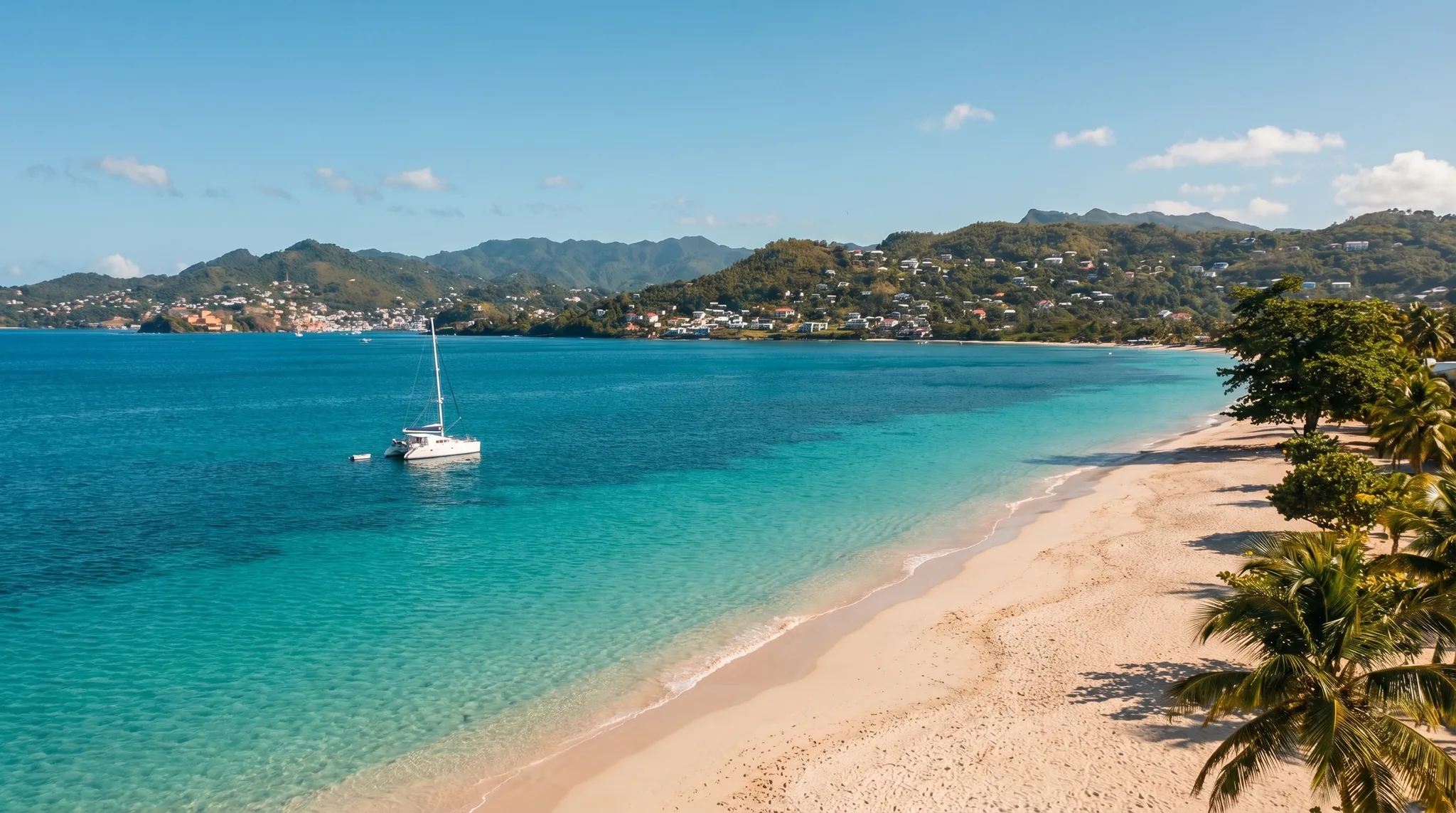
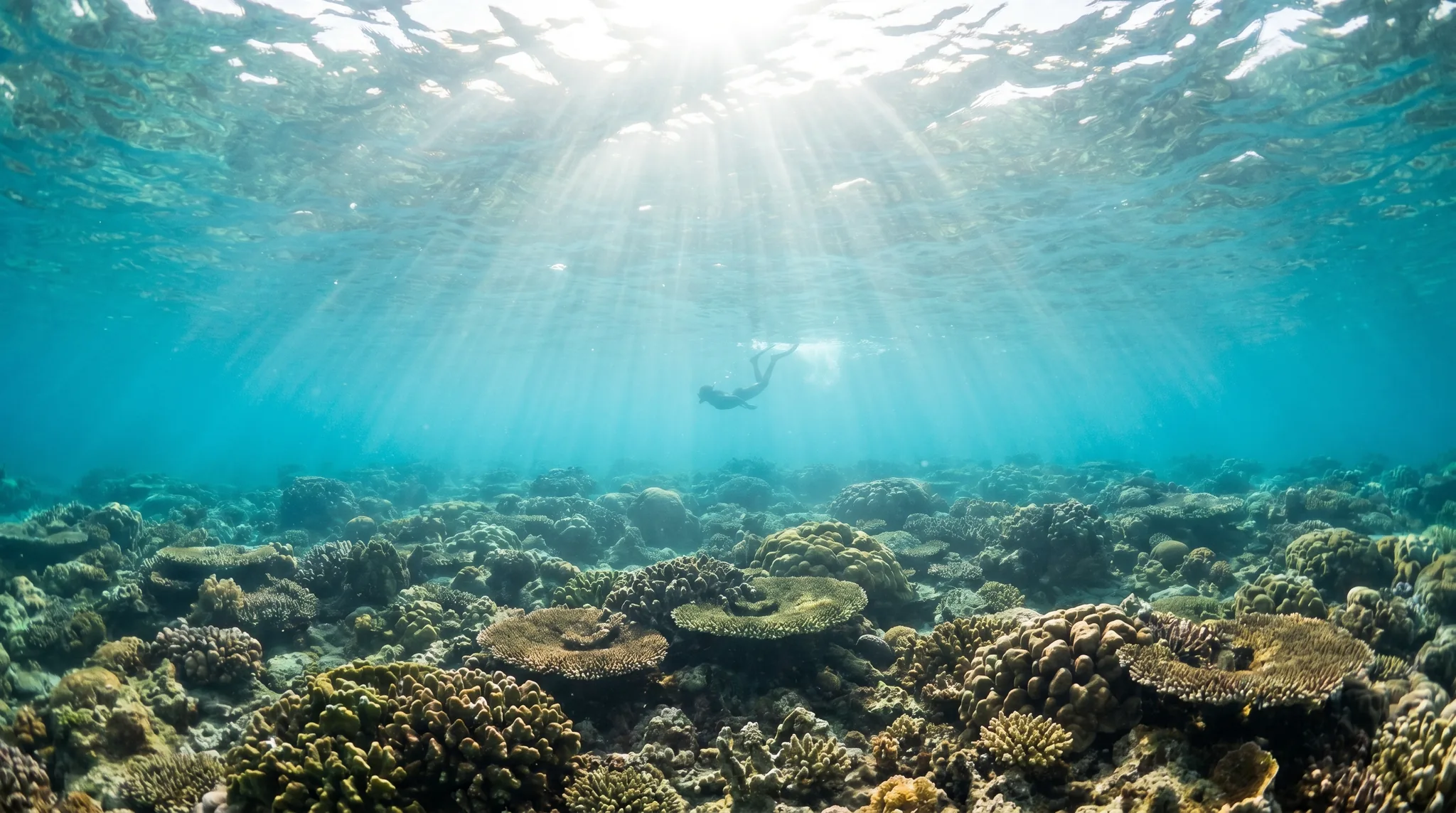
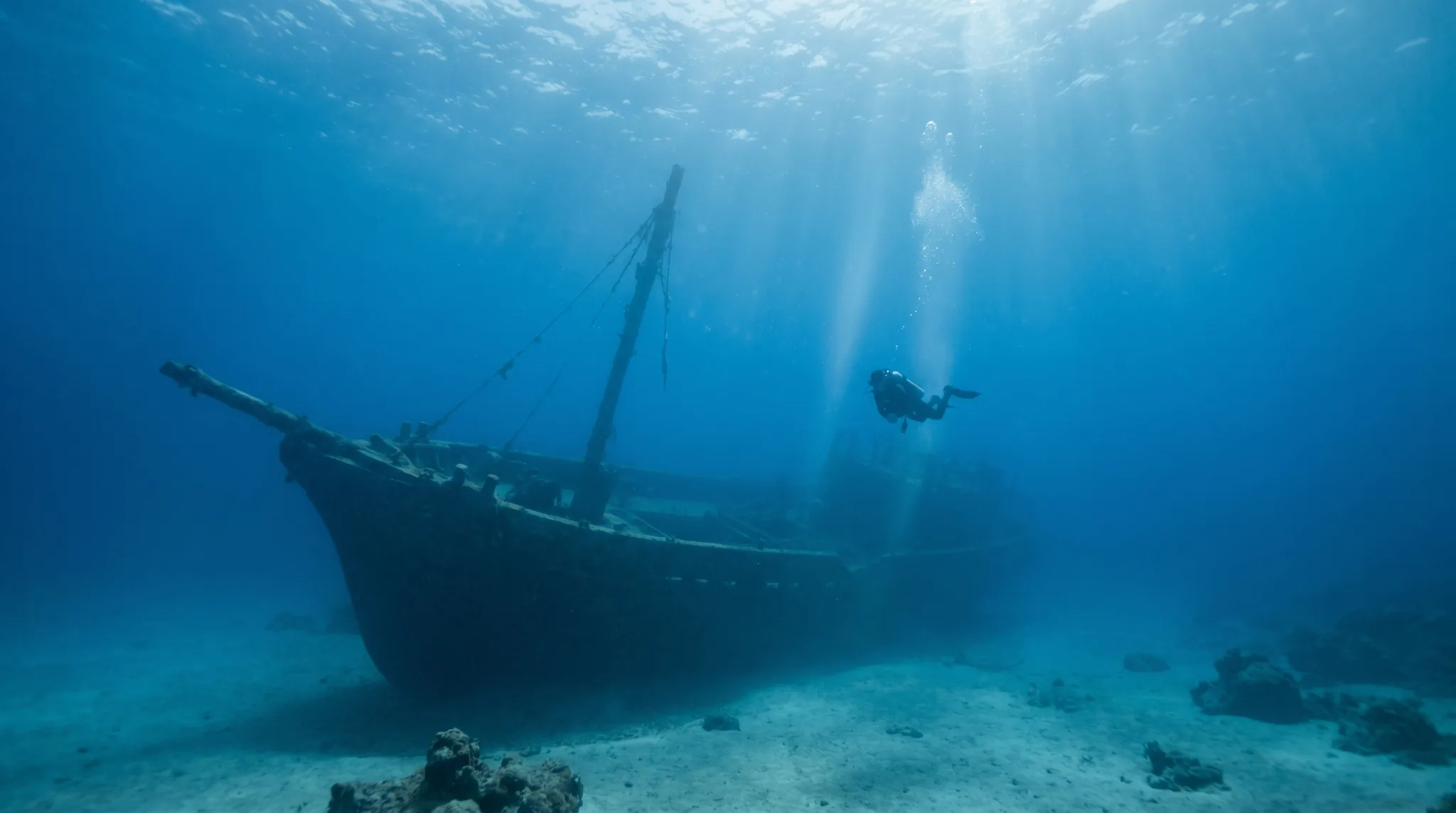
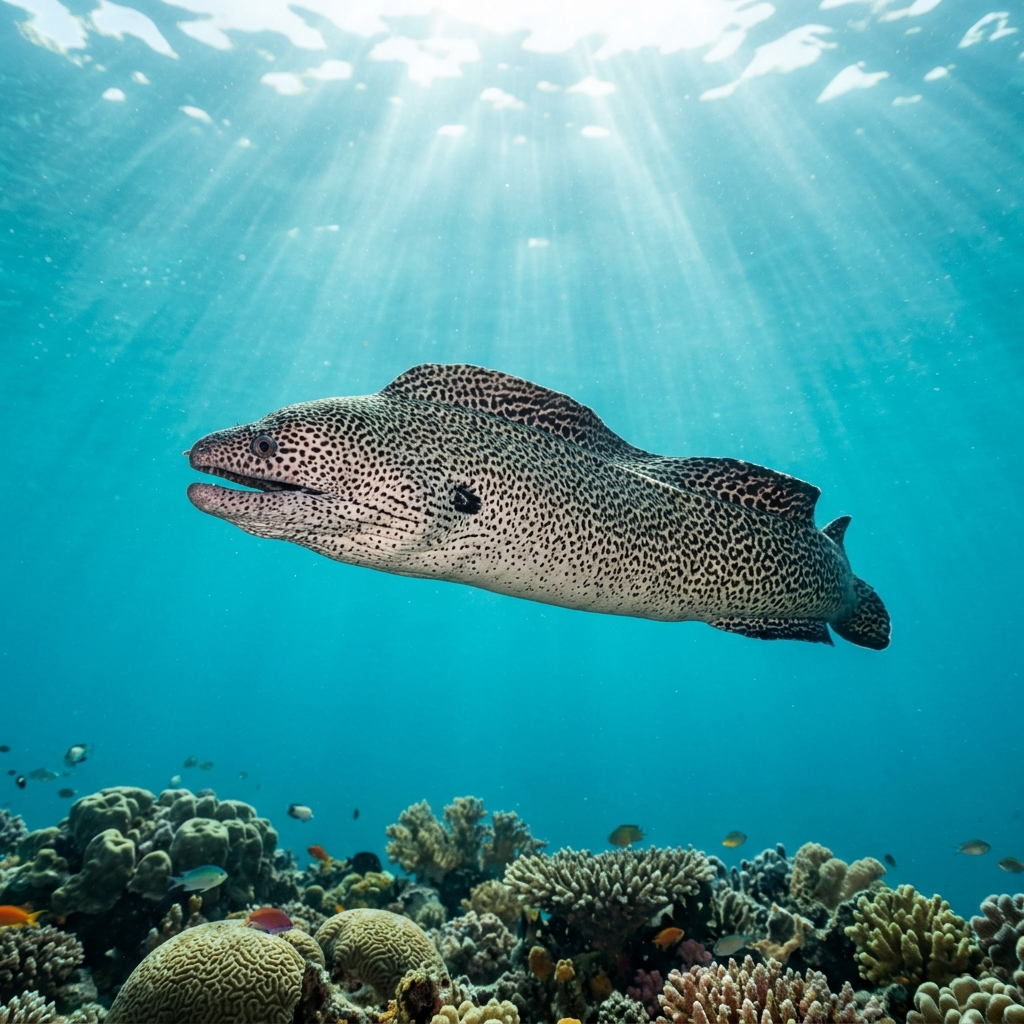
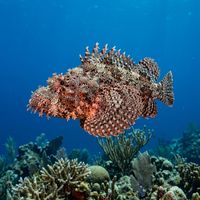
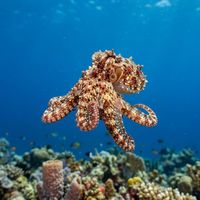
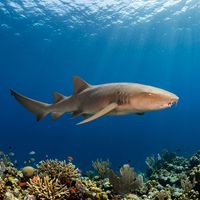
Grenada offers a site mix that rewards divers at every level, spanning reefs, walls, wrecks, drift dives and muck sites across two distinct sub-areas: Grenada Island and Carriacou. Grand Anse Bay alone concentrates an impressive range, from shallow beginner reefs like Dr. Grooms Garden and Spotters Reef to deep advanced dives such as Heartbreak Ridge, where a dramatic wall drops into the blue, and purpose-sunk wrecks like Hema One that have become thriving artificial reefs. Carriacou adds a further set of sites with its own character. Marine life is a real strength: Frogfish, Brazilian Reef Octopus, Spotted Scorpionfish and Nurse Shark are all observation-backed regulars, alongside an exceptional variety of moray species. Water stays warm throughout the year, with the clearest, calmest conditions clustering around the early months of the year.
2 areas
 62
62Wrecks, sculpture reefs and muck sites alongside consistent Frogfish, moray and octopus sightings make Grenada Island one of the Caribbean's most varied underwater destinations.
 35
35Reef, wall and drift sites with reliable sightings of Nurse Shark, Flying Gurnard and Brazilian Reef Octopus.
Monthly water temperature across Grenada's sites, from satellite sea-surface data corrected for depth. The band shows the site-to-site spread.
Water temperature remains warm year-round, rising to its peak in September and October and dipping only slightly through the cooler months of January to March. The best-months data points strongly to January through May as the prime window, when calmer seas and stronger visibility favour reef and wall diving alike. The mid-year period sees conditions shift, likely reflecting seasonal weather patterns that can reduce underwater clarity and increase surface chop.
26 operators

Water temperature around Grenada ranges from about 27°C in January to 30°C in September, based on satellite sea-temperature data for its dive sites.
With water around 27–30°C, a rash guard or 3mm shorty works in Grenada year-round.
Fin maps 97 sites in Grenada (93 scuba diving sites and 23 snorkelling spots, with some suited to both), organised into 2 areas.
Across Grenada's dive sites, January, February, March, April and May are most often reported as the best months to visit.
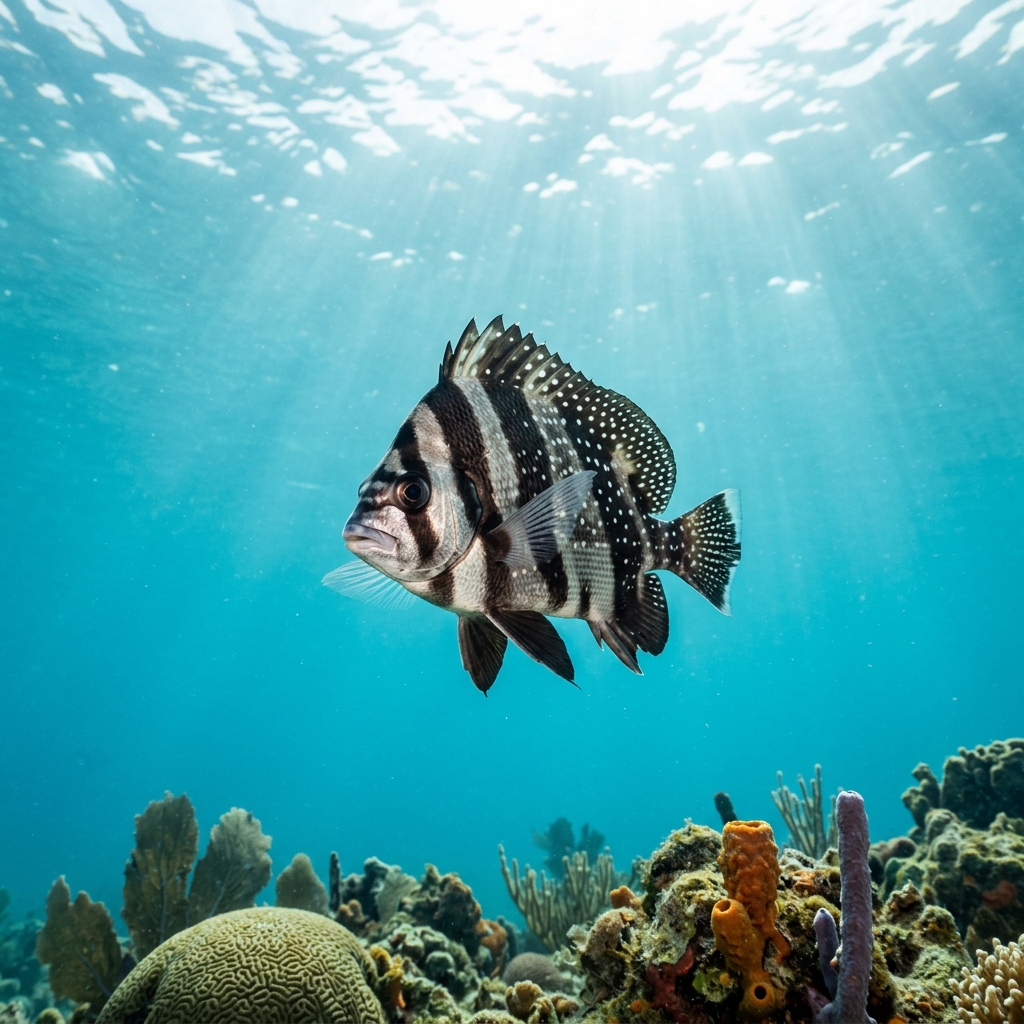
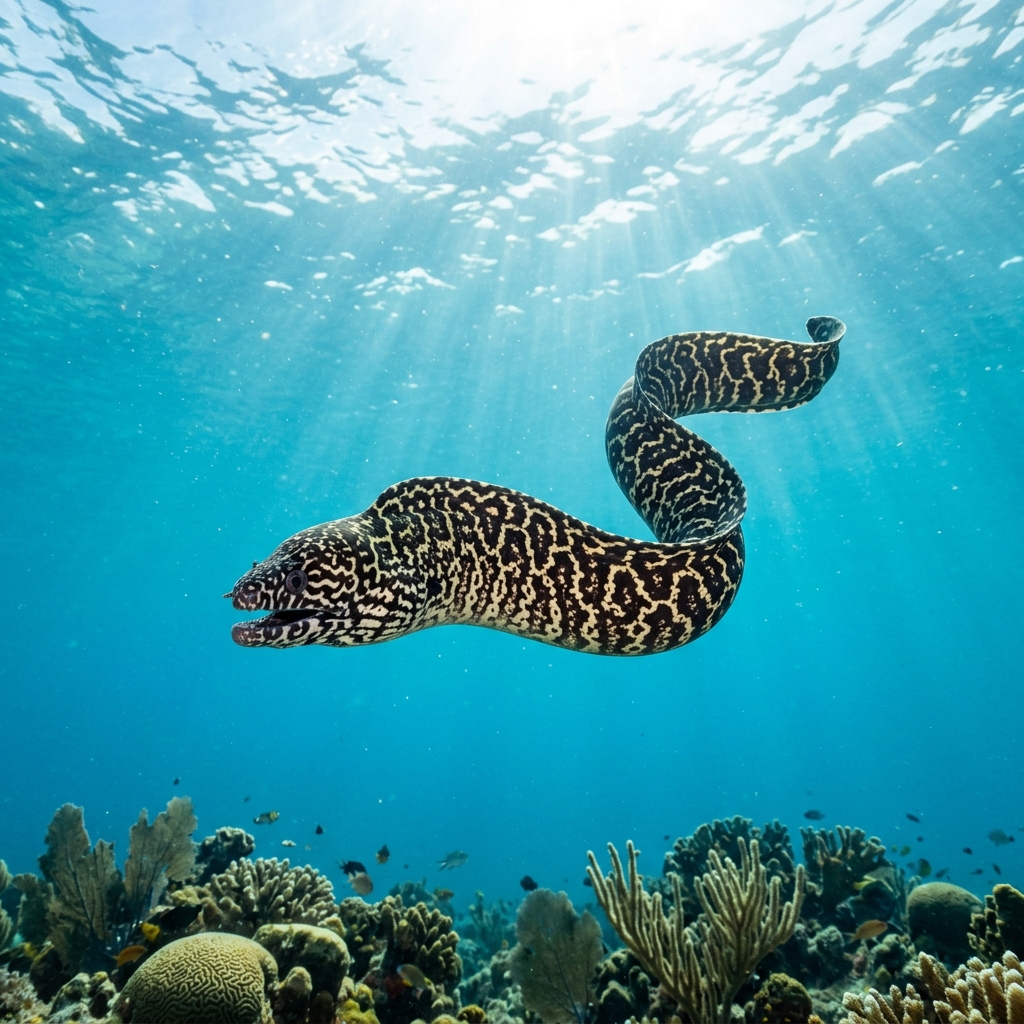
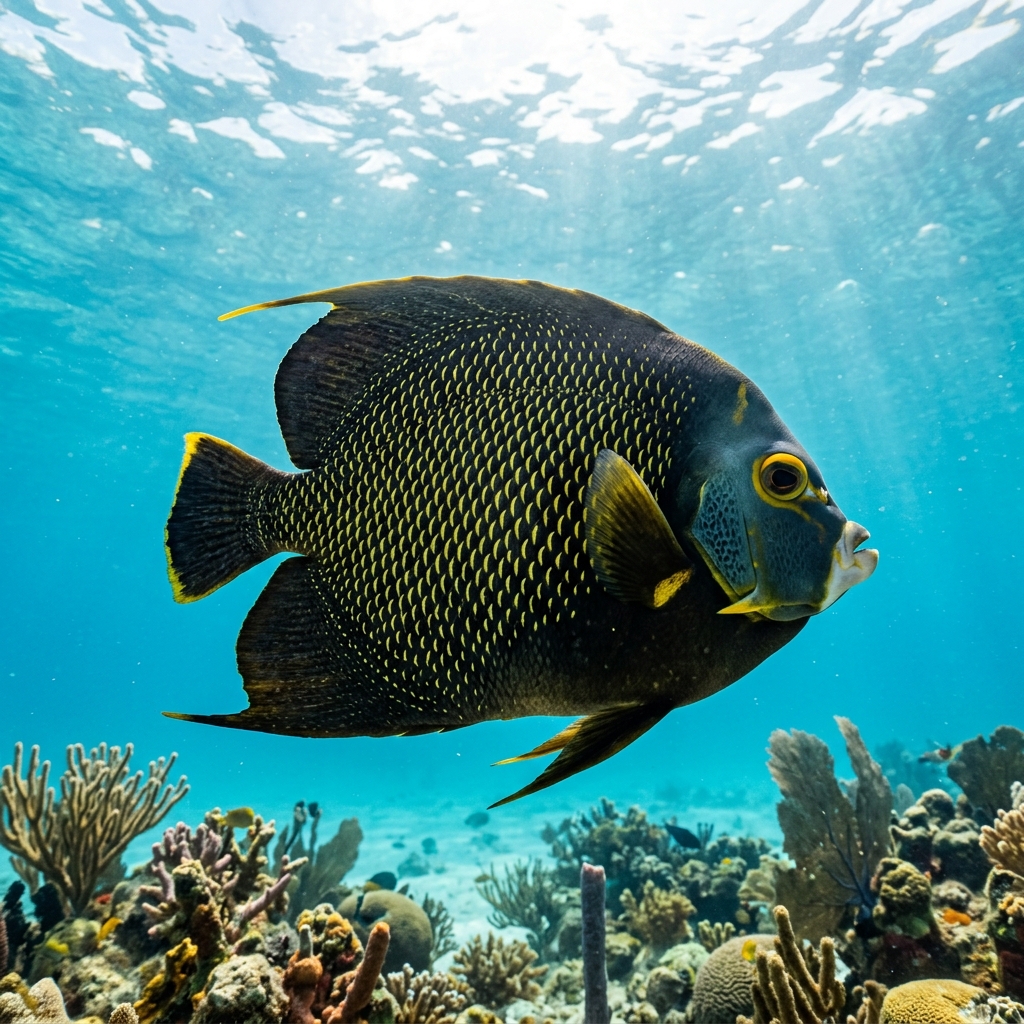
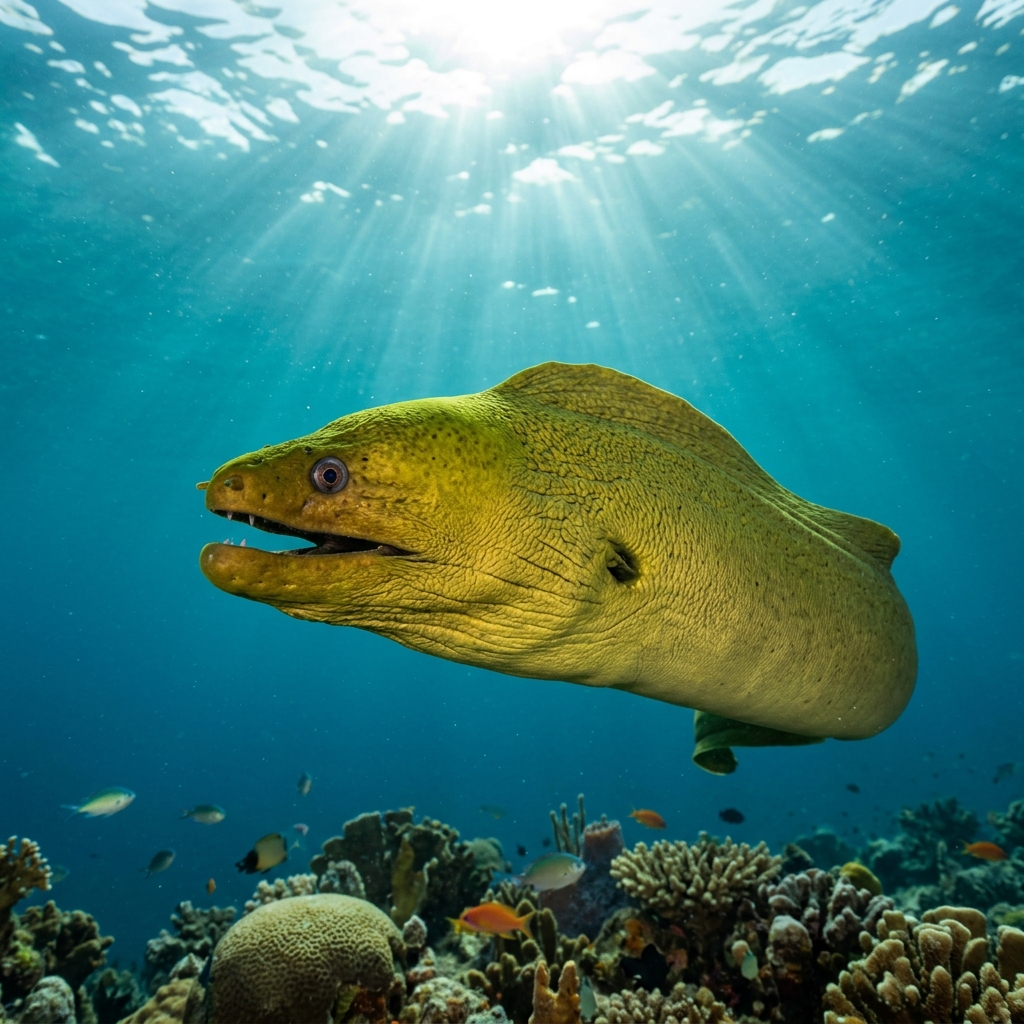
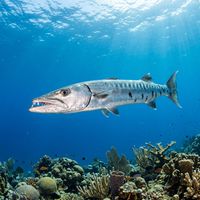
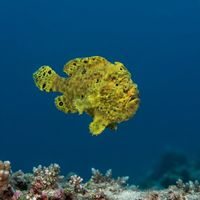
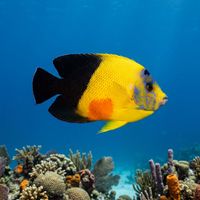
Grenada's observation-backed species list is broad and varied. Frogfish, Brazilian Reef Octopus, Spotted Scorpionfish and Nurse Shark are recorded across the majority of sites, alongside Spotted Moray, Chain Moray and Green Moray. Great Barracuda, French Angelfish, Whiptail Stingray and Flying Gurnard are also regularly sighted, and the Green Sea Turtle is among the region's signature species.
Yes, a solid portion of Grenada's sites are rated for beginners. Shallow reef dives such as Dr. Grooms Garden, Spotters Reef and the Courier wreck offer gentle introductions to the underwater environment via boat. More challenging options, including deep wrecks like Hema One and Persia and the wall dive at Heartbreak Ridge, are reserved for advanced divers, meaning the region caters to a wide range of experience levels.
Grenada Island holds the larger share of sites and is where most of the well-known wrecks and drift dives are concentrated, particularly around Grand Anse Bay. Carriacou offers a separate cluster of sites with operators such as Dive Carriacou and Arawak Divers Carriacou providing local access. Visiting both sub-areas gives a more complete picture of what the region has to offer.
The overwhelming majority of dive sites in Grenada require boat access, and operators including Dive Grenada, Aquanauts Grenada and Eco Dive run regular departures. Shore diving is rare among the listed sites. Snorkellers have more flexibility, as Grand Anse Beach provides a shore-entry option directly from the beach without the need to arrange a boat.