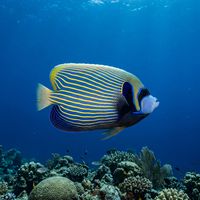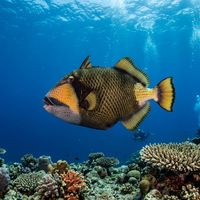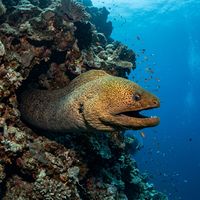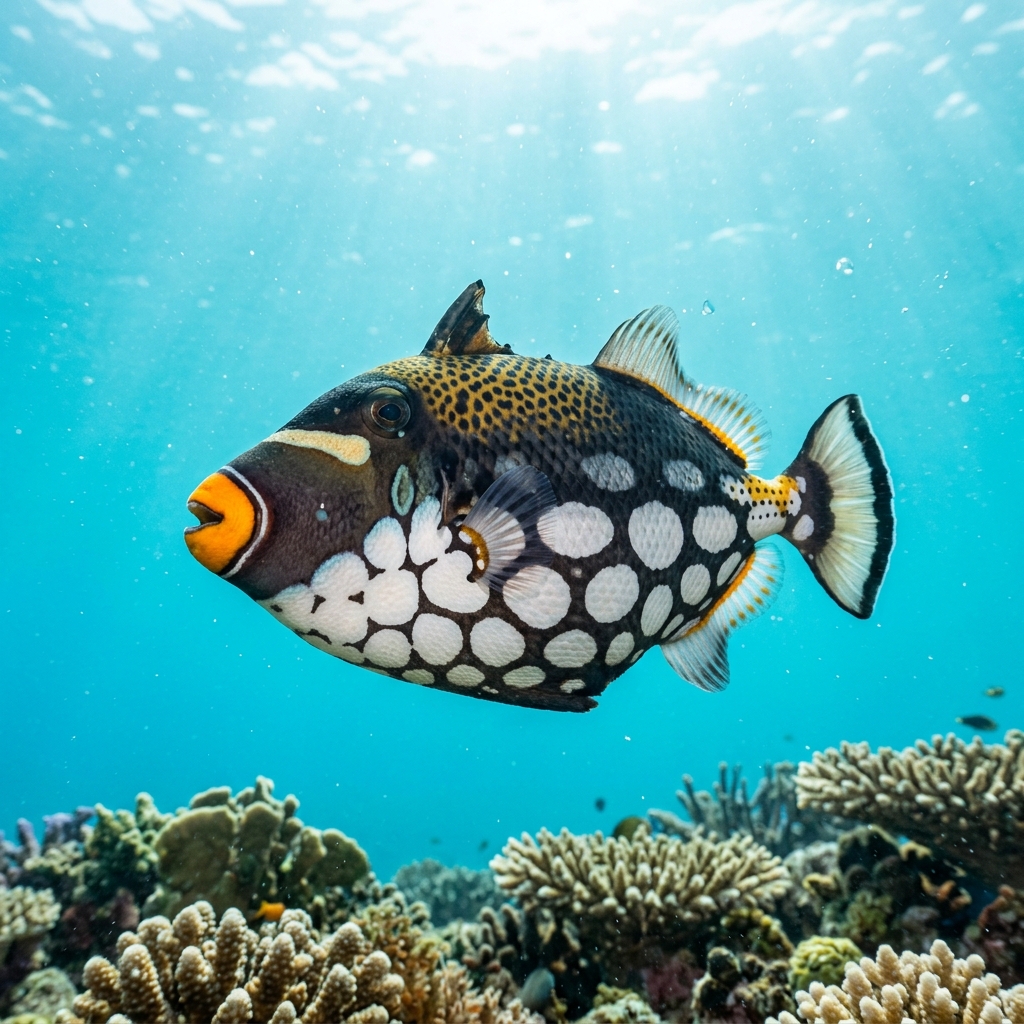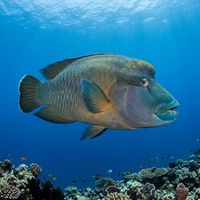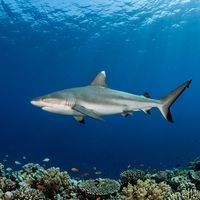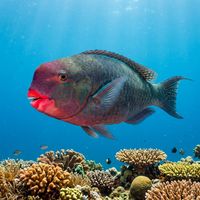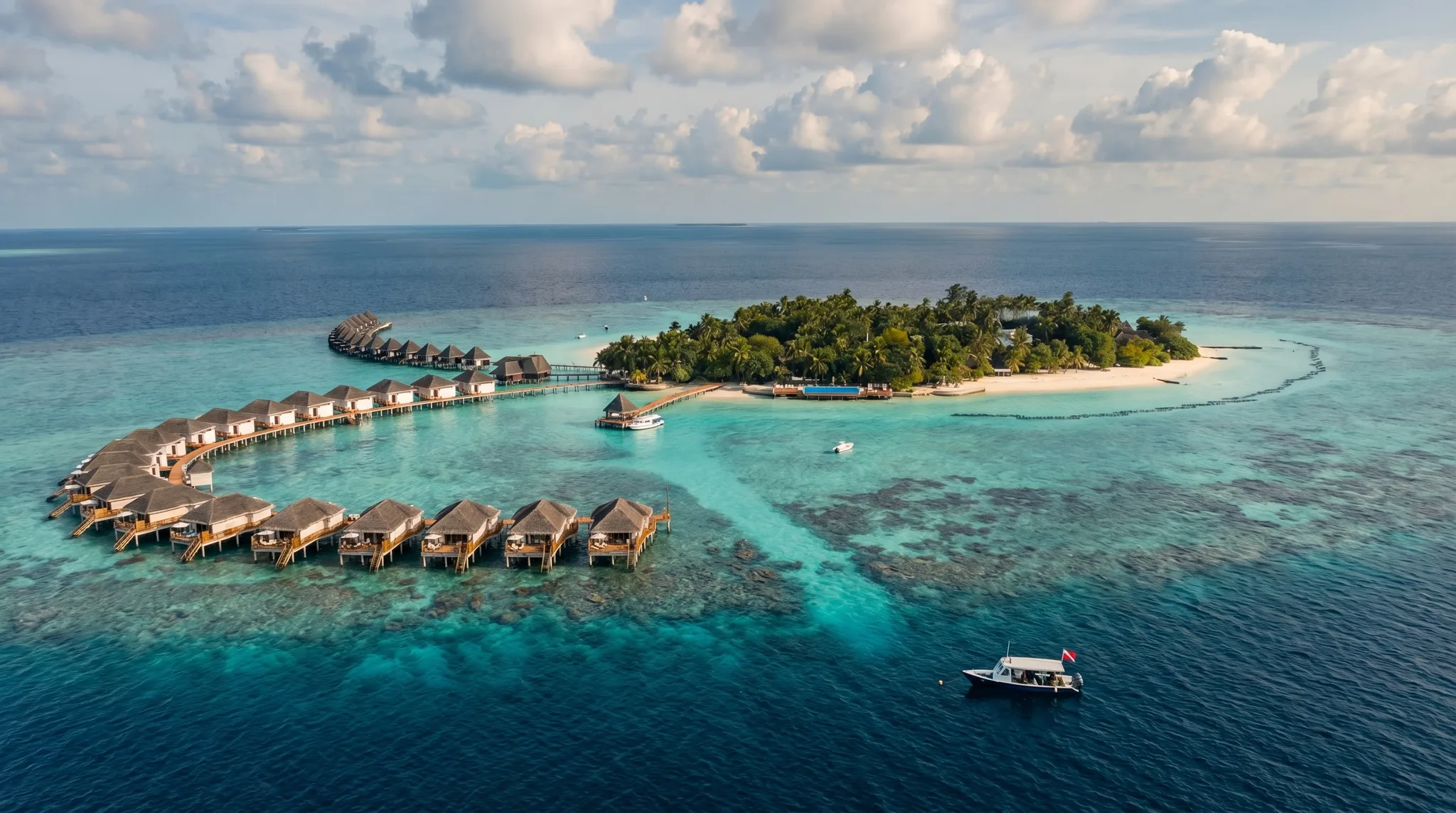
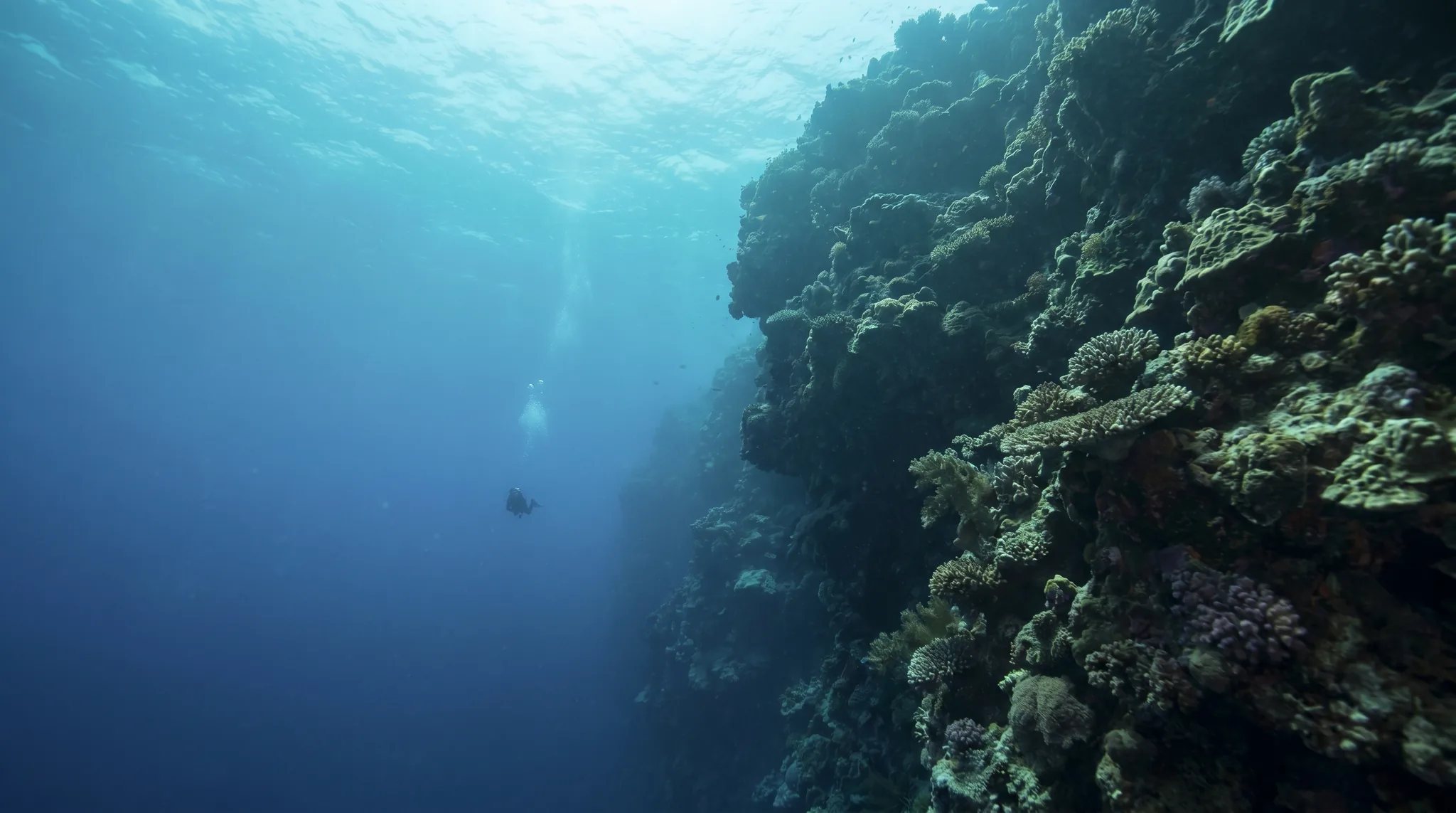
The Maldives is built on atolls, and that structure defines everything underwater. Submerged pinnacles called thilas rise through the water column, reef walls drop away into blue water, and drift dives carry you past dense coral on the current. The Central Atolls hold the greatest concentration of sites, with the Northern and Southern Atolls offering quieter alternatives. Across all areas, boat access is the norm. Marine life leans heavily toward reef species: the Giant Moray, Titan Triggerfish, Moorish Idol, and Redlip Parrotfish are encountered constantly, while the Grey Reef Shark and Whitetip Reef Shark patrol regularly. Occasional but significant encounters with Whale Shark and Reef Manta Ray are observation-backed across a broad sweep of sites. Conditions range from gentle beginner reefs to current-swept advanced walls, so the region works for a wide spread of experience levels.
3 areas
 553
553Nine atolls of thilas, walls and drift dives with Whale Shark, Spotted Eagle Ray and Napoleon Wrasse among the highlights.
 207
207Drift-driven pinnacle diving across seven atolls, with observed Whale Shark, Reef Manta Ray and Tiger Shark encounters throughout.
93Remote atolls where drift dives along outer walls and thilas bring Tiger Shark, Whale Shark, and Reef Manta Ray face to face with divers.
Monthly water temperature across Maldives's sites, from satellite sea-surface data corrected for depth. The band shows the site-to-site spread.
Water temperature stays warm and remarkably consistent through the year, with only a slight peak in the warmer months of April and May. The best-months data points to a clear high season running from December through April, when conditions across the atolls tend to be calmer and visibility at its most reliable. The southwest monsoon from around May onward brings choppier surface conditions and can reduce visibility at some exposed sites, though diving continues year-round.
340 operators

Water around Maldives stays near 30°C all year, based on satellite sea-temperature data for its dive sites.
With water around 29–30°C, a rash guard or 3mm shorty works in Maldives year-round.
Fin maps 853 sites in Maldives (841 scuba diving sites and 148 snorkelling spots, with some suited to both), organised into 3 areas.
Across Maldives's dive sites, January, February, March, April, May and December are most often reported as the best months to visit.
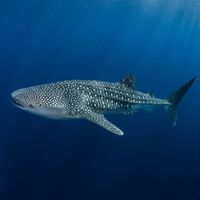
The Maldives has observation-backed records for some truly notable species. Grey Reef Shark and Whitetip Reef Shark are common across a wide range of sites, and Spotted Eagle Ray sightings are well documented. Whale Shark and Reef Manta Ray appear occasionally but across a broad spread of locations, making encounters realistic over a multi-day trip. Napoleon Wrasse is also occasionally recorded.
Not at all. Many of the top sites, including Mas Giri, Miyaru Gaa, Lunbo Giri, and Joy Corner, are rated beginner-friendly. Intermediate options like Deep Thila, Sara Thila, and Fenfushi Giri add variety as skills grow. Sites such as Shark's Tongue and Kandooma Thila carry stronger currents and are best left to experienced divers, but the overall site mix caters well to divers at all levels.
The Central Atolls hold by far the largest number of sites and encompass some of the most-visited locations in the region. The Northern Atolls offer a substantial alternative with a meaningful site count, often with fewer divers. The Southern Atolls have the smallest selection of sites but operators such as Blue Journeys at Park Hyatt Maldives Hadahaa and Canareef Resort Maldives serve that area. Choosing between them often comes down to the style of trip and which atoll your liveaboard or resort is based in.
Across the top sites listed for the Maldives, boat access is the consistent entry method. The atoll geography means most reefs and thilas sit away from any shore, and operators run scheduled boat trips to reach them. If shore diving is important to you, it is worth confirming availability directly with your chosen operator before booking.