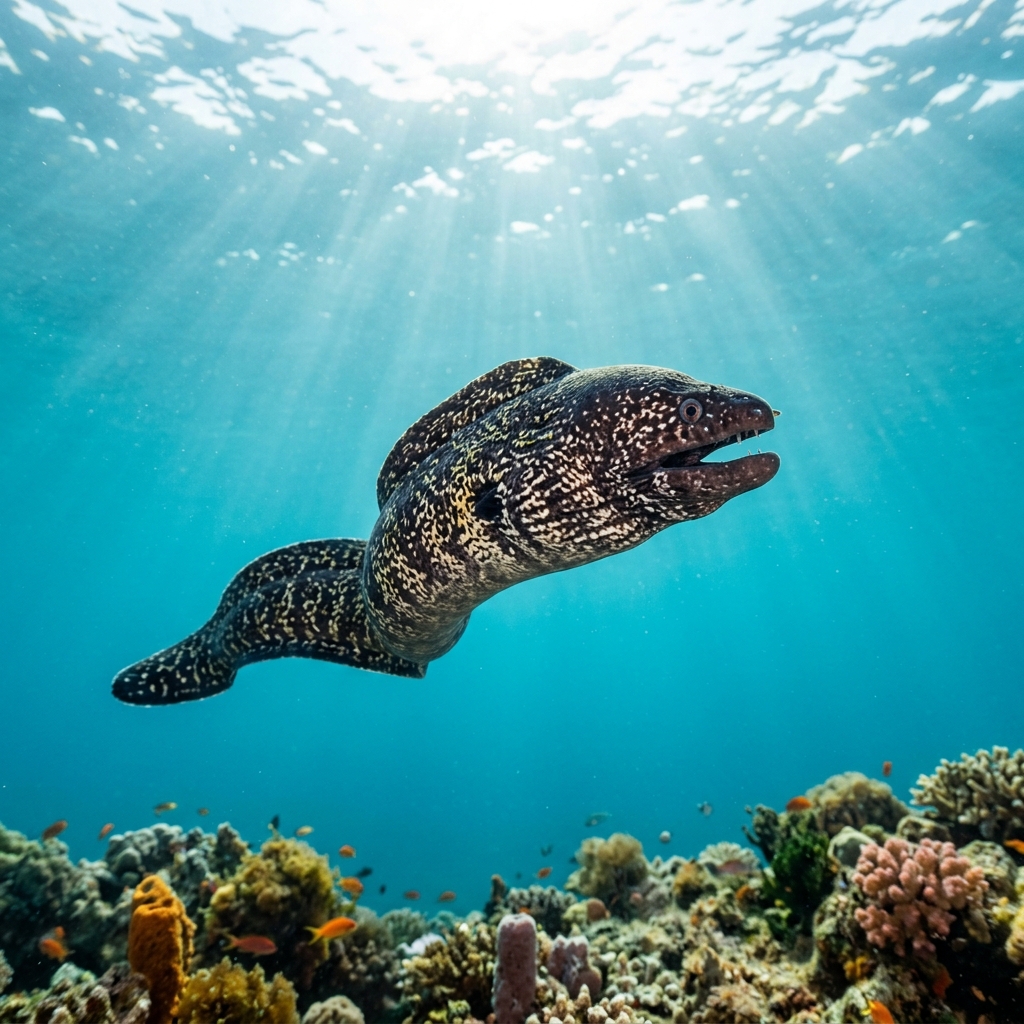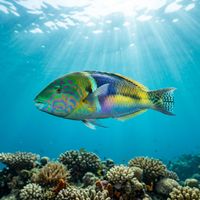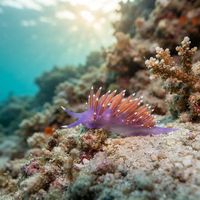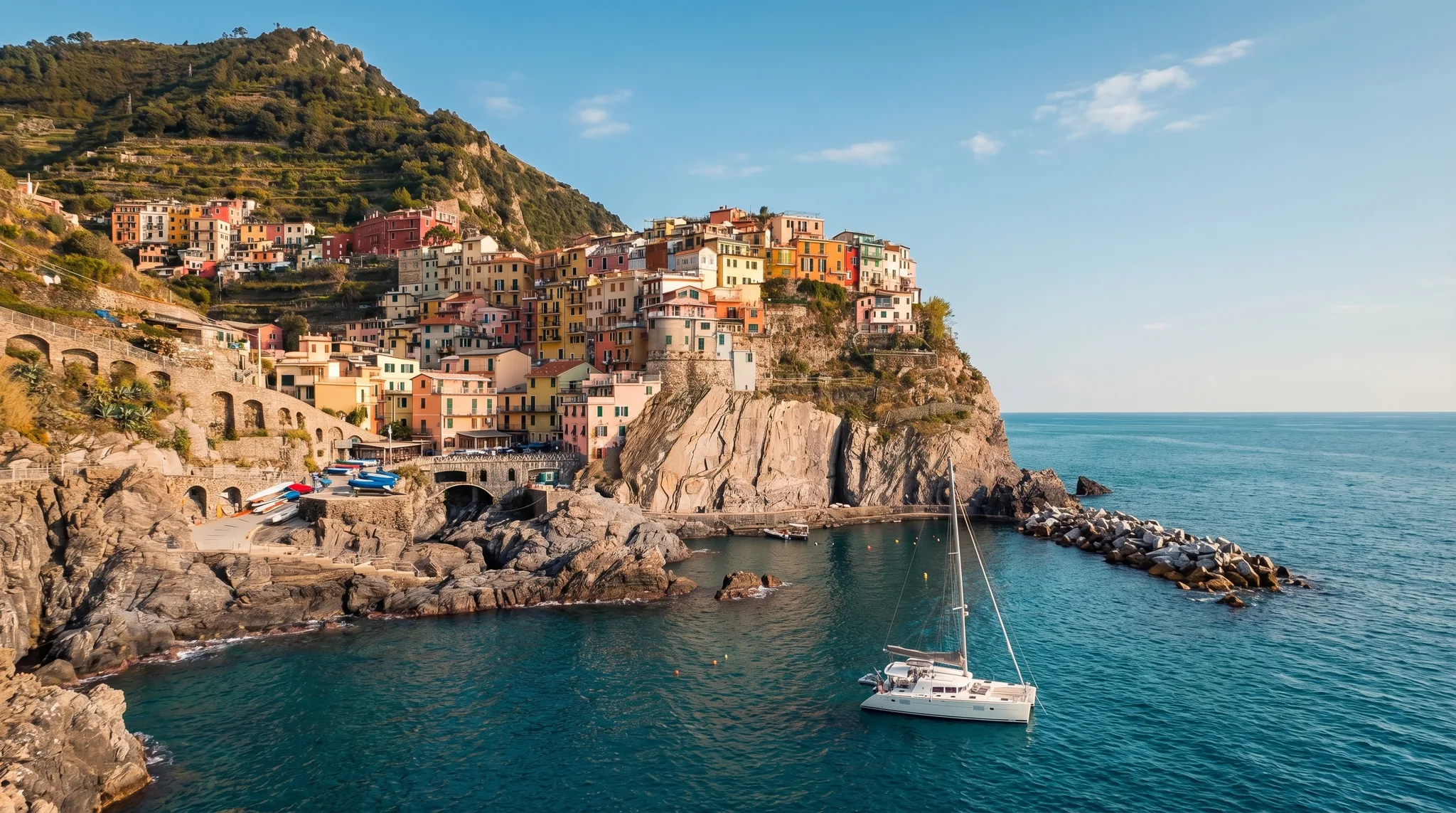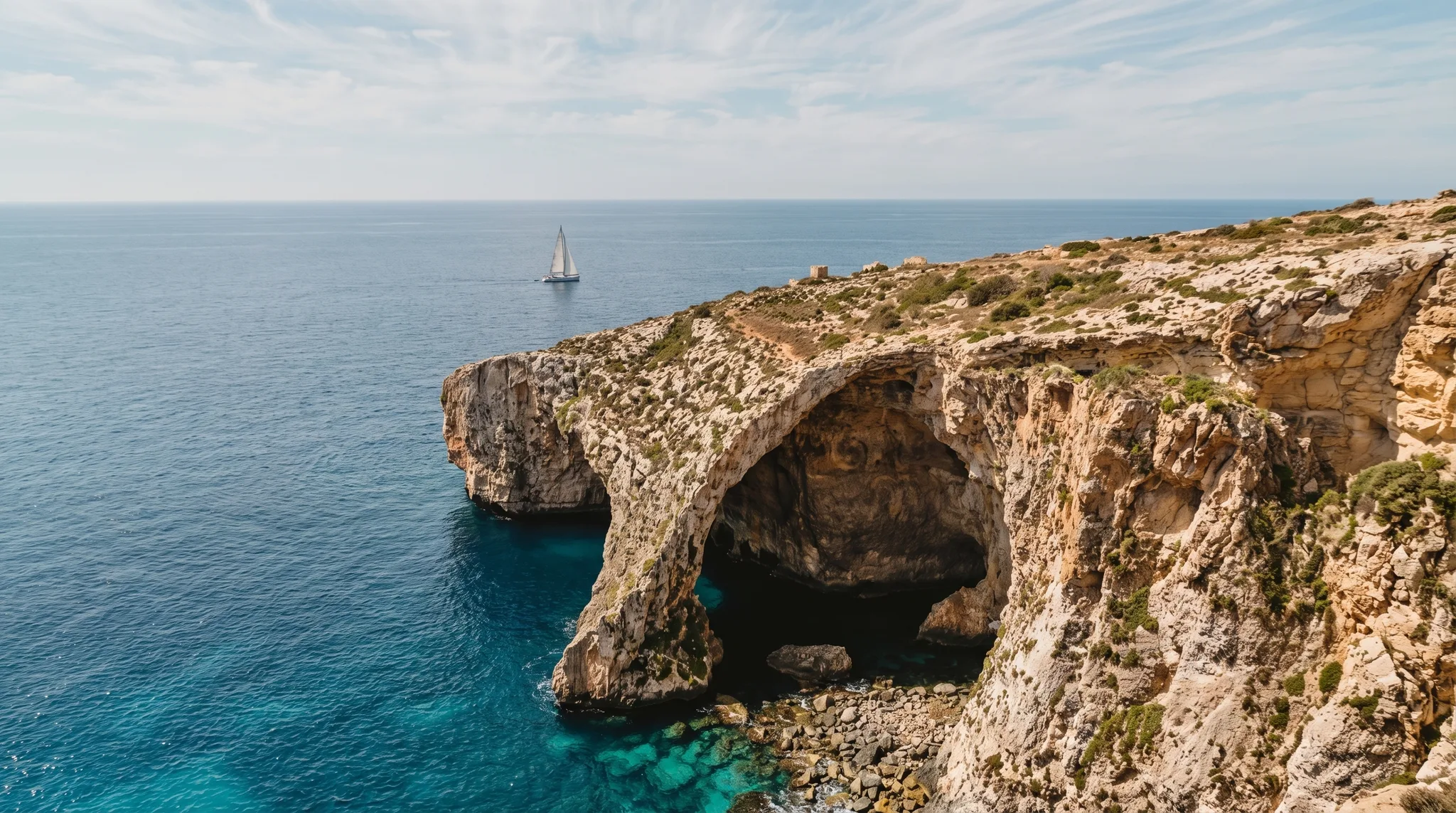
Malta offers one of the most varied dive landscapes in the Mediterranean, spread across three distinct sub-areas: Malta itself, Gozo, and Comino. The site mix runs from shallow beginner reefs and accessible shore entries to technically demanding deep wrecks, with caves, walls, tunnels, pinnacles and drop-offs all well represented. Gozo concentrates much of the dramatic wall and cave diving, with sites like Reqqa Point and the Inland Sea tunnel, while the main island holds a strong collection of wrecks including the Destroyer Maori and the X127 Lighter. Comino adds a smaller but focused cluster of sites. Marine life is characterised by very frequent sightings of Common Octopus, Mediterranean Moray, European Common Cuttlefish and European Parrotfish, alongside the distinctive Flying Gurnard. Conditions vary meaningfully through the year, rewarding those who time their visit carefully.
3 areas
 61
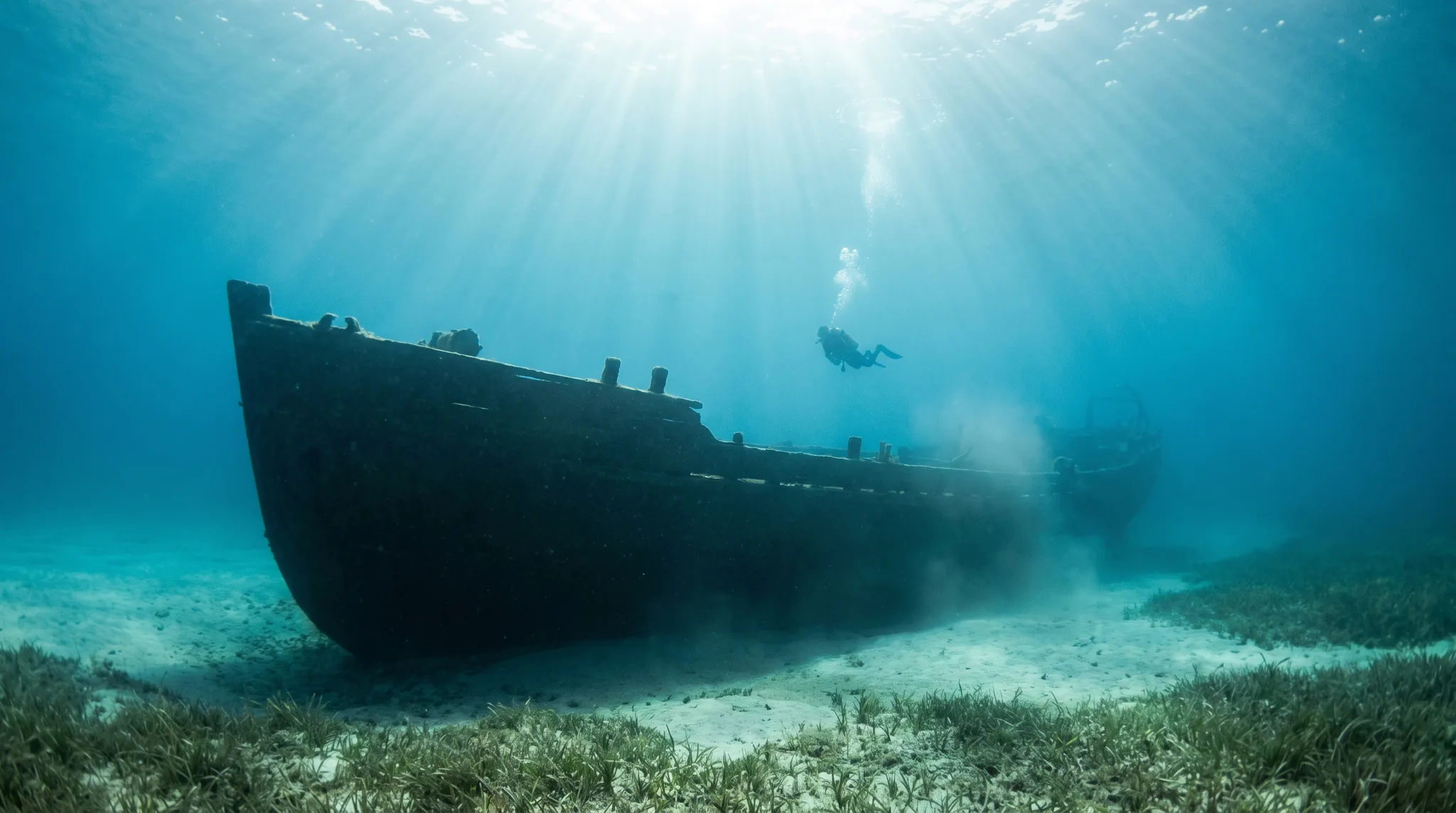
61A wreck-rich destination with reef, cave and cavern diving spread across six sub-areas, suiting everyone from beginners to technical divers.
 43
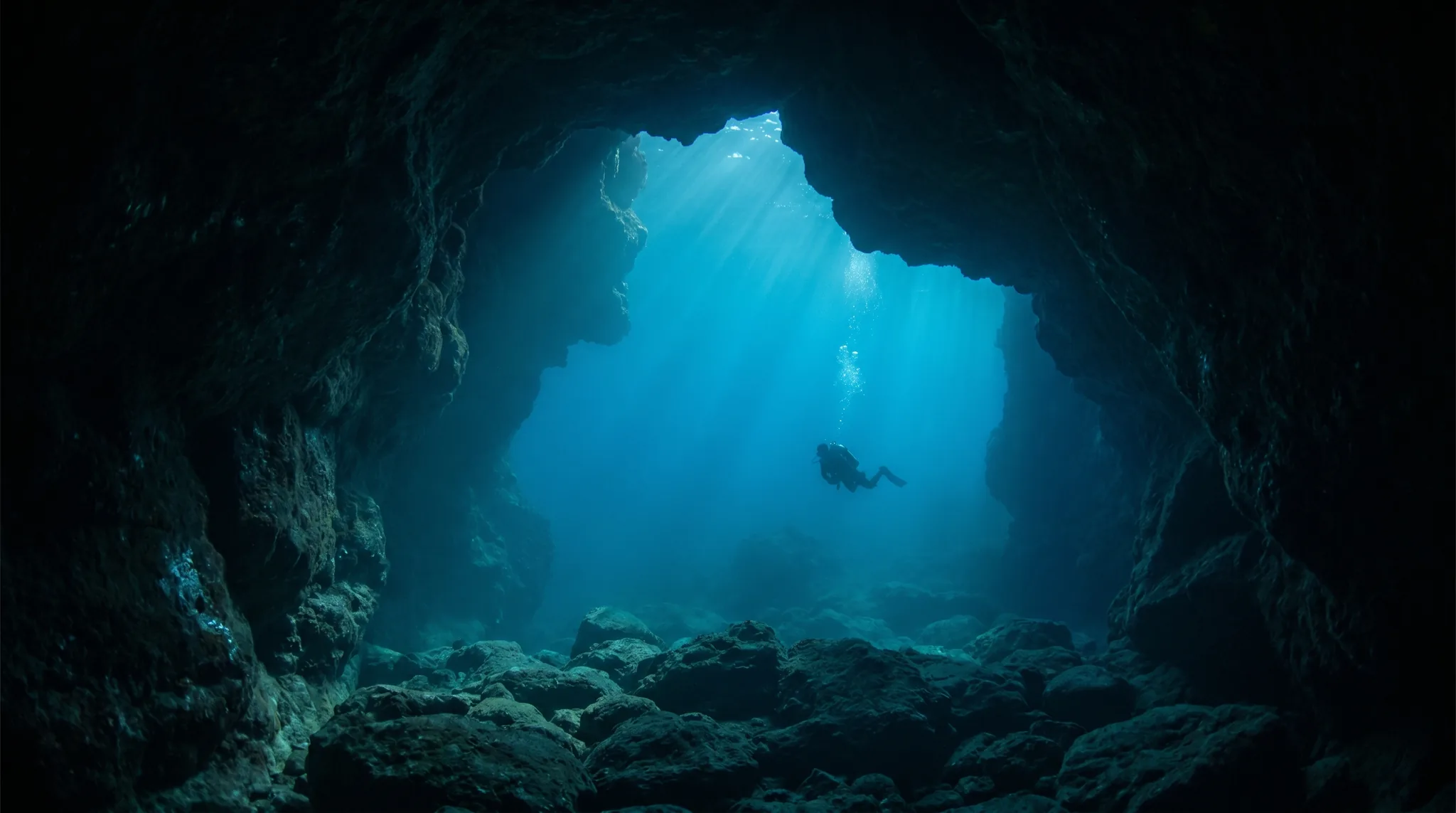
43Walls, tunnels, arches and three scuttled wrecks make Gozo one of Malta's most varied shore-diving destinations.
11A compact island with cave systems, a shallow accessible wreck, and a shore-entry lagoon for snorkellers.
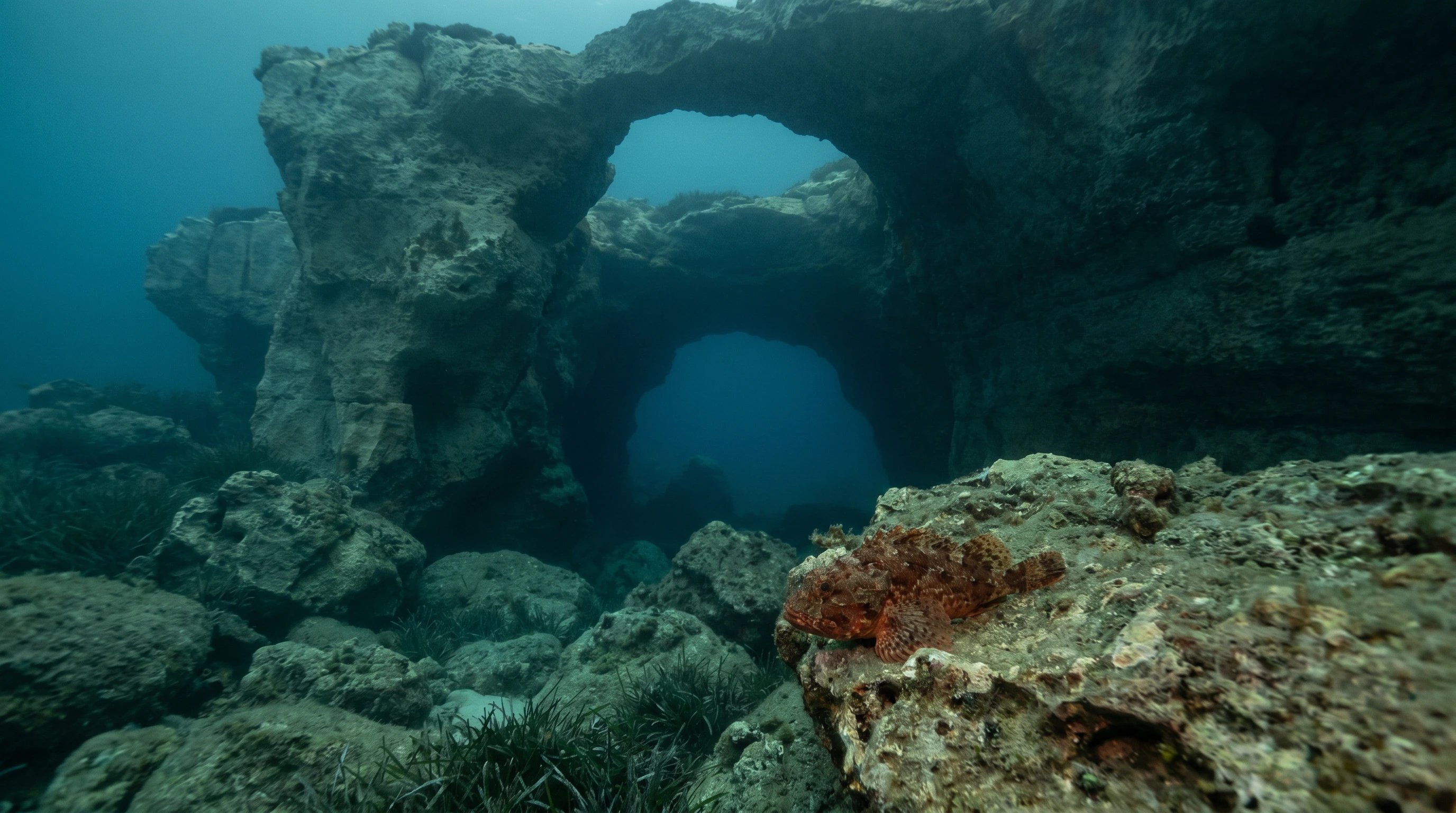
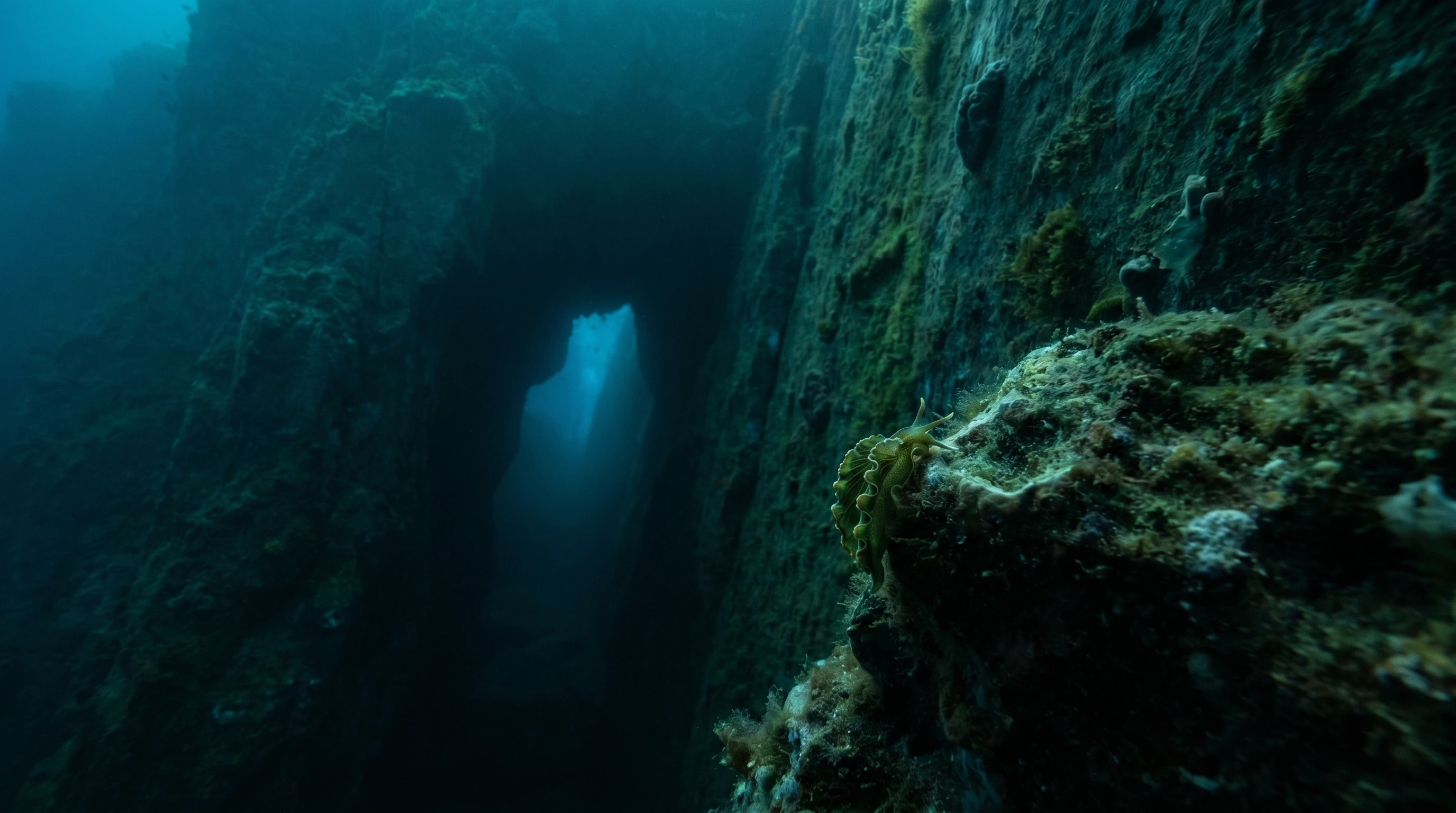
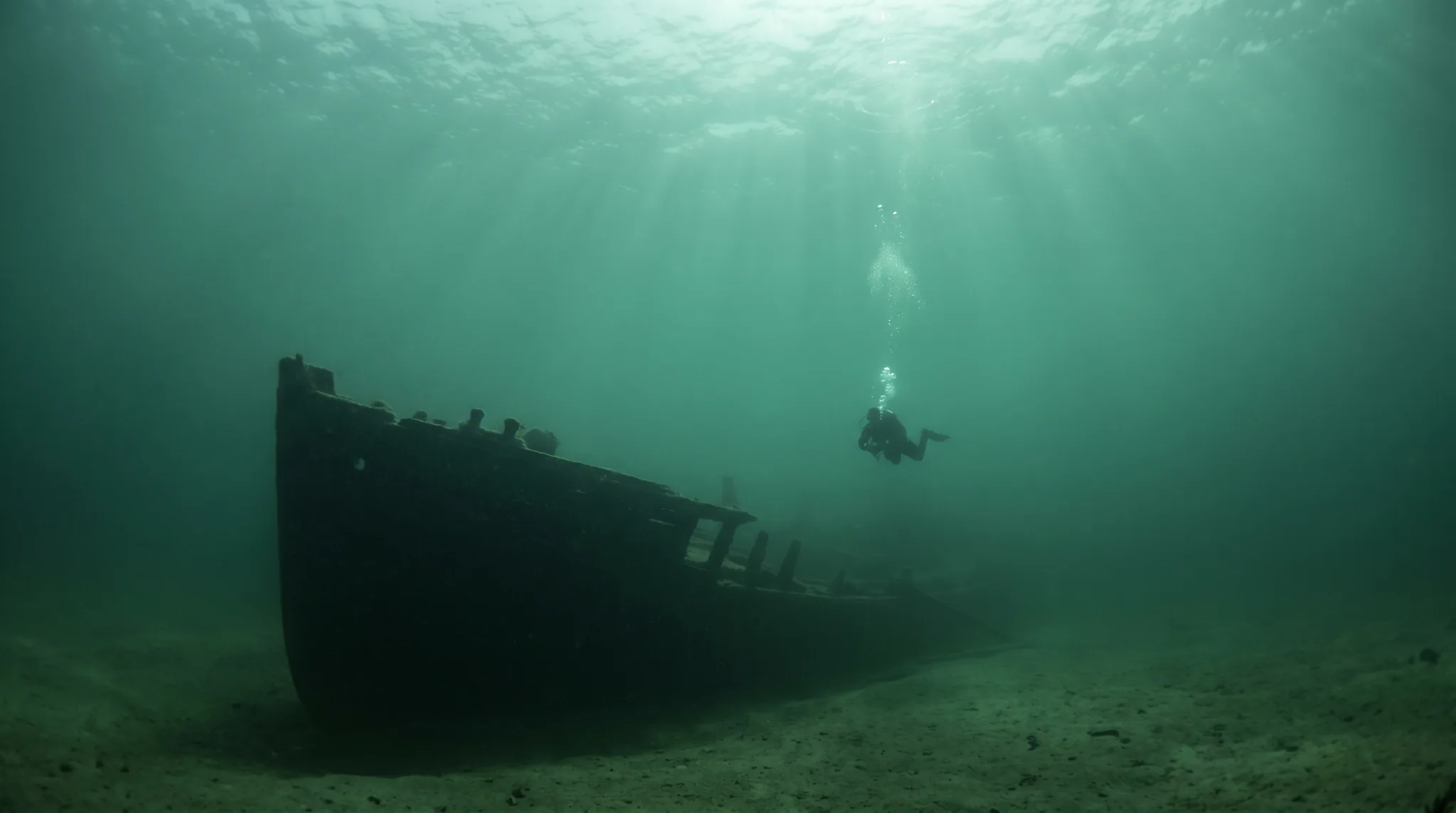
Monthly water temperature across Malta's sites, from satellite sea-surface data corrected for depth. The band shows the site-to-site spread.
Water temperature climbs steadily from its coolest point in spring through to a warm autumn peak, with October and September offering the most comfortable conditions for extended dives. The best-months data shows a clear concentration of activity from late spring through to October, when visibility across exposed walls and deep wrecks tends to be at its most rewarding. Winter diving remains possible but suits those comfortable with cooler water and the reduced activity of the quieter months.
83 operators


Water temperature around Malta ranges from about 15°C in April to 23°C in September, based on satellite sea-temperature data for its dive sites.
In the warm season (about 23°C) a 3mm full suit is comfortable in Malta; in the coldest months (about 15°C) step up to a 7mm or semi-dry suit.
Fin maps 115 sites in Malta (114 scuba diving sites and 18 snorkelling spots, with some suited to both), organised into 3 areas.
Across Malta's dive sites, May, June, July, August, September and October are most often reported as the best months to visit.
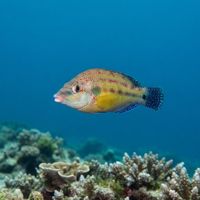
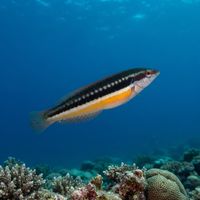
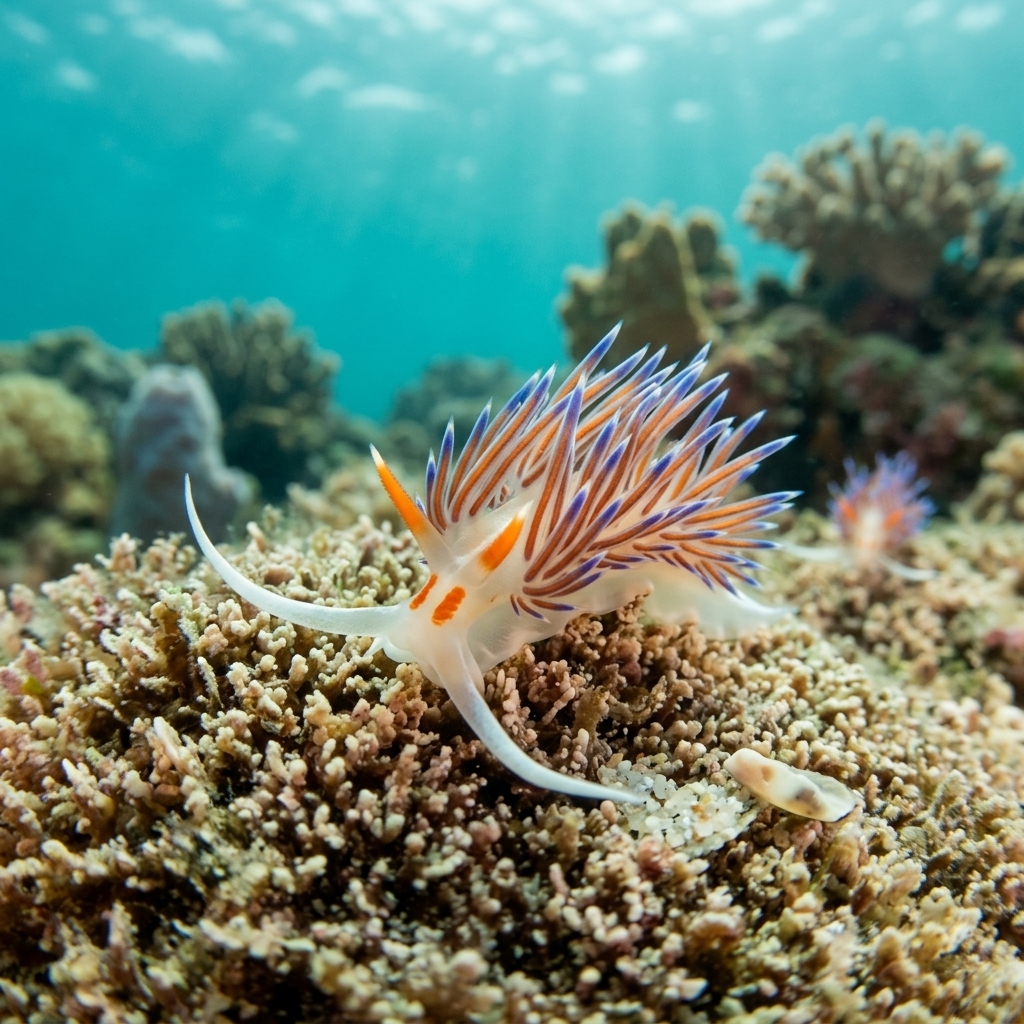
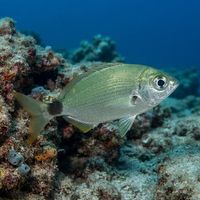
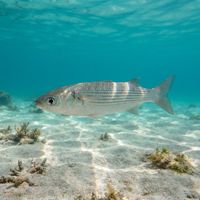
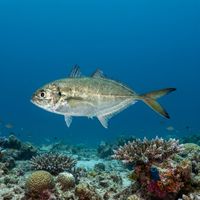
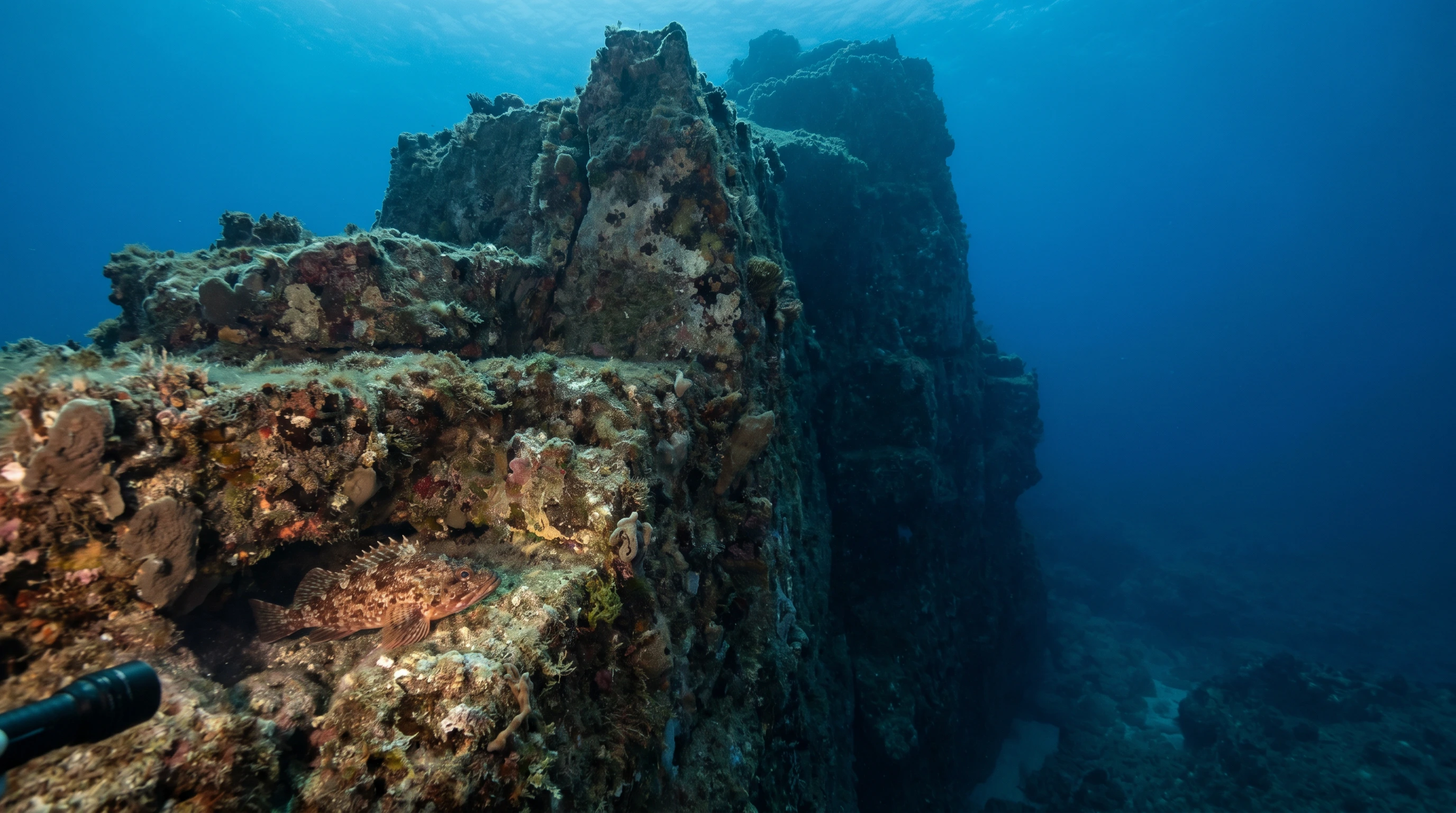
Observation-backed sightings across Malta's sites include Common Octopus, Mediterranean Moray, European Common Cuttlefish and Flying Gurnard as signature species. European Parrotfish, Painted Comber, Turkish Wrasse and Castagnole are also recorded as very common. Nudibranch enthusiasts will find Cratena Slug, Mediterranean Violet Aeolid and Splendid Elysia logged at a large proportion of sites. Scorpionfish and Fireworm appear regularly, so good buoyancy and careful observation are worthwhile habits.
Malta caters well to the full range of skill levels. Beginner-rated shore dives such as Xlendi Tunnel and Reef and the Destroyer Maori offer accessible entries and manageable depths. Intermediate and advanced divers have a strong choice of walls, caves and mid-depth wrecks, while technical divers can target deep wrecks like Le Polynesien. The spread across three sub-areas means there is rarely a shortage of sites matched to a given experience level.
The main island of Malta holds the largest number of sites and includes several notable wreck dives accessible from shore, such as the X127 Lighter and Ta Xbiex. Gozo is known for dramatic topography, with deep walls, cavern systems like Billingshurts Cave, and the Inland Sea tunnel drawing advanced and intermediate divers. Comino offers a smaller, more concentrated set of sites that complements time spent on either larger island. Each sub-area has its own operators, so planning a multi-island trip is straightforward.