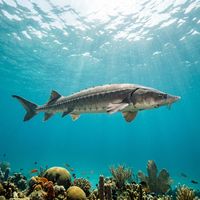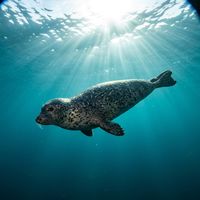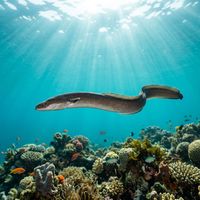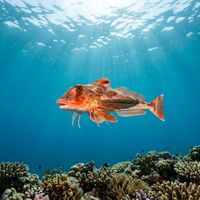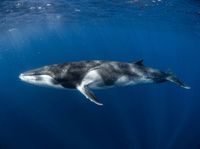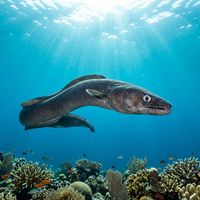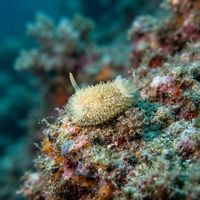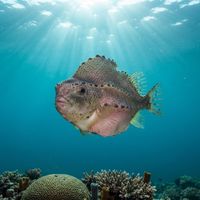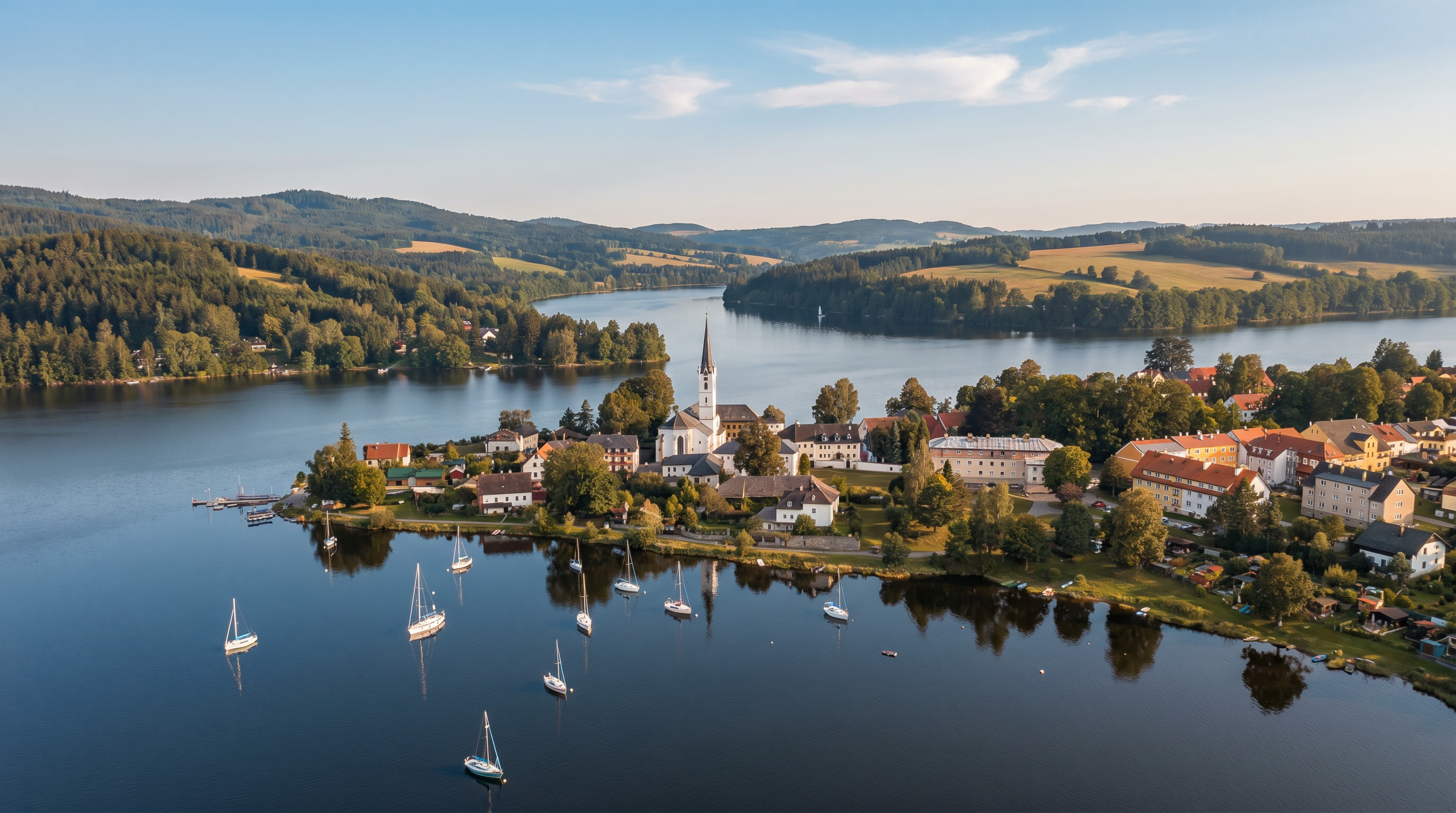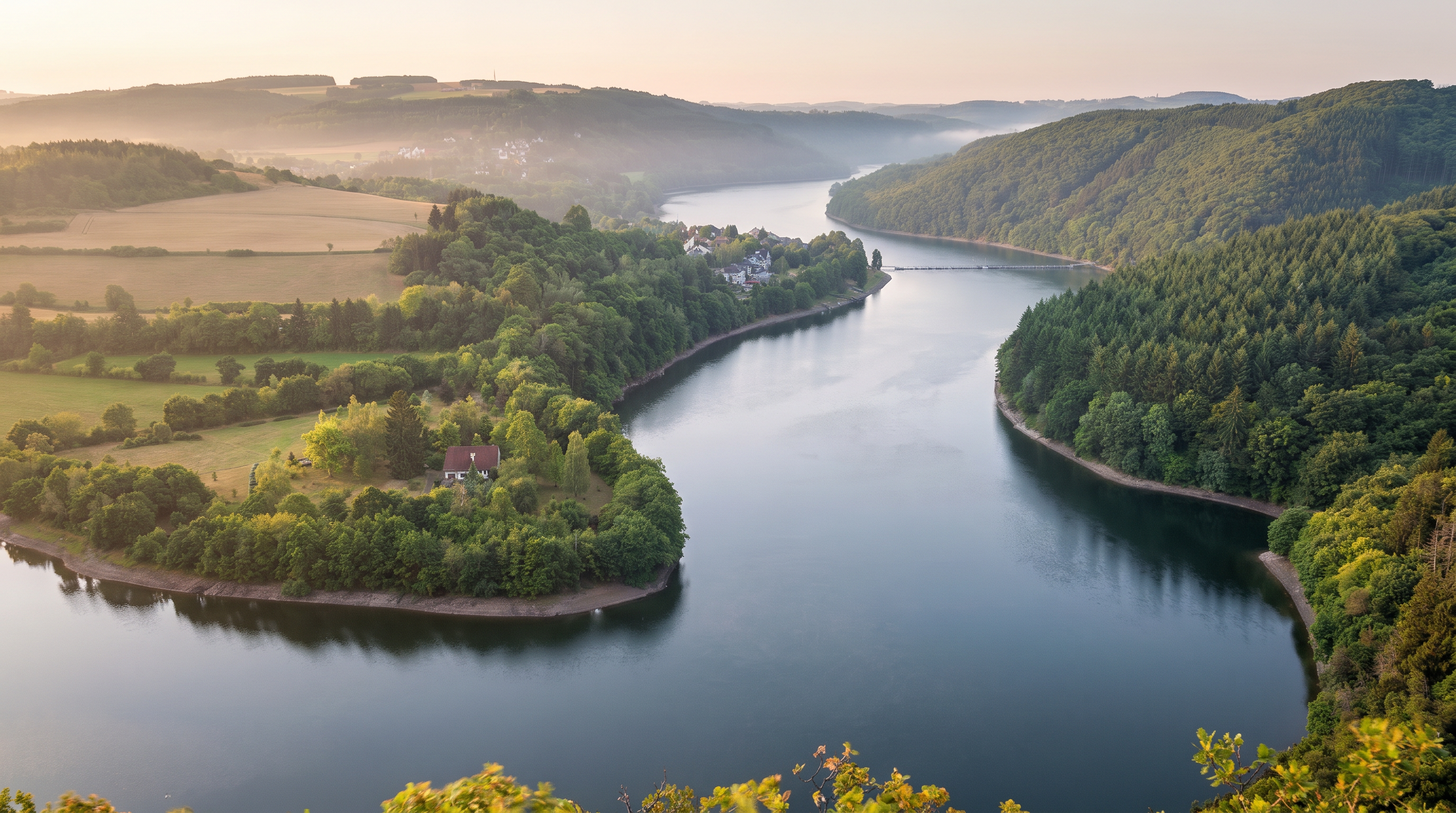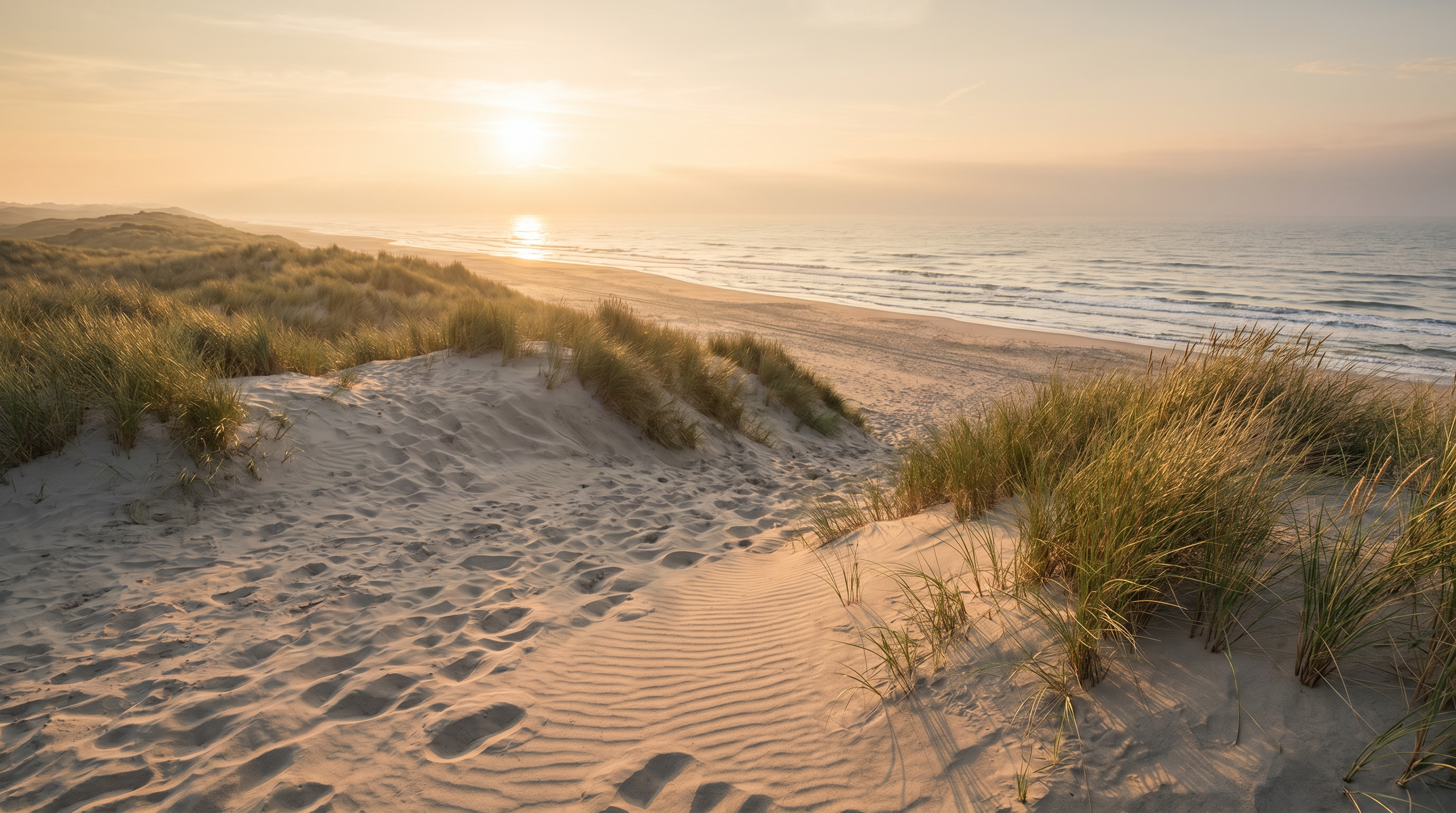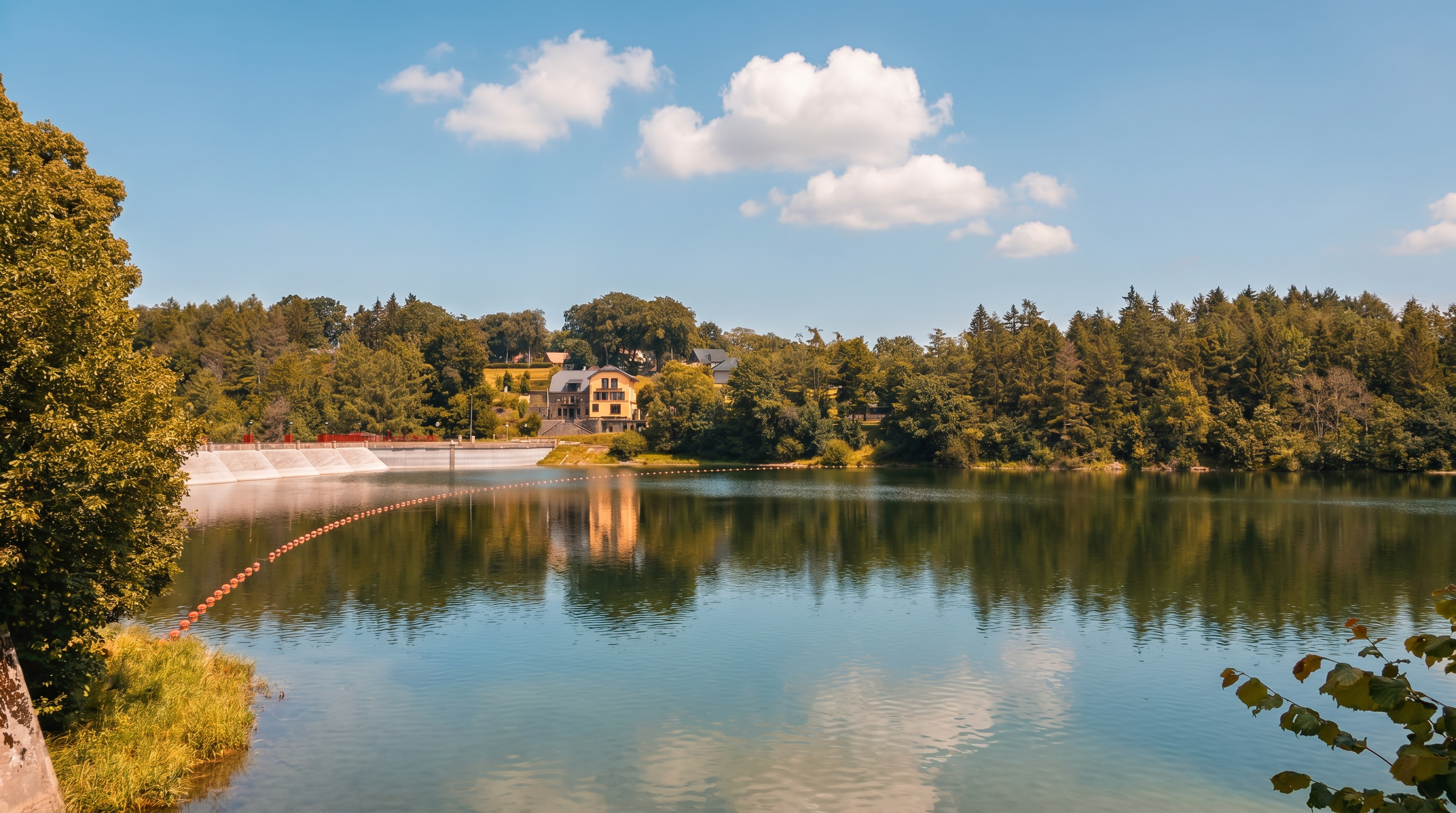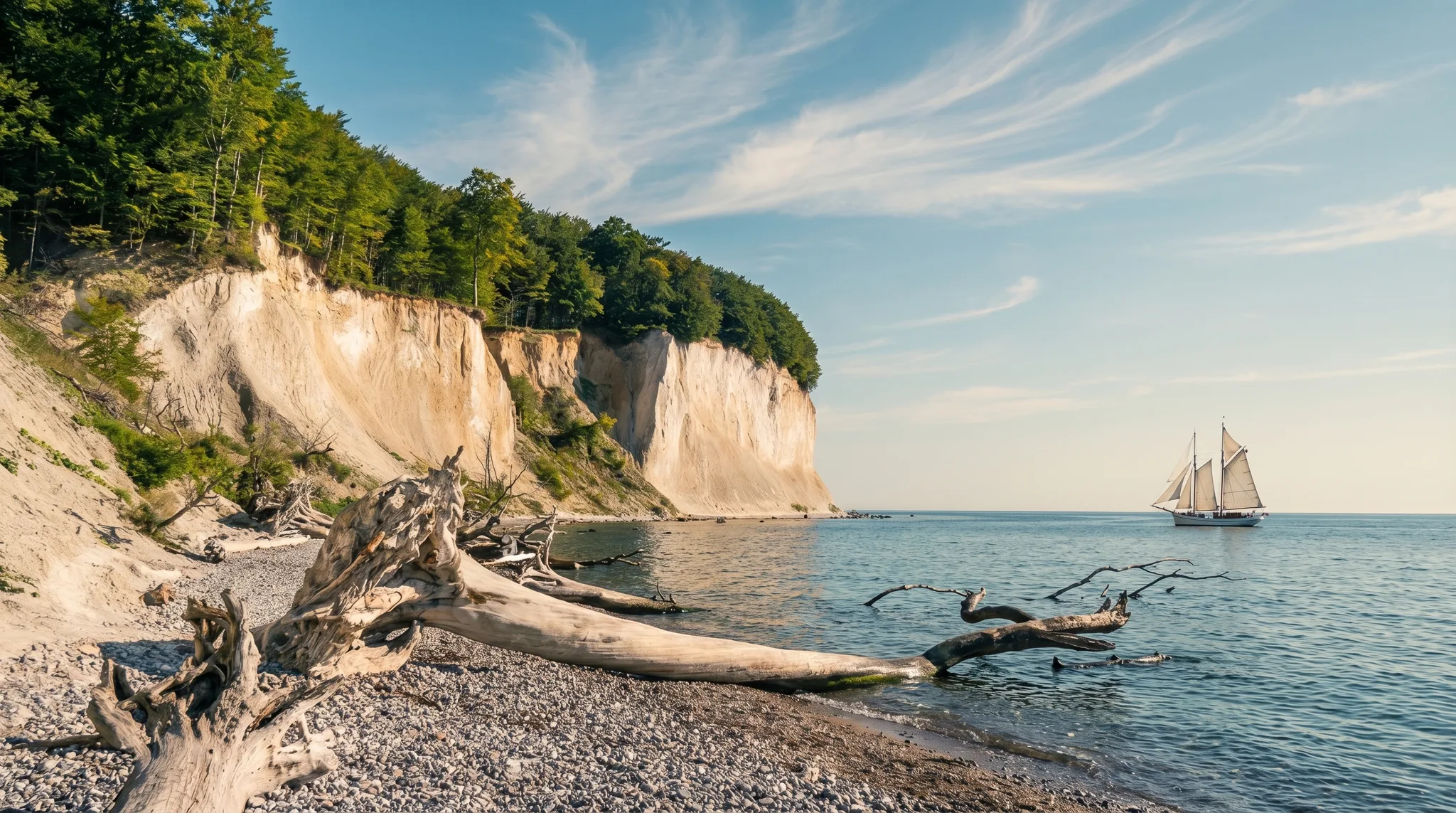
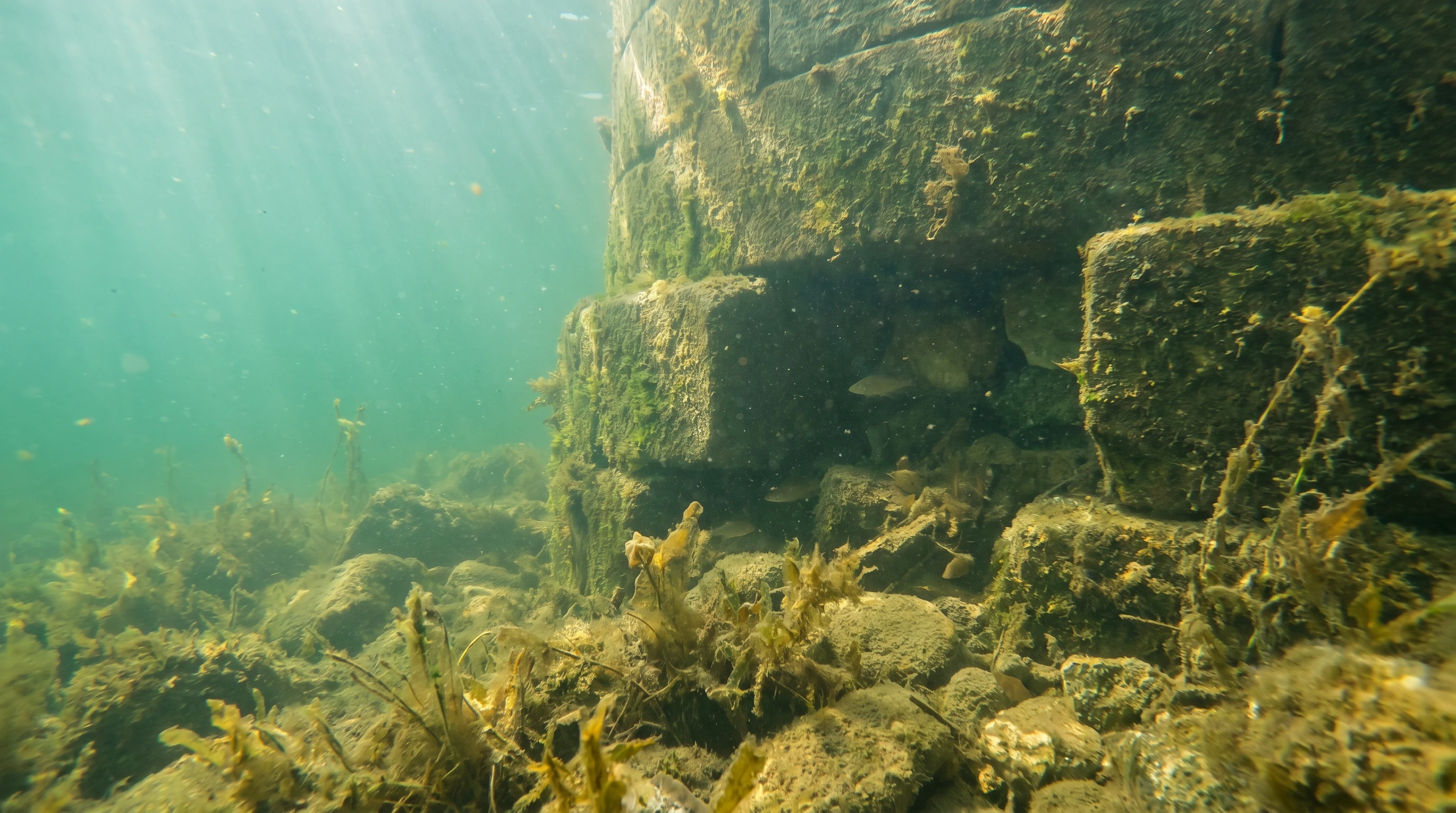
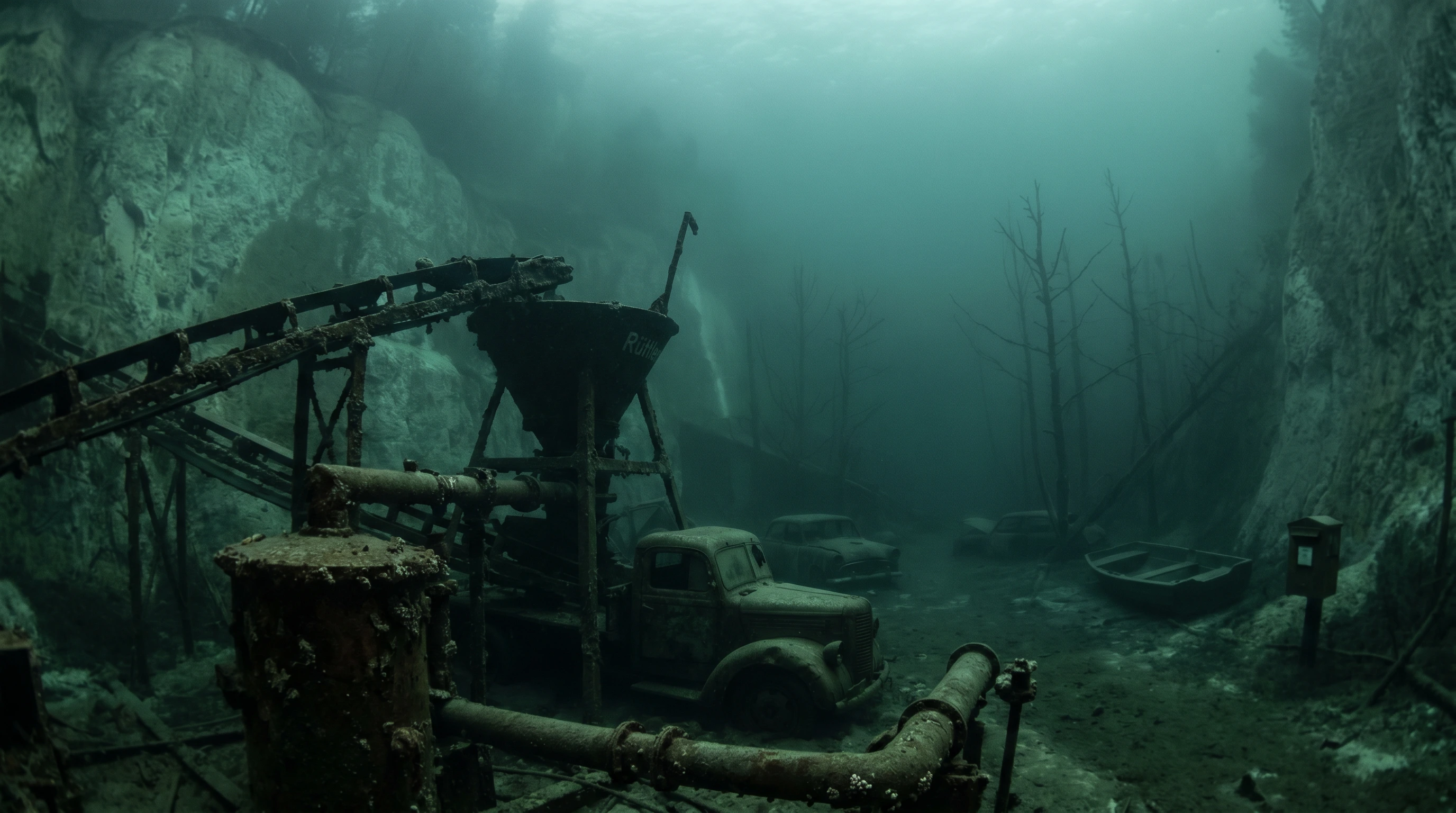
Germany's diving scene is defined almost entirely by inland freshwater: flooded quarries, former opencast mines, river drift sites, submerged mine workings and alpine lakes spread across regions from Bavaria and Baden-Württemberg in the south to Schleswig-Holstein and Mecklenburg-Vorpommern in the north. Artificial reef structures appear at many sites, giving divers navigational features and resident fauna where natural relief is limited. The northern coastal regions introduce saltwater conditions alongside the inland offer, bringing the Harbor Seal, Cod, Righteye Flounder, Common Sea Star and Plumose Anemone into the mix. Inland, the European Eel is a common encounter. Depth ranges vary from very shallow training pools to demanding walls and flooded pits suited to advanced divers. Bavaria and Baden-Württemberg hold the greatest concentration of sites, while Thuringia and Saxony add a strong inland quarry tradition.
10 areas
 111
111Freshwater diving across Bavarian mountain lakes, with wrecks, walls, and Pike sharing the water with European Eel and Sturgeon.
 107
107Freshwater diving across Bodensee lakes, quarry ponds, and river drift sites, with Pike, Common Perch, and occasional Sturgeon sightings.
 90
90Drift dives, wrecks and reef sites around Fehmarn, with Harbor Seal encounters and a rich cold-water community.
 74
74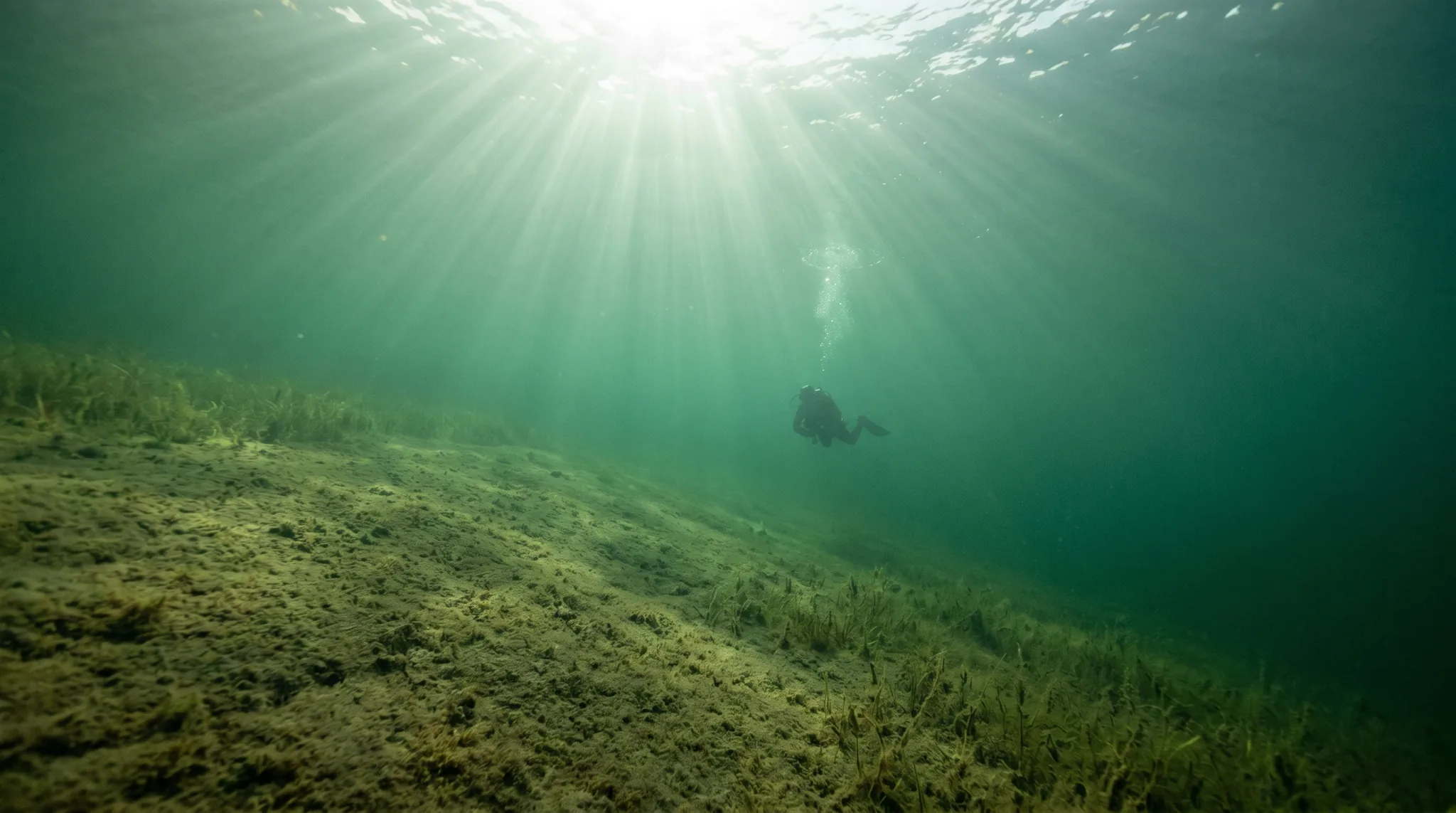
Monthly water temperature across Germany's sites, from satellite sea-surface data corrected for depth. The band shows the site-to-site spread.
Water temperatures follow a clear seasonal curve, rising from near-freezing in late winter to warm summer peaks, making the months from late spring through early autumn the most comfortable for extended dives. The peak popularity window reflects this pattern, with activity concentrated from May through September. Outside those months, cold-water exposure increases substantially, and a drysuit becomes the sensible choice for most sites.
589 operators
Shore-entry freshwater diving across lake parks and former quarry pits, with artificial reefs, wrecks and resident Pike Perch throughout the region.
Water temperature around Germany ranges from about 4°C in February to 19°C in August, based on satellite sea-temperature data for its dive sites.
In the warm season (about 19°C) a 5mm suit is comfortable in Germany; in the coldest months (about 4°C) step up to a drysuit.
Fin maps 706 sites in Germany (692 scuba diving sites and 64 snorkelling spots, with some suited to both), organised into 10 areas.
Across Germany's dive sites, May, June, July, August and September are most often reported as the best months to visit.
The mix depends heavily on where you dive. Inland freshwater sites regularly produce sightings of the European Eel and Freshwater Jellyfish, while northern coastal sites bring encounters with the Harbor Seal, Cod, Righteye Flounder, Plumose Anemone and Common Sea Star. The Conger Eel and Scorpionfish also appear at coastal locations. With well over a hundred recorded species across all sites, the range is broader than many divers expect from a landlocked diving destination.
Germany caters well to beginners. Many of the most popular sites are shallow shore-entry quarry lakes and artificial reef structures specifically used for training and skills practice, including dedicated dive towers and controlled freshwater pools. Advanced divers are well served too, with steep walls, deep flooded pits and river drift sites requiring stronger buoyancy control and current experience. The broad spread across skill levels means divers at any stage can find appropriate sites.
Bavaria and Baden-Württemberg in the south are dominated by alpine lakes with clear water, steep walls and quarry sites, including demanding deep dives. Saxony and Thuringia are known for flooded basalt and granite quarries, some reaching considerable depths. Schleswig-Holstein and Mecklenburg-Vorpommern in the north shift the experience to coastal saltwater, where cold-water species and different topographies replace the inland freshwater character. Brandenburg and North Rhine-Westphalia add river sites, former industrial mines and training facilities.
Shore entry is by far the most common access method across German dive sites. Quarry lakes, alpine lakes and river sites almost all allow divers to enter directly from the bank or a dedicated platform. A smaller number of sites also offer boat access or a combination of both, particularly at larger lakes such as Walchensee where sites like Desselwand sit some distance from shore. Very few sites are boat-only, which keeps logistics simple for travelling divers.