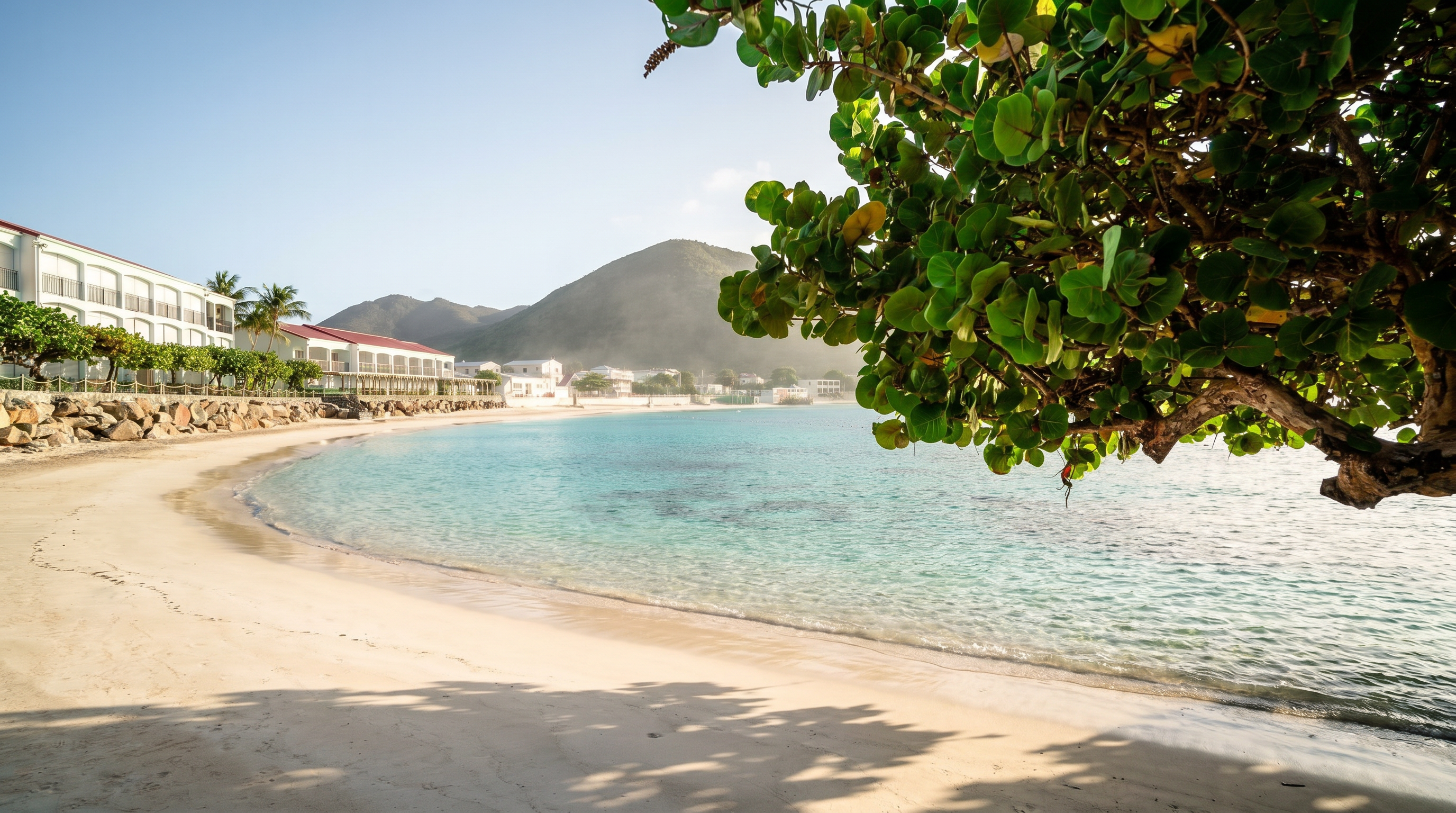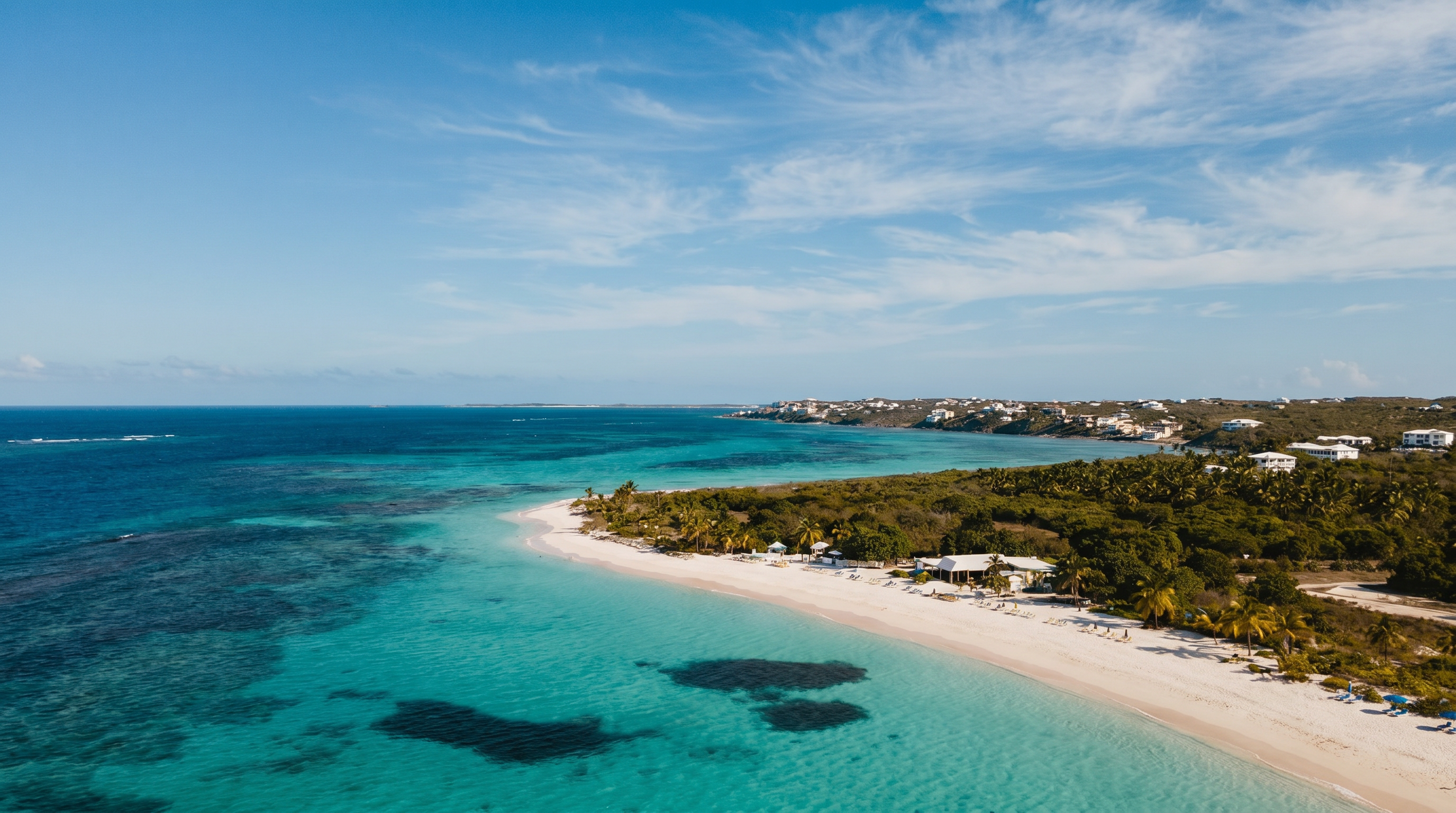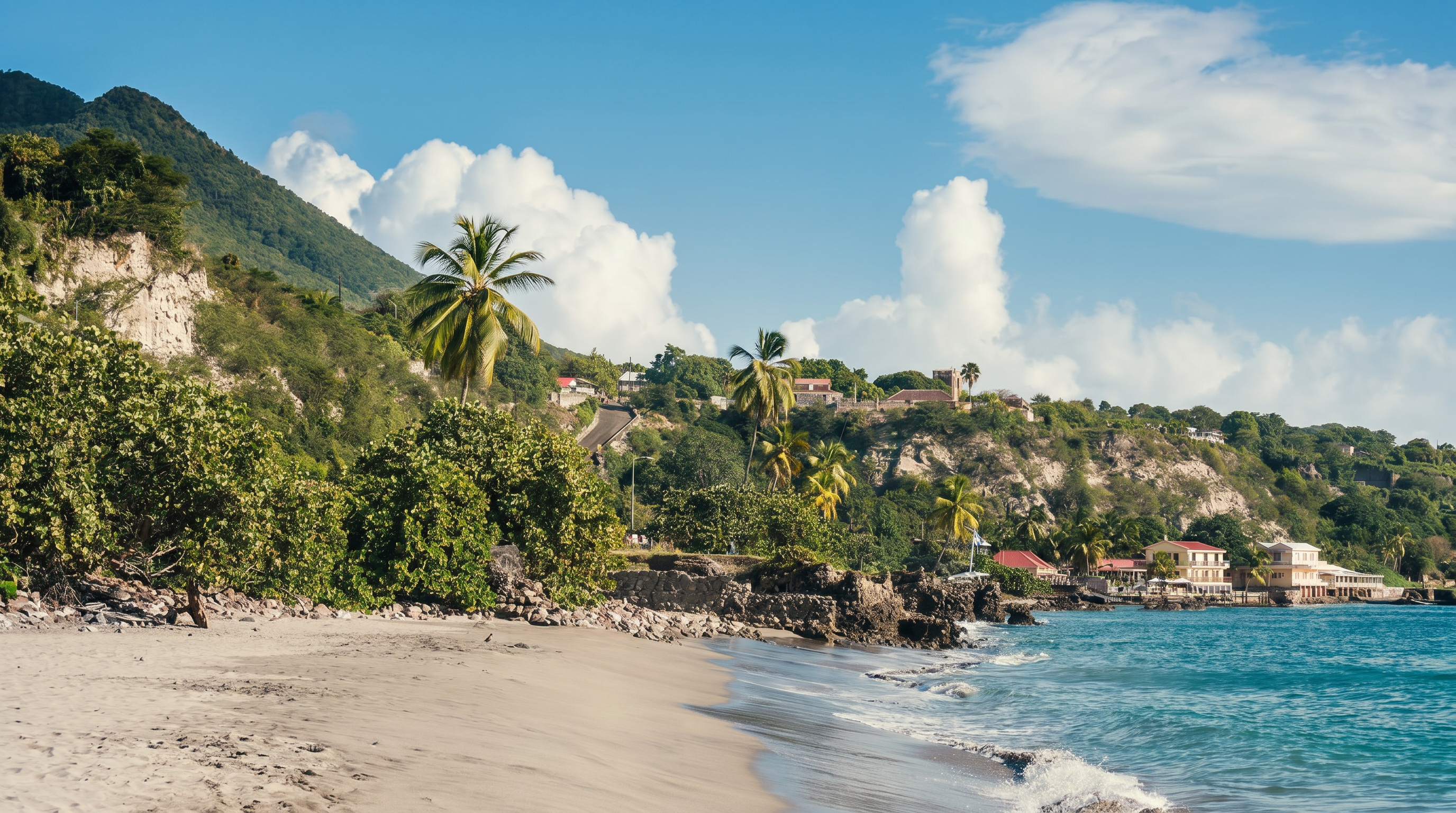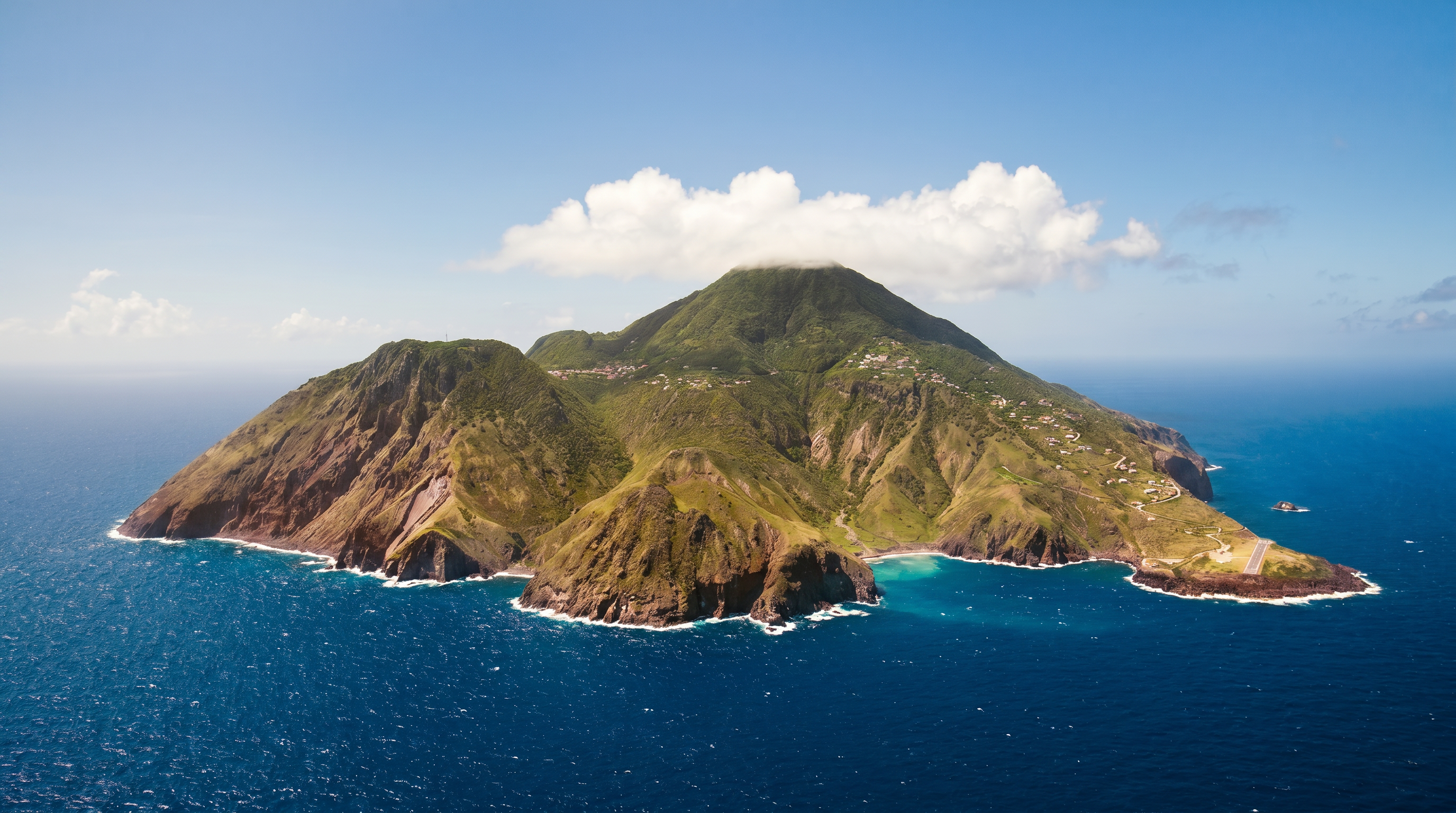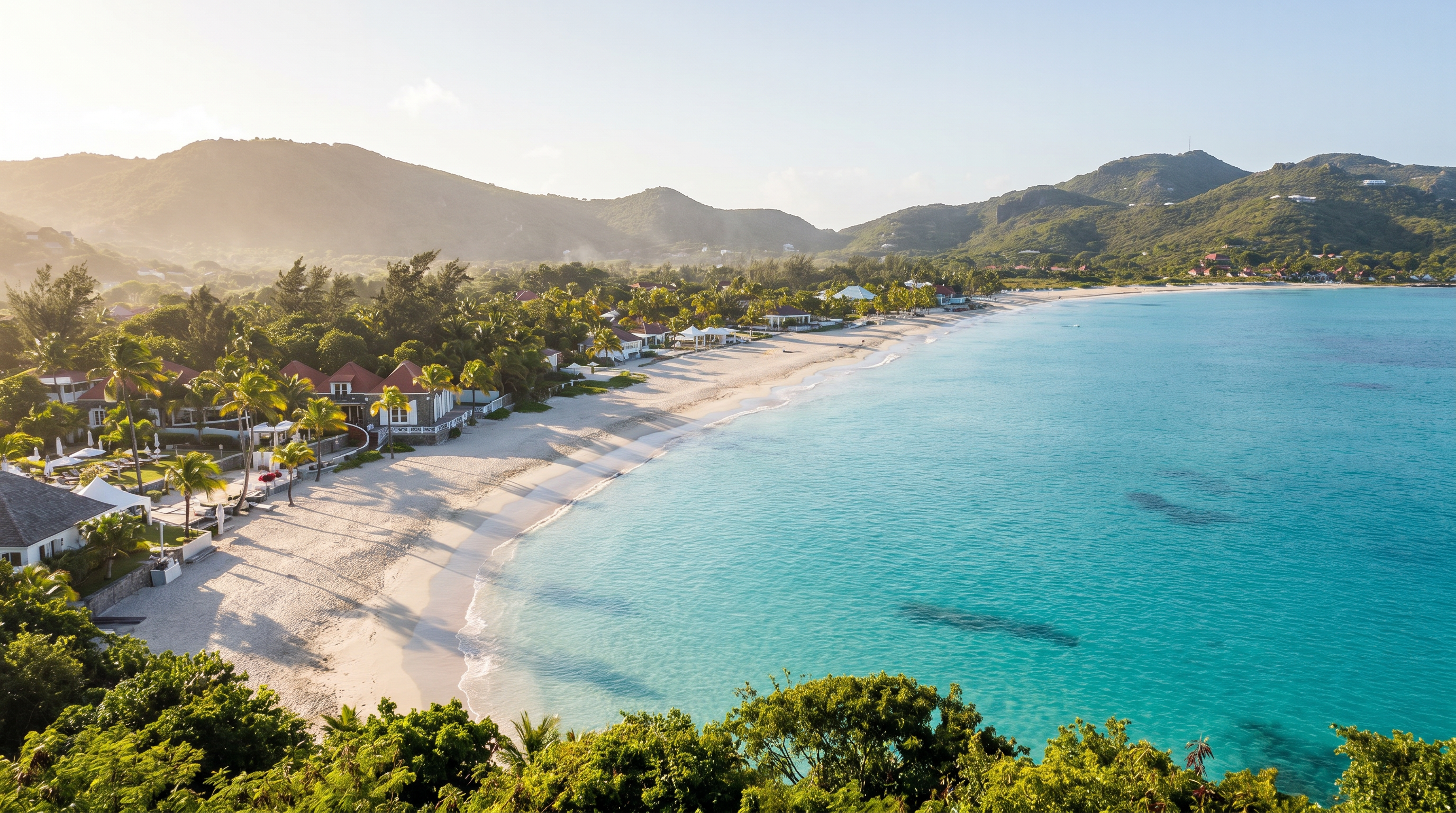
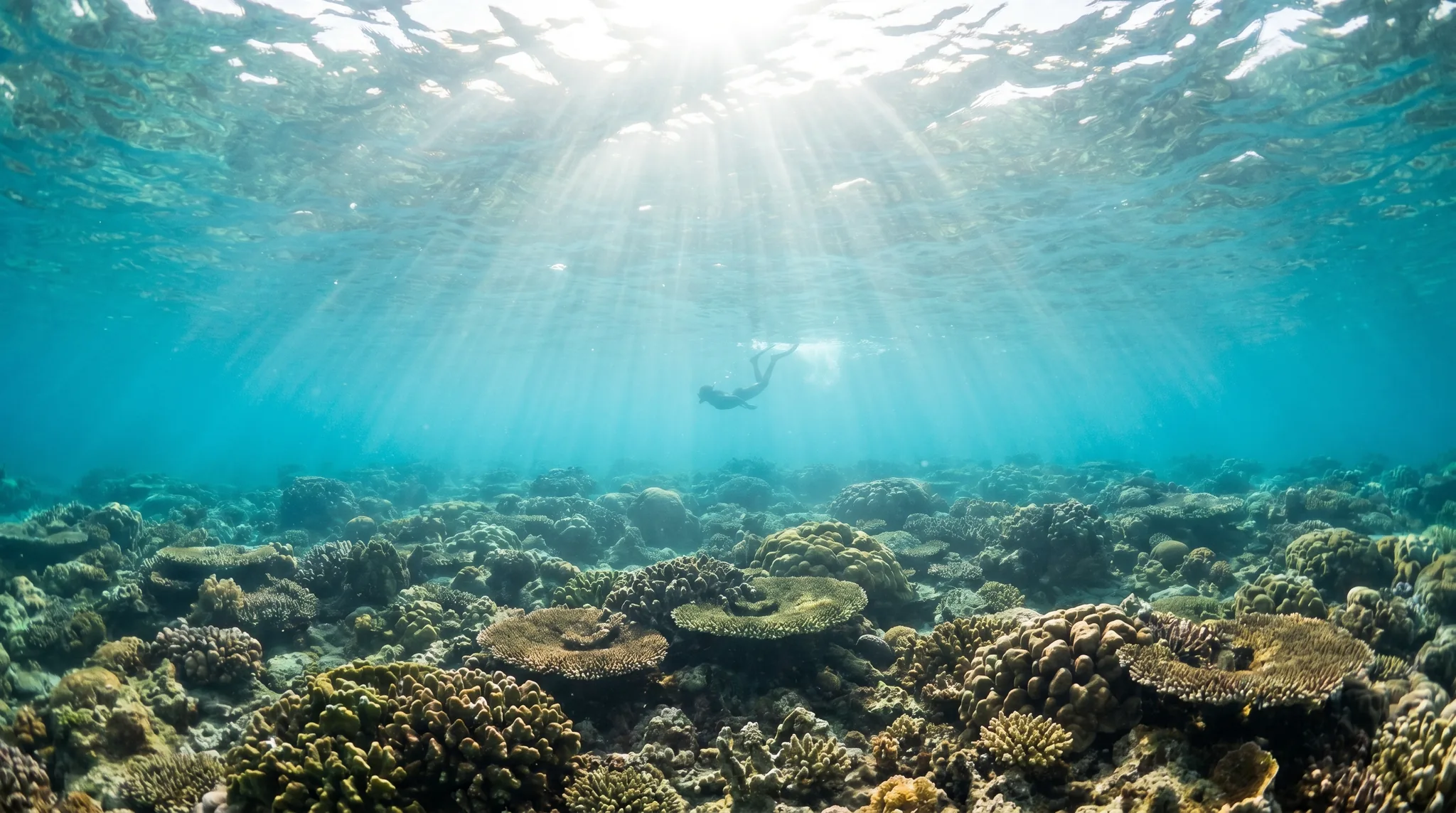
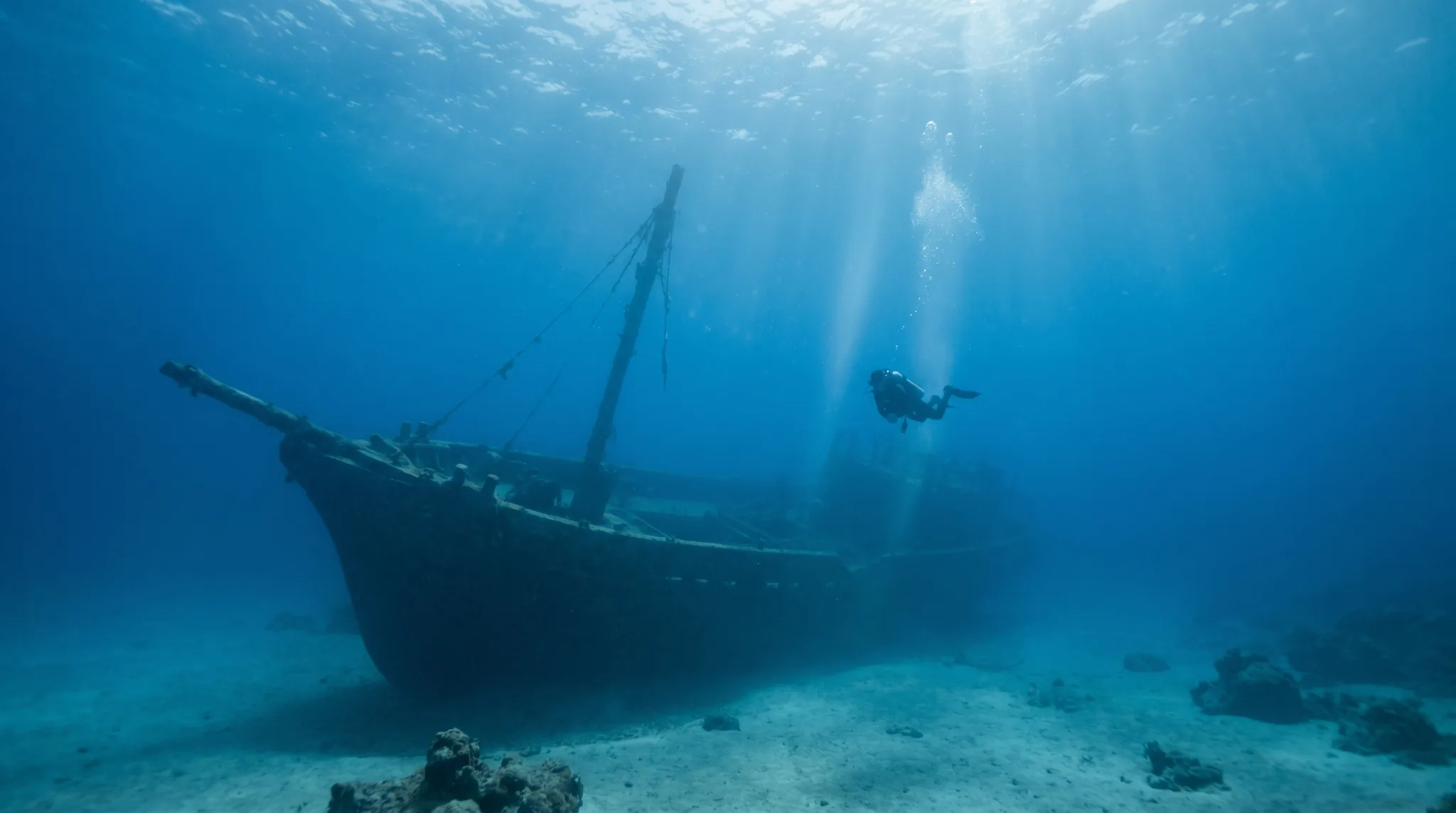
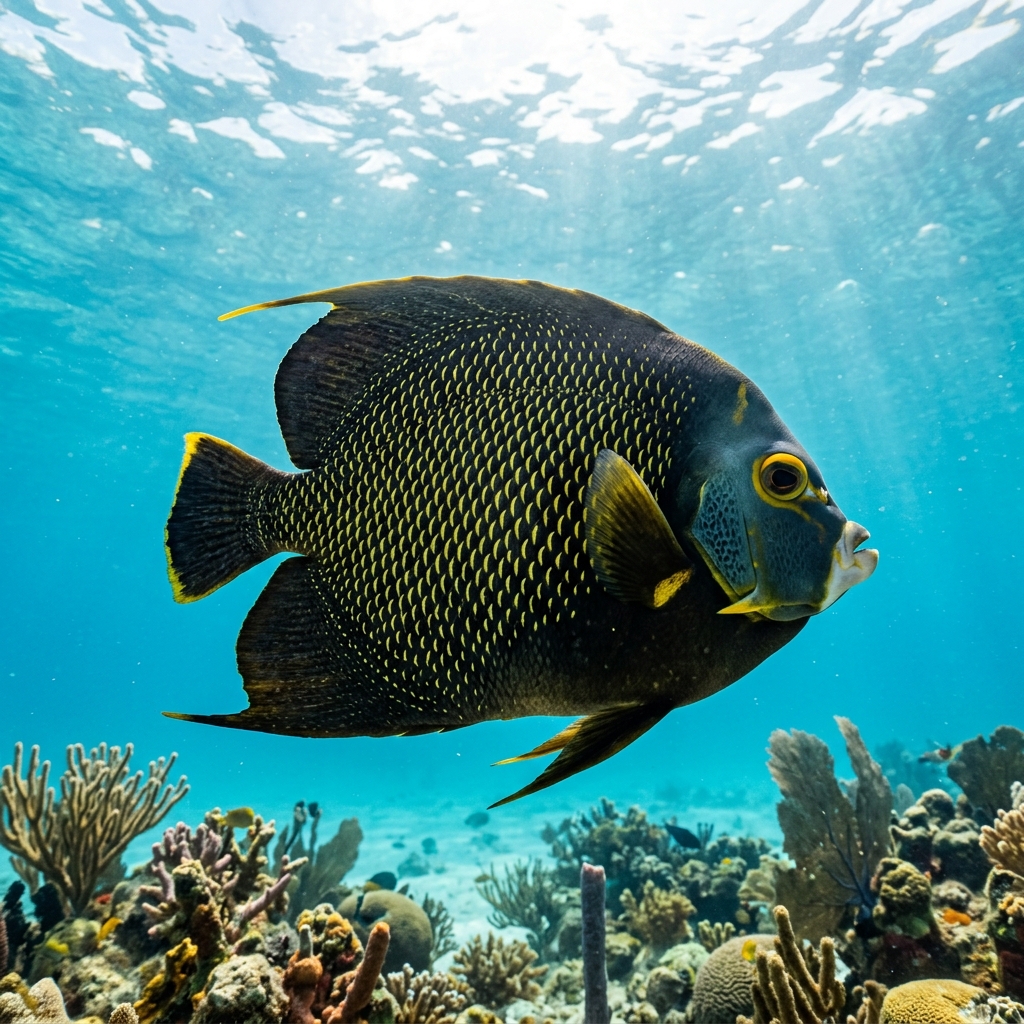
Saint Barthelemy's diving and snorkelling is anchored around the Colombier and Fourchue Islands sub-area, where all listed sites are found. The mix runs from shallow lagoon snorkelling at Grand Cul-de-Sac, with its seagrass meadows and calm shore entry, through beginner-friendly reef dives clustered around Pain de Sucre, to current-swept pinnacles and the advanced wreck of the Kayali for more experienced visitors. Colombier Bay adds walls and seagrass to the reef menu and offers both shore and boat access. The fish life is notably rich: French Angelfish, Nurse Shark, Great Barracuda, and Indian Lionfish are all observation-backed and consistently reported across sites, alongside an impressive array of parrotfish species. Boat access dominates, and five local operators cover the full range of certification levels.
1 areas
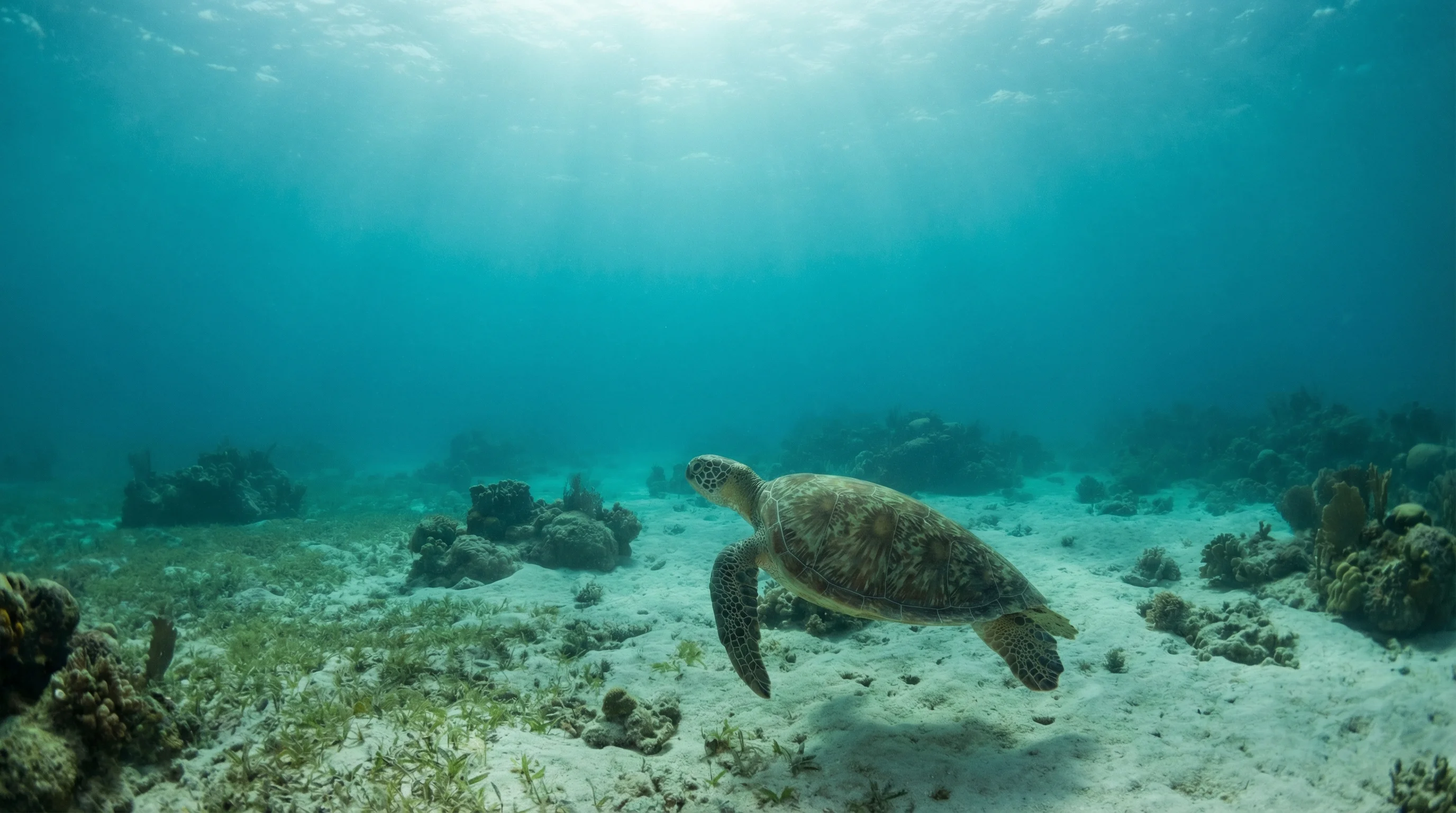
Monthly water temperature across Saint Barthelemy's sites, from satellite sea-surface data corrected for depth. The band shows the site-to-site spread.
Water temperature remains warm throughout the year, rising to its peak in late summer and early autumn before easing slightly through winter. The histogram favours December through April, when conditions tend to be most settled for boat diving. Sites around Pain de Sucre can be exposed, and L'âne rouge in Colombier Bay carries strong currents, so conditions vary noticeably by site even within the same season.
8 operators
Water temperature around Saint Barthelemy ranges from about 27°C in January to 30°C in September, based on satellite sea-temperature data for its dive sites.
With water around 27–30°C, a rash guard or 3mm shorty works in Saint Barthelemy year-round.
Fin maps 10 sites in Saint Barthelemy (9 scuba diving sites and 4 snorkelling spots, with some suited to both).
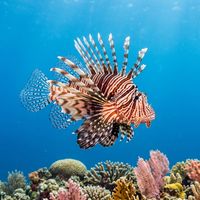
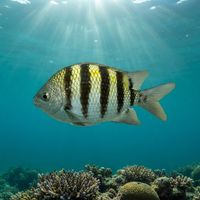
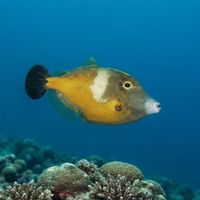
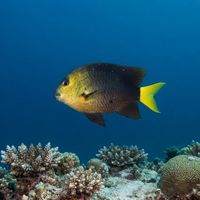
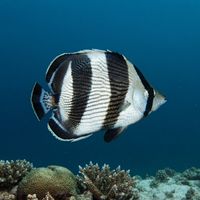
Observation-backed sightings cover a wide range of species. Nurse Shark, Great Barracuda, and French Angelfish are among the most consistently recorded across sites. Indian Lionfish, Rock Beauty, Whiptail Stingray, Smooth Trunkfish, and multiple parrotfish species including Queen Parrotfish, Stoplight Parrotfish, and Striped Parrotfish are all very commonly reported. Flamingo Tongue and Spanish Hogfish add further colour to reef encounters.
The mix caters well to different levels. Sites such as Aquarium Gros Ilets, La Baleine, and Gros Ilets are rated beginner, with relatively shallow reef structures and boat access from local operators. Advanced divers have dedicated options too: the Kayali wreck demands precise buoyancy at depth, and L'âne rouge is reserved for those comfortable in strong currents. Most visitors will find sites matched to their certification level.
Almost all sites fall within the Colombier and Fourchue Islands area. Within that, the Pain de Sucre cluster offers the greatest variety of site types, from shallow beginner reefs at Aquarium Gros Ilets to the deeper Kayali wreck and the wide depth range at Roches Roubes. Colombier Bay stands apart with its combination of reef, seagrass, and wall formations, and it is one of the few spots offering both shore and boat entry.
Yes, the majority of dive and snorkel sites in Saint Barthelemy are reached by boat. Grand Cul-de-Sac is the main exception, offering a shore entry suitable for snorkellers. Colombier Bay accepts both shore and boat entry. Five local operators, including Ouanalao Dive, Serial Divers St Barth, and Lily Blue Caraïbes Dive Center, run boat trips to the full range of sites.