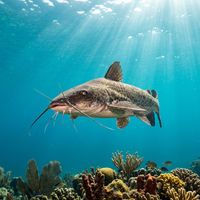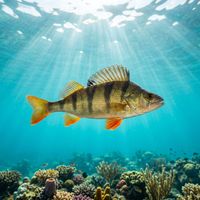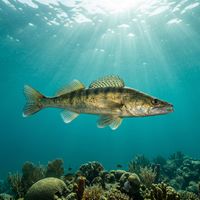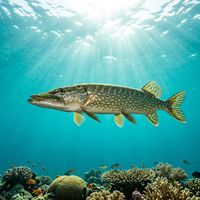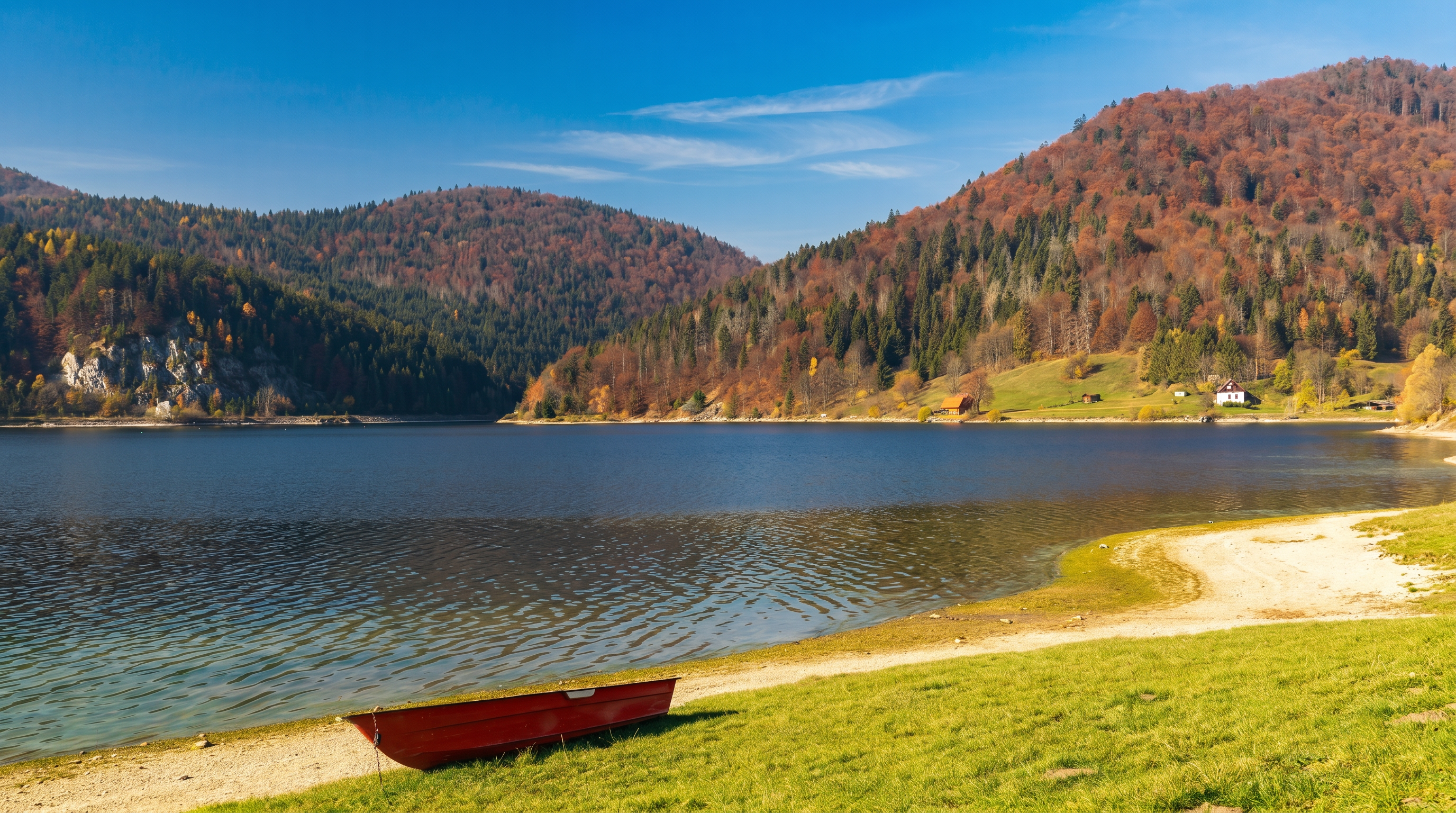
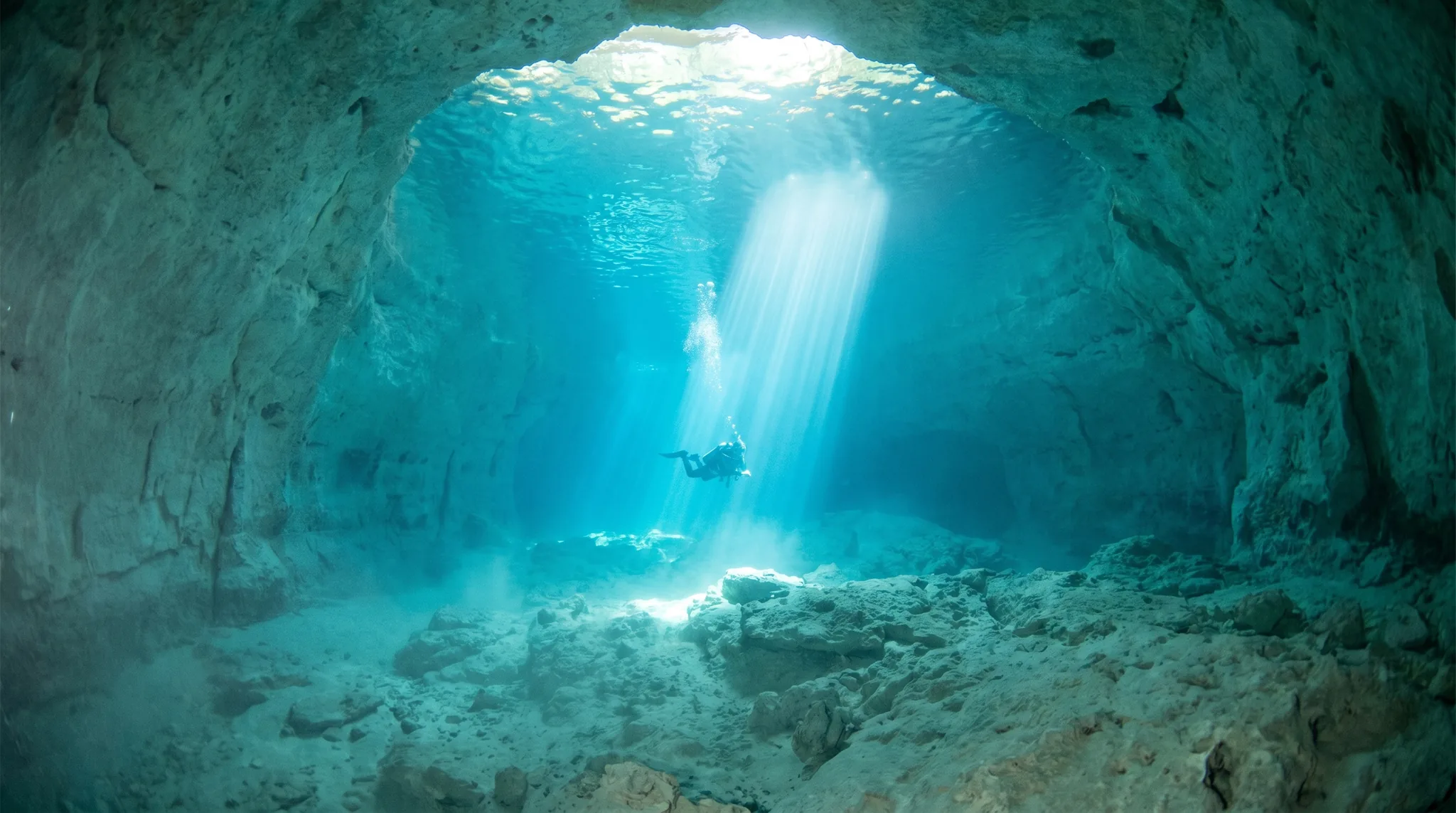
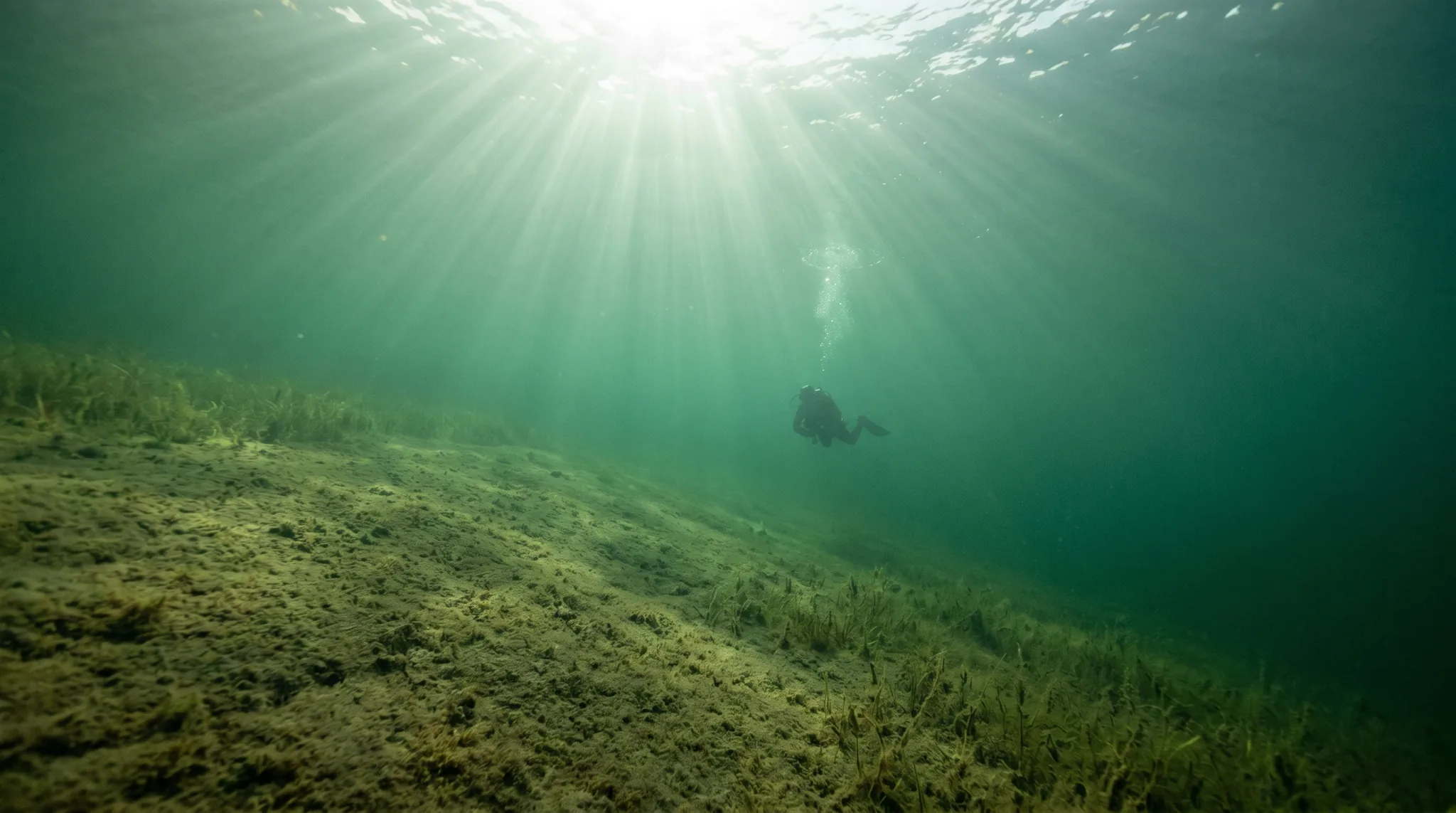
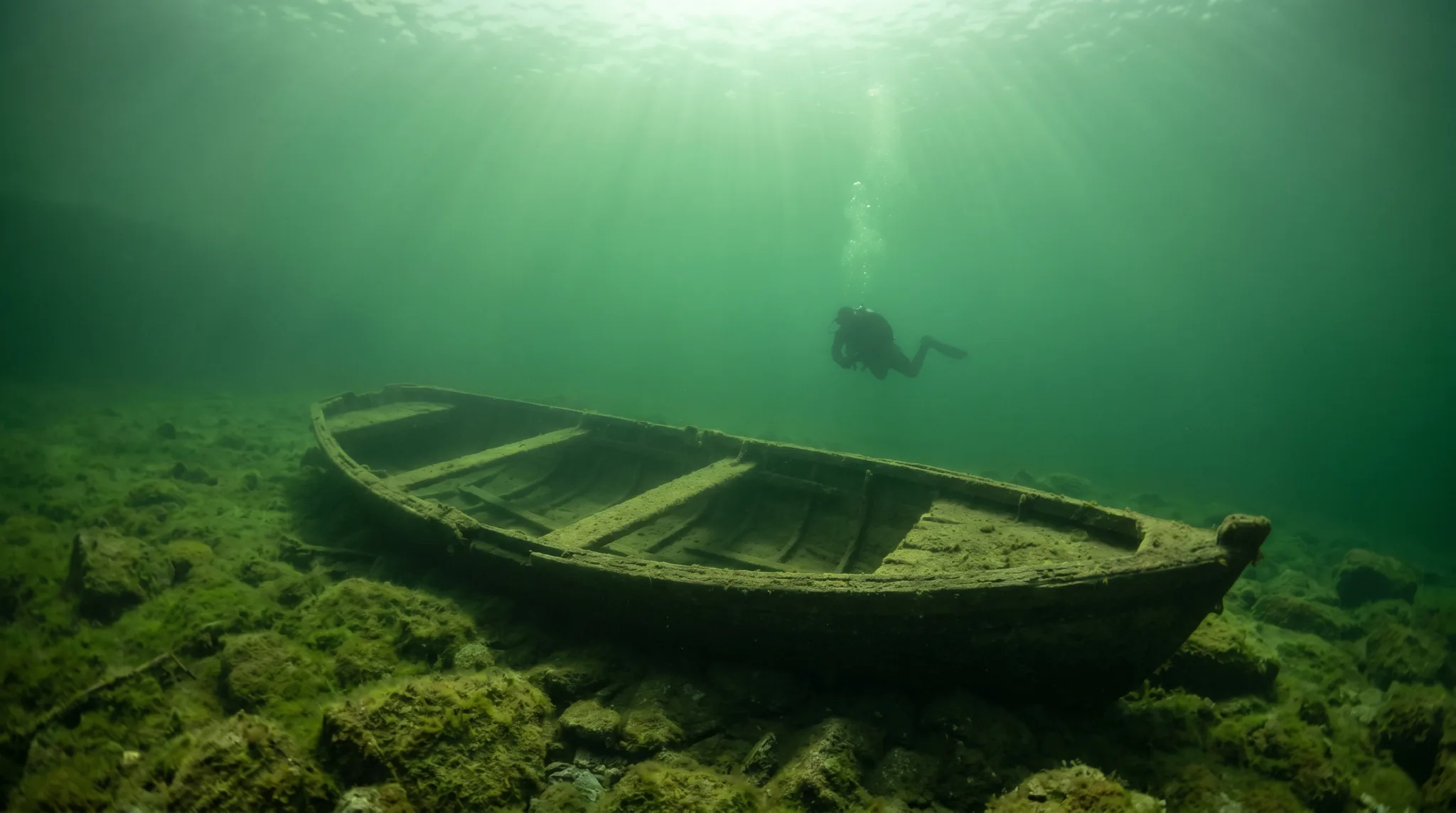
Hungary is a landlocked country whose diving scene is built entirely on freshwater: flooded quarries, thermal spring lakes, submerged mine systems and purpose-built artificial reefs. The defining feature is the concentration of geothermally fed cave systems, most notably the network beneath Budapest that ranges from accessible cavern dives to demanding technical passages for experienced divers. Komárom-Esztergom holds the largest cluster of sites, while Budapest draws divers specifically for its underground thermal cave diving. Gyékényes offers a wreck on a lake floor, and Fényes-forrás provides spring-fed lakes suited to entry-level divers. Common Carp, Pike, Pike Perch, Catfish and Common Perch are regularly observed across sites. Visibility is moderate throughout, and all sites are shore-accessed.
7 areas
 6
6Tata's spring-fed karst lakes and cave systems make Komárom-Esztergom the heartland of Hungarian freshwater diving.
 4
4Budapest offers thermal cave diving beneath the city streets alongside a flooded industrial mine, spanning beginner to full technical level.
 3
3Szeged's riverside sites on the Tisza offer shallow, beginner-friendly freshwater diving with shore entry and variable visibility.
 2
2
40 operators



Beginner-friendly artificial reef sites between the Danube and Tisza rivers, offering calm freshwater diving with pike, eel, and catfish.
Fin maps 18 sites in Hungary (17 scuba diving sites and 3 snorkelling spots, with some suited to both), organised into 7 areas.
Across Hungary's dive sites, April, June, July, August and October are most often reported as the best months to visit.
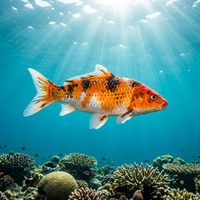
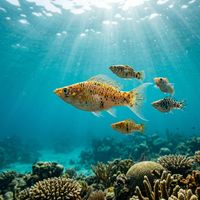
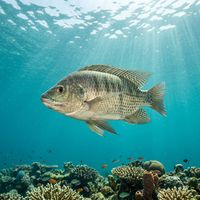
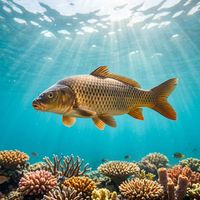
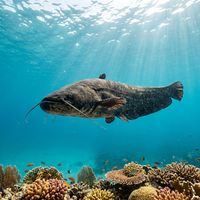
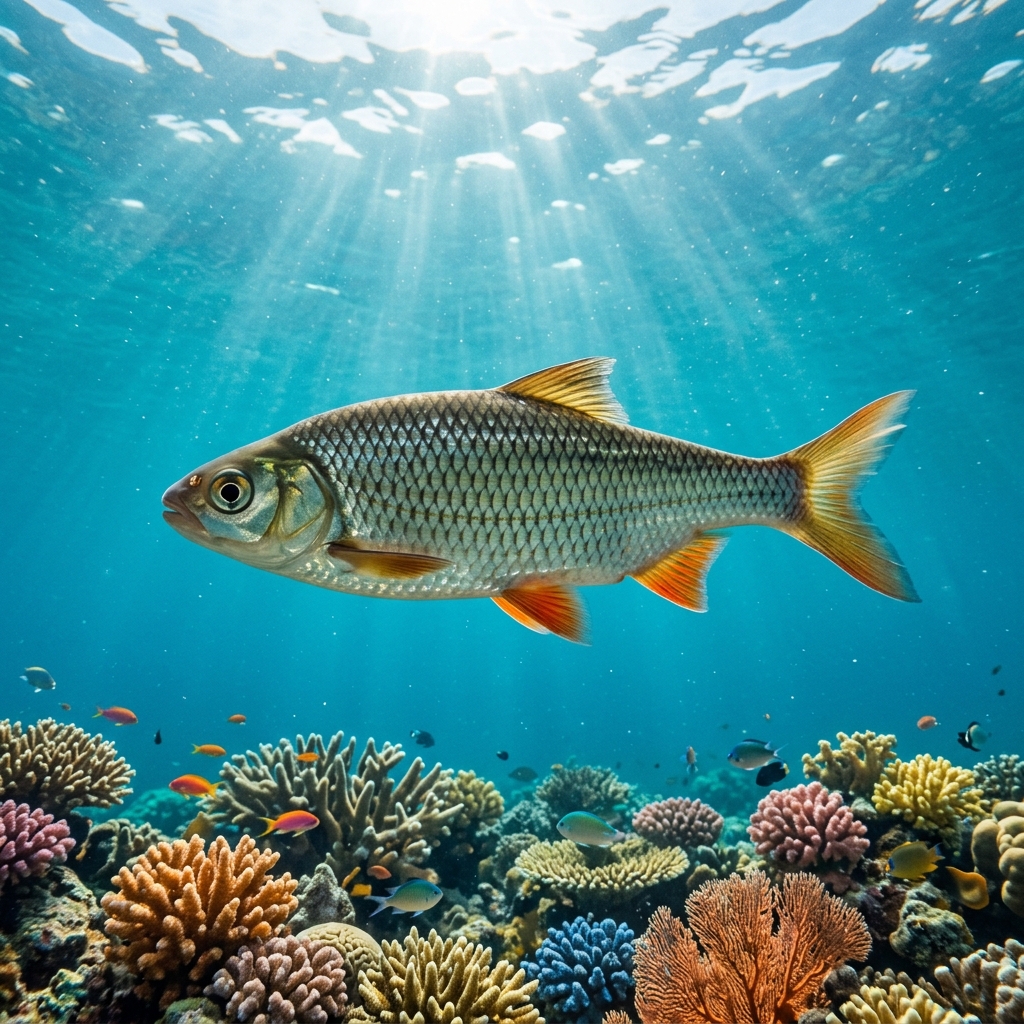
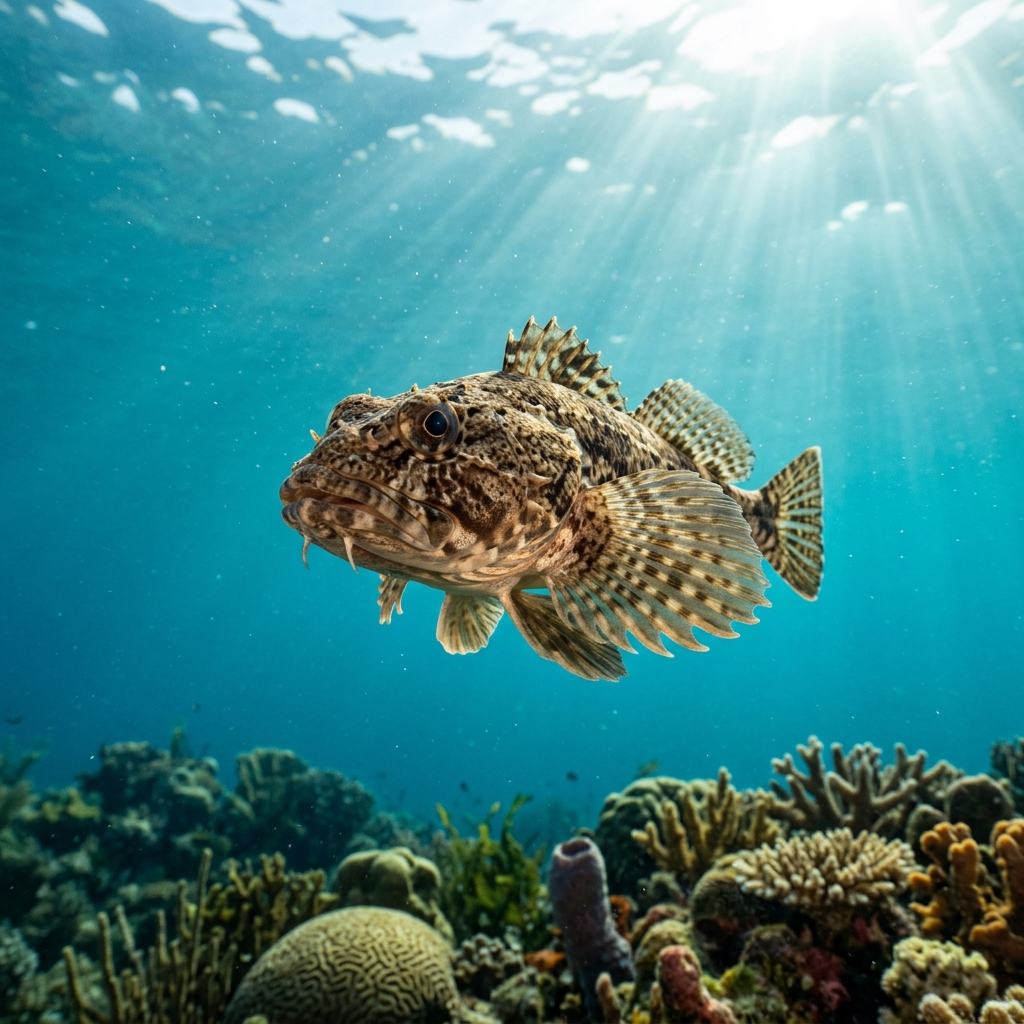
Hungary's freshwater sites host a range of native fish species. Common Carp, Pike, Pike Perch, Common Perch and Catfish are observed regularly across many sites. Wels Catfish, Roach, Tench, Gudgeon and Bullhead appear at select locations, and Water Lily can be seen at shallower sites. The species mix reflects typical central European freshwater ecosystems rather than tropical or marine life.
A good number of Hungary's sites are rated for beginners, including several shallow artificial reef sites and calm quarry lakes such as Lake Palatinus Dorog and Luppa to. These offer gentle, current-free conditions and shore entries well suited to new divers building confidence. The thermal cave systems, including the networks beneath Budapest, are rated intermediate to advanced and require appropriate certification and experience before entry.
Komárom-Esztergom has the broadest selection of sites, including the spring-fed lakes at Fényes-forrás. Budapest is the centre for geothermal cave diving, with the Molnár János cave network offering everything from shallow cavern dives to serious technical passages. Szeged's sites are shallow and beginner-friendly, while Gyékényes stands out as the only wreck site in the region. Danube-Tisza Lakes and the other sub-areas provide additional quarry and lake options.
Yes. The cave and cavern sites beneath Budapest, including Molnár János-barlang and Janos Molnar Cave, range from intermediate to advanced skill requirements and involve overhead environments that demand proper cave or cavern diving certification. The deepest passages are reserved for well-trained technical divers. Operators such as Molnár János Cave and Scubaland Búváriskola are based locally and can advise on the appropriate qualifications for each section of the system.