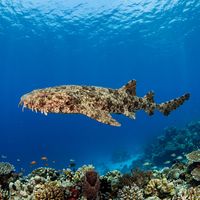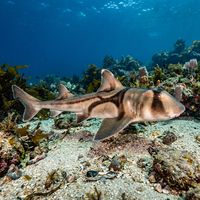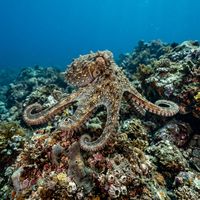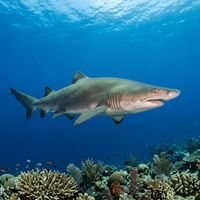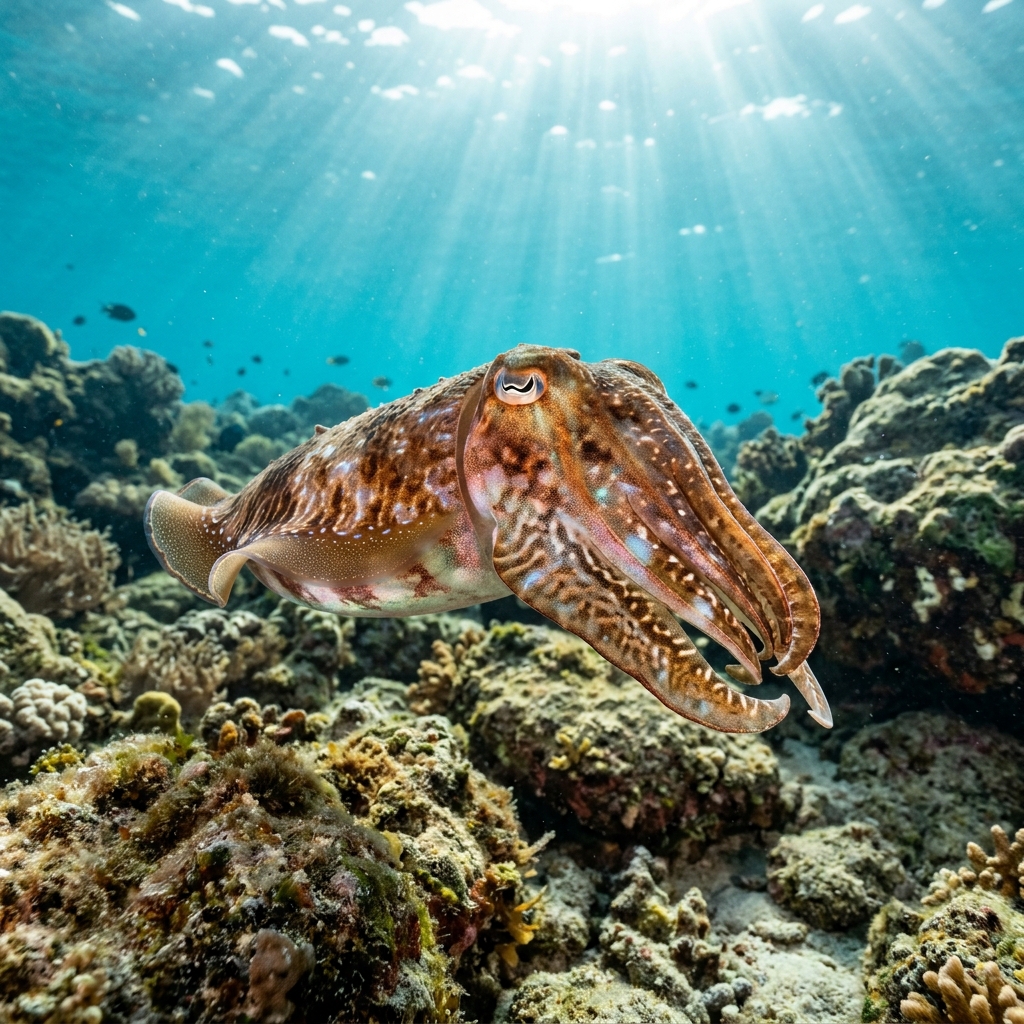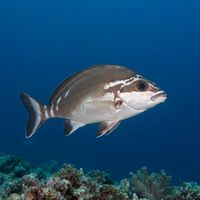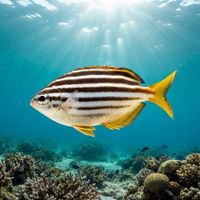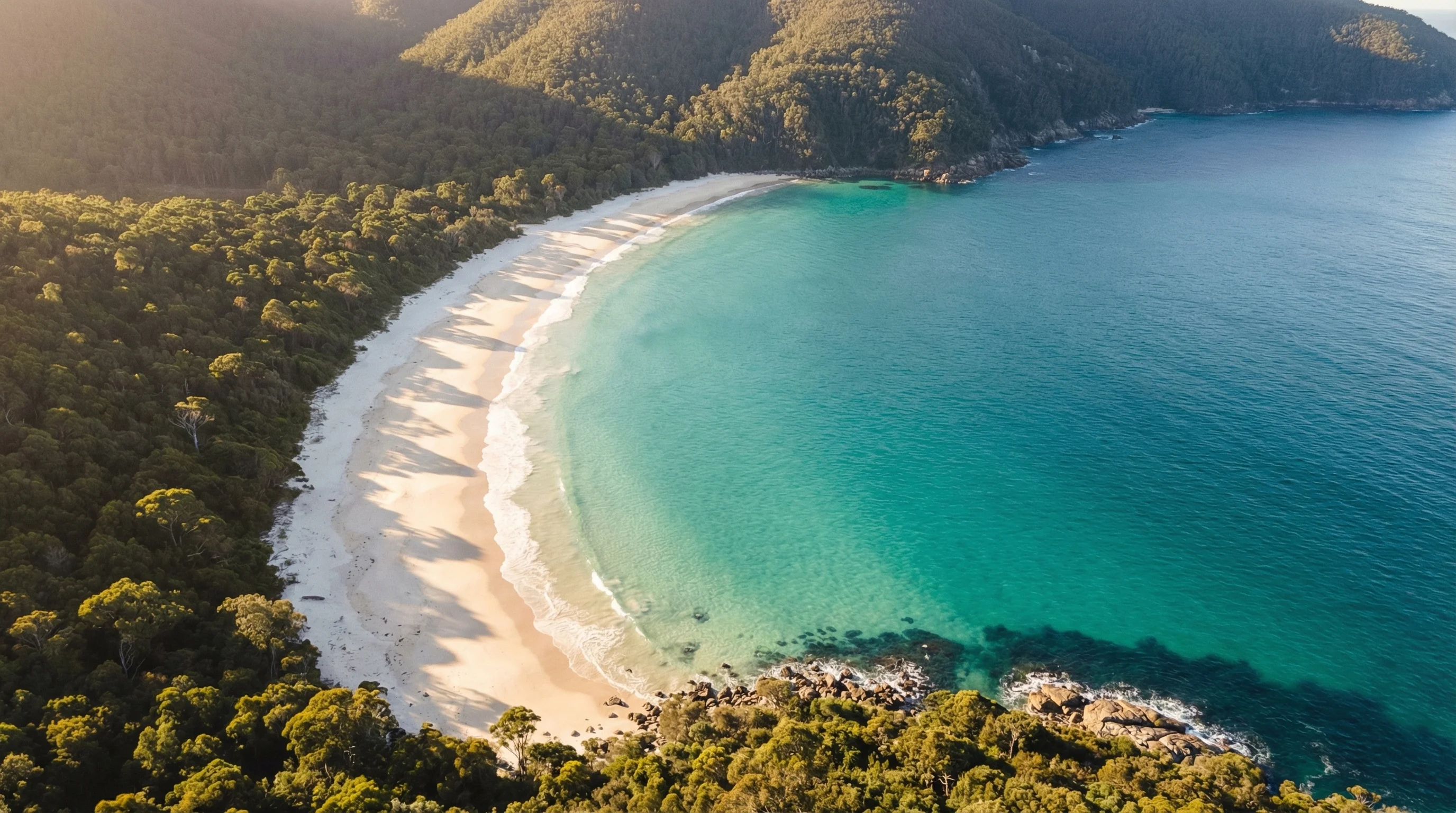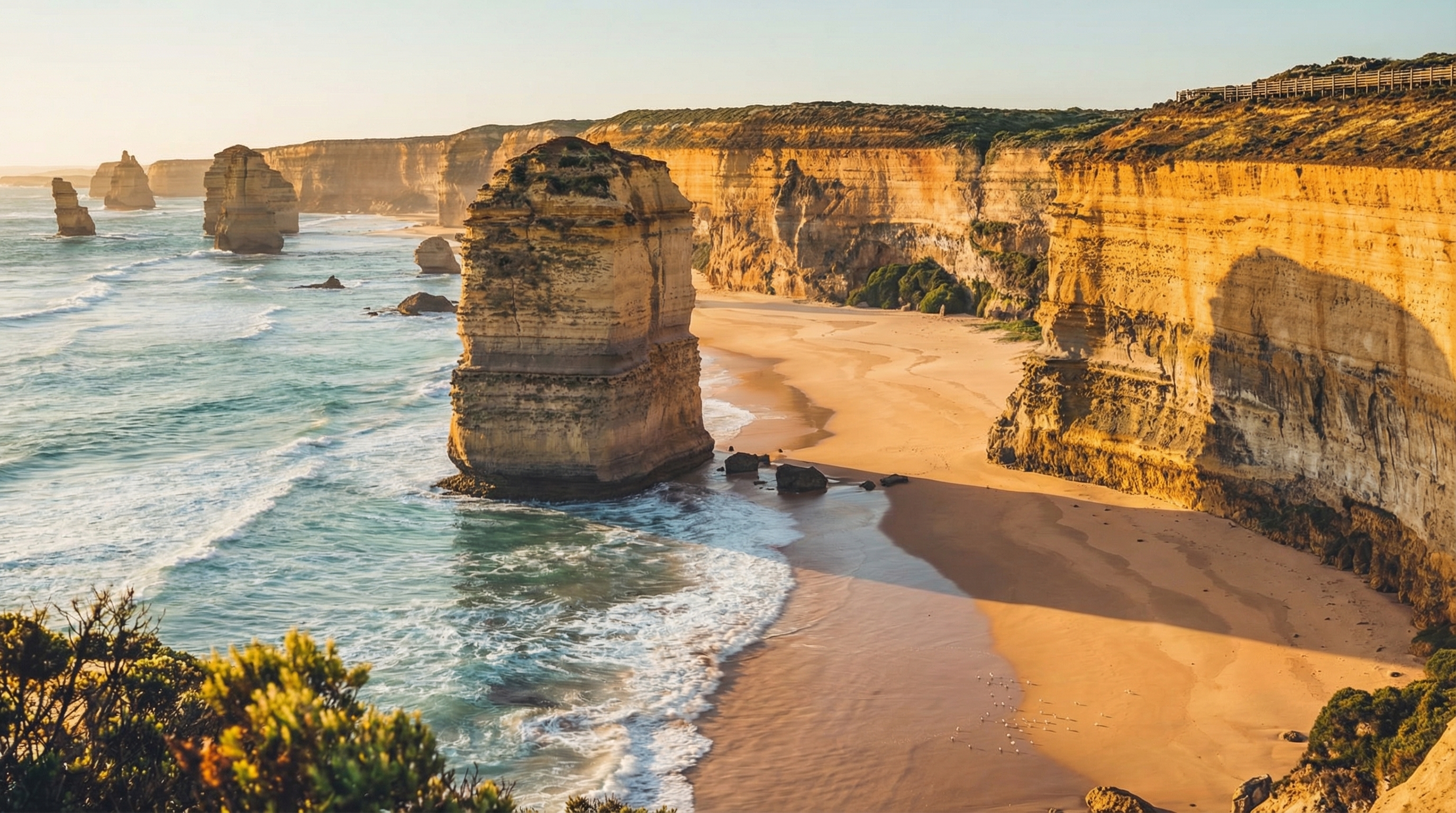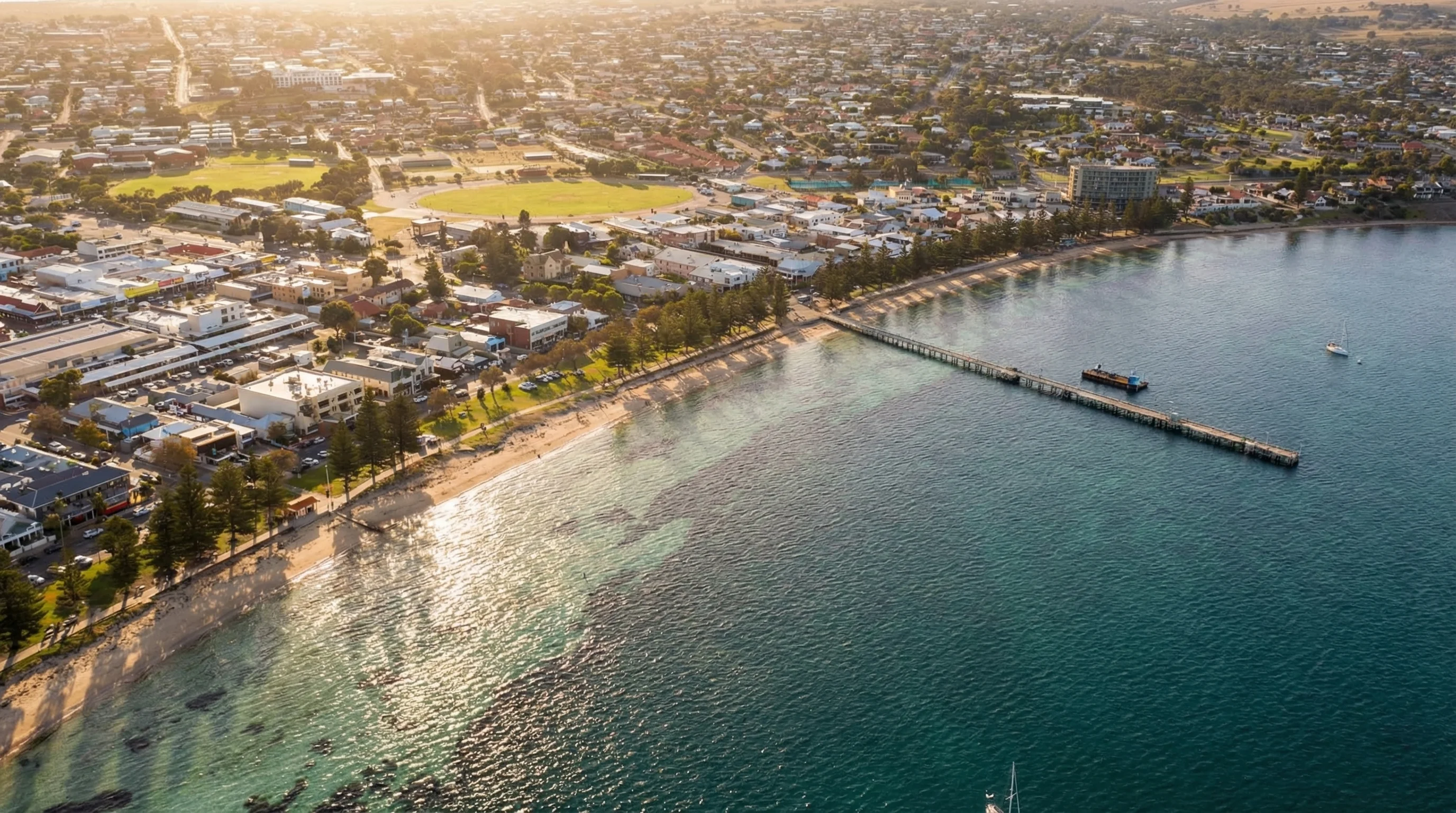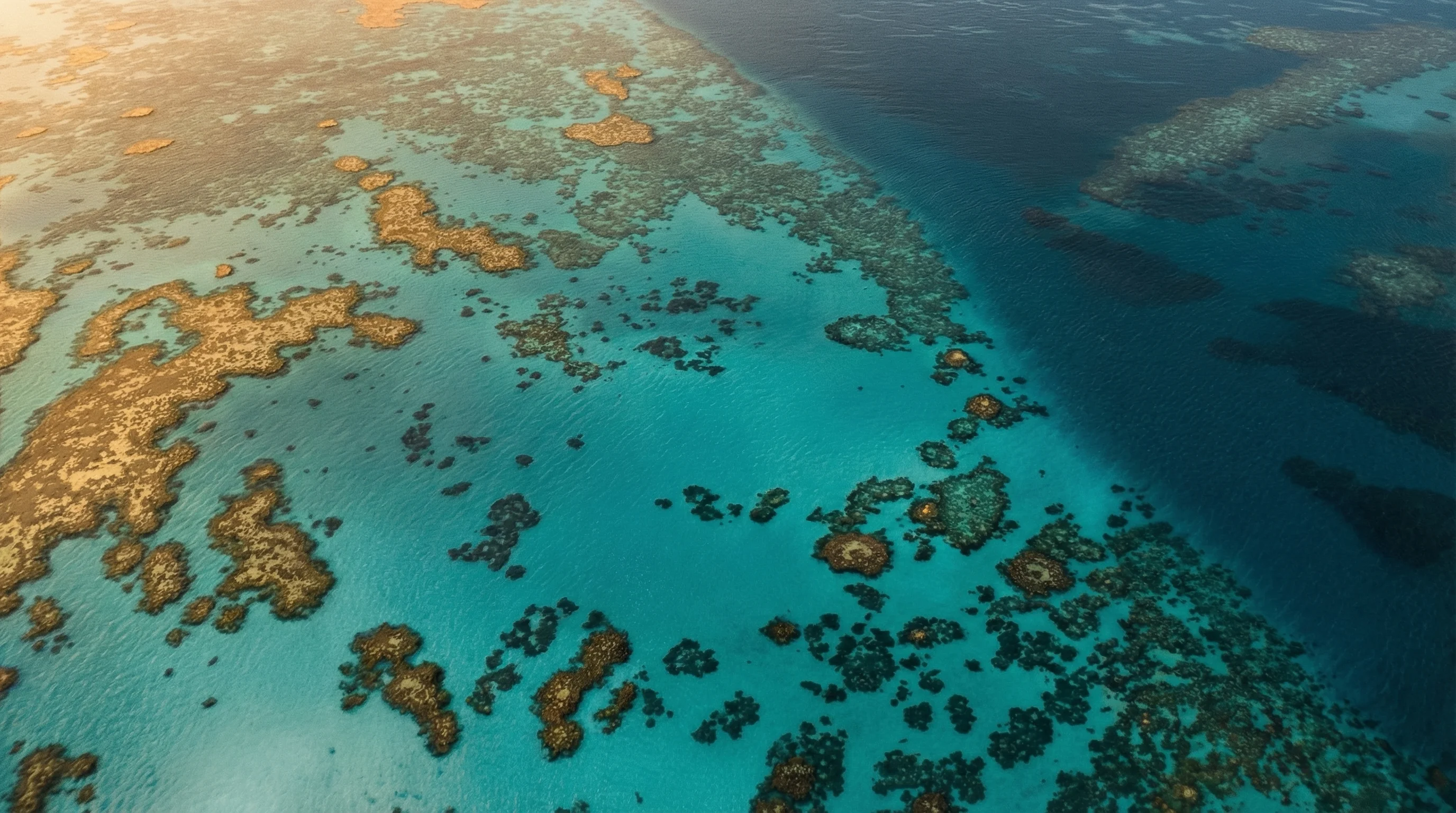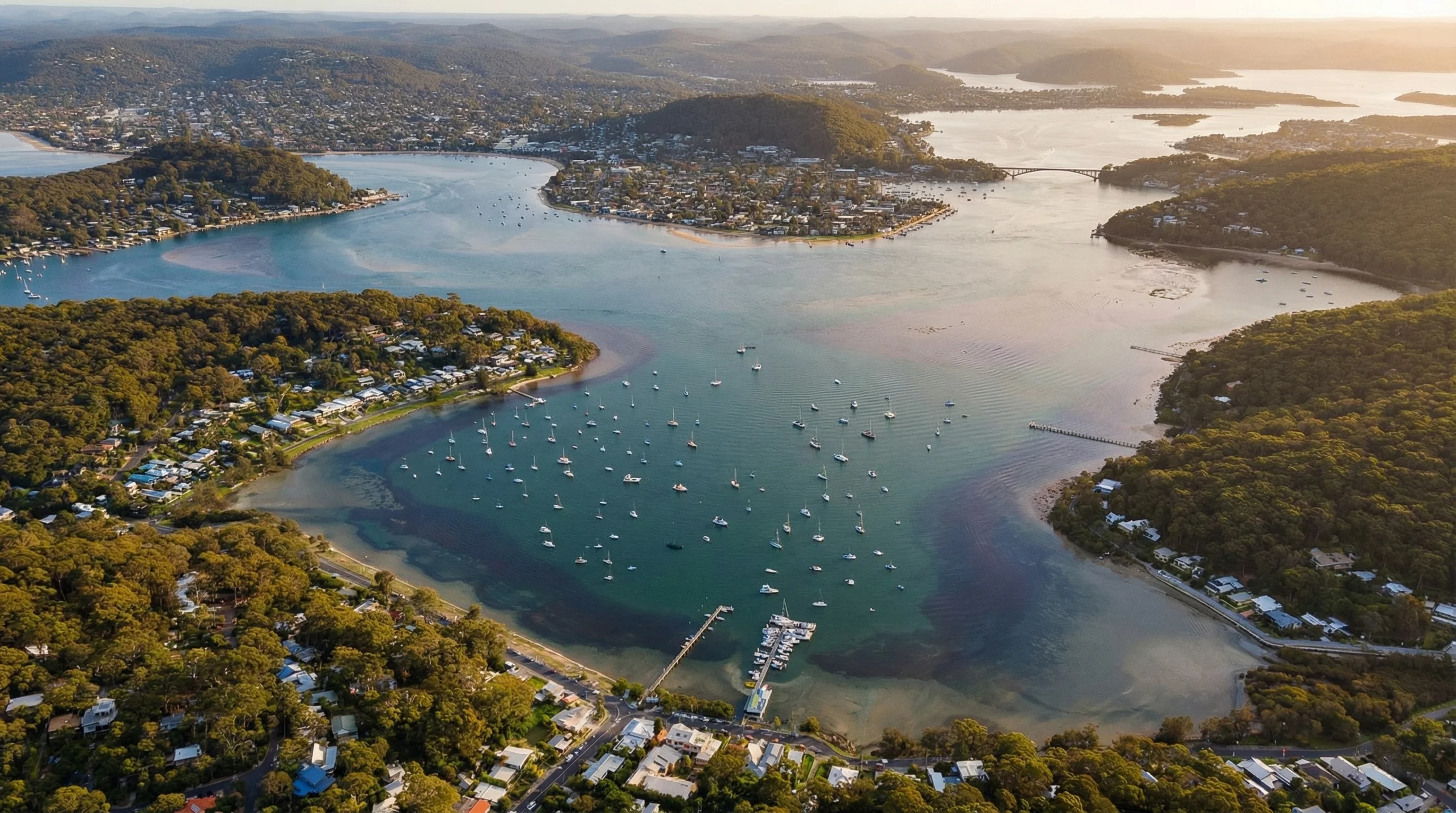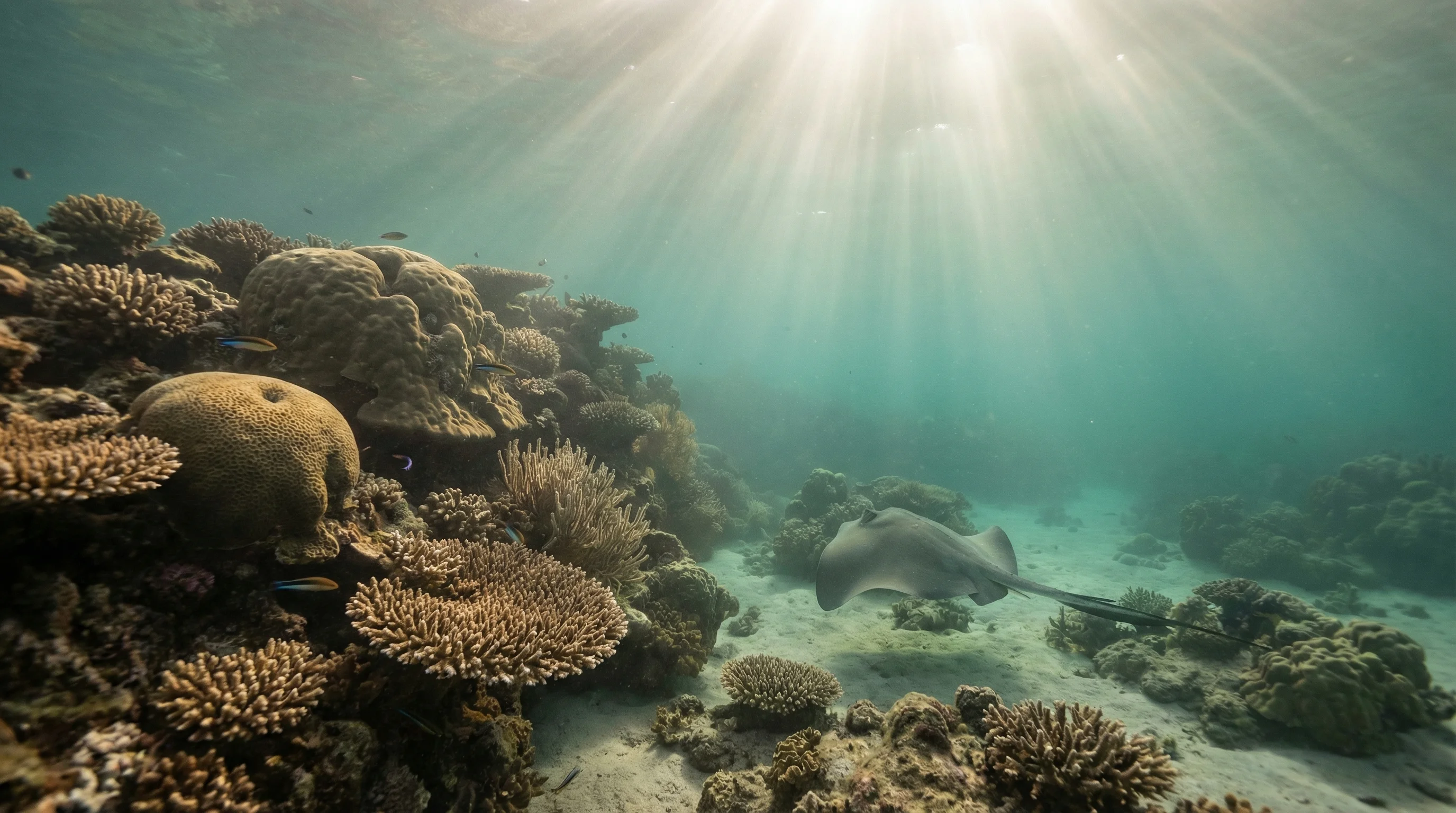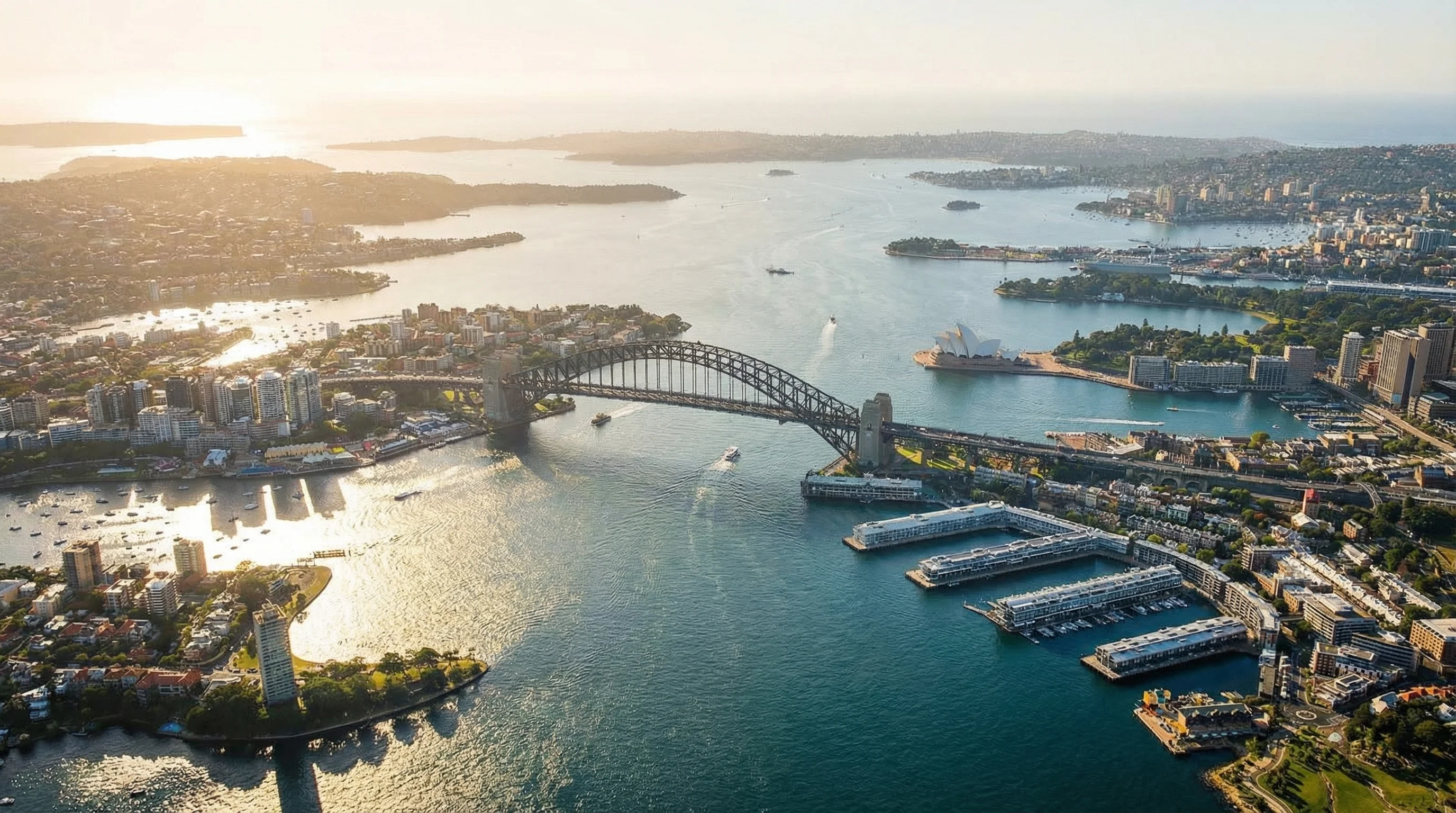
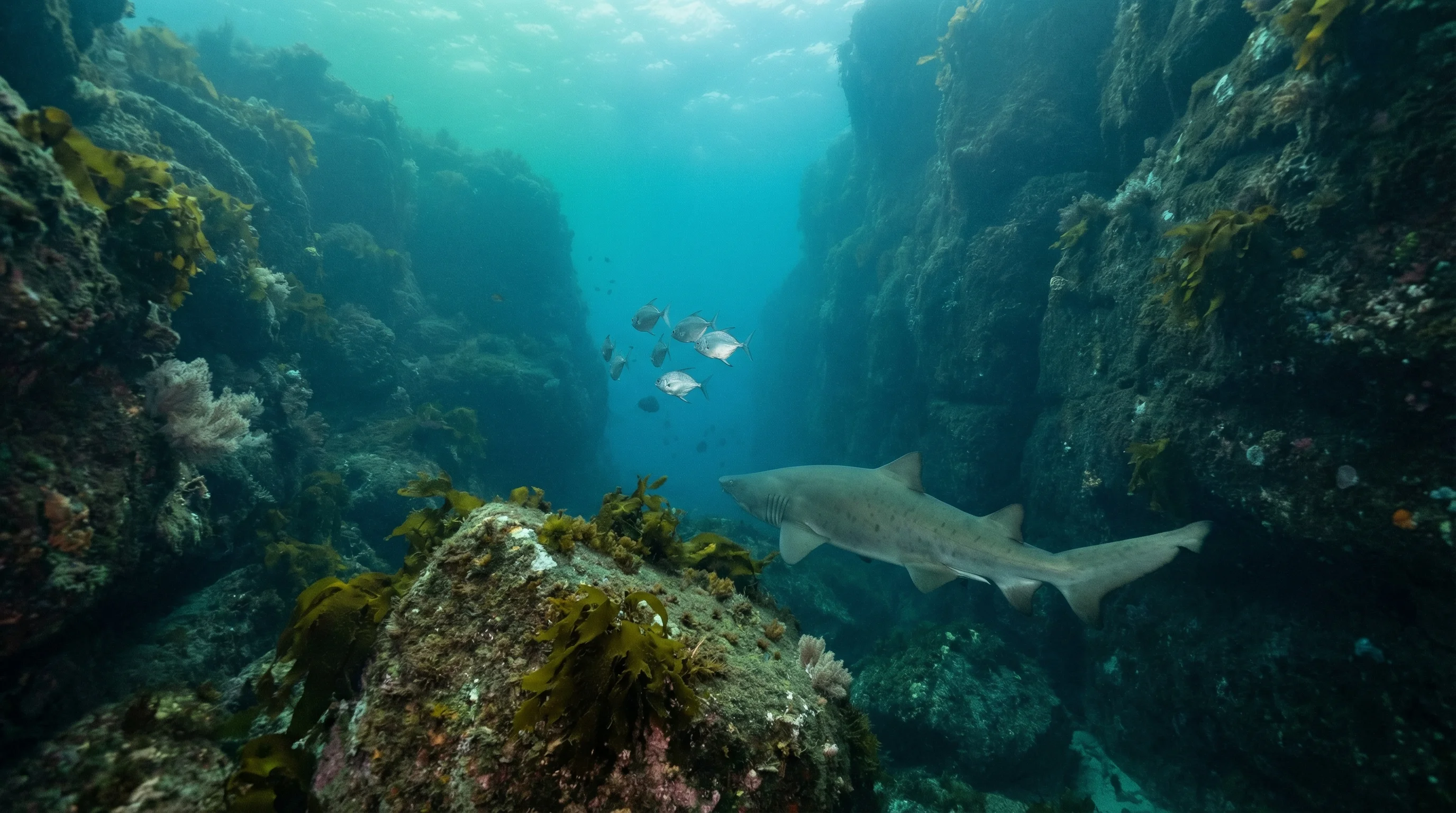
New South Wales offers one of Australia's most varied underwater landscapes, spanning five distinct coastal sub-areas from Sydney south to the South Coast and north to the North Coast. Rocky reefs, walls, drop-offs, sea caves, kelp forests, seagrass beds and a spread of wrecks give divers real variety in a single state. Temperate conditions shape the character of the water, favouring species like the Spotted Wobbegong, Eastern Blue Groper, Port Jackson Shark, Weedy Seadragon and Grey Nurse Shark. Sites range from sheltered shore entries suited to beginners through to deep technical wrecks, making the region accessible to all skill levels.
6 areas
 94
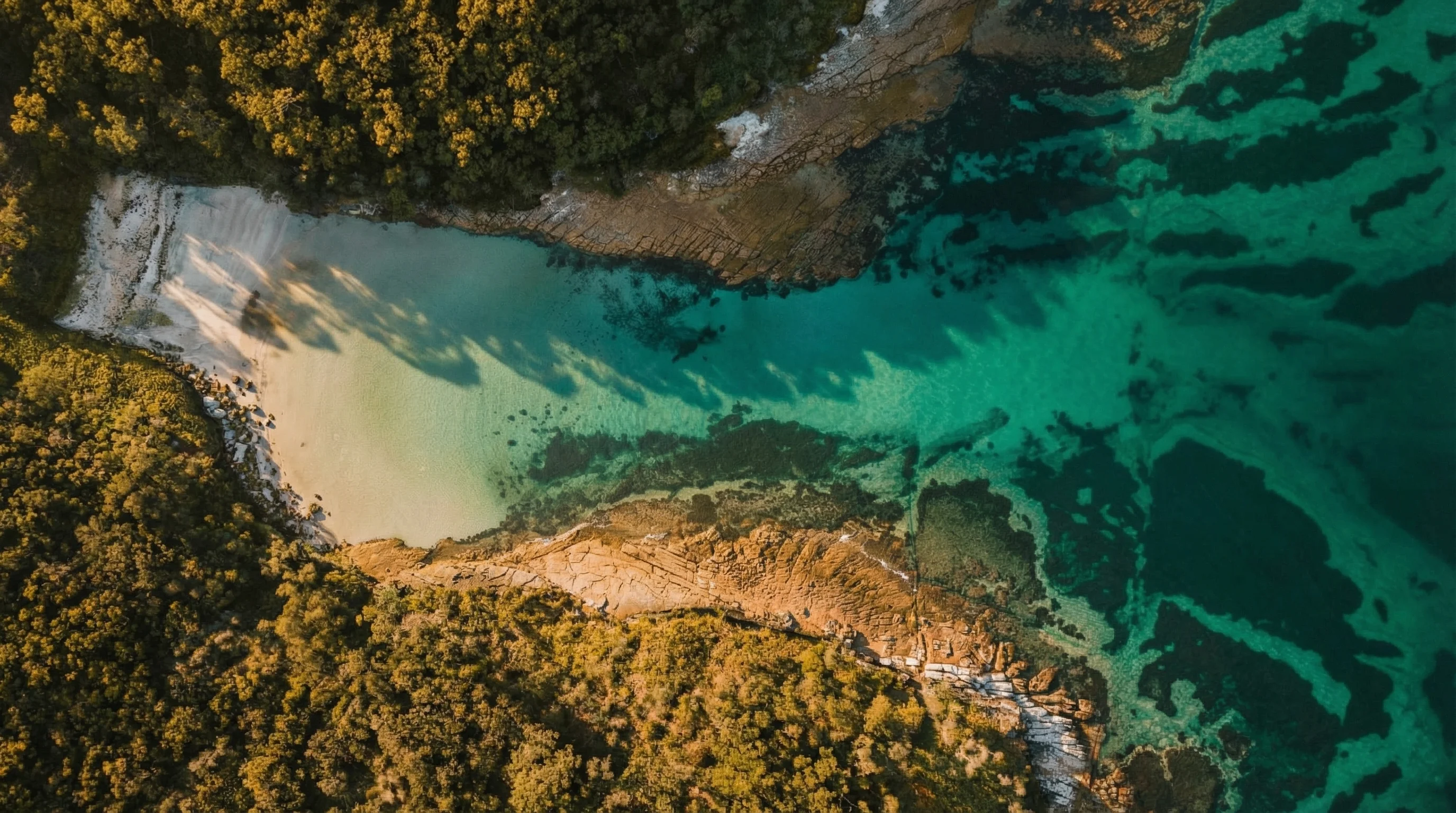
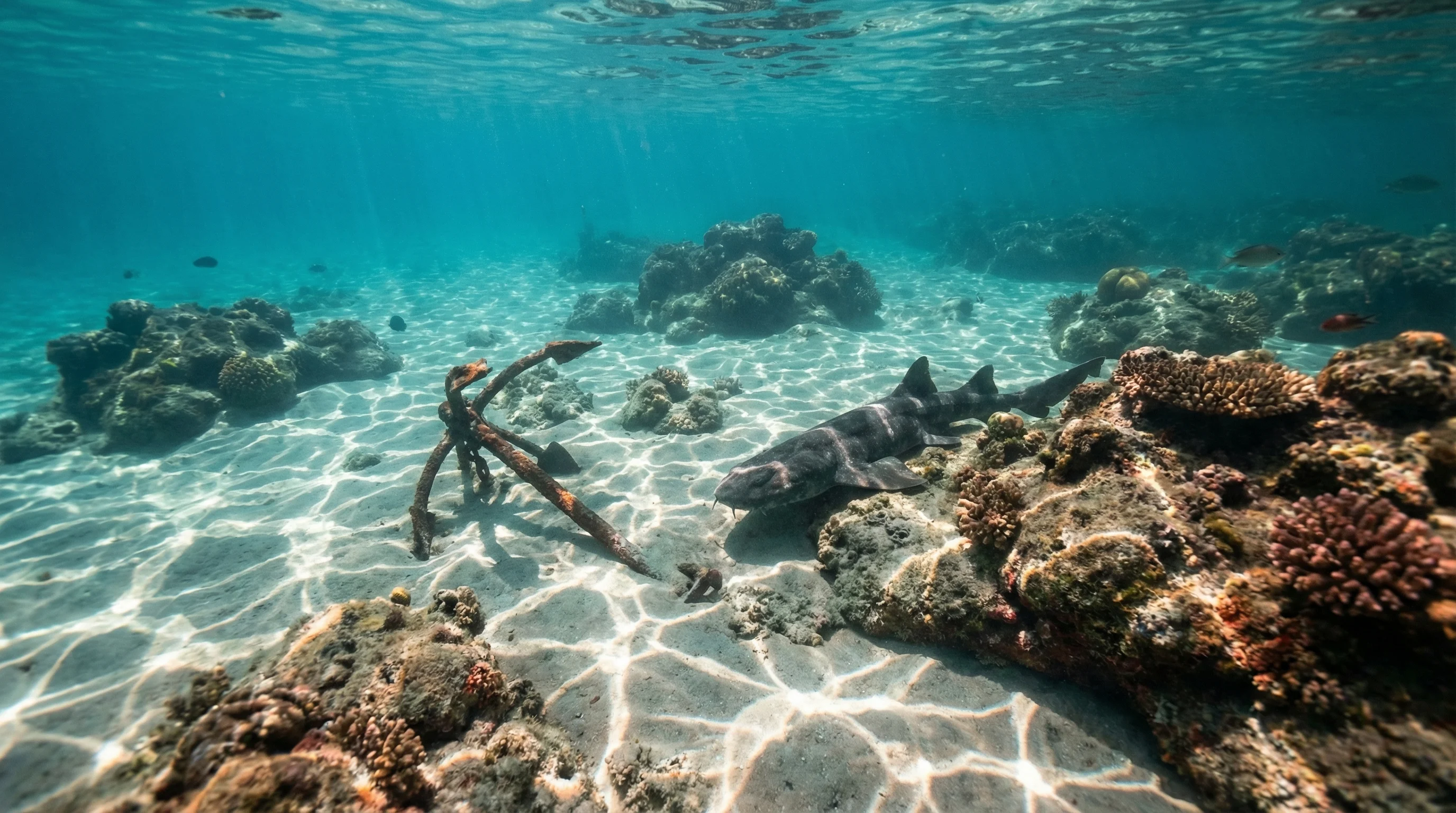
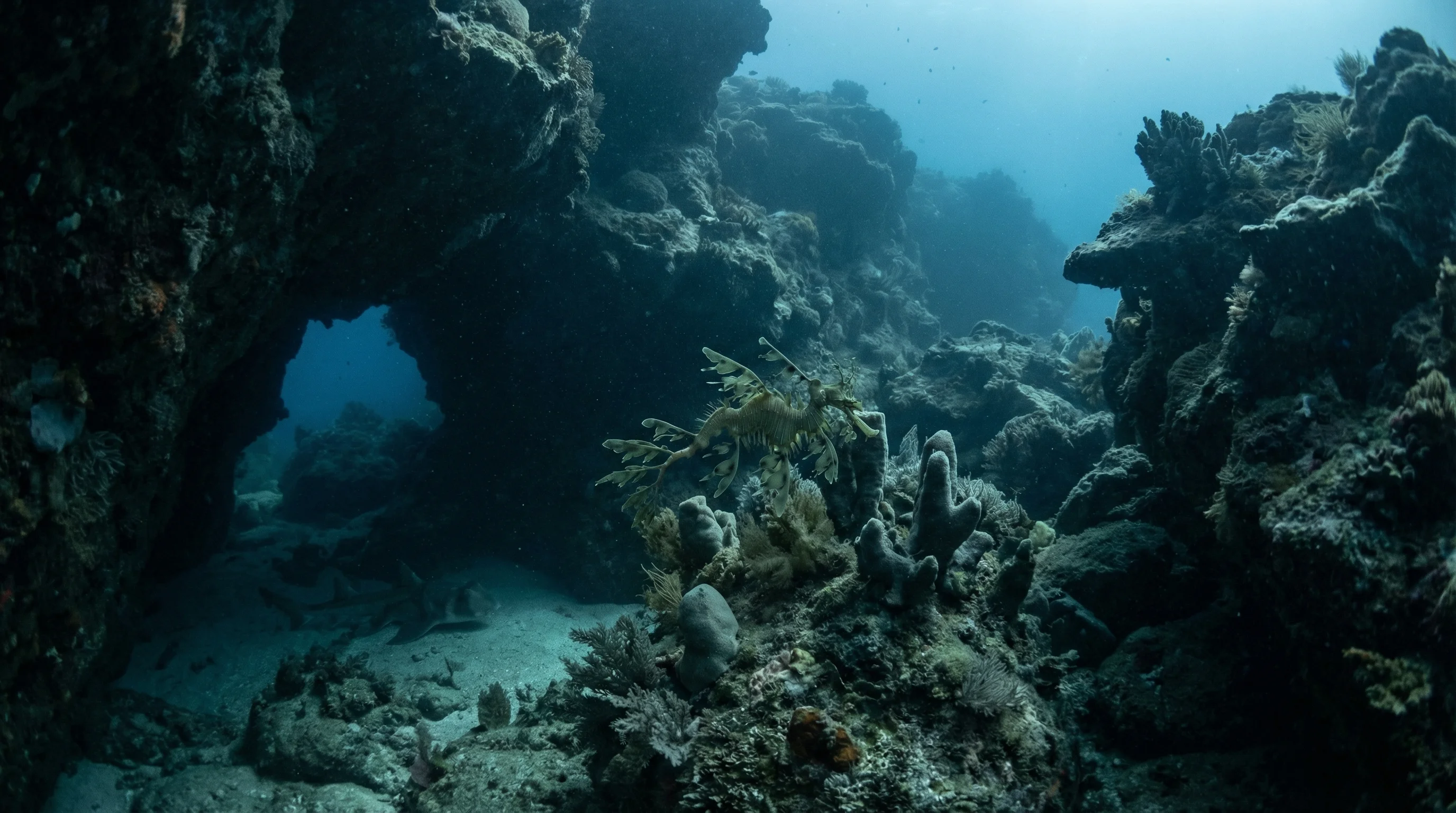
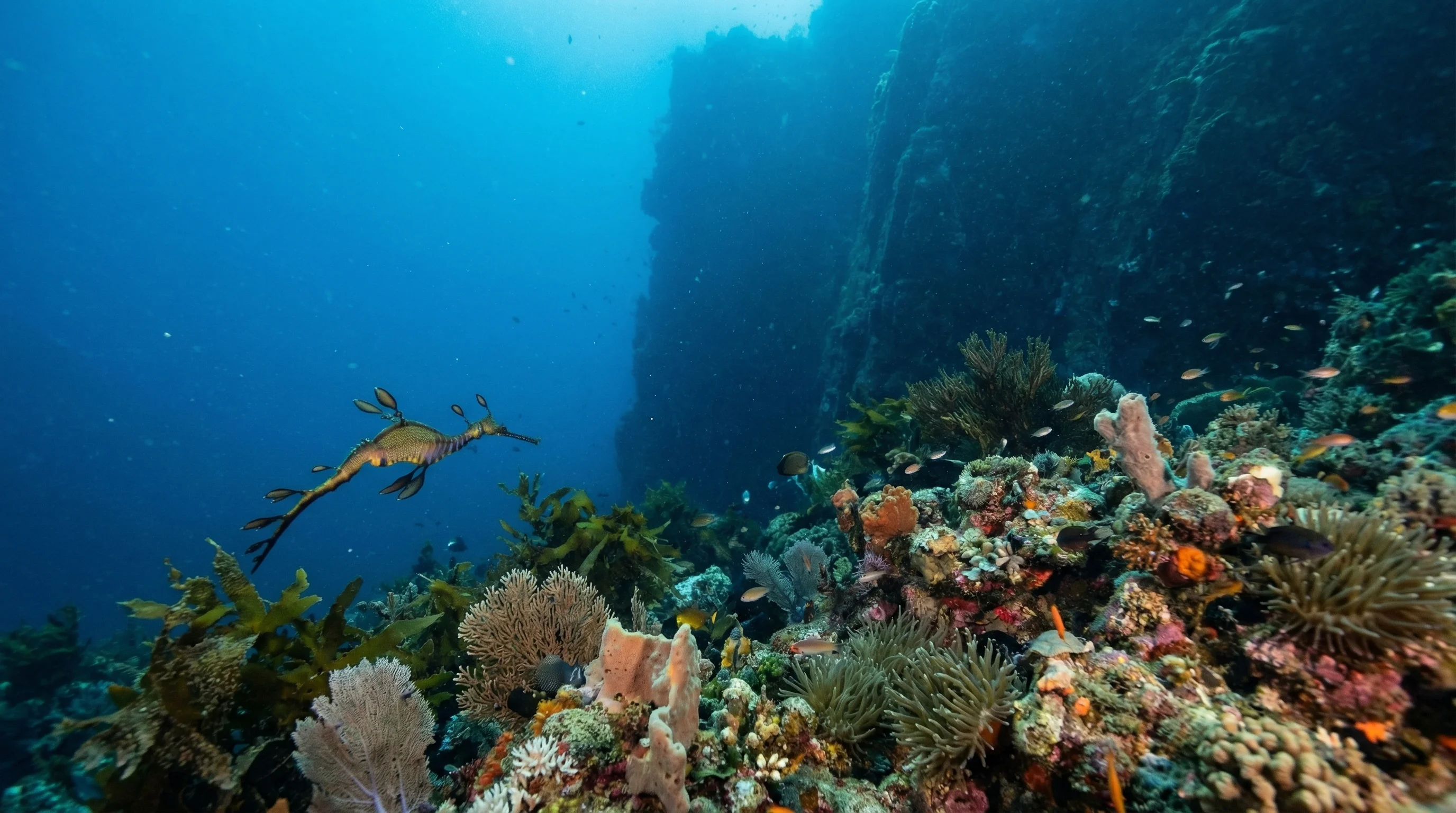
94Temperate reefs with Port Jackson Shark, Weedy Seadragon and Giant Cuttlefish, from sheltered beginner coves to deep technical wrecks.
 74
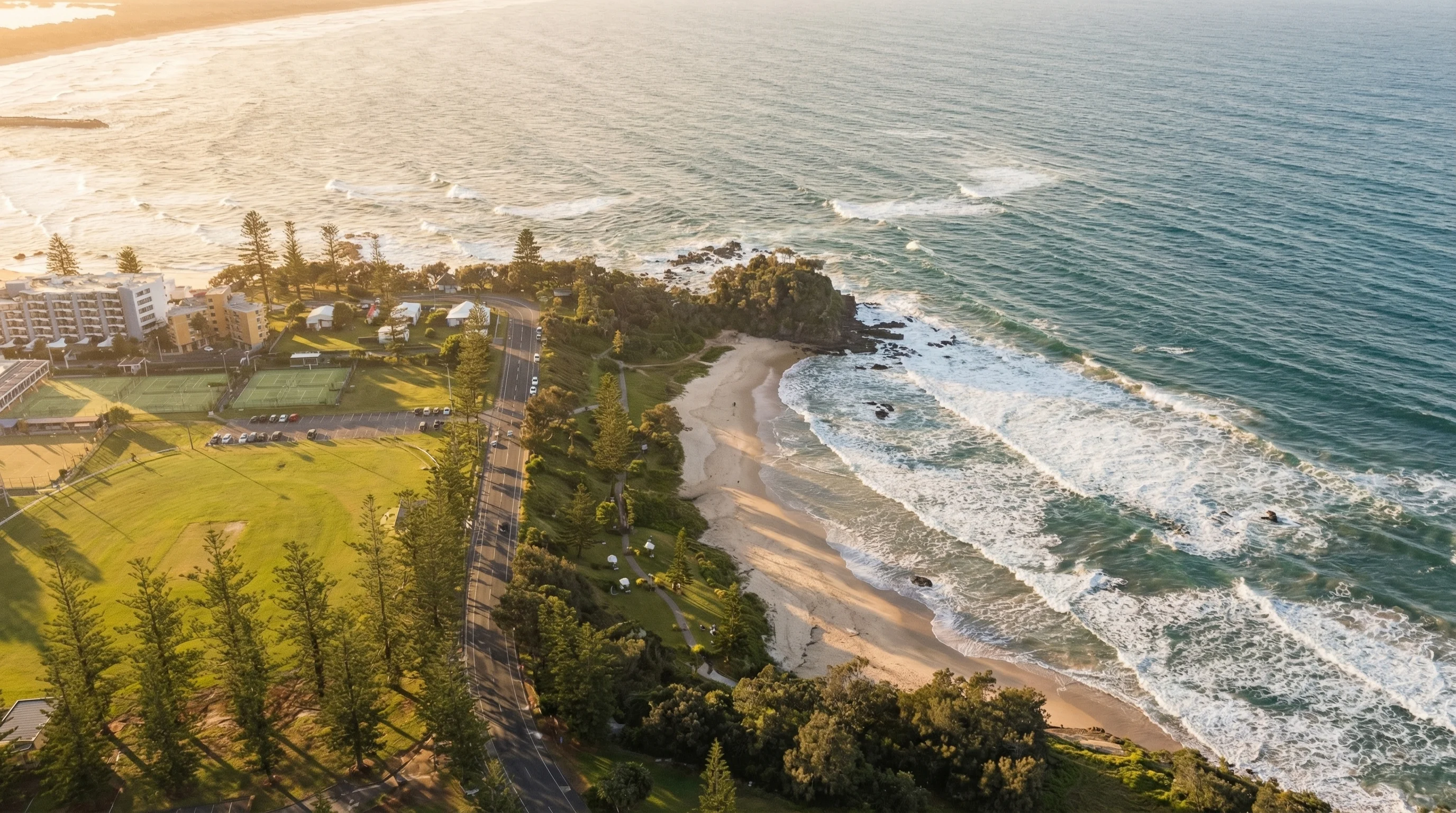
74Temperate reef diving with Grey Nurse Shark, Weedy Seadragon and Spotted Wobbegong across a wide range of walls, wrecks and sheltered shore sites.
 61
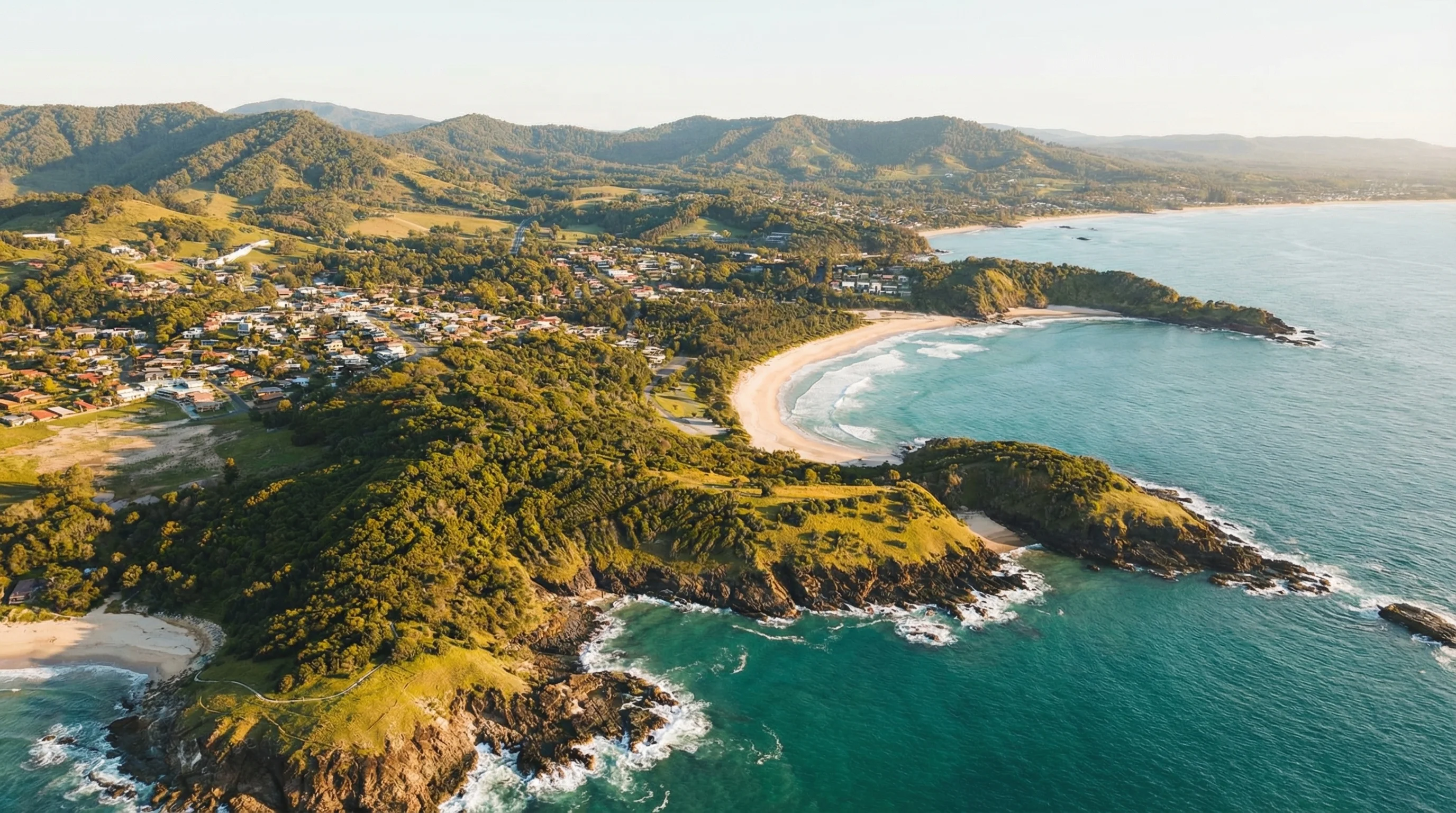
61Temperate reefs with Grey Nurse Shark, wobbegong and Eastern Blue Groper, across shore and boat sites from Caves Beach to Seal Rocks.
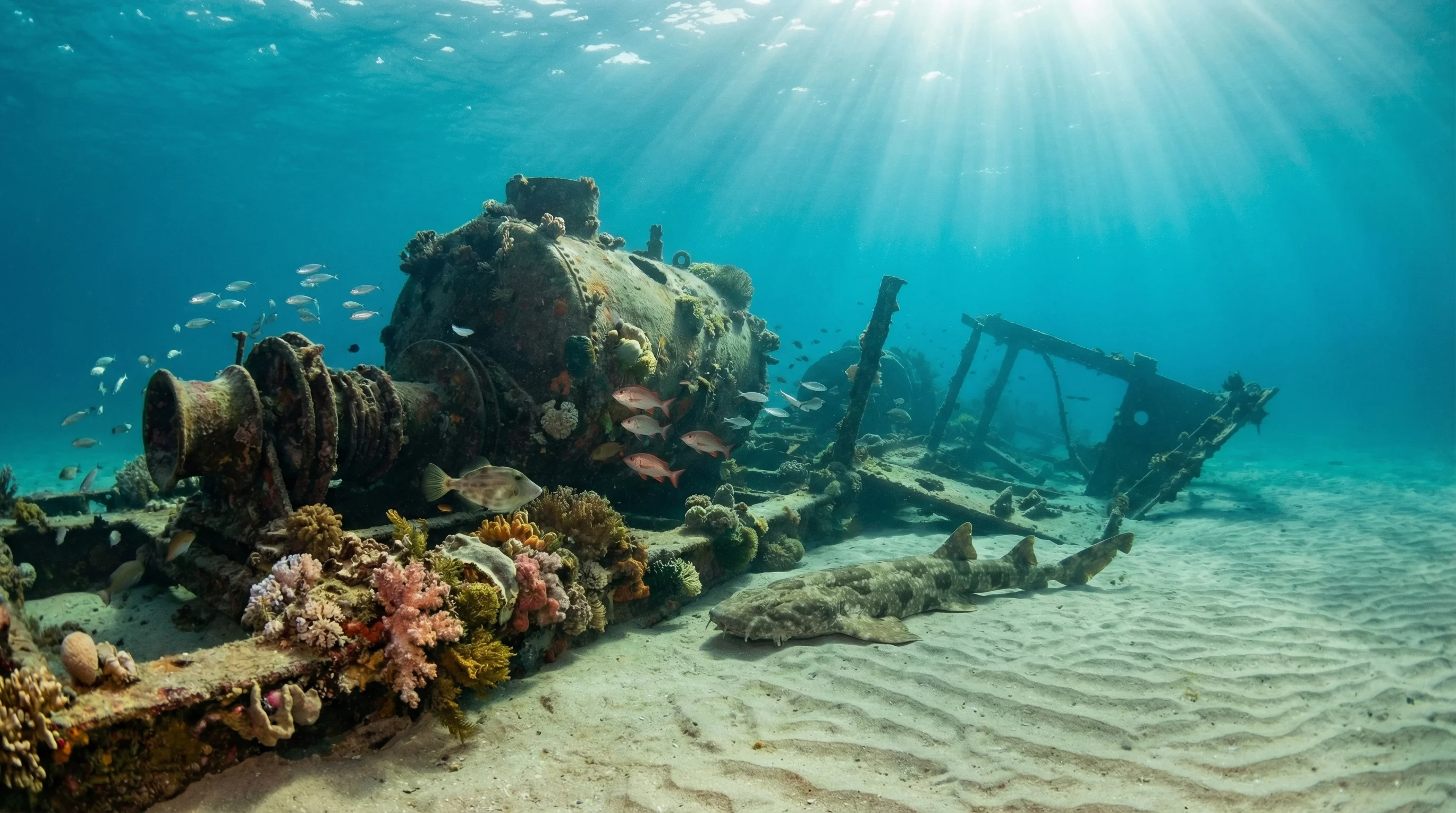
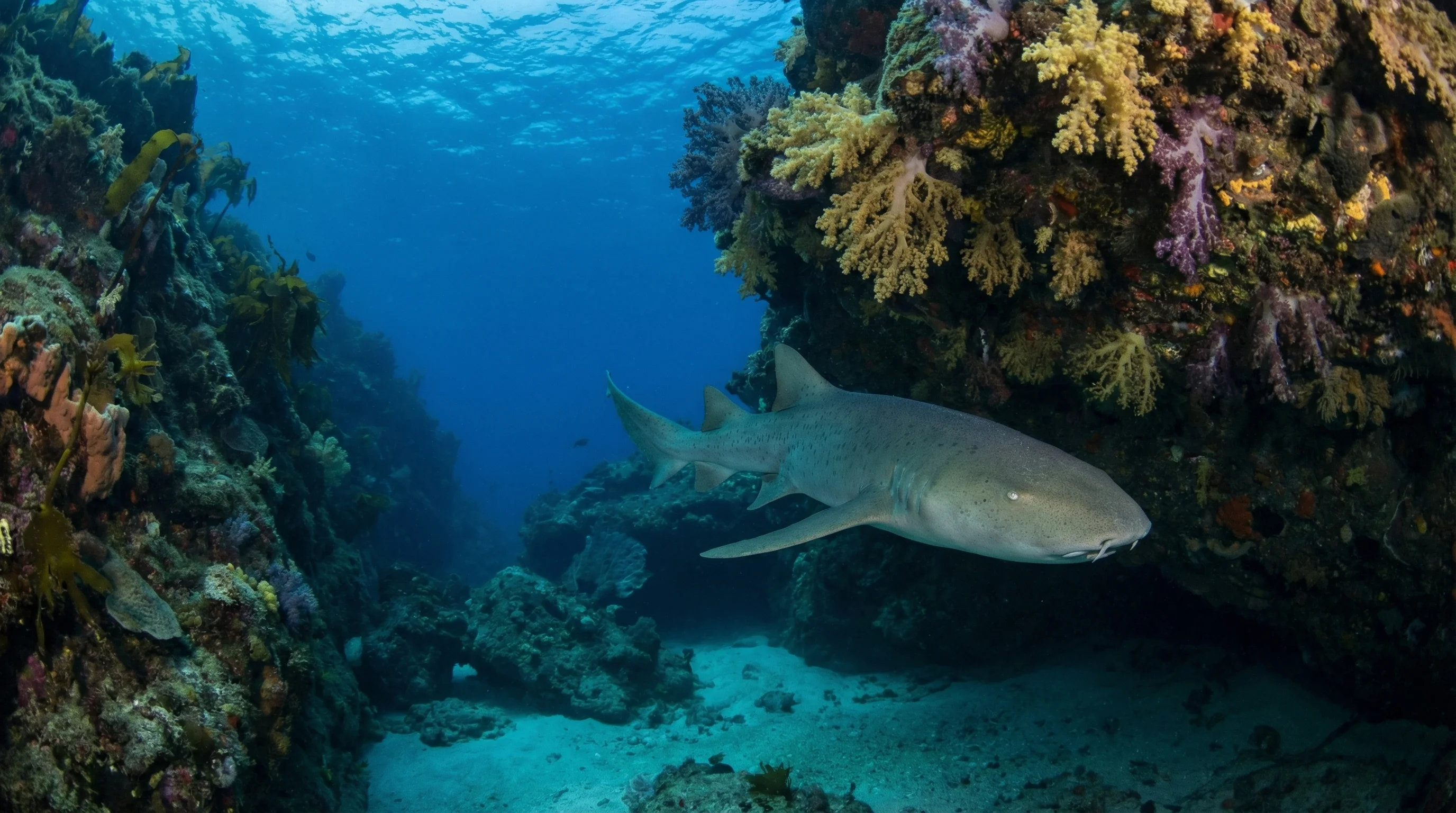
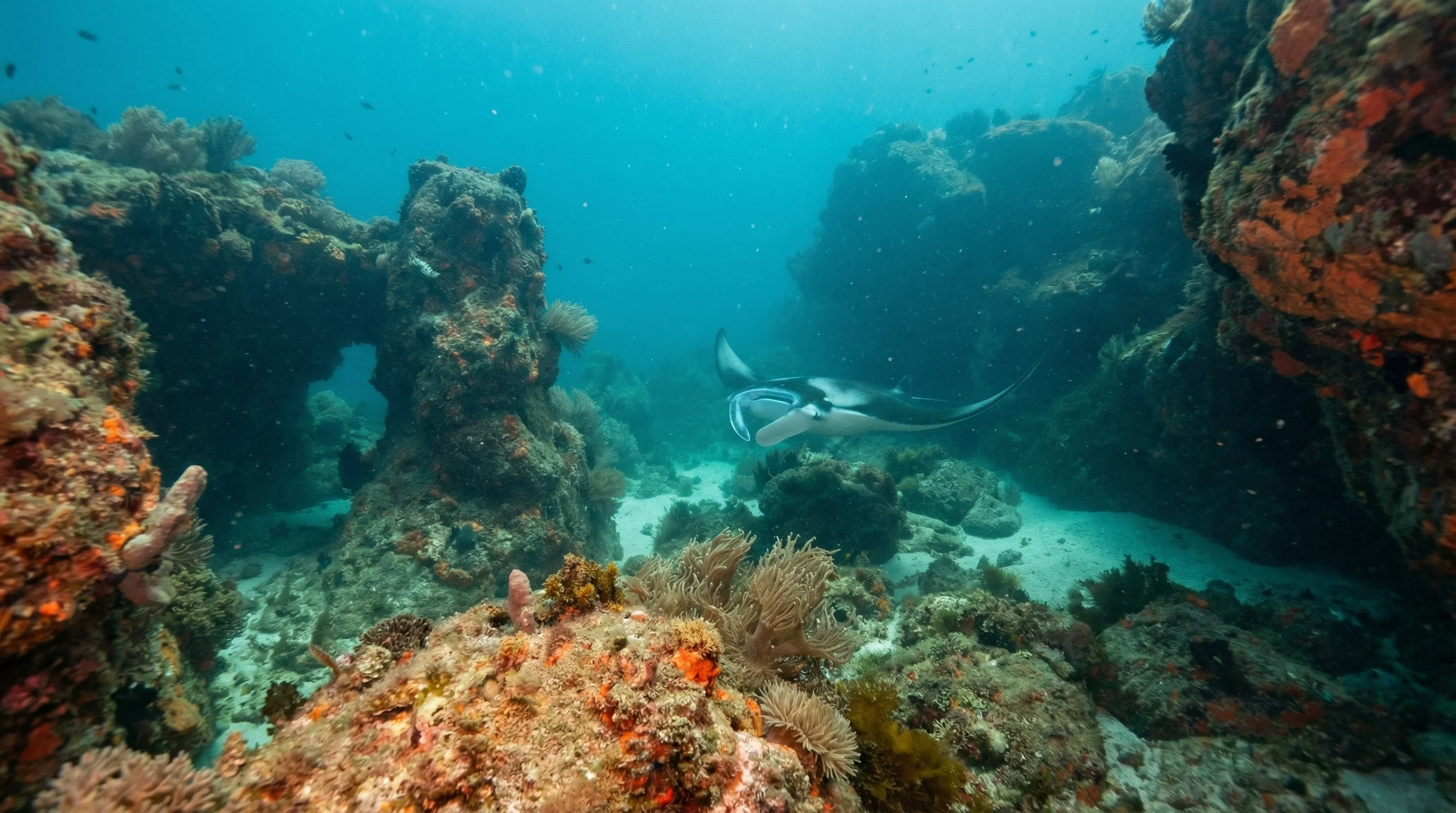
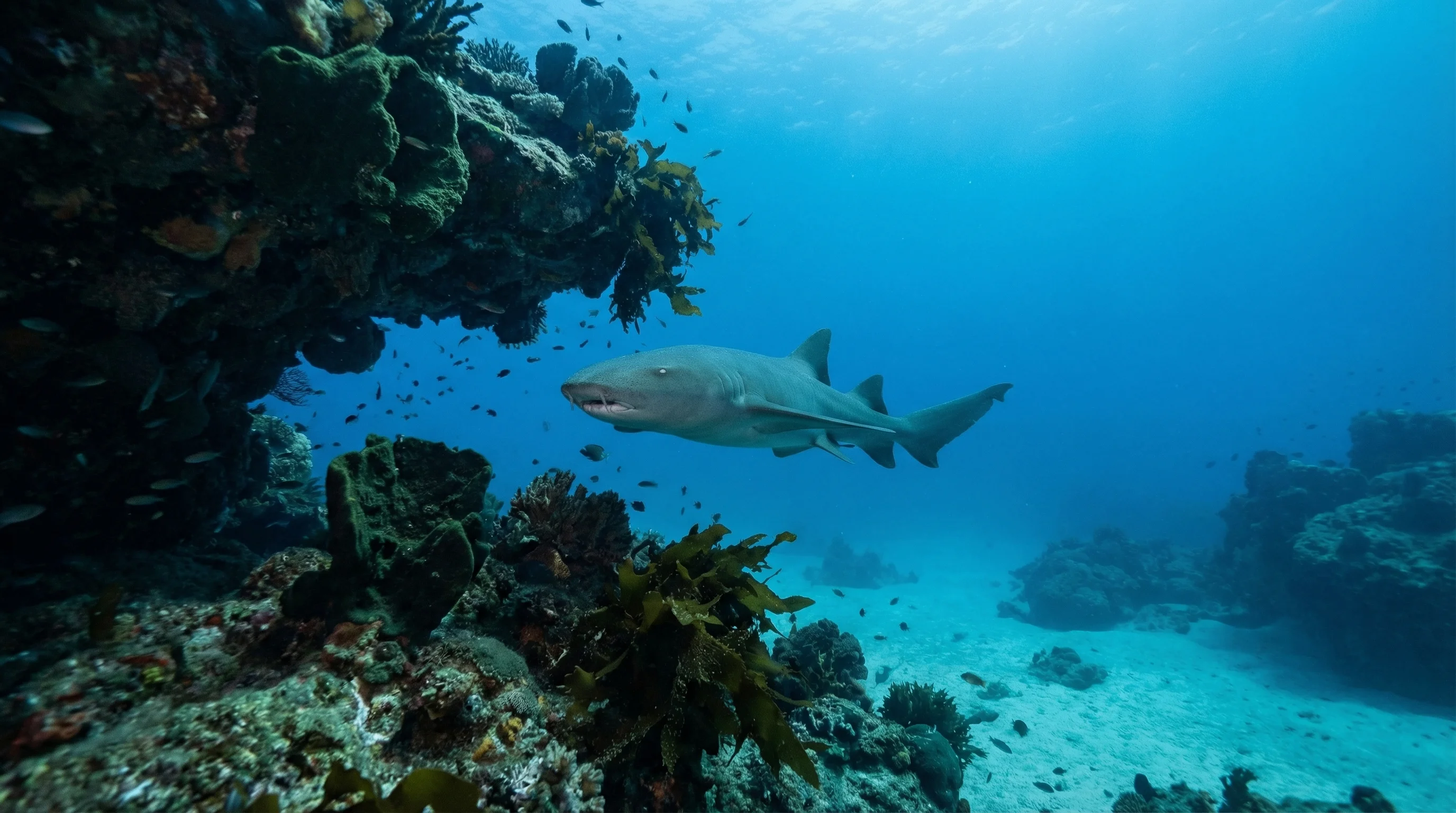
Monthly water temperature across New South Wales's sites, from satellite sea-surface data corrected for depth. The band shows the site-to-site spread.
Water is warmest through late summer and coolest in late winter, giving divers a clear seasonal rhythm. Autumn and early summer tend to attract the strongest activity, with generally good conditions across both periods. Exposed offshore sites can carry currents and require attention to sea state, while sheltered bays offer calmer water when swell is running.
86 operators
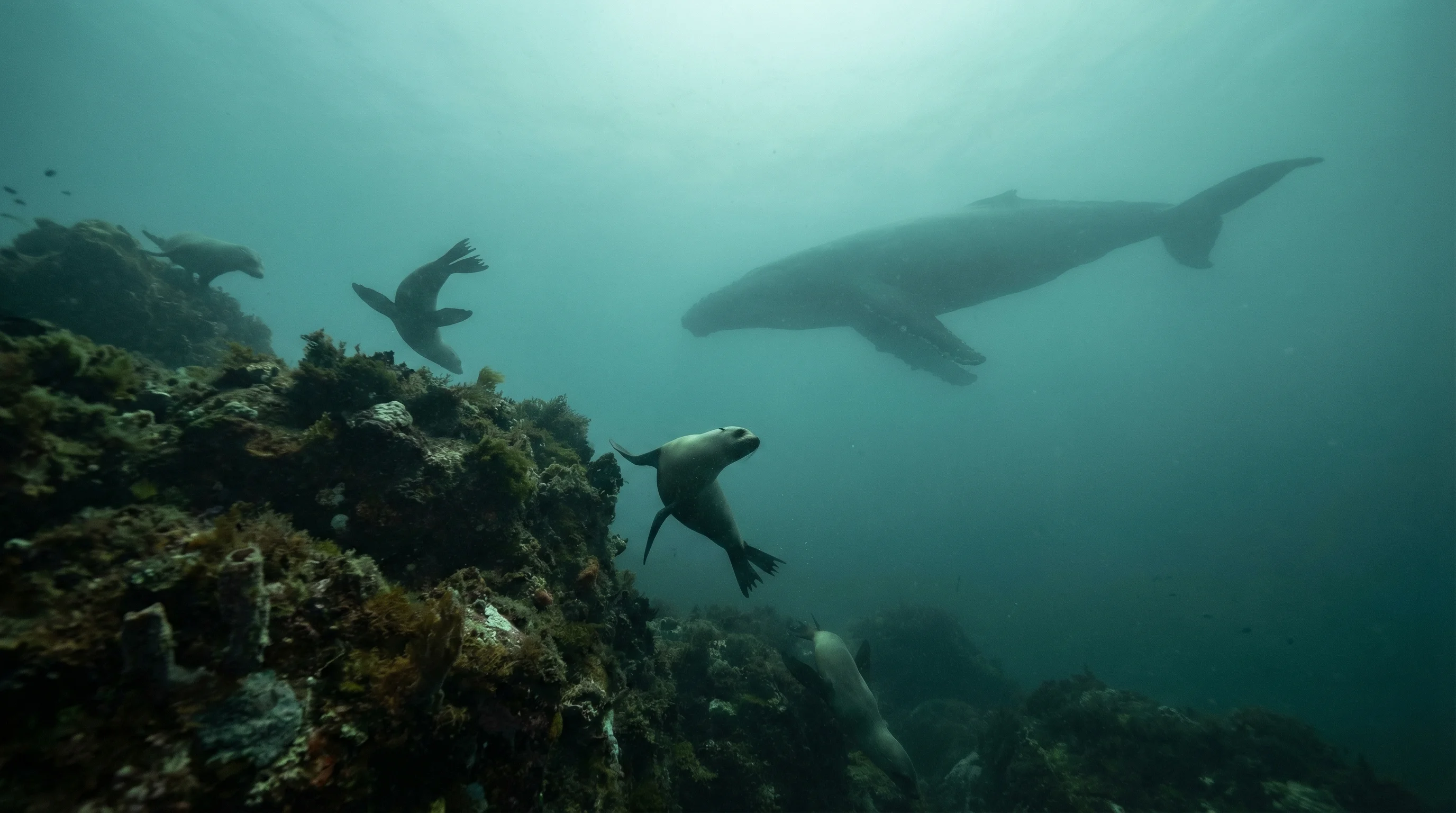
Reef caves, drift dives and Grey Nurse Sharks along a richly varied stretch of New South Wales coastline.
Water temperature around New South Wales ranges from about 18°C in August to 24°C in February, based on satellite sea-temperature data for its dive sites.
In the warm season (about 24°C) a 3mm full suit is comfortable in New South Wales; in the coldest months (about 18°C) step up to a 5mm suit.
Fin maps 304 sites in New South Wales (284 scuba diving sites and 100 snorkelling spots, with some suited to both), organised into 6 areas.
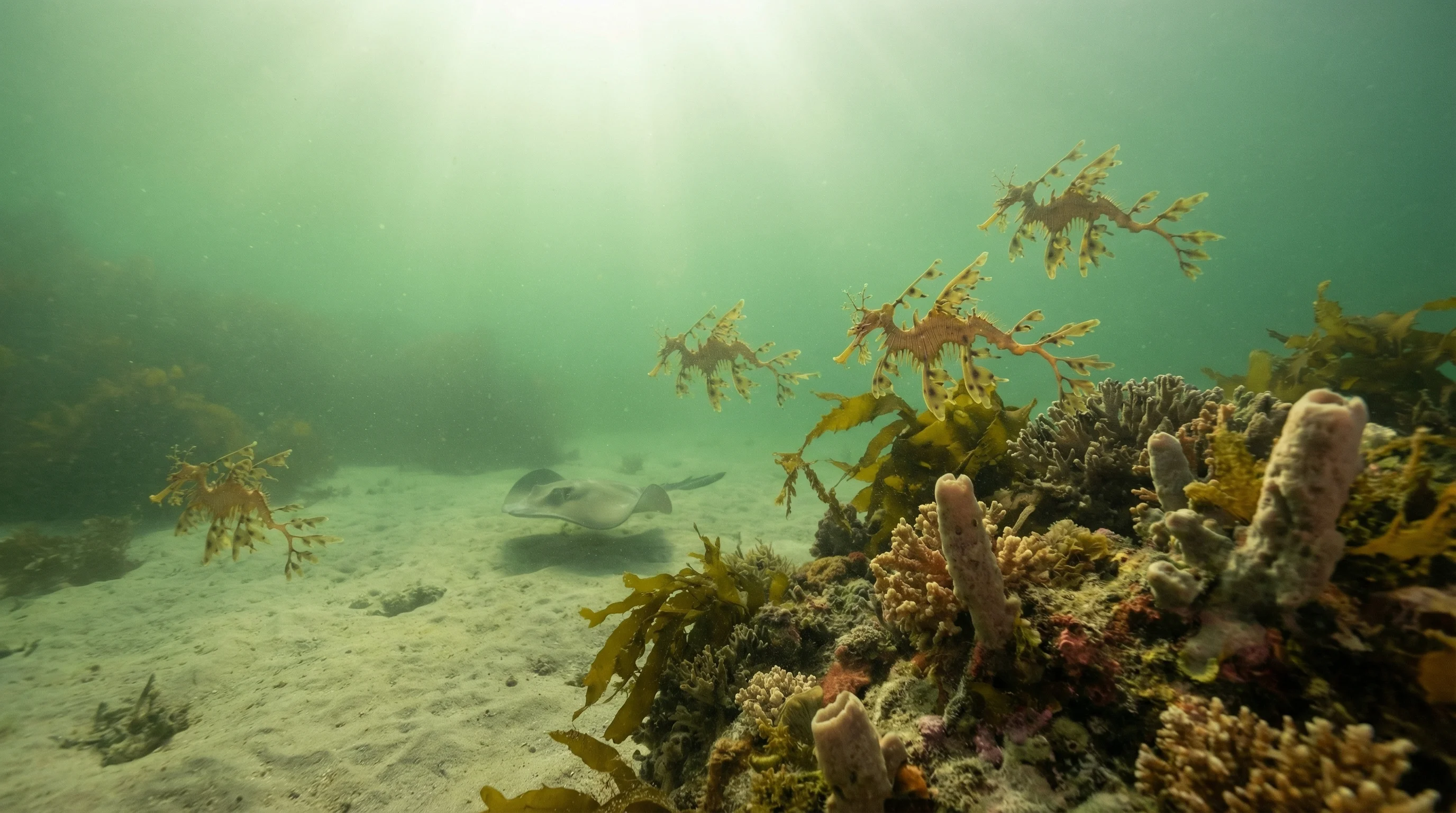
New South Wales waters support a rich variety of observed species. Spotted Wobbegong and Eastern Blue Groper are encountered very commonly across sites, while Port Jackson Shark, Green Moray, Common Stingray and Blue Throated Wrasse are seen regularly. Keep an eye out for the Weedy Seadragon, Giant Cuttlefish, Grey Nurse Shark and a wide range of nudibranchs including the Splendid Goniobranch and Clown Doris.
Yes, a good proportion of sites in New South Wales are rated beginner level. Shore-entry spots such as Shelly Beach, Gordon's Bay and Fishermans Bay offer sheltered, shallow conditions with mild currents. More advanced sites, including deep wrecks and drift dives, are also available for experienced divers looking for a challenge.
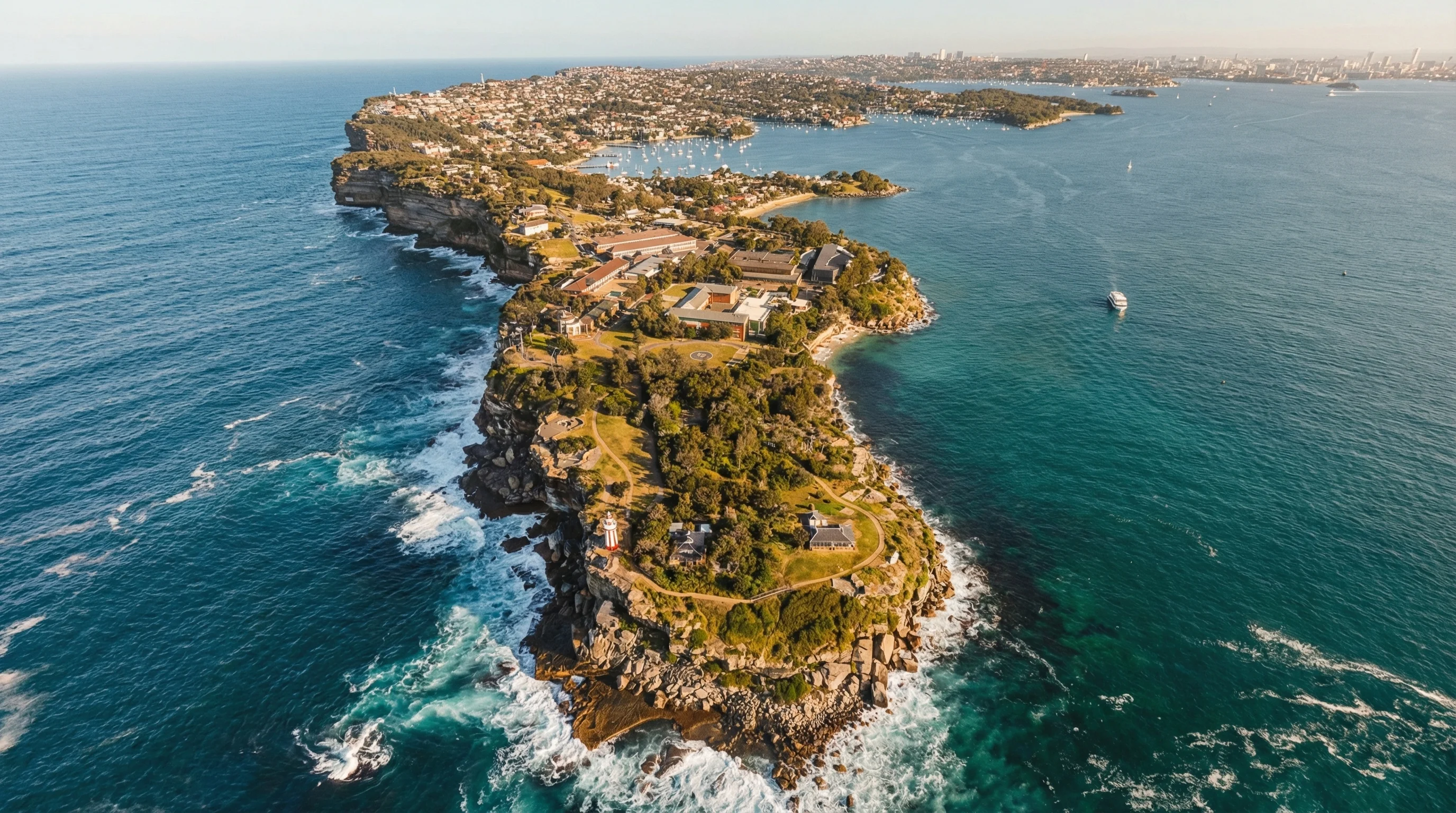
Sydney carries the largest concentration of sites and includes a strong mix of shore dives, boat reefs and wrecks close to the city. The South Coast and Mid North Coast each offer substantial site counts with varied terrain including walls, caves and pinnacles. The North Coast is home to sites like Julian Rocks near Byron Bay. The Central Coast rounds out the region with a smaller but worthwhile selection including the deep wreck SS Galava.
Both shore and boat access are well represented across the region. Shore entries such as Gordon's Bay, Shelly Beach and Fishermans Bay require no boat and are easy to reach independently. Many of the more varied and deeper sites, including reef walls, caves and wrecks, are boat-accessed, and a wide range of operators across the region run regular charters.