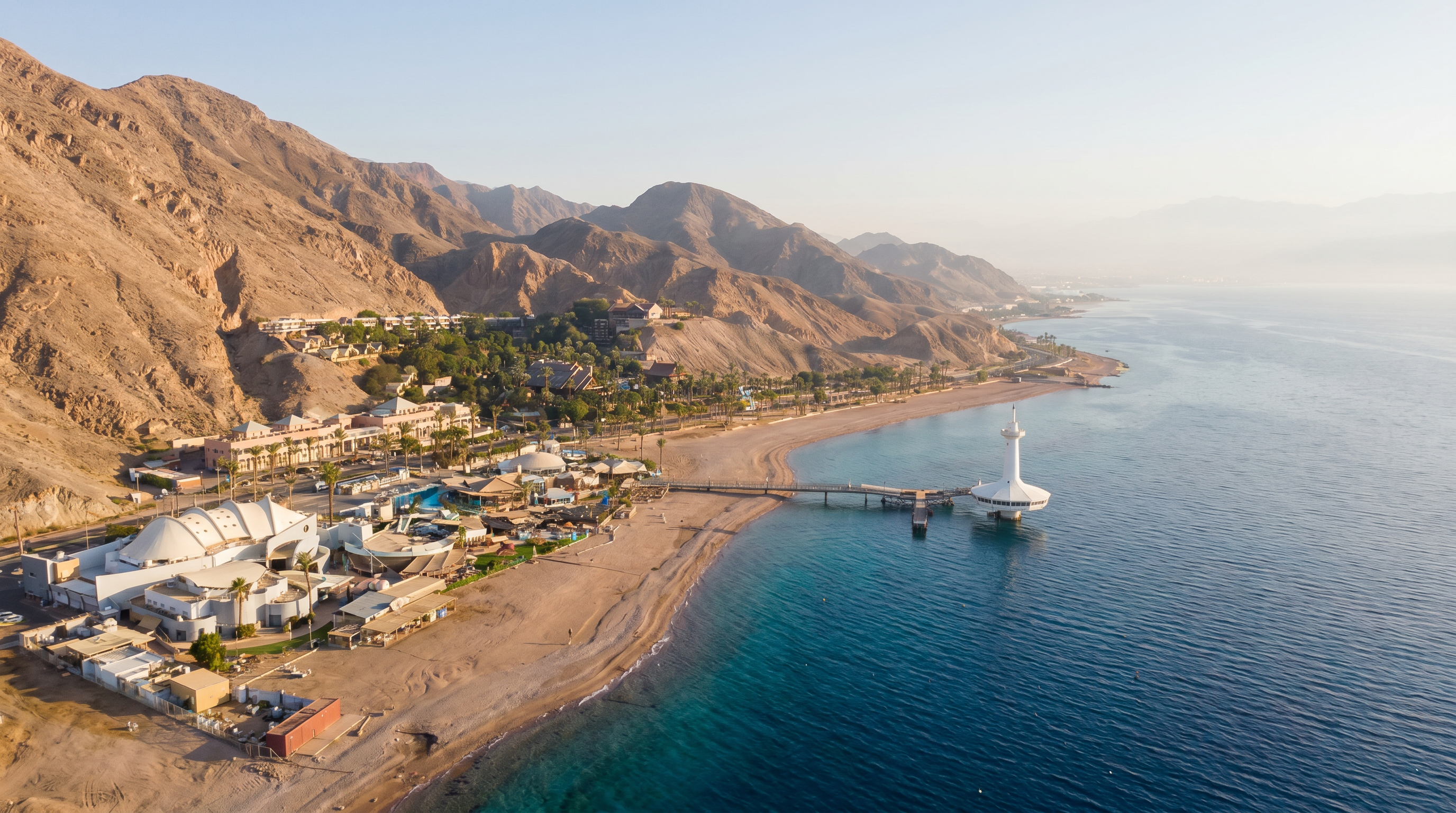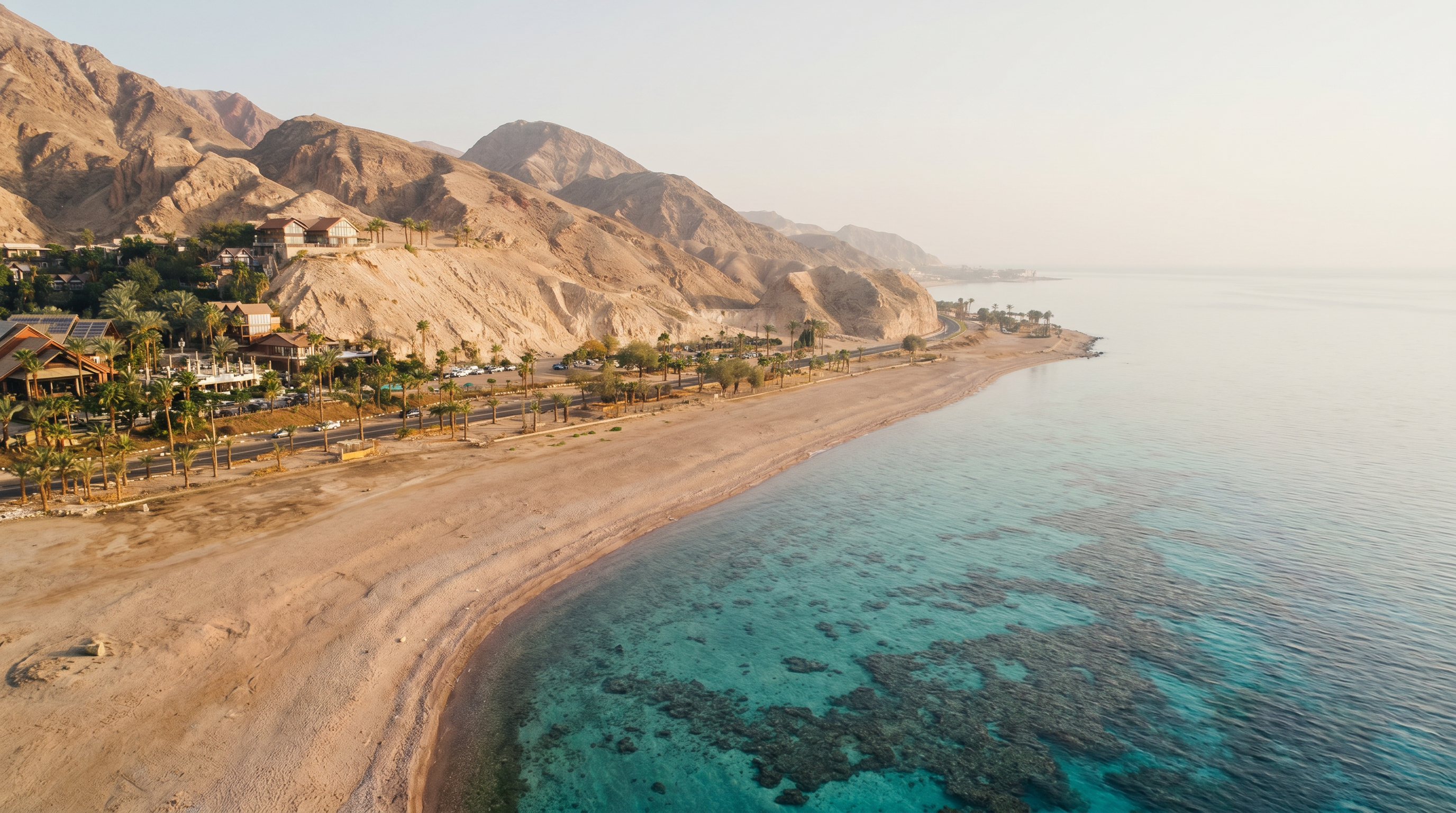
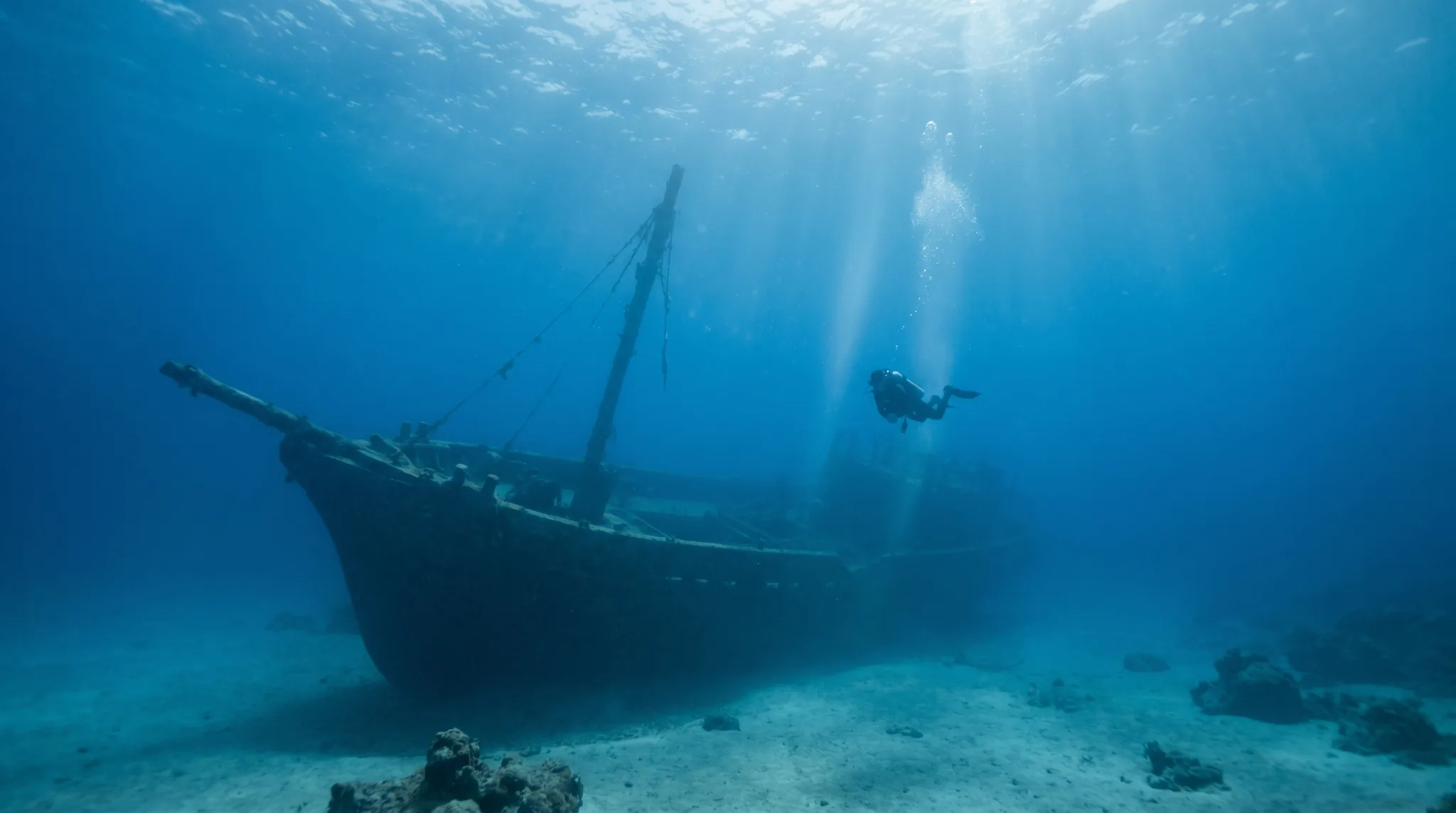
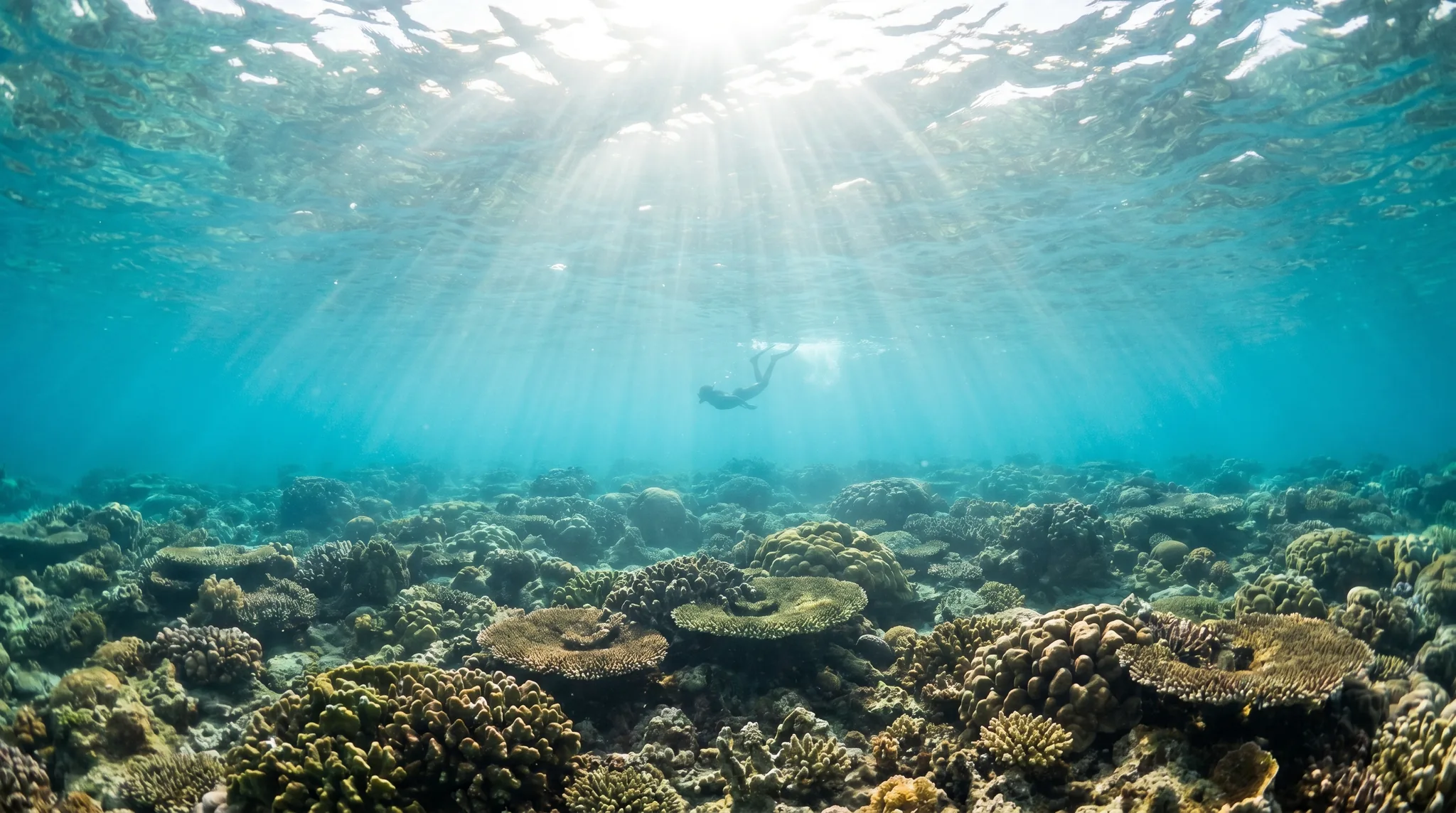
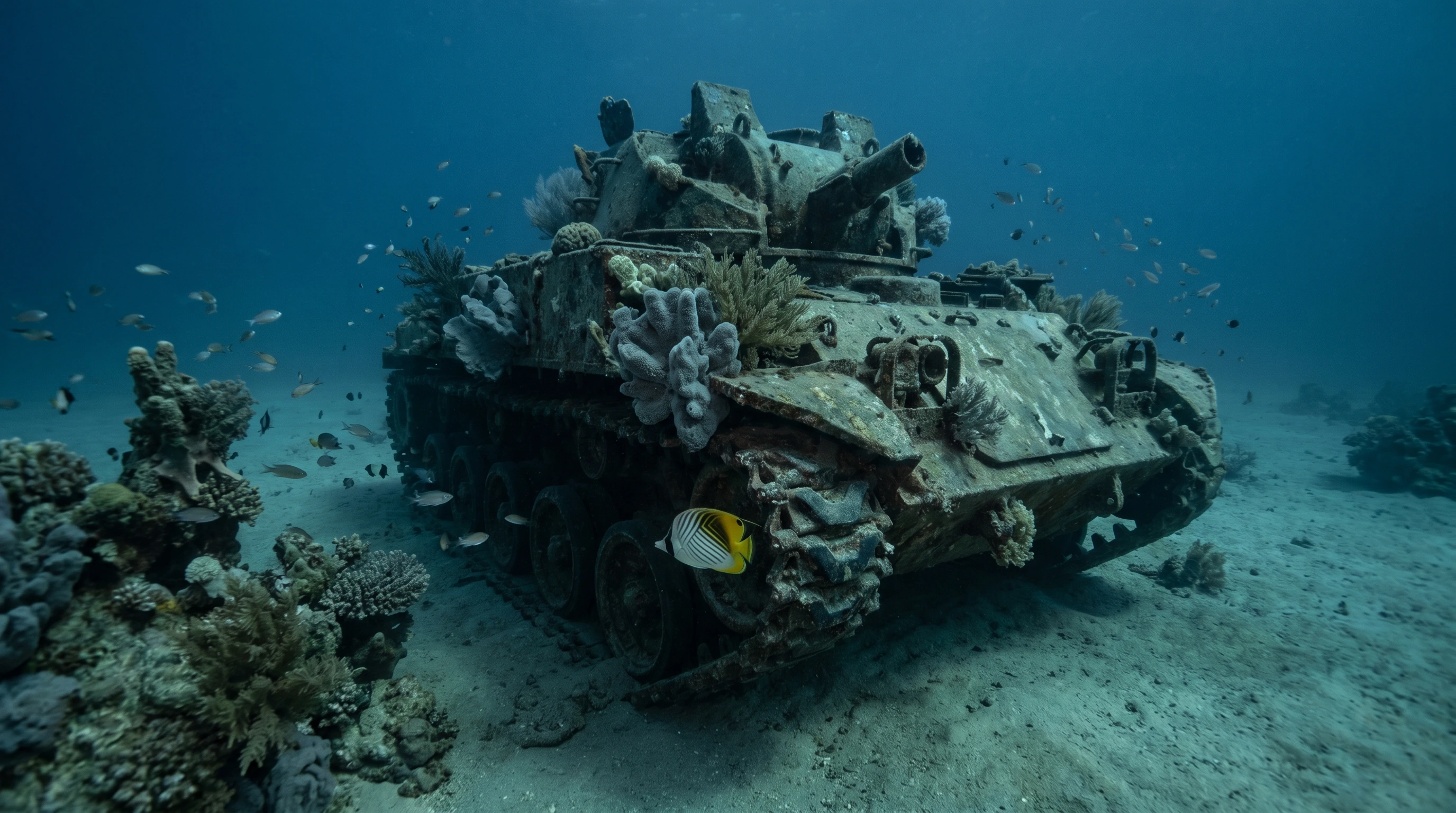
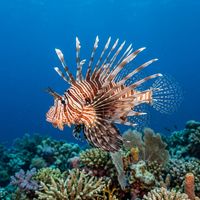
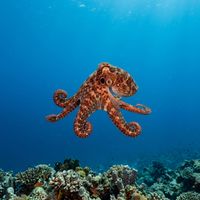
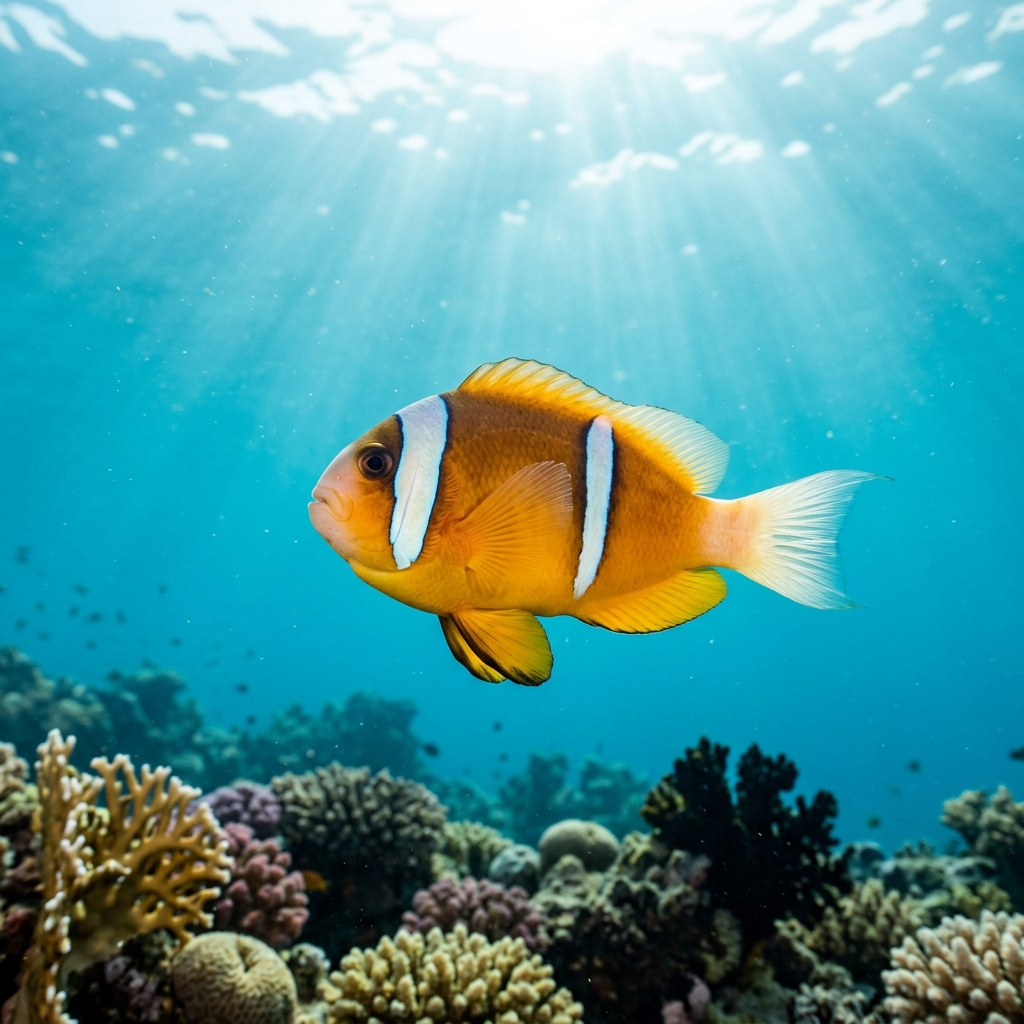
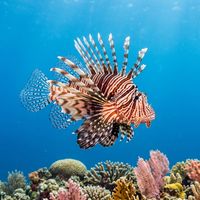
Jordan's diving is concentrated entirely within Aqaba, giving the region a focused, easily navigable character. The site mix leans heavily toward wrecks and artificial reefs, including a scuttled military aircraft, a collection of submerged military vehicles at the Underwater Military Museum, and deeper technical wrecks such as Al Sharouk and Taiyong. Natural reef also features strongly, with walls, drop-offs, pinnacles and coral structures spread across the Seven Sisters and The Tank area. Skill levels range from shore-accessible beginner sites like Kiwi Reef and The Tank through to demanding technical dives. Marine life observed across the region includes Indian Lionfish, Day Octopus, Twoband Clownfish, Purple Tang, Chromodoris Nudibranch and Scorpionfish, with Seahorse and Emperor Angelfish among the signature finds.
1 areas
Monthly water temperature across Jordan's sites, from satellite sea-surface data corrected for depth. The band shows the site-to-site spread.
Water temperature stays warm throughout the year, rising from its coolest in the winter months to its peak in late summer, meaning no month is truly cold for diving. The best-months data shows a clear peak in October and a secondary lift in spring, suggesting these periods offer the most favourable overall conditions. Visibility can reach its upper range during calmer periods, rewarding divers who time their visit around spring and autumn.

33 operators

Water temperature around Jordan ranges from about 22°C in January to 28°C in August, based on satellite sea-temperature data for its dive sites.
In the warm season (about 28°C) a rash guard or 3mm shorty is comfortable in Jordan; in the coldest months (about 22°C) step up to a 3mm full suit.
Fin maps 30 sites in Jordan (29 scuba diving sites and 7 snorkelling spots, with some suited to both).
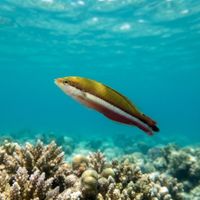
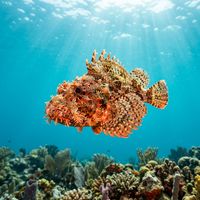
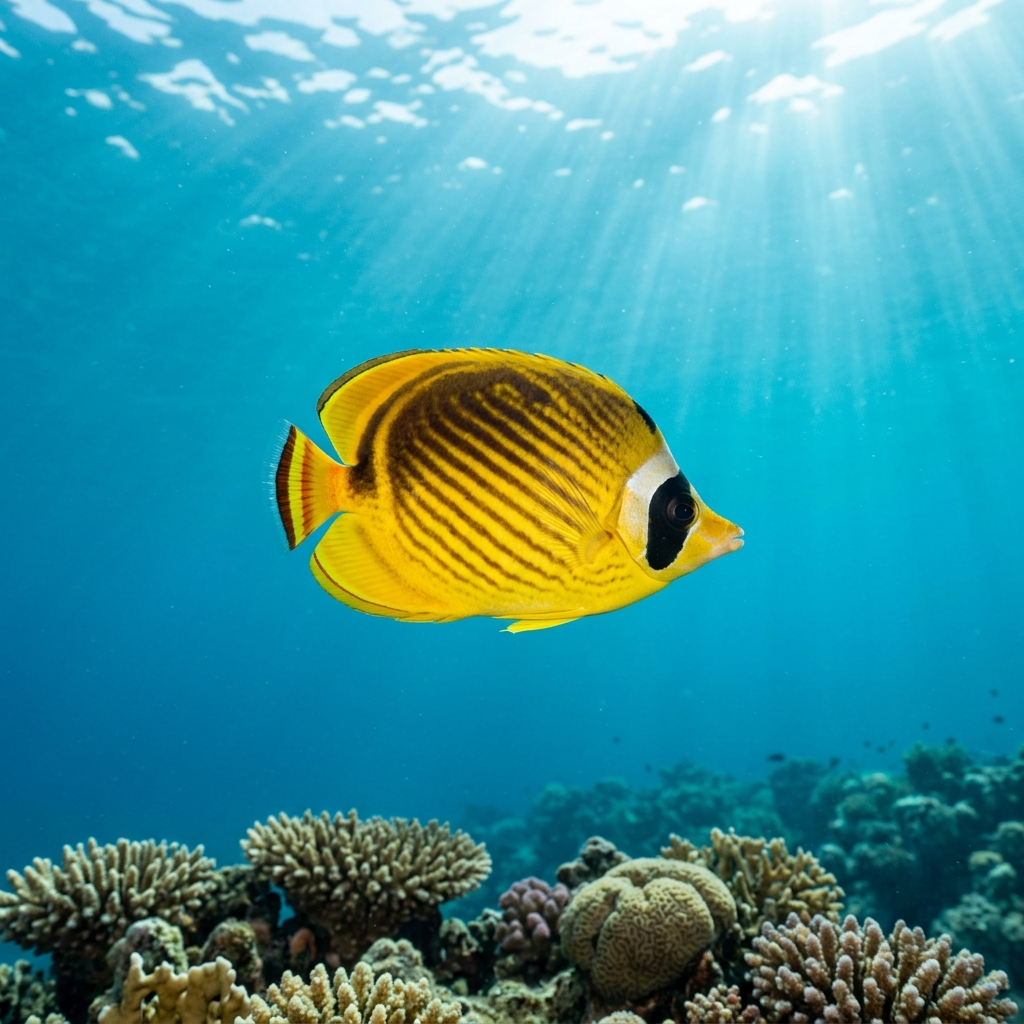
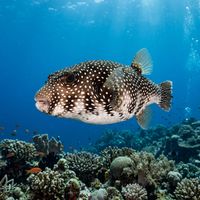
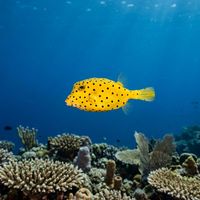
Aqaba's reefs and wrecks host a wide range of observed species. Indian Lionfish, Scorpionfish, Day Octopus, Twoband Clownfish, Chromodoris Nudibranch, Purple Tang and Yellow Boxfish are all very commonly encountered. Seahorse and Emperor Angelfish are among the signature species that divers specifically seek out across the sites.
A good number of sites are rated for beginner divers, including shore entries such as Kiwi Reef, The Tank and Seven Sisters and The Tank. Japanese Garden and King Abdullah Reef also welcome newer divers and are accessible from shore or by boat. More experienced divers can progress to advanced sites, and technical divers have deep wrecks such as Taiyong and Al Sharouk to target.
Access varies by site. Several popular sites, including Kiwi Reef, The Tank and Seven Sisters and The Tank, are reachable from shore. Others, such as the Tristar, Power Station and the deep wreck sites, require boat access. Many of the key sites at Seven Sisters and The Tank offer both shore and boat options, giving divers flexibility depending on their operator.
The Underwater Military Museum in Aqaba features a collection of deliberately scuttled military vehicles arranged as an artificial reef. The site sits at accessible depths and suits beginner divers. Nearby, additional aircraft wrecks including the C-130 Hercules and the TriStar Lockheed L1011 have been scuttled to extend the underwater landscape, creating a concentration of artificial reef diving found nowhere else in the region.