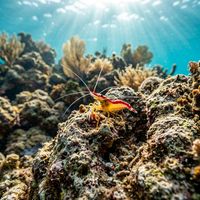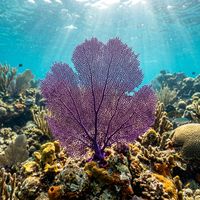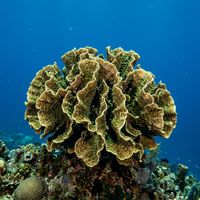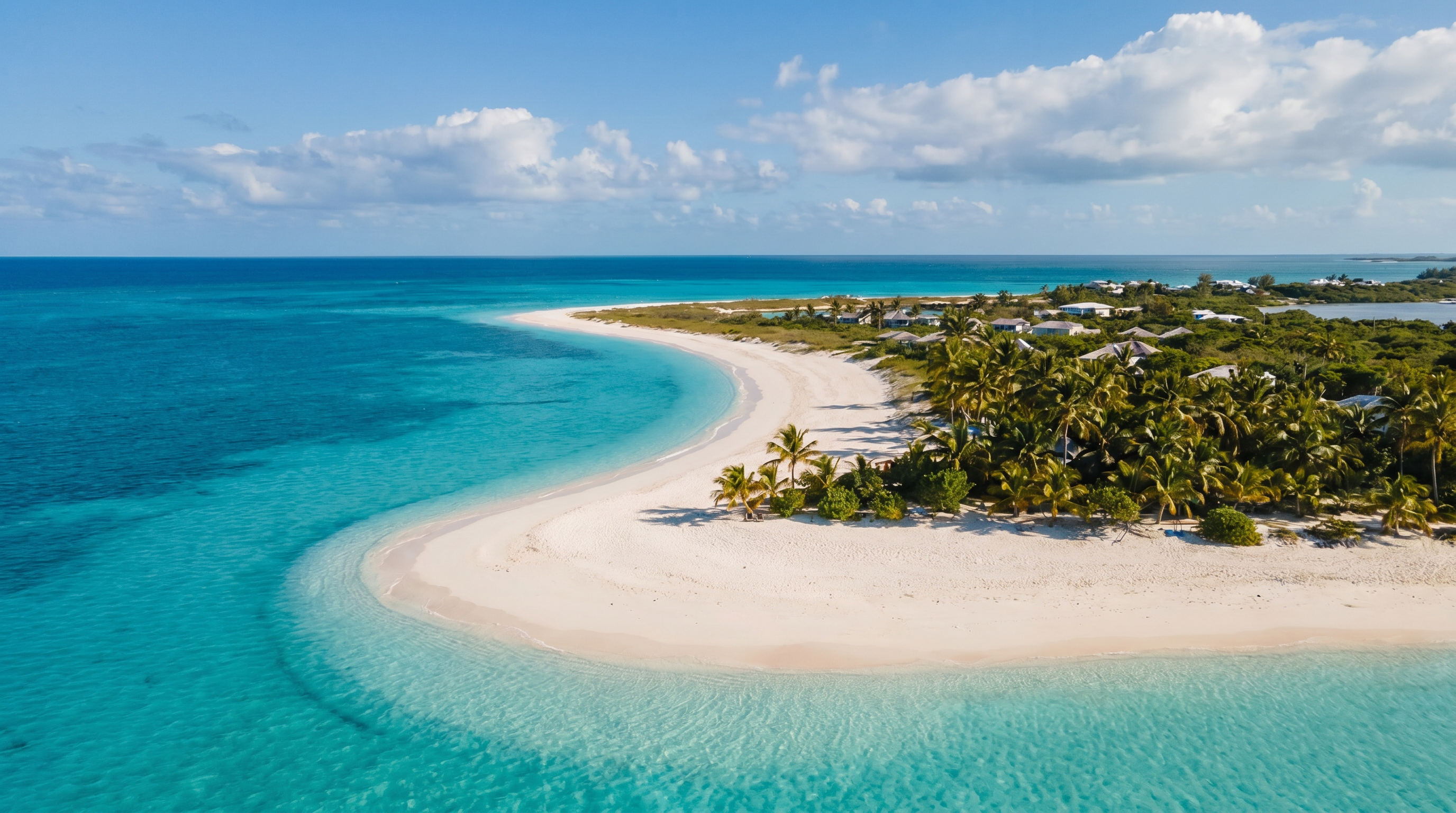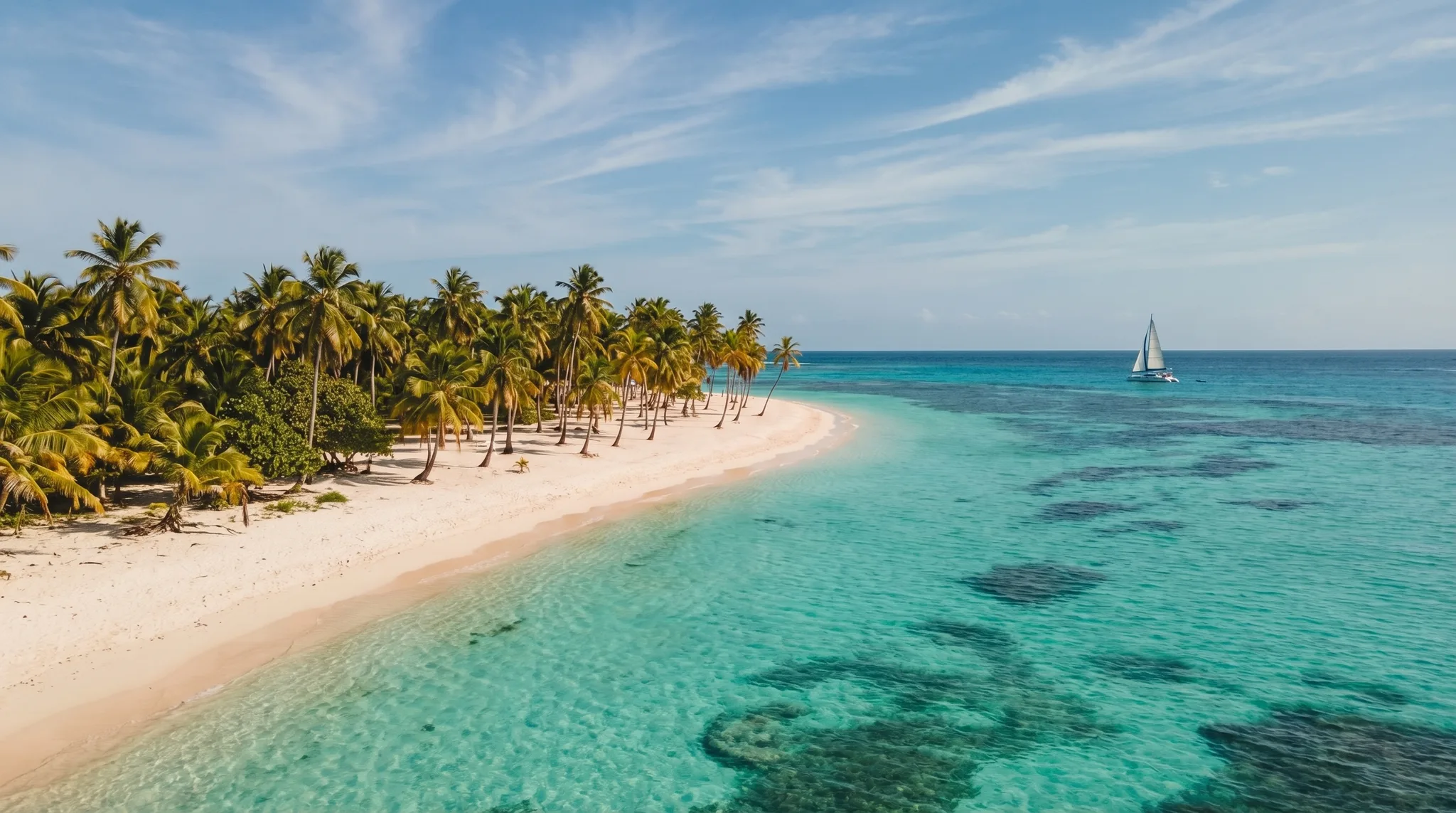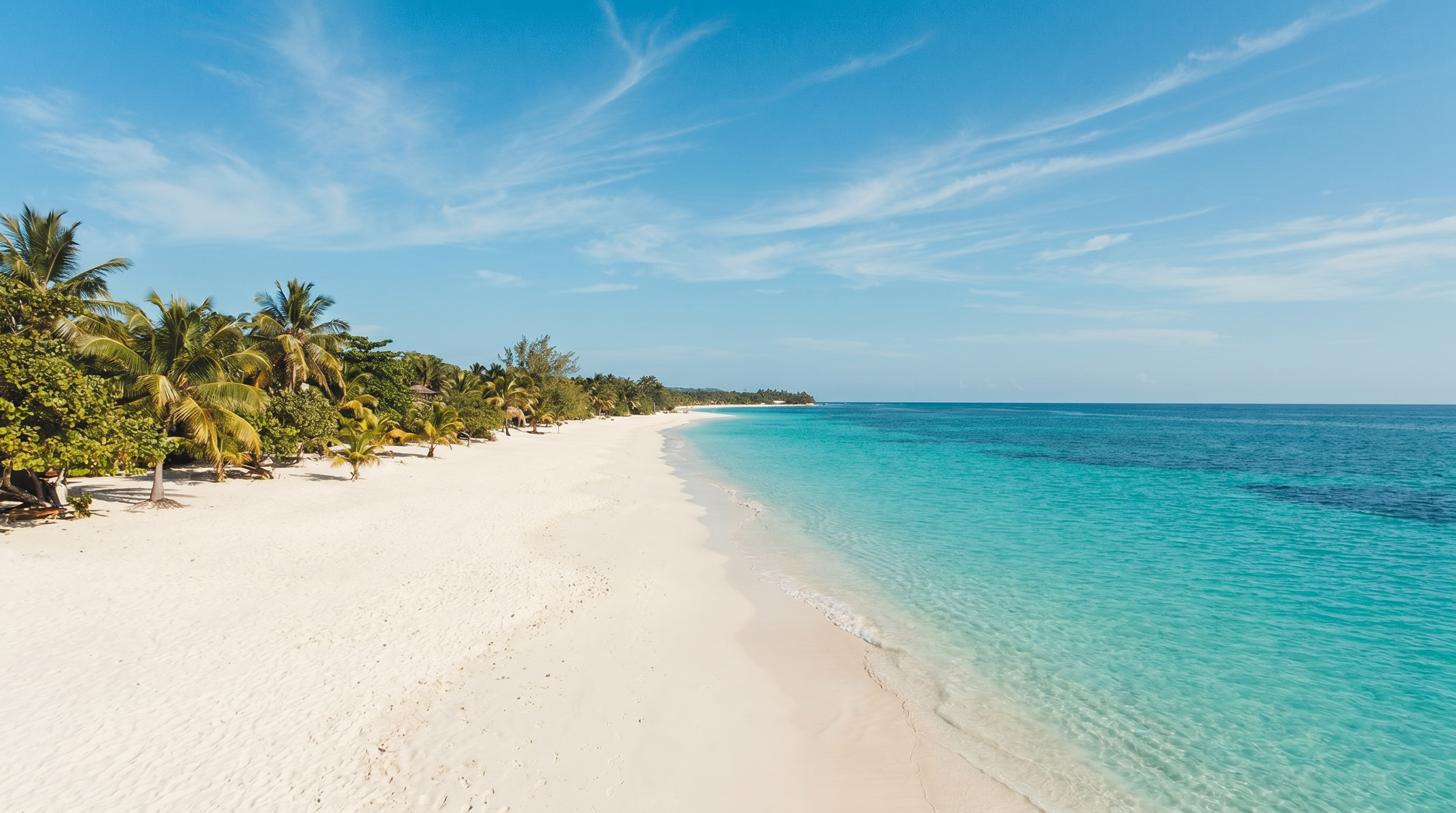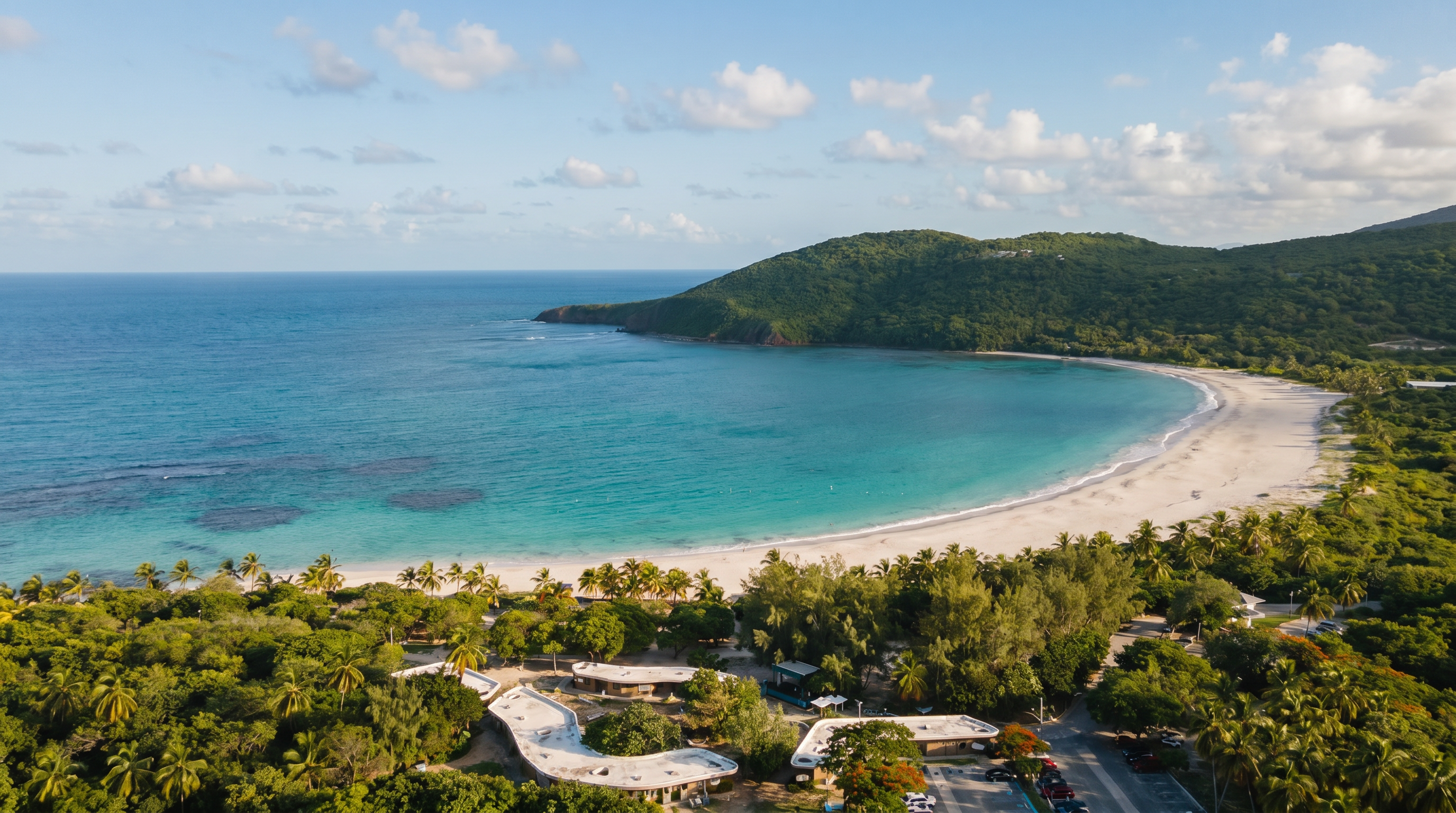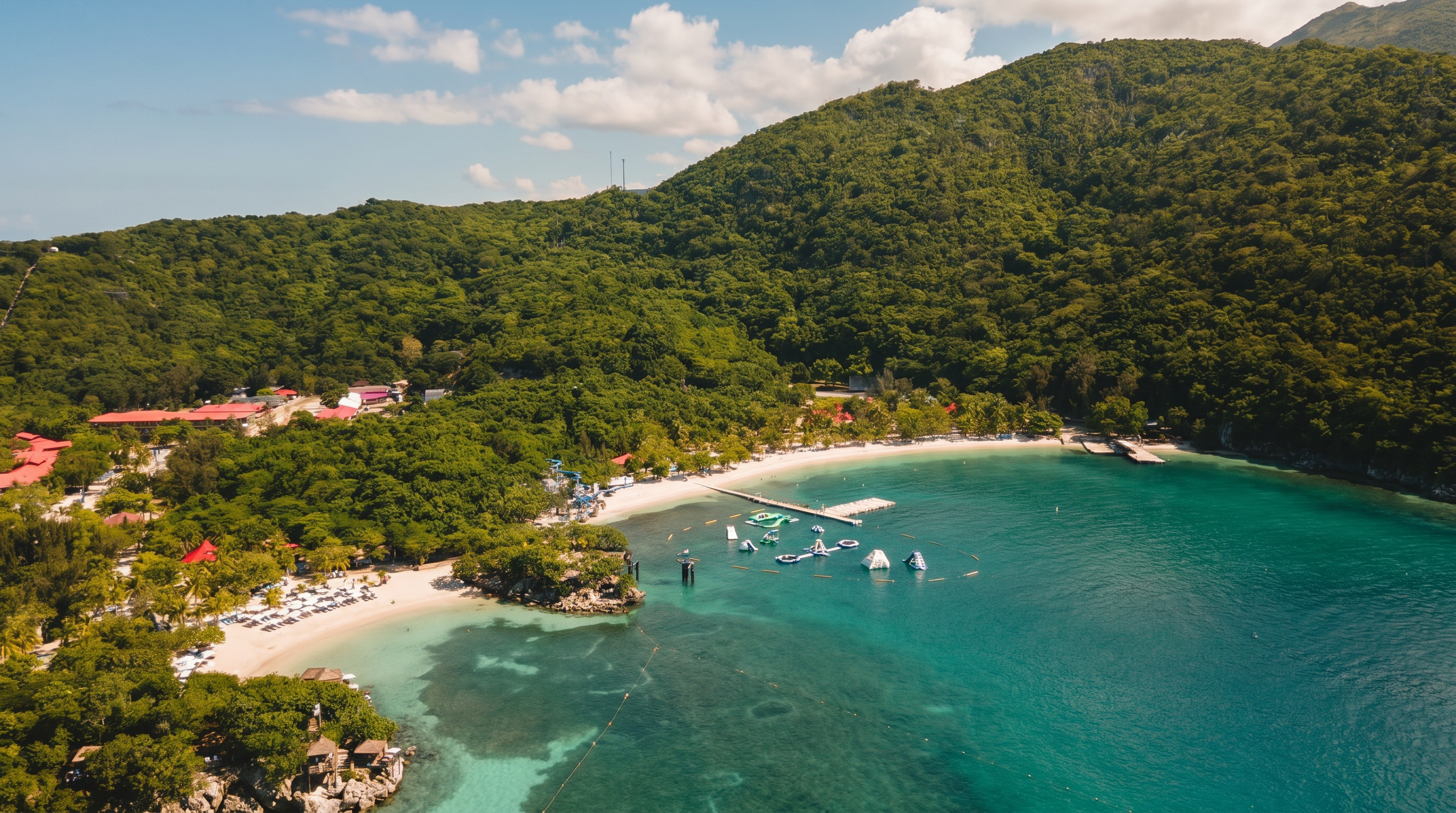
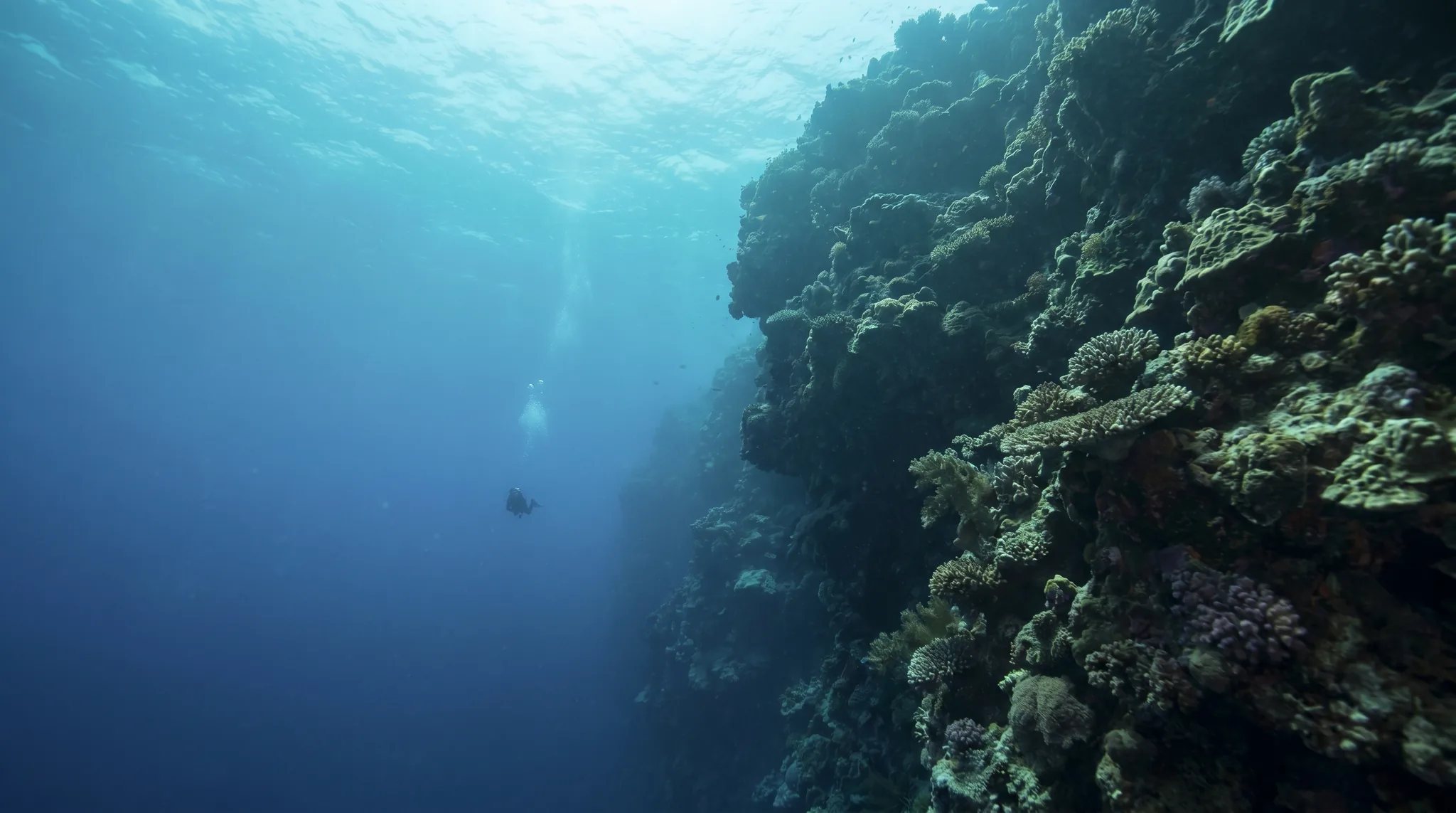
Haiti's dive sites split between two distinct areas: the North Coast, which holds the bulk of the sites centred on the Cachal Reef and Shoals, and the smaller Côte des Arcadins area to the west. Reef diving dominates, with natural coral structures regularly accompanied by artificial reef additions, and sites such as Liberty Wall and Powder Beach Reef adding wall diving to the mix. The wreck at The Rust Bucket broadens the offering further. Much of the North Coast diving suits beginners, with shallow, calm reefs and mild currents; intermediate divers find more challenge at Saint Marc Beach and Trois Maries. Across the sites, Cleaner Shrimp, Purple Sea Fan, and Lettuce Coral are consistently observed, while Barracuda, Trumpetfish, and Flamingo Tongue appear at select locations. Pegasus Diving is the listed operator serving the region.
2 areas
 16
16Shallow shoal reefs, walls and wrecks off Haiti's north coast, with beginner-friendly conditions across the Cachal Reef and Shoals.
 2
2Haiti's main dive hub in the Gulf of Gonâve, with warm water year-round, thirty-metre visibility, and reef sites from beginner to advanced.
Monthly water temperature across Haiti's sites, from satellite sea-surface data corrected for depth. The band shows the site-to-site spread.
Water temperature stays warm throughout the year, rising through summer and peaking in the early autumn months before easing back. The cooler and calmer period from late autumn through winter and into early spring draws the most favourable ratings from divers, suggesting that conditions, particularly visibility and sea state, are more predictable then. Divers planning a trip should note that the North Coast sites can be exposed, so local operator guidance from Pegasus Diving on conditions is advisable.
10 operators
Haiti
Water temperature around Haiti ranges from about 27°C in January to 30°C in September, based on satellite sea-temperature data for its dive sites.
With water around 27–30°C, a rash guard or 3mm shorty works in Haiti year-round.
Fin maps 18 sites in Haiti (18 scuba diving sites and 2 snorkelling spots, with some suited to both), organised into 2 areas.
Across Haiti's dive sites, January, February, March and December are most often reported as the best months to visit.
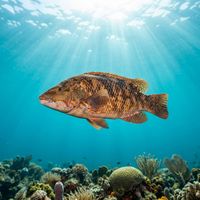
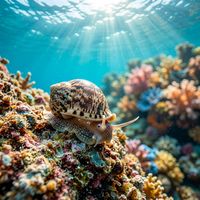
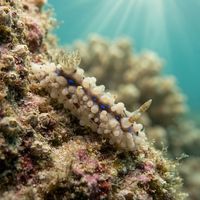
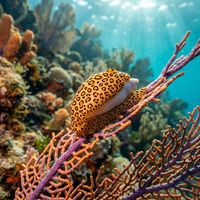
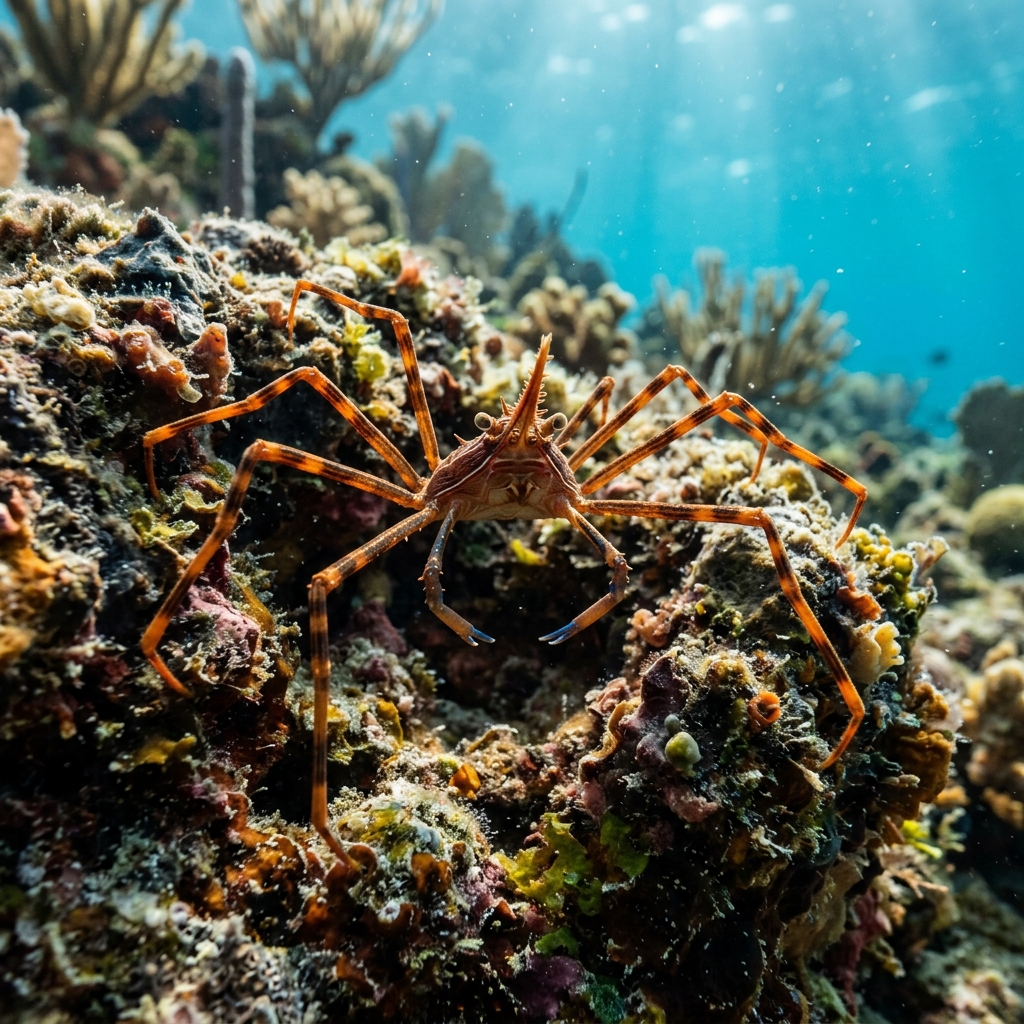
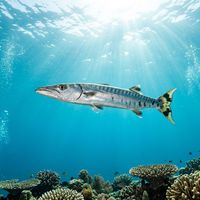
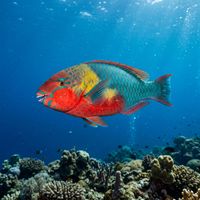
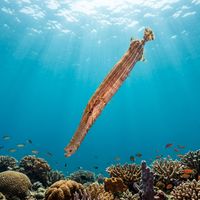
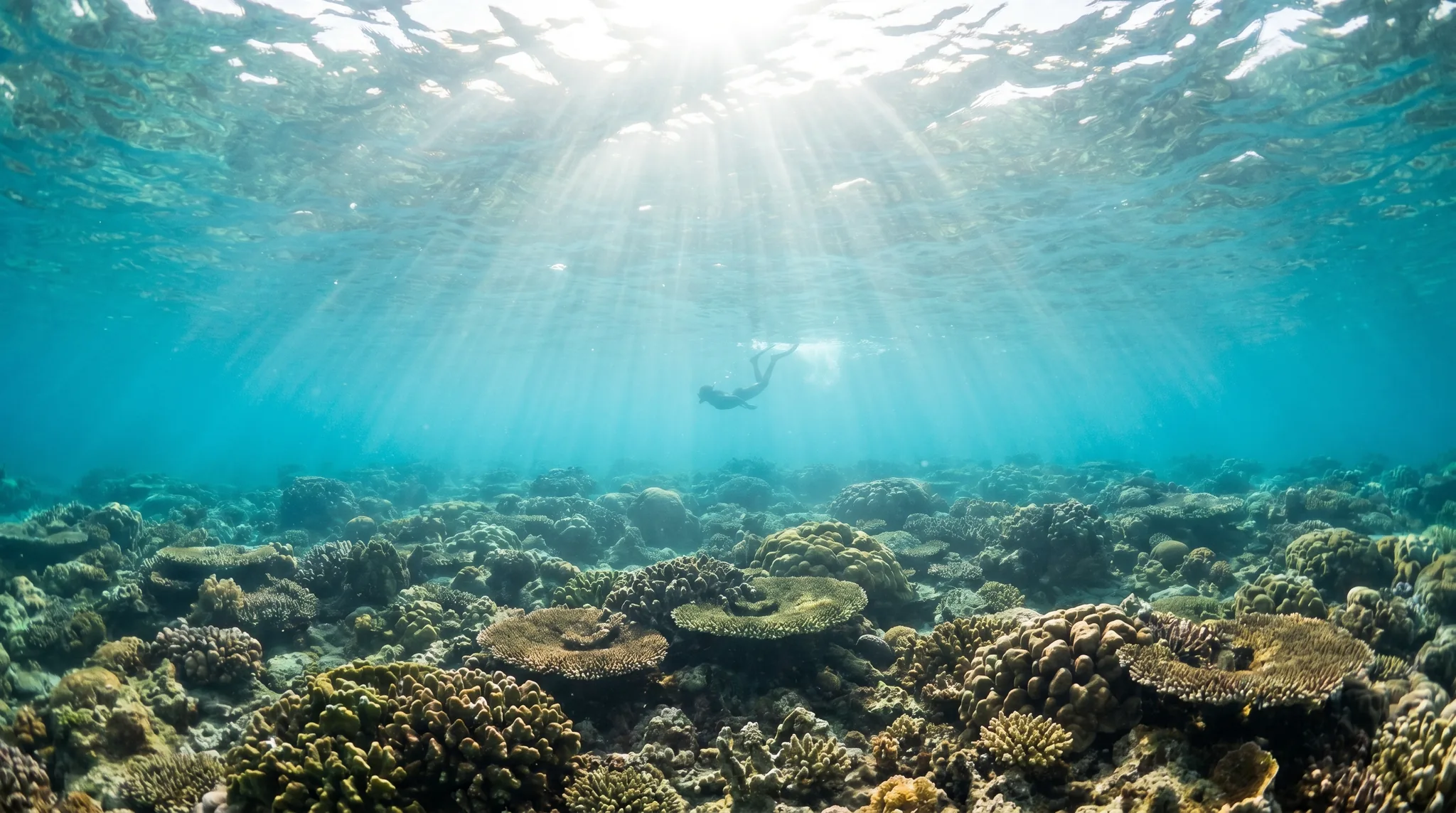
Across the sites, Cleaner Shrimp, Purple Sea Fan, and Lettuce Coral are observed very commonly. Flamingo Tongue and Arrow Crab appear at select reefs, and Barracuda, Trumpetfish, and European Parrotfish have also been recorded. Wrasse are present at a number of North Coast locations as well.
A good number of the sites, particularly on the North Coast around Cachal Reef and Shoals, are rated for beginners. Sites such as The Rust Bucket, Jellyfish, The Cut, and Ile de Arcadins offer shallow profiles and mild conditions. Intermediate divers are catered for at sites including Liberty Wall, Saint Marc Beach, and Trois Maries, which feature deeper water and more complex structures.
The North Coast holds the majority of the sites, centred on the Cachal Reef and Shoals, and offers a broad spread of reef, wall, wreck, and artificial reef diving across a wide range of skill levels. Côte des Arcadins, on the west coast, has fewer sites but includes Ile de Arcadins and Saint Marc Beach, the latter notable for combining natural and artificial reef at considerable depth.
Most sites are accessed by boat, particularly those on the North Coast around Cachal Reef and Shoals. A handful of sites, including Powder Beach Reef, Liberty Wall, Fort Labouque, and Saint Marc Beach, offer both boat and shore entry options. Pegasus Diving is the listed operator and the practical starting point for arranging dive trips.