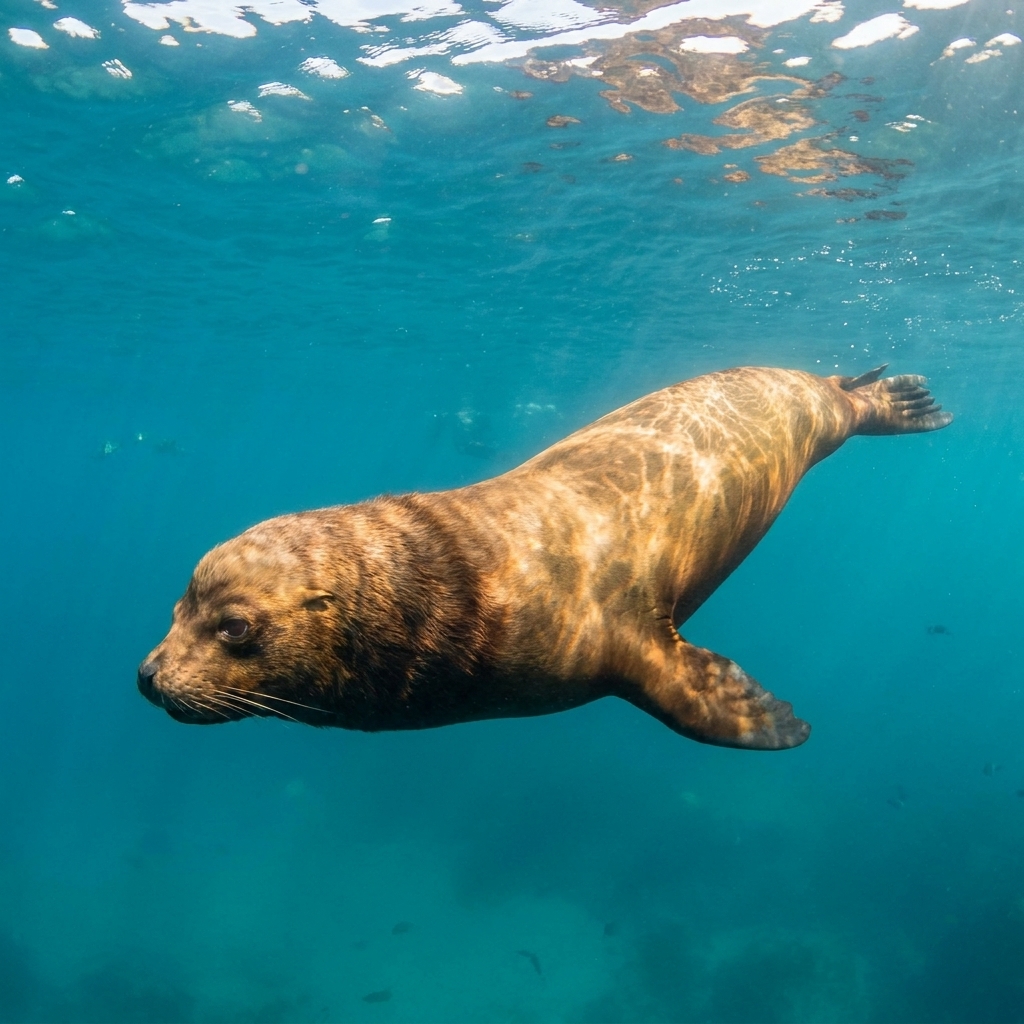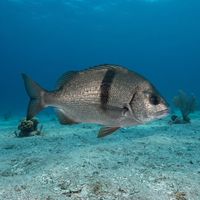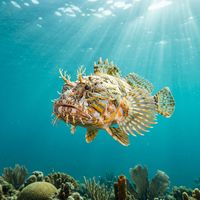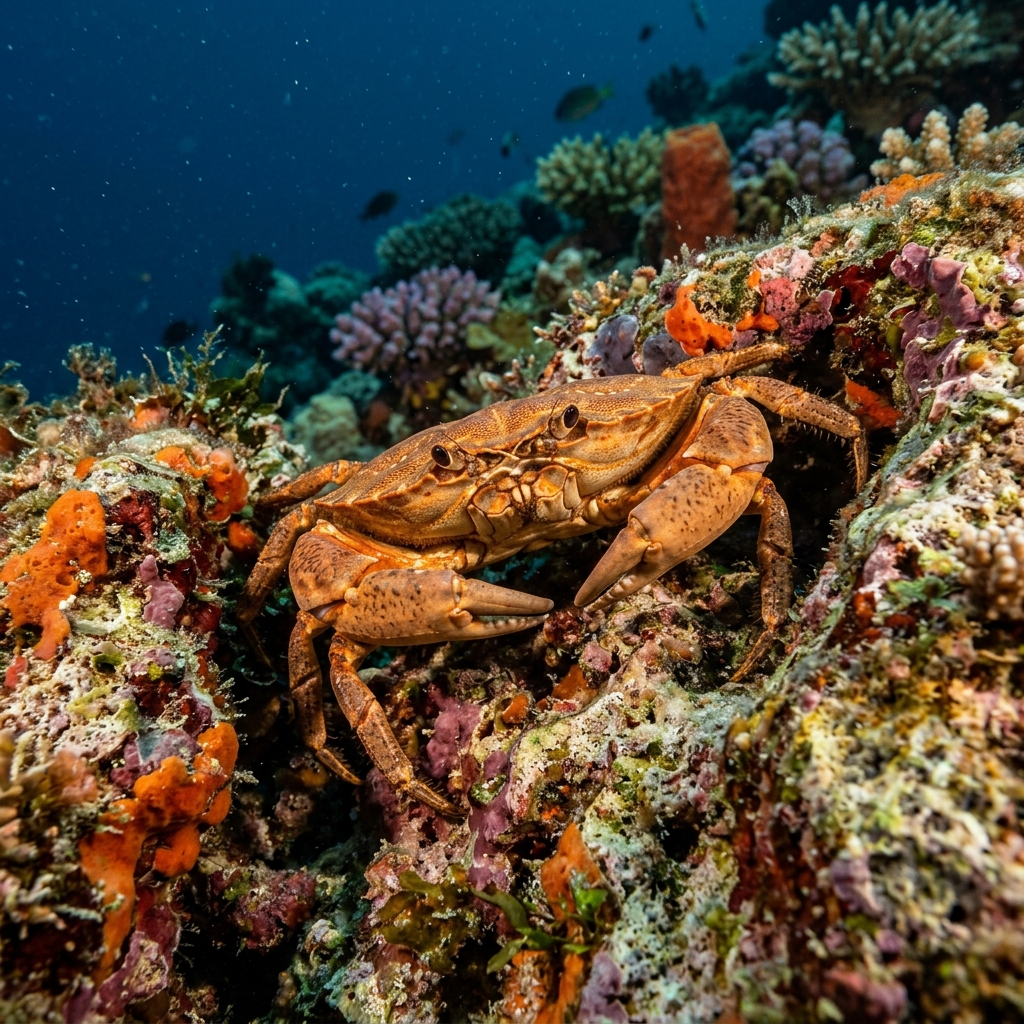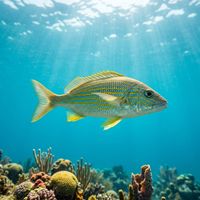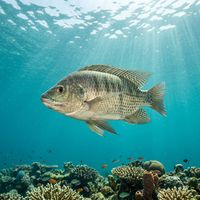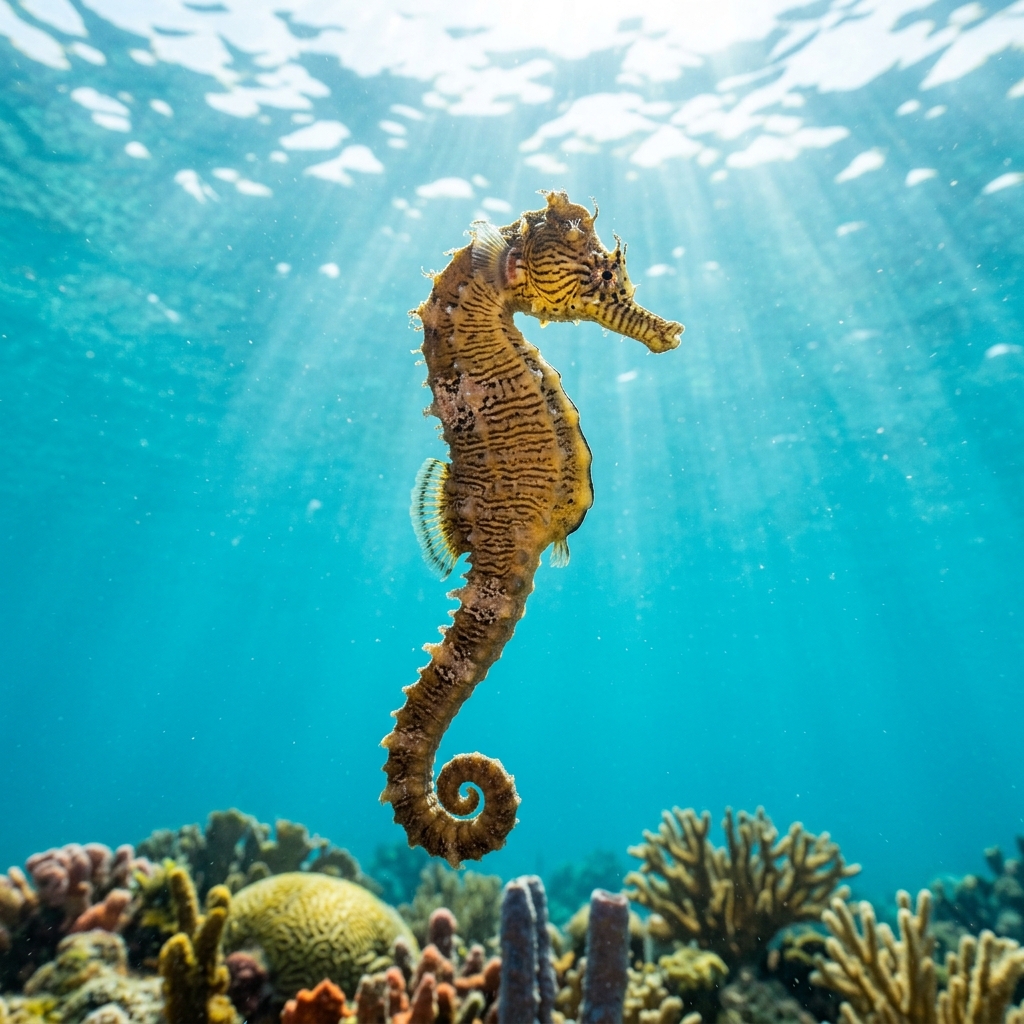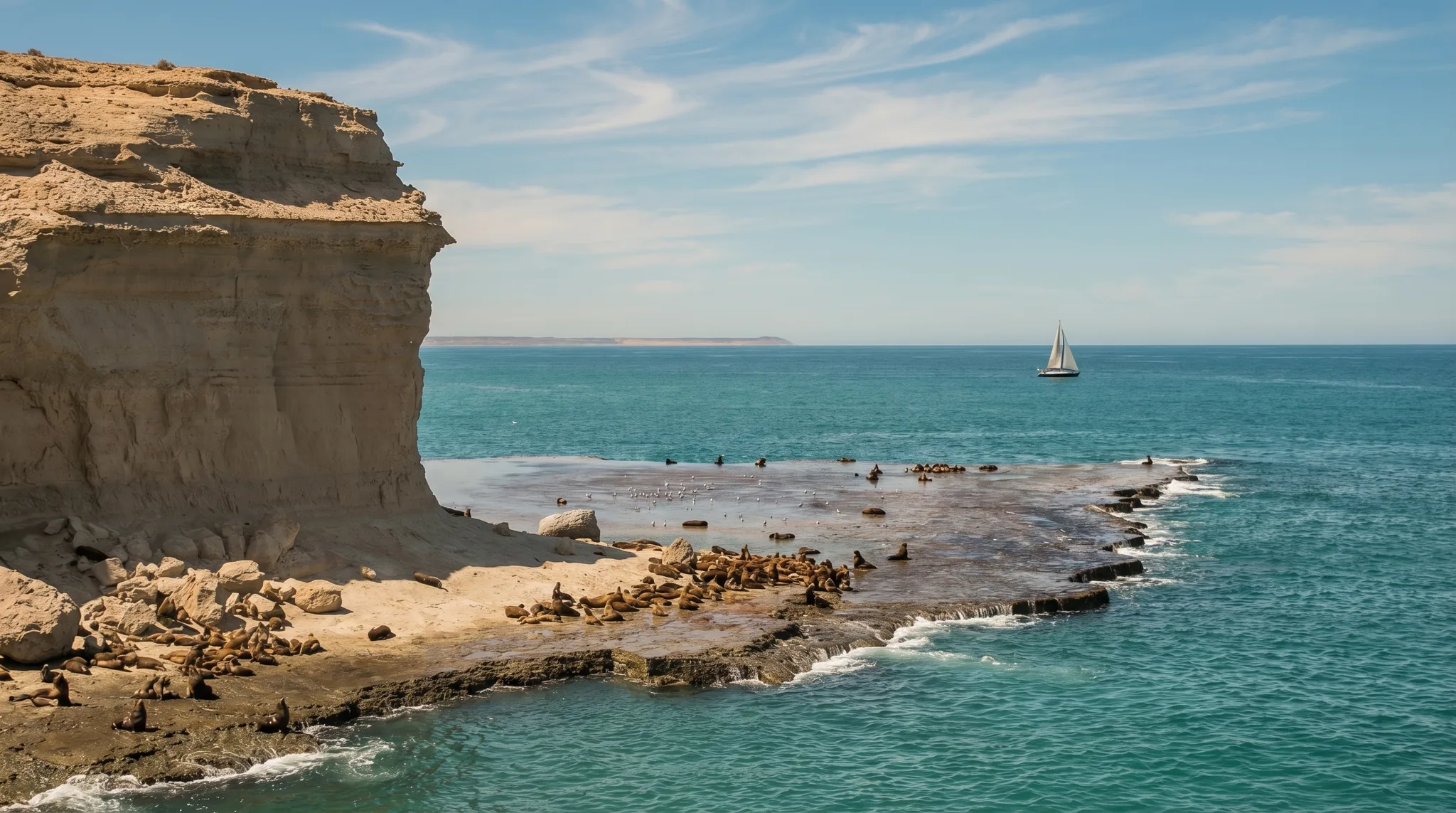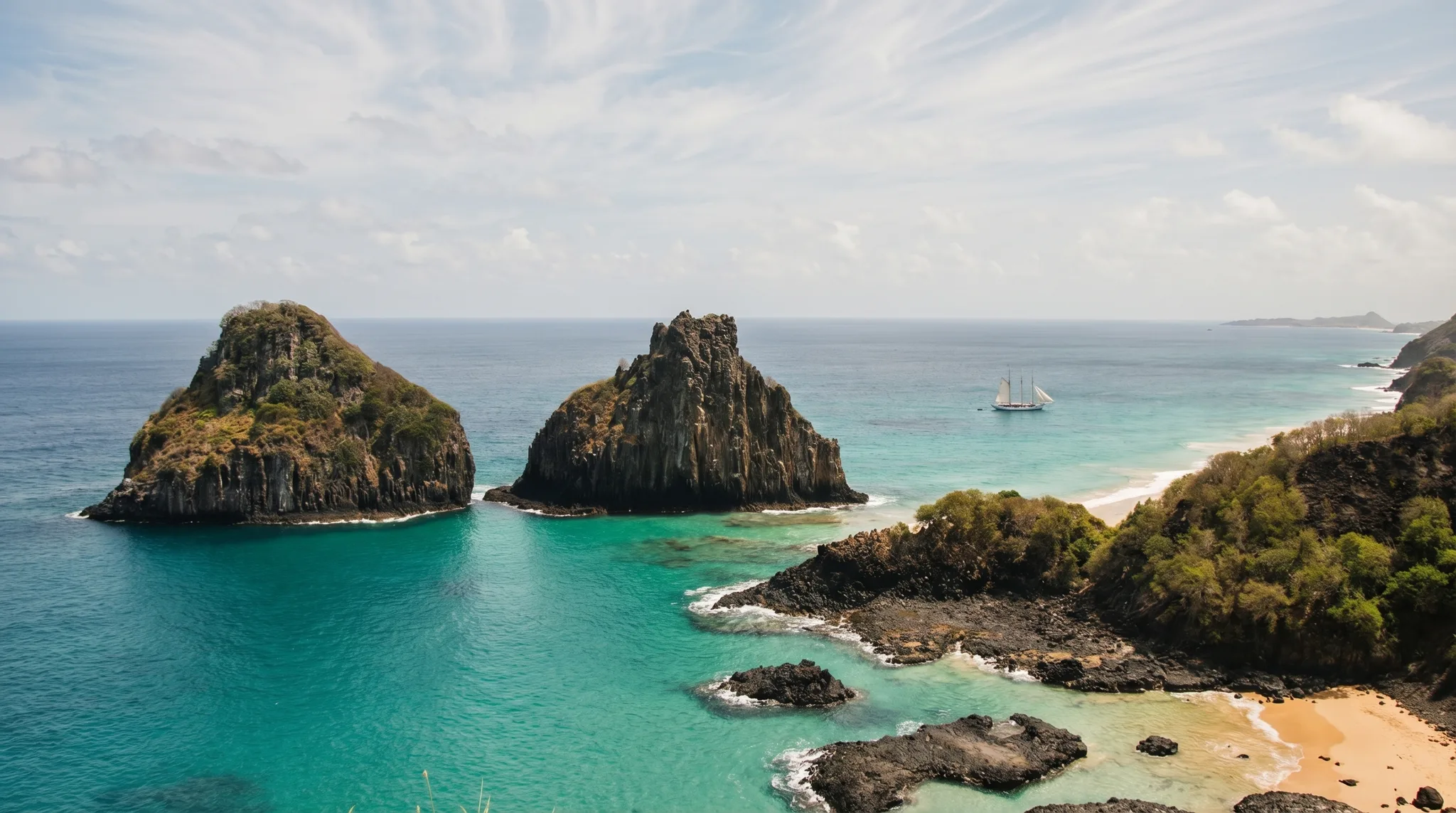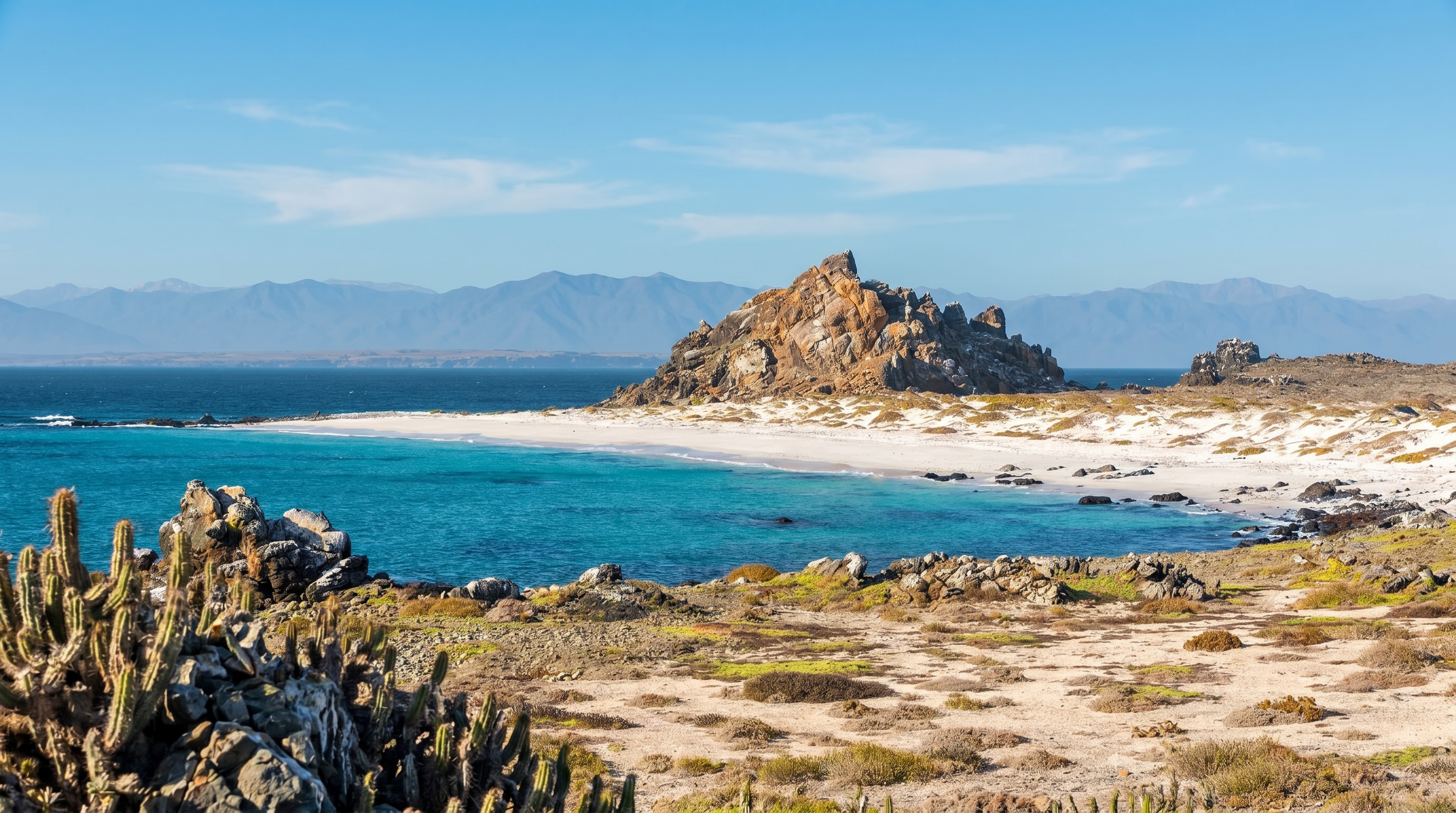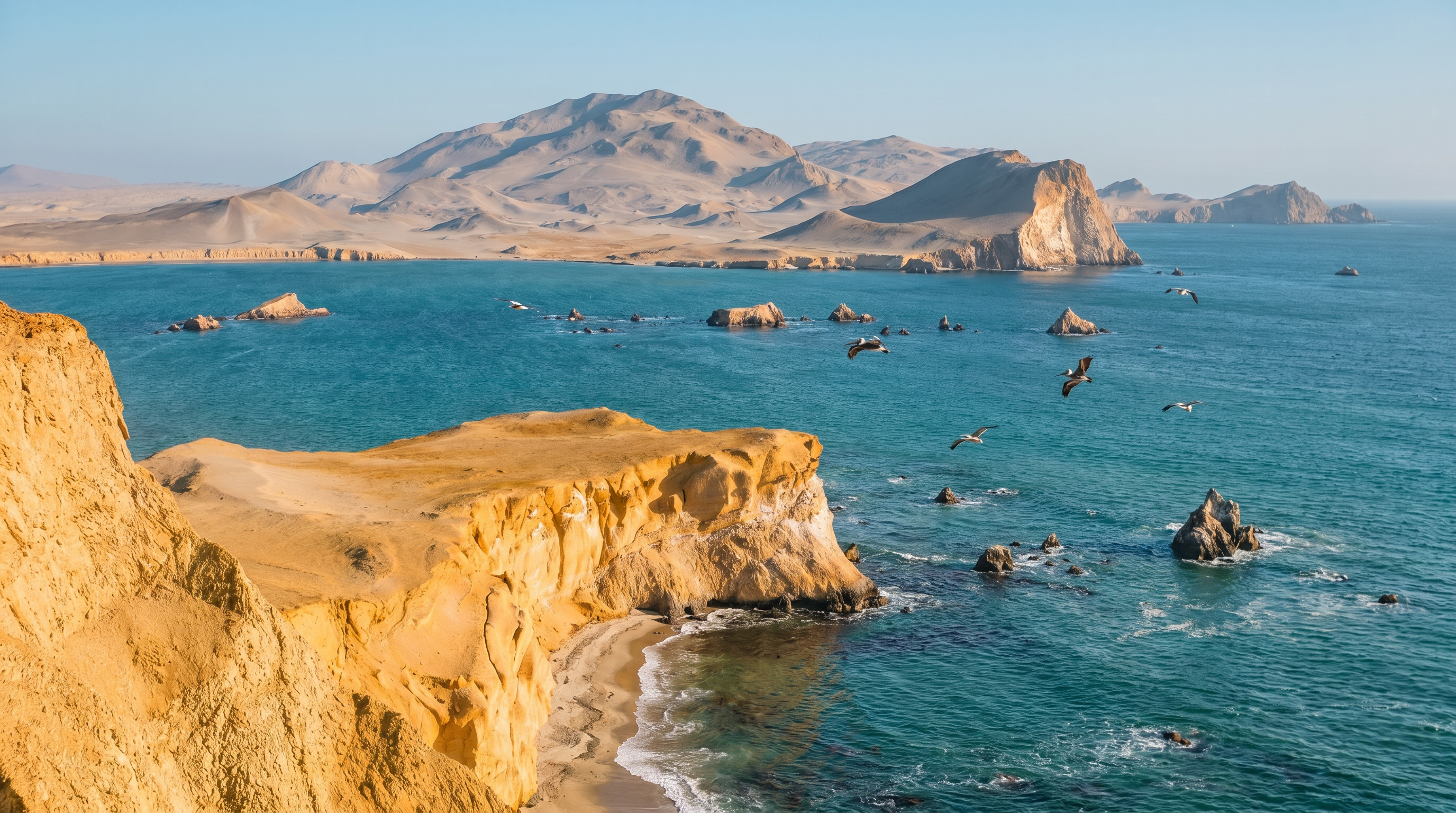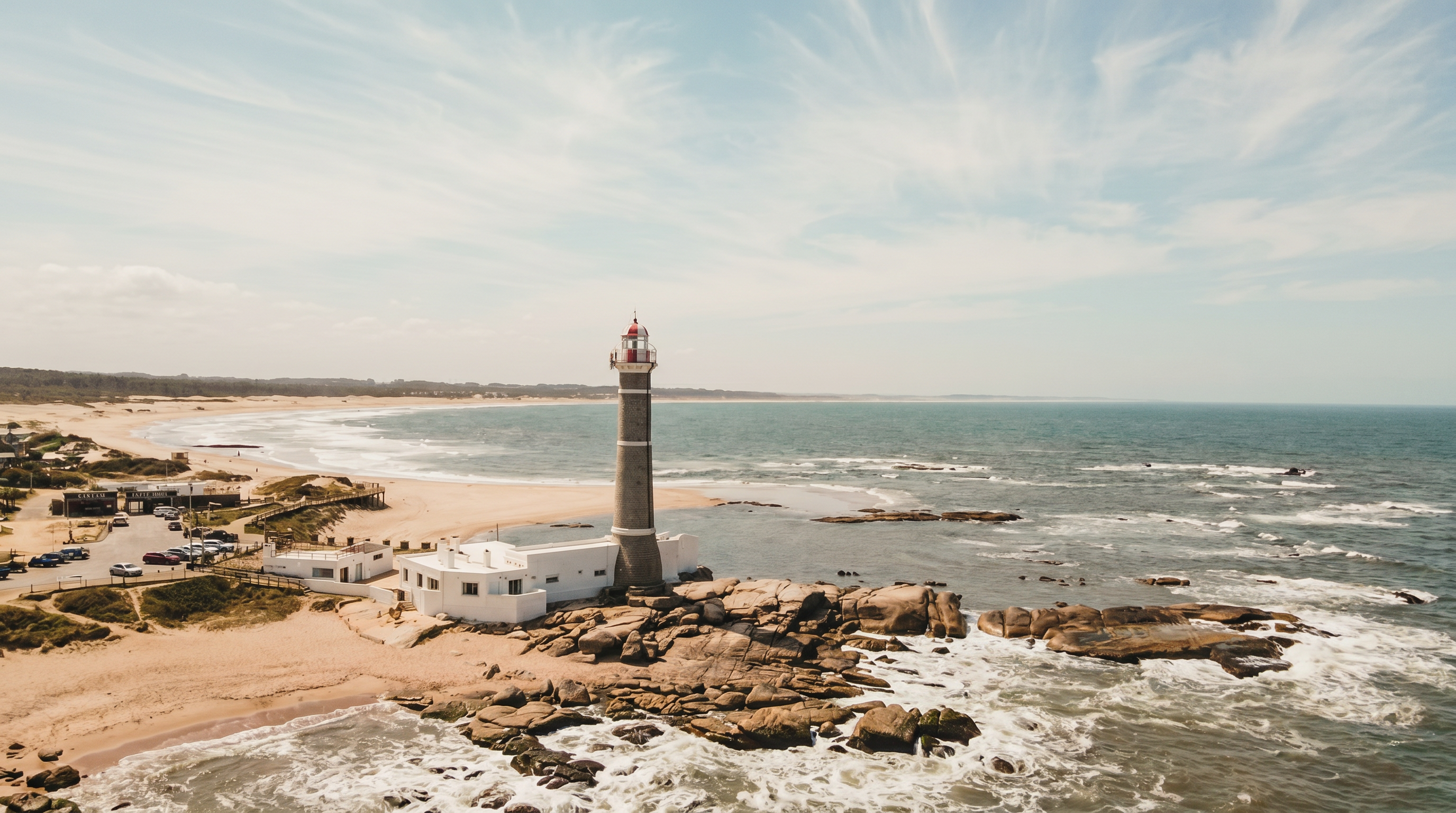
Uruguay's diving spans a striking contrast of environments: coastal reef systems along the shore, flooded quarries inland, and sites clustered across four distinct sub-areas in Piriápolis, Punta del Este, Colonia, and Salto. The signature encounter is the South American Sea Lion, observed consistently across the region's sites. Forkbeard is another frequent presence, alongside observed sightings of Crab, Grunt, and the characterful Toadfish. Natural and artificial reef structures coexist at sites like Punta Colorada, which is accessible directly from shore. The flooded quarries at Cantera Riachuelo and Cantera Ferrando, both beginner-friendly shore dives in the Colonia area, offer an entirely different character: calm, contained, and shallow. Visibility tends to be modest throughout, so divers who appreciate atmosphere and fauna over panoramic vistas will find Uruguay rewarding.
4 areas
 4
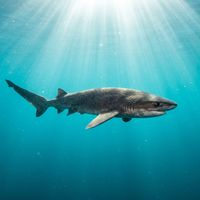
4Shallow shore-entry reefs near Punta Colorada with sevengill sharks, seahorses, rays, and sea lions in estuary-influenced Atlantic waters.
3Beginner-friendly shore reef dives where the Atlantic meets the Río de la Plata, with a good operator base and diverse temperate marine life.
 2
2Quarry dives in the Río de la Plata basin near Colonia del Sacramento, offering calm, estuarine conditions for beginner divers.
1Monthly water temperature across Uruguay's sites, from satellite sea-surface data corrected for depth. The band shows the site-to-site spread.
Water temperatures follow a clear seasonal pattern, warming through summer into the warmer months around January and February, then cooling sharply through the southern winter to their coldest around July and August. The best-rated diving months cluster around the warmer summer and early autumn period, when conditions are generally more comfortable and species activity tends to be at its highest. Divers should plan for modest visibility throughout the year and bring exposure protection suited to a wide seasonal range.
16 operators
Montevideo, Uruguay
Montevideo, Uruguay
Montevideo, Uruguay
Punta del Este, Uruguay
A single flooded basalt quarry near Salto, created from dam construction works, offering calm and shallow conditions for beginner divers.
Water temperature around Uruguay ranges from about 12°C in July to 23°C in February, based on satellite sea-temperature data for its dive sites.
In the warm season (about 23°C) a 3mm full suit is comfortable in Uruguay; in the coldest months (about 12°C) step up to a 7mm or semi-dry suit.
Fin maps 10 sites in Uruguay (10 scuba diving sites and 2 snorkelling spots, with some suited to both), organised into 4 areas.
The South American Sea Lion is the region's signature species and is observed consistently across sites. Forkbeard is also very commonly sighted, along with Crab, Grunt, Toadfish, and Drum and Croaker. Species such as Conger Eel, Butterfly Ray, and Broadnose Sevengill Shark appear in expected ranges for the region but have not yet been confirmed through logged observations on Fin.
Several of Uruguay's sites are rated explicitly for beginners, including Punta Colorada, Cantera Riachuelo, and Cantera Ferrando. These are all shore-entry dives with shallow profiles, making them well suited to those building experience. The flooded quarries in the Colonia sub-area are particularly calm and contained environments for newer divers.
Piriápolis has the largest concentration of sites and includes coastal reef diving. Punta del Este offers a smaller cluster of sites in a well-known coastal area. Colonia is home to the flooded quarry dives at Cantera Riachuelo and Cantera Ferrando, which have a very different character to the reef sites. Salto, with a single site, represents a more isolated option for divers willing to venture further.
Shore diving is well represented across Uruguay's sites. Punta Colorada, Cantera Riachuelo, and Cantera Ferrando are all accessible directly from shore without the need for a boat. Operators such as YoBuceo, Gran Aventura, and Escuela Buceo Aventura Uruguay are available for guided access across the region.