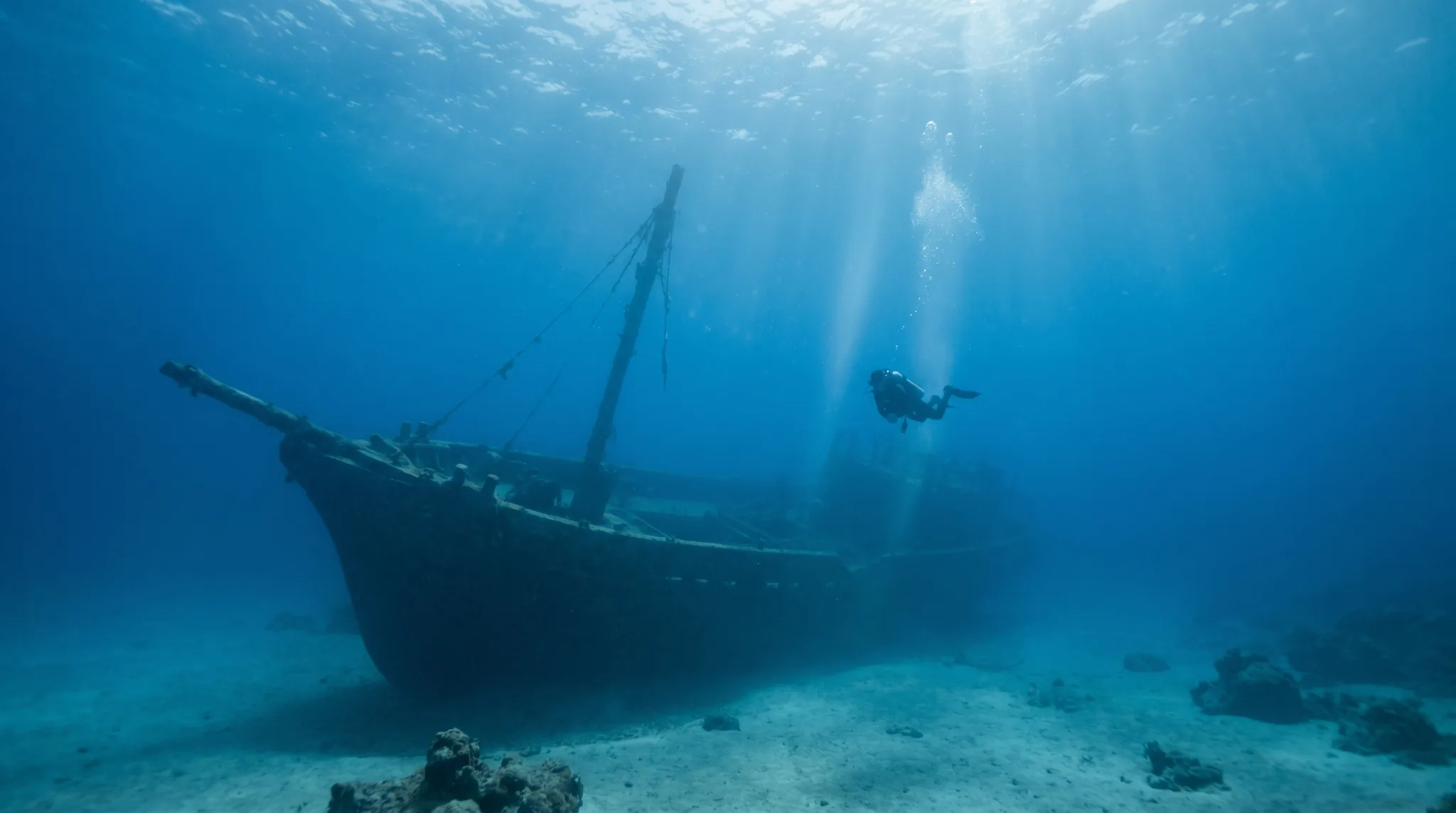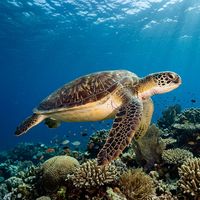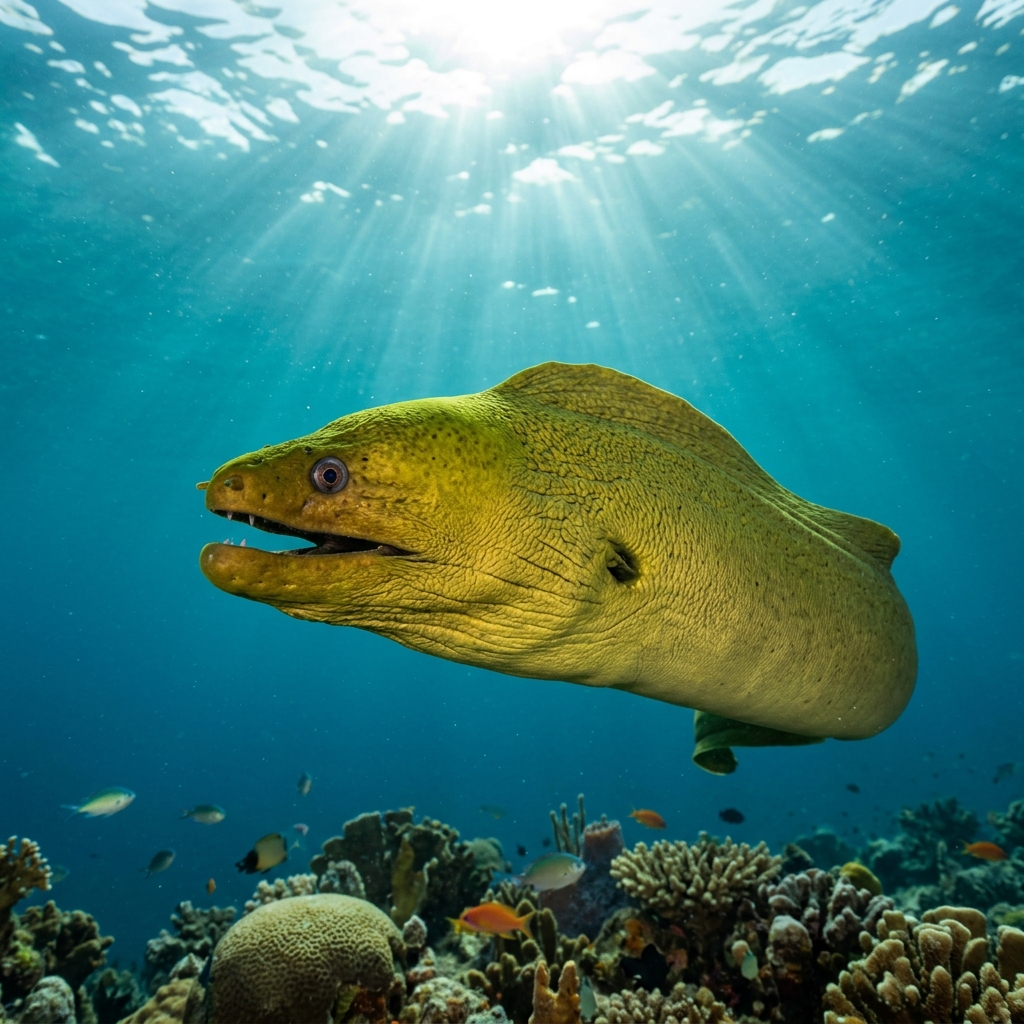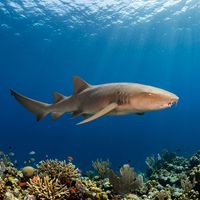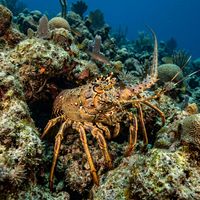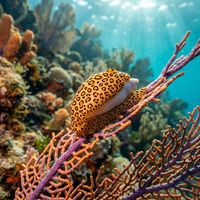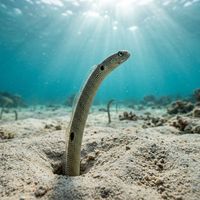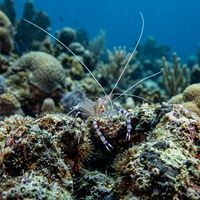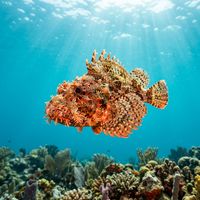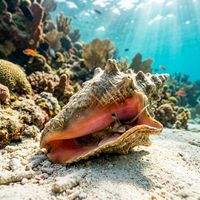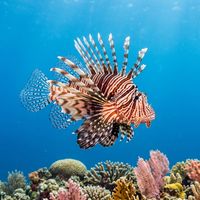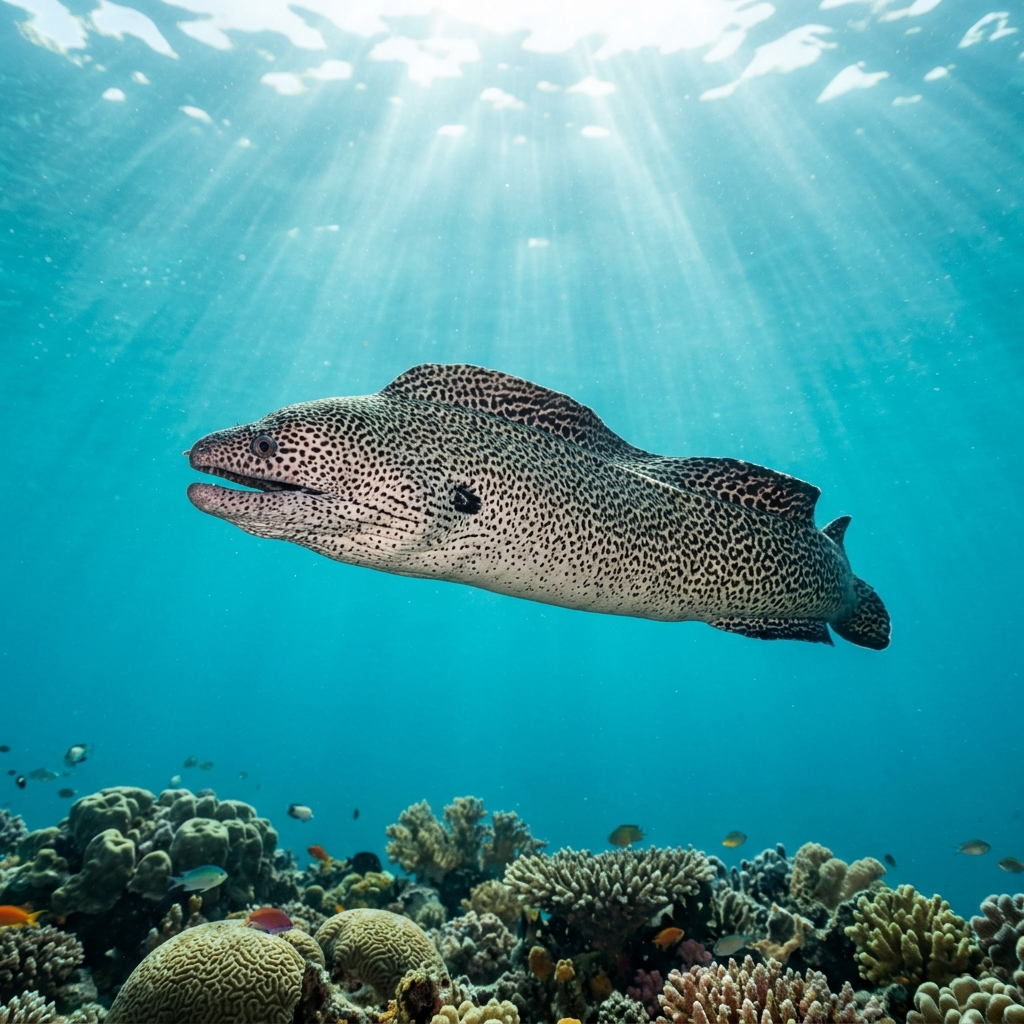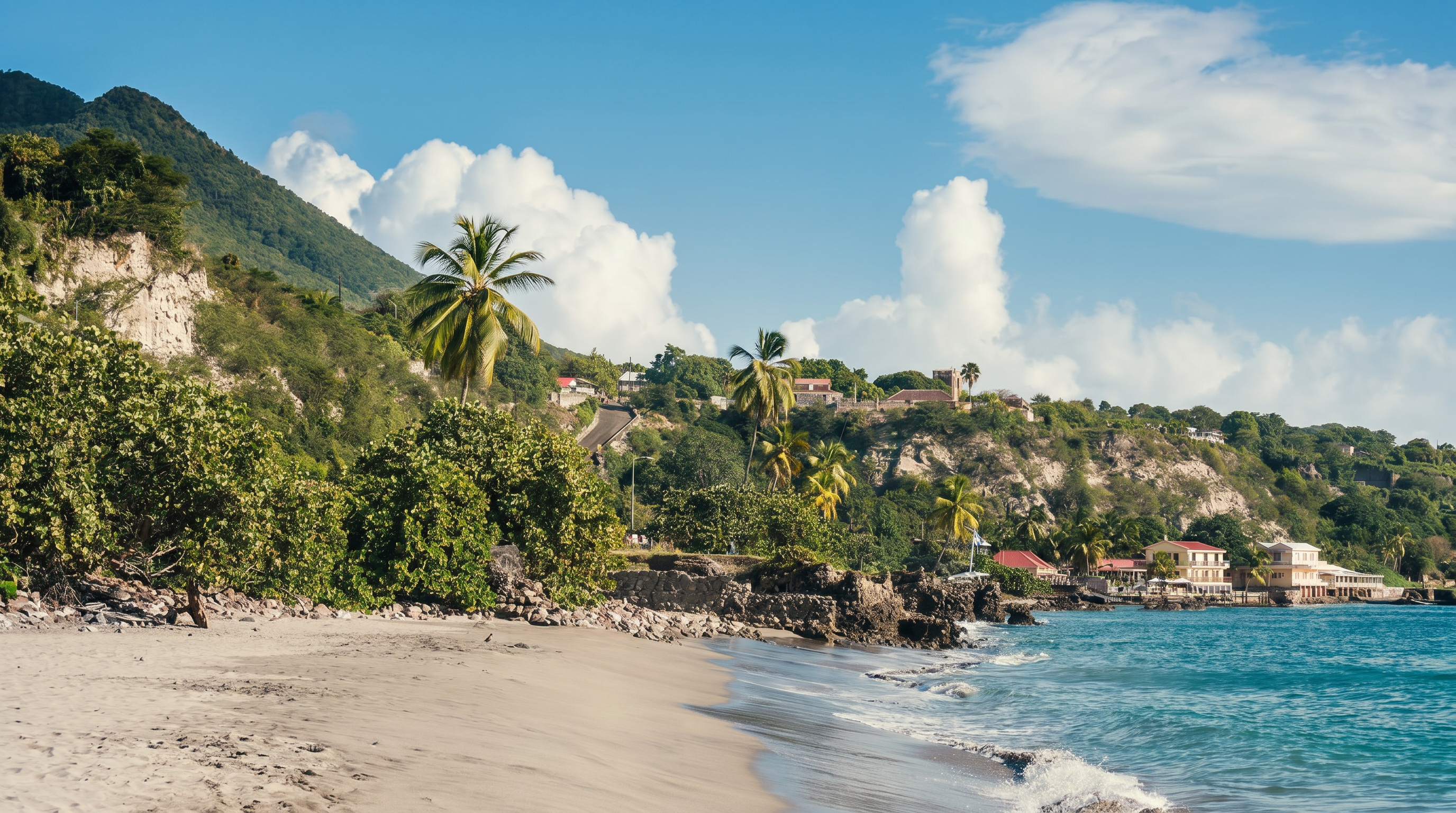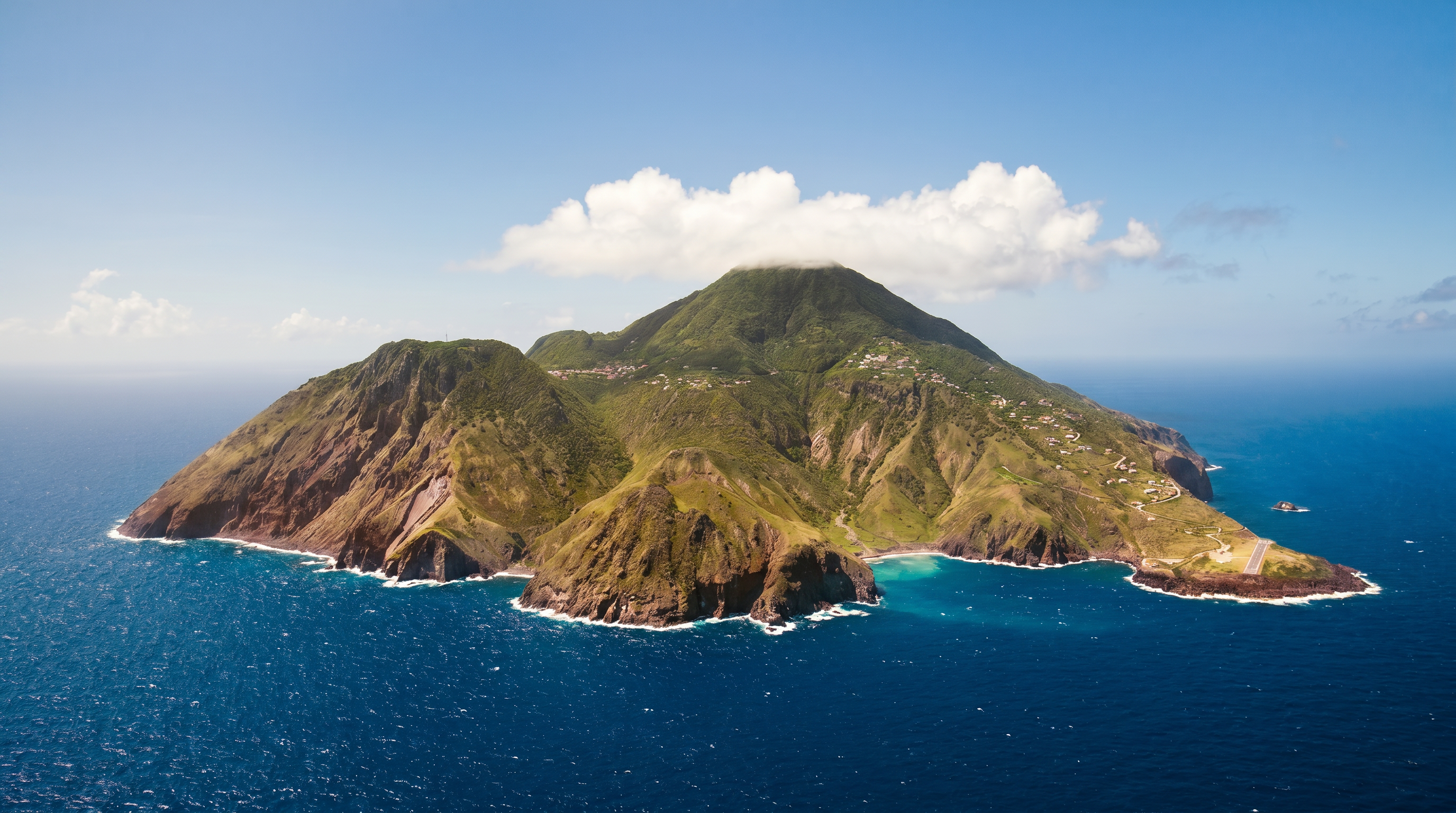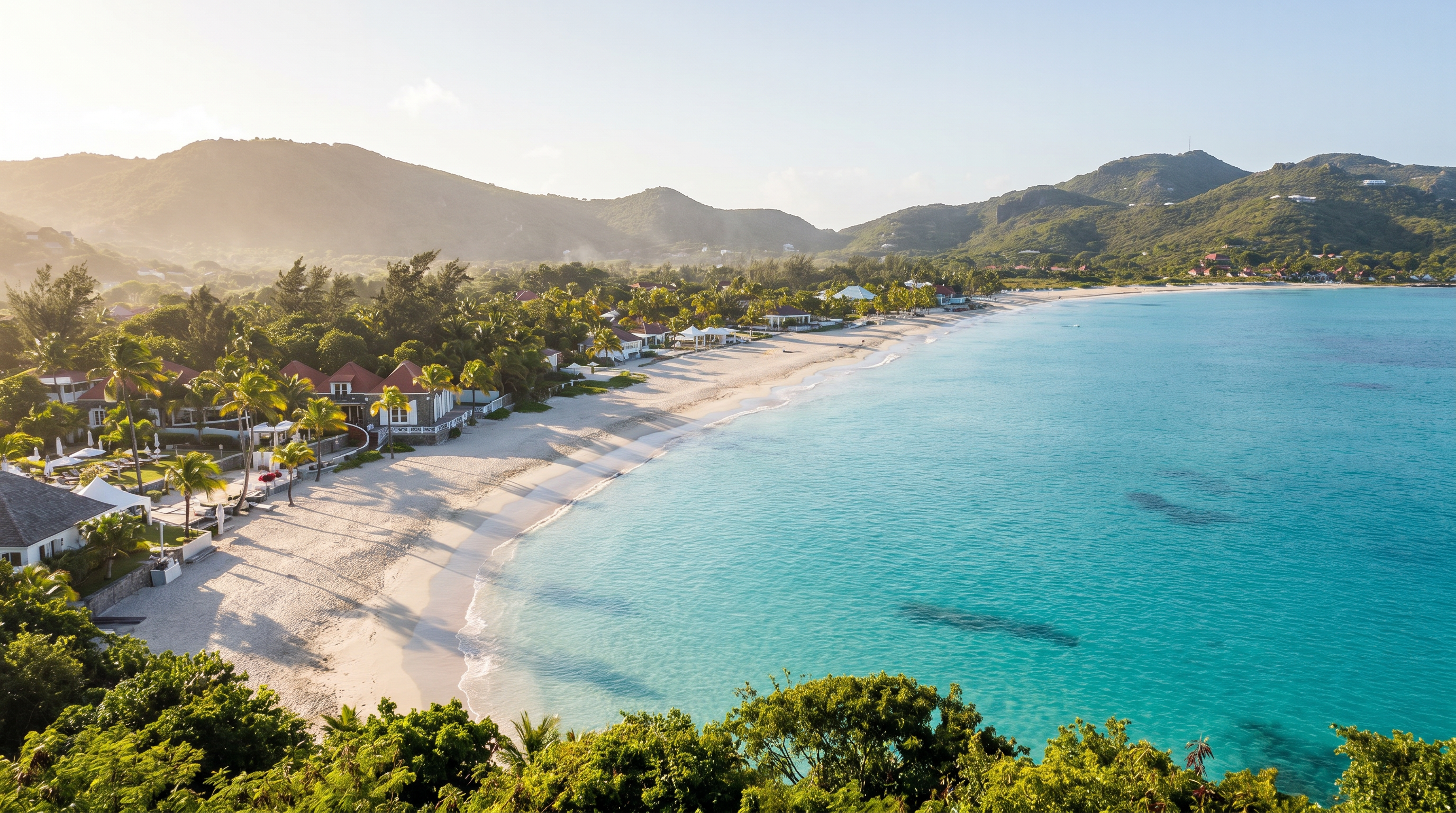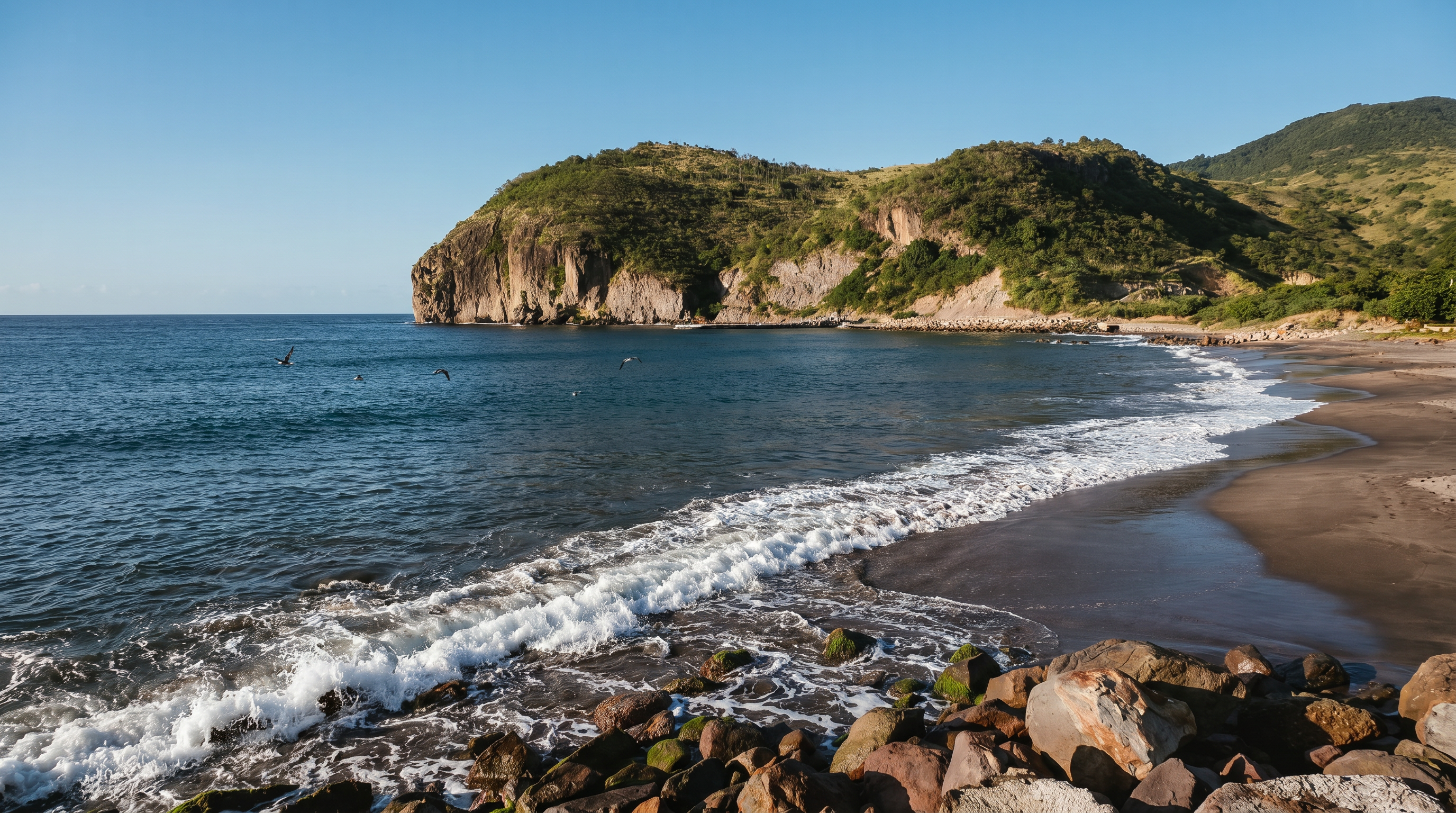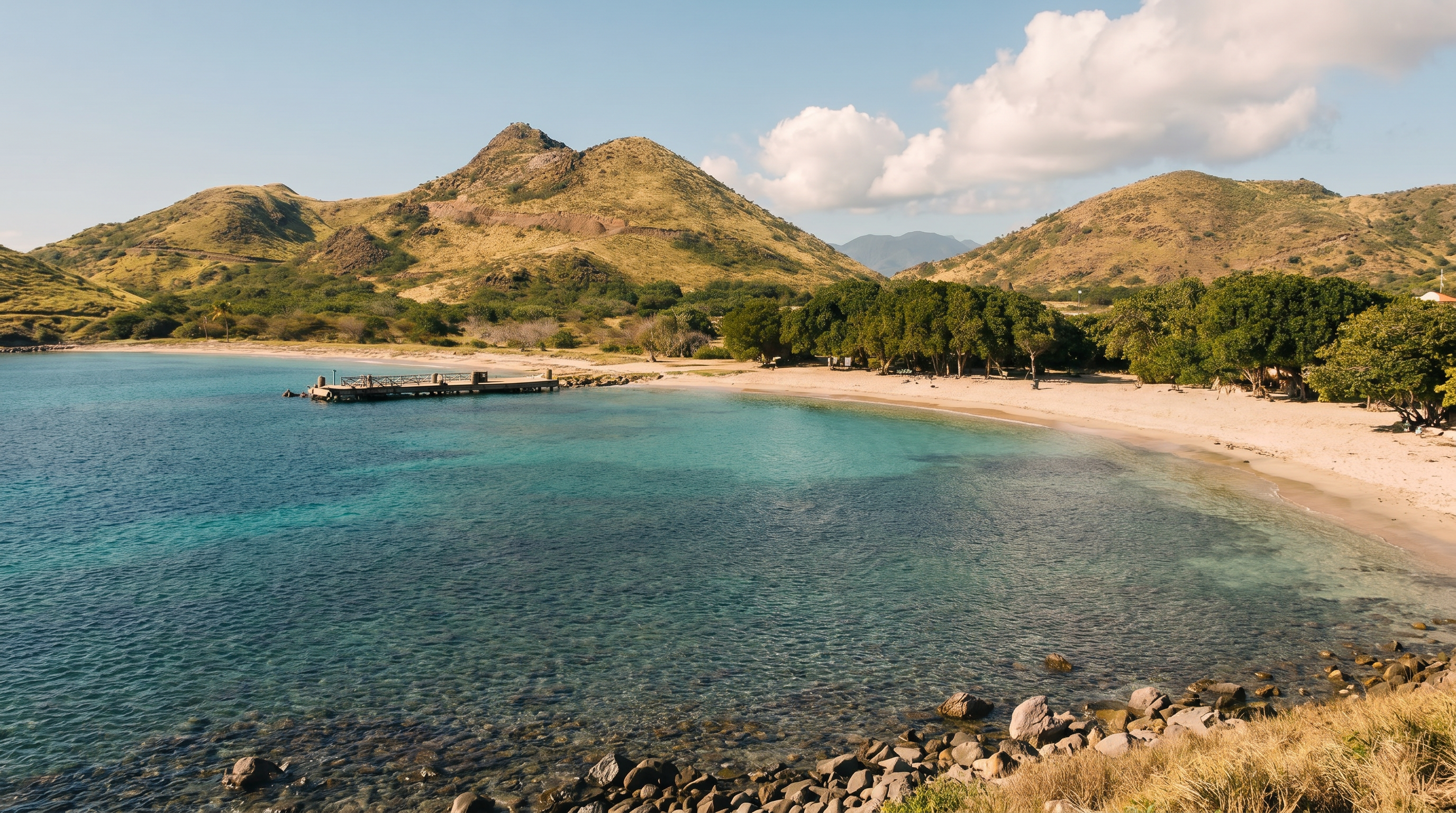
Saint Kitts and Nevis sits at the crossroads of the Caribbean Sea and the Atlantic Ocean, and its volcanic origins shape the underwater terrain across reefs, walls, and wrecks. The sites in Fin's database range from shallow beginner-friendly reef dives to intermediate wreck explorations, all accessed by boat. The River Taw, a freighter split in two by Hurricane Hugo, and the Corinthian Wreck sit alongside reef sites such as Camps Reef, which features a hydrothermal vent that noticeably warms the surrounding water. Water temperature is warm throughout the year, peaking in late summer and early autumn, and visibility across sites can reach well beyond twenty metres. A marine protected zone extends two miles from land, supporting populations of Atlantic Goliath Grouper, lined seahorse, Caribbean reef octopus, and shortnose batfish among others.
Monthly water temperature across Saint Kitts and Nevis's sites, from satellite sea-surface data corrected for depth. The band shows the site-to-site spread.
Water temperature is consistently warm, sitting in the upper twenties for most of the year and reaching its highest point in September and October. The dry season, from December through to around June, typically brings calmer seas and the clearest conditions, making it the favoured period for diving. Outside that window, conditions remain diveable, though seas can be less settled.
8 operators
Saint Kitts and Nevis
Water temperature around Saint Kitts and Nevis ranges from about 27°C in January to 30°C in September, based on satellite sea-temperature data for its dive sites.
With water around 27–30°C, a rash guard or 3mm shorty works in Saint Kitts and Nevis year-round.
Fin maps 6 sites in Saint Kitts and Nevis (6 scuba diving sites and 1 snorkelling spots, with some suited to both).
Across Saint Kitts and Nevis's dive sites, May and December are most often reported as the best months to visit.
2 more sites to explore