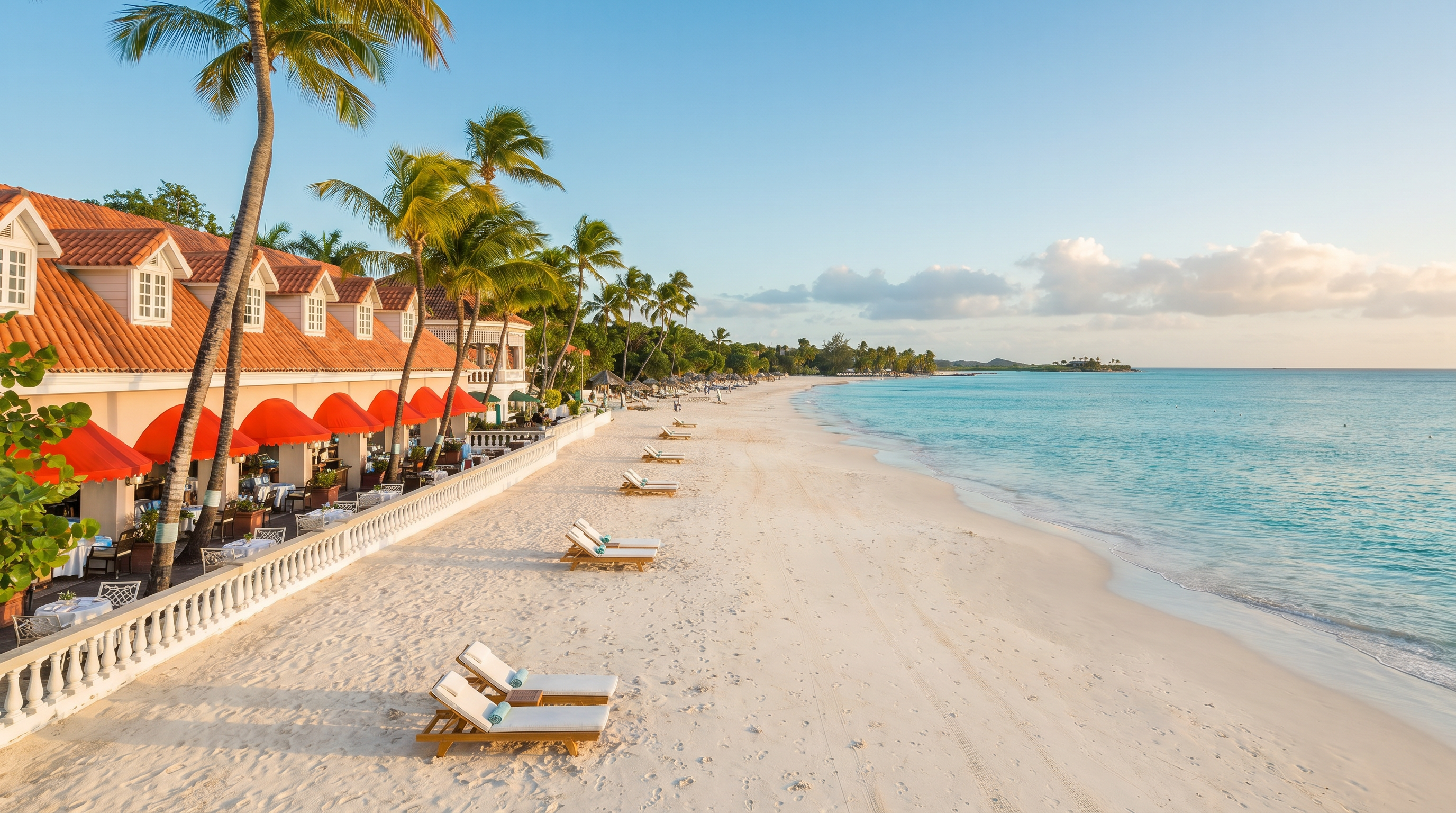
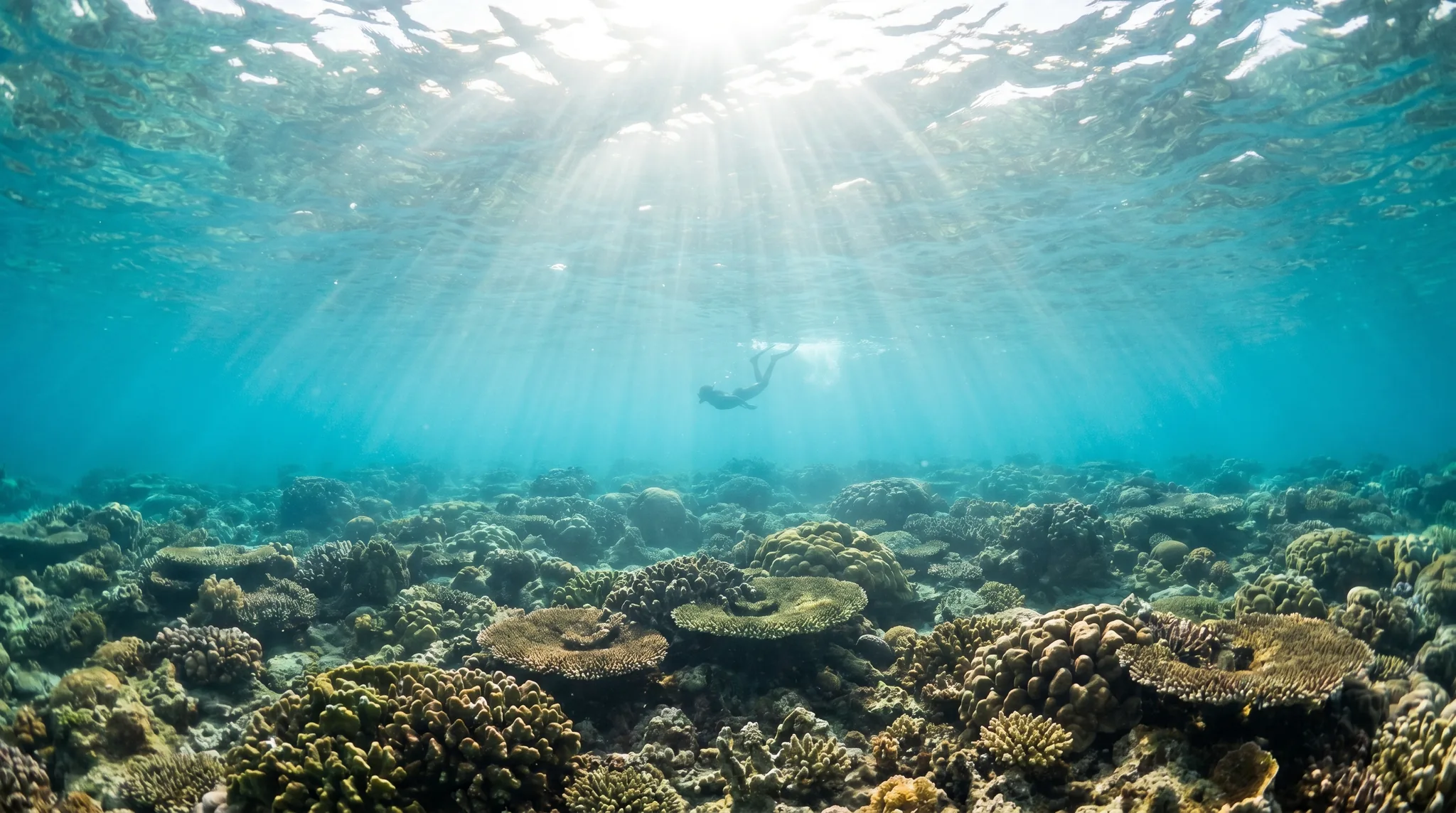
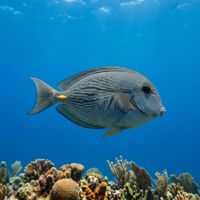
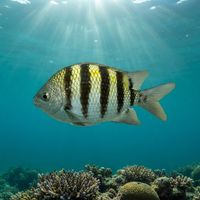
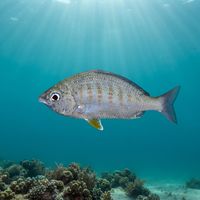
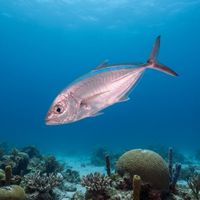
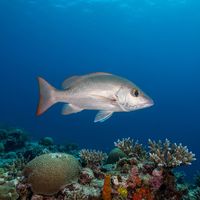
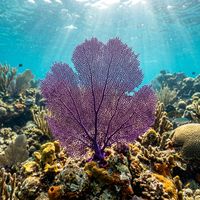
Antigua and Barbuda's diving centres on reef and wreck sites reached by boat, with Cades Reef standing out as the region's most substantial destination, combining natural coral with artificial structure across a wide range of depths. Stingray City adds a seagrass and shallow reef experience for those after close encounters with the Whiptail Stingray. Across the sites, reef fish are abundant: Wrasses, French Grunt, Yellowtail Snapper, Soldierfish and Sergeants appear with great regularity, while Blue Tang and Caribbean Ocean Surgeonfish are nearly ubiquitous. Grouper and Barracuda patrol the mid-water, and patient divers may find the Nurse Shark resting in the reef structure. The water stays warm year-round, with visibility varying by season and site. Most sites suit beginners, making this a solid destination for newer divers without sacrificing interest for the more experienced.
Monthly water temperature across Antigua and Barbuda's sites, from satellite sea-surface data corrected for depth. The band shows the site-to-site spread.
Water temperature remains warm throughout the year, rising to its peak in late summer and early autumn before easing slightly into winter. The histogram of recommended months tilts toward April, December and the earlier part of the year, suggesting that calmer conditions and better visibility favour the drier months. Divers visiting in summer and autumn will find warmer water but should expect conditions that can vary more noticeably.
13 operators
Bolands, Antigua and Barbuda
6 more sites to explore
Water temperature around Antigua and Barbuda ranges from about 27°C in January to 30°C in September, based on satellite sea-temperature data for its dive sites.
With water around 27–30°C, a rash guard or 3mm shorty works in Antigua and Barbuda year-round.
Fin maps 11 sites in Antigua and Barbuda (10 scuba diving sites and 1 snorkelling spots).
Across Antigua and Barbuda's dive sites, January, February, March, April and December are most often reported as the best months to visit.
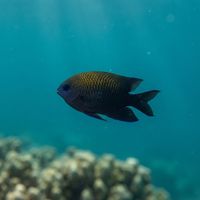
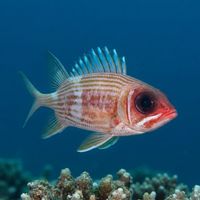
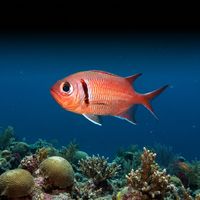
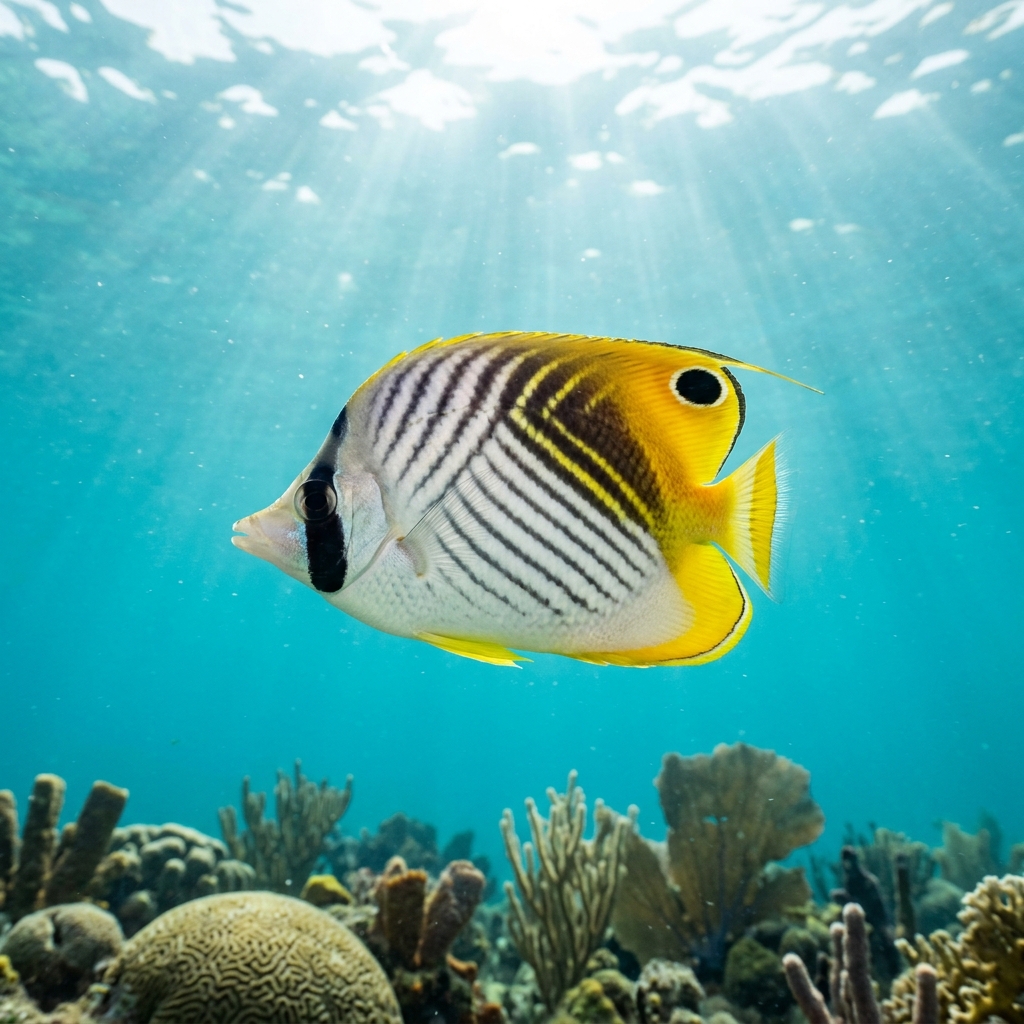
Reef fish dominate across the sites, with Wrasses, Yellowtail Snapper, French Grunt and Soldierfish encountered on virtually every dive. Whiptail Stingray are very commonly seen, particularly at shallower seagrass and reef sites. Signature encounters include the Nurse Shark, French Angelfish, Great Barracuda and, occasionally, the Spotted Moray tucked into the reef.
The majority of sites listed are rated for beginner divers, including Cades Reef, Stingray City and Pillars of Hercules, all of which are boat-access sites with shallow entry points. The shallow top sections of several sites mean new divers can explore comfortably while building confidence. Operators such as Antigua Scuba School and DiveCarib are well positioned to support divers at this level.
Almost all dive sites in Antigua and Barbuda are accessed by boat, including Cades Reef and Stingray City. The sole exception among the listed sites is Galley Bay, which is a shore-entry snorkel site. Operators including Soul Immersions Dive Centre, Oceanbelle Scuba and Indigo Divers offer boat-based access across the area.
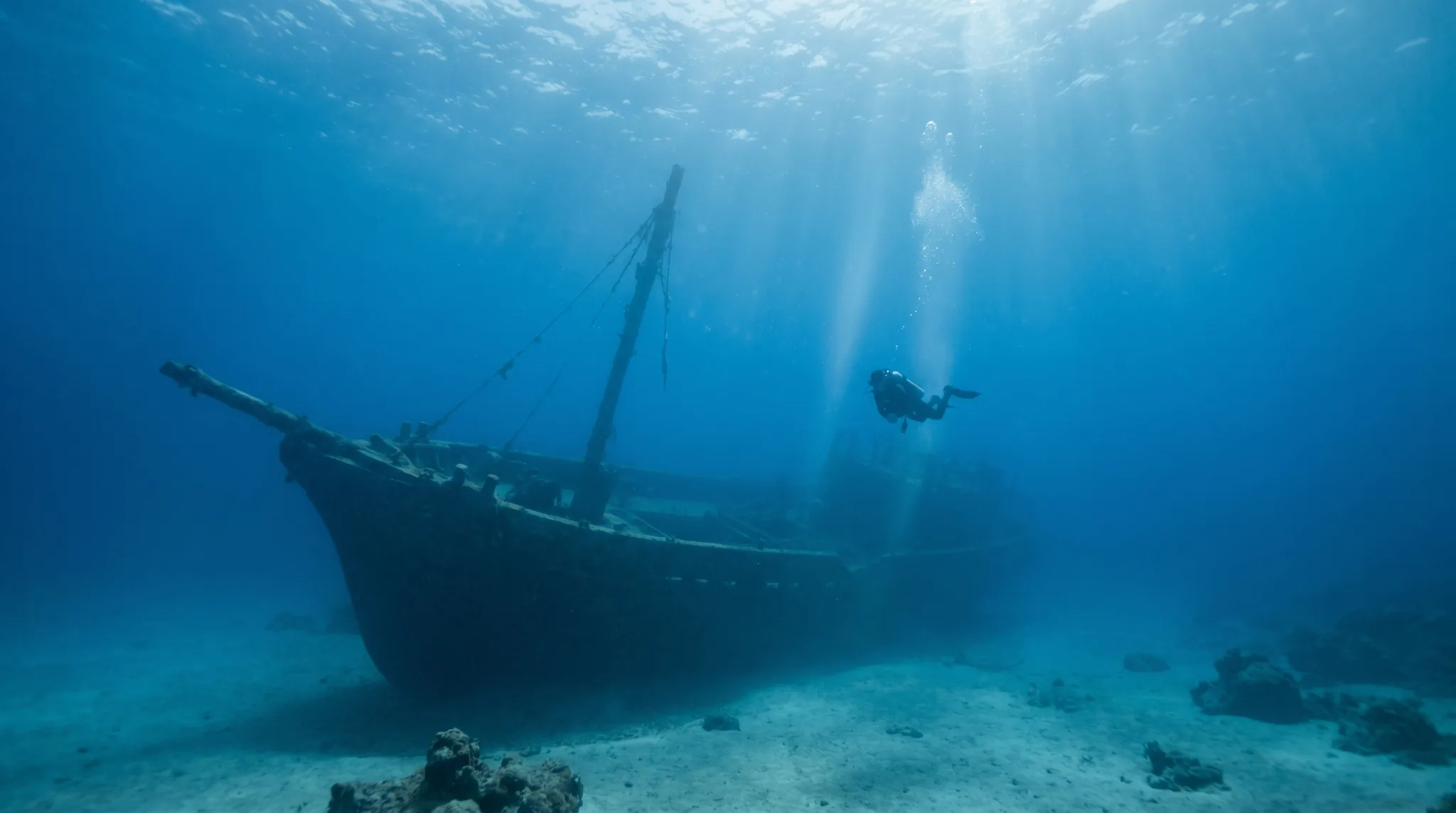
The site mix includes natural reef, artificial reef, wreck and seagrass habitats. Cades Reef combines natural coral with an artificial reef element, while the Andes wreck offers a dedicated wreck dive in shallow water. Stingray City provides a contrasting experience over seagrass and reef in very shallow conditions. This variety means divers can move between quite different underwater environments within a single trip.