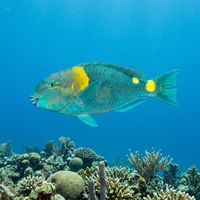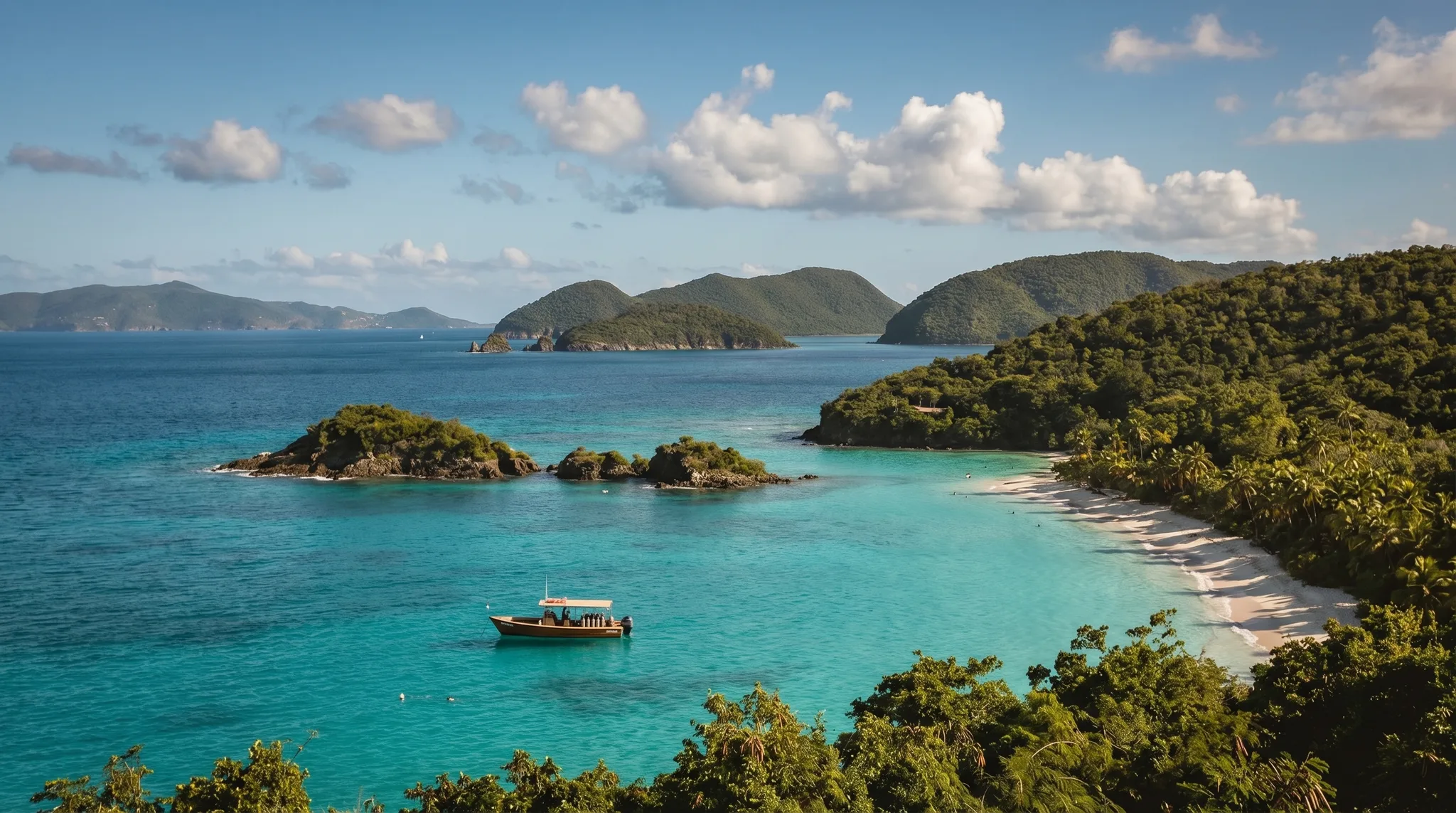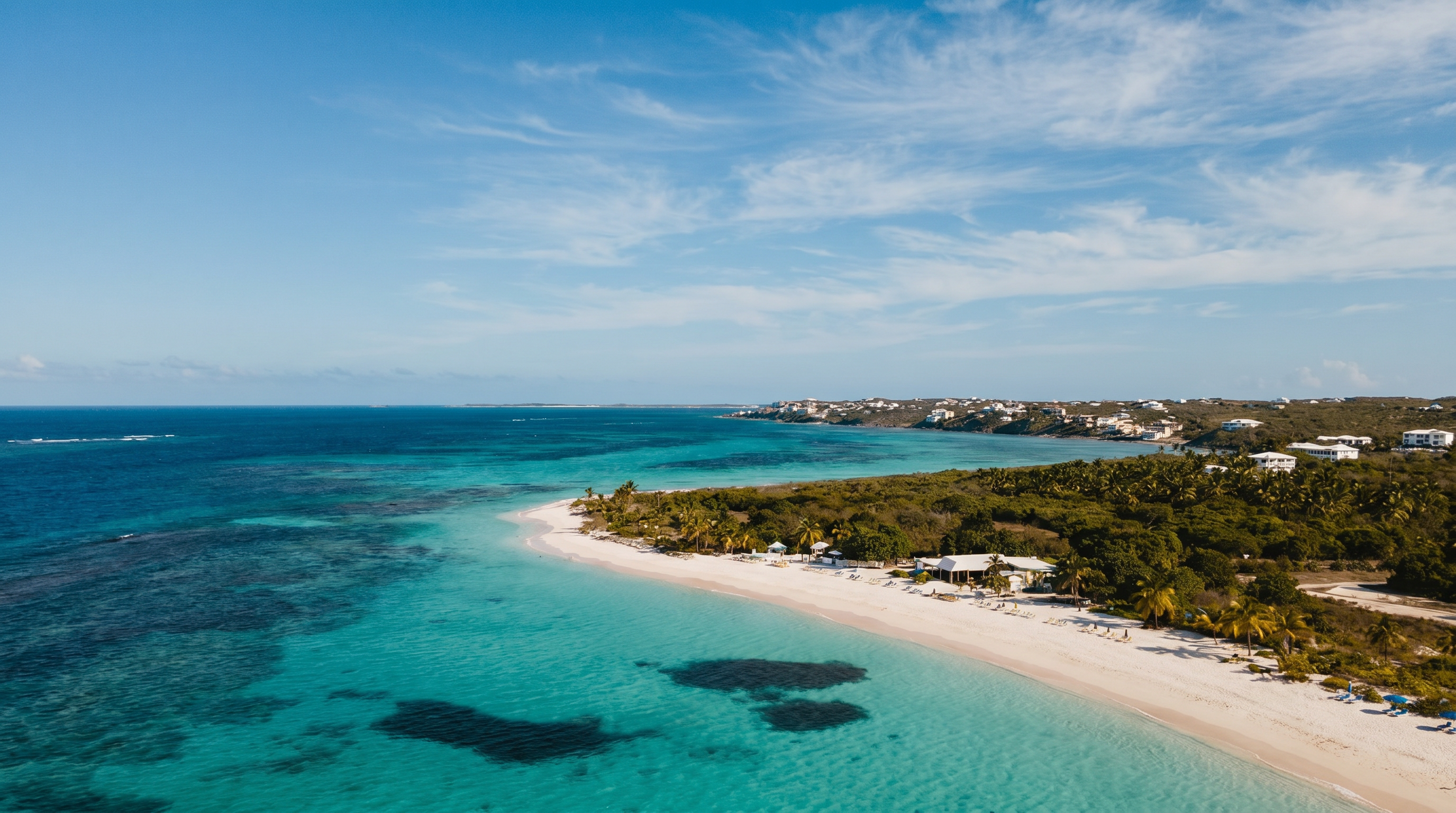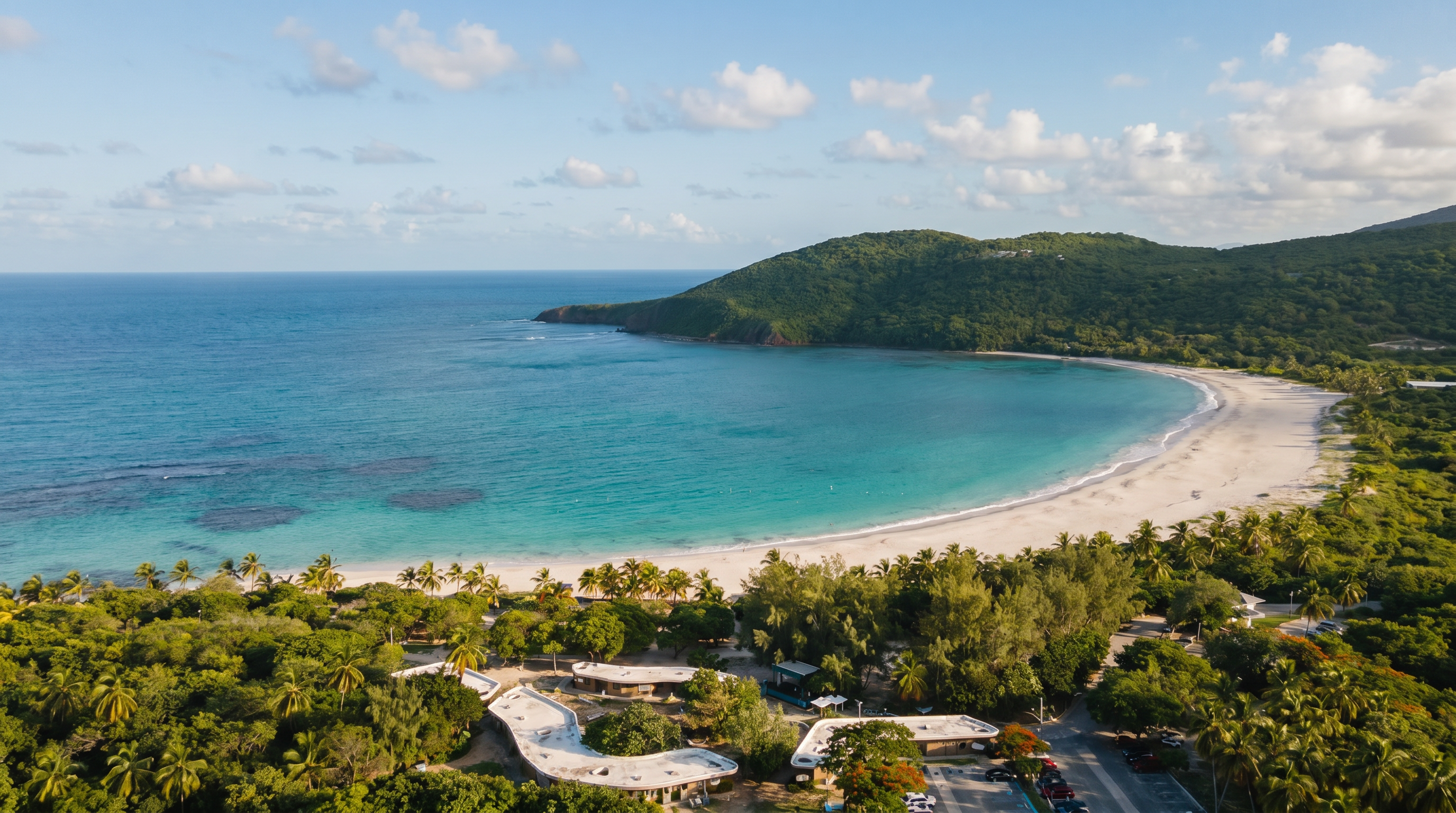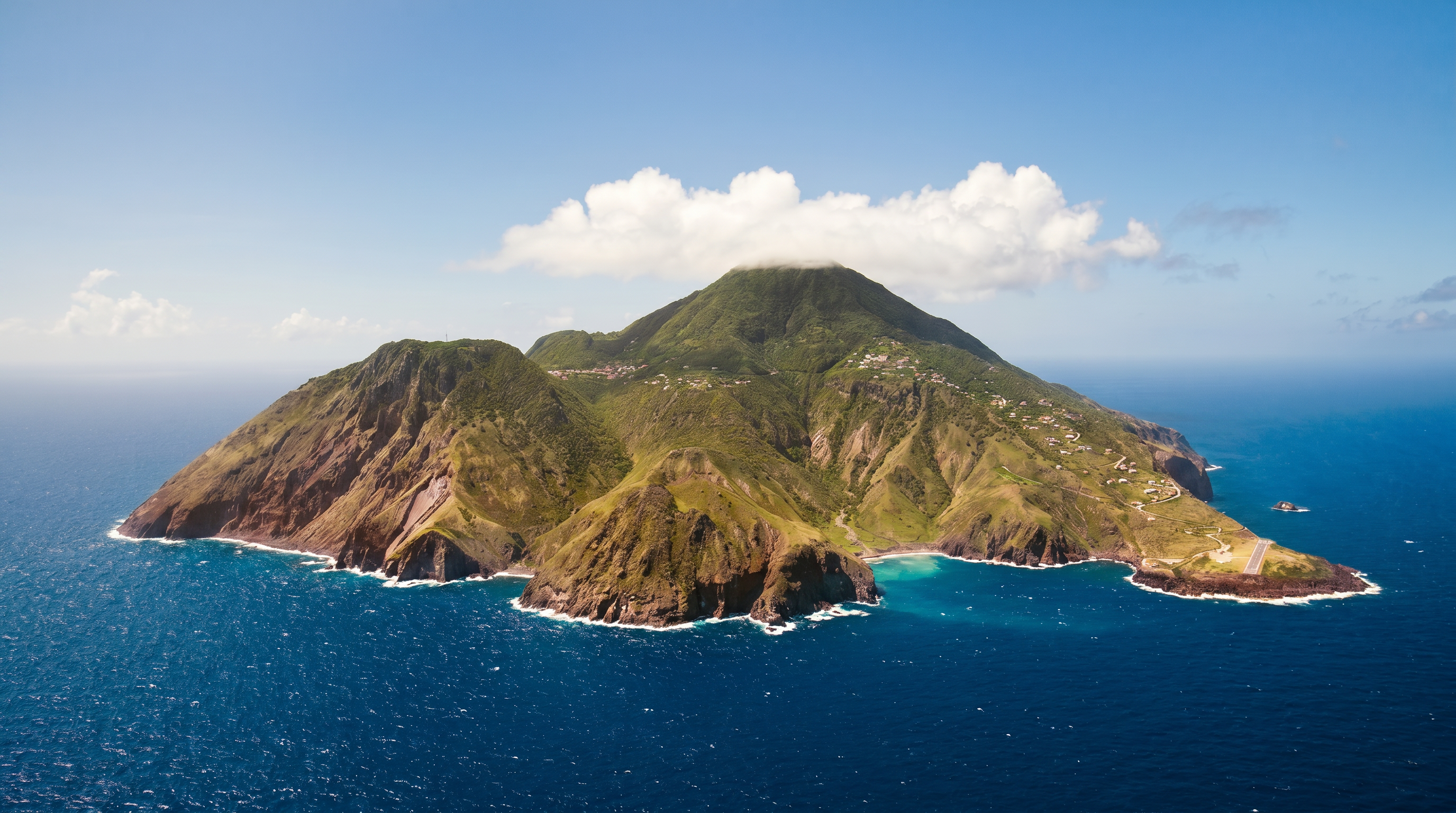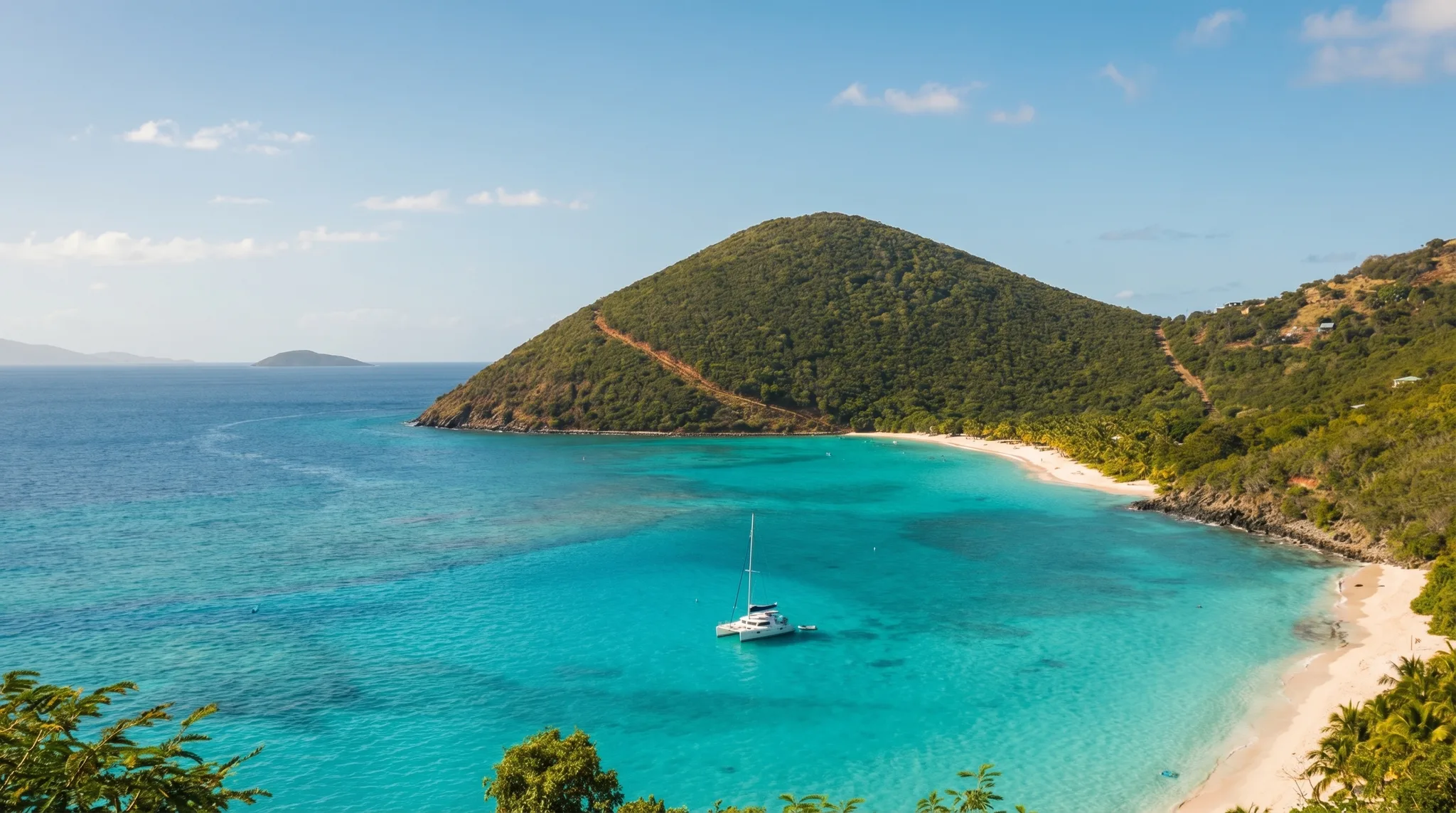
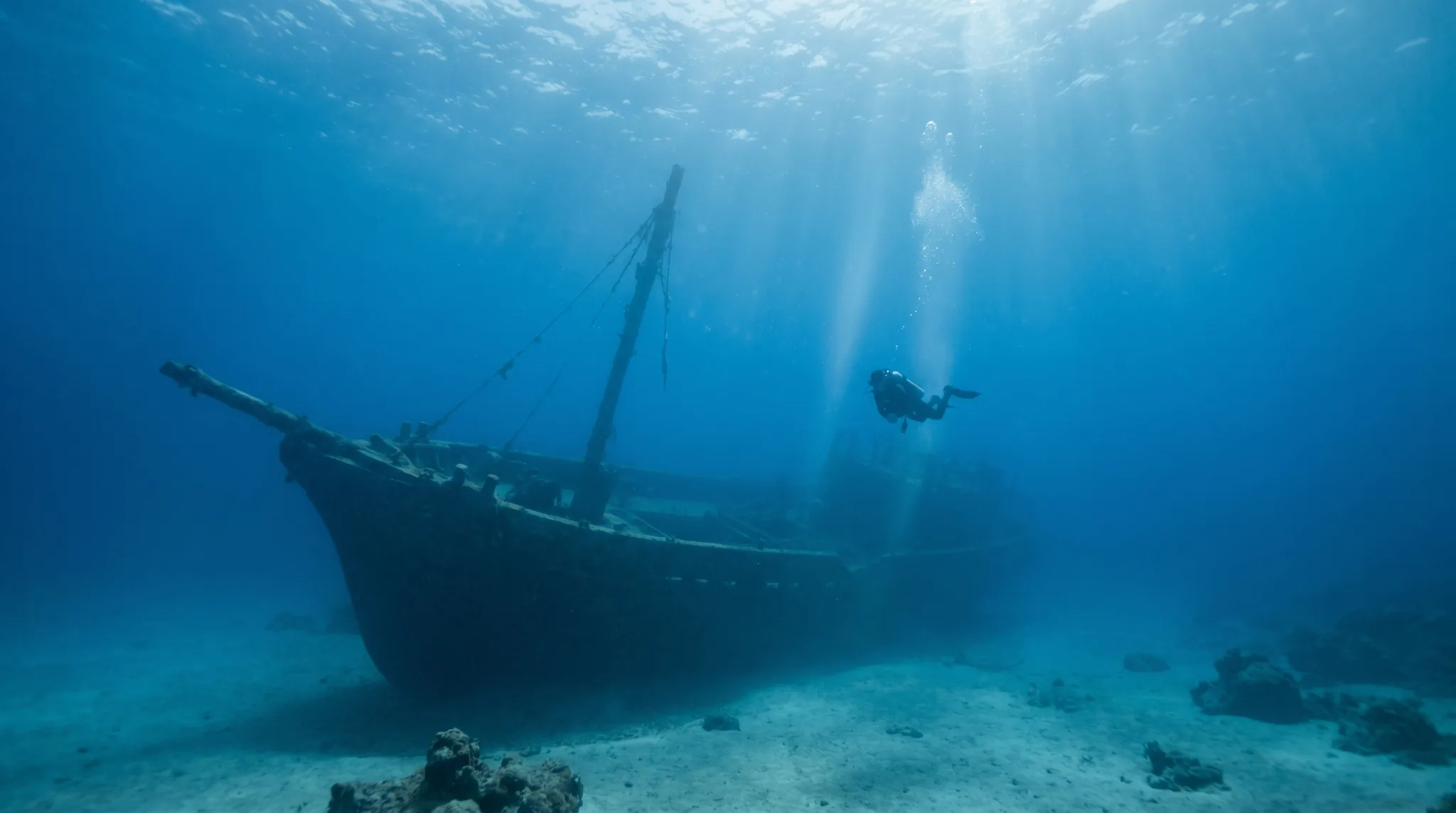
The British Virgin Islands offers a broad mix of reef, wreck, wall, pinnacle, and drift sites spread across three distinct sub-areas. Tortola and Southern Islands holds the lion's share of sites, including the RMS Rhone off Salt Island, a historic wreck that ranks among the most visited dives in the region, and the colourful reef formations of Painted Walls. Jost Van Dyke adds pinnacle systems, drift dives, and walls, from the beginner-friendly Playground Point to the more demanding Twin Towers and Shark Point. Virgin Gorda and Northern Islands rounds out the picture with a smaller but worthwhile selection. Across all areas, Nurse Shark, Green Sea Turtle, French Angelfish, and Spotted Moray are reliably observed, alongside dense reef fish populations including Blue Tang and Stoplight Parrotfish. Water stays warm year-round, with the clearest, calmest conditions peaking around December through April.
3 areas
 78
78A wreck-anchored region where the RMS Rhone meets multi-level walls, reef gardens, and consistent Nurse Shark sightings across three distinct island groups.
 7
7Caribbean reef, pinnacle, and wall diving off Jost Van Dyke, with sites for all levels and year-round warm water.
 7
7Wrecks, canyons, pinnacles, and reefs across Virgin Gorda and the Northern Islands, with sites for beginners through advanced divers.
Monthly water temperature across British Virgin Islands's sites, from satellite sea-surface data corrected for depth. The band shows the site-to-site spread.
Water temperature remains warm throughout the year, rising to its peak through the late summer and early autumn months. The best-conditions window runs from December through April, when calmer seas and higher visibility make boat access to sites like the RMS Rhone and Jeff Rocks most reliable. Summer and autumn bring warmer water but conditions can be less consistent, and fewer operators flag those months as optimal.
24 operators
Cruz Bay, British Virgin Islands
Water temperature around British Virgin Islands ranges from about 27°C in January to 30°C in September, based on satellite sea-temperature data for its dive sites.
With water around 27–30°C, a rash guard or 3mm shorty works in British Virgin Islands year-round.
Fin maps 92 sites in British Virgin Islands (90 scuba diving sites and 13 snorkelling spots, with some suited to both), organised into 3 areas.
Across British Virgin Islands's dive sites, January, February, March, April, May and December are most often reported as the best months to visit.
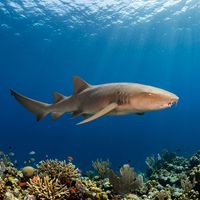
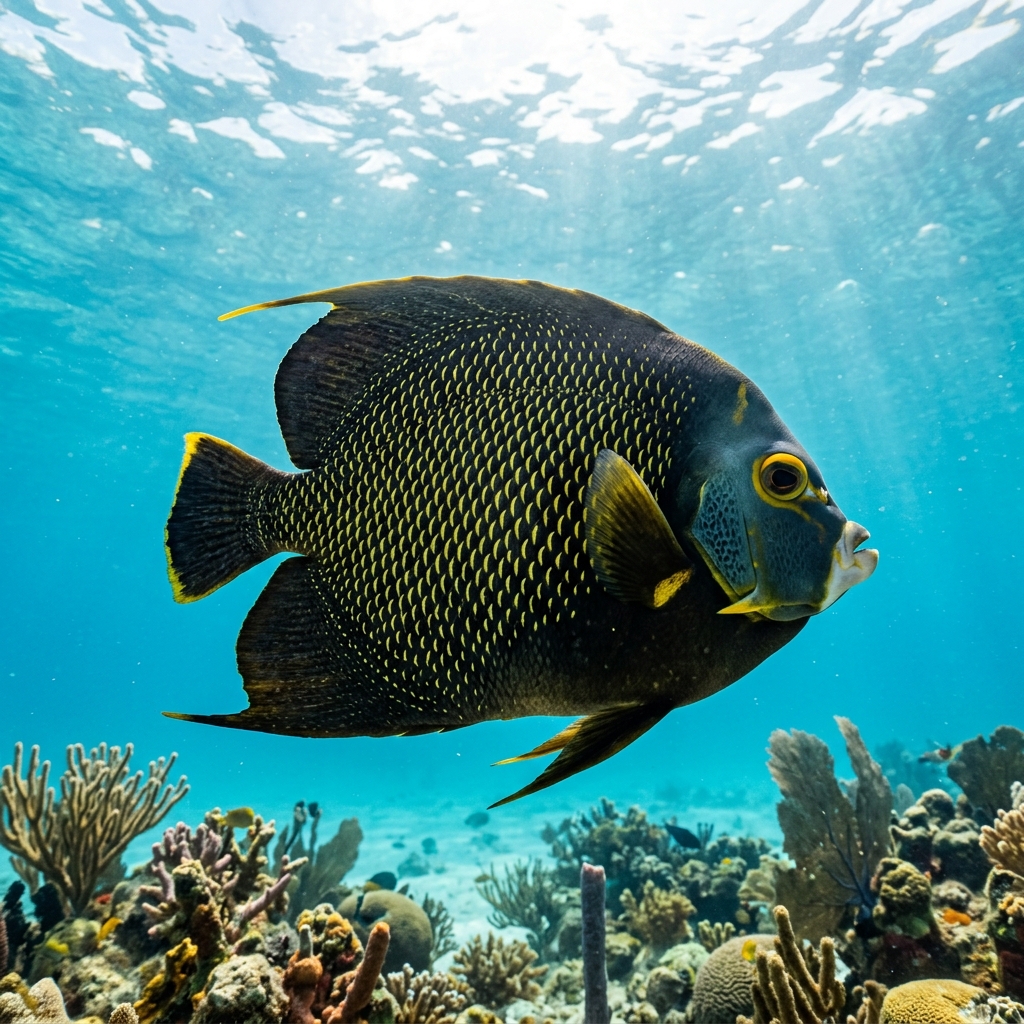
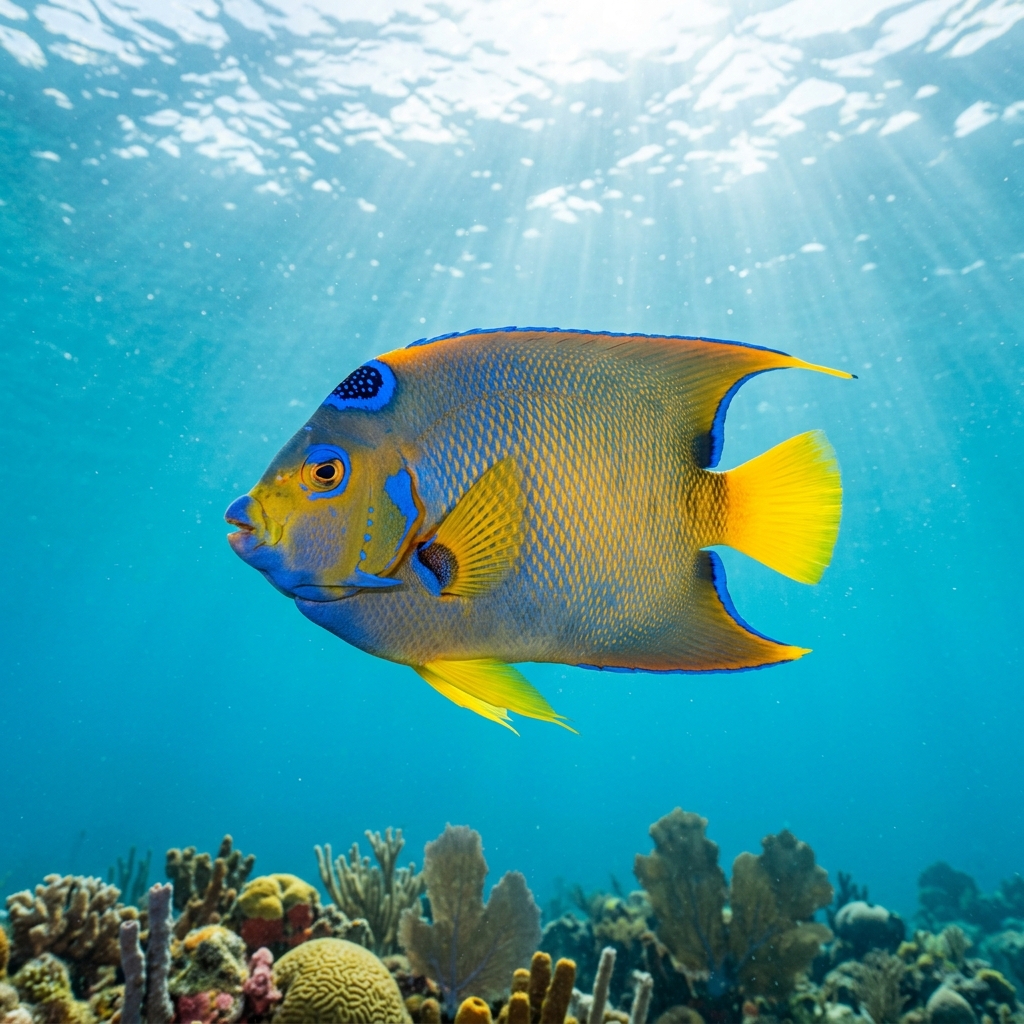
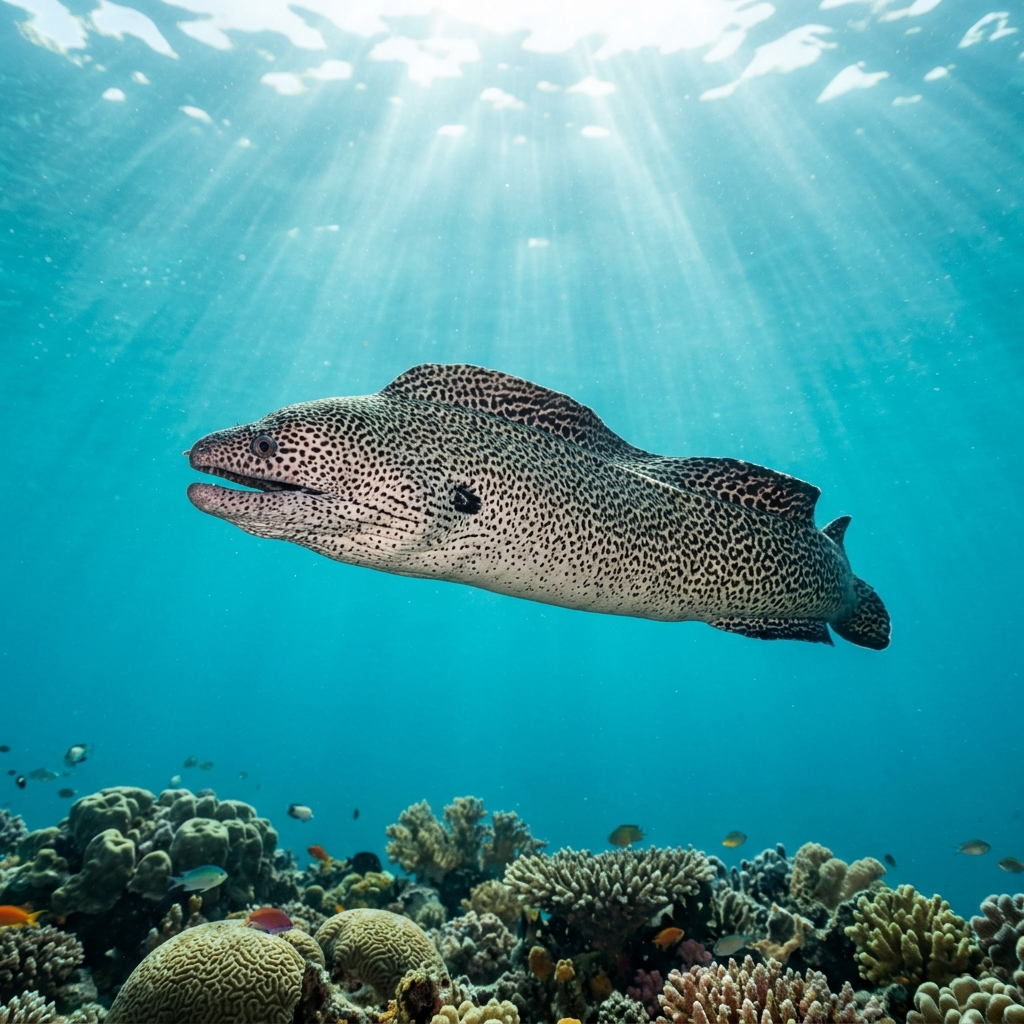
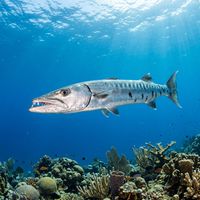
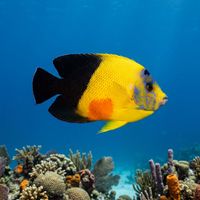
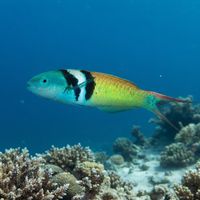
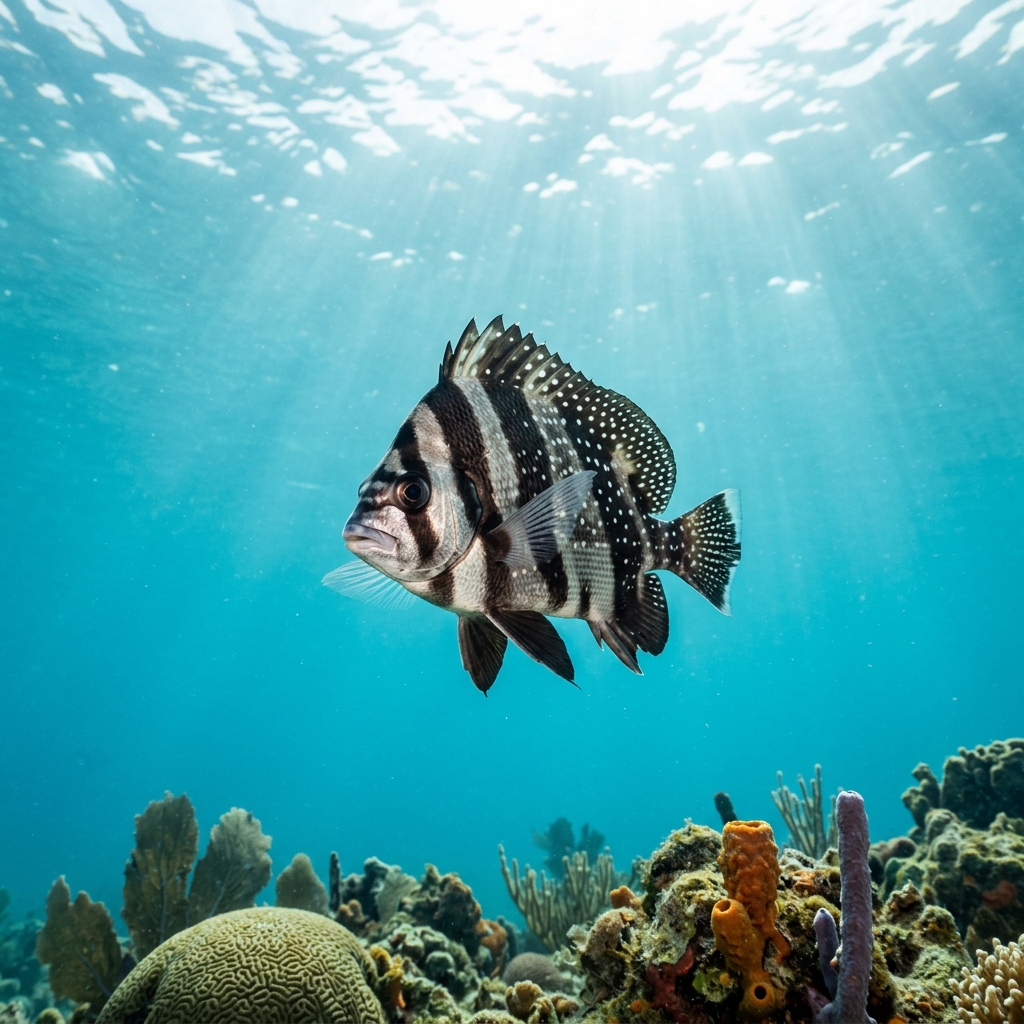
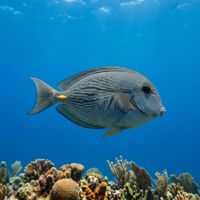
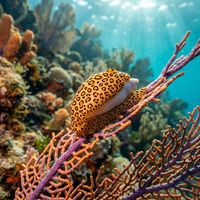
The Nurse Shark is the most frequently observed species across the region and is seen at the large majority of sites. Divers also regularly encounter the French Angelfish, Queen Angelfish, Spotted Moray, Fairy Basslet, and Green Sea Turtle. Reef fish such as the Stoplight Parrotfish, Wrasses, Blue Tang, and Foureye Butterfly Fish are present at nearly every site, and the Brazilian Reef Octopus and Whiptail Stingray are commonly reported too.
A good number of sites are rated for beginners, including Chromis Reef off Cooper Island, Jack Bay Point in the Dog Islands, Painted Walls at Salt Island, and Playground Point off Jost Van Dyke. These sites tend to be shallower with mild currents and straightforward boat or shore entry. Intermediate and advanced sites such as Jeff Rocks, Twin Towers, and Shark Point are also available for more experienced divers wanting walls, drift conditions, or deeper pinnacles.
Tortola and Southern Islands is the largest sub-area and covers the widest range of site types, including the RMS Rhone wreck, reef walls, and shallow beginner reefs. Jost Van Dyke is particularly strong for pinnacle and drift diving, with sites ranging from gentle introductory dives to more demanding advanced conditions. Virgin Gorda and Northern Islands has a smaller selection of sites but still contributes to the overall variety on offer across the region.
The majority of sites across the British Virgin Islands are boat-access only, which reflects how spread out the islands and reefs are. Shore entry is available at a smaller number of sites, such as Jack Bay Point in the Dog Islands. Several operators including Sail Caribbean Divers, Blue Water Divers, Dive BVI, and Jost Van Dyke Scuba run boat charters to reach the wider network of sites.