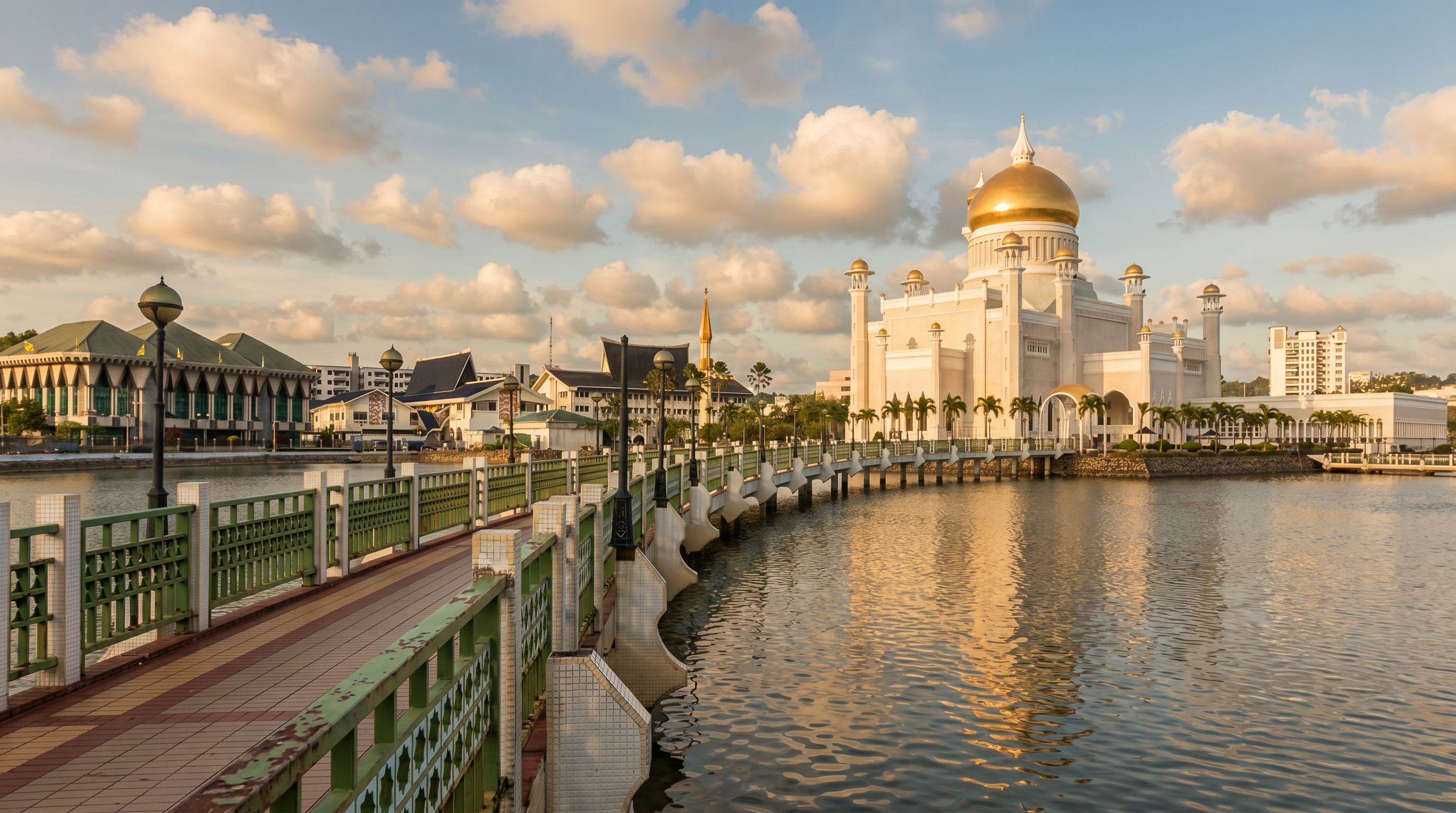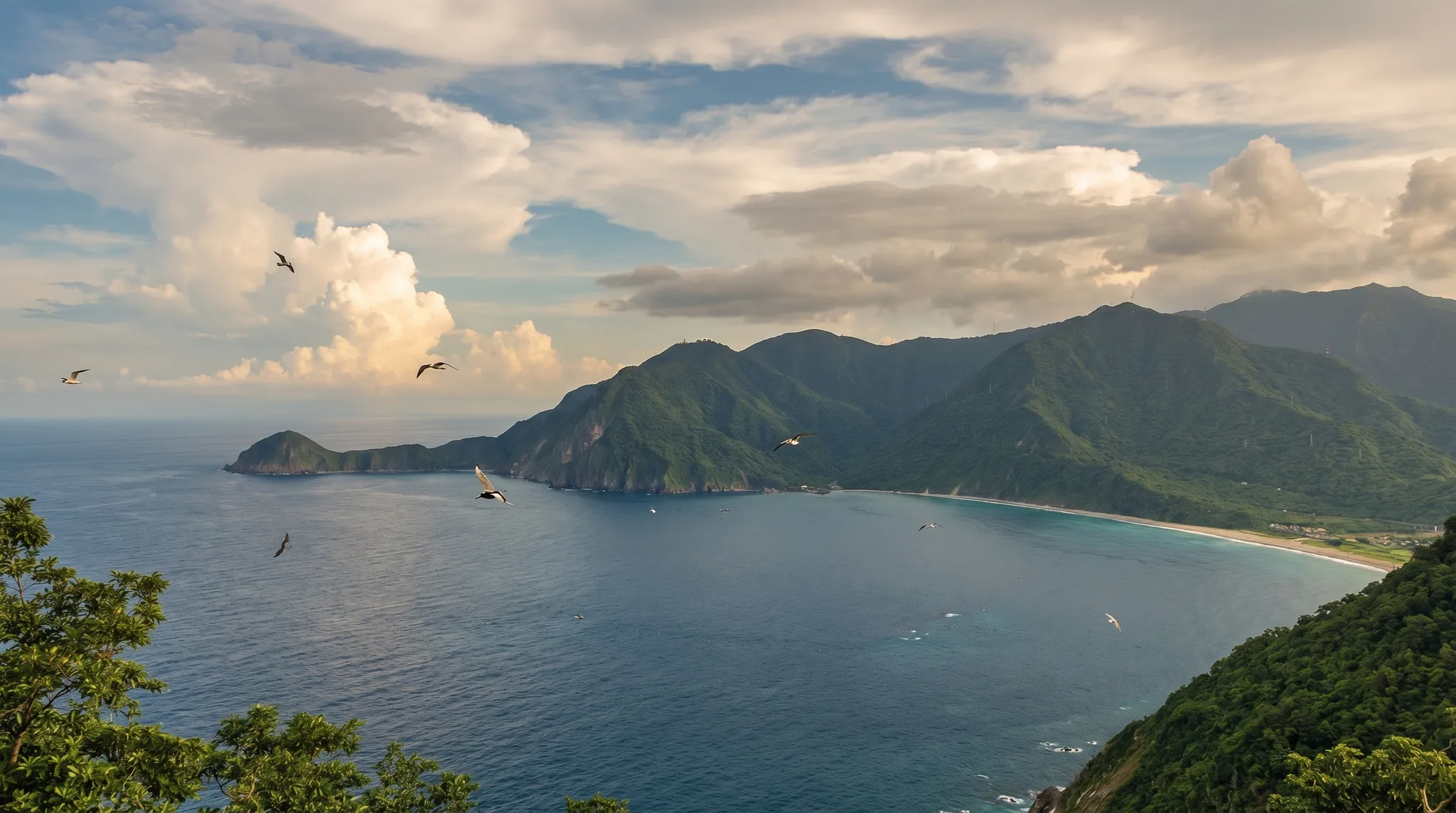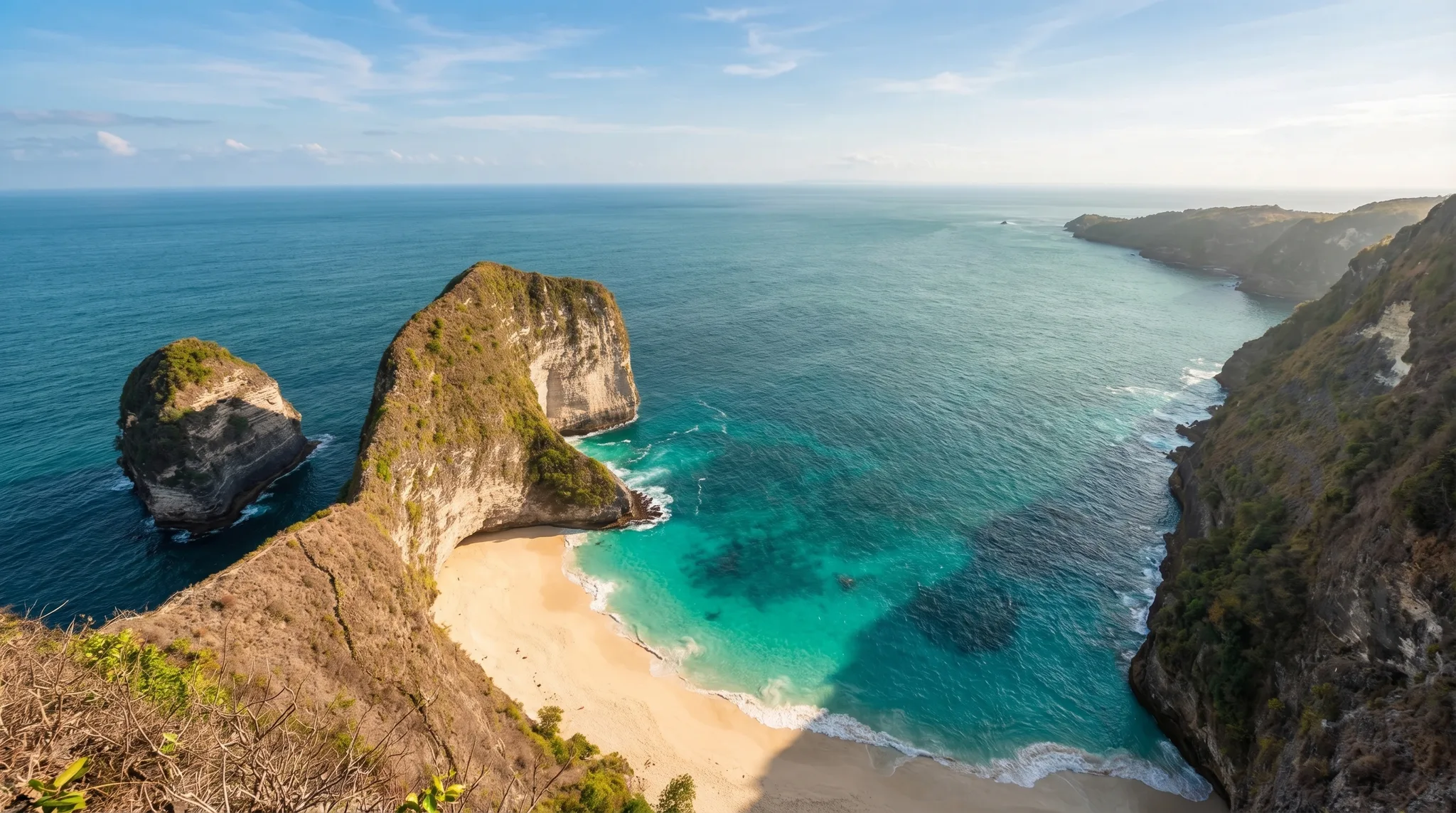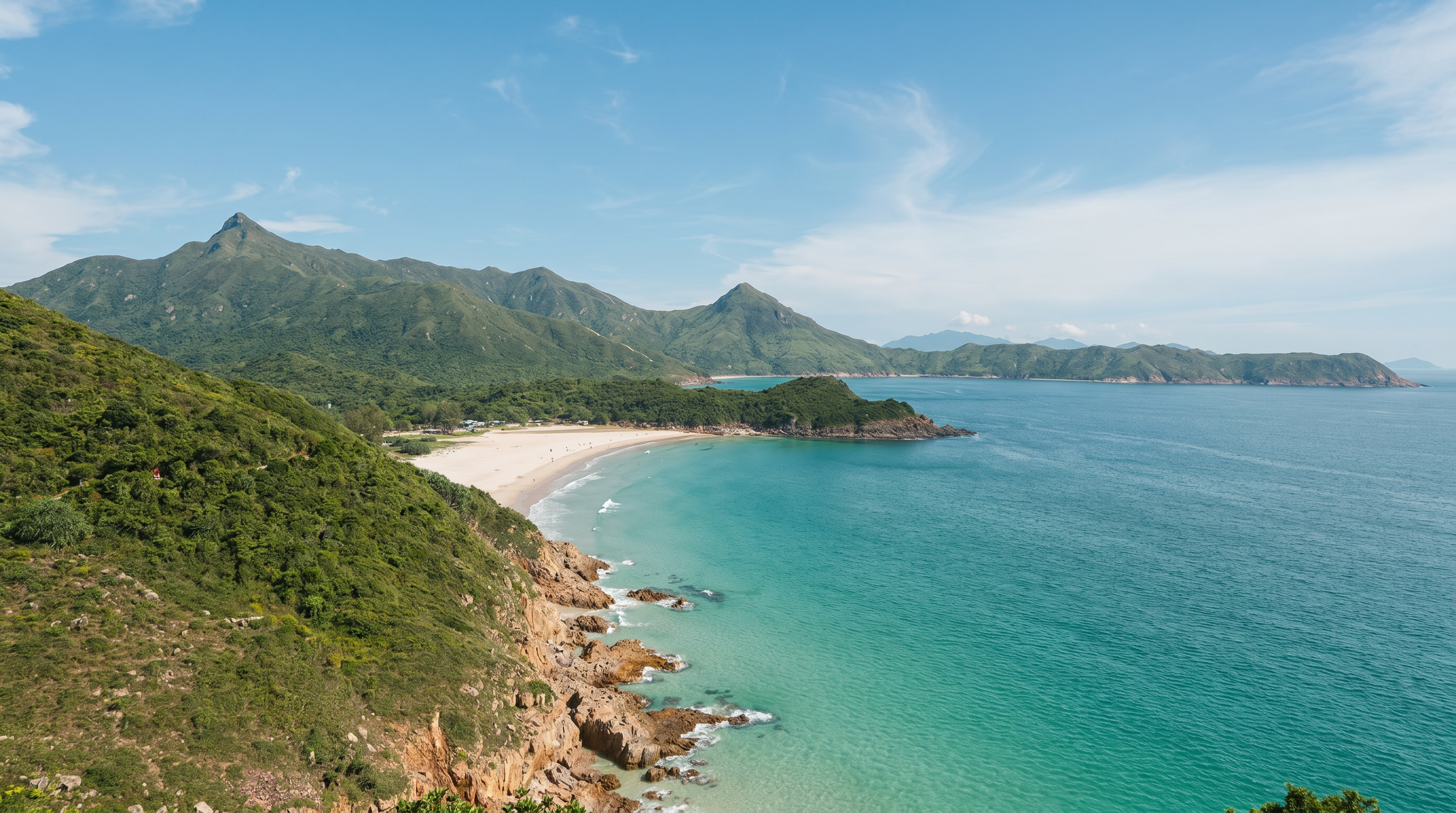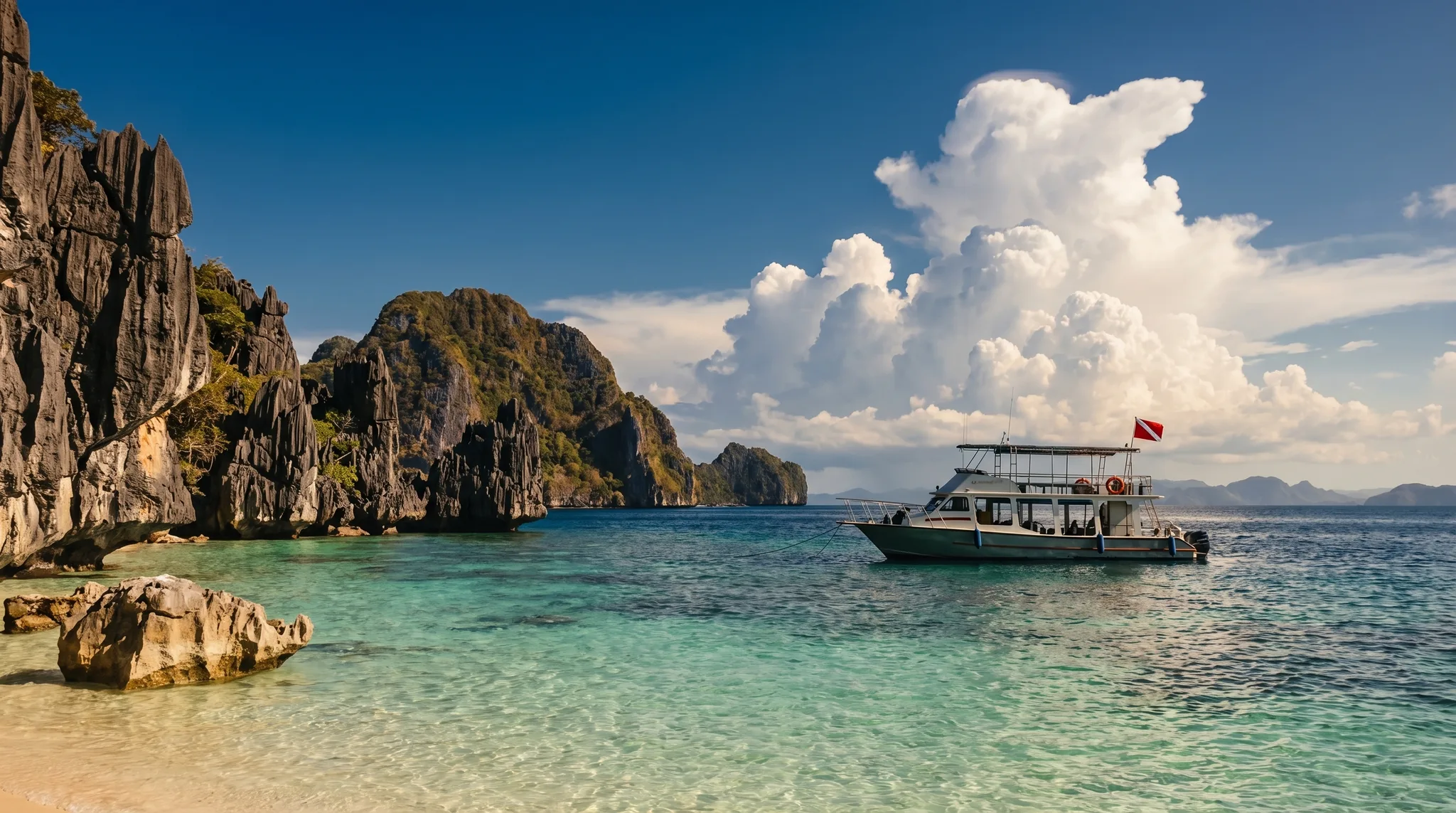
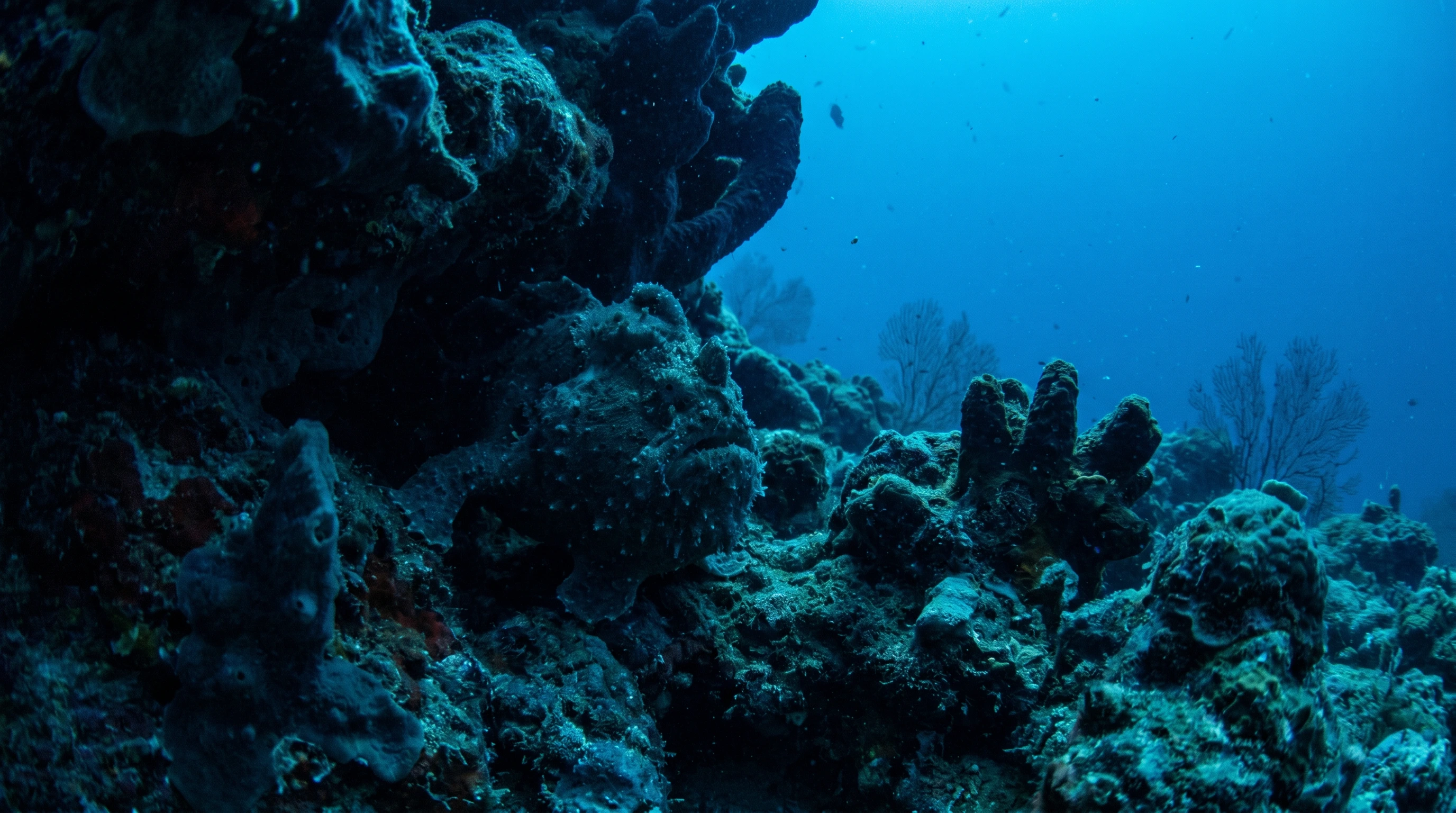
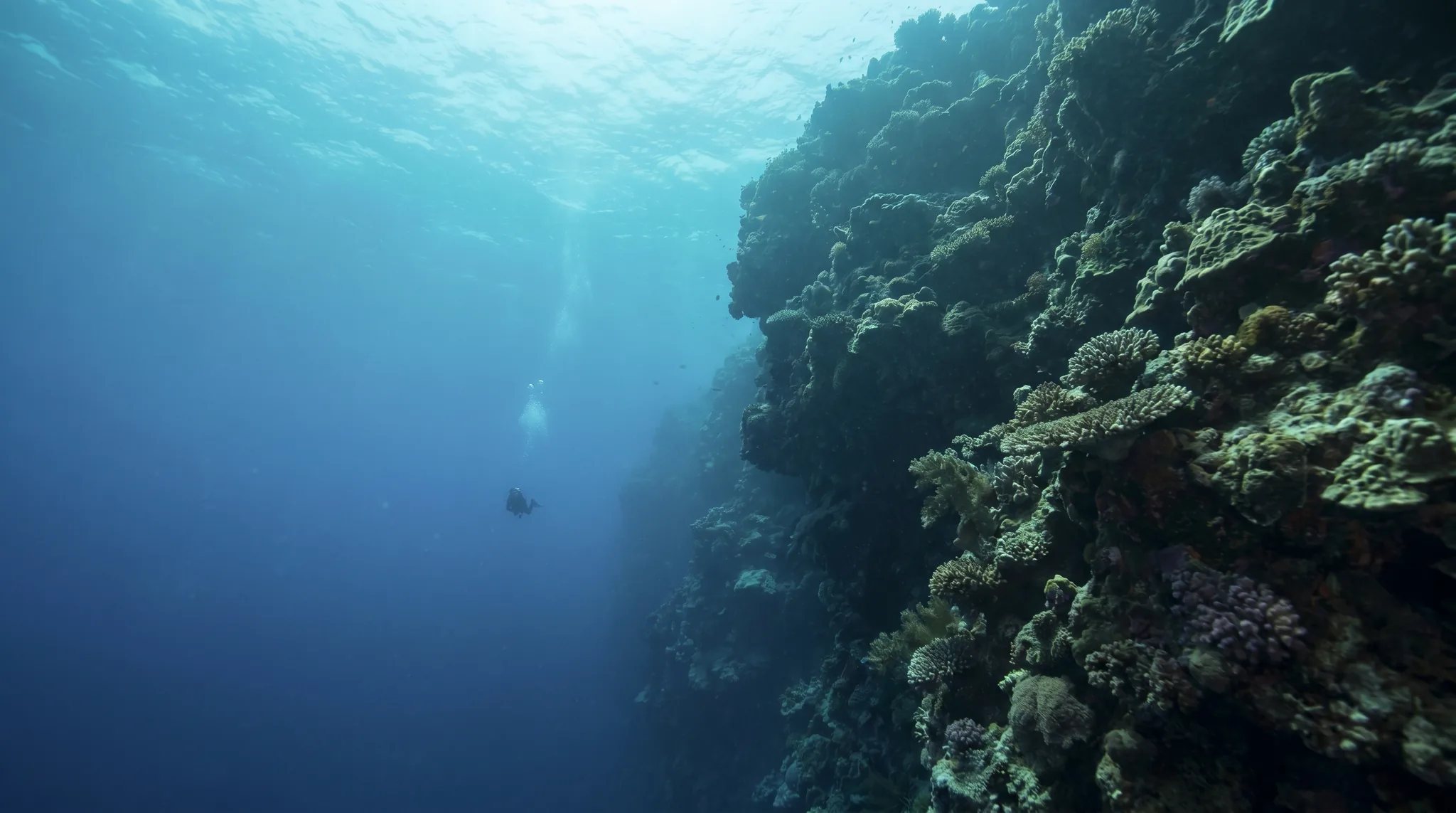
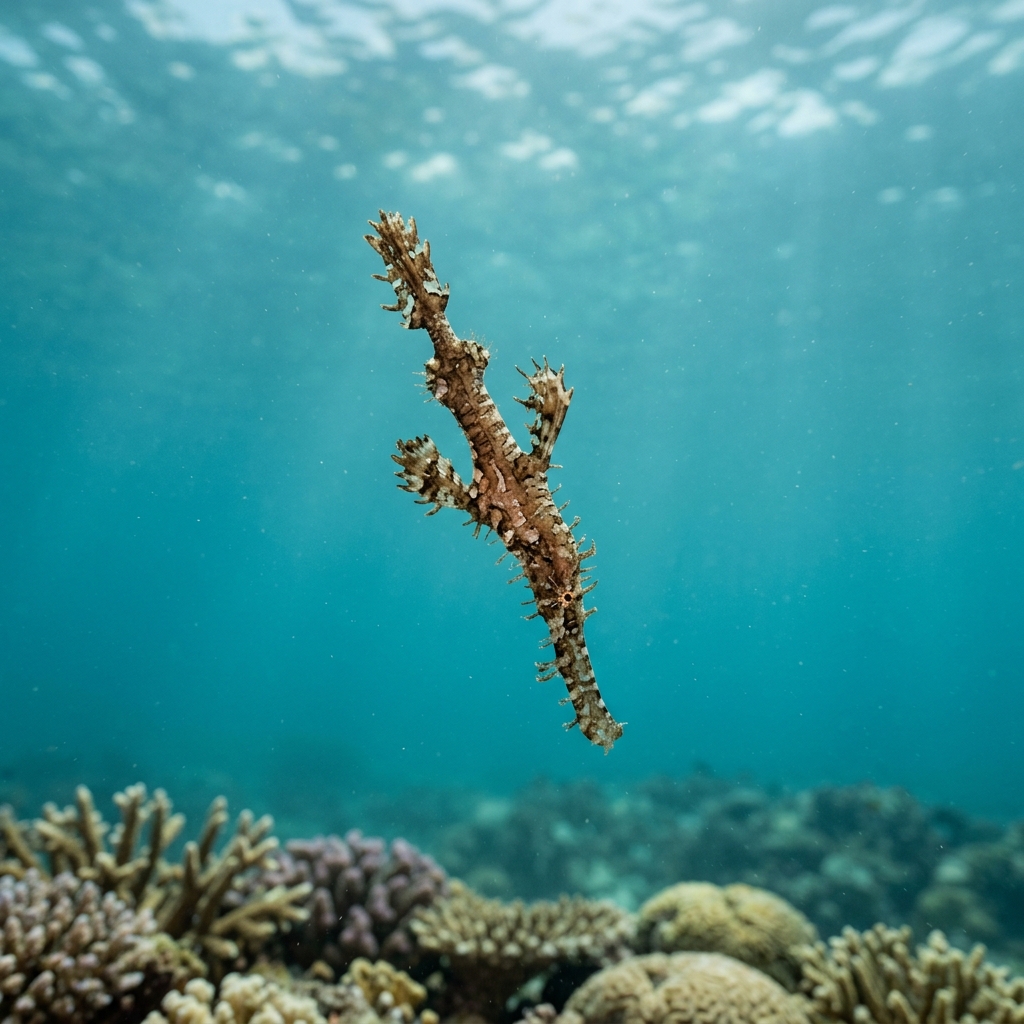
The Philippines spans four major sub-areas, each with its own underwater character. The Visayas holds the greatest concentration of sites, ranging from the sardine-packed shore reefs of Moalboal to the deep walls of Balicasag Island and the cavern systems of Mines of Moai. Luzon and Puerto Galera contribute technical drift and wall sites such as Hibo Reef. Palawan adds limestone-framed shallows at El Nido alongside the Japanese wreck the Kogyo Maru at Coron. Mindanao rounds out the offer with open-water reefs. Throughout, the marine life skews heavily towards the cryptic and the camouflaged: the Chromodoris Nudibranch is observed at almost every site, while Giant Frogfish, Ornate Ghostpipefish, and Blue-ringed Octopus reward those who look slowly. Wall diving, reef diving, muck diving, and wreck diving are all well represented.
4 areas
 490
490A vast Philippine diving region combining muck, walls and reef, with a remarkable density of cryptic species across dozens of sub-areas.
 242
242Luzon blends macro-rich muck diving, dramatic walls, and historic wrecks across a spread of distinct sub-areas, with ghostpipefish and frogfish as signature finds.
 159
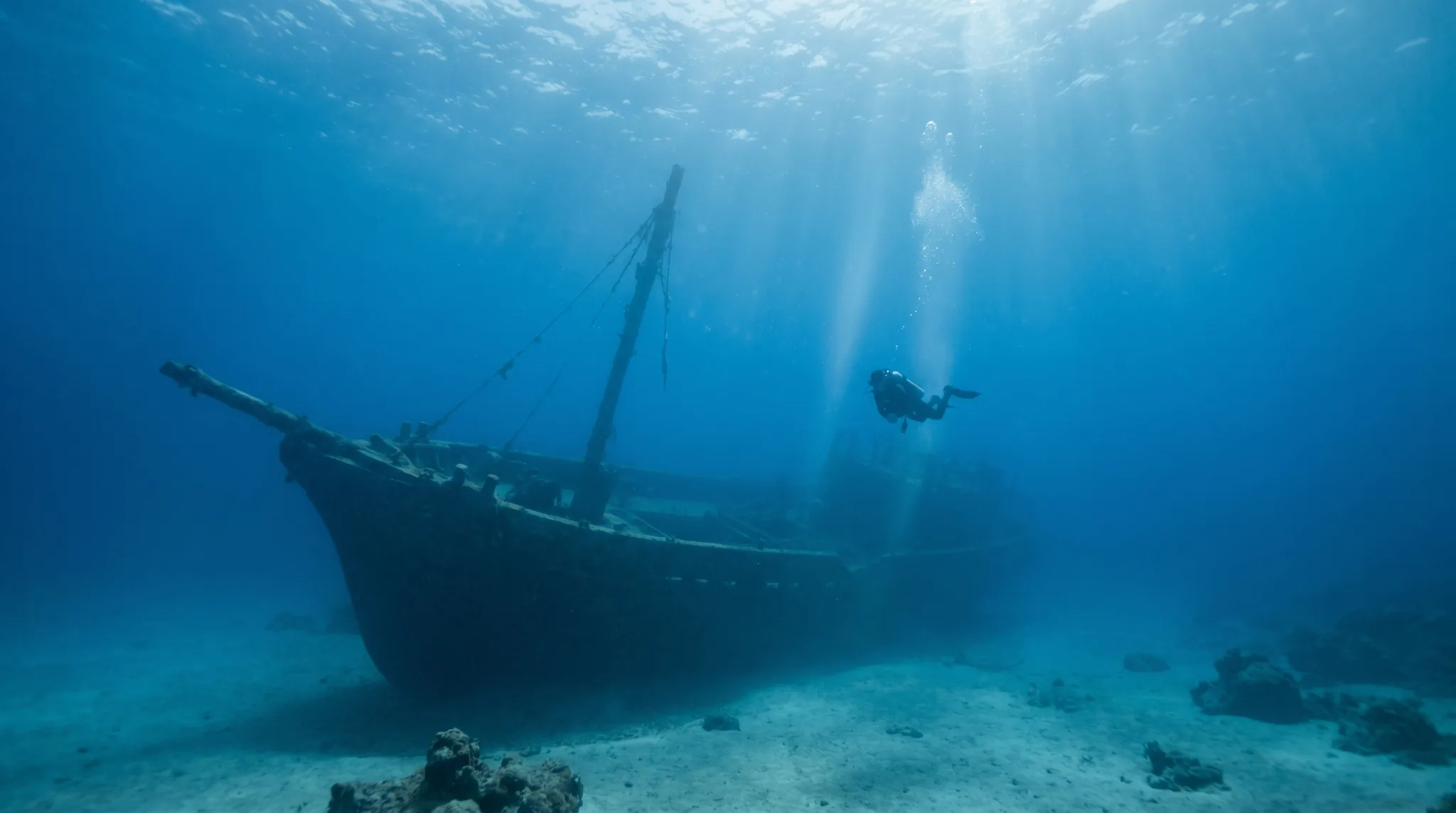
159Palawan blends WWII wreck diving in Coron with remote atoll walls at Tubbataha and shallow reefs across El Nido and Port Barton.
108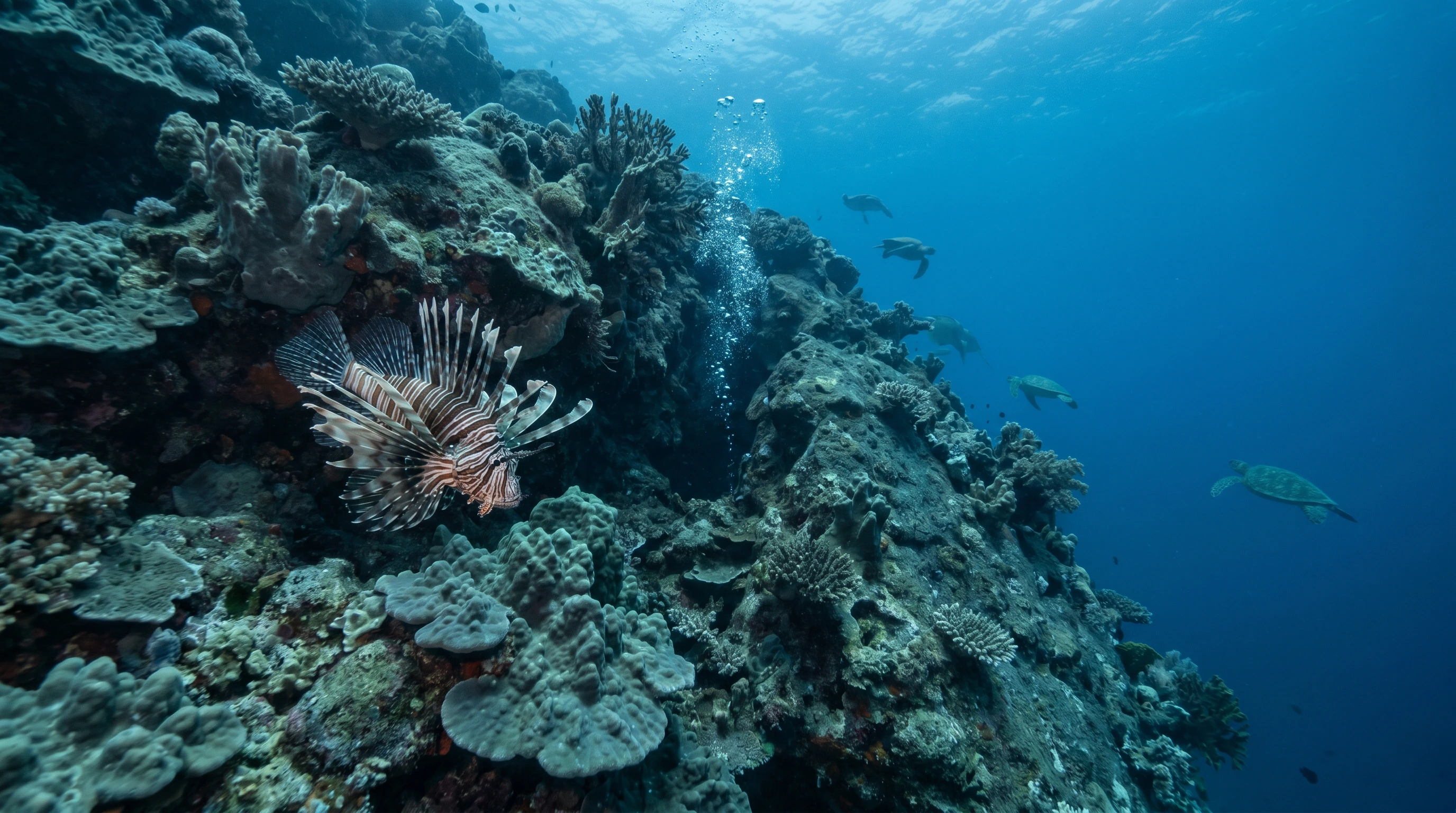
Monthly water temperature across Philippines's sites, from satellite sea-surface data corrected for depth. The band shows the site-to-site spread.
Water stays warm throughout the year, dipping only slightly in January and February before climbing through the middle months to its peak from June through November. The histogram of diver activity points clearly to a dry-season sweet spot running from March through May, with a secondary surge in November and December when conditions settle again after the wetter mid-year months. Exposed sites such as Wall Street and Hibo Reef carry stronger currents and suit experienced divers, while sheltered shore entries like Panagsama Beach and Amigos House Reef remain accessible year-round.
683 operators

Mindanao rewards macro hunters with frogfish, ghost pipefish and nudibranch across walls, reefs and muck sites spread through several distinct sub-areas.
Water temperature around Philippines ranges from about 27°C in February to 30°C in June, based on satellite sea-temperature data for its dive sites.
With water around 27–30°C, a rash guard or 3mm shorty works in Philippines year-round.
Fin maps 999 sites in Philippines (903 scuba diving sites and 176 snorkelling spots, with some suited to both), organised into 4 areas.
Across Philippines's dive sites, March, April, May, November and December are most often reported as the best months to visit.
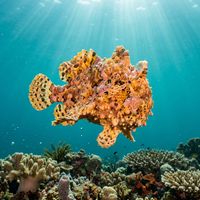
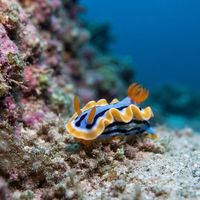
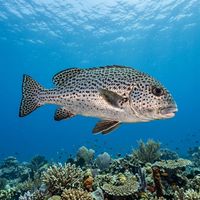
The Philippines is particularly strong for slow, attentive diving. The Chromodoris Nudibranch and Nembrotha Nudibranch are observed across a very wide range of sites, while Giant Frogfish, Painted Frogfish, and Warty Anglerfish reward careful searching on reef and muck habitats. Ornate Ghostpipefish and Robust Ghost Pipefish are also regularly observed, along with the Blue-ringed Octopus, Ribbon Eel, and the brilliantly coloured Mandarinfish.
Yes, the sub-areas differ noticeably in what they offer each skill level. The Visayas has the largest number of sites and includes many beginner-friendly shore entries such as Panagsama Beach and Napaling, alongside advanced drift and wall dives. Palawan tends towards shallower, calmer reef excursions and wreck diving at Coron. Luzon sites like Hibo Reef are classified as advanced due to depth and current. Mindanao is the smallest cluster but adds further open-reef variety.
Both entry styles are widely available. Shore entries such as Napaling, Panagsama Beach, and Amigos House Reef in the Visayas let divers explore walls and reefs without a boat fee, and several are beginner-rated. Boat access opens up sites that sit further offshore, including Balicasag Island, Apo Island, Mantigue Island, and the Kogyo Maru wreck at Coron, where depth and exposure make independent shore access impractical. Many operators across all sub-areas run day-boat programmes to these sites.
Reef and wall diving form the backbone of the offering across all four sub-areas, often combined at a single site where a fringing reef tips over a steep drop-off. Drift diving features at several stronger-current sites. Wreck diving is concentrated in Palawan, most notably at the Kogyo Maru in Coron. Cave and cavern diving appears at Mines of Moai in Moalboal, and muck diving is available at sites like Bahura Dive House Reef near Dumaguete, giving the Philippines an unusually broad range of dive styles within one country.