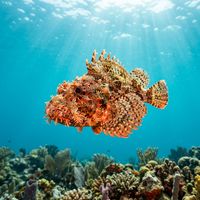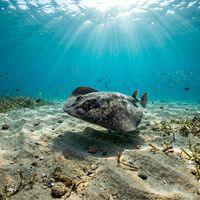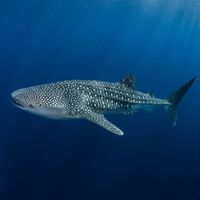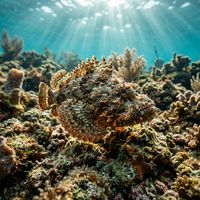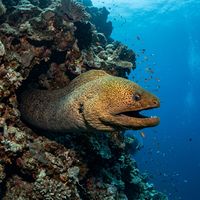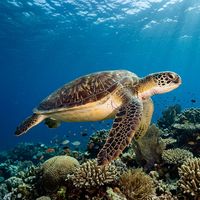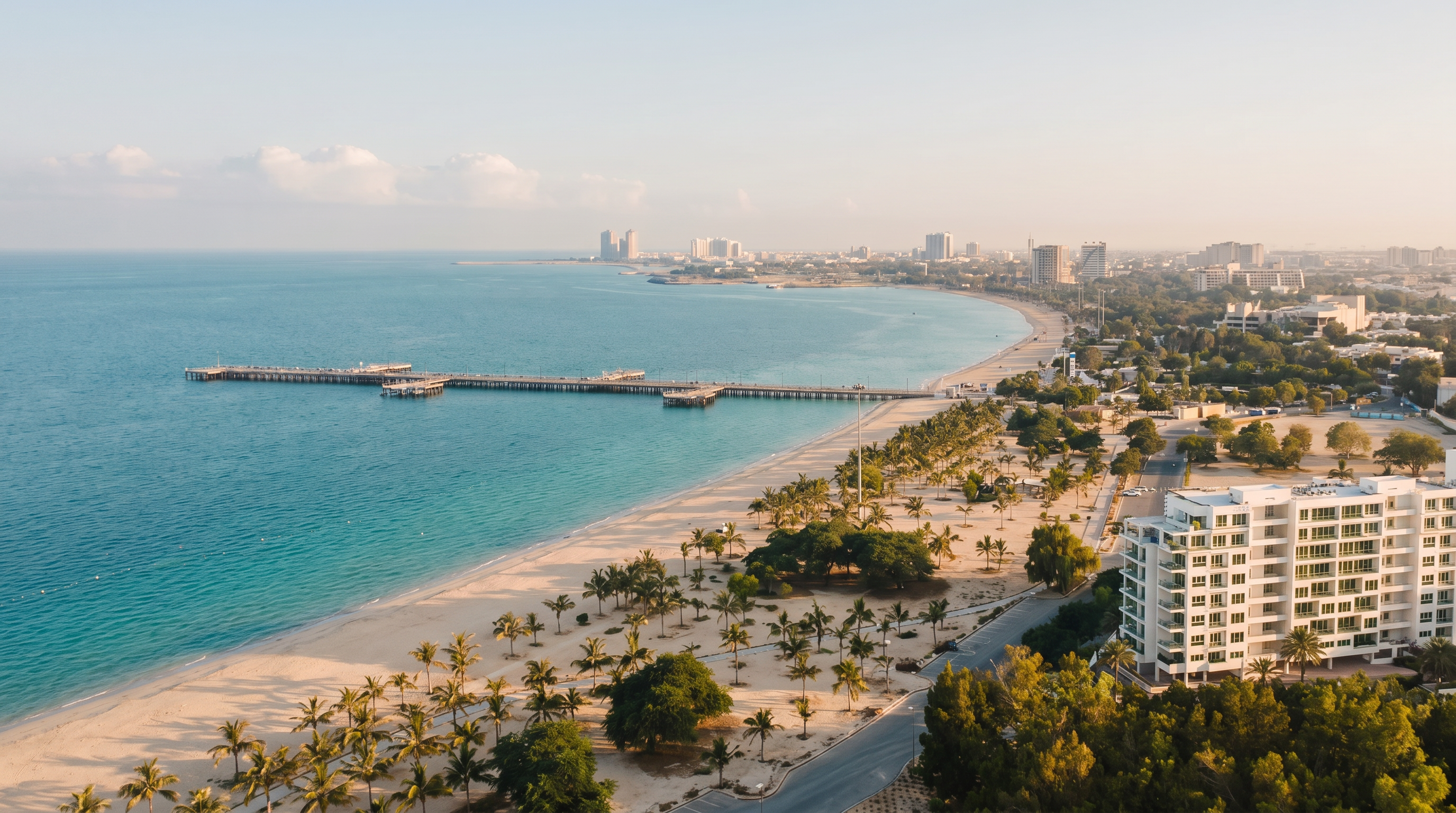
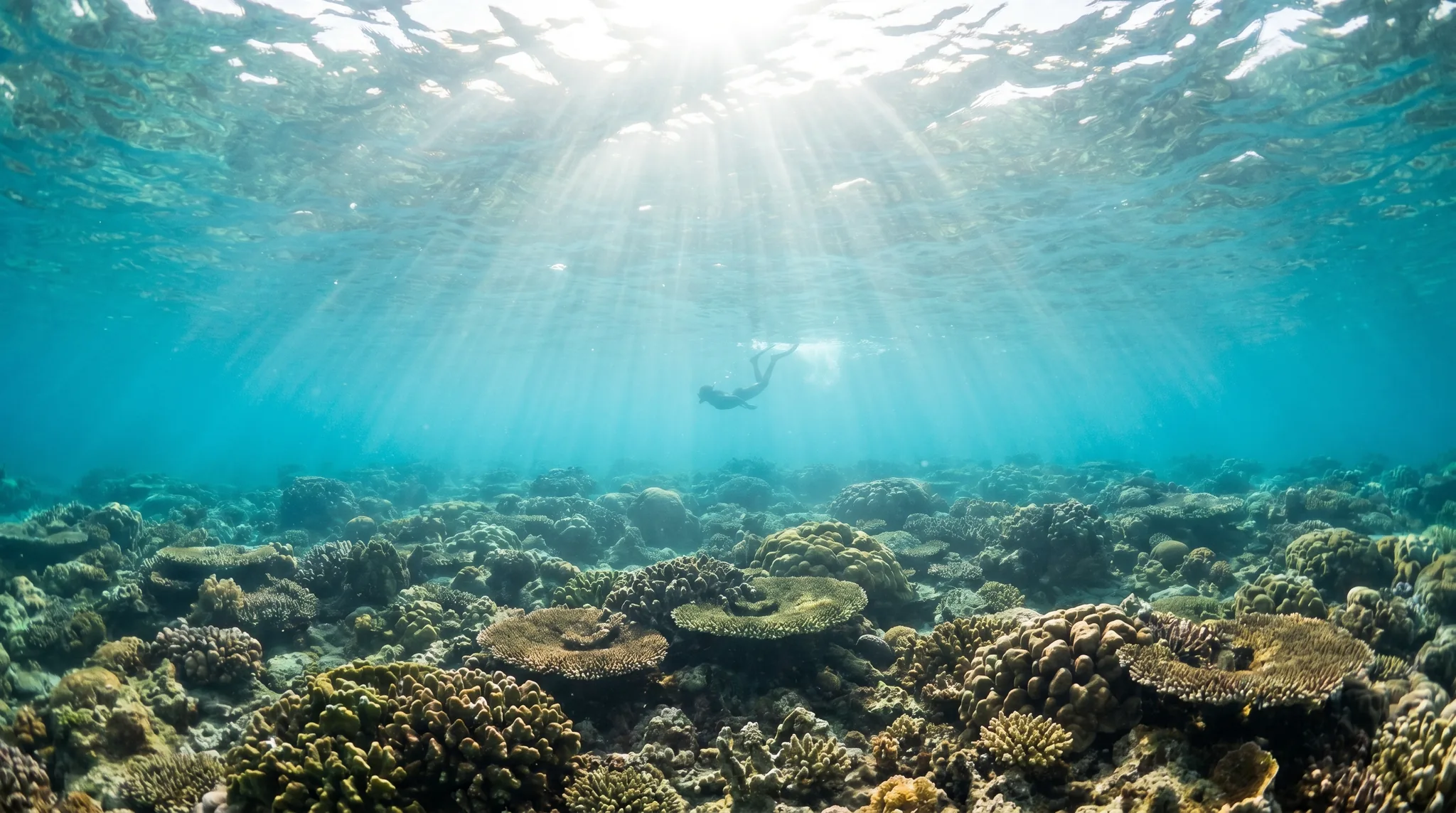
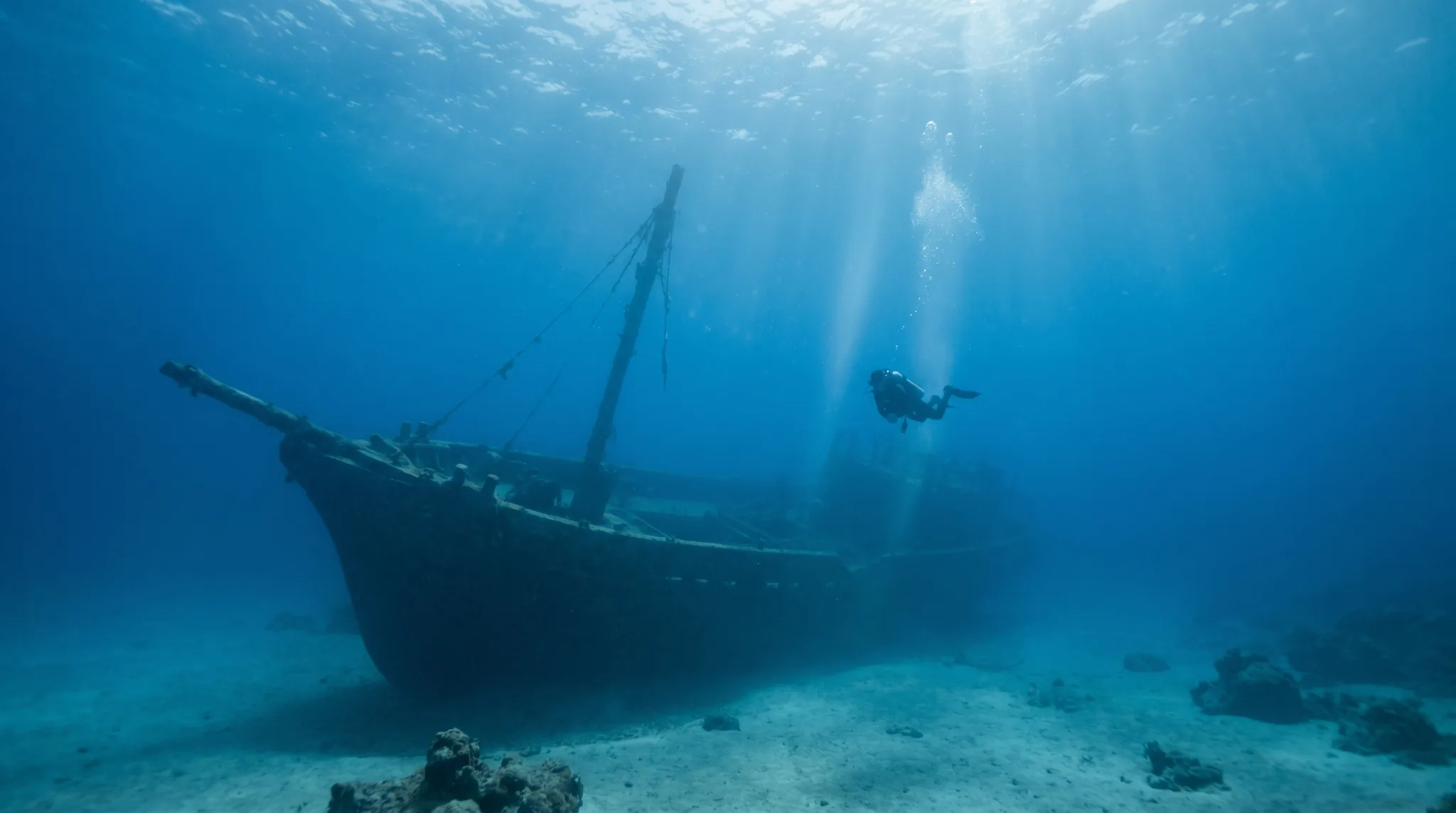
Iran's diving is split between two distinct island groups: Qeshm Island and Kish Island, each offering a different character. Kish leans towards accessible reef diving, with shallow sites like Big Corals and Big Coral drawing beginners alongside deeper drop-offs such as Southern Crack for advanced divers. Qeshm and the surrounding Larak Island add wreck diving to the mix, from the intermediate-level Dama Wreck to the demanding Larak shipwreck with its strong currents. Scorpionfish and Torpedo Ray are observed consistently across sites, while Whale Shark sightings make this region's signature encounter. Grey Reef Shark, Barracuda, Hawksbill Sea Turtle, Giant Moray and Stonefish have all been recorded. Water stays warm year-round, dipping slightly in the cooler months without ever becoming cold. Most sites are boat-access only, though a handful of shore entries exist on Kish.
2 areas
Monthly water temperature across Iran's sites, from satellite sea-surface data corrected for depth. The band shows the site-to-site spread.
Water temperatures remain warm throughout the year, peaking in late summer and easing only slightly through the cooler winter months. The histogram suggests March sees a notable uptick in diver activity, though the season is broadly spread across all months. Exposure and currents vary by site, with some Larak wrecks carrying strong current warnings that push them firmly into advanced territory.
24 operators
Water temperature around Iran ranges from about 23°C in February to 32°C in August, based on satellite sea-temperature data for its dive sites.
In the warm season (about 32°C) a rash guard or 3mm shorty is comfortable in Iran; in the coldest months (about 23°C) step up to a 3mm full suit.
Fin maps 13 sites in Iran (13 scuba diving sites and 2 snorkelling spots, with some suited to both), organised into 2 areas.
Across Iran's dive sites, March are most often reported as the best months to visit.
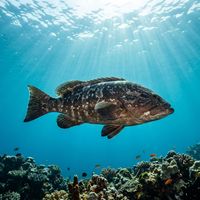
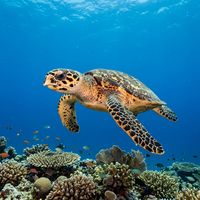
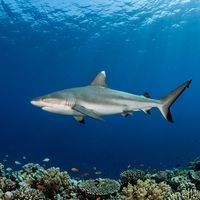
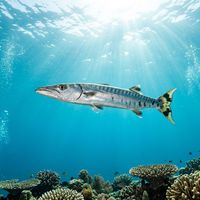
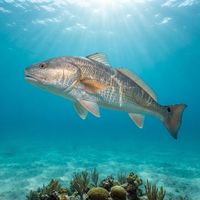
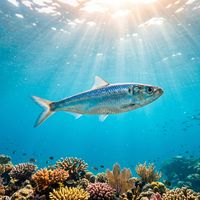
Scorpionfish and Torpedo Ray are observed consistently across Iranian dive sites. Whale Shark is the region's signature encounter, recorded occasionally. Other observation-backed species include Grey Reef Shark, Hawksbill Sea Turtle, Barracuda, Giant Moray, Groupers, Stonefish and Sardine.
Kish Island's sites range from very shallow beginner reefs, such as Big Corals and Jurassic Park, to the deeper drop-off at Southern Crack for advanced divers. Qeshm Island and the nearby Larak Island are characterised more by wreck diving, including the Larak Wreck, Larak shipwreck and Dama Wreck, covering intermediate to advanced skill levels.
Yes, a good number of sites are rated beginner level, particularly on Kish Island and around Larak Island, where shallow reef dives sit at very accessible depths. However, advanced sites such as Southern Crack and the Larak shipwreck involve strong currents and greater depths, so experienced divers also have rewarding options to explore.
The majority of sites across both Qeshm Island and Kish Island are boat-access only. That said, a handful of Kish Island sites, including Big Corals and Jurassic Park, offer shore entry, which can make logistics simpler for independent divers. Several dive operators, including Scuba Kish, Seashell Diving Academy and IranMarina Diving Center, run boat trips to the wider site roster.