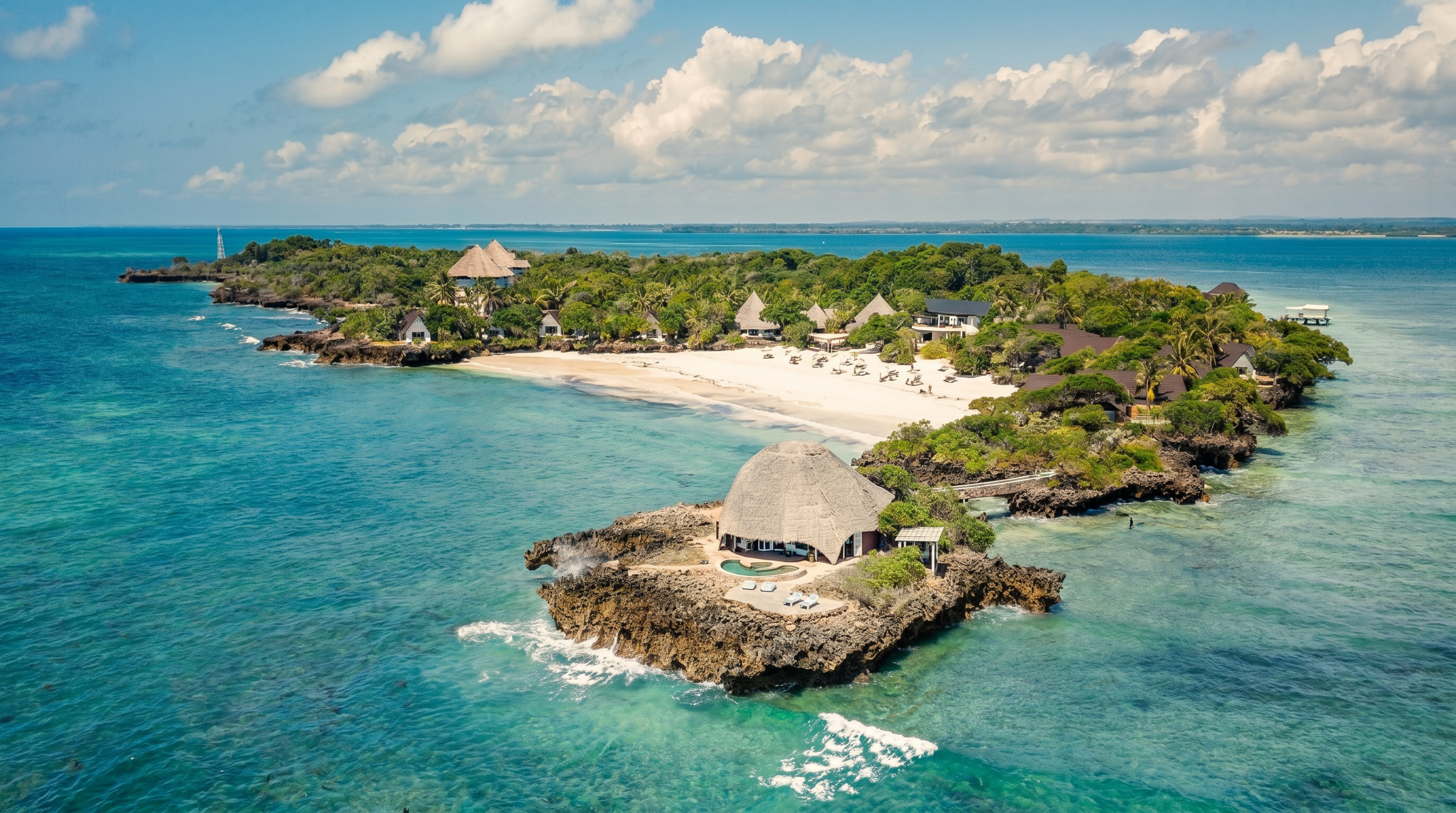
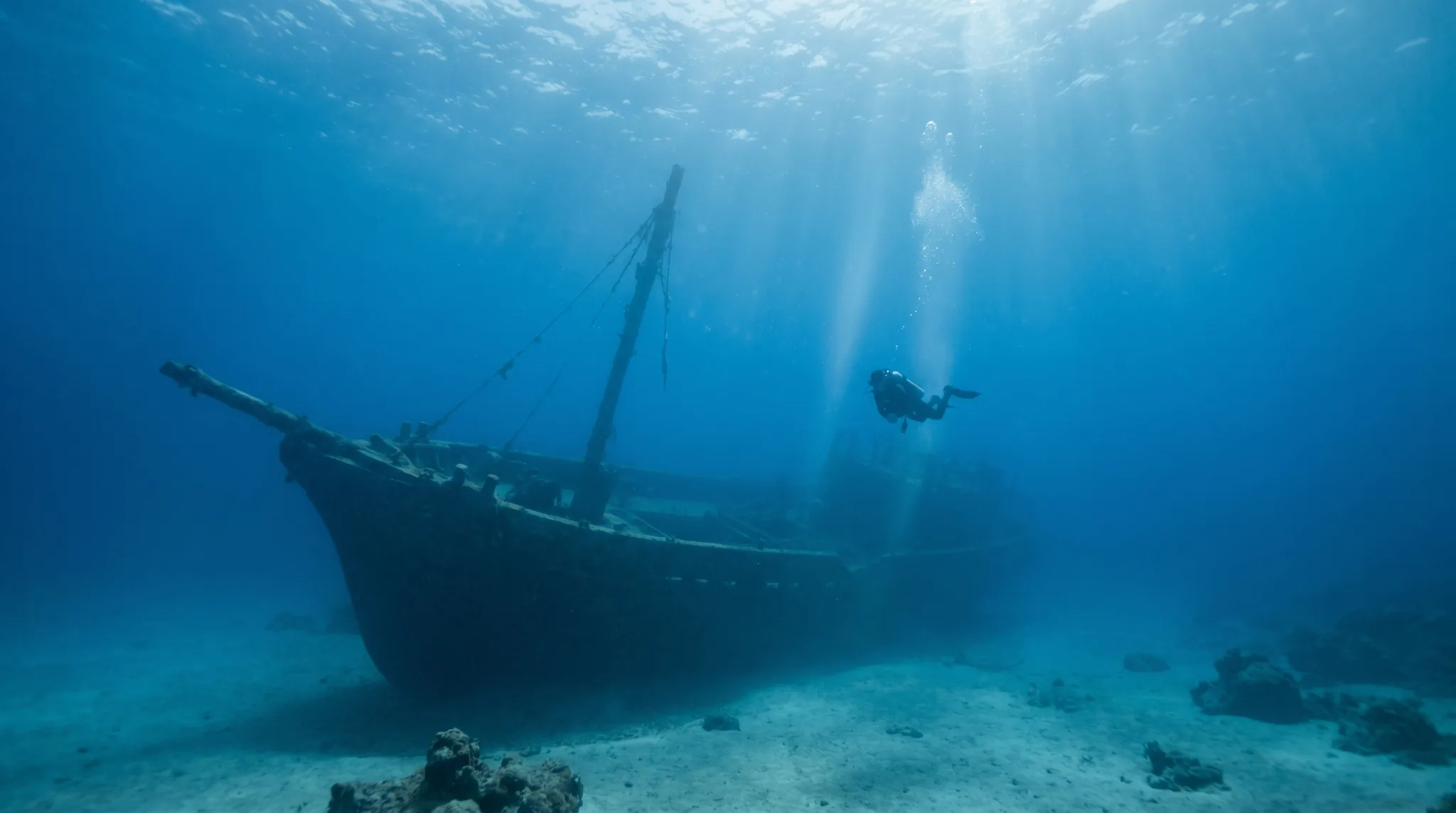
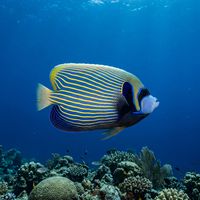
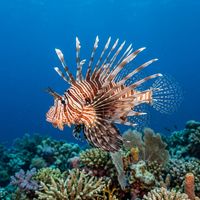
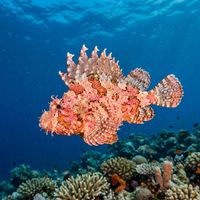
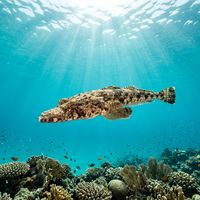
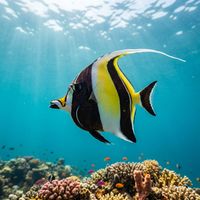
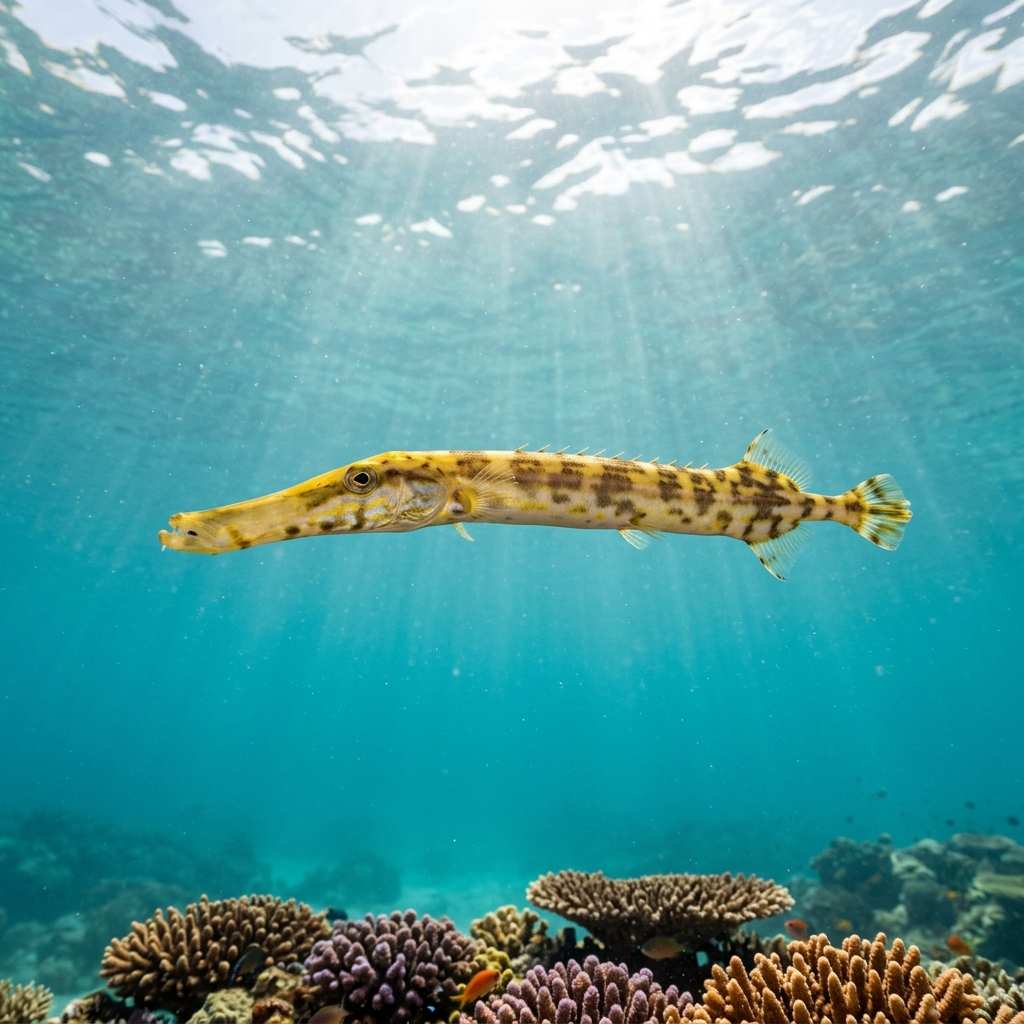
Kenya's dive sites span five distinct sub-areas along its coast, from the busy reefs around Mombasa and the large concentration of sites at Diani down to the quieter outposts of Shimoni, Watamu and Malindi. The terrain is varied: shallow beginner-friendly reefs sit alongside walls, drop-offs, pinnacles and two wrecks, including the purpose-sunk MV Alpha Funguo and the MV Dania off Diani Beach. Camouflage specialists such as the Leaf Scorpionfish, Crocodilefish and Indian Lionfish are very commonly observed across the reefs, while the Moorish Idol and Valentini Pufferfish are near-constant companions. Signature encounters include the Peacock Mantis Shrimp, Robust Ghost Pipefish and Emperor Angelfish, with the occasional Green Sea Turtle or Whale Shark adding weight to a dive. Nearly all sites are boat-accessed, and conditions favour the dry-season windows either side of the long rains.
5 areas
 24
24Reef and wreck diving off Kenya's south coast, known for cryptic species, purpose-sunk wrecks, and occasional Whale Shark encounters.
 12
12Wreck and reef diving off Diani Beach, with Green Sea Turtle, Napoleon Wrasse and occasional Whale Shark sightings across every site.
 6
6Boat diving inside Kisite-Mpunguti Marine National Park, with reefs, walls, caves, turtles, and seasonal whale sharks.
 3
3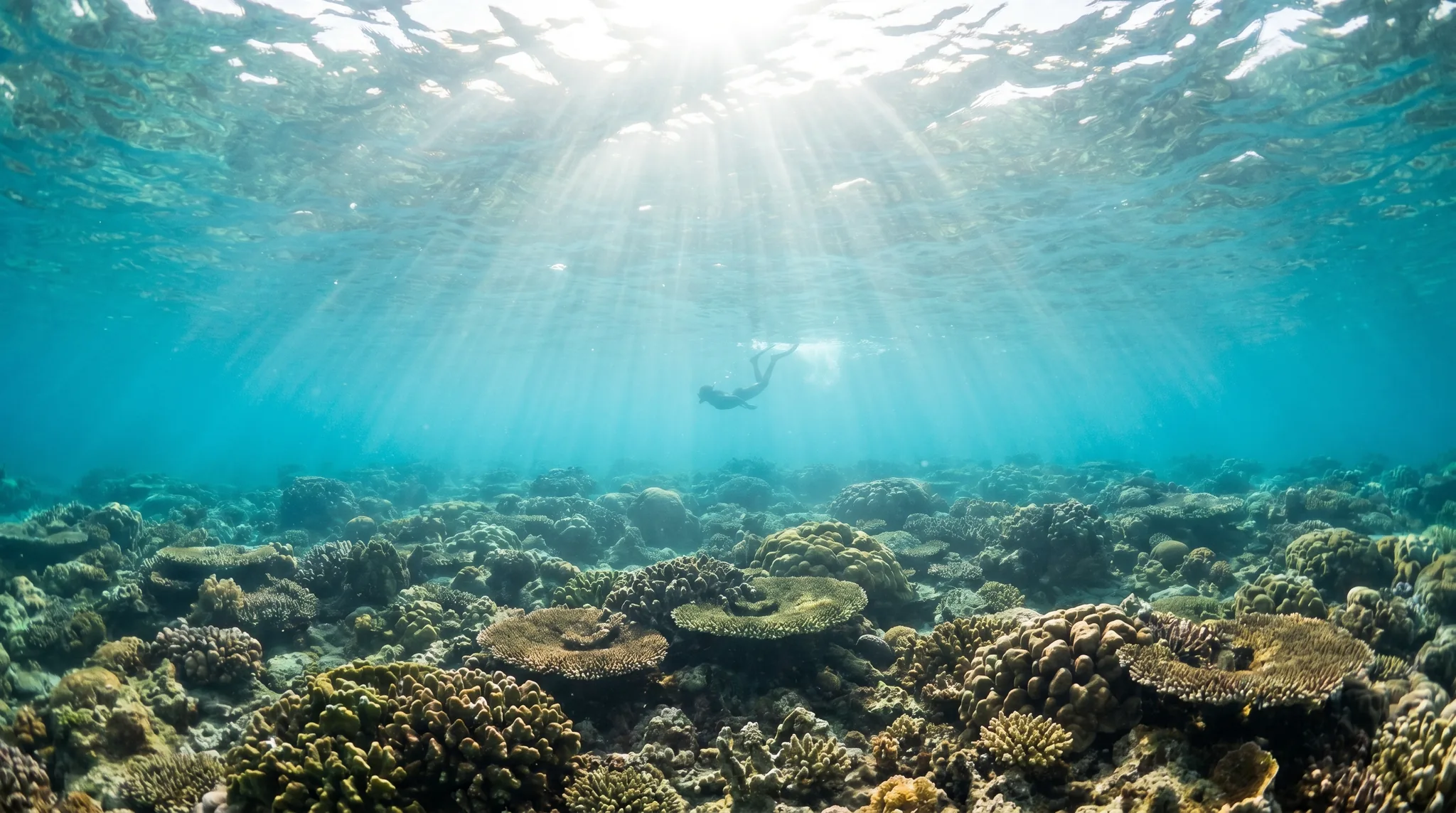
Monthly water temperature across Kenya's sites, from satellite sea-surface data corrected for depth. The band shows the site-to-site spread.
Water stays warm year-round, dipping slightly during the cooler months of July through September before rising again into the new year. The best-months data shows a clear double peak: the period from around October through March sees the most favourable conditions, interrupted by the long rains in April and May, which tend to reduce visibility and bring less settled weather. Divers planning a first visit should aim for the dry-season windows before or after that rainy period, when the reefs are at their most rewarding.
36 operators

Mombasa, Kenya
Gazi, Kenya
Reef and wall diving inside Watamu Marine National Park, with moray eels, turtles, dolphins, and seasonal whale sharks.
Water temperature around Kenya ranges from about 26°C in July to 29°C in April, based on satellite sea-temperature data for its dive sites.
In the warm season (about 29°C) a rash guard or 3mm shorty is comfortable in Kenya; in the coldest months (about 26°C) step up to a 3mm full suit.
Fin maps 47 sites in Kenya (44 scuba diving sites and 7 snorkelling spots, with some suited to both), organised into 5 areas.
Across Kenya's dive sites, January, February, March, October, November and December are most often reported as the best months to visit.
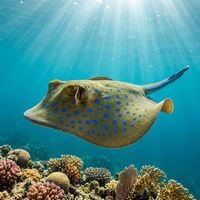
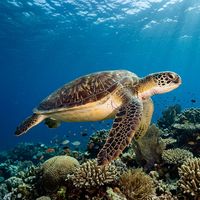
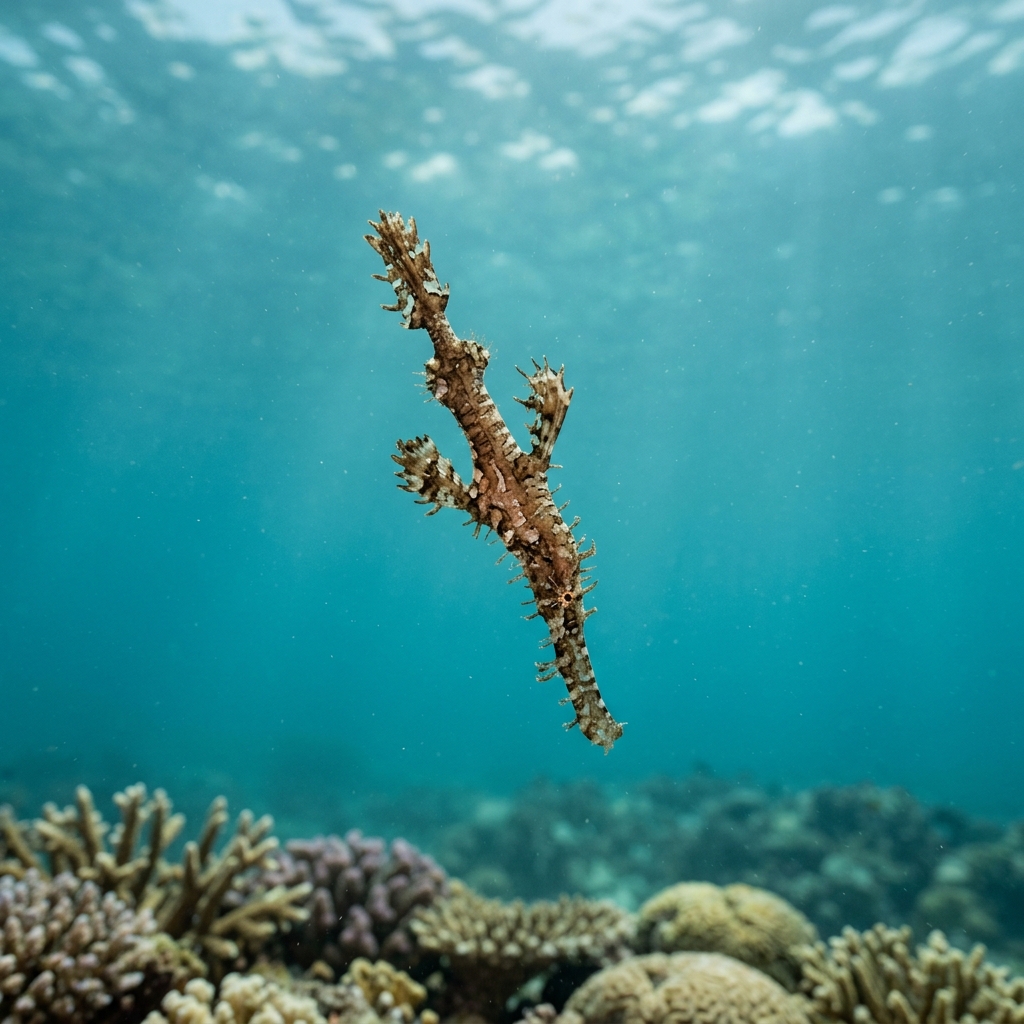
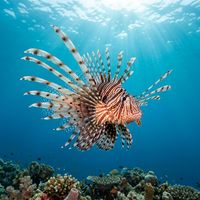
The reefs host a wide cast of observation-backed species. The Indian Lionfish, Leaf Scorpionfish and Moorish Idol are very commonly seen, while the Peacock Mantis Shrimp, Emperor Angelfish, Crocodilefish and Bluespotted Fantail Ray are regular sightings. The Robust Ghost Pipefish rewards careful searching, and the Green Sea Turtle and Whale Shark make occasional appearances.
The majority of sites listed across Kenya are rated as suitable for beginners, including shallow reef dives at Kisite Marine Park, Swahili Nurseries and Chale Reef. Intermediate sites such as Moray Reef and Mwanamoji add some challenge, while MV Alpha Funguo is rated advanced due to its depth. There is truly something for most skill levels, with beginner-friendly options spread across Diani, Shimoni, Watamu and Mombasa.
Diani holds the largest concentration of sites and includes both wrecks and a broad spread of reef dives. Shimoni, further south, is home to Kisite Marine Park and Pink Reef, favouring shallower reef work. Watamu and Malindi offer wall dives such as South Canyon and Moray Reef, reached by a short boat ride offshore. Mombasa sits between these areas and rounds out the overall range of sites.
Almost all dive sites in Kenya are accessed by boat. A small number of sites, including Nomad Beach and Tiwi Beach, offer shore entry, but these tend to be shallow snorkel or introductory reef environments rather than dedicated dive sites. Divers should plan on working with one of the local operators, several of which are based across Diani, Watamu and Mombasa.