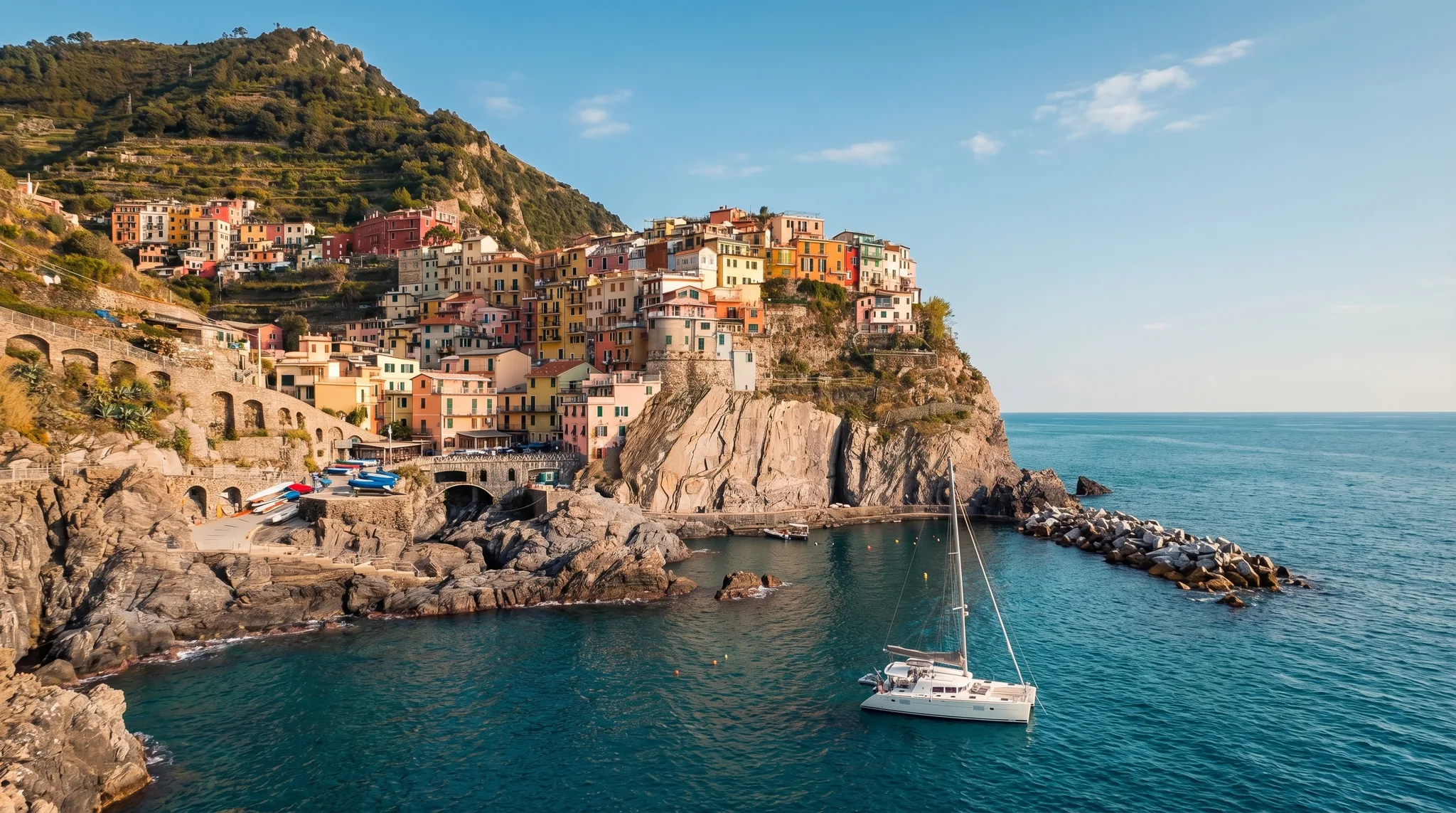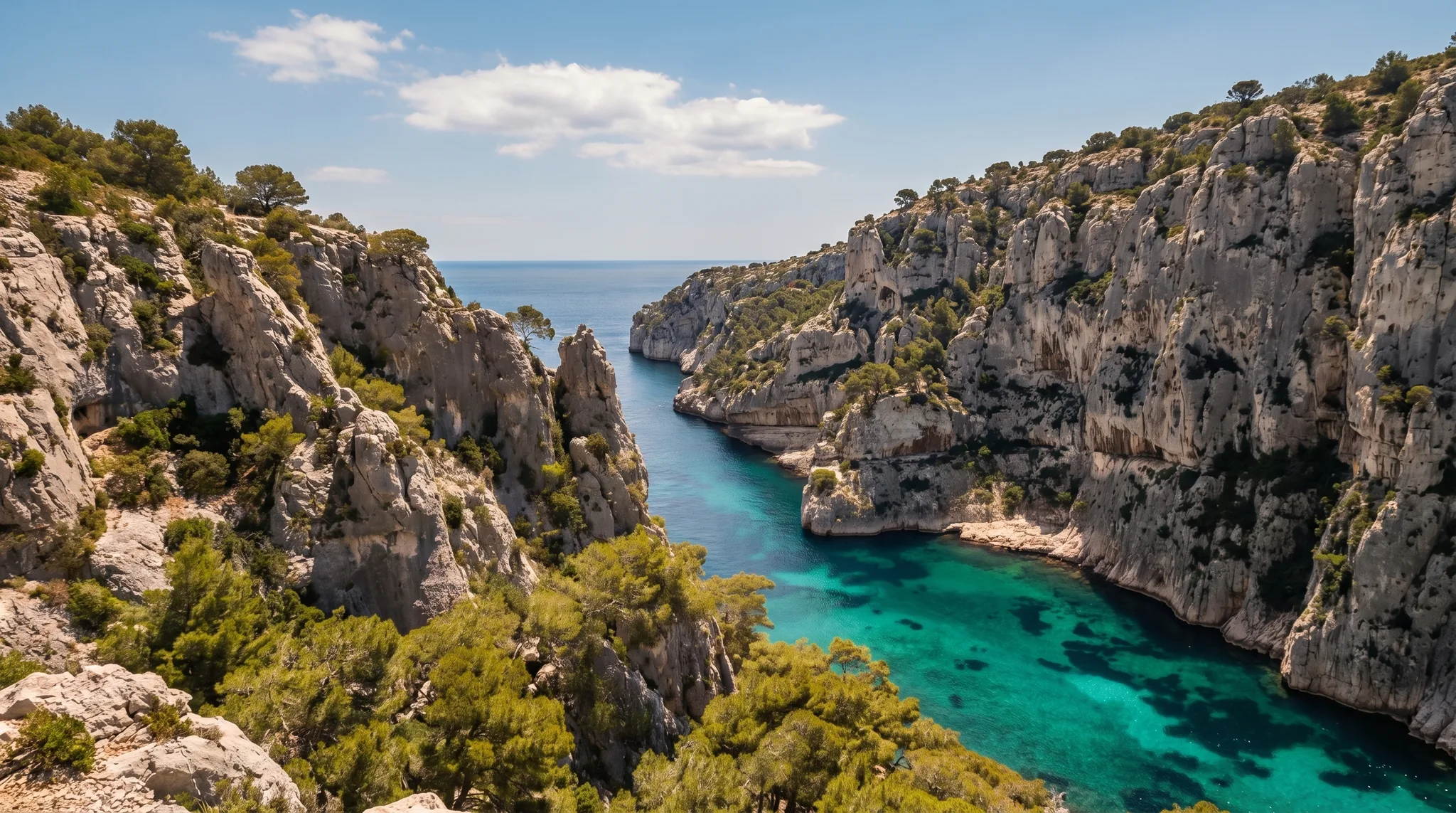
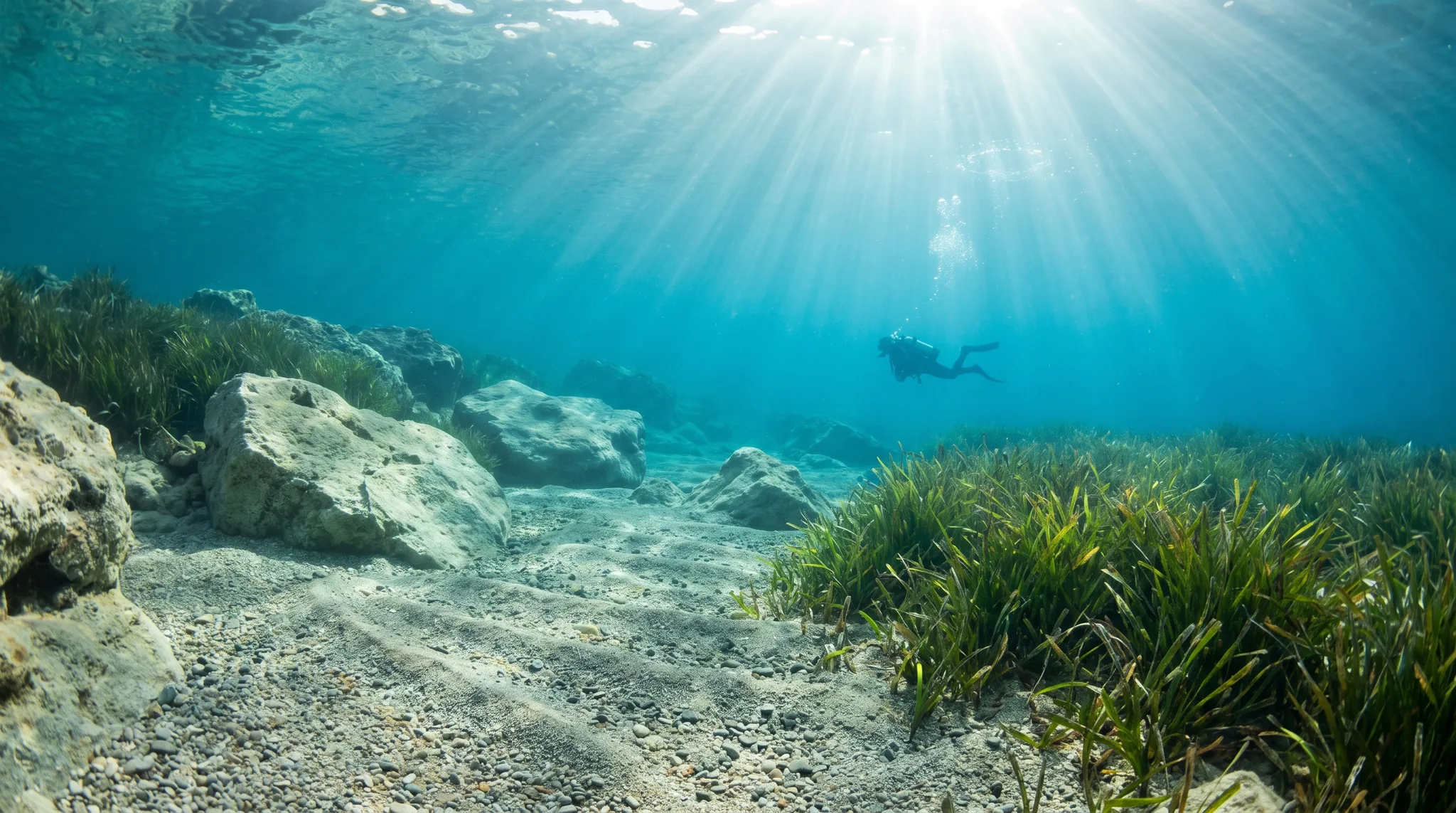
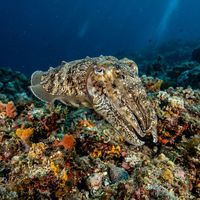
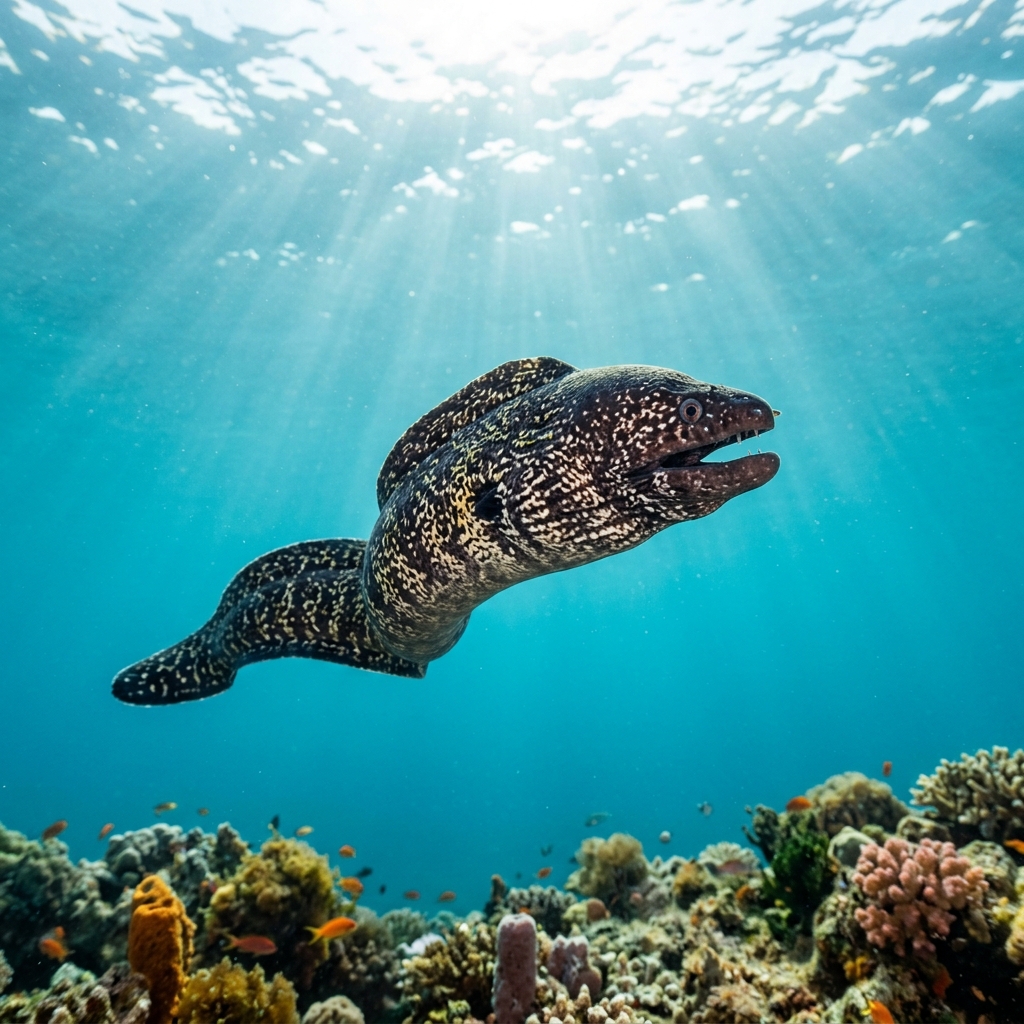
France offers one of the most varied diving landscapes of any single country, stretching from the reef-lined coves of the French Riviera and Provence through the rugged, current-swept sites of Brittany, the wrecks and mixed reefs of Normandy and the Bay of Biscay, the warm shallow bays of Corsica and Occitanie, and the clear freshwater walls and artificial reefs of Inland France and Alpine Lakes. The site mix spans beginner-friendly shore entries at sheltered reefs and seagrass beds to technical walls and cave dives demanding expert training. Signature encounters include the Common Octopus, European Common Cuttlefish, and Mediterranean Moray, with Wrasses, Scorpionfish, Tompot Blenny, and Sea Star sighted consistently across regions. Water warms through summer, making the spring-to-autumn window the most rewarding for the widest range of divers.
8 areas
 493
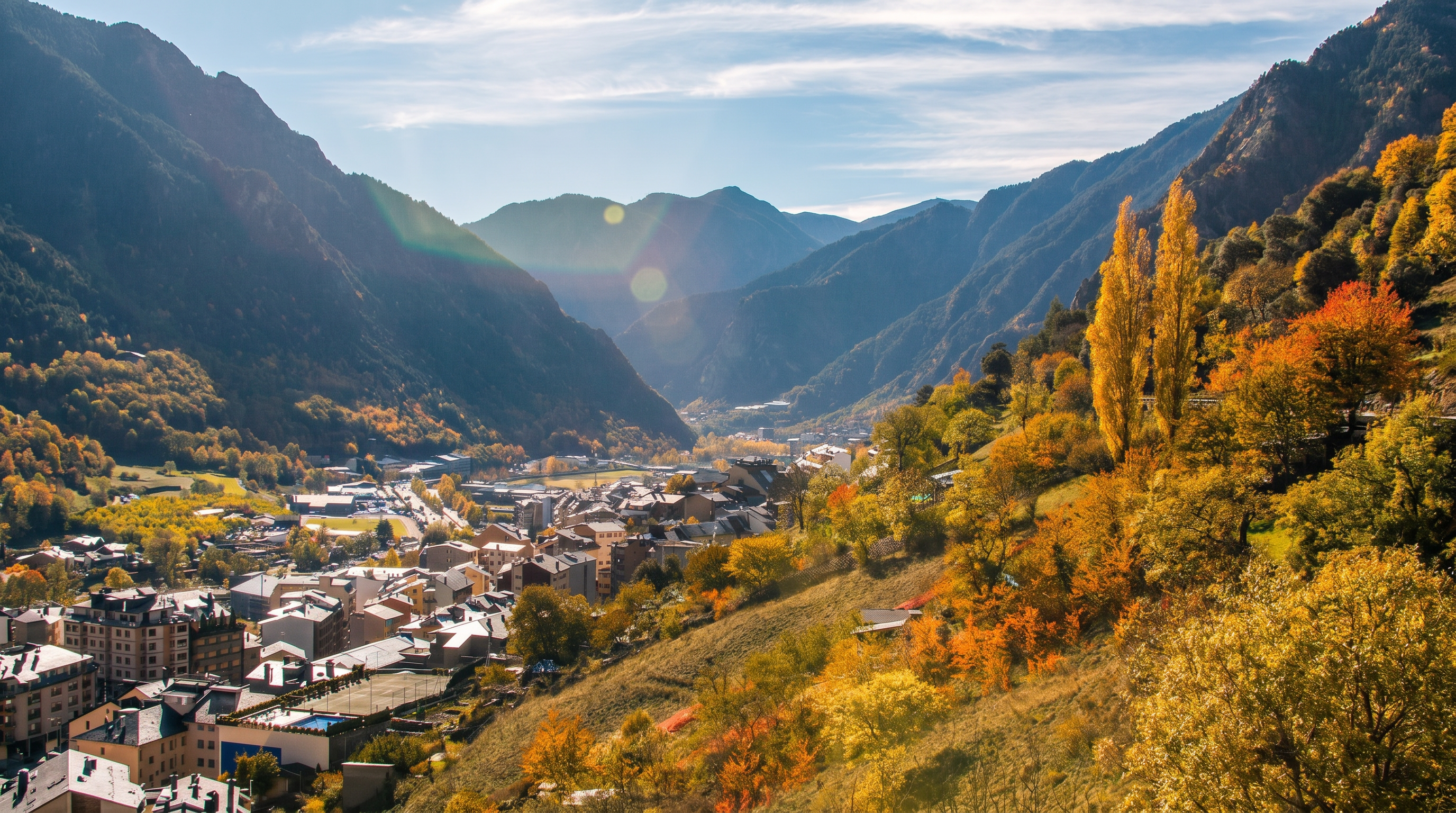
493Shallow reefs and extreme-depth wrecks share the same coastline, with Common Octopus and Mediterranean Moray found at almost every site.
 241
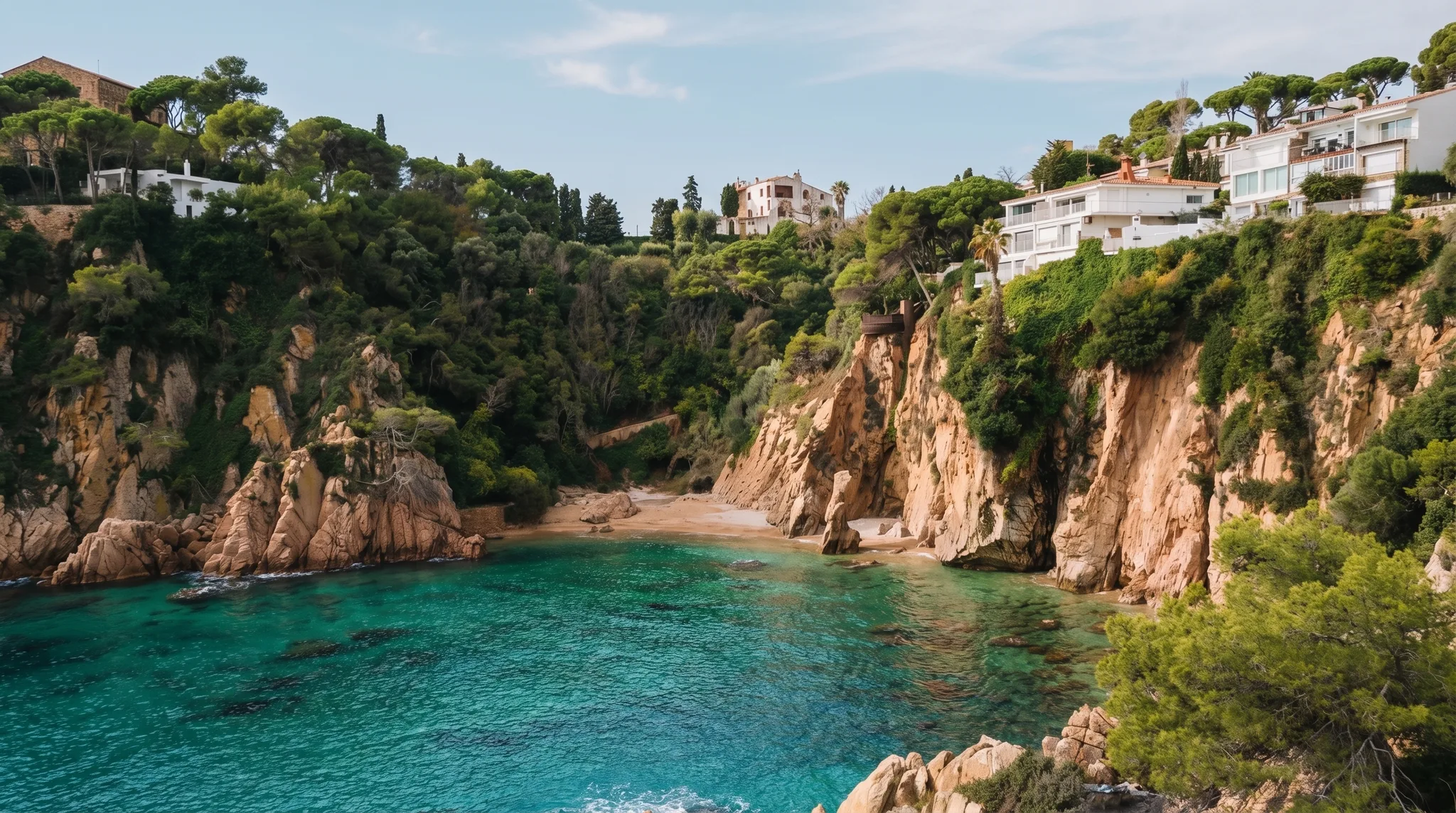
241Wreck-strewn reefs and powerful tidal currents, with cuttlefish, seals and electric rays in cool, productive water.
 142
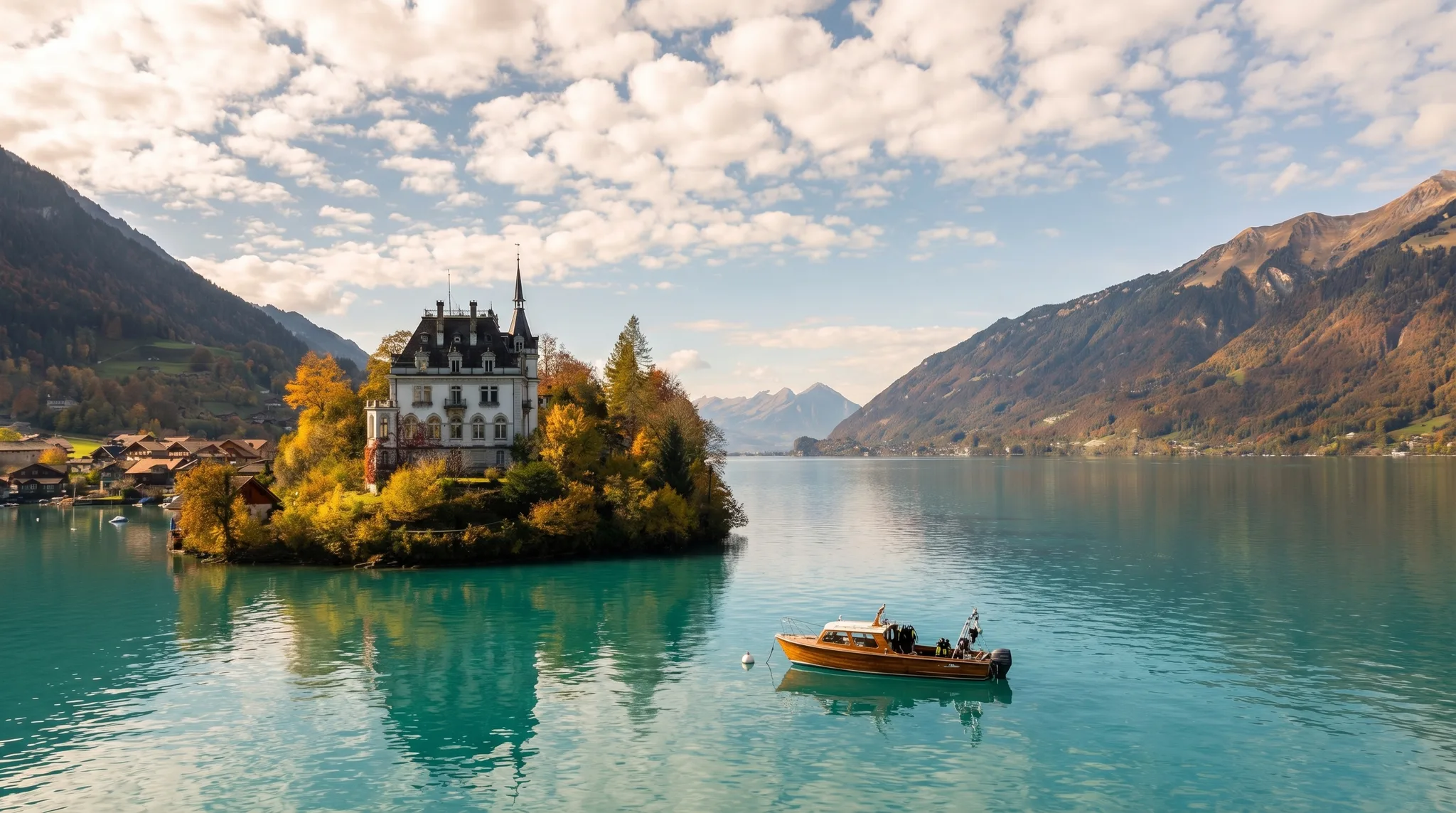
142A wreck-rich temperate region where Common Octopus, Cuttlefish and Marbled Electric Ray are regularly observed across sheltered bays and exposed rocky coasts.
 100
100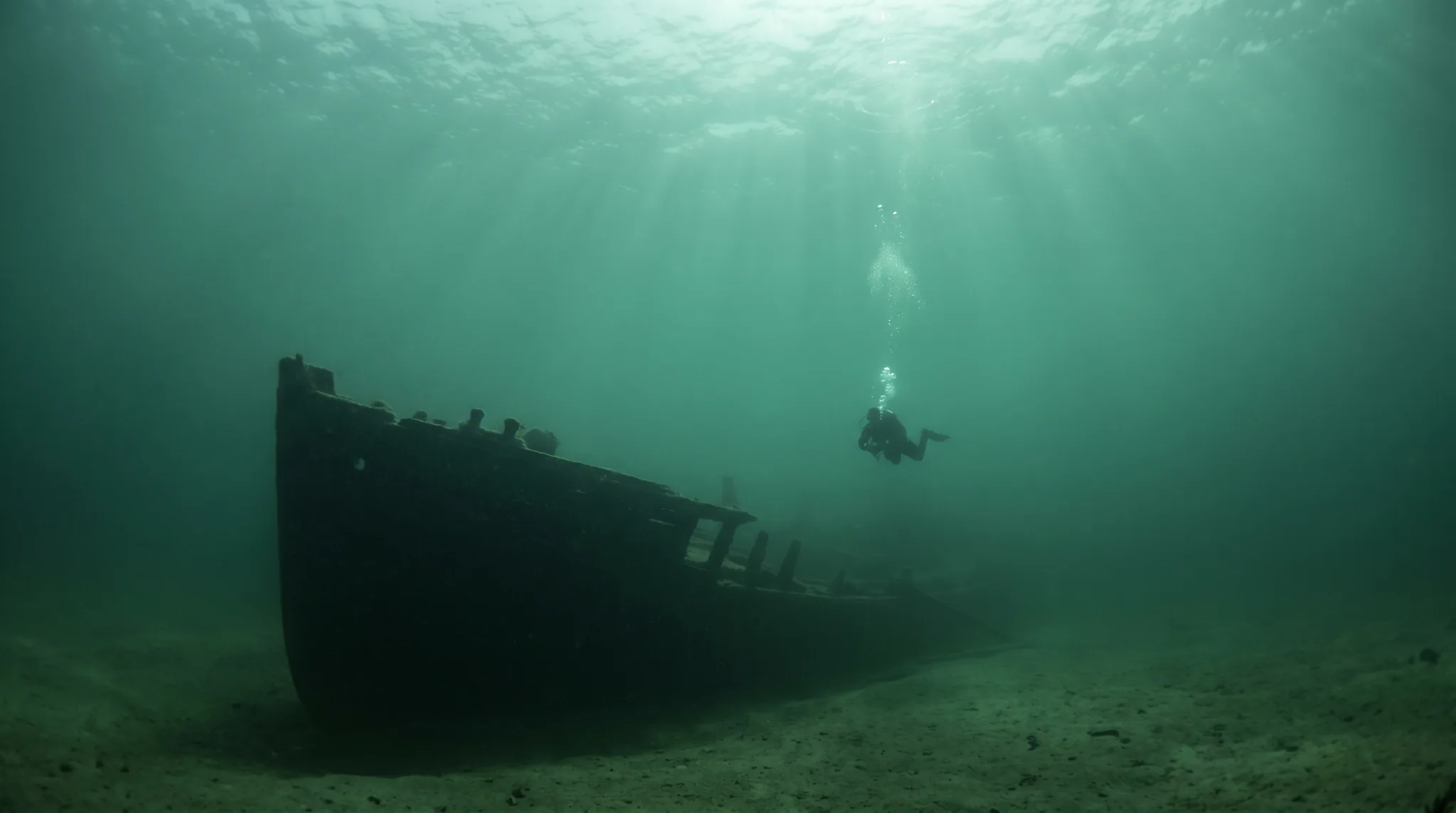
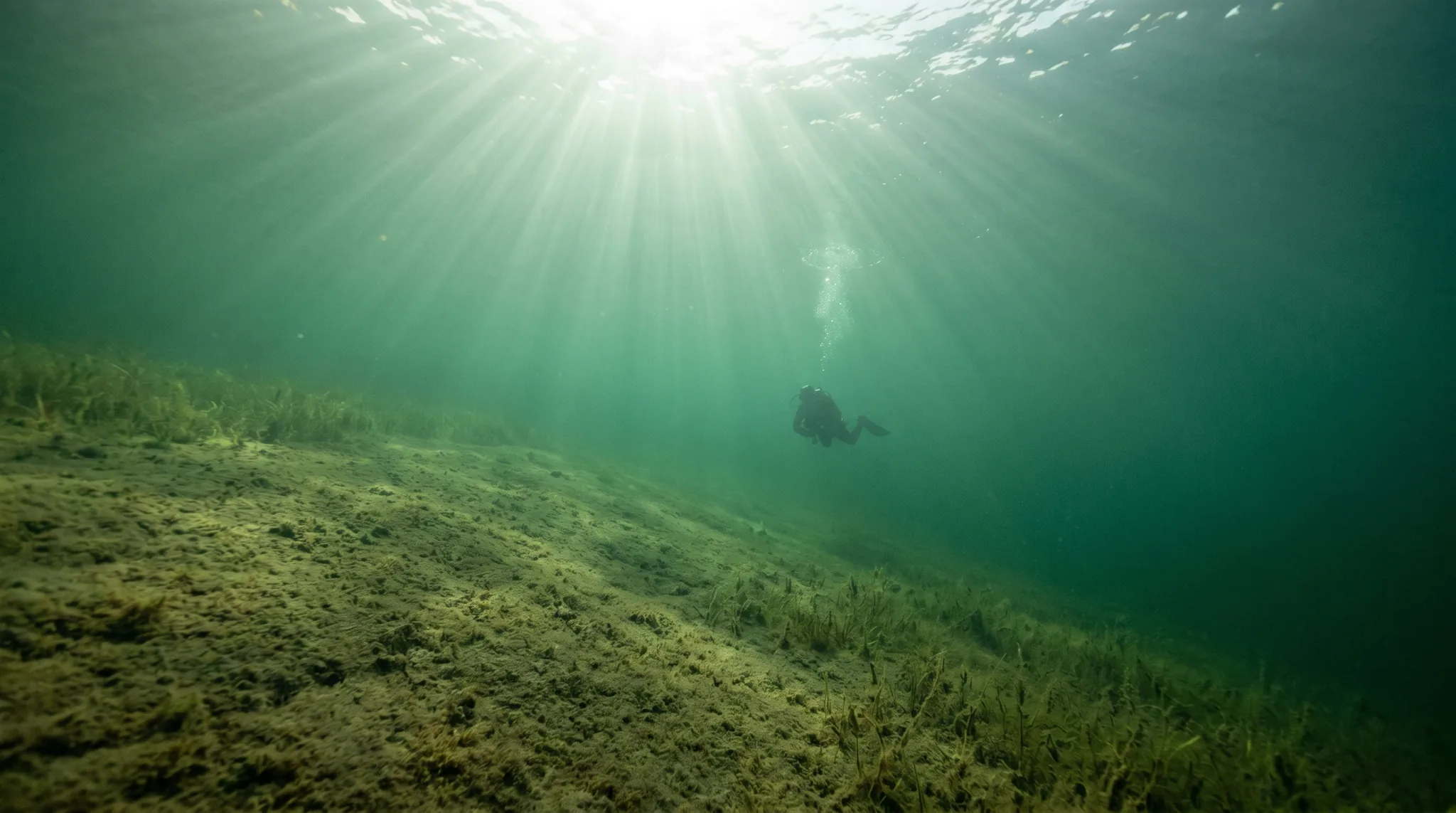
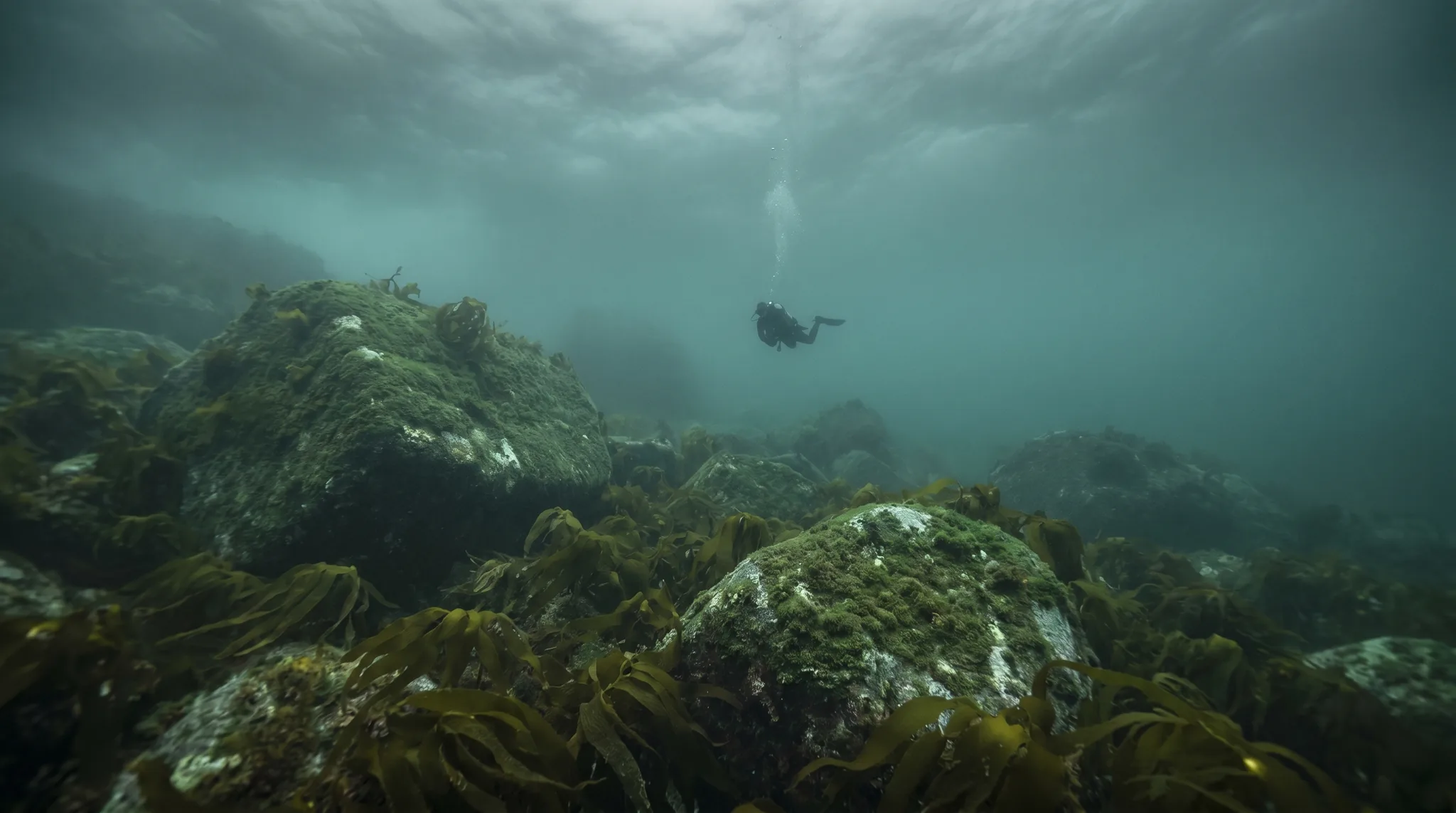
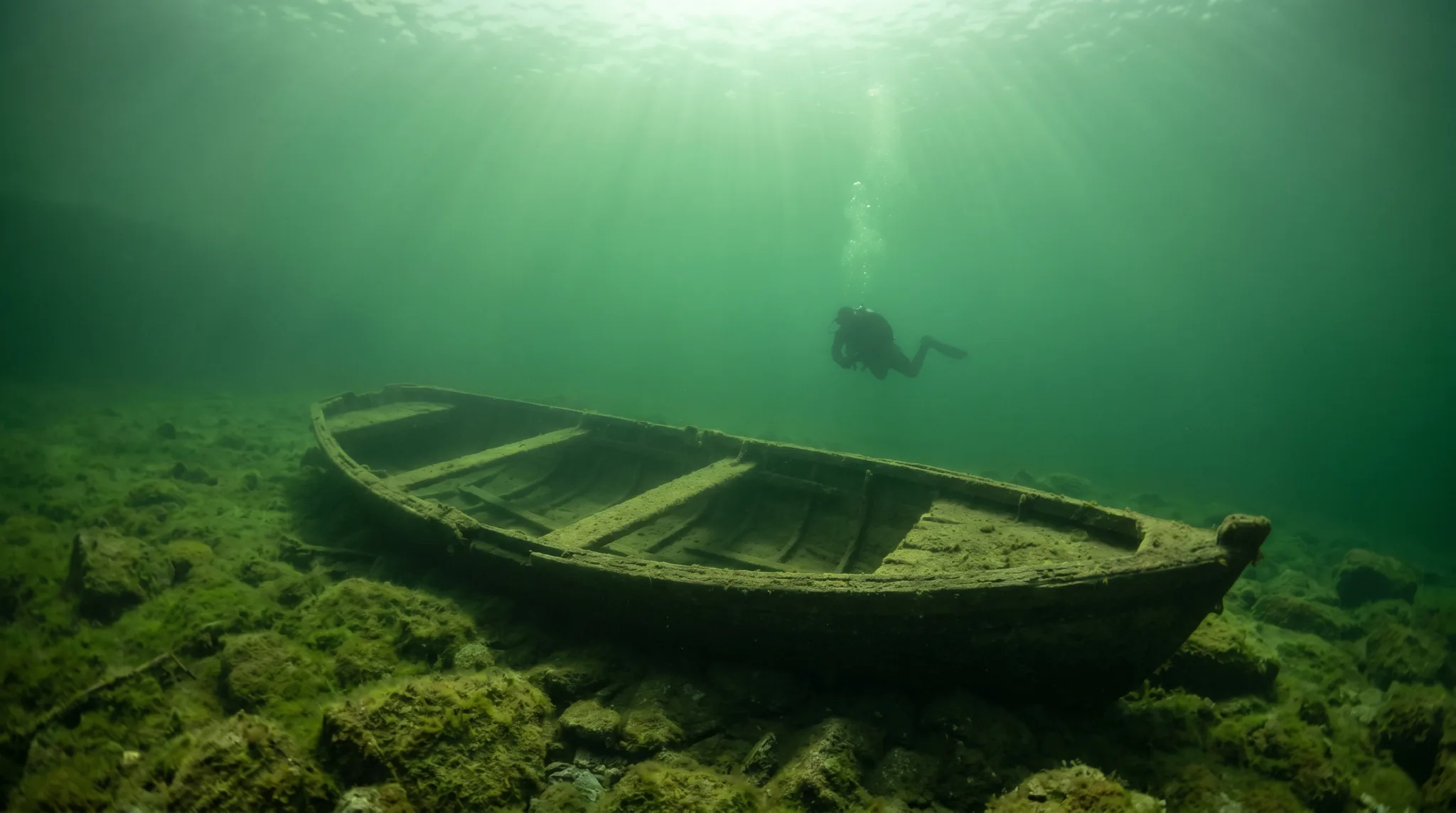
Monthly water temperature across France's sites, from satellite sea-surface data corrected for depth. The band shows the site-to-site spread.
Water temperatures rise steadily from spring into summer and hold warmth through September before cooling through autumn and into the colder winter months. The peak activity window runs from late spring through early autumn, when conditions suit the broadest range of skill levels and the greatest number of sites are comfortably accessible. Exposed sites in Brittany and the Bay of Biscay can carry stronger currents and reduced visibility, while sheltered coves along the French Riviera and Corsica offer calmer conditions through much of the warm season.
665 operators


Reef walls, deep pinnacles and Lavezzi Island coves, with Mediterranean Moray, Dusky Grouper and European Common Cuttlefish among the highlights.
Water temperature around France ranges from about 13°C in January to 19°C in July, based on satellite sea-temperature data for its dive sites.
In the warm season (about 19°C) a 5mm suit is comfortable in France; in the coldest months (about 13°C) step up to a 7mm or semi-dry suit.
Fin maps 1,190 sites in France (1,015 scuba diving sites and 272 snorkelling spots, with some suited to both), organised into 8 areas.
Across France's dive sites, May, June, July, August, September and October are most often reported as the best months to visit.
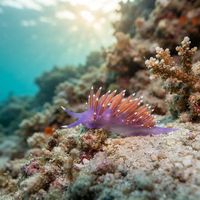
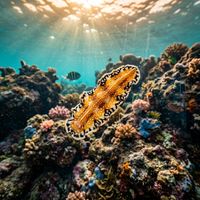
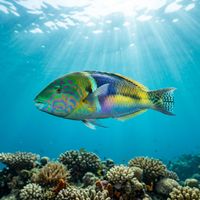
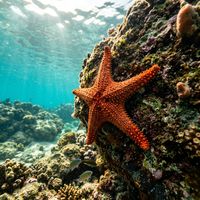
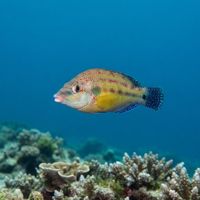
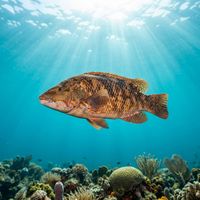
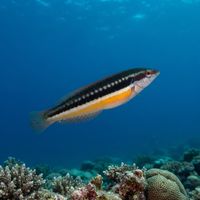
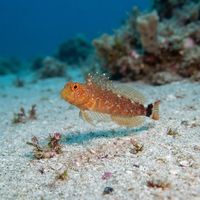
Sightings across French dive sites are led by the Common Octopus, European Common Cuttlefish, and Mediterranean Moray, which are considered the country's signature species. Wrasses, Scorpionfish, Conger Eel, Striped Red Mullet, and Tompot Blenny are all commonly recorded, while the Marbled Electric Ray and Great Barracuda appear at selected sites. Invertebrate life is well represented too, with Hermit Crab, Squat Lobster, and a variety of nudibranchs including the Cratena Slug and Tricolor Doris found throughout the region.
France caters well to all skill levels. Many of the most visited sites are rated for beginners, including shore entries such as La Digue at Cap Ferrat, Digue de Socoa, and the shallow bays of Corsica. Intermediate divers can explore sites like Vallée des Gorgones off Cap Ferrat, while advanced and expert divers have access to deep walls, the technical cave at Douix de Châtillon, and demanding offshore sites. The range of sub-areas means divers of any experience level will find suitable options.
The French Riviera and Provence holds the largest concentration of sites and offers reef, wall, seagrass, and wreck diving from both shore and boat. Corsica is known for sheltered shallow bays and the deeper wall and reef systems of the Lavezzi Islands. Brittany and Normandy bring wreck diving and more exposed, current-influenced conditions. Inland France and Alpine Lakes add a completely different character with freshwater sites ranging from beginner artificial reefs to deep walls and a technical cave dive.
A large proportion of France's sites are accessible directly from shore, making independent access straightforward at many locations. Shore-entry sites include shallow reefs in Corsica and the French Riviera, the artificial reefs of Alpine Lakes, and coastal reef and wall combinations along Occitanie and the Bay of Biscay. Boat access opens up additional offshore sites, including deeper walls and the wreck of Le remorqueur off Arcachon, and most of the operators listed across France offer guided boat trips to these sites.