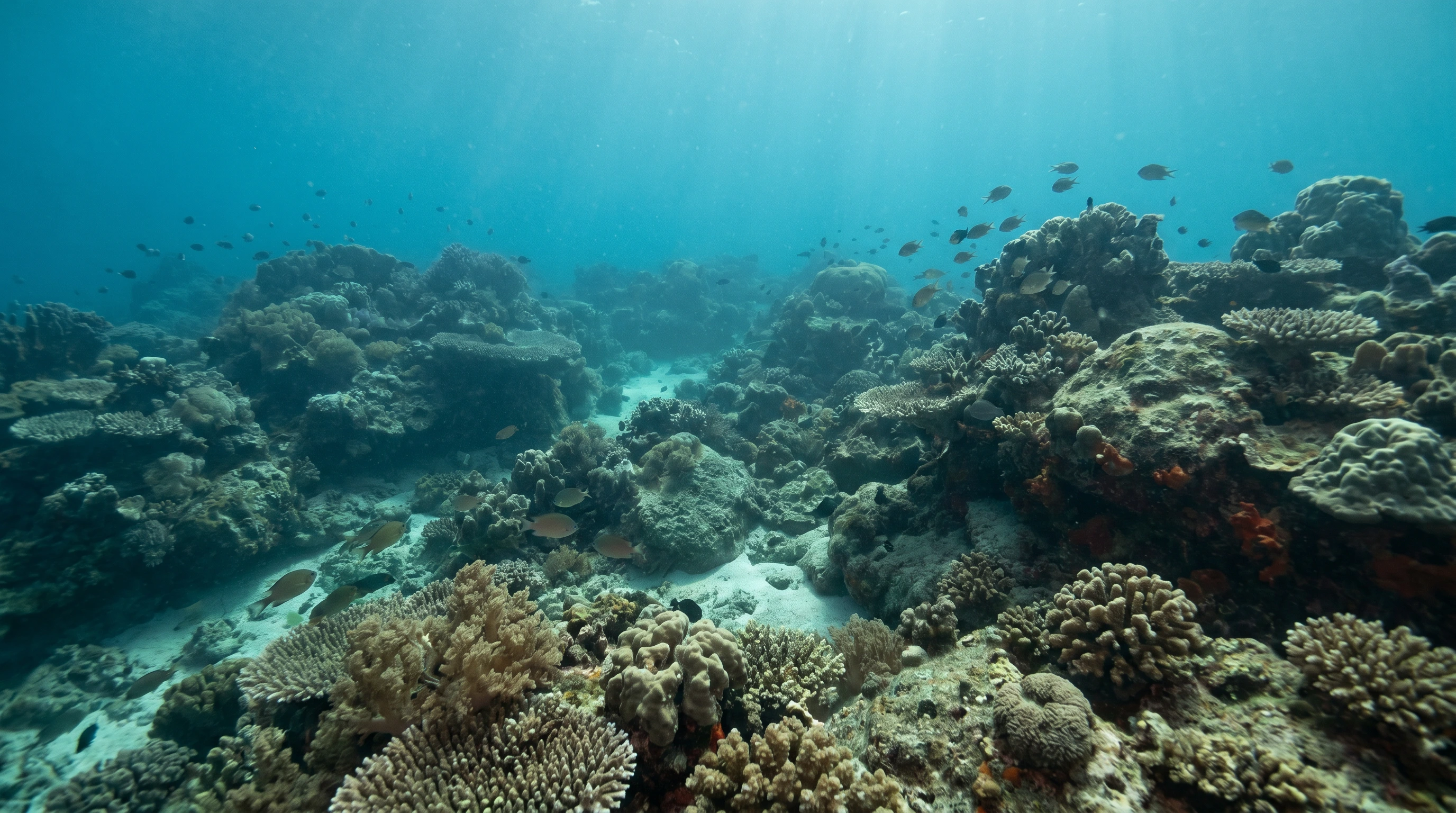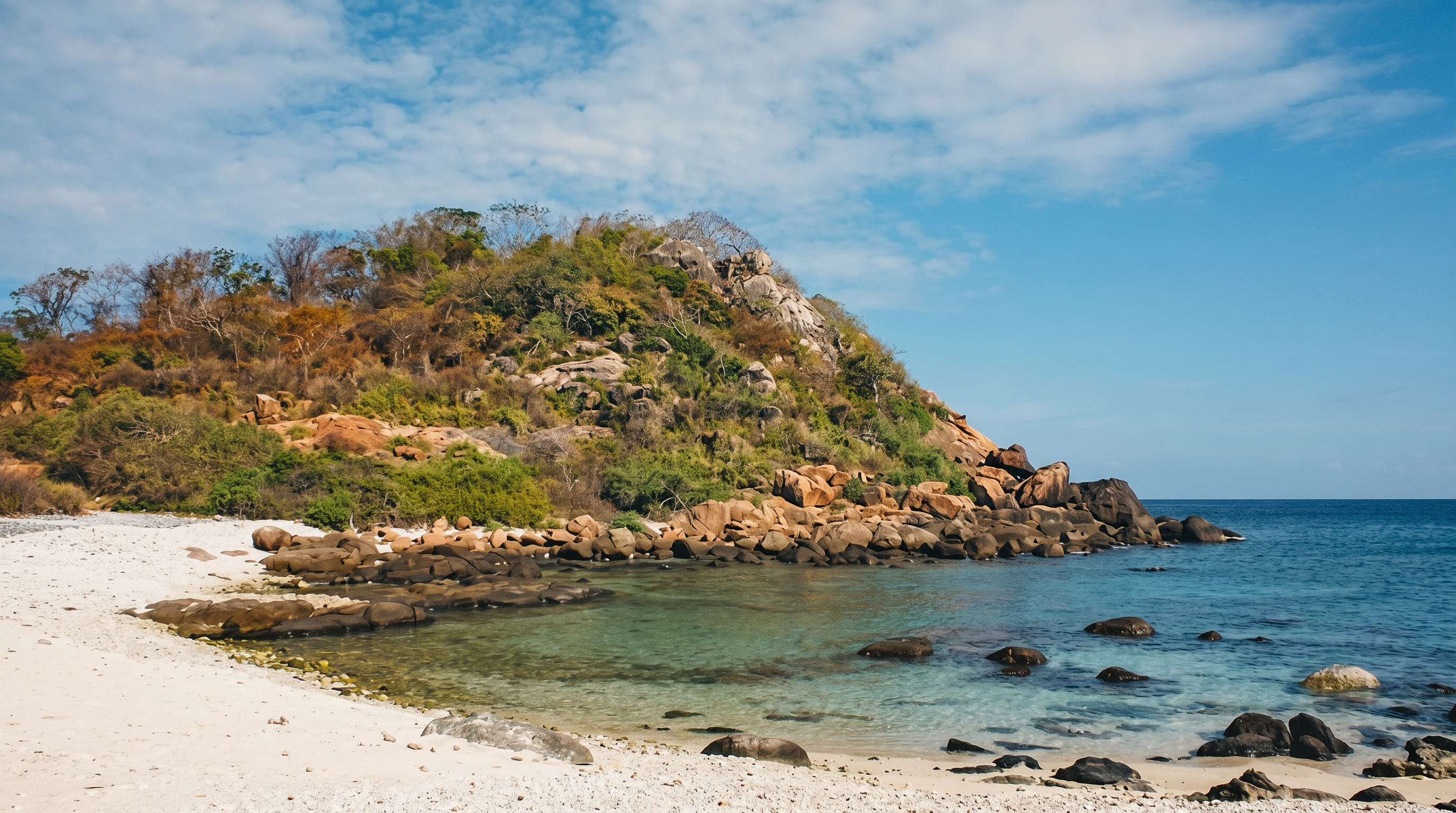
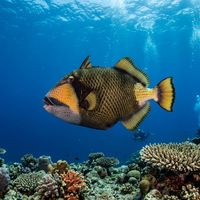
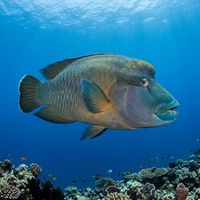
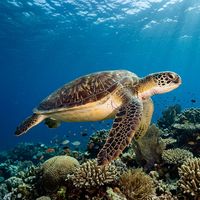
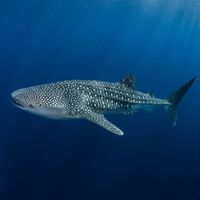
Sri Lanka offers a diverse diving landscape spread across distinct coastal areas, from the wreck-rich waters off Trincomalee in the north-east to the reef sites clustered around Hikkaduwa, Mirissa, and Unawatuna in the south-west. Wrecks are a defining feature: from shallow, beginner-friendly structures like the Boiler wreck Batticaloa to the deep, advanced dive on HMS Hermes, a purpose-built aircraft carrier. Reef diving ranges from gentle rock formations accessible to newcomers through to demanding walls and pinnacles for experienced divers. The water stays warm throughout the year, with a mild peak in conditions around April. Signature encounters include the Green Sea Turtle, Napoleon Wrasse, Titan Triggerfish, and occasional Whale Shark sightings. The Moorish Idol, Convict Surgeonfish, and Rabbitfish appear across virtually every site. Trincomalee holds the largest concentration of sites, while Hikkaduwa, Mirissa, and Batticaloa each offer a distinct character worth exploring separately.
10 areas
 17
17Boat-access reef and wreck diving centred on Pigeon Island, with warm water and a rich mix of reef fish across beginner-friendly sites.
 10
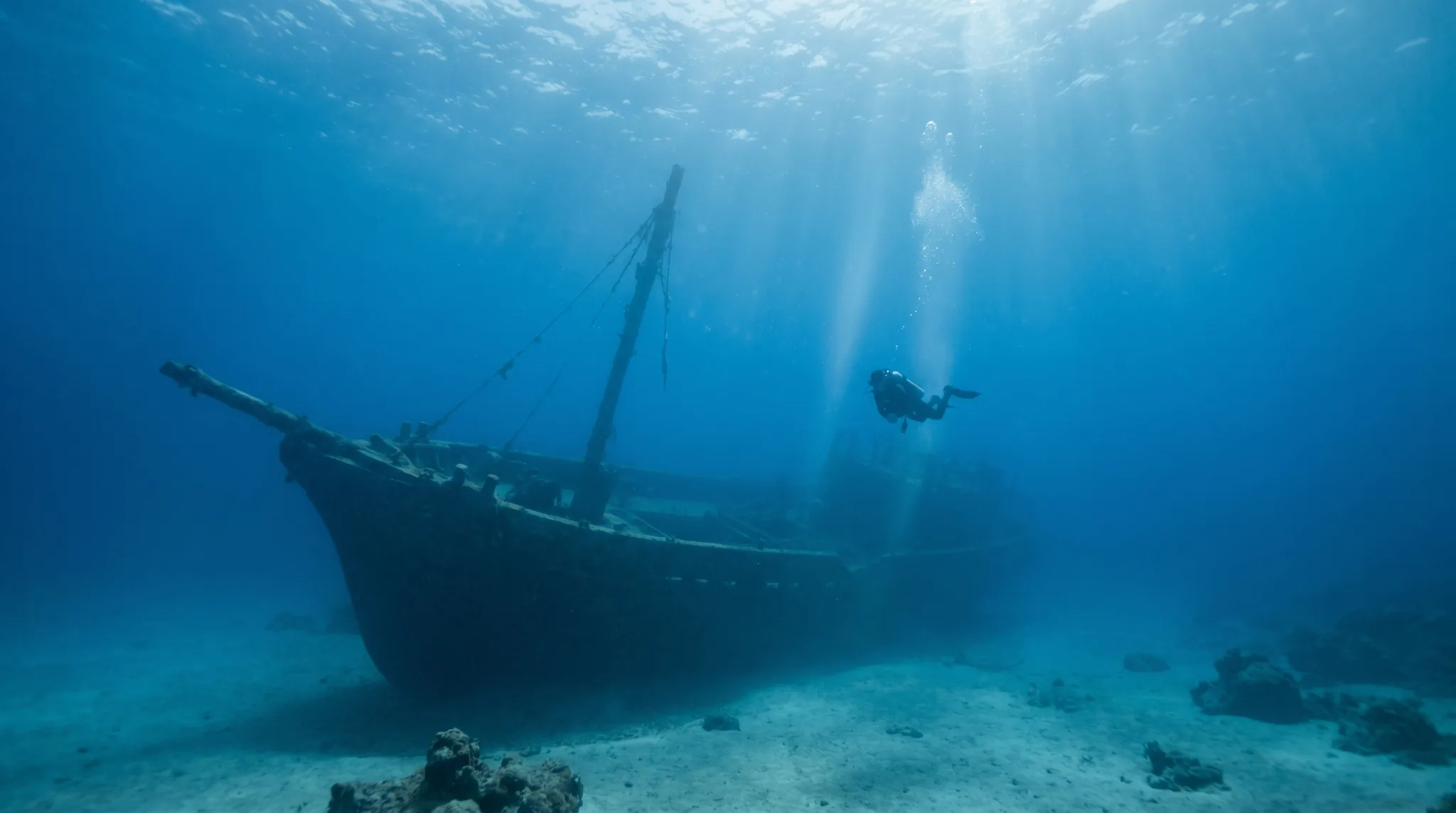
10Boat-access wrecks and reefs with an exceptional diversity of moray eels, triggerfish, and regular Green Sea Turtle encounters.
7Warm Indian Ocean reef diving on Sri Lanka's south coast, from shallow shore entries to deeper boat dives with turtles and reef sharks.
6
Monthly water temperature across Sri Lanka's sites, from satellite sea-surface data corrected for depth. The band shows the site-to-site spread.
Water temperature remains warm across all months, rising slightly toward a peak around April, which also aligns with the strongest showing in the best-months data. The south-west and east coasts follow opposing monsoon patterns, meaning when conditions tighten on one coast, the other typically opens up, making Sri Lanka a year-round destination overall. Currents can be a factor at exposed sites such as Dondra Point, while sheltered reef sites near Pigeon Island offer more predictable conditions.
62 operators


Sri Lanka's premier wreck-diving destination near Galle, with the SS Orestes and SS Rangoon alongside reef and pinnacle sites for all levels.
Water temperature around Sri Lanka ranges from about 28°C in January to 30°C in April, based on satellite sea-temperature data for its dive sites.
With water around 28–30°C, a rash guard or 3mm shorty works in Sri Lanka year-round.
Fin maps 60 sites in Sri Lanka (60 scuba diving sites and 3 snorkelling spots, with some suited to both), organised into 10 areas.
Across Sri Lanka's dive sites, March, April, May and November are most often reported as the best months to visit.
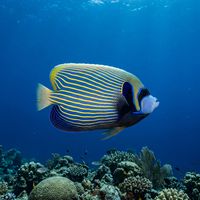
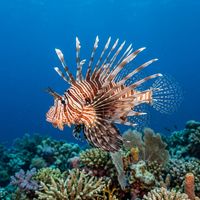
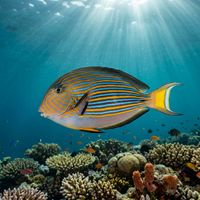
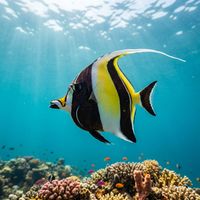
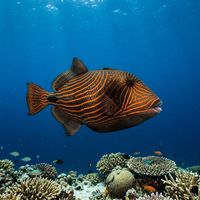
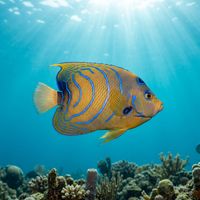
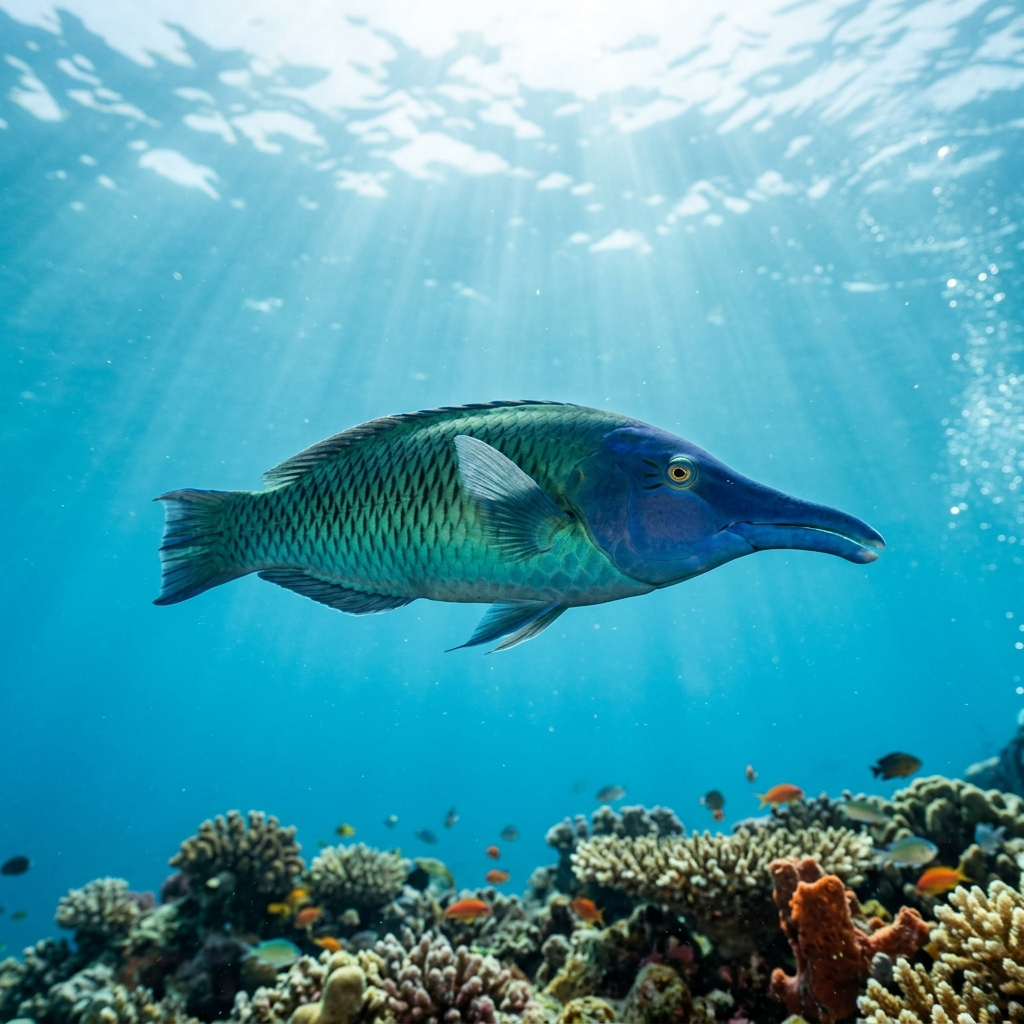
Observation-backed sightings span a wide range of species. The Moorish Idol, Convict Surgeonfish, Rabbitfish, and Orangestripe Triggerfish appear across nearly every site. The Green Sea Turtle and Napoleon Wrasse are regularly encountered, and the Whale Shark is an occasional visitor. Reef residents such as the Indian Lionfish, White Eyed Moray, Scorpionfish, and Emperor Angelfish round out a rich cast.
A good proportion of sites are rated for beginners, including shallow wrecks like the Boiler wreck Batticaloa and reef sites such as Welluore Rock and Katana. The Navy Underwater Dive Museum near Pigeon Island is also accessible to new divers. More demanding sites, including Black Coral Point and HMS Hermes, are reserved for advanced divers, so there is a clear progression available as skills develop.
Trincomalee is the largest hub and combines historic wrecks with reef and pinnacle diving near Pigeon Island. Hikkaduwa is known for its wreck diving, including the SS Conch, alongside deeper reef sites. Mirissa sites such as Moray Point and Rock Wall suit divers looking for rocky reef terrain, while Batticaloa offers a quieter alternative with both wreck and reef options. Colombo, Bentota, and Negombo provide convenient options for divers based on the west coast.
All listed sites are accessed by boat, so a local operator is essential for organising trips. Sri Lanka has a wide network of dive centres, including Sri Lanka Diving Tours, Pearl Divers, Poseidon Diving Centre Hikkaduwa, Epic Ocean Adventures, and Sea Horse Divers, among others. Operators are spread across the main coastal areas, making it straightforward to find a centre close to your base.