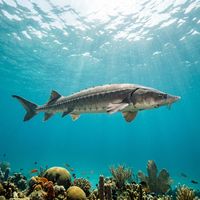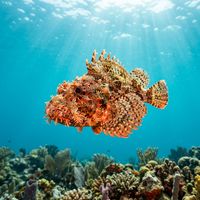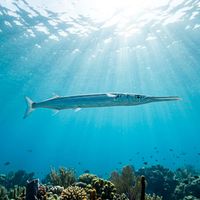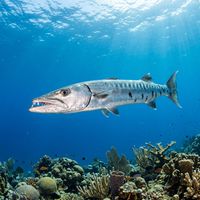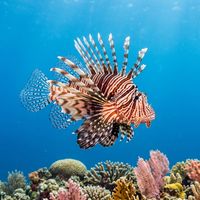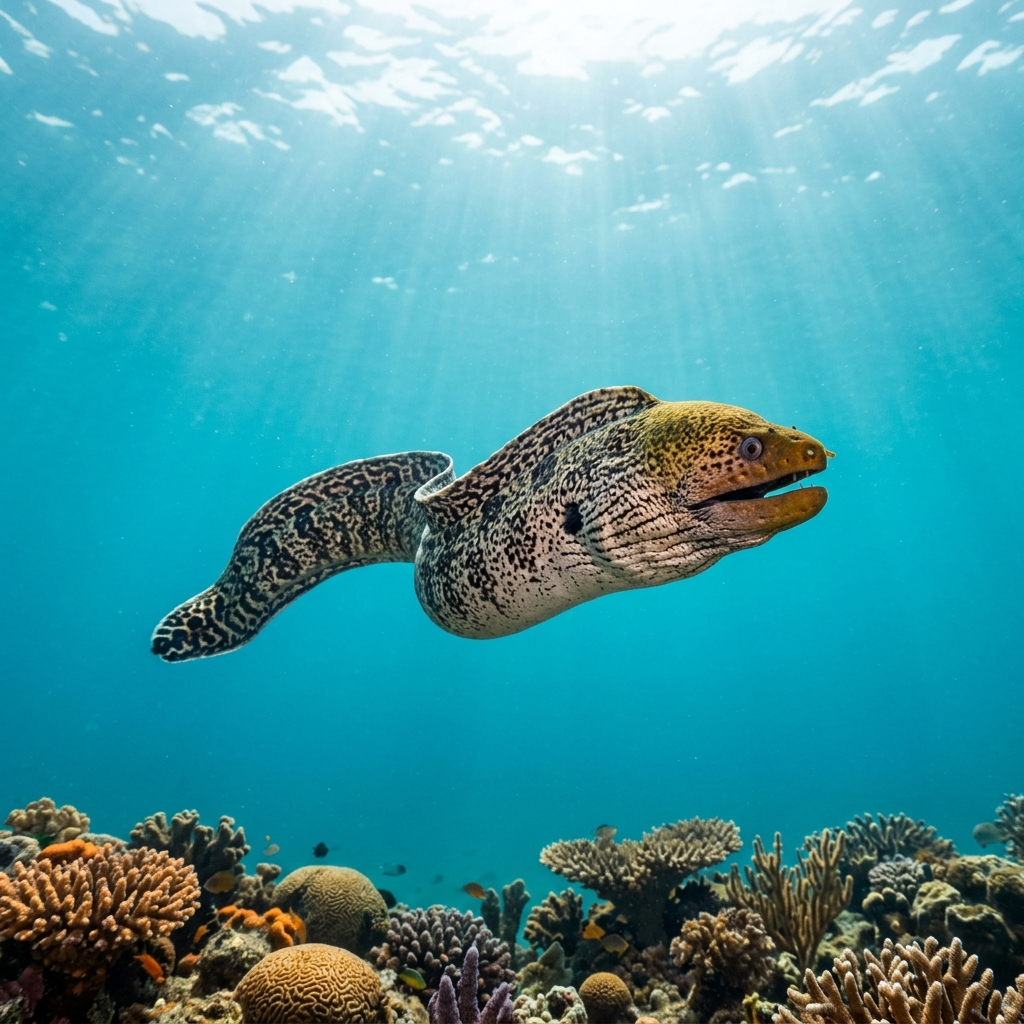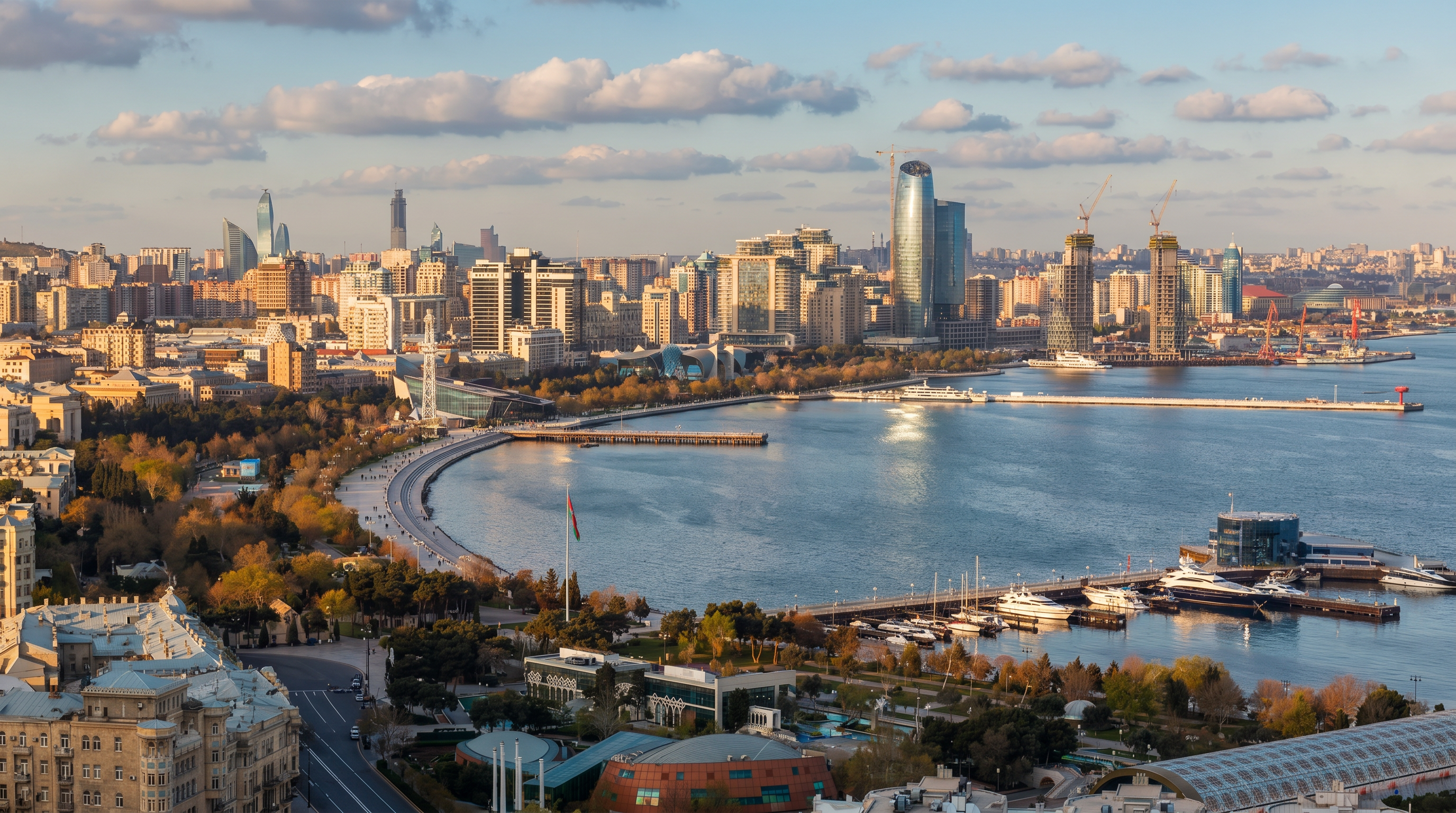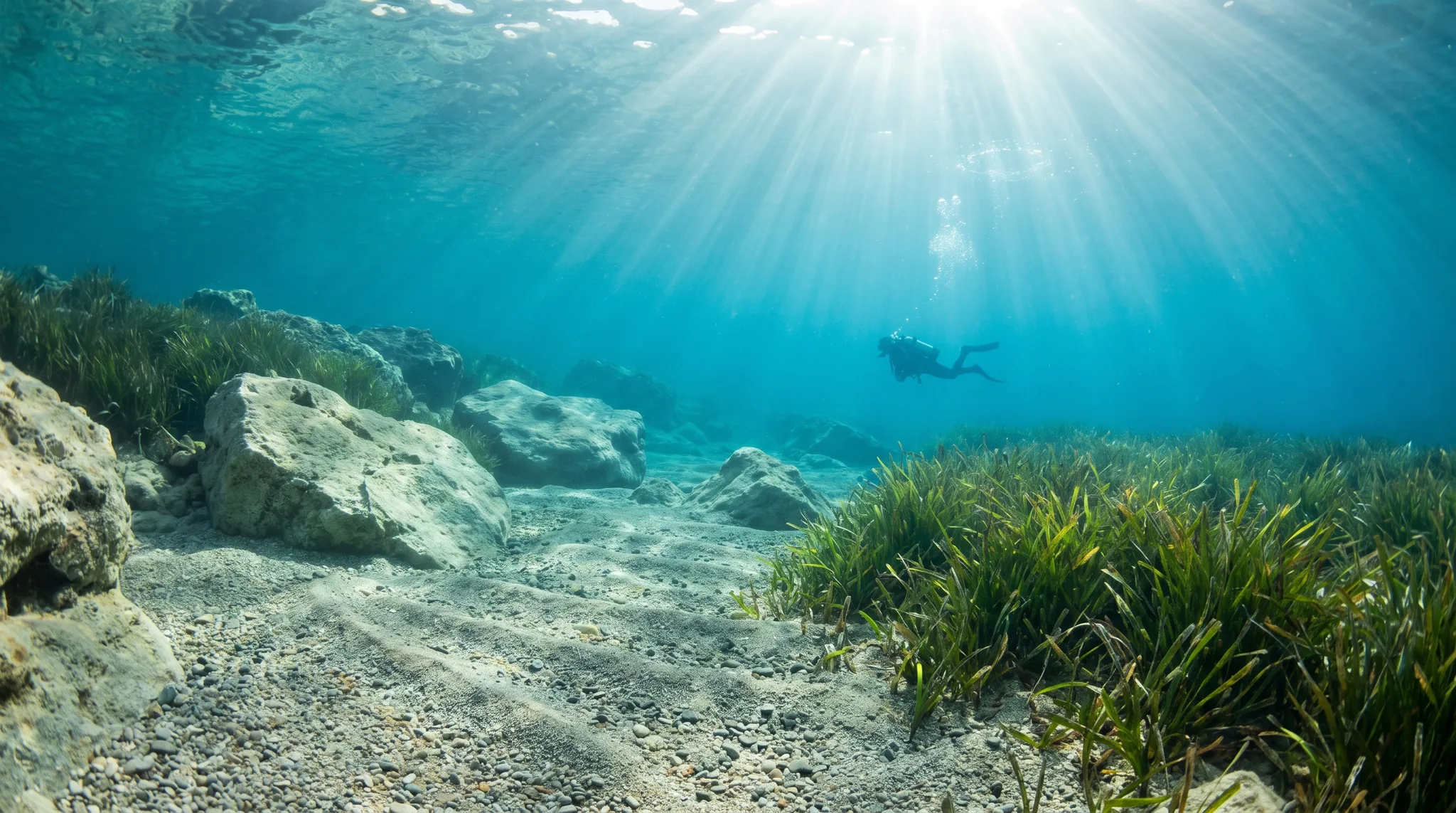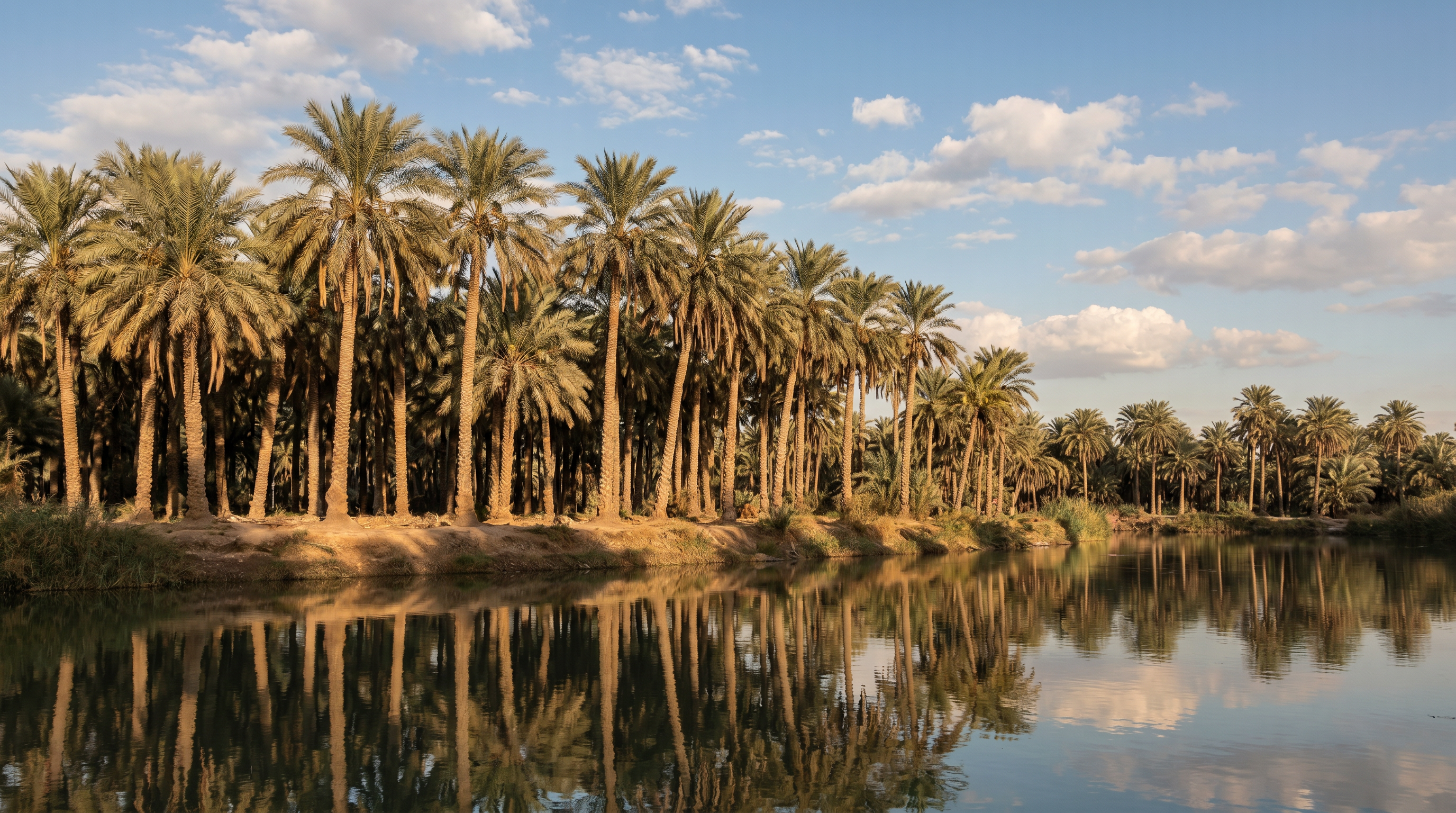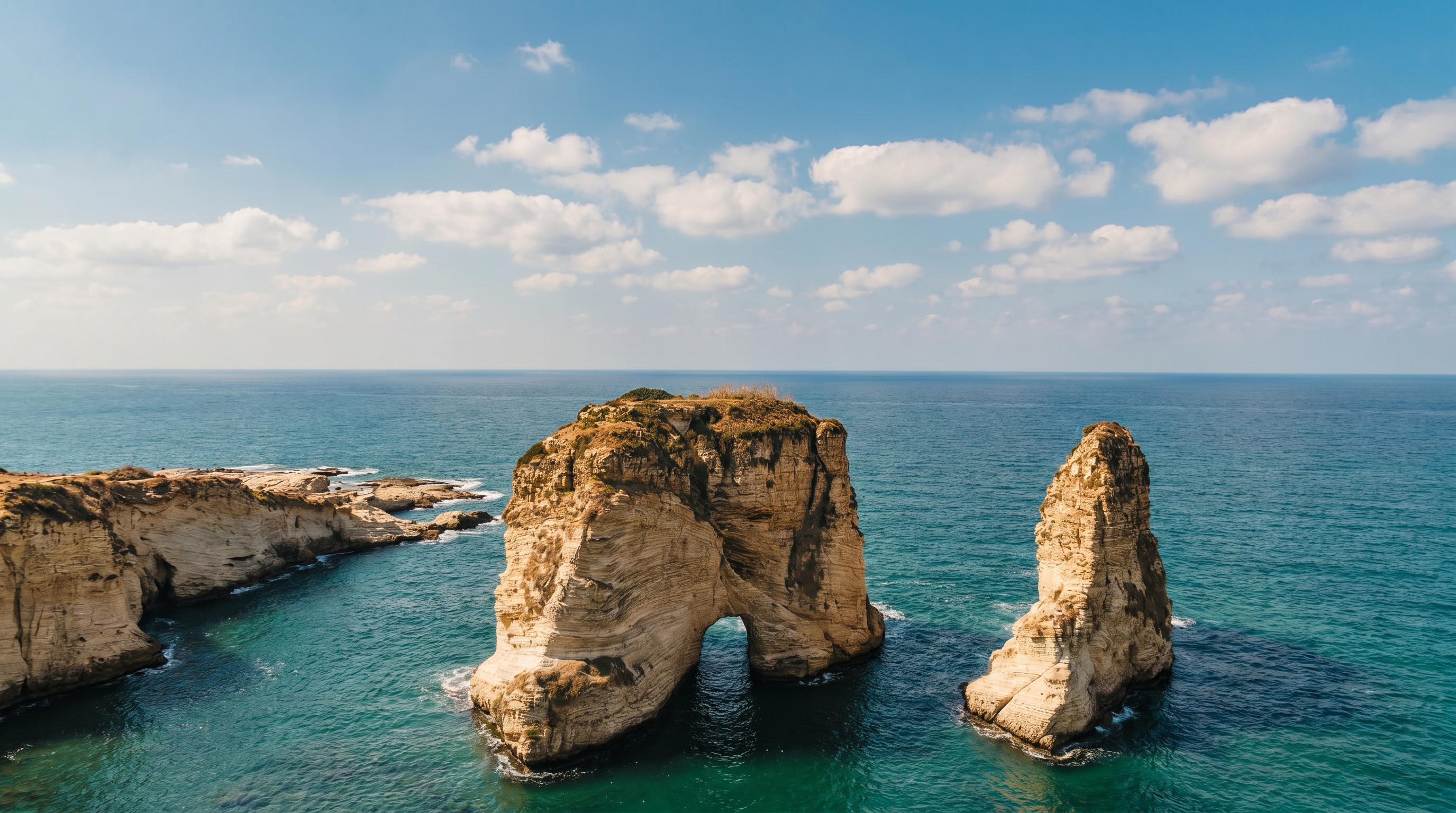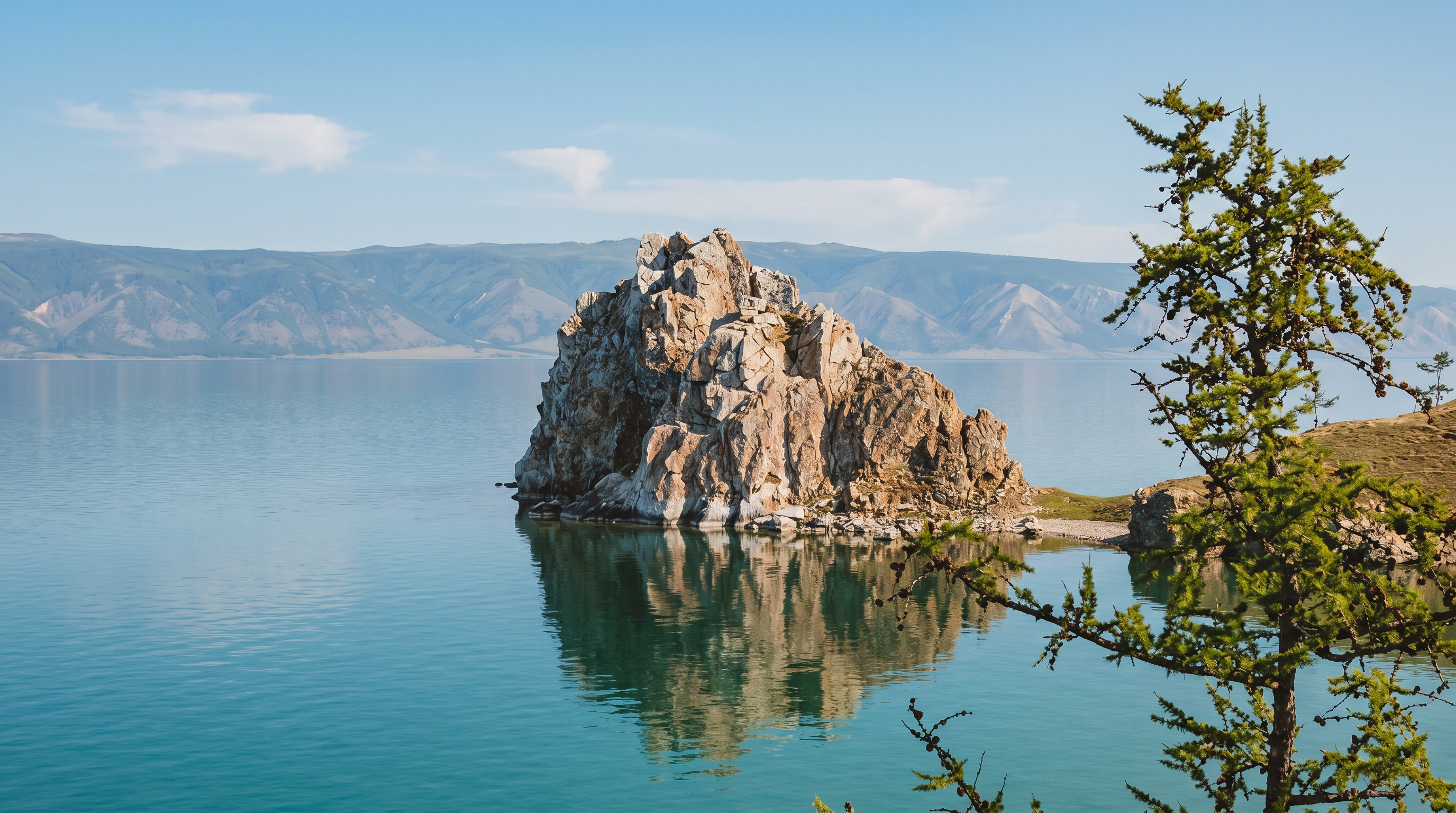
Russia's diving landscape is unlike any other, spanning freshwater lakes, flooded quarries, cave systems, Arctic wrecks, and cold coastal reefs across a continent-wide stretch of sub-areas. Lake Baikal draws divers to one of the deepest freshwater bodies on the planet, while the Ural Mountains conceal the celebrated Ordinskaya cave system with its remarkable visibility. Moscow and Novosibirsk offer accessible training grounds with artificial reefs and quarry sites suited to beginners. Vladivostok and the Black Sea Coast bring cold coastal reef diving, wrecks, and occasional sightings of Scorpionfish, Sea Anemone, and Needlefish. Further north, the Murmansk Coast and Karelia reach into truly Arctic conditions with wreck and artificial reef sites demanding advanced skills. Carp is the most commonly encountered species across freshwater sites, while Sturgeon appears occasionally. The skill mix runs from beginner quarry dives to advanced cave and technical sites.
12 areas
 13
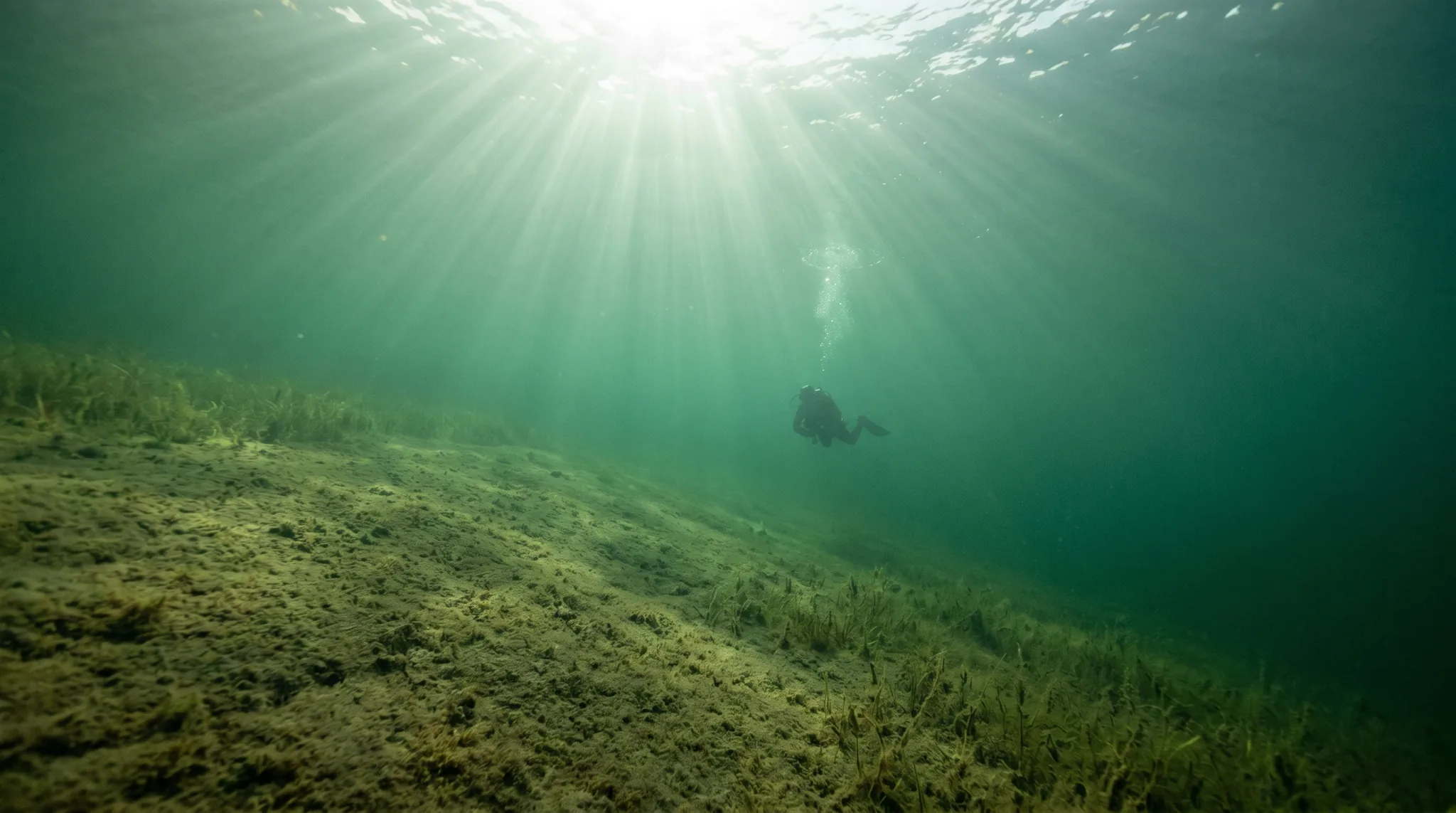
13Freshwater wall dives, reef structures and a wreck site in one of the world's most distinctive dive destinations.
 10
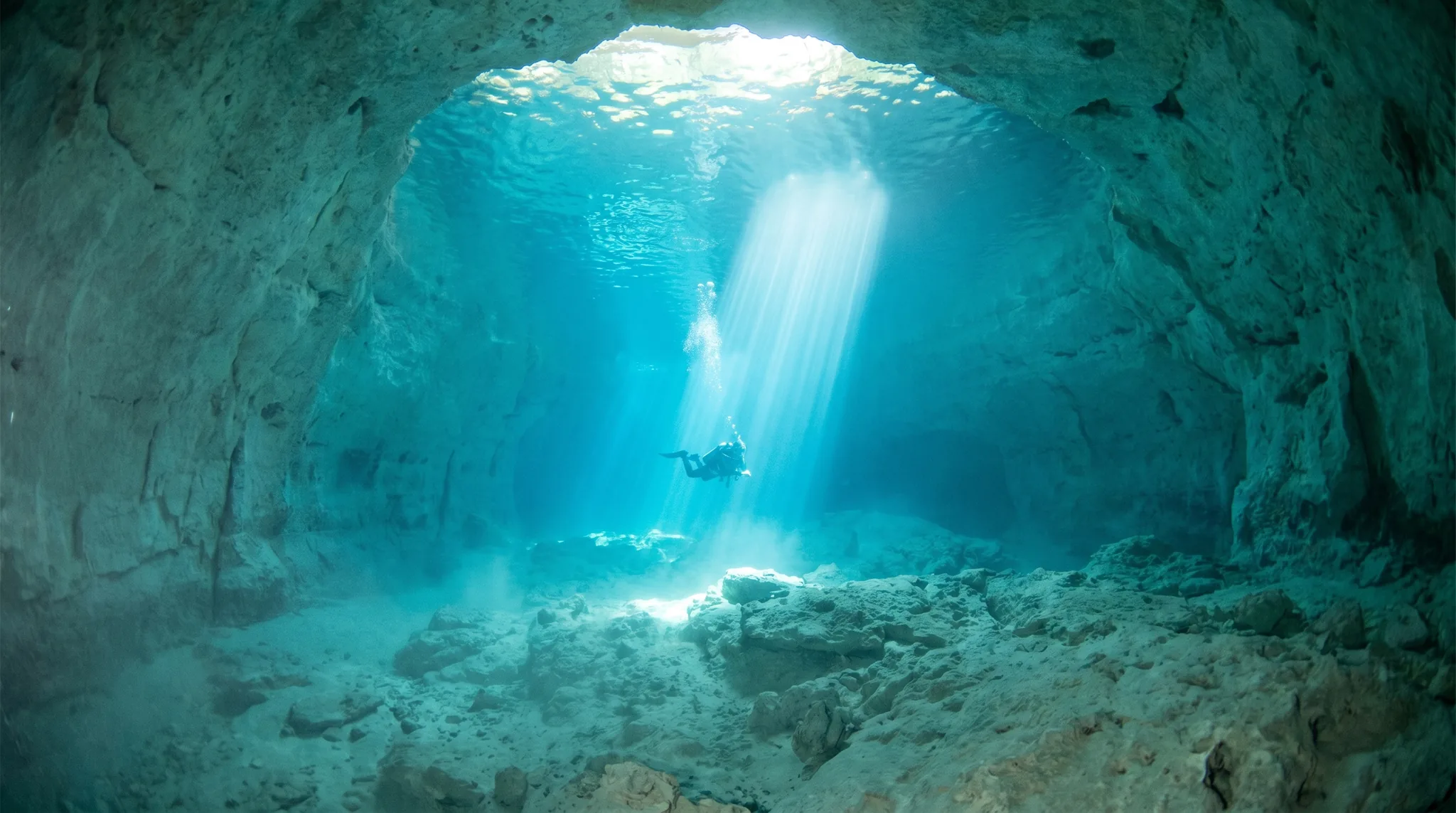
10Freshwater cave and lake diving in the Russian Urals, anchored by the vast flooded passages of Ordinskaya cave.
10Freshwater quarry diving and unique indoor sites near Moscow, with Carp, Pike and Sturgeon regularly encountered.
 9
9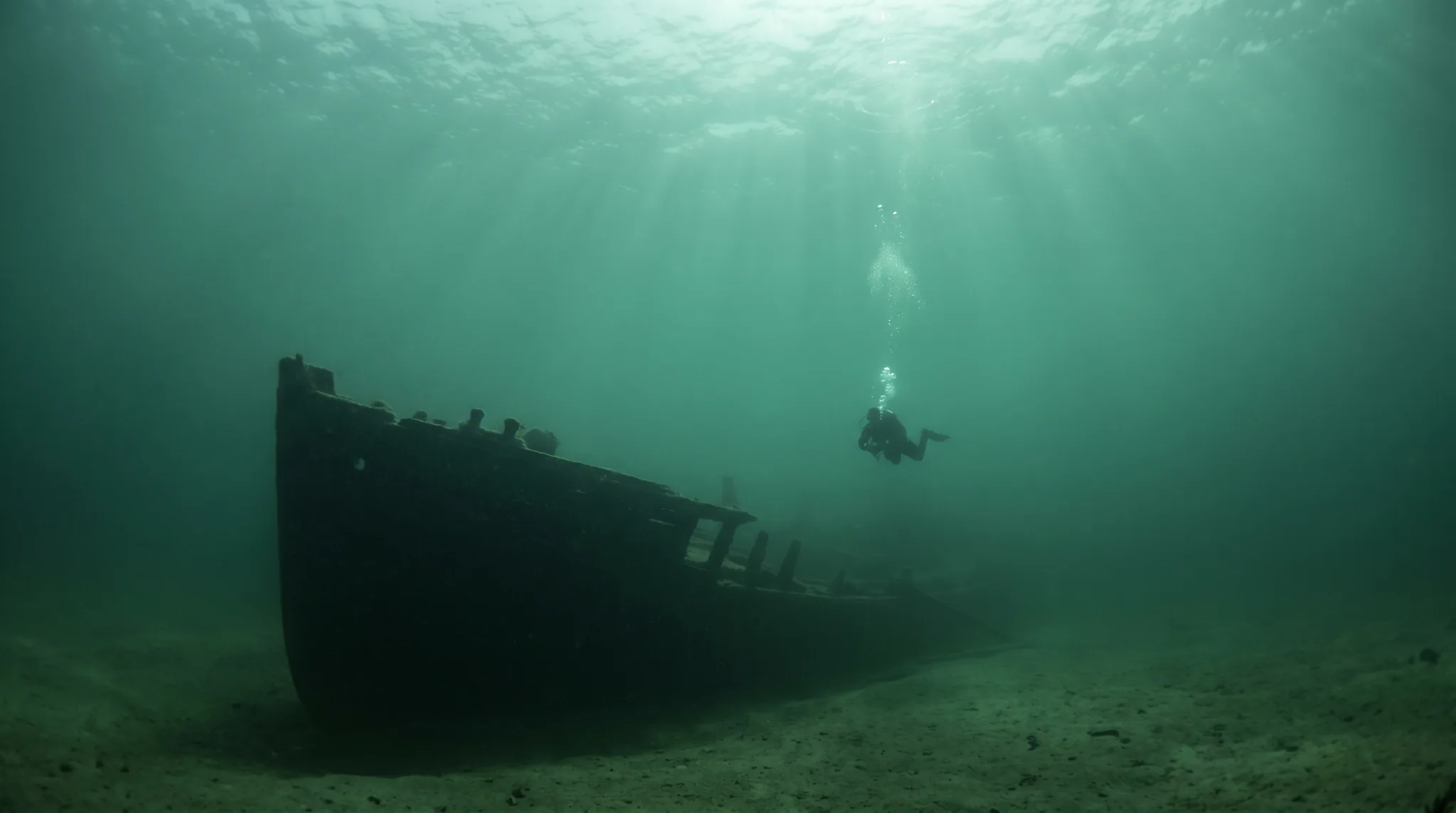
93 operators

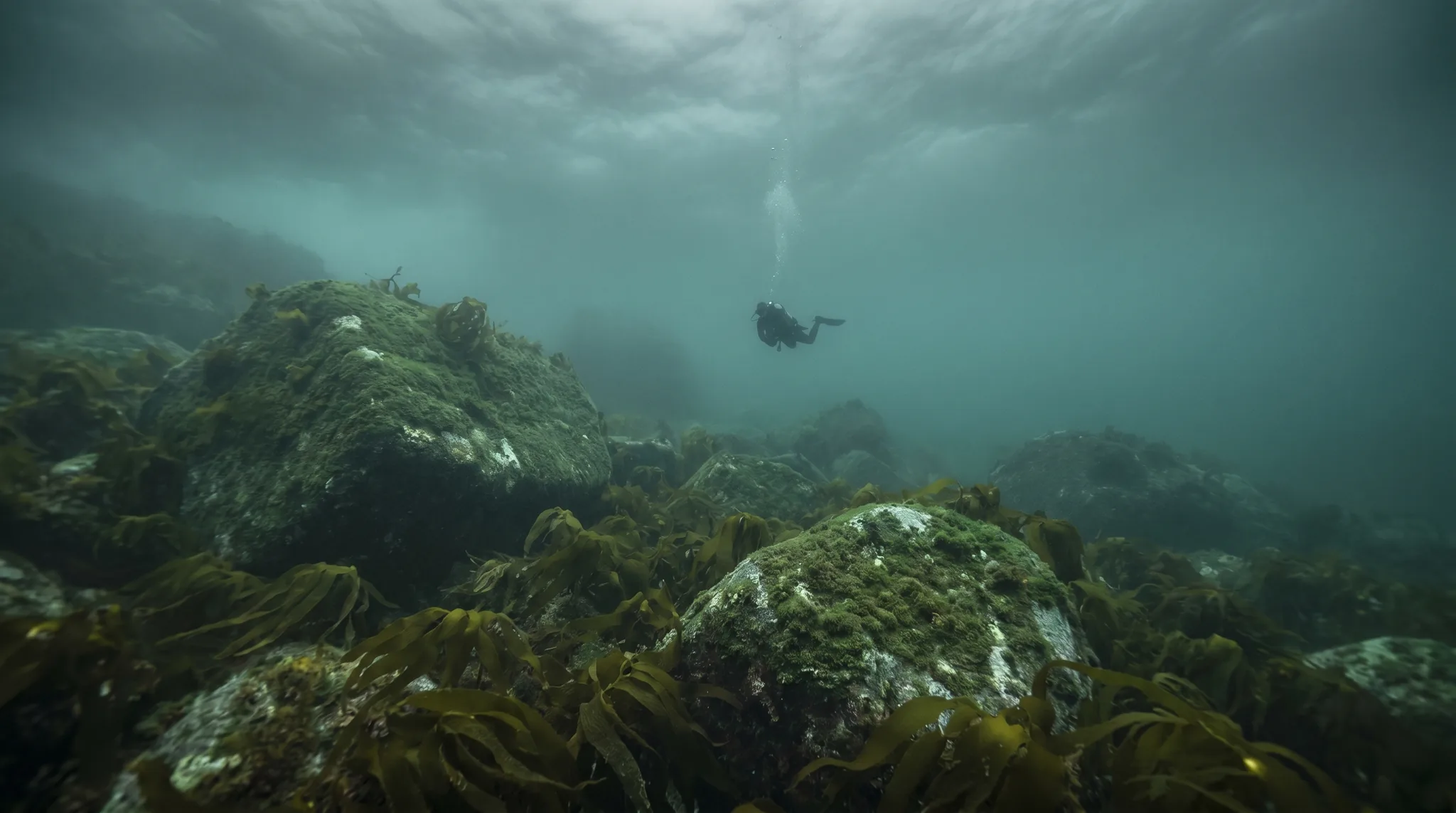
Cold Pacific reef and artificial reef diving in the Bay of Peter the Great, with king crab, sea lions, and year-round access.
Fin maps 74 sites in Russia (74 scuba diving sites and 2 snorkelling spots, with some suited to both), organised into 12 areas.
Across Russia's dive sites, May, June, July, August, September and October are most often reported as the best months to visit.
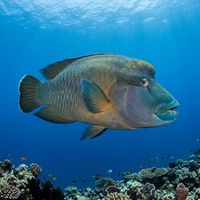
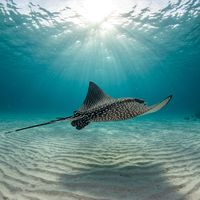
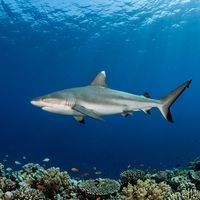
Carp is the most commonly reported species across Russia's many freshwater sites, and Sturgeon is encountered occasionally. Coastal sites around Vladivostok and the Black Sea Coast have produced observations of Scorpionfish, Needlefish, Sea Anemone, Sea Star, Hermit Crab, and Peacock Blenny. Rarer sightings logged from the data include Spotted Eagle Ray, Napoleon Wrasse, and Grey Reef Shark at certain coastal locations.
Russia caters well to beginners, with a strong mix of shore-entry quarry and artificial reef sites in areas such as Moscow, Novosibirsk and Kuzbass, and the Black Sea Coast. Sites like Spas-Kamenka and Семиозерье ProDiving Base are explicitly rated for beginners and offer sheltered conditions. However, cave diving at Ordinskaya and technical sites such as Goluboye Lake are rated advanced and require specialist training and experience.
Lake Baikal focuses on deep freshwater diving with shore access, while the Ural Mountains are defined by the Ordinskaya cave system and its exceptional visibility. Moscow and Novosibirsk offer beginner-friendly quarry and artificial reef training sites. Vladivostok and the Black Sea Coast provide cold coastal reef and wreck diving, and the Murmansk Coast reaches into Arctic conditions with boat-access wrecks and artificial reefs suited to advanced divers.
Shore entry is widely available across Russia, particularly at freshwater quarries, lake sites, and training facilities in Moscow, the Ural Mountains, and Lake Baikal. Coastal and offshore sites around Vladivostok, the Black Sea Coast, and the Murmansk Coast generally require boat access. Some sites, such as Spas-Kamenka, accommodate both entry types, giving divers flexibility depending on their kit and preference.