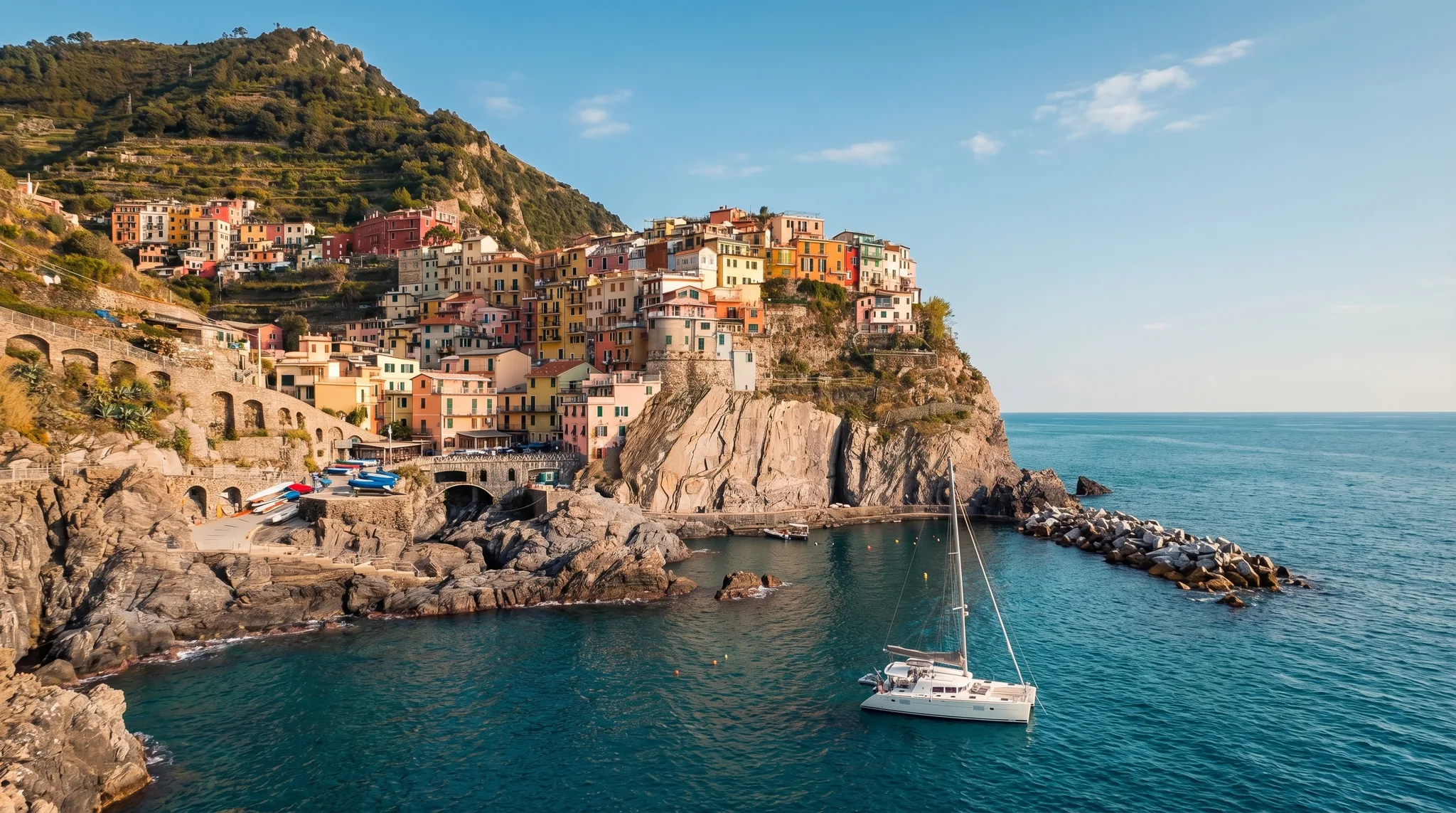
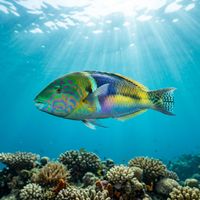
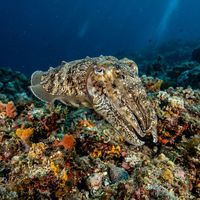
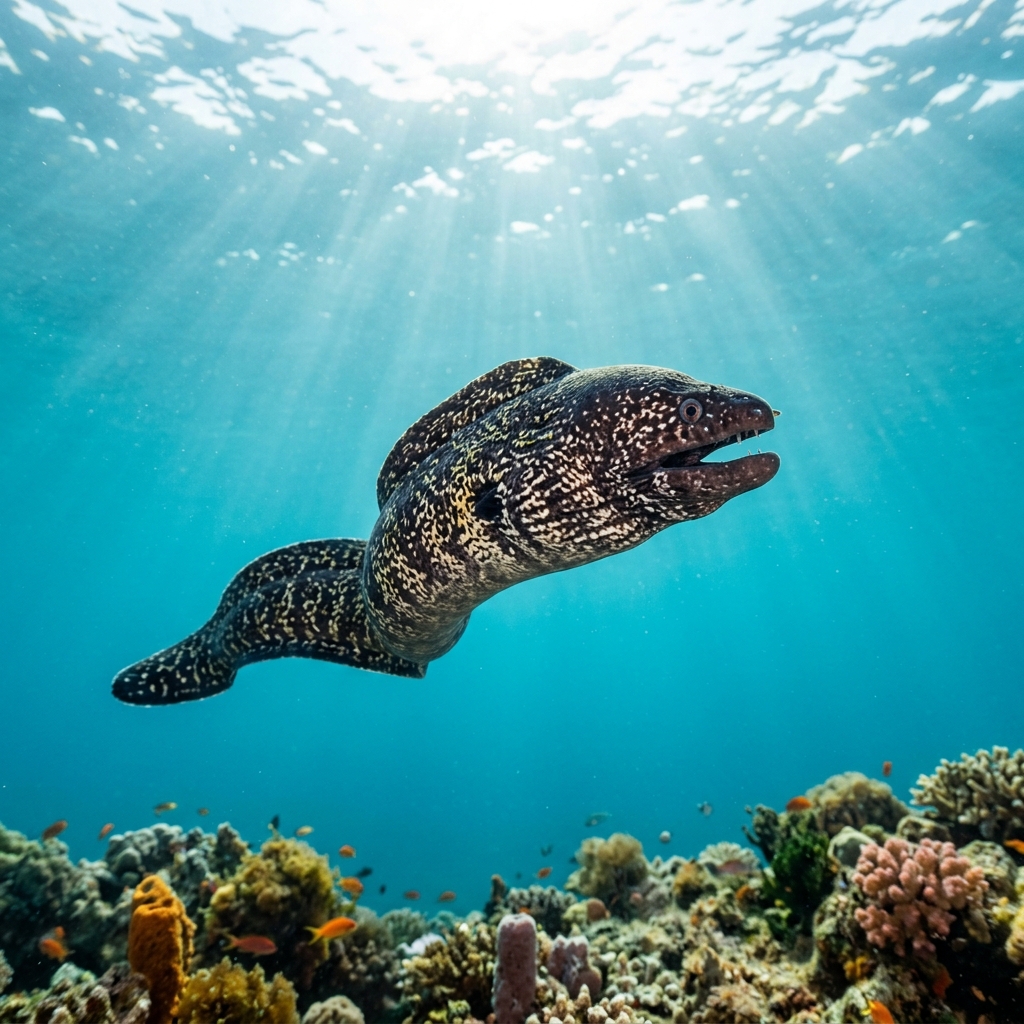
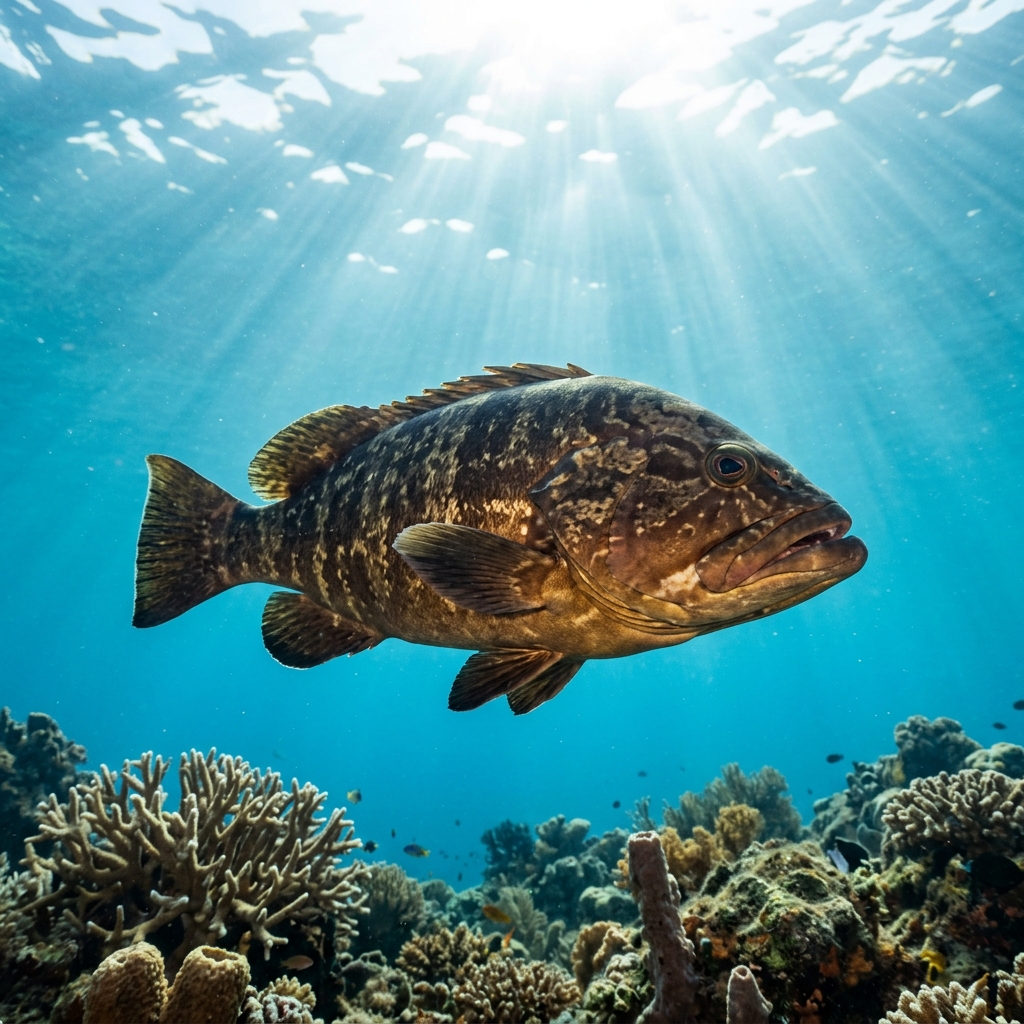
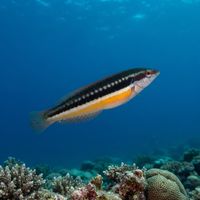
Italy's underwater landscape spans a remarkable range of sub-areas, from the volcanic pinnacles of Sicily and the granite walls of Sardinia to the wreck-strewn depths off Liguria and the freshwater sites of the Northern Lakes. Reefs, walls, canyons, caves, and wrecks all feature across the site mix, giving divers of every level something meaningful to pursue. The signature species reflect this variety: Common Octopus and European Common Cuttlefish haunt rocky shallows, Mediterranean Moray emerges from crevices at depth, and the Dusky Grouper rewards patient observers on healthier reefs. Turkish Wrasse and Painted Comber are present across nearly all areas, while rarer encounters include the Loggerhead Sea Turtle, Ocean Sunfish, and Spinetail Devil Ray. Conditions are warmest in late summer and early autumn, with cooler, clearer water in spring drawing divers who prefer sharper visibility.
10 areas
 198
198Caves, pinnacles and wrecks across nine sub-areas, with rich cephalopod and grouper encounters throughout.
 174
174Sea caves, canyon reefs and a rich Mediterranean fauna across eight distinct coastal sub-areas, with Alghero's cave systems as a particular draw.
 141
141Two contrasting sub-areas, from island seamounts to mainland reefs, with cephalopods and moray at almost every site.
 133
133
Monthly water temperature across Italy's sites, from satellite sea-surface data corrected for depth. The band shows the site-to-site spread.
Water temperatures climb steadily from spring into summer, peaking in September before dropping through autumn and reaching their coolest in late winter. The warmest months bring comfortable conditions across coastal sites, though some divers prefer the spring shoulder season when visibility tends to be at its best. Exposure varies considerably by sub-area: northern coastal sites can be affected by swell, while sheltered bays and lake sites offer calmer conditions year-round.
728 operators


A wreck-rich Italian coast where deep technical targets sit alongside reef and cave dives, with prolific cephalopods and moray eels throughout.
Water temperature around Italy ranges from about 14°C in March to 23°C in September, based on satellite sea-temperature data for its dive sites.
In the warm season (about 23°C) a 3mm full suit is comfortable in Italy; in the coldest months (about 14°C) step up to a 7mm or semi-dry suit.
Fin maps 903 sites in Italy (794 scuba diving sites and 199 snorkelling spots, with some suited to both), organised into 10 areas.
Across Italy's dive sites, May, June, July, August, September and October are most often reported as the best months to visit.
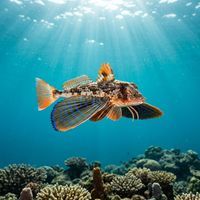
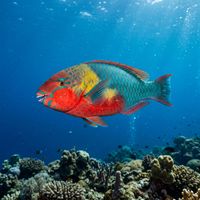
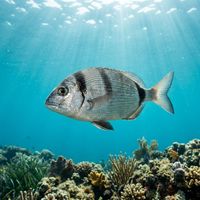
The most consistently observed species across Italian dive sites include Turkish Wrasse, Painted Comber, Two-banded Seabream, and Common Octopus. Rocky reefs regularly produce sightings of Mediterranean Moray, Scorpionfish, and European Common Cuttlefish, while the Dusky Grouper and Flying Gurnard reward those who look carefully. Less frequent but observation-backed encounters include the Loggerhead Sea Turtle, Ocean Sunfish, Spinetail Devil Ray, and Marbled Electric Ray.
Yes, a strong proportion of Italian sites are rated for beginners, including shallow reef sites like Santa Reef and Ciappa del Lupo, as well as accessible freshwater sites such as Lago Bracciano a Trevignano. These sites feature shore or straightforward boat entries and limited depth. Intermediate sites are also well represented, so divers progressing in their training will find plenty of suitable options across regions like Liguria and Tuscany.
Sicily and Sardinia lead in site volume and offer volcanic reef and open-water character, while Liguria is notable for its wreck diving, including technical wrecks like the KT Eros UJ-2216 and deeper sites such as the Relitto Bolzaneto. Tuscany provides a mix of reef and bay diving suited to a broad range of abilities, and the Northern Lakes add a freshwater dimension entirely distinct from coastal diving. Campania, Puglia, and Calabria offer quieter coastal diving with fewer but varied sites.
Both shore and boat access are represented across Italian sites. Shore entry options include Santa Reef in Liguria and Lago Bracciano a Trevignano in Lazio, making independent diving feasible at certain locations. However, many of the more prominent sites, including the majority of wrecks and deeper reef systems, require boat access. Operators such as DST Sardegna, Argentario Divers, Terranova Diving, and Punta Campanella Diving Center are among those offering guided boat trips across different regions.