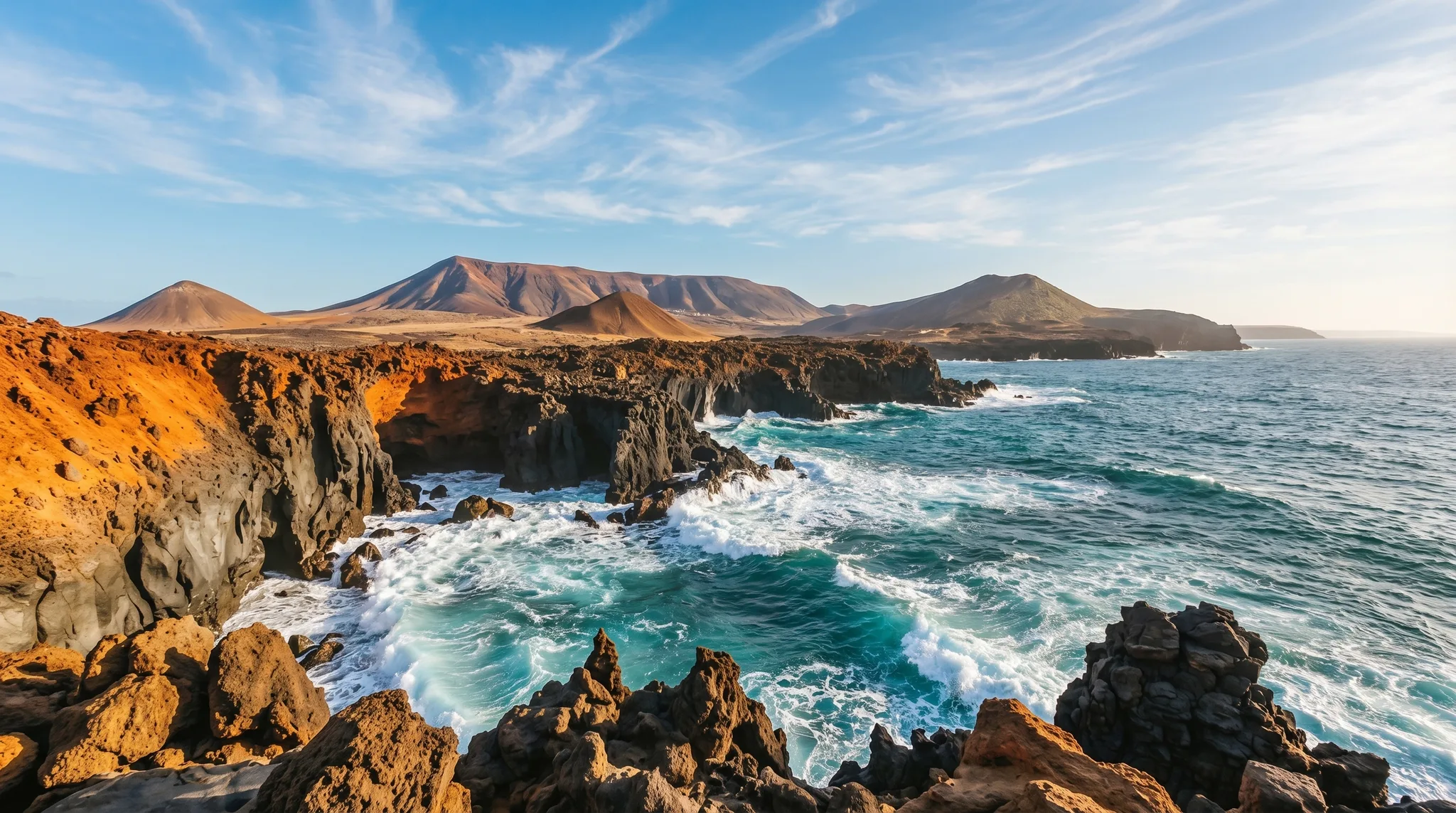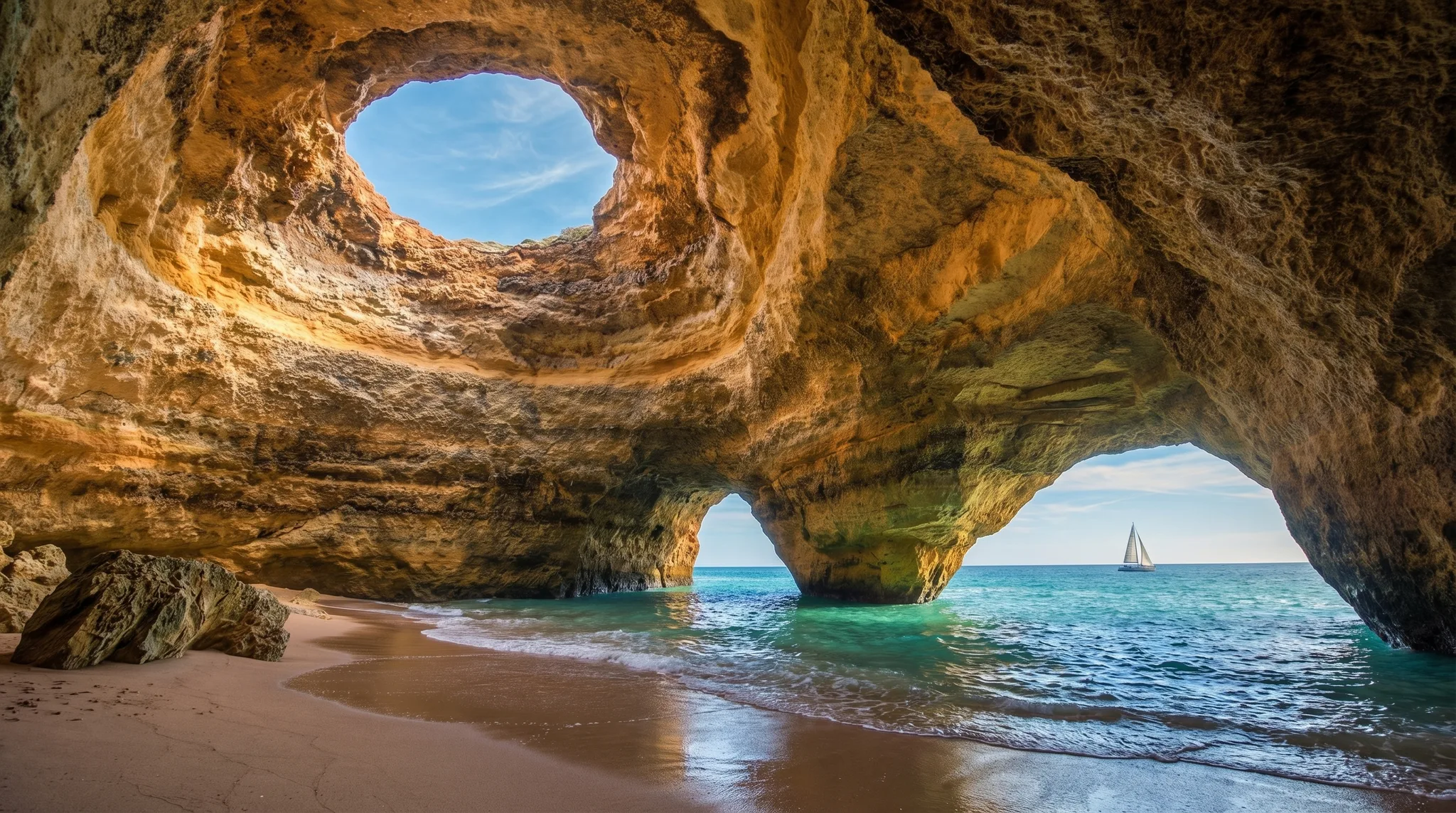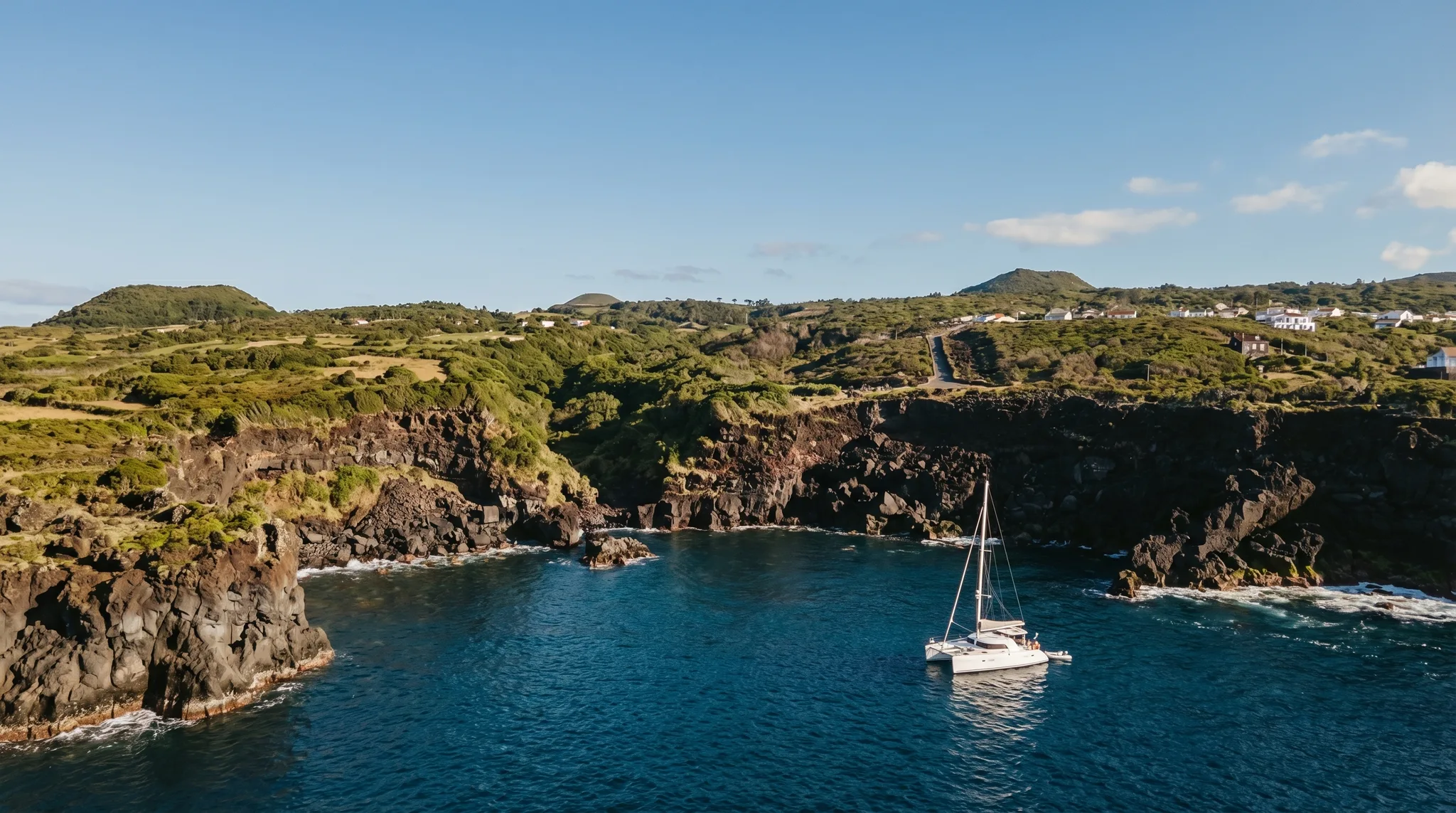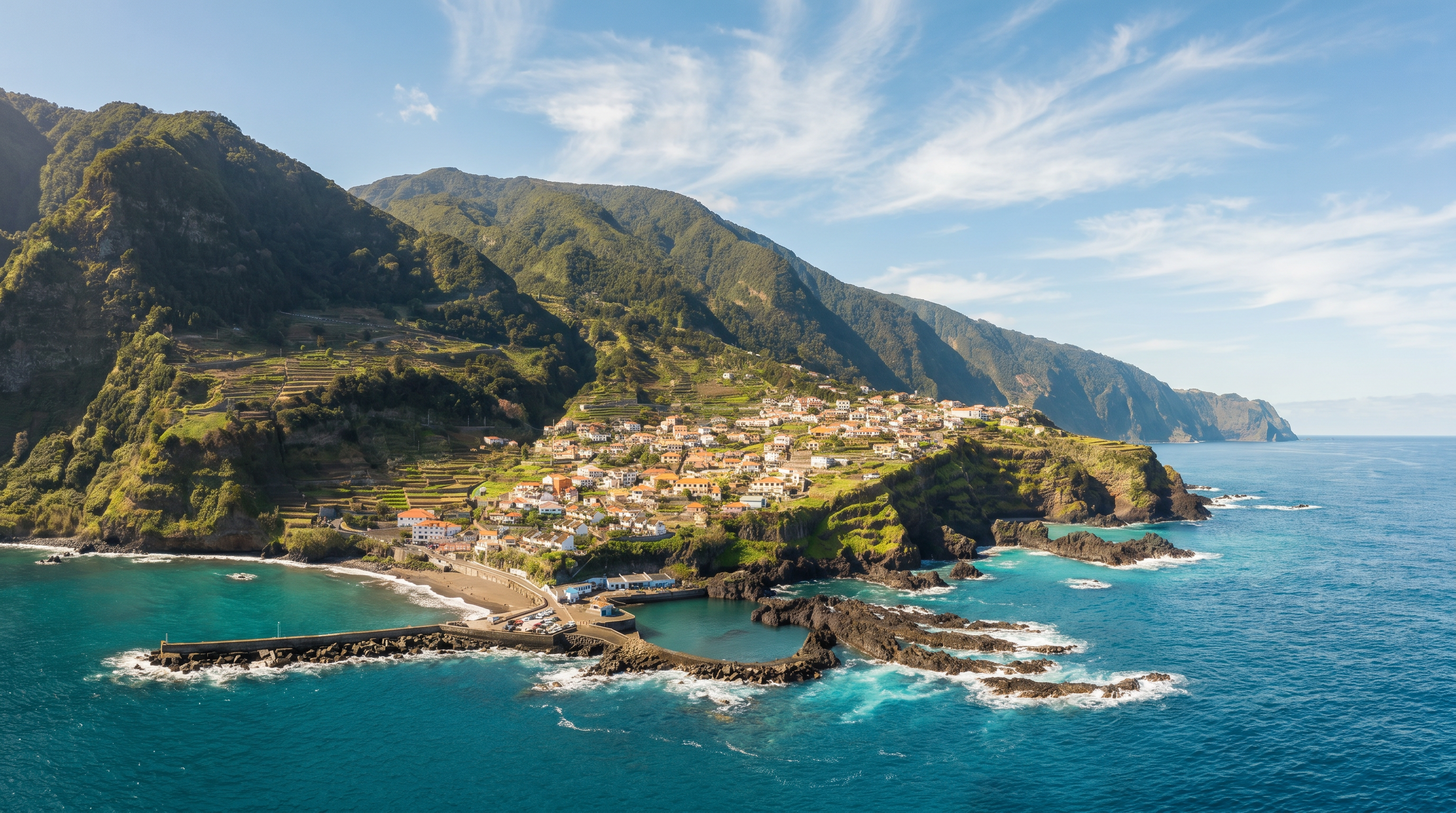
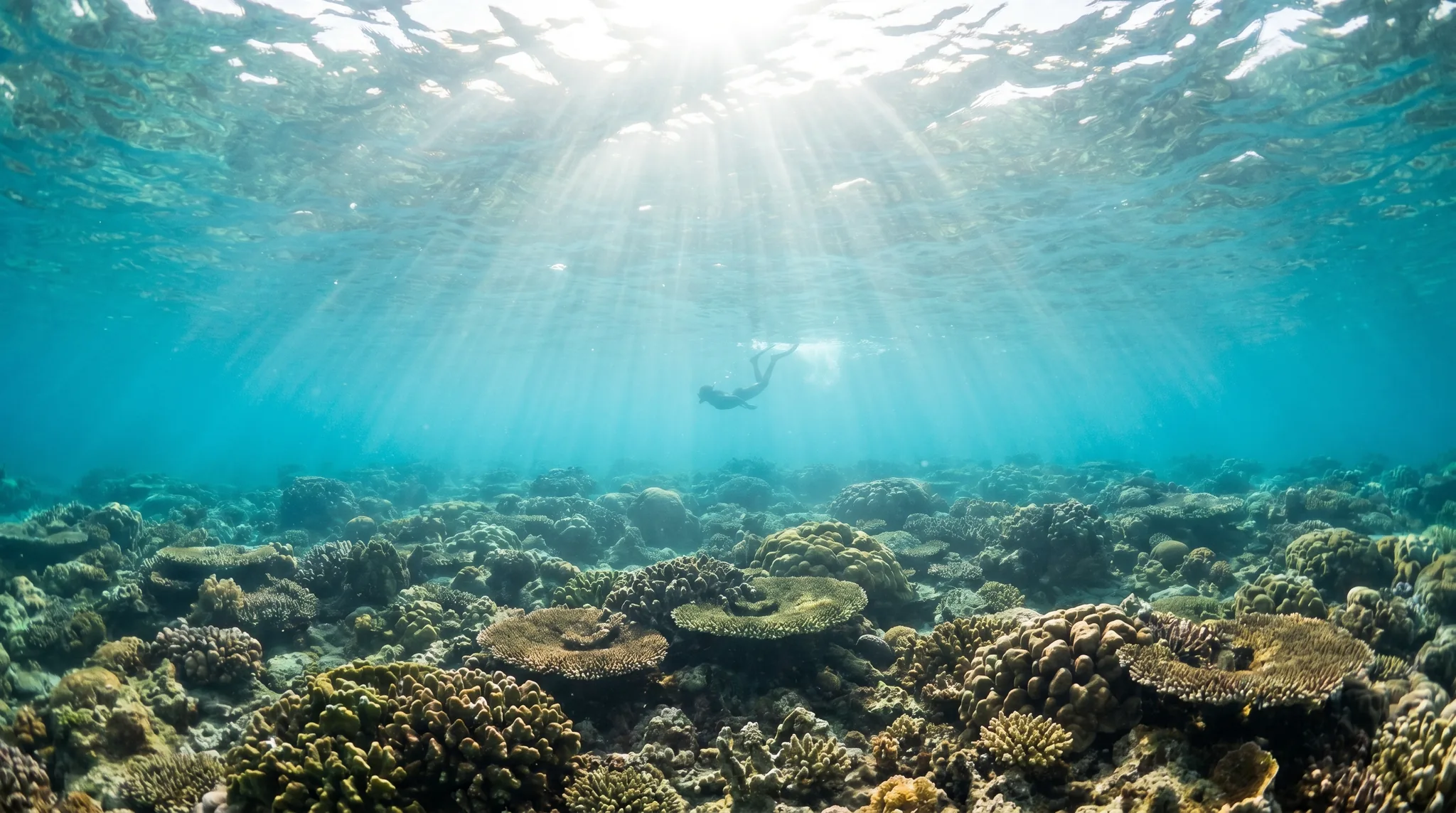
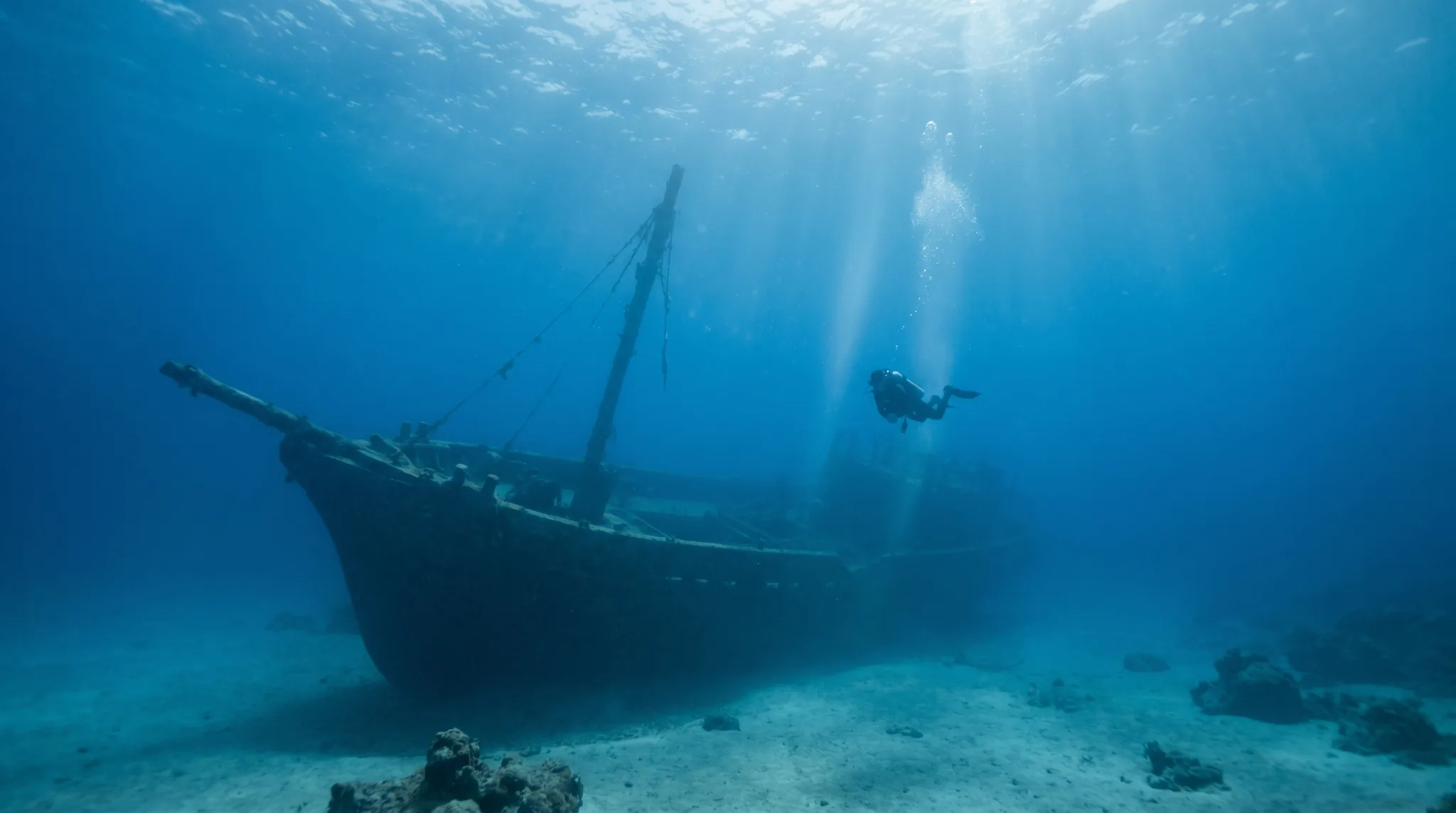
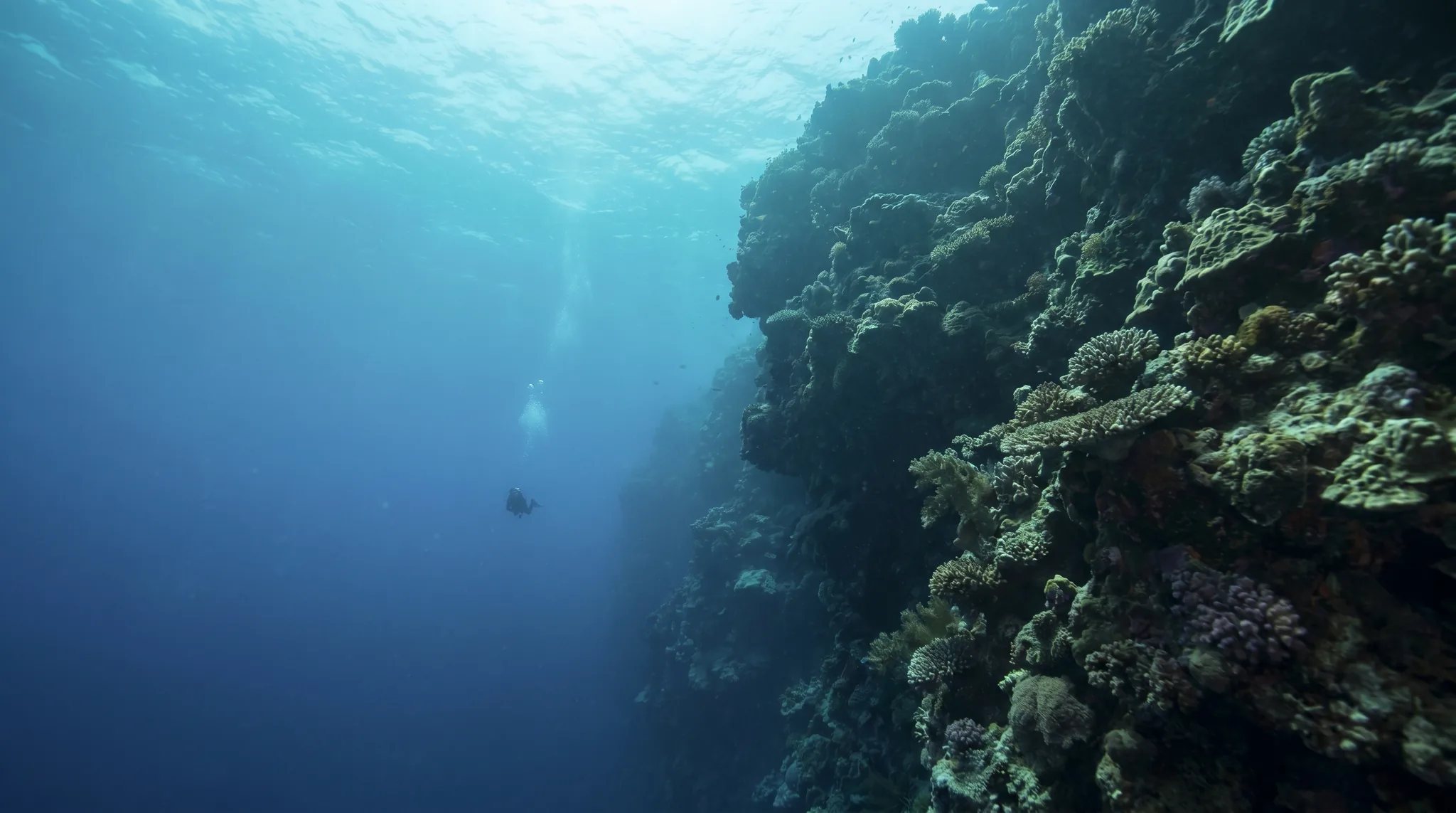
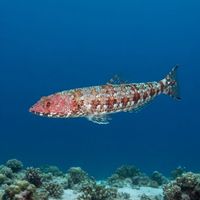
Madeira's diving is defined by volcanic reef topography, strong resident fish populations, and consistently clear water across two distinct island groups. Madeira Island, with the larger share of sites, offers everything from shallow shore dives to deep wall and cave formations such as Boca da Caldeirinha and Farol, where the terrain drops sharply and encounters with Dusky Grouper and Great Barracuda are routine. Porto Santo's sites lean heavily on reef and artificial reef structures, including the wreck Cordeca and the cave system at Ilhéu de Cima, giving the island a character of its own. Common Octopus, Trumpetfish, Canary Damsel and Black Moray appear across the region with high frequency. The mix of beginner-friendly shore entries and challenging boat dives means the archipelago suits a wide range of experience levels.
2 areas
Monthly water temperature across Madeira's sites, from satellite sea-surface data corrected for depth. The band shows the site-to-site spread.
Water temperatures hold steady through winter and spring before climbing to their warmest in late summer, making Madeira a year-round destination with a clear peak season from late spring through autumn. Visibility tends to be at its best during the summer months, when calmer conditions also make boat access to exposed offshore sites more reliable. Winter diving is still viable, though some of the more exposed wall and drift sites at Porto Santo can be affected by swell.
43 operators




Water temperature around Madeira ranges from about 19°C in February to 24°C in August, based on satellite sea-temperature data for its dive sites.
In the warm season (about 24°C) a 3mm full suit is comfortable in Madeira; in the coldest months (about 19°C) step up to a 5mm suit.
Fin maps 59 sites in Madeira (59 scuba diving sites and 4 snorkelling spots, with some suited to both), organised into 2 areas.
Across Madeira's dive sites, June, July, August, September and October are most often reported as the best months to visit.
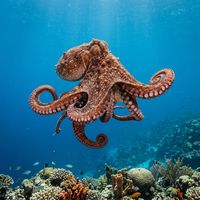
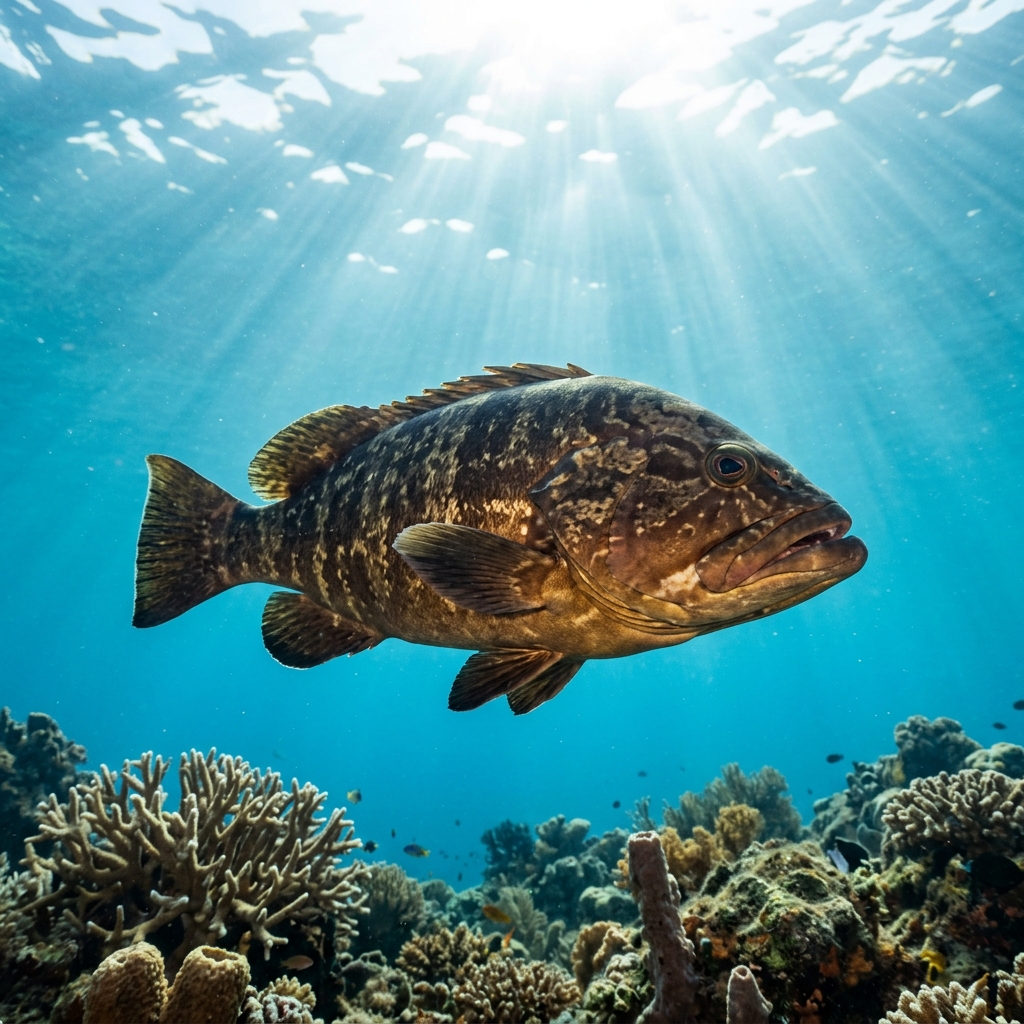
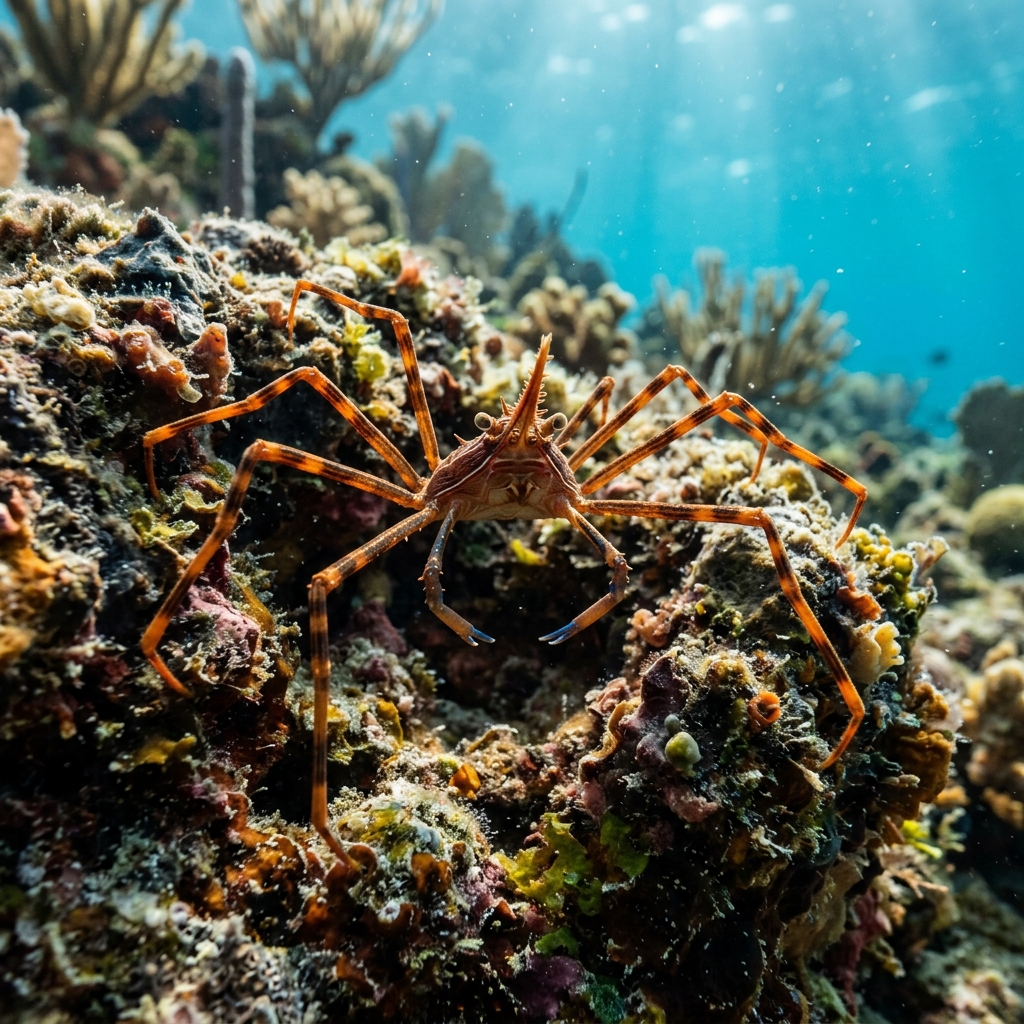
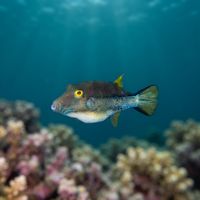
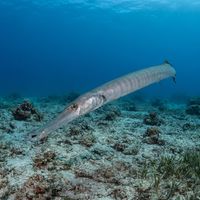
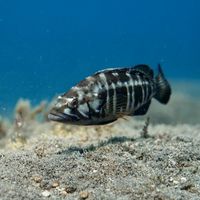
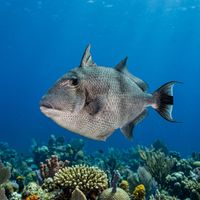
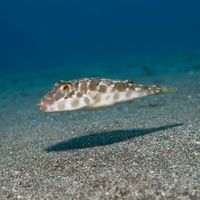
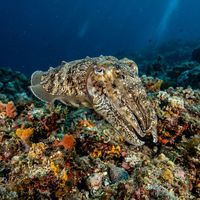
Madeira's reefs host a rich cast of resident species. Common Octopus and Dusky Grouper are encountered with very high frequency across both island groups, while Great Barracuda, Black Moray, Trumpetfish, and Grey Triggerfish are also regularly observed. Divers willing to look into crevices will find Arrow Crab, Cleaner Shrimp, and occasionally Fangtooth Moray, and Common Stingray rest on sandy patches near the reef.
A good proportion of Madeira's sites are rated for beginners, including shallow shore-entry dives such as Scorpio House Reef and VidaMar House Reef on Madeira Island, and boat sites like Baixa do Alex and Maldivas off Porto Santo. These sites feature gentle conditions and manageable depths. Intermediate and advanced options are also plentiful for those looking to progress to walls, drift sites, or deeper structures.
Madeira Island carries the larger share of dive sites and includes a variety of shore-entry options alongside boat dives, with dramatic wall and cave topography at sites like Farol and Boca da Caldeirinha. Porto Santo's sites are predominantly boat-accessed and feature a concentration of natural reefs, artificial structures, and the wreck Cordeca, with the cave system at Ilhéu de Cima adding a distinct overhead environment. Both islands share the same signature species but offer different underwater landscapes.
Yes, several sites across Madeira are accessible directly from shore, making them convenient for independent or early-morning dives. Sandy in Calheta, Scorpio House Reef, VidaMar House Reef, and Boca da Caldeirinha all offer shore entry. The majority of sites, particularly across Porto Santo, require a boat, and operators across both islands provide guided boat dive services.