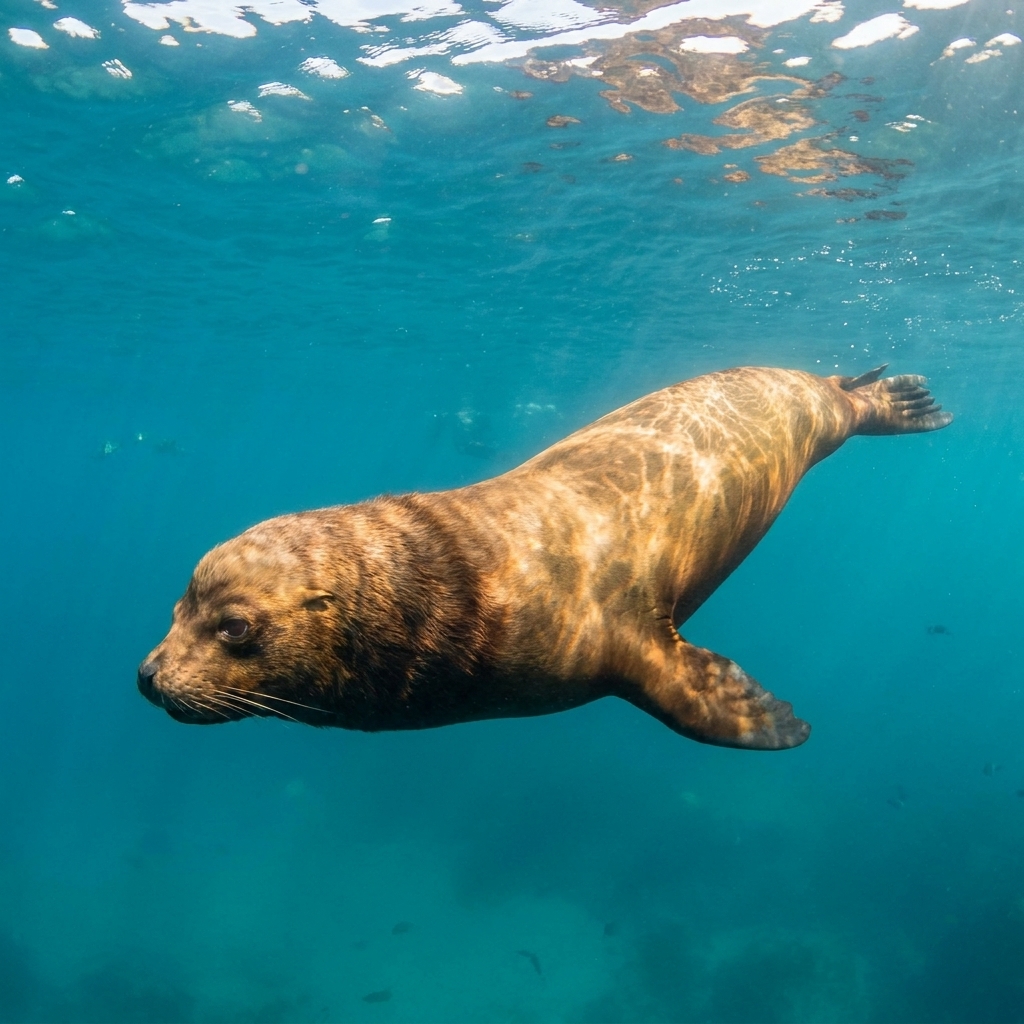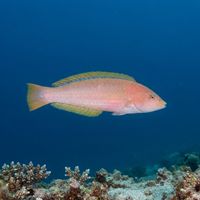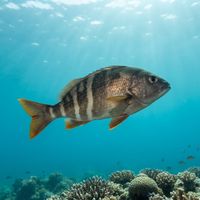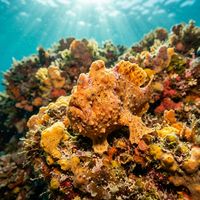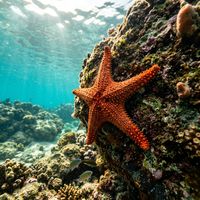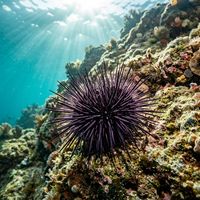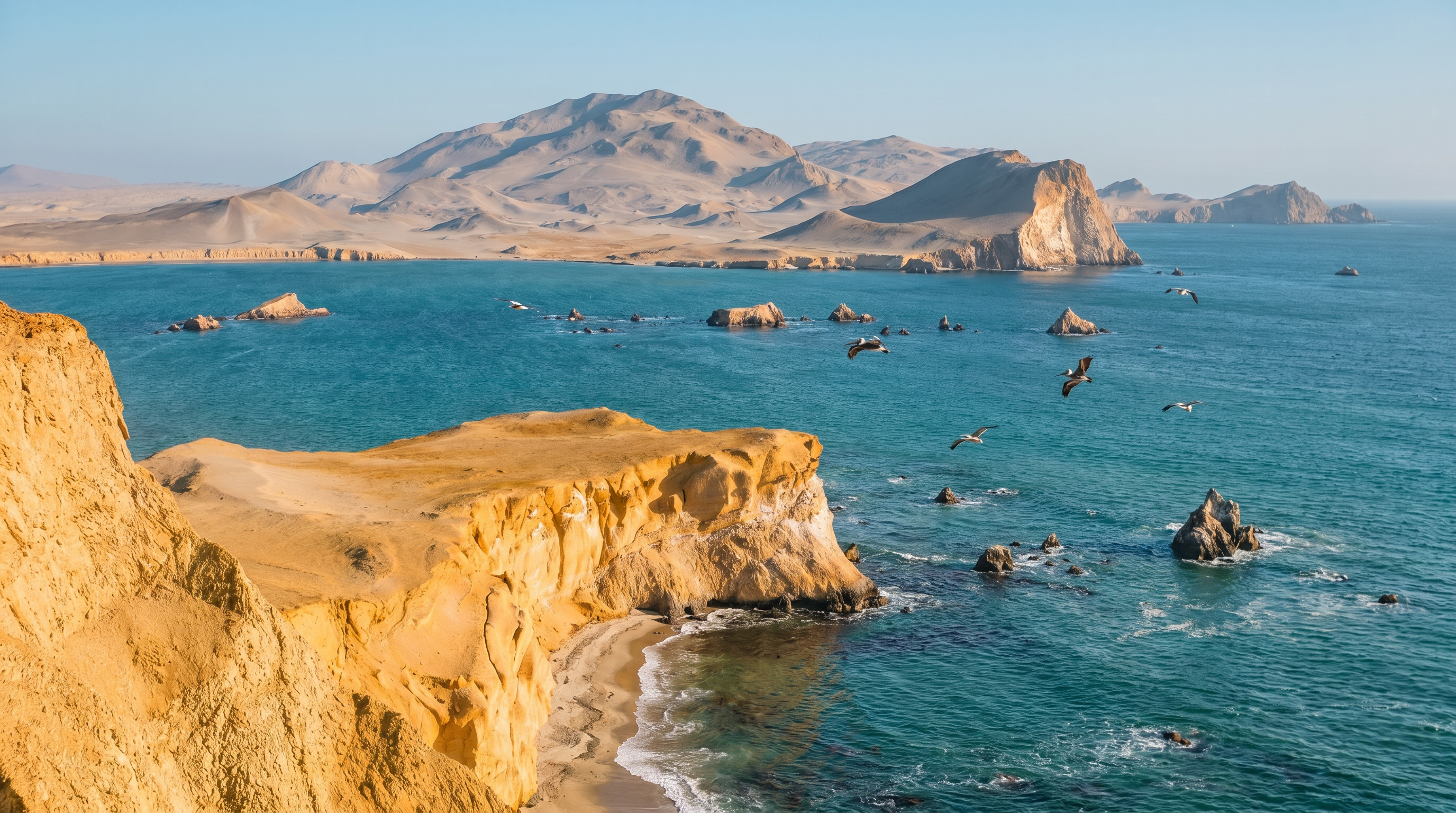
Peru's dive sites span a striking range of environments, from the kelp forests and reef-wall combinations around Pucusana to the warmer coral reefs off Máncora in the north, with the singular high-altitude experience of Lake Titicaca rounding out the picture. Pucusana is the most site-dense sub-area, offering everything from shallow artificial reefs like Muelle abandonado to deep walls such as Gallinazo, where strong currents demand experience. The South American Sea Lion and Frogfish are signature encounters, while Sally Lightfoot Crab appears across nearly all sites. Wrasses, Scorpionfish, and Sea Star are consistently observed throughout the region. Water is cool to cold year-round, shaped by an upwelling-driven current, which keeps conditions dynamic and the marine life notably different from typical tropical diving.
4 areas
 16
16Rocky reefs, kelp forests, and dramatic walls where South American Sea Lion encounters are a reliable highlight.
4Tropical Pacific diving with warm water year-round, coral reefs, sea turtles, rays, and a deep artificial reef on a former oil platform.
2Cold Humboldt Current diving near Lima with sea lions, kelp forests, reef walls, and a diverse cold-water fauna reached by boat.
 1
1
Monthly water temperature across Peru's sites, from satellite sea-surface data corrected for depth. The band shows the site-to-site spread.
Water temperature follows a clear seasonal curve, warmest from January through April and coolest in the austral winter months of August through October, when temperatures drop noticeably. This cooler upwelling period brings richer nutrients but requires a well-fitted exposure suit, while the warmer late-summer months offer marginally more comfortable conditions. Visibility varies across sites and seasons, so divers should check local conditions with operators before committing to specific sites.
16 operators
High-altitude freshwater diving in the Andes with cold water, altered decompression requirements, and visibility best in the dry season.
Water temperature around Peru ranges from about 15°C in September to 19°C in February, based on satellite sea-temperature data for its dive sites.
In the warm season (about 19°C) a 5mm suit is comfortable in Peru; in the coldest months (about 15°C) step up to a 7mm or semi-dry suit.
Fin maps 23 sites in Peru (23 scuba diving sites), organised into 4 areas.
Across Peru's dive sites, May and November are most often reported as the best months to visit.
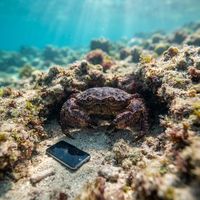
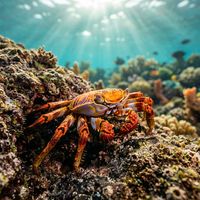
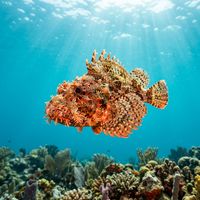
The South American Sea Lion is one of Peru's signature underwater encounters, observed across the majority of sites. Sally Lightfoot Crab is exceptionally widespread, while Wrasses, Scorpionfish, Goatfish, and Sea Star appear consistently throughout the region. Less frequent but observed encounters include Frogfish, Pufferfish, and Green Sea Turtle, with Whale Shark and Humpback Whale recorded at a small number of sites.
A good portion of Peru's sites are rated for beginners, particularly in Pucusana, where sites like Muelle abandonado, Carbón, Grano de Oro, and Muelle Minka Mar offer manageable depths and mild to moderate currents. However, several sites including Laberinto, La Lobera, and Gallinazo are rated advanced due to strong currents and deeper profiles, so less experienced divers should confirm site selection with a local operator.
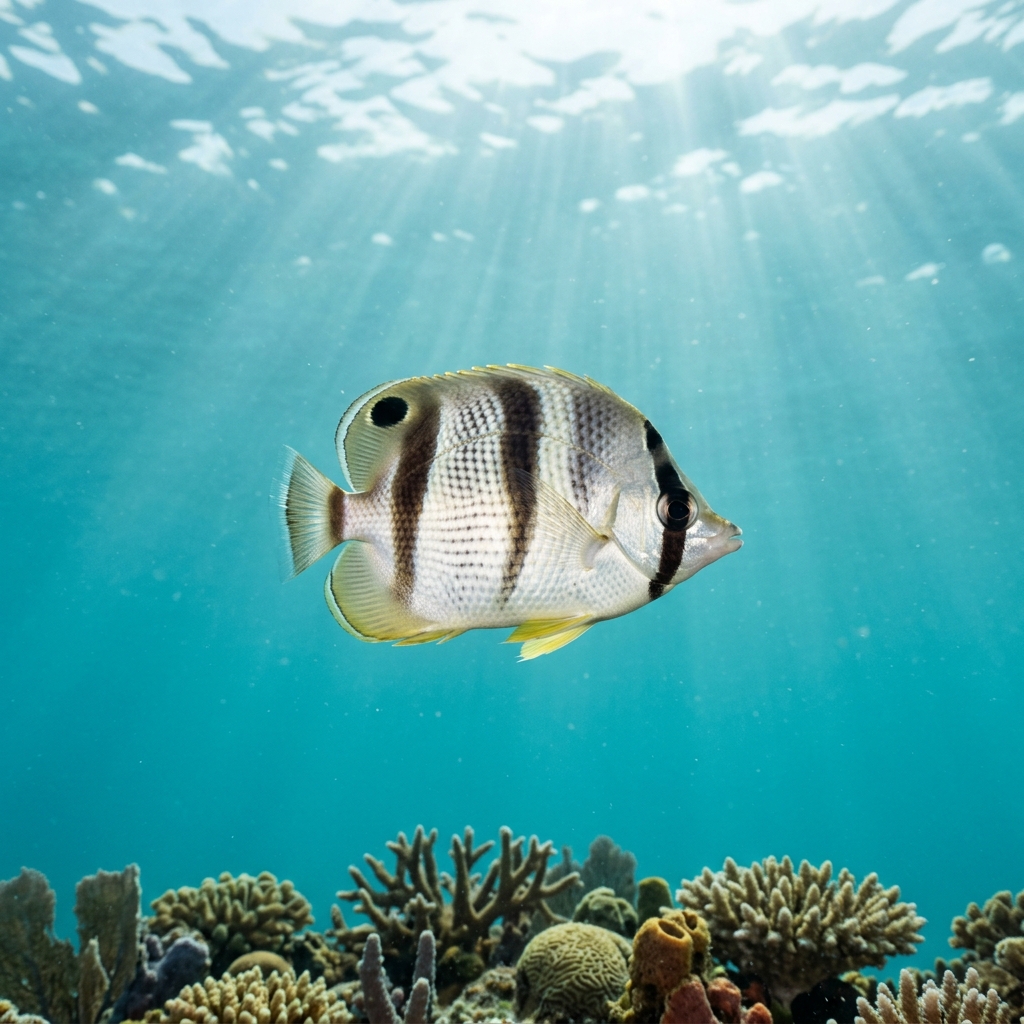
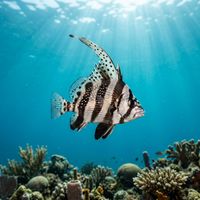
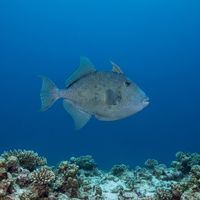
Pucusana is the most developed diving hub, with a wide variety of site types including kelp forests, walls, artificial reefs, and natural reefs across a broad depth range. Máncora in the north offers warmer water and reef diving in a different ecological setting, with species like Threebanded Butterflyfish and Triggerfish more likely here. Lima has a small number of sites, and Lake Titicaca provides a rare opportunity for high-altitude freshwater diving.
Most of Peru's dive sites require boat access, which is the dominant entry type across Pucusana and Máncora. Shore entry is available at a small number of sites, including Carbón and Muelle Minka Mar, both in Pucusana and both rated suitable for beginners. Operators such as Like Xplorer Peru, Spondylus Dive Center, and Pacific Divers can advise on the most appropriate access method for each site.