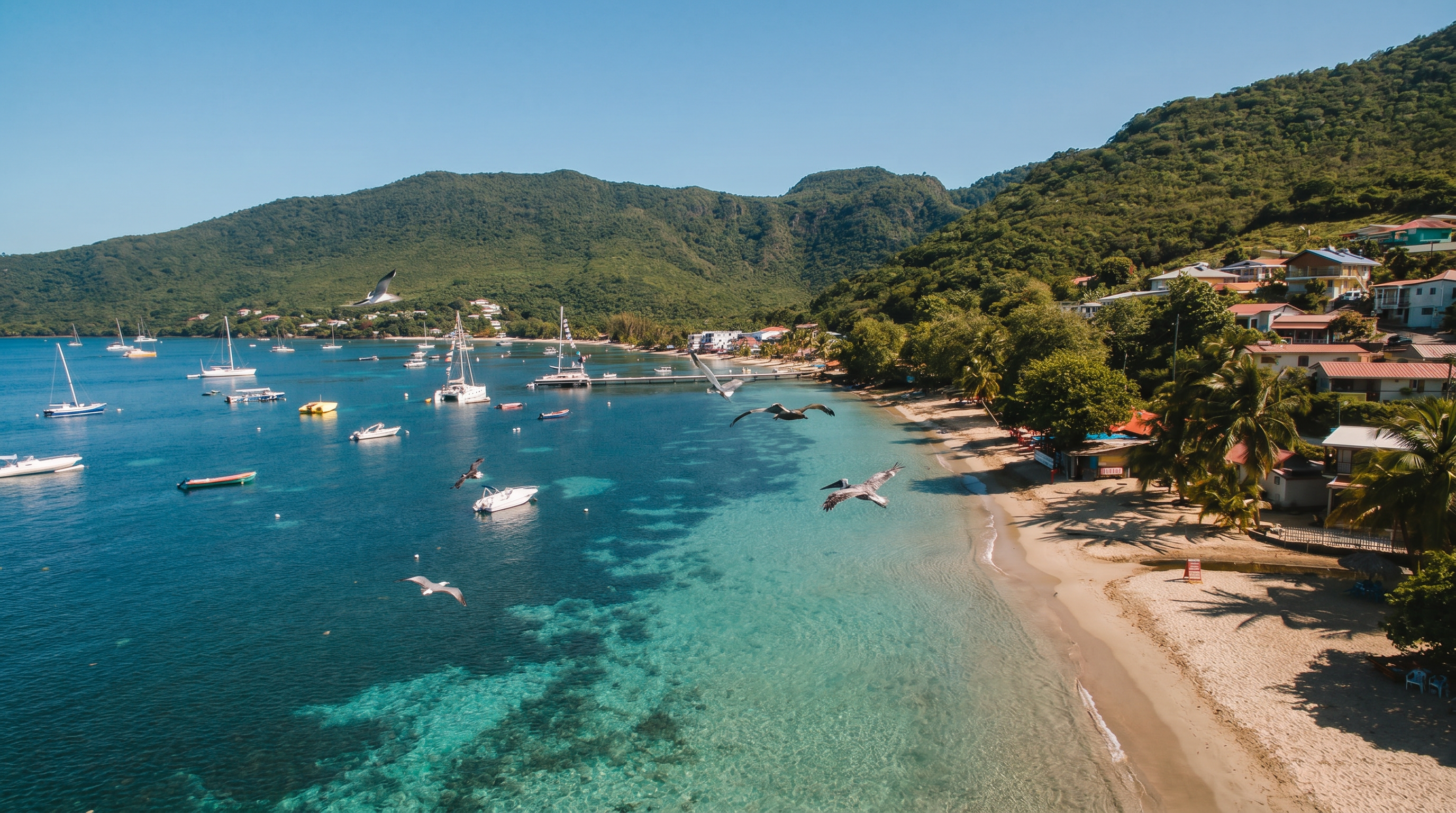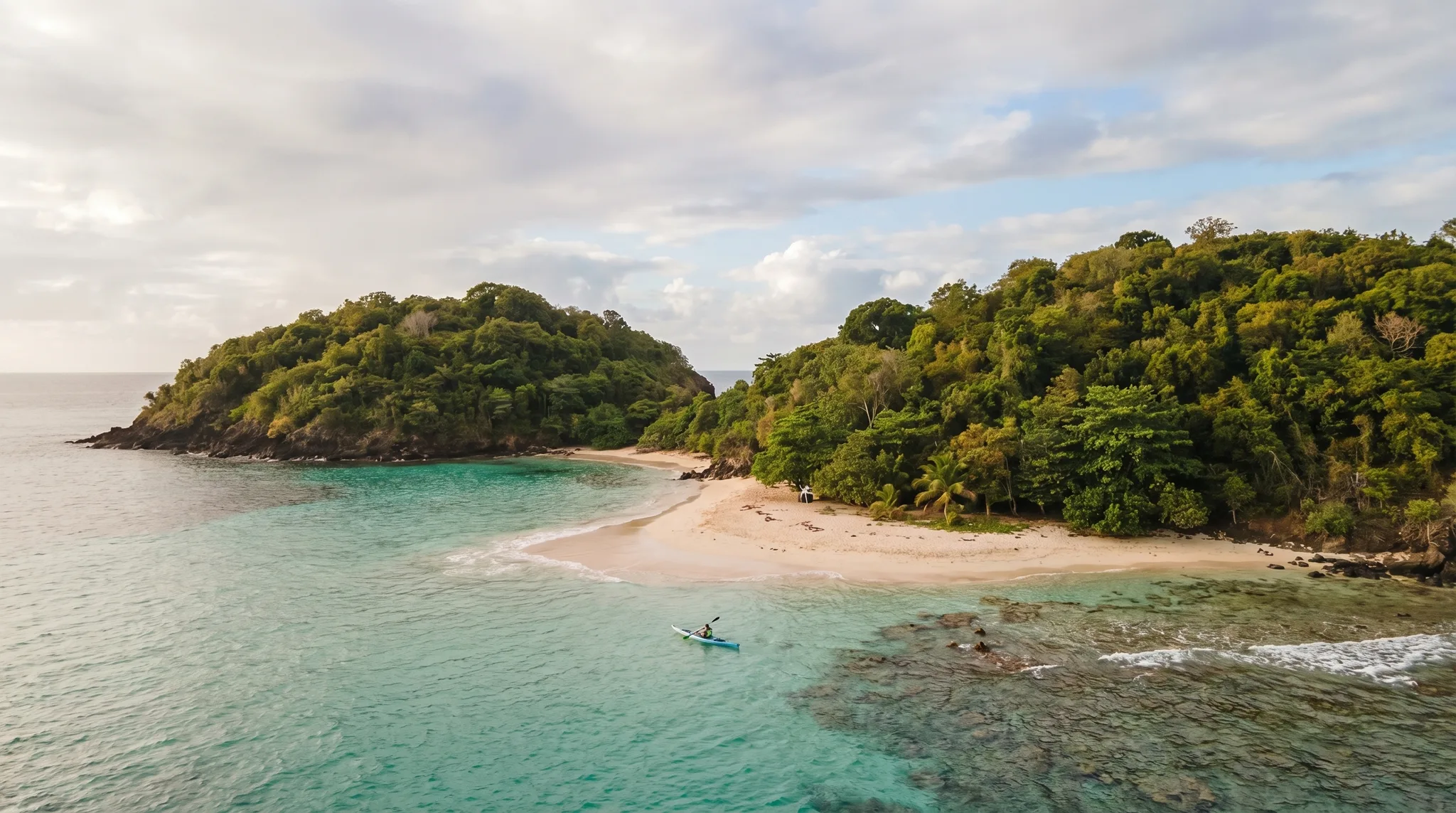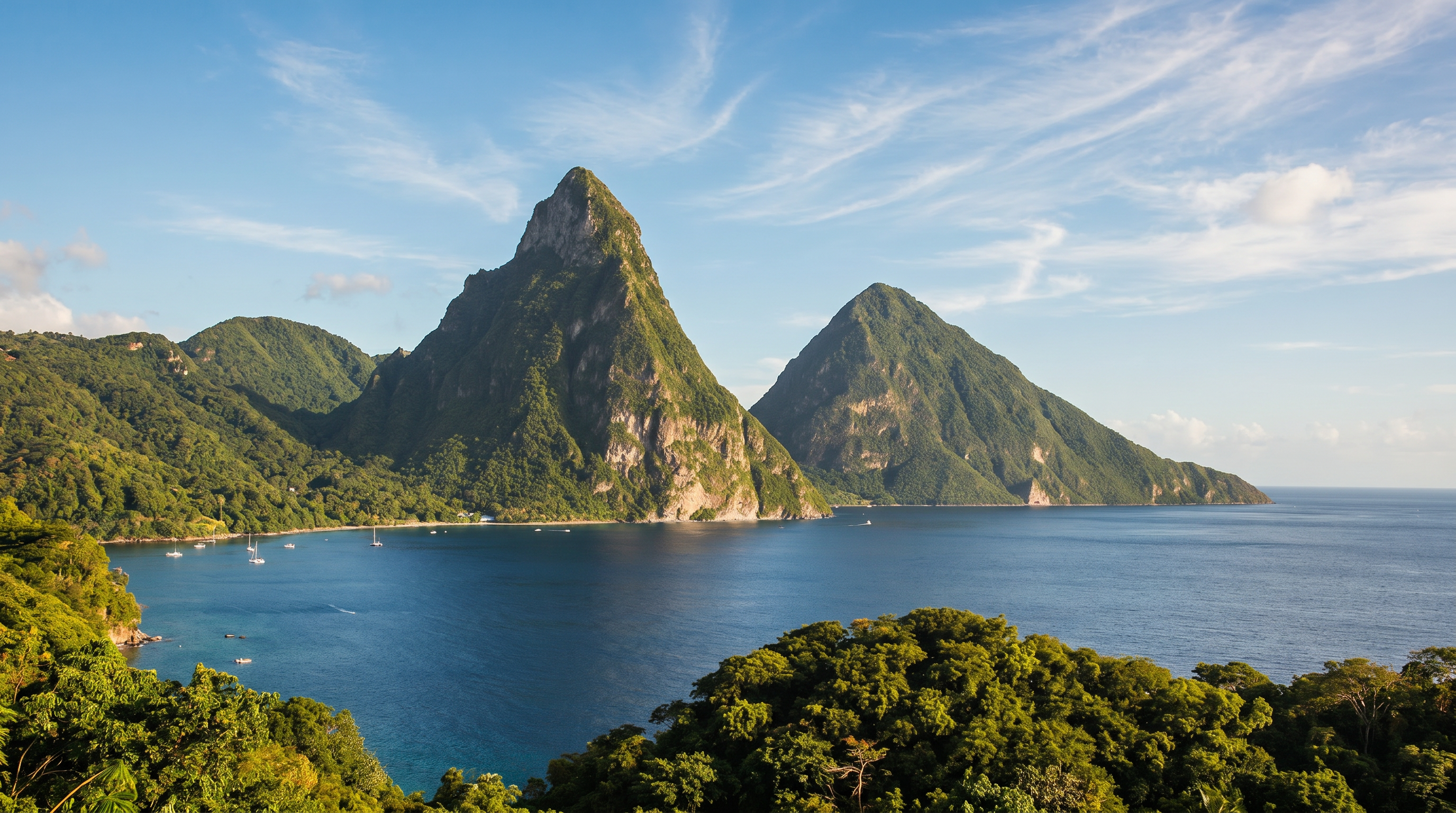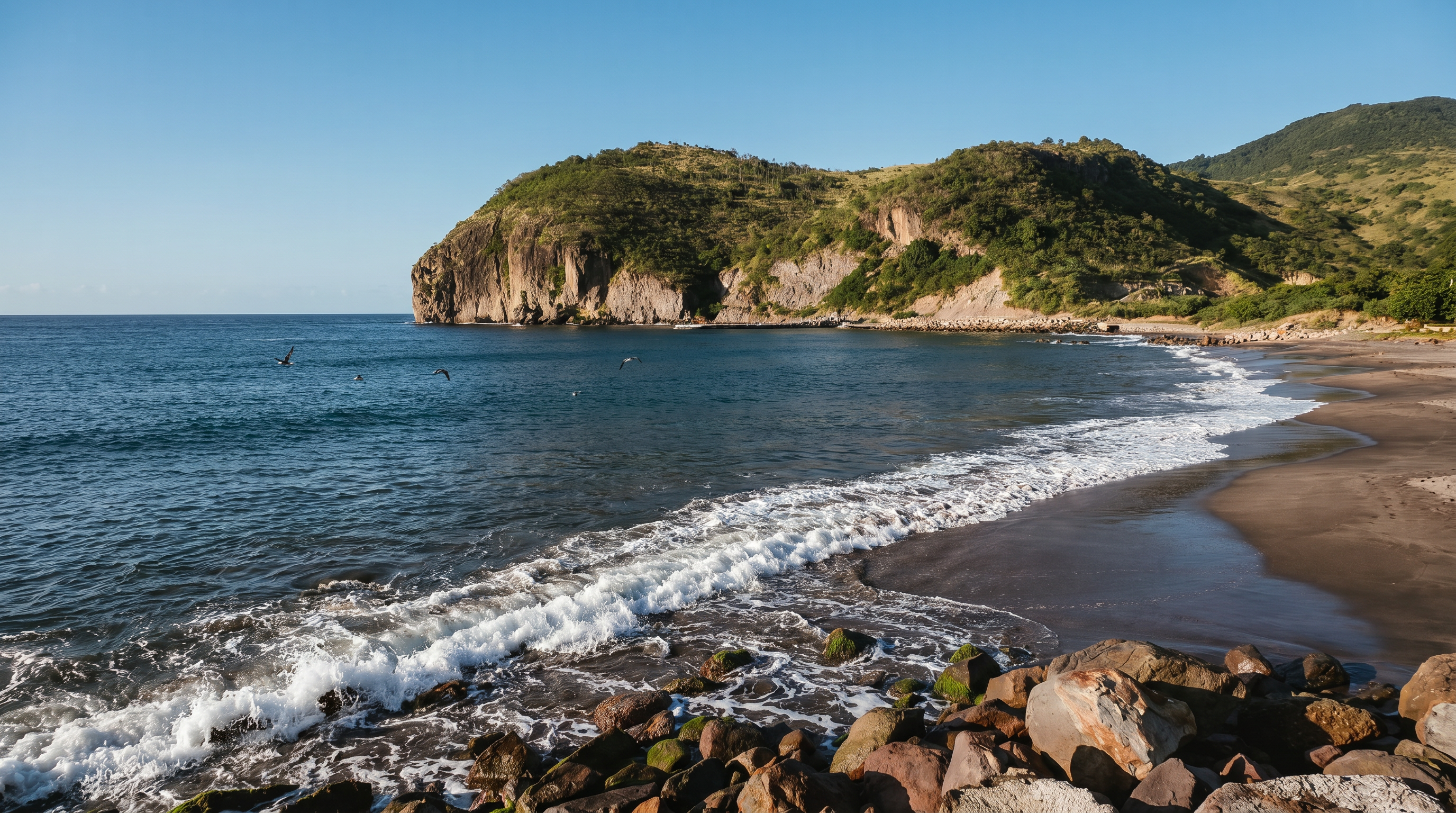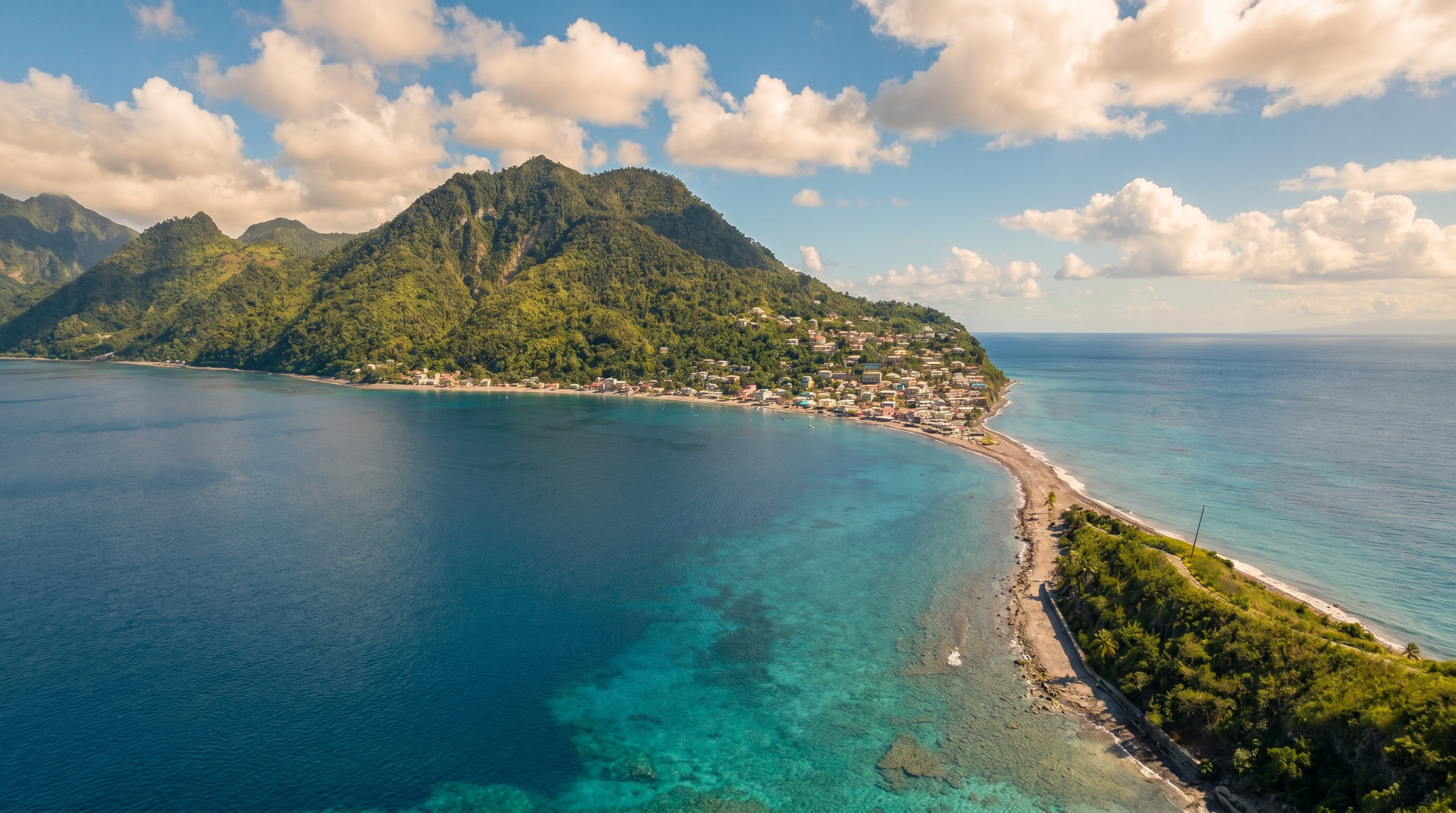
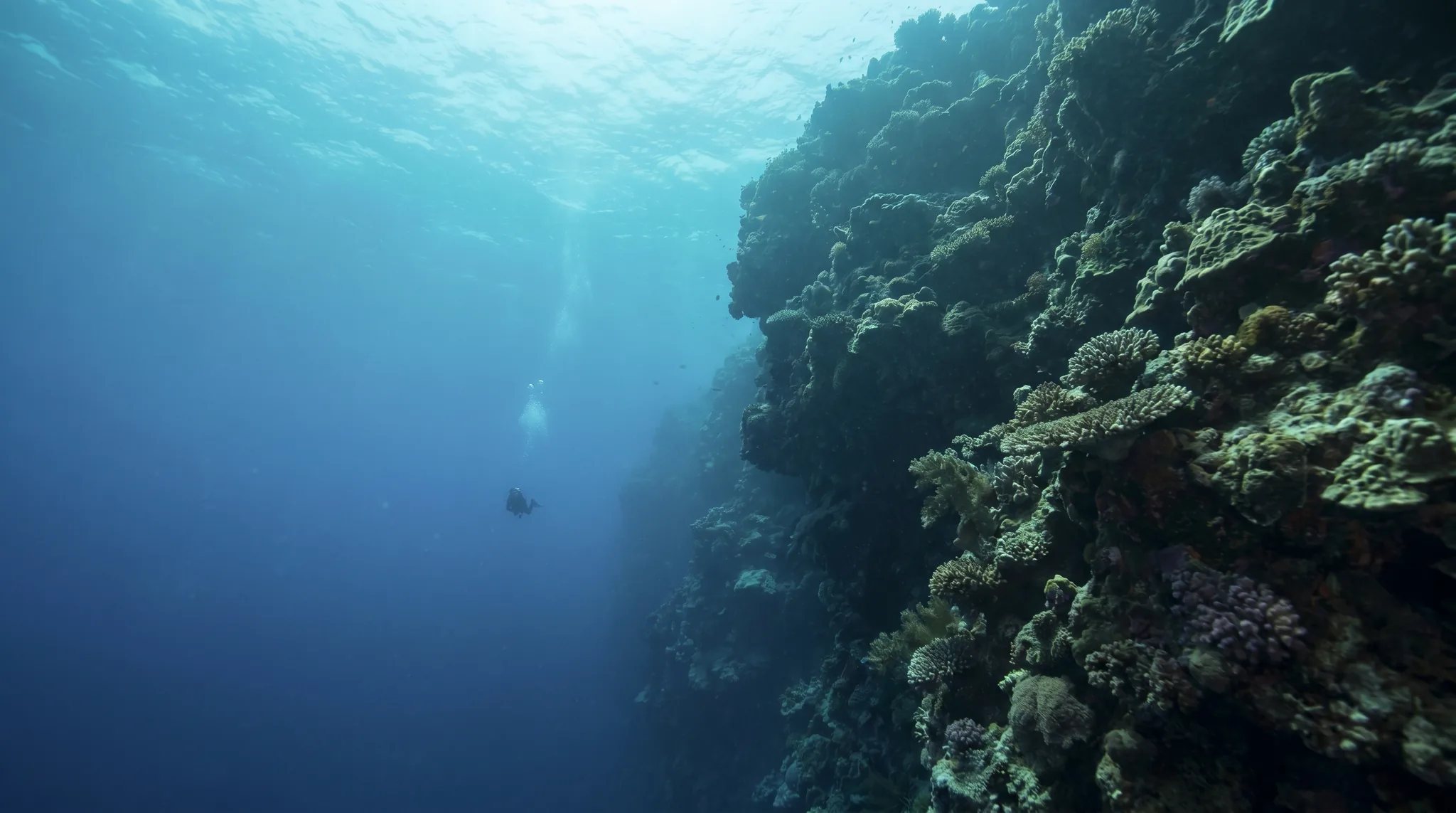
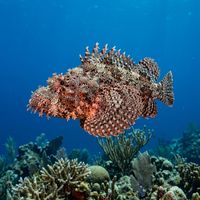
Dominica's diving character is shaped by volcanic topography and a species list that rewards patient, observant divers. The sites divide between the Soufriere-Scotts Head Marine Reserve in the south, which concentrates the greatest number of sites and includes dramatic walls, pinnacles and the geothermally active Champagne Beach, and Portsmouth in the north, which adds a second distinct cluster. Wall diving is a recurring theme across both areas, with sites such as Tu Sab, Scott's Head Dropoff and Craters Edge offering stacked topography from shallow reef tops down to serious depth. Macro life is the real draw: Frogfish, Spotted Scorpionfish, Brazilian Reef Octopus and Seahorse are all signature species with confirmed sightings. Groupers, Wrasses and Smooth Trunkfish round out the reef community. Currents at sites like Mountain Top mean the site mix spans beginner to advanced, with boat access dominating across the region.
2 areas
 25
25Volcanic walls, pinnacles and cryptic macro life define this reserve, with sites spanning beginner-friendly shallows to advanced drop-offs.
 16
16Diverse reef walls, caves and geothermal vents off Dominica, with rich macro life and sites for every skill level.

Monthly water temperature across Dominica's sites, from satellite sea-surface data corrected for depth. The band shows the site-to-site spread.
Water temperature stays warm throughout the year, climbing through the summer months and peaking in September before easing back toward the end of the year. The best-months data points strongly toward the drier, calmer period from January through April, with November and December also well regarded. Divers visiting in the peak window can expect the clearest, most settled conditions, while those arriving in May or the height of the rainy season may find conditions more variable.
21 operators
Soufriere, Dominica
Pointe Michel, Dominica
Cabarete, Dominica
Water temperature around Dominica ranges from about 27°C in January to 30°C in September, based on satellite sea-temperature data for its dive sites.
With water around 27–30°C, a rash guard or 3mm shorty works in Dominica year-round.
Fin maps 41 sites in Dominica (41 scuba diving sites and 3 snorkelling spots, with some suited to both), organised into 2 areas.
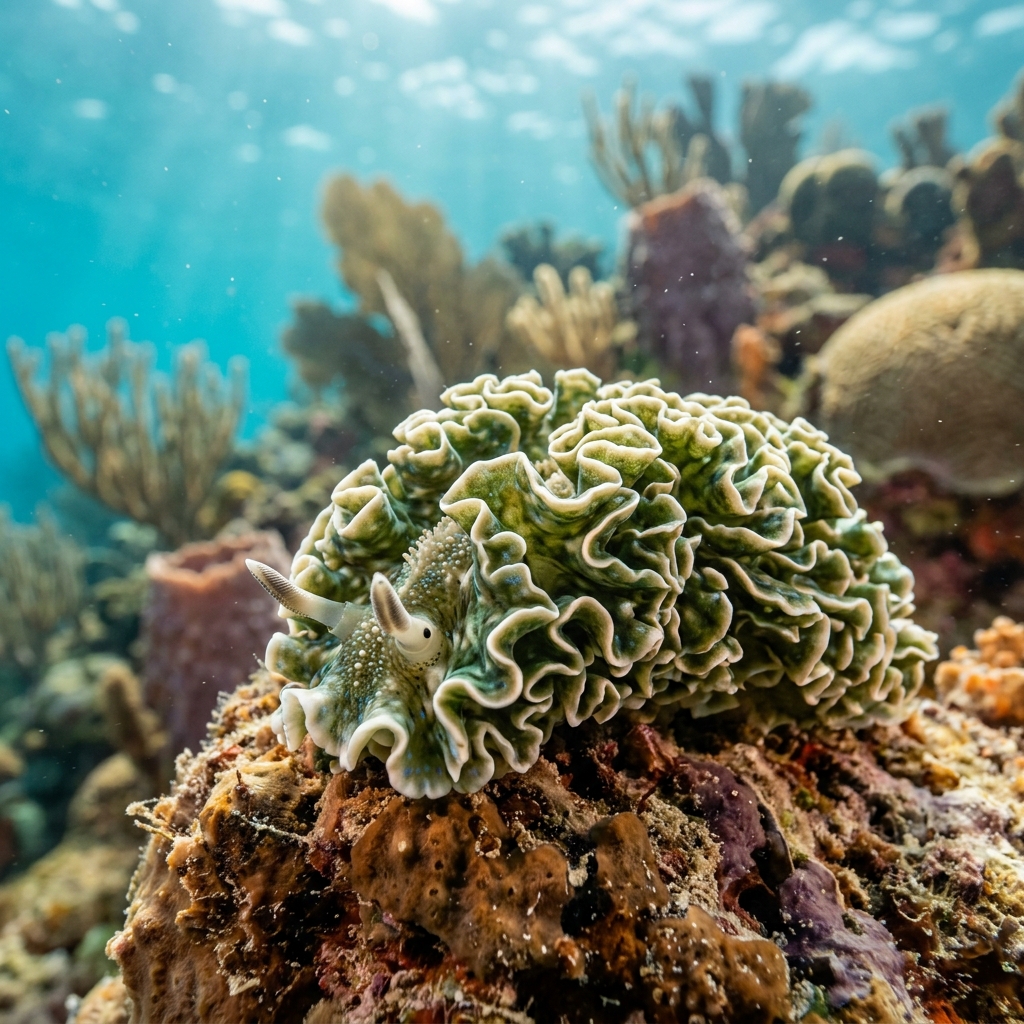
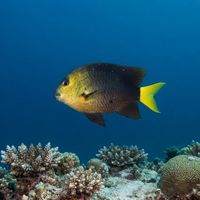
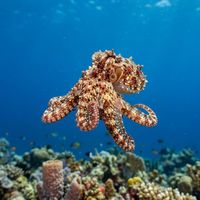
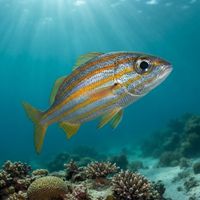
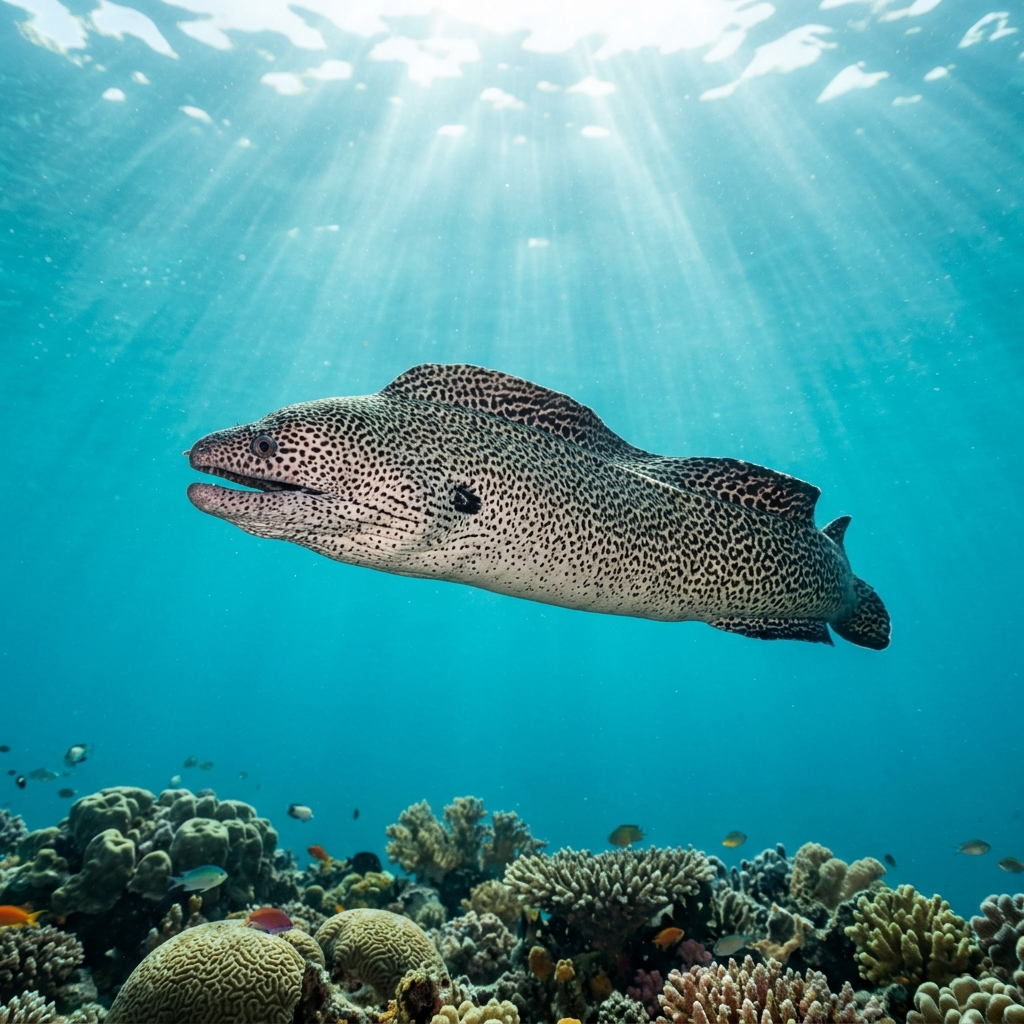
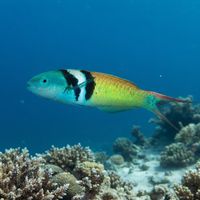
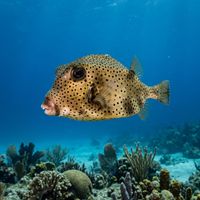
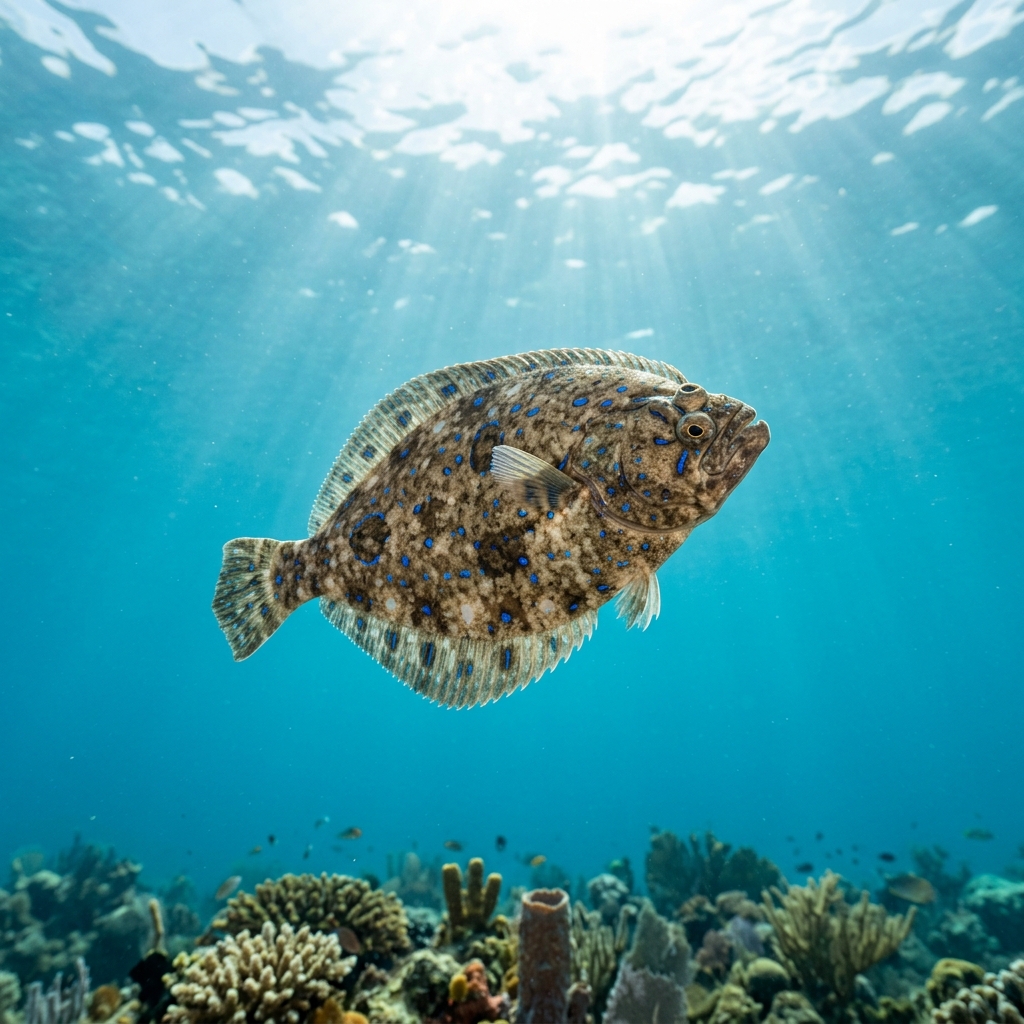
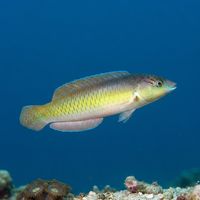
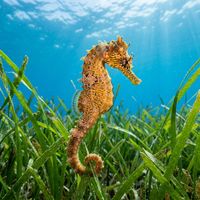
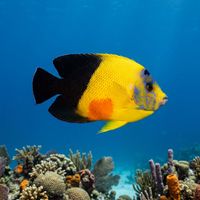
Dominica has a strong reputation for macro and cryptic species. Spotted Scorpionfish and Frogfish are among the signature finds, alongside Brazilian Reef Octopus, Spotted Moray, Goldentail Moray and Snake Eel. Wider reef encounters include Groupers, Wrasses, Blue Tang, Stoplight Parrotfish and Great Barracuda. Seahorse sightings are occasional but confirmed across the site network.
The site mix covers a real spread of skill levels. Several high-profile sites, including Tu Sab, West Bank and Coral Gardens South, are rated for beginners and offer shallower reef tops before walls descend further. Intermediate divers are well served by sites such as Craters Edge and Castle Comfort. Mountain Top, with its strong currents, is reserved for advanced divers, so there is progression available within a single trip.
The Soufriere-Scotts Head Marine Reserve in the south holds the larger share of sites and features some of the most varied topography, including walls, pinnacles, caverns and the muck and geothermal interest of Champagne Beach. Portsmouth in the north offers a smaller but distinct cluster of sites. Operators based around both areas are listed on Fin, so it is practical to combine diving across the two.
Boat access is the norm across the great majority of Dominica's dive sites. Shore entry is available at Champagne Beach, which is one of the more distinctive sites on the island given its mix of natural reef, artificial structures and geothermal vents. A small number of sites also offer both boat and shore options, but divers should expect to plan most of their diving around boat departures.