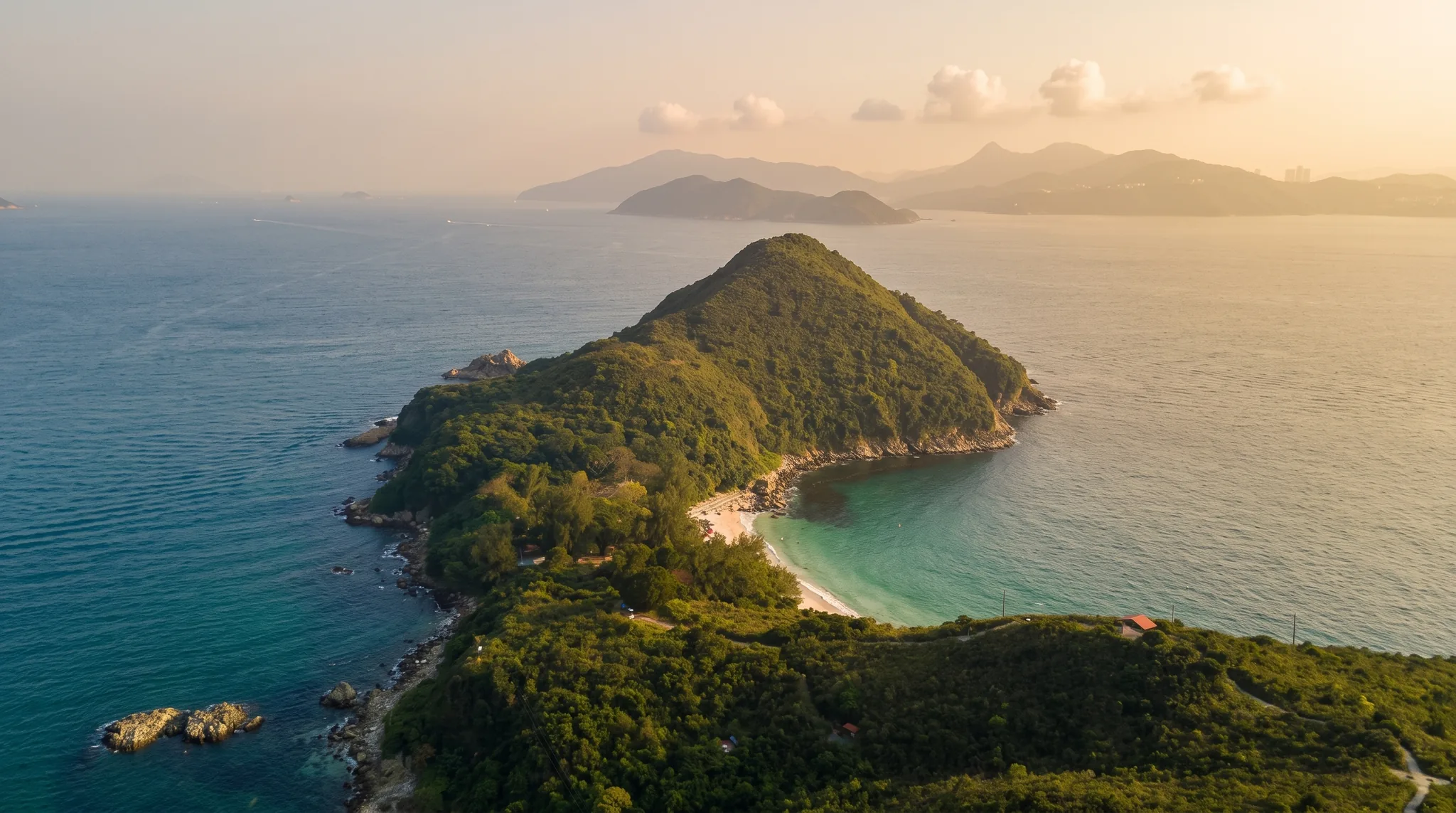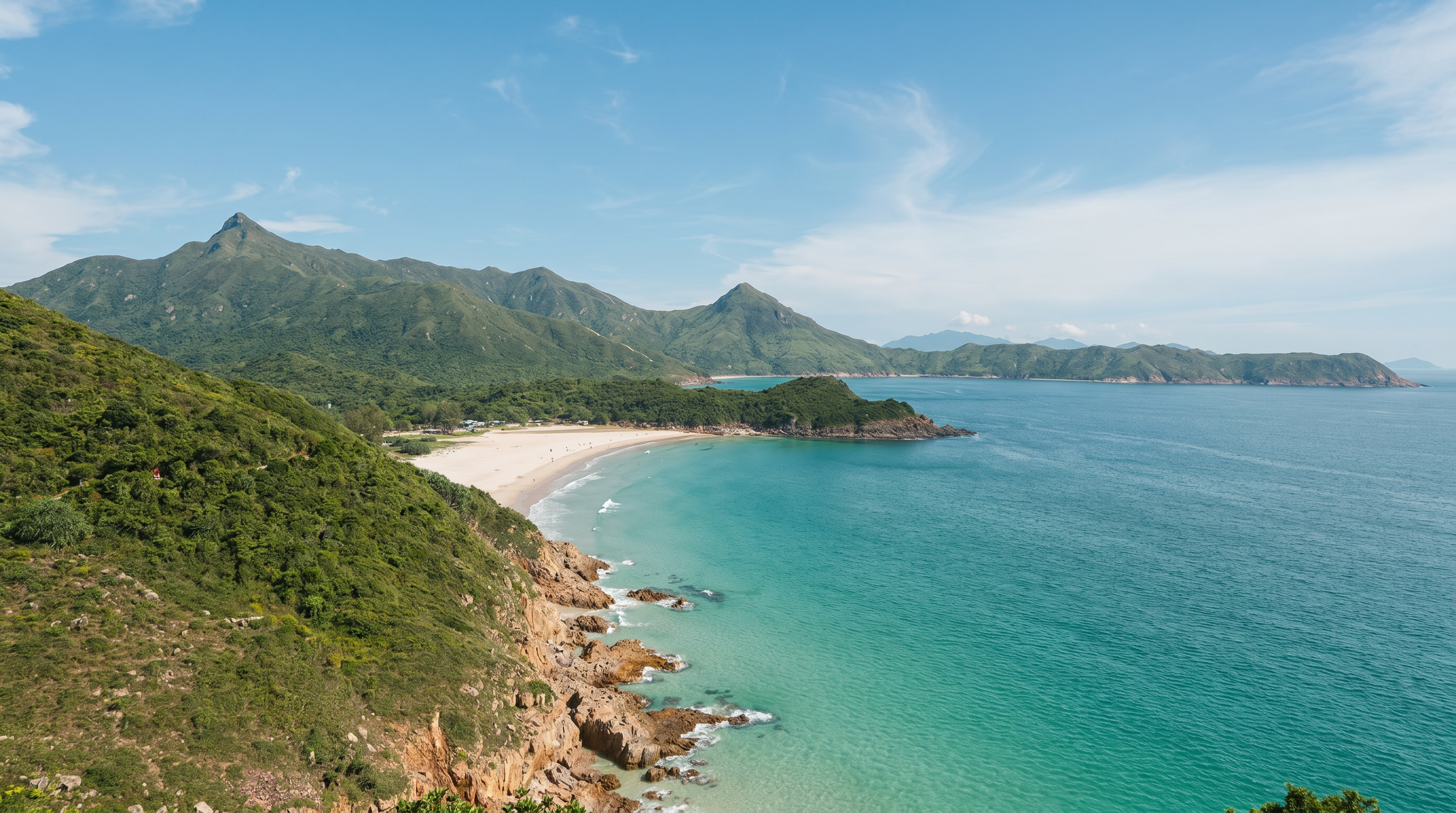
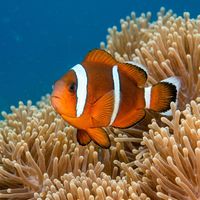
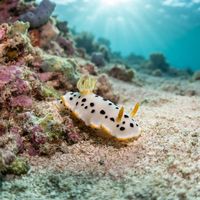
Hong Kong's diving and snorkelling scene is concentrated in Sai Kung, where rocky reefs, an artificial reef, and a wreck site give the region a varied underwater character. Sites are predominantly beginner-friendly, with shallow depths across boat-accessed reefs and a handful of shore-entry snorkel spots. The water warms notably from spring through to autumn, and marine life leans heavily towards well-camouflaged and charismatic reef species: Scorpionfish and Stonefish are observed across many sites, while Yellowtail Clownfish, Cardinalfish, and Wrasses are very commonly encountered. Signature finds include the Zebra Lionfish, Chromodoris Nudibranch, Fingered Dragonet, and Longhorn Cowfish. The East Dam artificial reef and the wreck at Yin Tsz Ngam add structural variety, while sites such as The Tombolo and Basalt Island serve both divers and snorkellers.
1 areas

Monthly water temperature across Hong Kong's sites, from satellite sea-surface data corrected for depth. The band shows the site-to-site spread.
Water temperature climbs steadily from the cooler winter months, peaking in late summer before easing off through autumn. The shoulder seasons of spring and autumn draw the most recommendations from local operators, balancing warmer water with generally settled conditions. Visibility is moderate year-round, so divers seeking the clearest water tend to favour these mid-season windows rather than the height of summer.
28 operators

Water temperature around Hong Kong ranges from about 19°C in January to 29°C in September, based on satellite sea-temperature data for its dive sites.
In the warm season (about 29°C) a rash guard or 3mm shorty is comfortable in Hong Kong; in the coldest months (about 19°C) step up to a 5mm suit.
Fin maps 15 sites in Hong Kong (12 scuba diving sites and 5 snorkelling spots, with some suited to both).
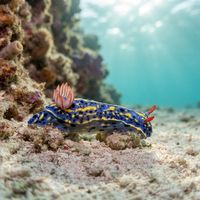
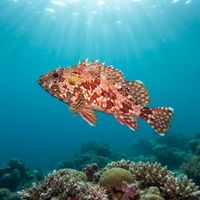
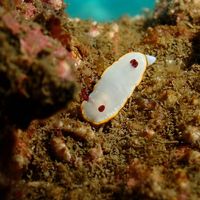
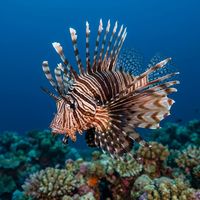
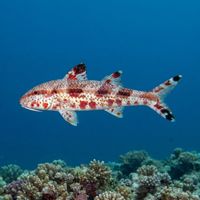
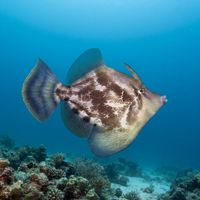
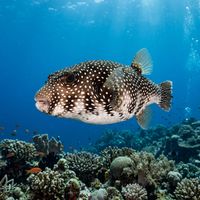
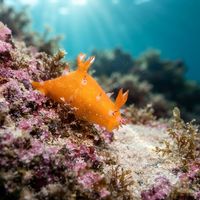
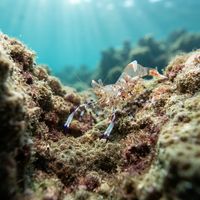
Observed species across Hong Kong's sites include Scorpionfish, Yellowtail Clownfish, Cardinalfish, Wrasses, Pufferfish, White-spotted Puffer, Goatfish, and Rock Cod. Signature species worth looking out for are the Zebra Lionfish, Chromodoris Nudibranch, Fingered Dragonet, Black-orange Dragonet, and Longhorn Cowfish. Banded Coral Shrimp, Flatworm, Boxfish, and Flamingo Tongue round out a reef community with strong macro potential. Stonefish are occasionally observed, so watching where you place your hands is sensible.
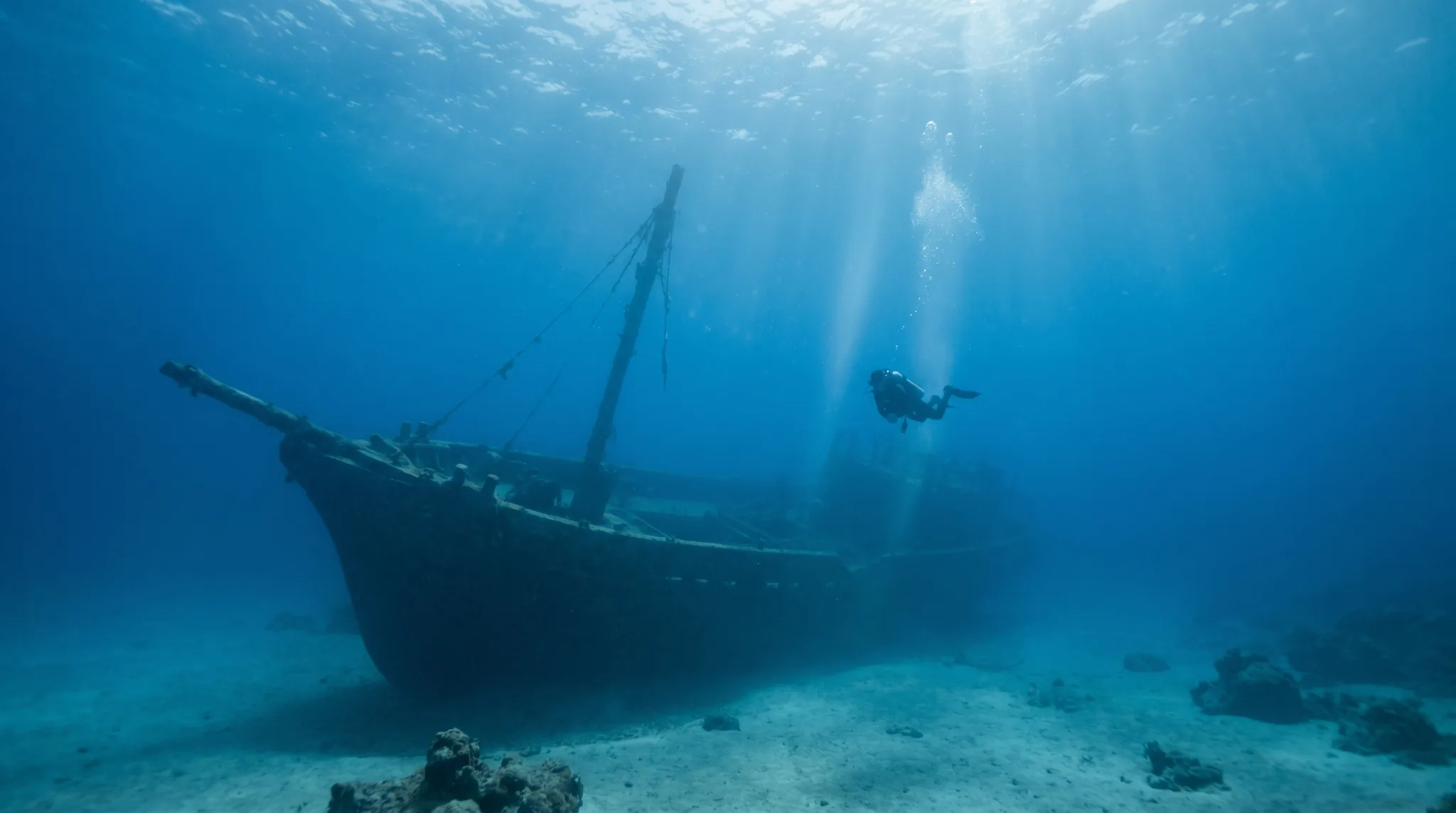
The vast majority of sites in Hong Kong are rated beginner level, including reef dives at Sharp Island, East Ninepin Island, South Ninepin, and the artificial reef at East Dam. The wreck at Yin Tsz Ngam sits in shallow water and is also accessible to beginners. This makes the region a practical destination for newly certified divers building confidence on structured reef and artificial environments.
The majority of dive sites in Hong Kong are reached by boat, with operators departing from the Sai Kung area. Shore entry is available at a small number of snorkel sites, including Pak Shui Wun and Little Palm Beach on Shelter Island. Numerous dive operators, including Diving Express, Tas Diving, Orca Blue Scuba Diving, and Ocean Sky Diving, run boat charters to the main reef and wreck sites.
Rocky reefs dominate the site mix across Sai Kung, offering coral formations and abundant reef fish at shallow to moderate depths. The artificial reef at East Dam provides a distinct structural environment and draws many of the same fish species. Yin Tsz Ngam adds a wreck dive in shallow water, while sites like The Tombolo and Basalt Island work for both divers and snorkellers, giving each visitor a way to engage with the same reef community.