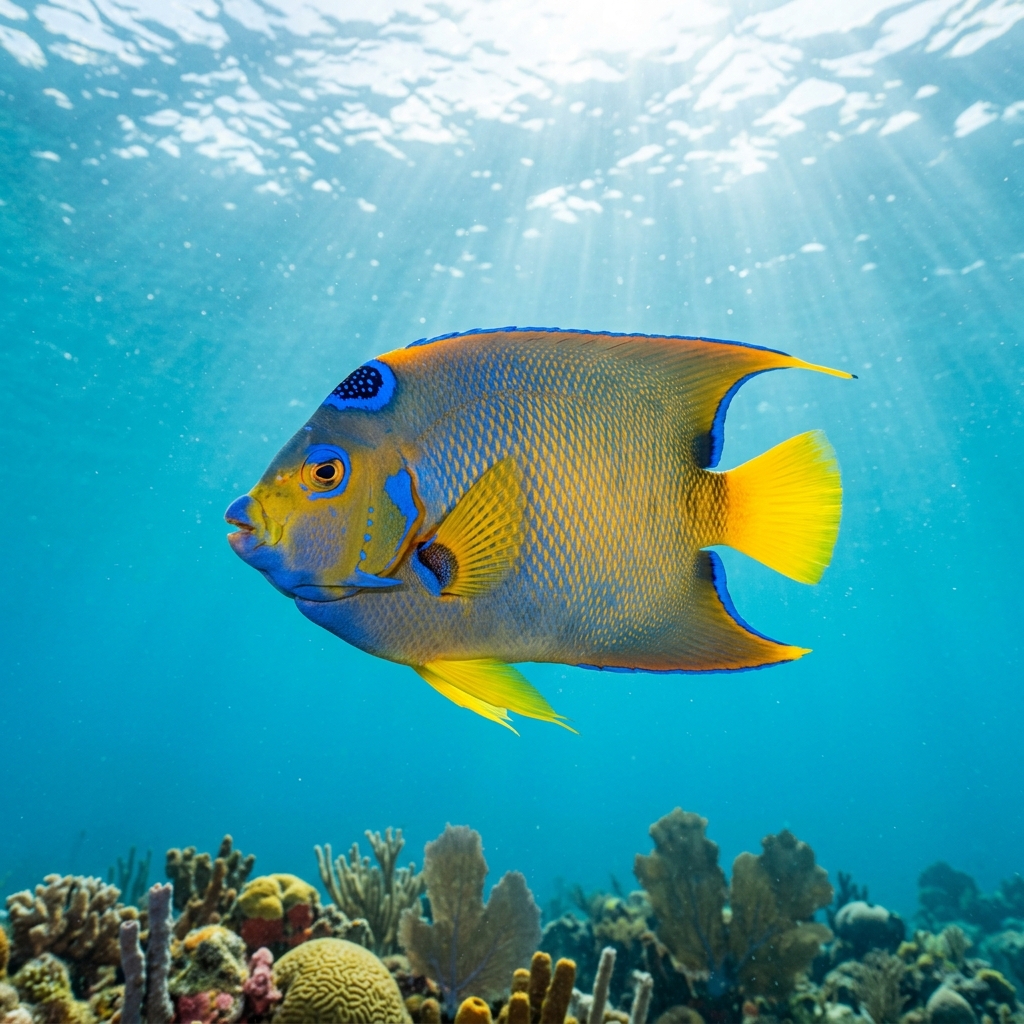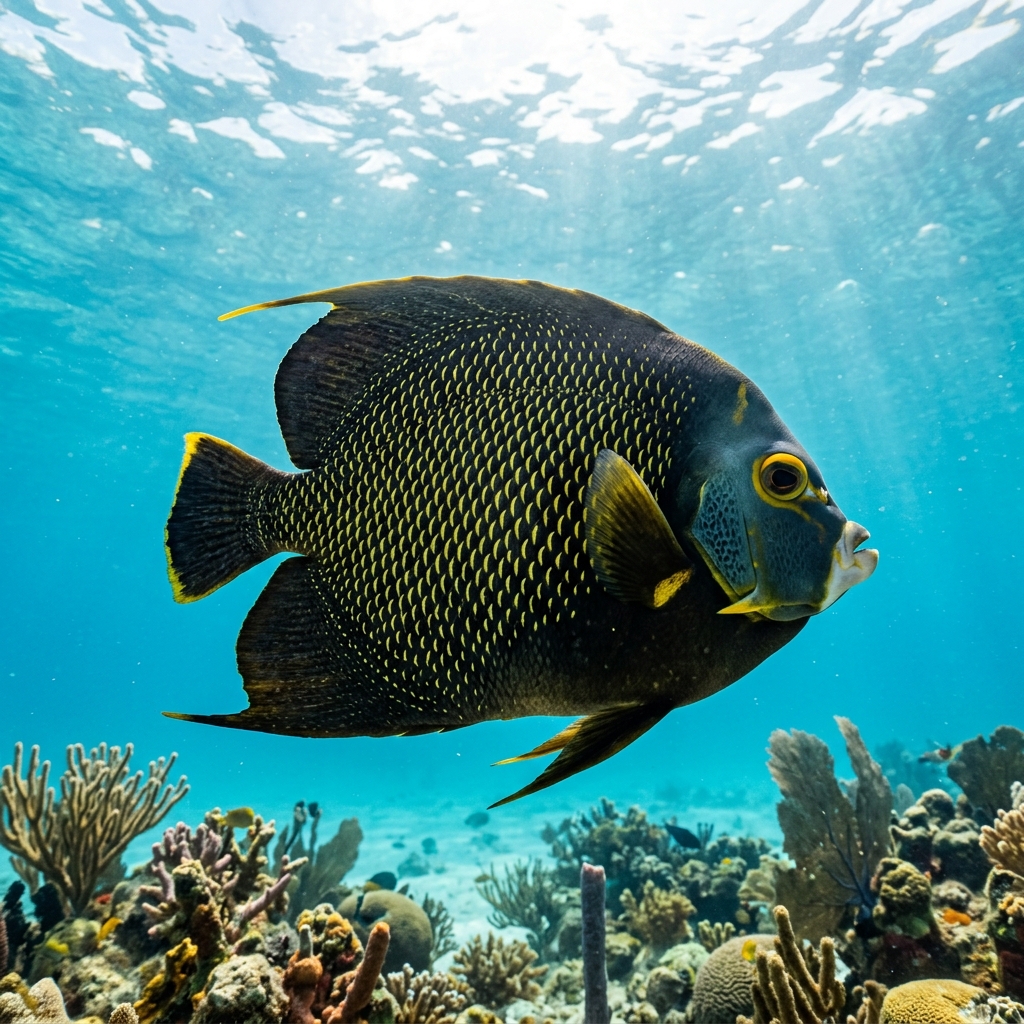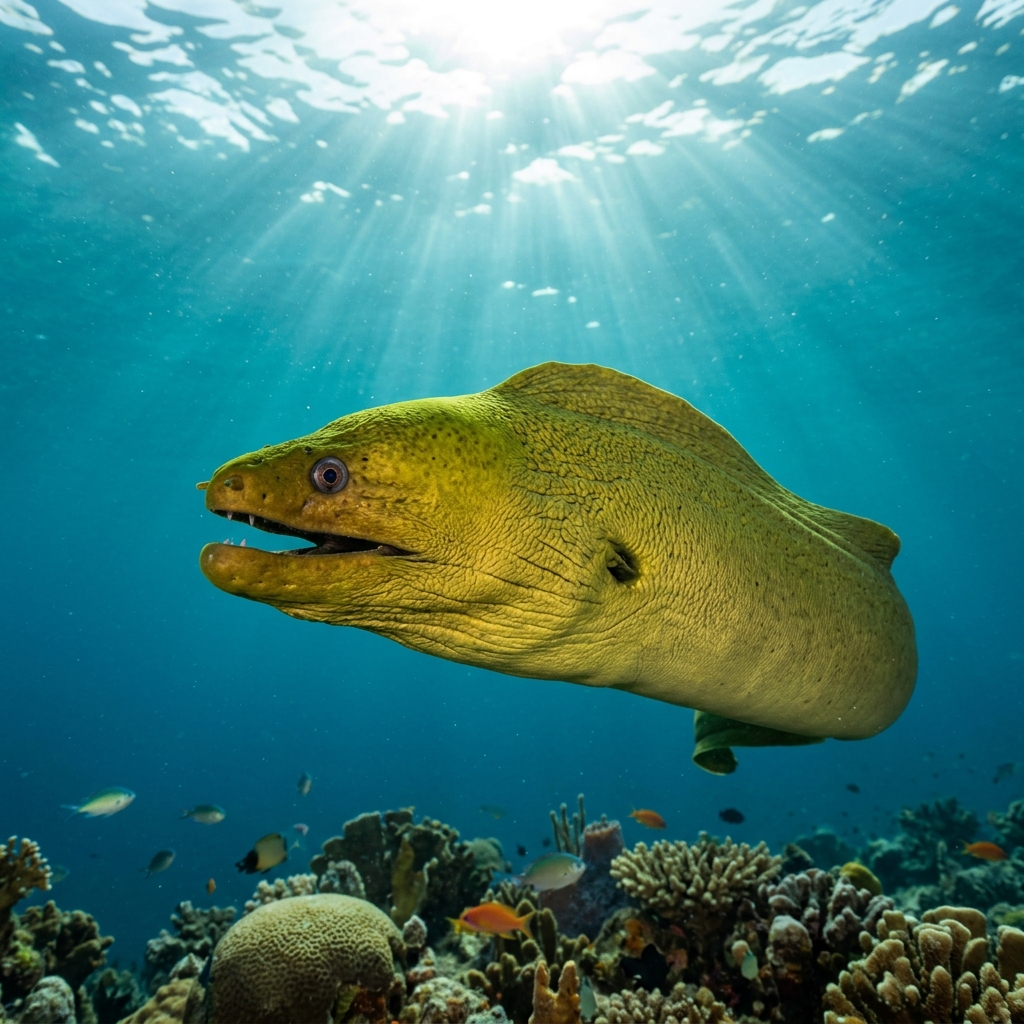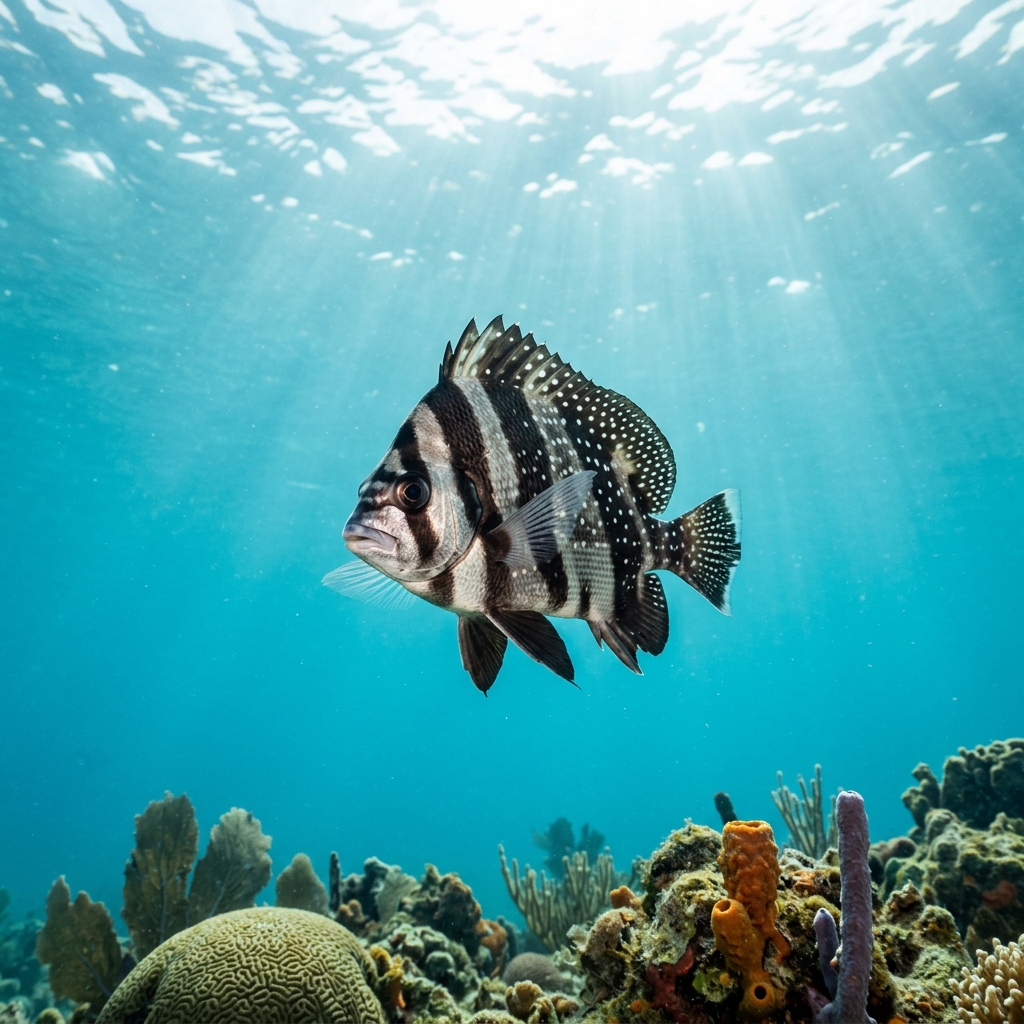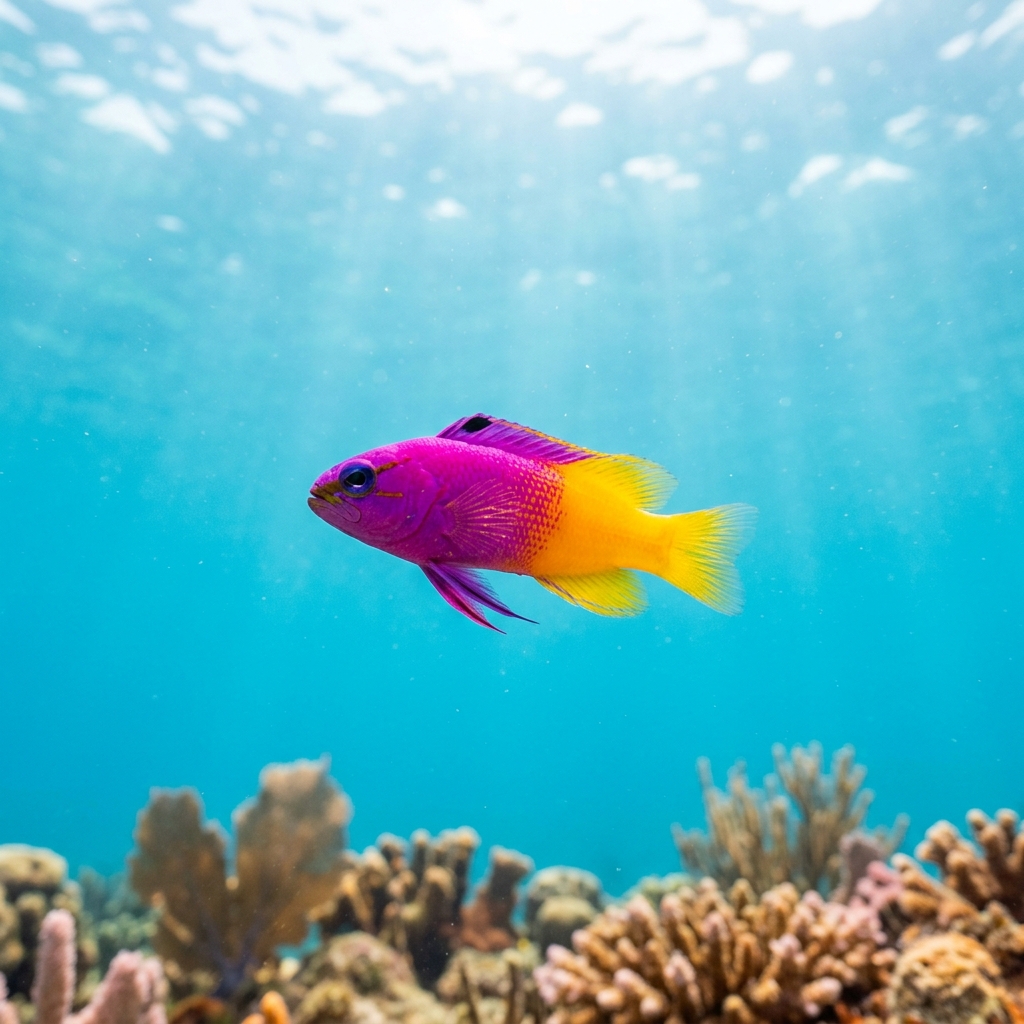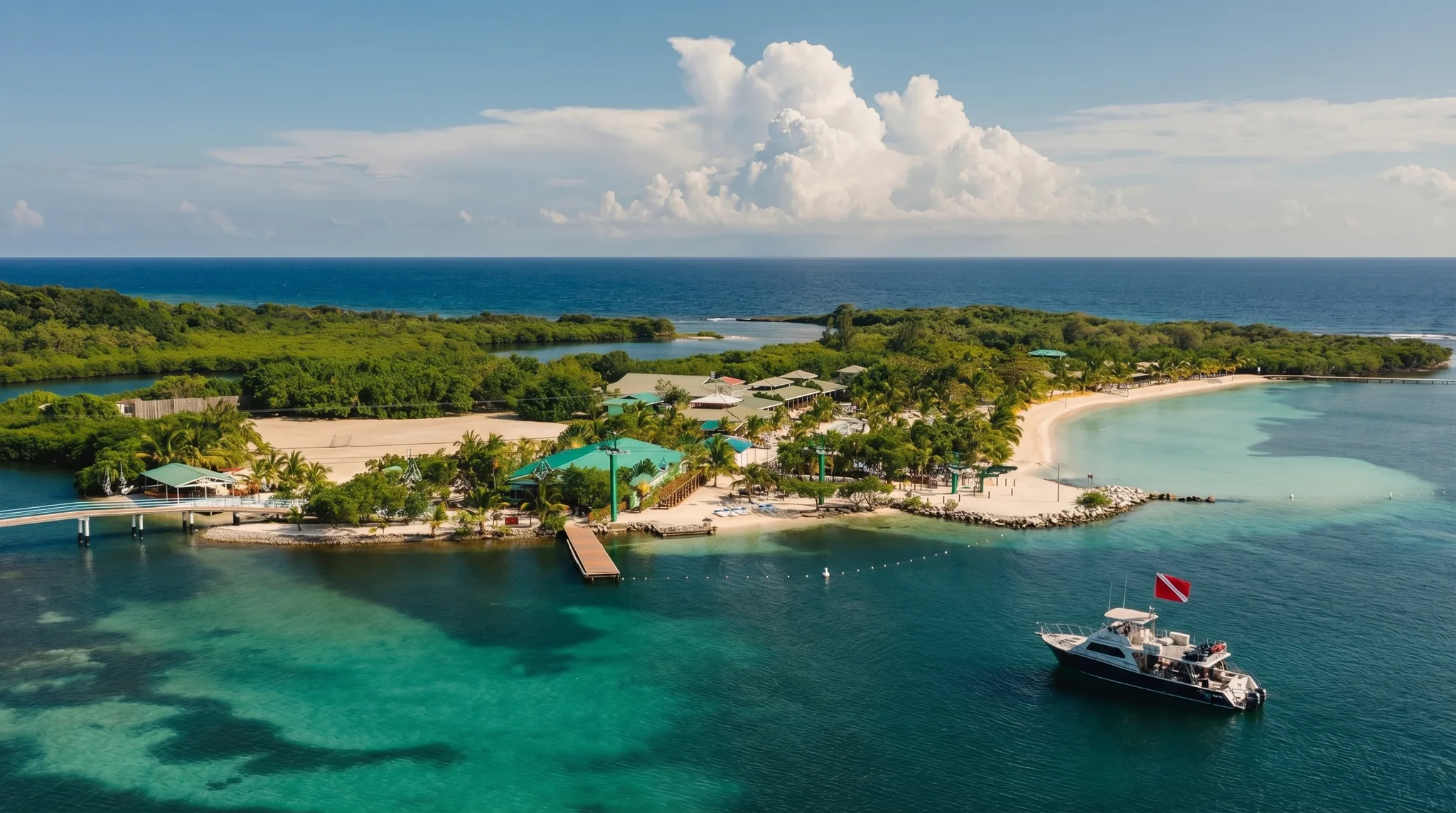
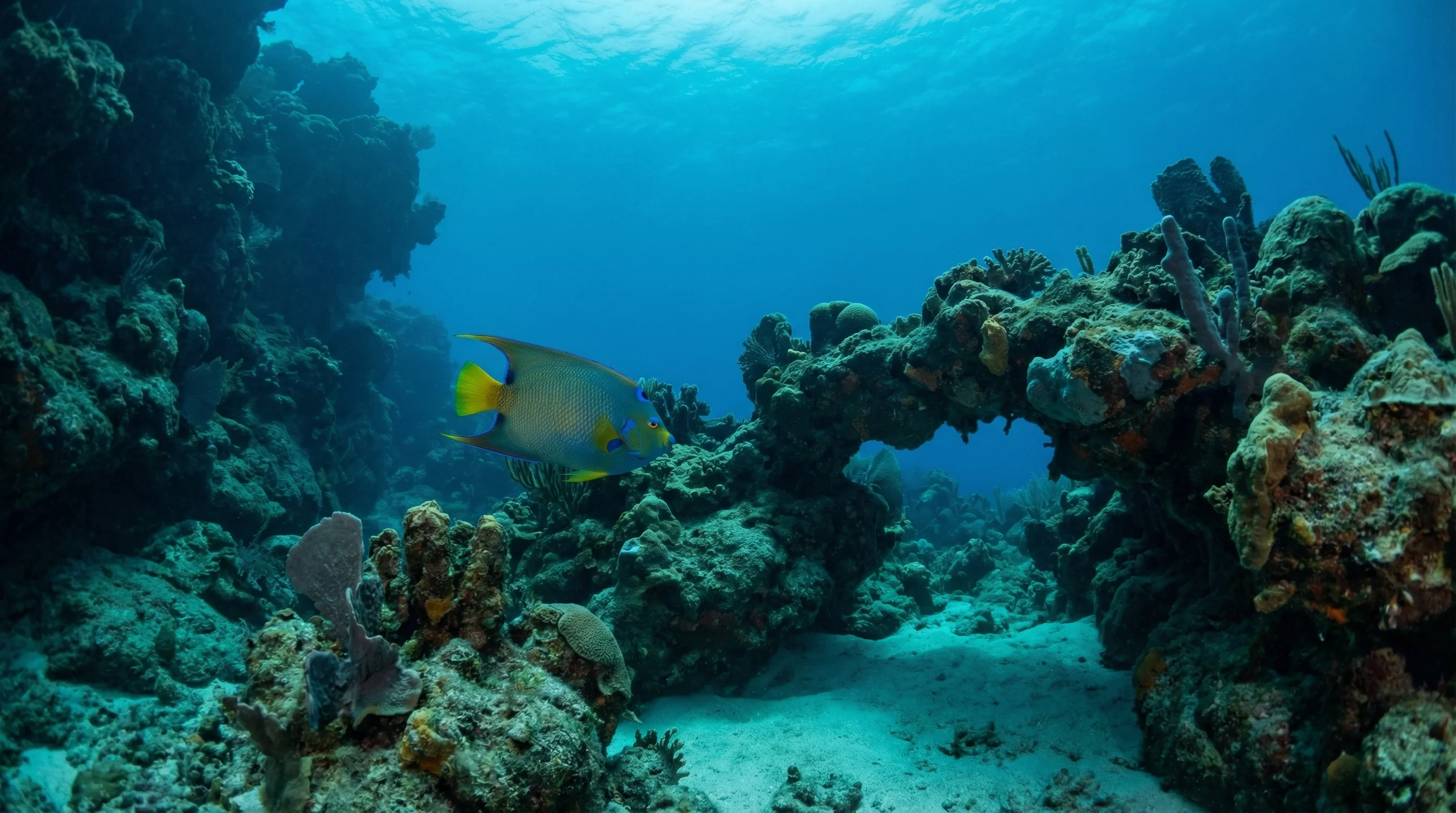
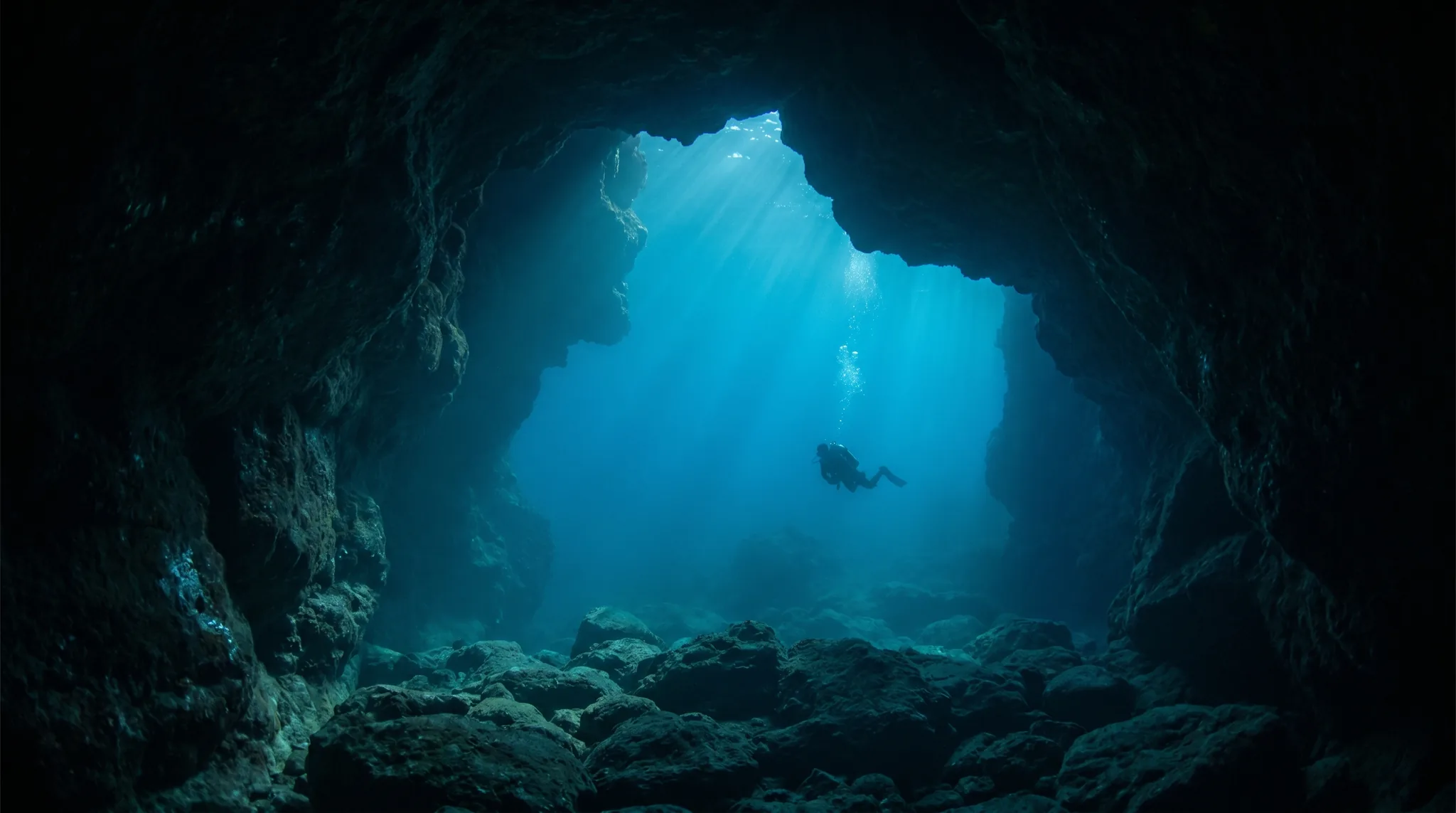
Honduras diving is anchored entirely in the Bay Islands, where a single sub-area delivers an exceptional range of site types: fringing reefs, vertical walls, caverns, canyons, seagrass beds, drift dives, and at least one purposefully sunk wreck in El Aguila. The overwhelming majority of sites suit beginners, with shallow reef tops and calm, warm water year-round, while intermediate divers can push deeper on walls and explore cave systems such as Honeycomb Caves and Dolphins Den. Marine life is notably diverse, with Queen Angelfish, French Angelfish, Great Barracuda, Indian Lionfish, Green Moray, and Spotted Scorpionfish observed consistently across sites. Parrotfish, wrasses, Purple Sea Fan, and Caribbean Spiny Lobster fill the reefs with colour and activity. Shore entries exist alongside a strong boat-diving infrastructure supported by many established operators.
1 areas

Monthly water temperature across Honduras's sites, from satellite sea-surface data corrected for depth. The band shows the site-to-site spread.
Water stays warm throughout the year, with the coolest months still very comfortable and peak warmth arriving from late summer into autumn. The best-months data points clearly to late winter through spring as the favoured window, likely coinciding with calmer conditions and better visibility on exposed reef walls. Drift sites like Joshua Swash are worth timing to settled weather, while sheltered cavern and reef sites dive reliably across a broader season.
104 operators


Water temperature around Honduras ranges from about 27°C in January to 30°C in August, based on satellite sea-temperature data for its dive sites.
With water around 27–30°C, a rash guard or 3mm shorty works in Honduras year-round.
Fin maps 168 sites in Honduras (157 scuba diving sites and 28 snorkelling spots, with some suited to both).
Across Honduras's dive sites, March, April, May, June and September are most often reported as the best months to visit.
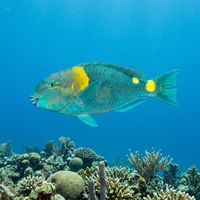
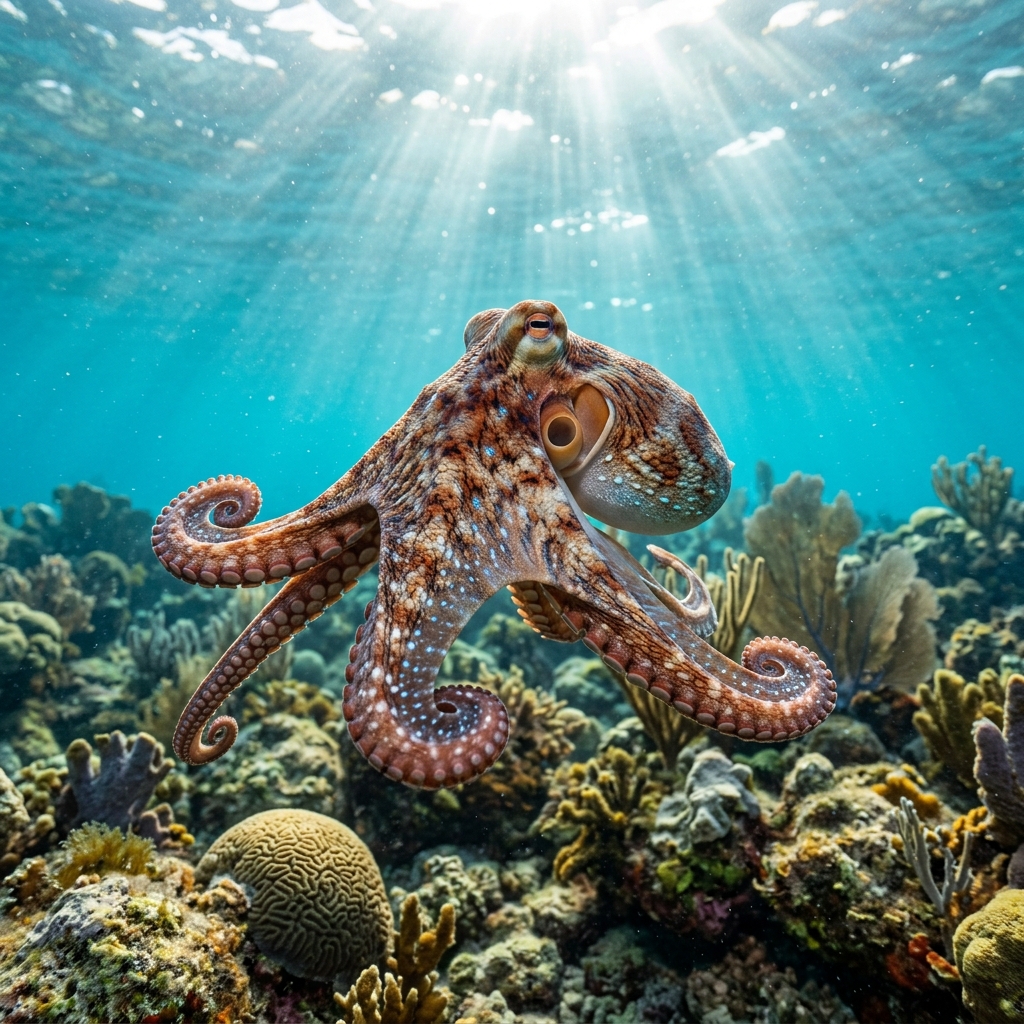
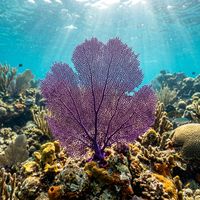
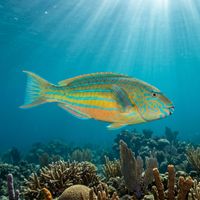
The reefs consistently produce sightings of Queen Angelfish, French Angelfish, Stoplight Parrotfish, Striped Parrotfish, Blue Tang, Foureye Butterfly Fish, and Fairy Basslet. Predators are well represented too, with Great Barracuda, Green Moray, Indian Lionfish, and Spotted Scorpionfish observed regularly across sites. Caribbean Reef Octopus, Caribbean Spiny Lobster, and Rock Beauty add further variety, while Purple Sea Fan and Christmas Tree Worm decorate the reef structure throughout.
The majority of sites in Honduras are rated for beginners, including popular spots like West Bay, Don Quickset, Emma's Plummet, and Ricardo's. Shallow reef tops and calm conditions at many locations make building confidence straightforward. Intermediate-level sites such as Honeycomb Caves, Dolphins Den, and the El Aguila Wreck are also available for those ready to progress.
El Aguila is a purposefully sunk cargo vessel that now rests as an artificial reef off French Harbour and Sandy Bay, accessible by boat for intermediate divers. The wreck broke into sections after Hurricane Mitch, creating a multi-level structure draped in reef growth that can be explored alongside an adjacent wall. It is one of the few wreck sites in Honduras and offers a markedly different experience from the reef dives that dominate the region.
Most sites in Honduras require boat access, which is well supported by the many operators based in the Bay Islands. Shore-entry options do exist, with West Bay being a notable example where divers and snorkellers can enter directly from the beach onto a reef with a wide depth range. Honeycomb Caves is another shore-accessible site, offering a cave and reef system without the need for a boat.