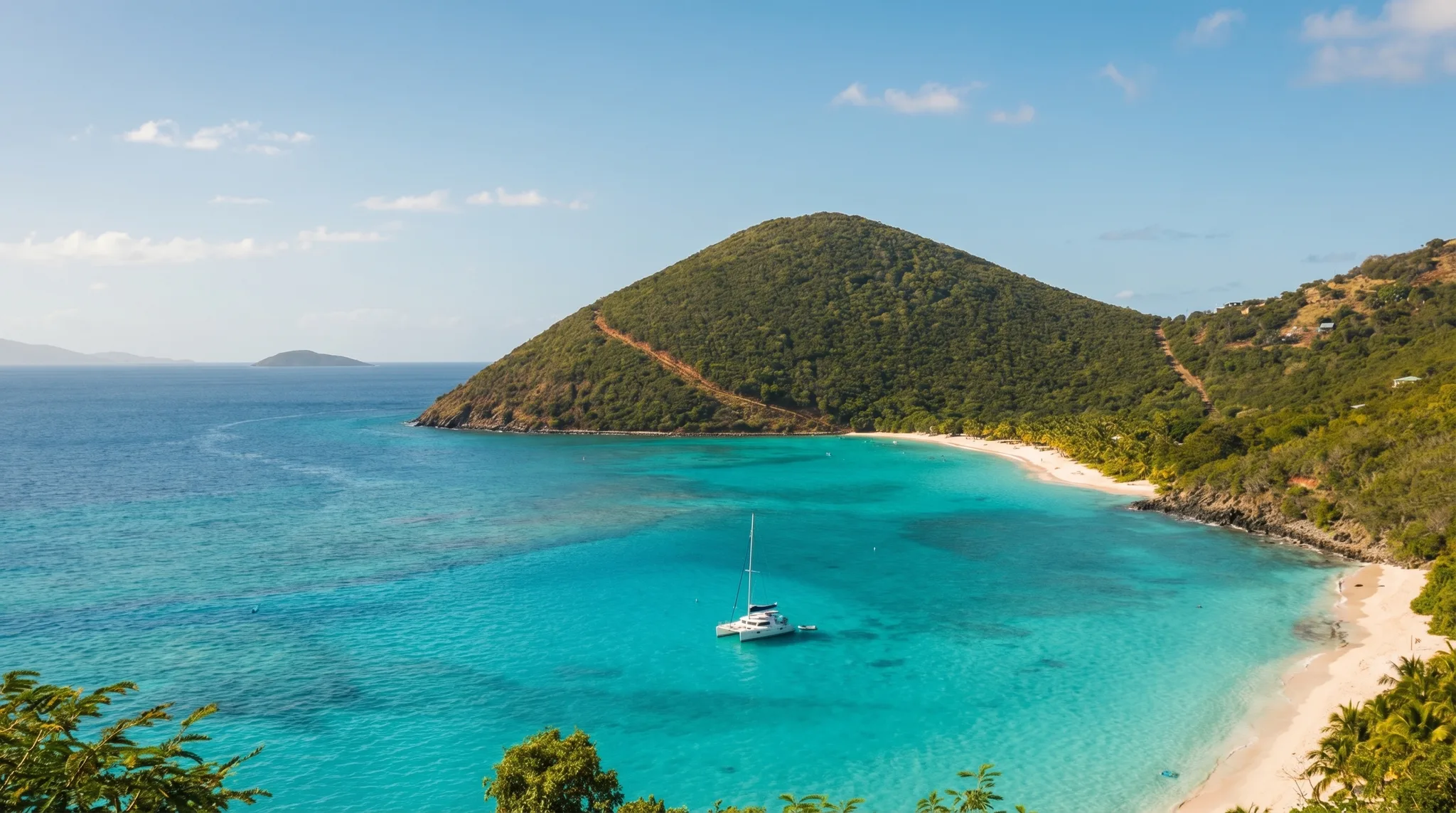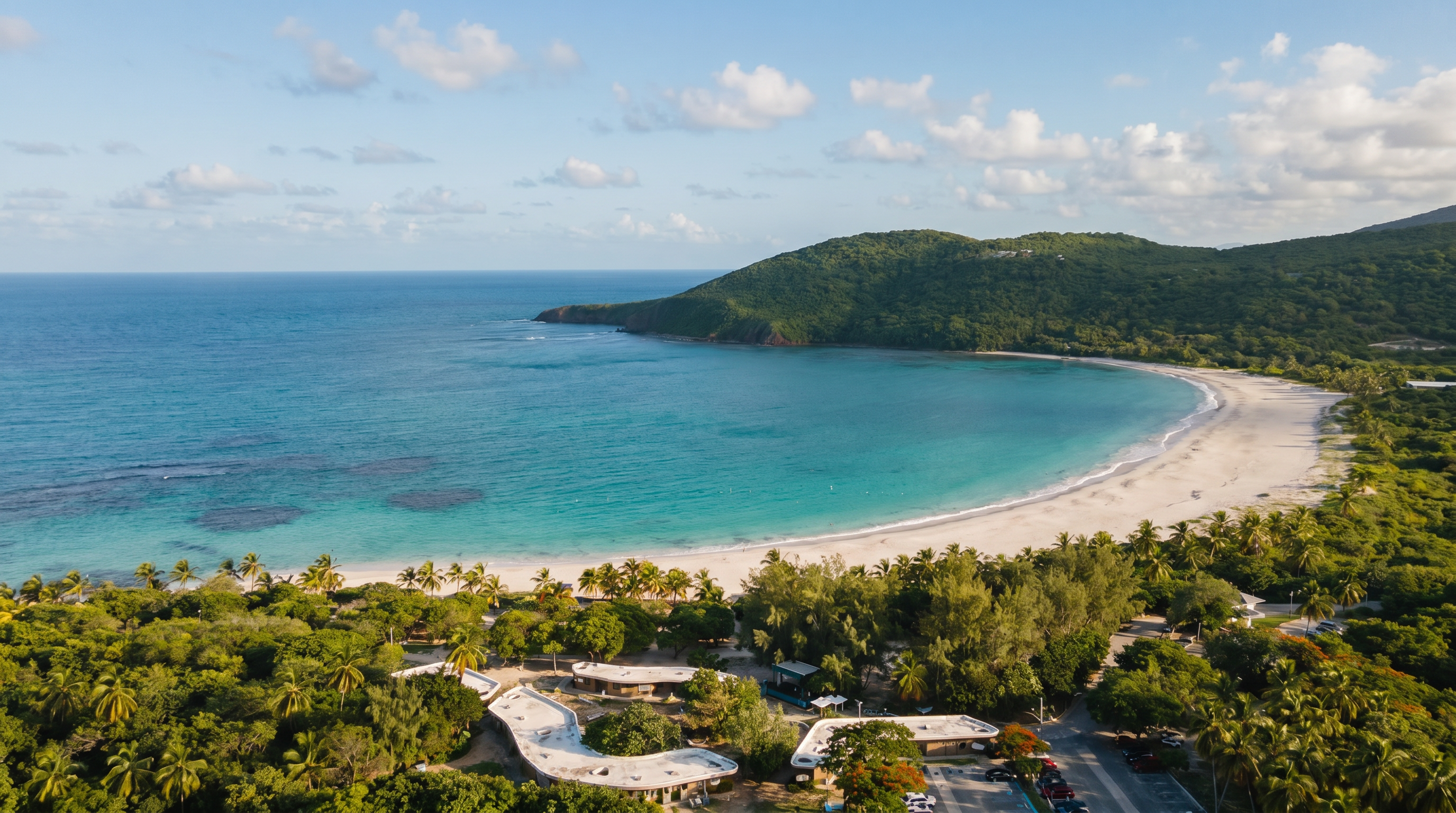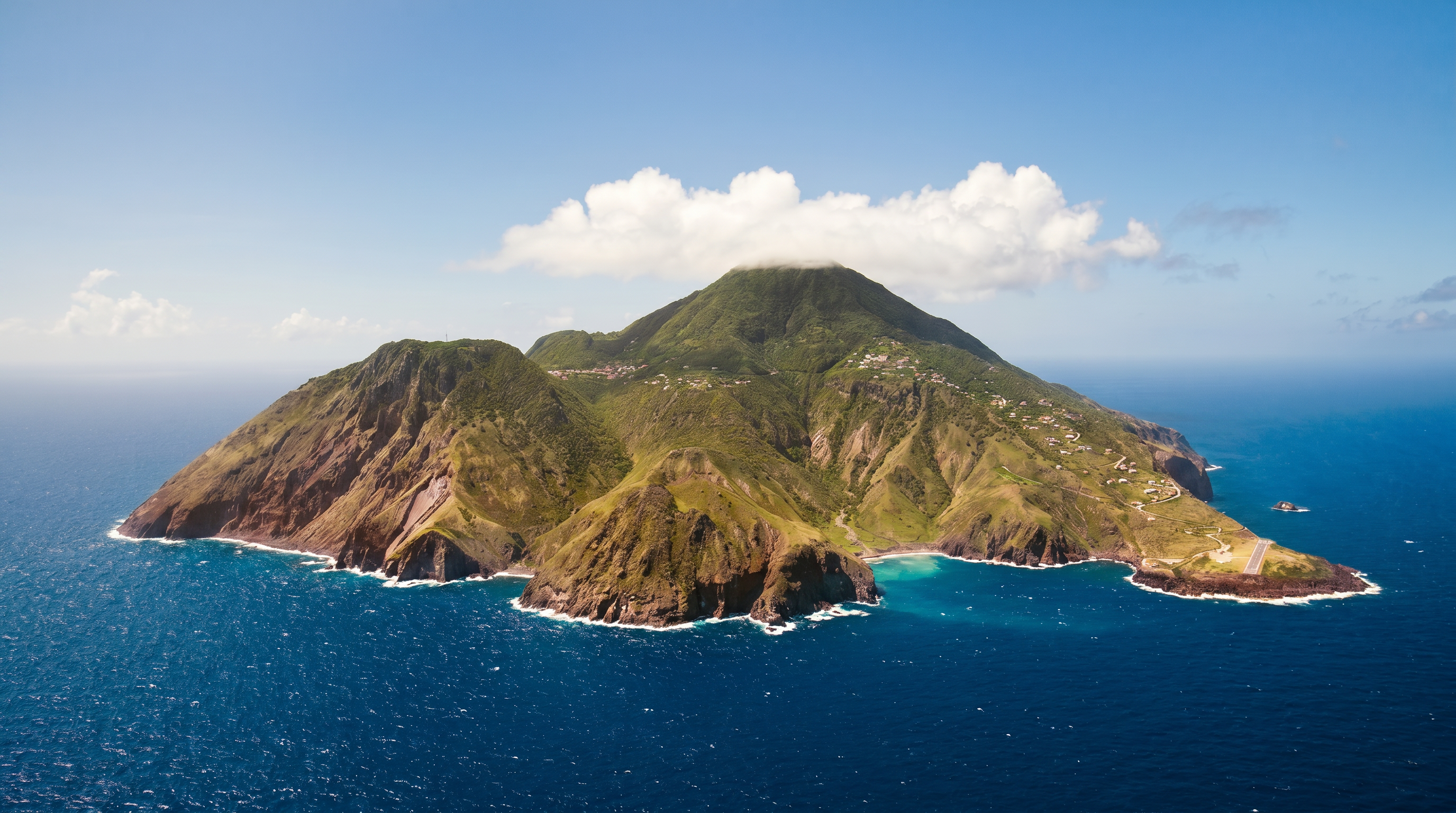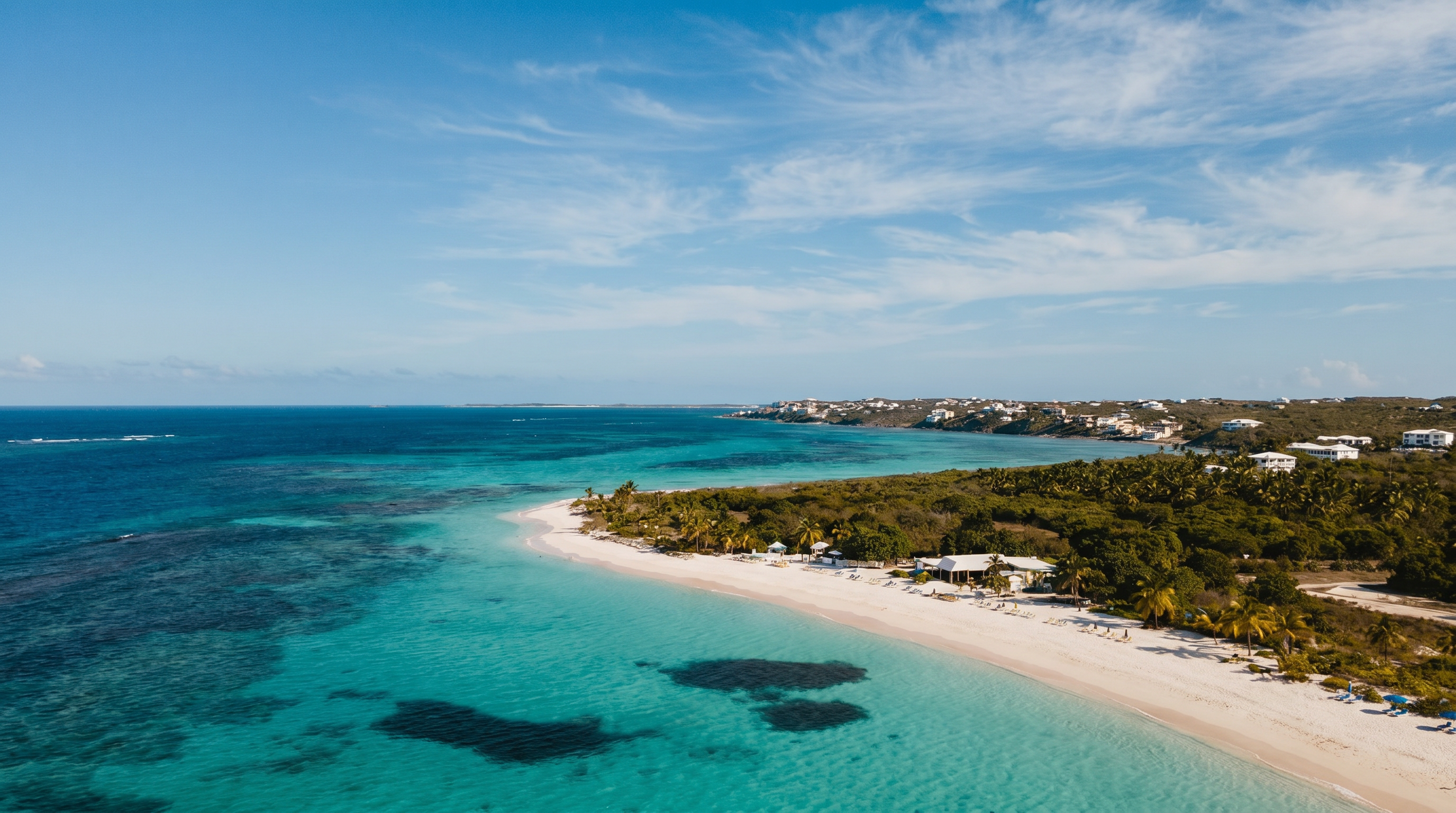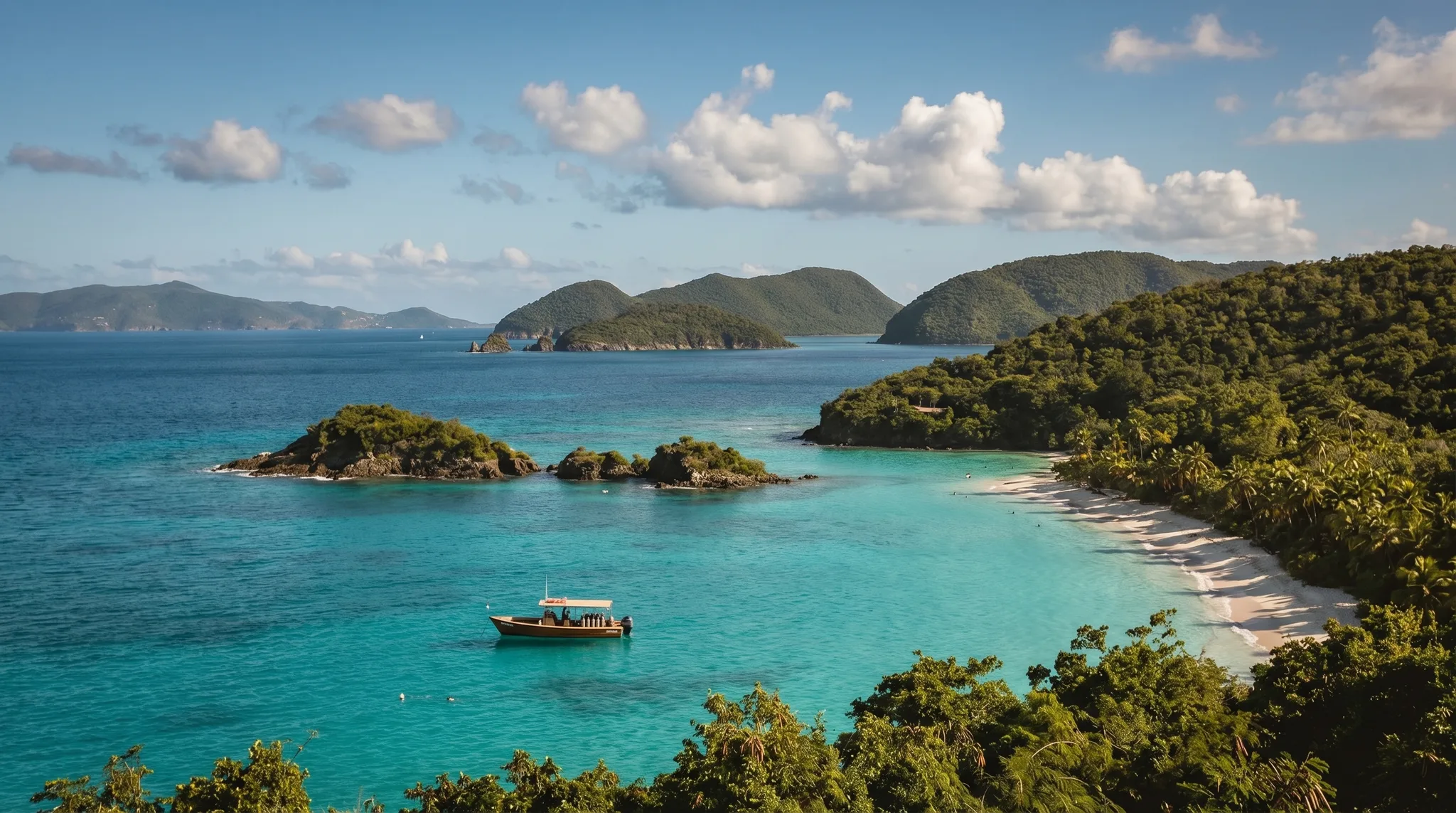
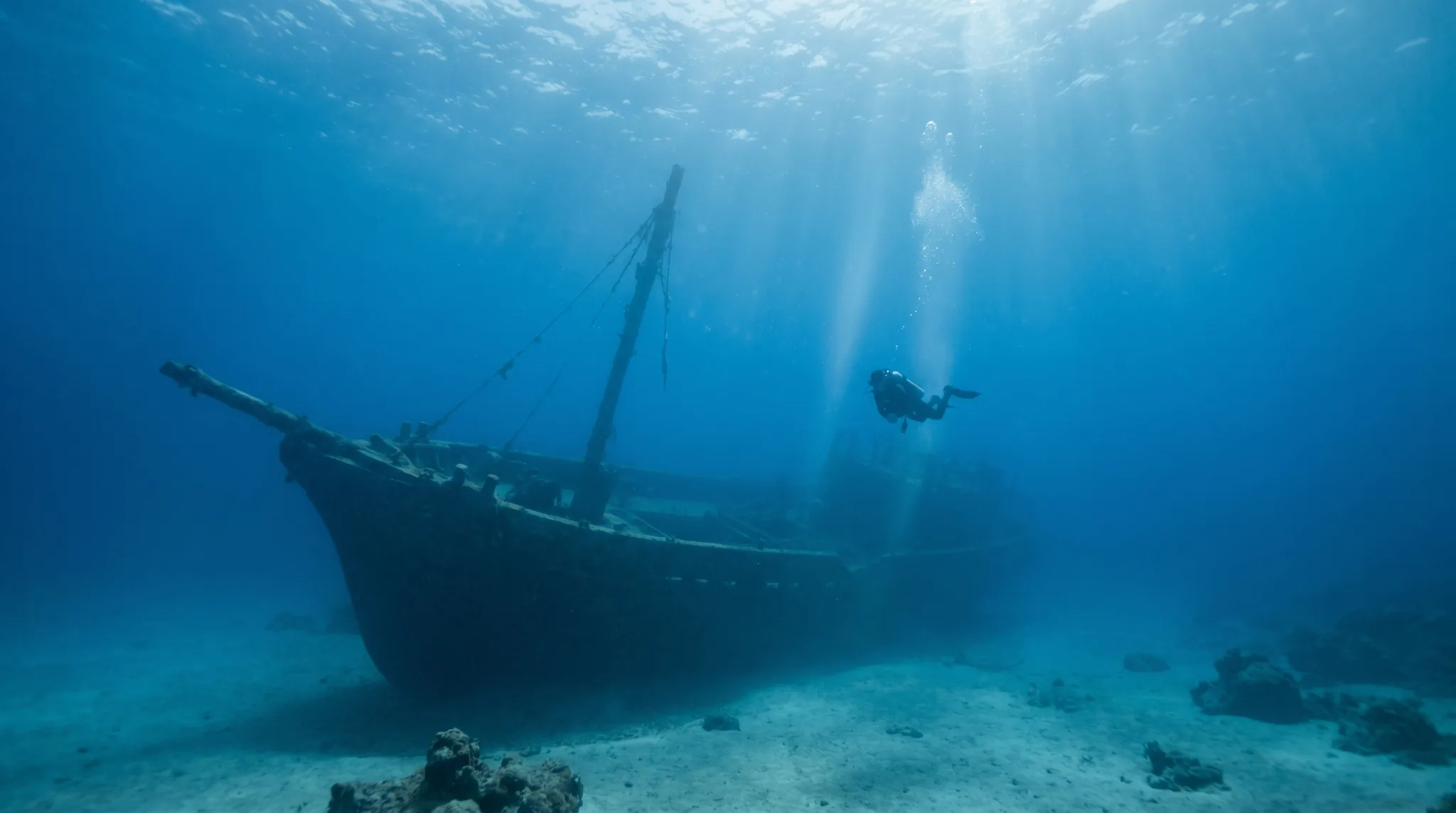
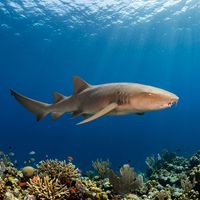
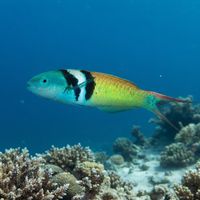
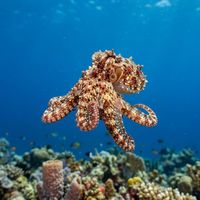
The US Virgin Islands spans three distinct islands, each with its own underwater character. Saint Croix leads with wreck diving, including the cluster at Butler Bay Wrecks and the deep artificial reef at Armageddon, alongside sloping reefs such as Turquoise Bay where Green Sea Turtle sightings are well established. Saint John offers calmer, shallower reef sites like Cathedral and Mingo Key, well suited to beginners. Saint Thomas balances accessibility with variety: shore-entry reef diving at Coki Point Beach, the deliberately sunk General Rogers, and the pinnacle structure at French Cap. Across all three islands, Blue Tang, Stoplight Parrotfish, Wrasses, and Whiptail Stingray are observed at nearly every site, while Nurse Shark, Great Barracuda, Spotted Moray, and Brazilian Reef Octopus define the signature encounter list. Water stays warm year-round, with visibility ranging widely depending on season and exposure.
3 areas
 43
43Wrecks, walls and muck diving alongside reliably warm water and an impressive cast of reef and critter species.
 40
40Diverse reef diving from shallow shore entries to deep canyon walls, with Green Sea Turtle and Nurse Shark regularly observed.
31Reefs, wrecks, and pinnacles across a wide range of depths, with warm water and abundant marine life year-round.
Monthly water temperature across US Virgin Islands's sites, from satellite sea-surface data corrected for depth. The band shows the site-to-site spread.
Water temperatures remain warm across all months, rising slightly through summer and peaking in September and October before easing back through winter. The histogram of preferred dive months points to a broad spring window from February through April as the most consistently favoured period, with some softening in the autumn months when conditions can be less settled. Exposed sites such as Buck Island Point and French Cap Pinnacle are more current-dependent, while sheltered bay sites hold conditions well into the quieter months.
52 operators
Saint Croix, US Virgin Islands
Saint Croix, US Virgin Islands
Water temperature around US Virgin Islands ranges from about 27°C in January to 30°C in September, based on satellite sea-temperature data for its dive sites.
With water around 27–30°C, a rash guard or 3mm shorty works in US Virgin Islands year-round.
Fin maps 114 sites in US Virgin Islands (113 scuba diving sites and 15 snorkelling spots, with some suited to both), organised into 3 areas.
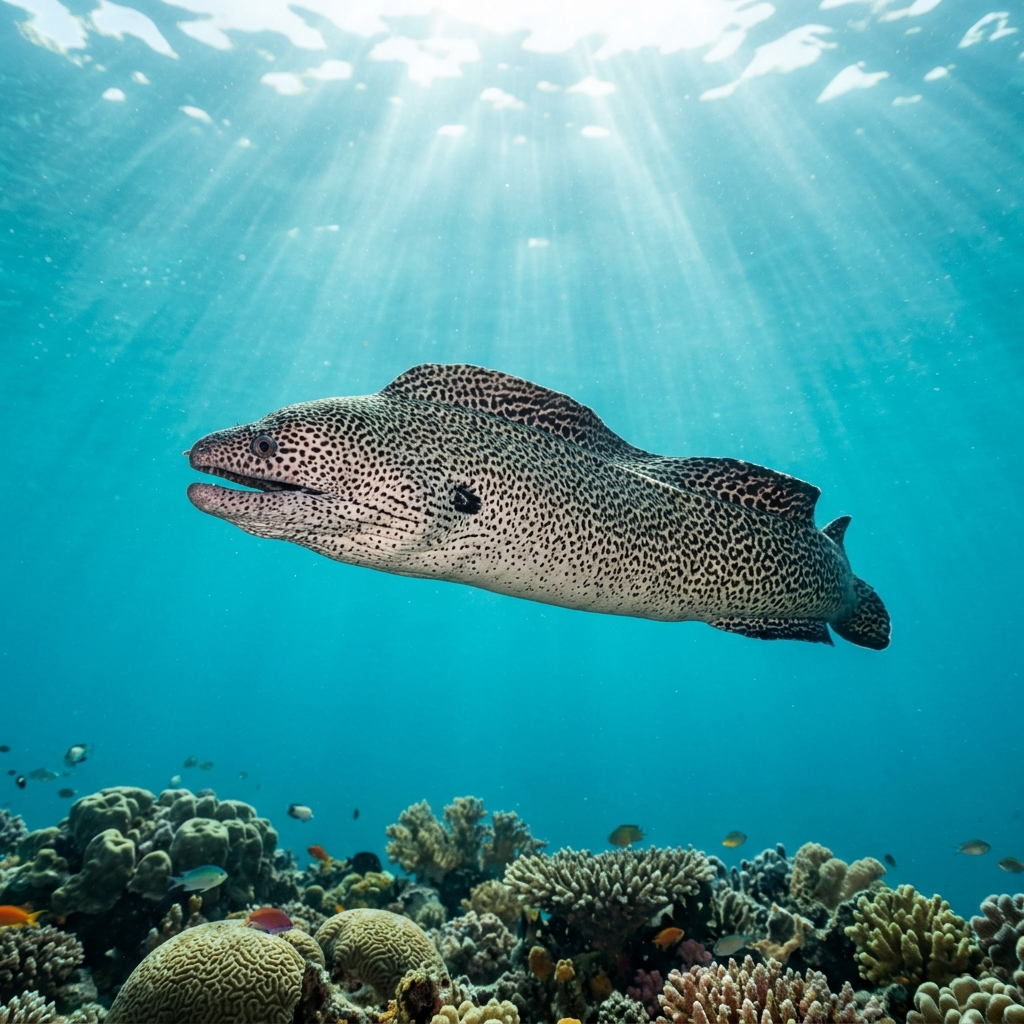
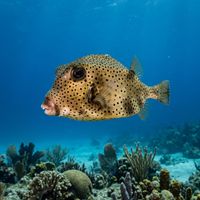
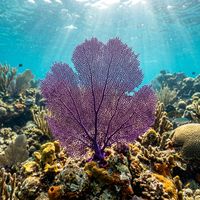
The region has a broad and well-documented species list. Sightings of Green Sea Turtle, Nurse Shark, Great Barracuda, and Spotted Moray are common across sites on all three islands. Brazilian Reef Octopus and Indian Lionfish appear regularly, while Blue Tang, Smooth Trunkfish, Wrasses, and Stoplight Parrotfish are observed at nearly every reef. Purple Sea Fan, Christmas Tree Worm, and Flamingo Tongue add colour to the reef structure itself.
A good proportion of sites are rated beginner level, including Sprat Hole and The Aquarium off Saint Croix, Coki Point Beach in Saint Thomas, and Cathedral and Mingo Key around Saint John. These sites feature shallower reef structures and calmer conditions. Intermediate and advanced sites such as Butler Bay Wrecks, Armageddon, and French Cap Pinnacle are best reserved for more experienced divers comfortable with depth and, at some sites, current.
Saint Croix holds the most notable wreck diving, with multiple vessels at Butler Bay Wrecks and the deep artificial reef Armageddon, alongside varied reef sites like Tide Bottle and Turquoise Bay. Saint John tends toward shallower, calmer reefs such as Cathedral and Mingo Key, making it particularly approachable. Saint Thomas offers the widest mix, from the shore-accessible Coki Point Beach to the deep pinnacle at French Cap and drift options at Buck Island Point.
The majority of sites across the region are boat-access only, which means arranging a trip with one of the local operators is the standard approach. Shore entry is available at Coki Point Beach in Saint Thomas, which is also suitable for snorkellers. Operators including Cruz Bay Watersports, St. Croix Ultimate Bluewater Adventures, Sweet Bottom Dive Center, and St. Thomas Dive Center are among those running regular boat departures to sites across all three islands.