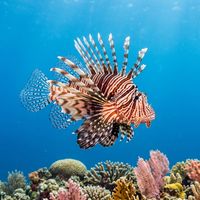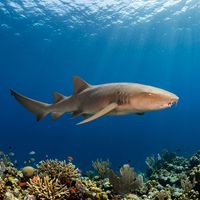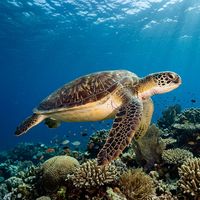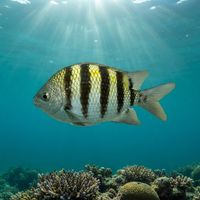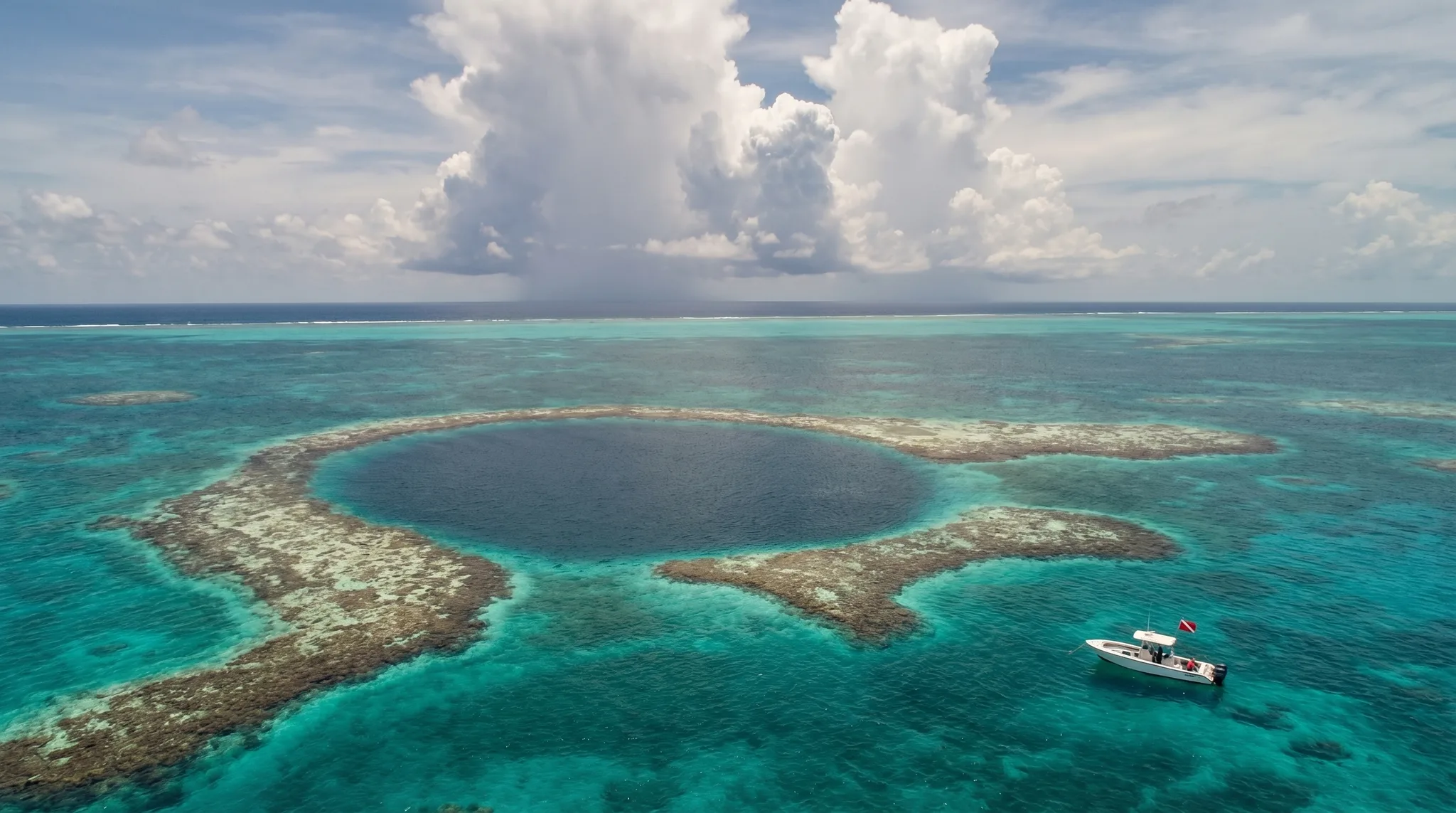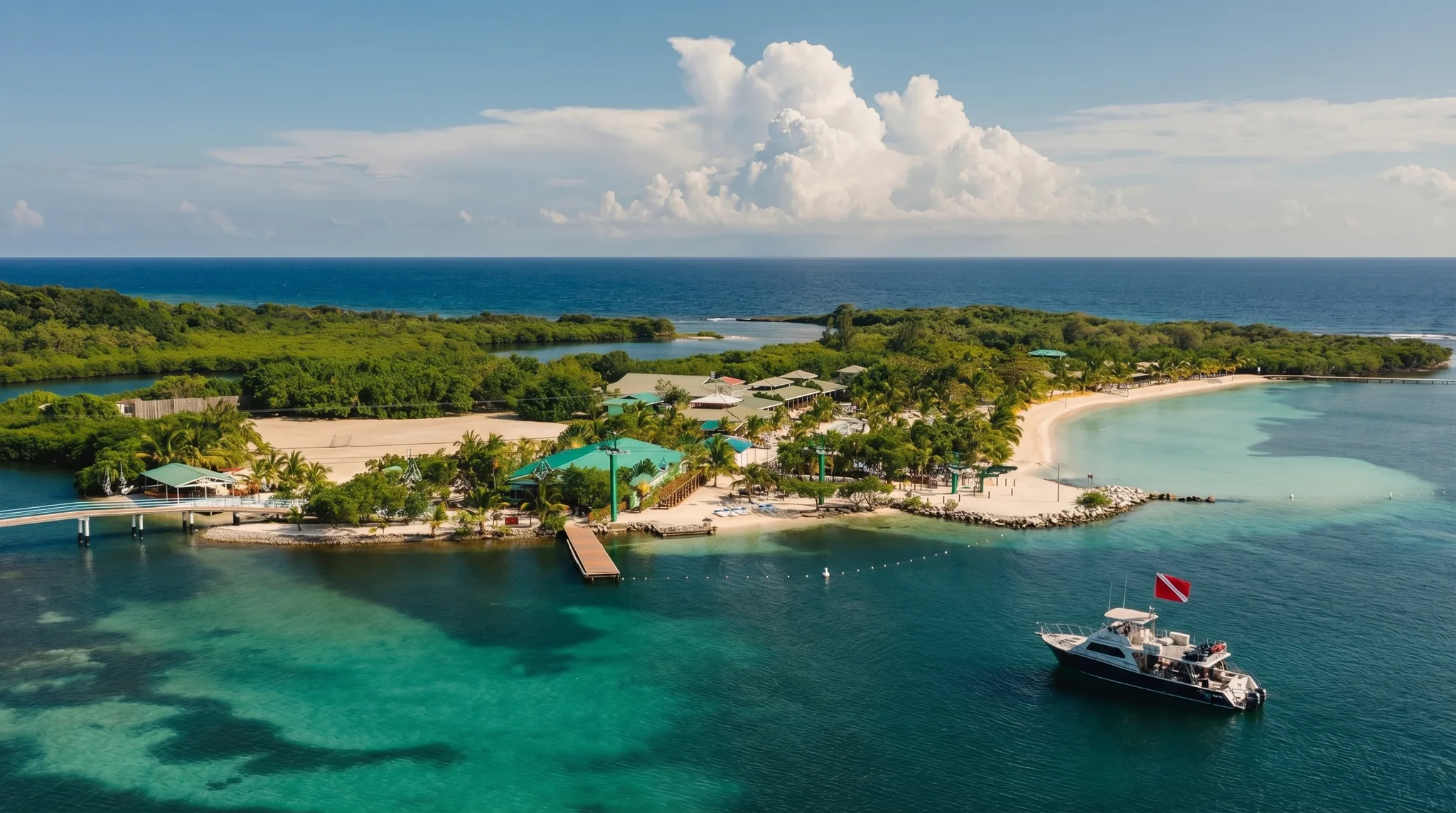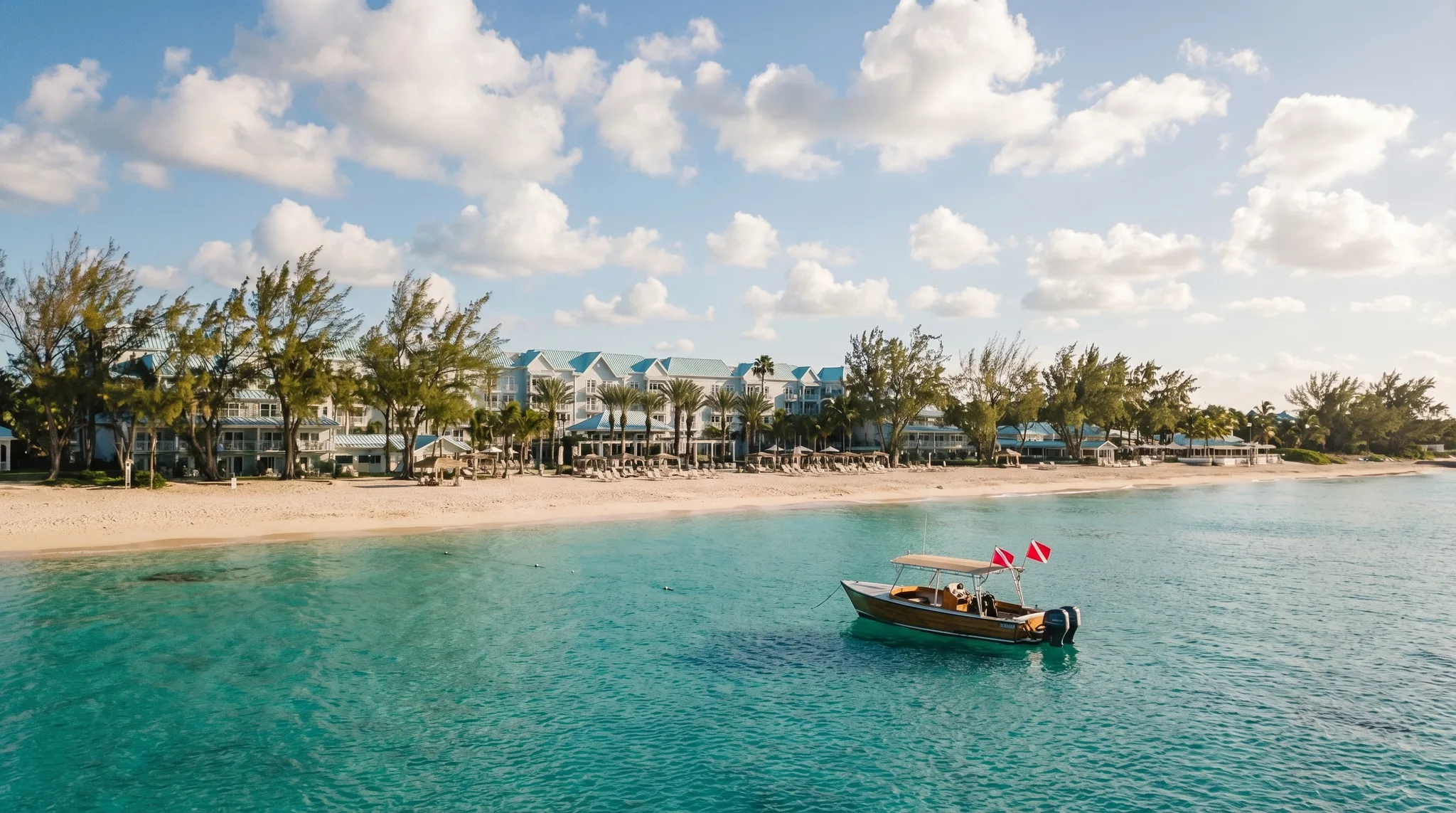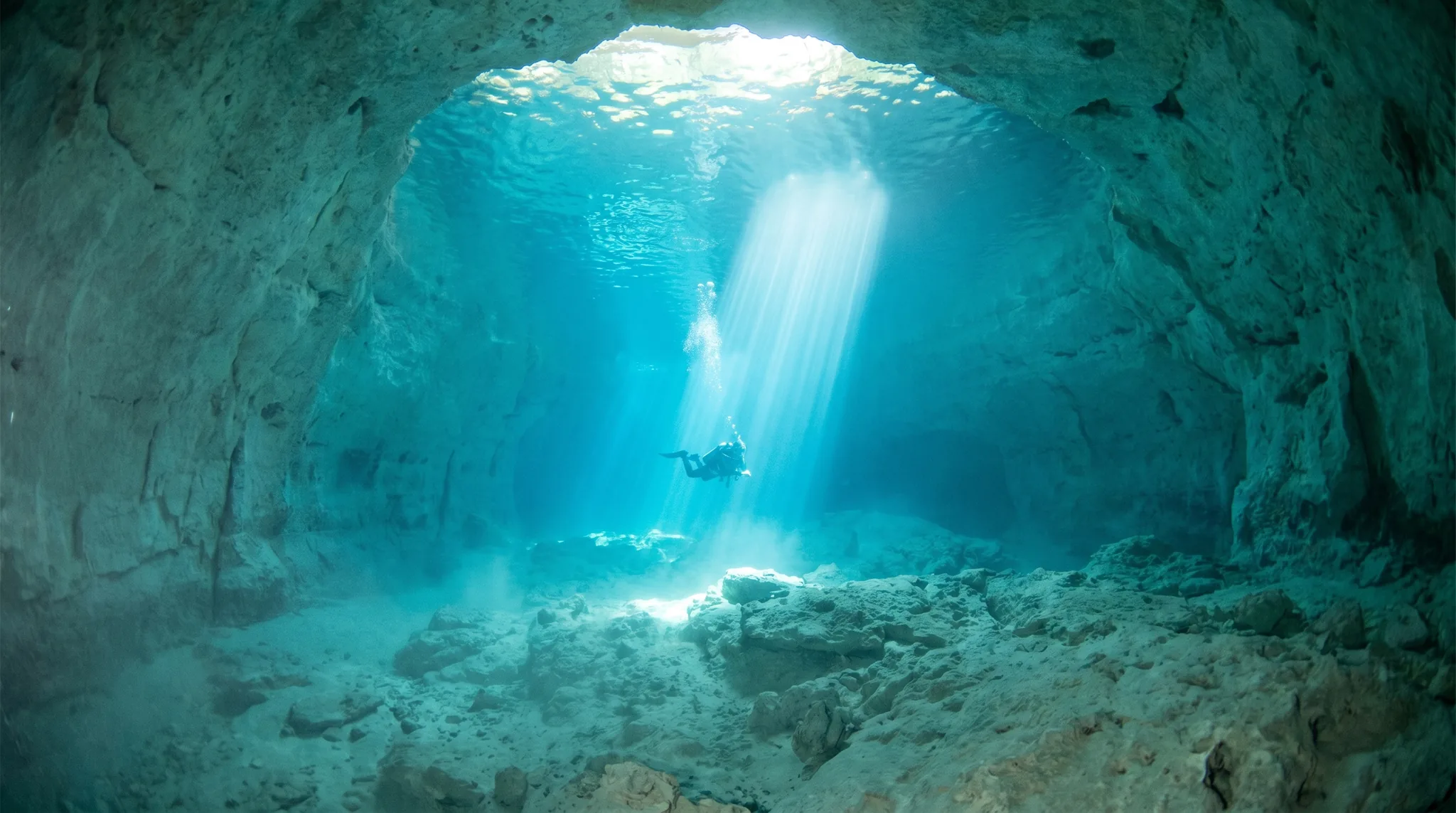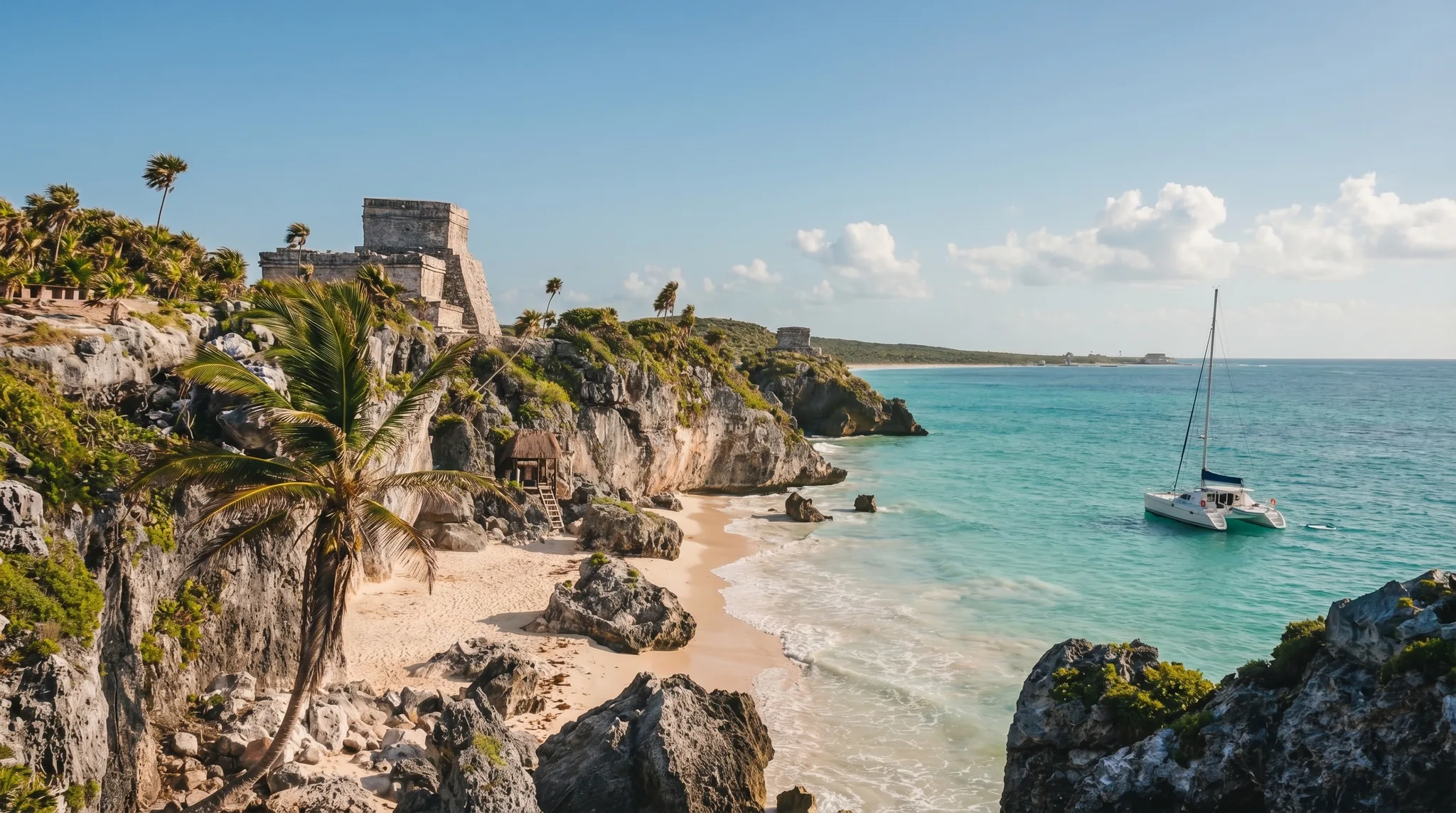
Mexico offers one of the most varied underwater landscapes of any country, spanning reef systems, freshwater cenote cave networks, open-water drift dives, canyons, and wrecks. The Yucatán Peninsula holds the largest concentration of sites, anchored by reef diving around Puerto Morelos and Playa del Carmen alongside the cenote systems near Akumal and Tulum, where haloclines and exceptional clarity define the experience. Baja California brings a cooler, wilder character with sites like Cabo Pulmo offering reef, canyon, and wreck topography in a single dive. The Pacific Coast and the remote Revillagigedo add further variety, with advanced drift diving at sites such as El Canyon on San Benedicto Island. Across all regions, observed species range from the very common Wrasses to occasional encounters with Nurse Shark, Whale Shark, and Green Sea Turtle.
6 areas
 382
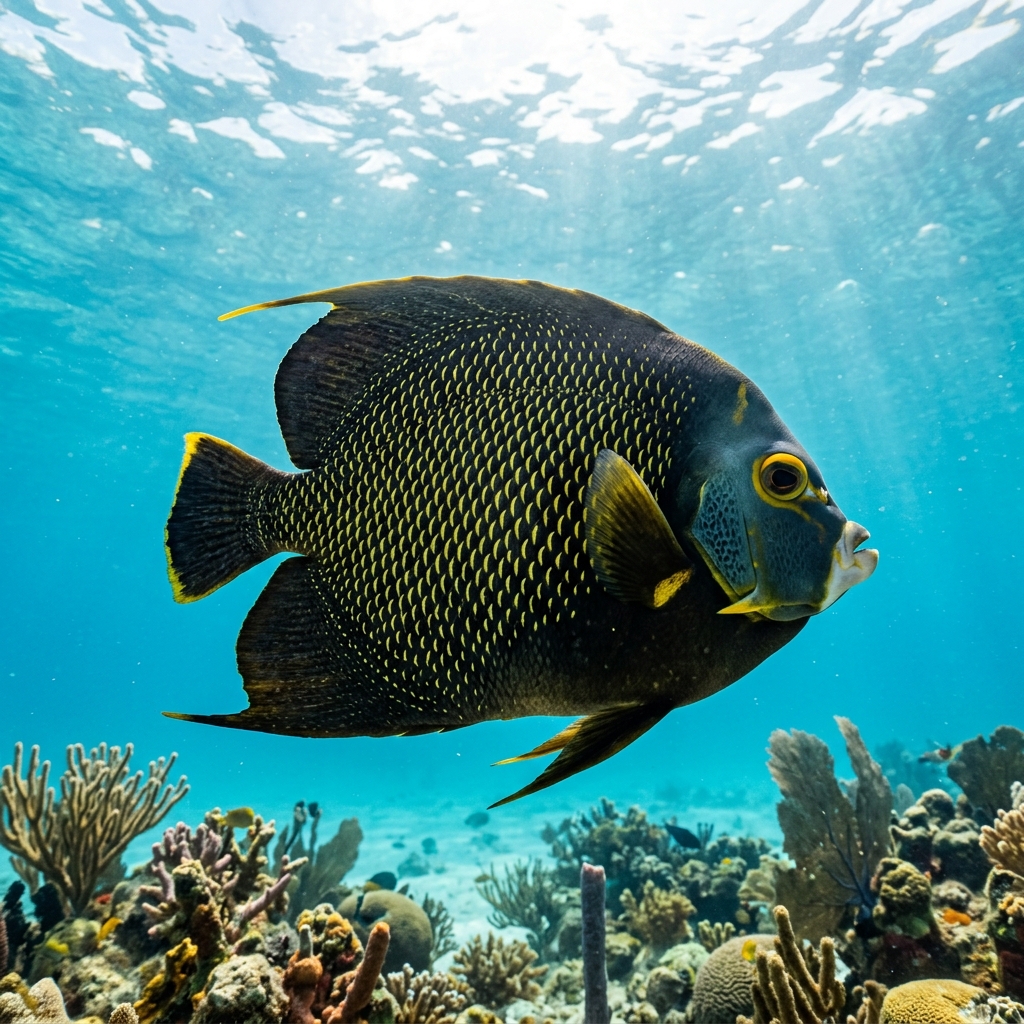
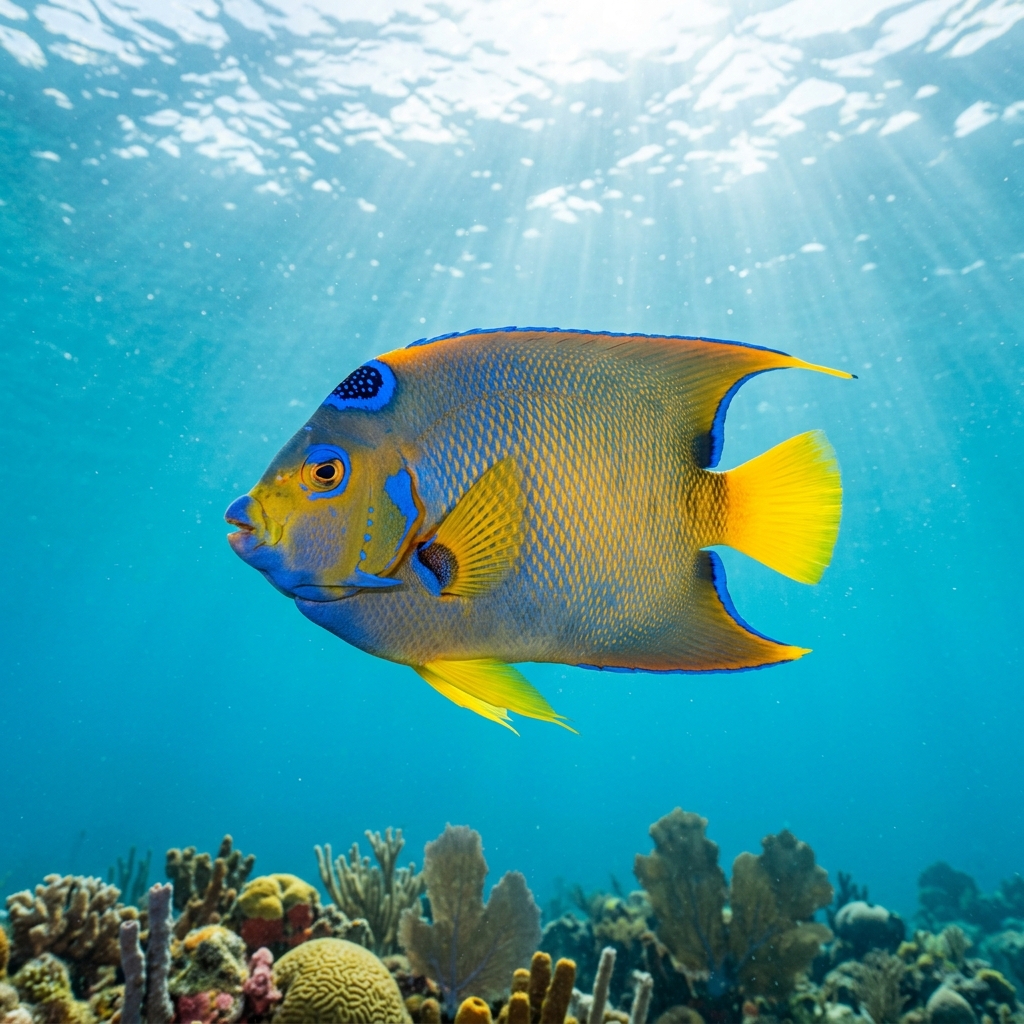
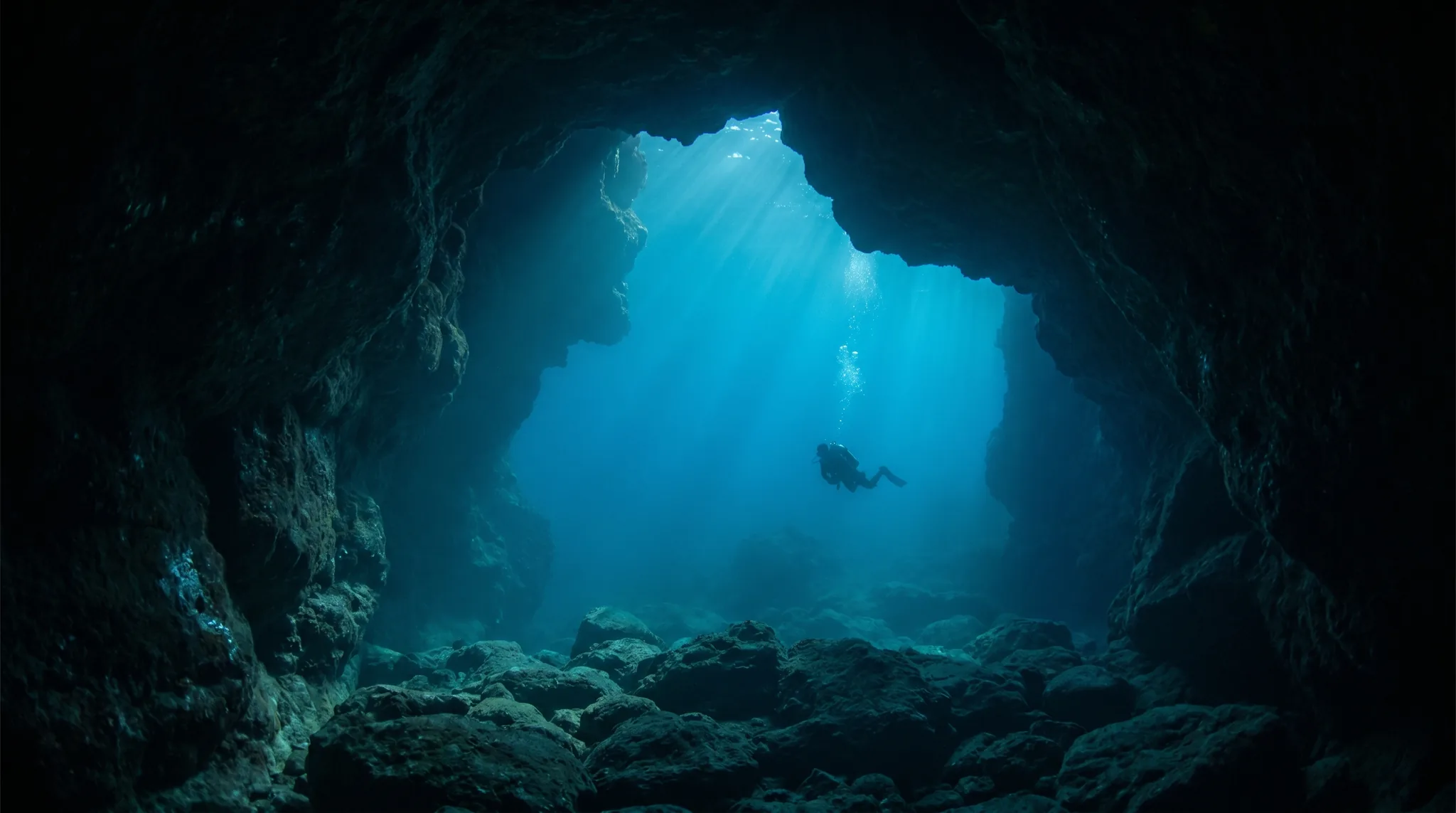
382Freshwater cenote cave systems meet Caribbean coral reefs, with Green Sea Turtle, Nurse Shark, and French Angelfish among the regular sightings.
 169
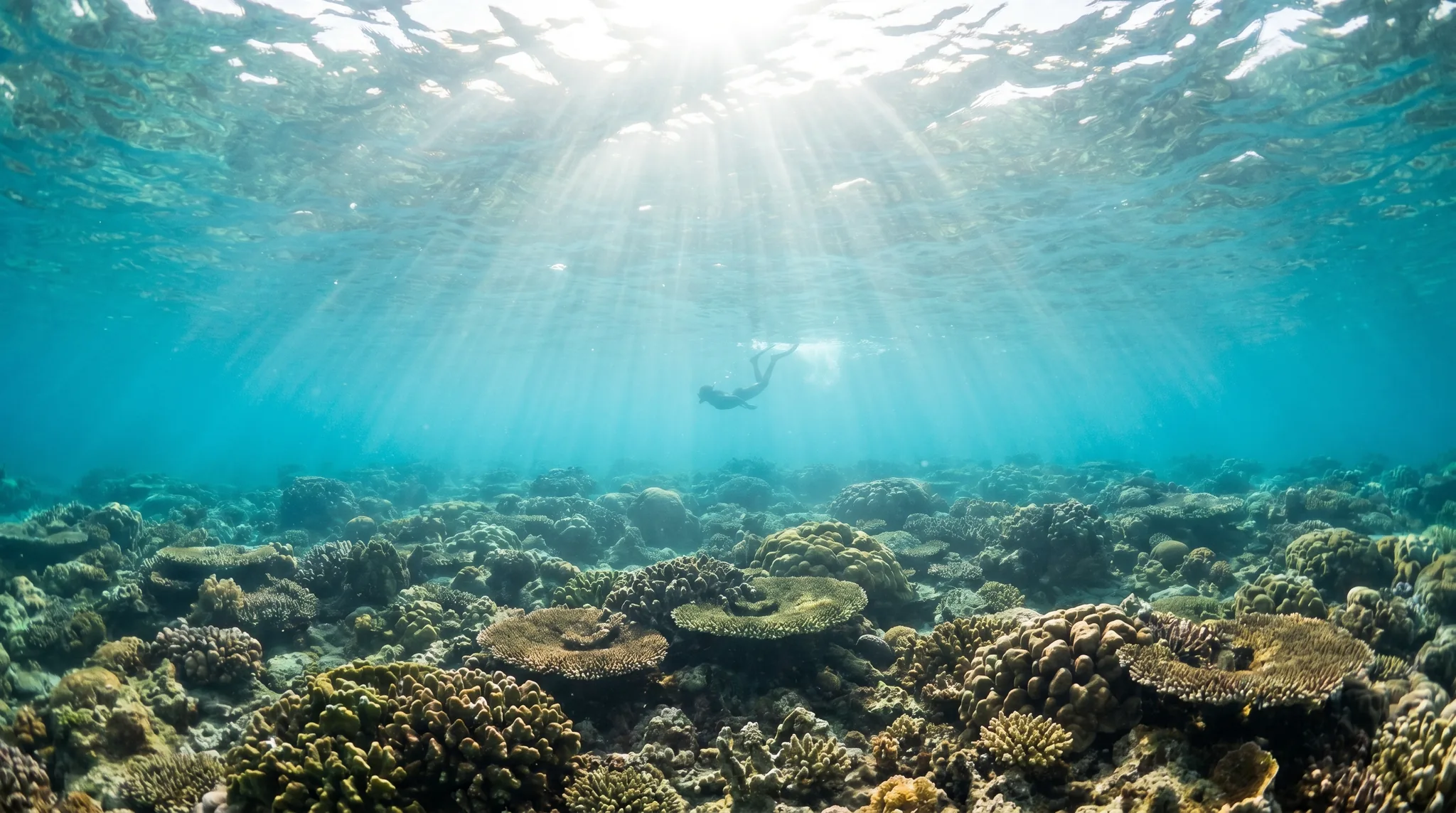
169Wrecks, kelp forests, reef systems and California Sea Lion encounters across three sub-areas of Mexico's Baja peninsula.
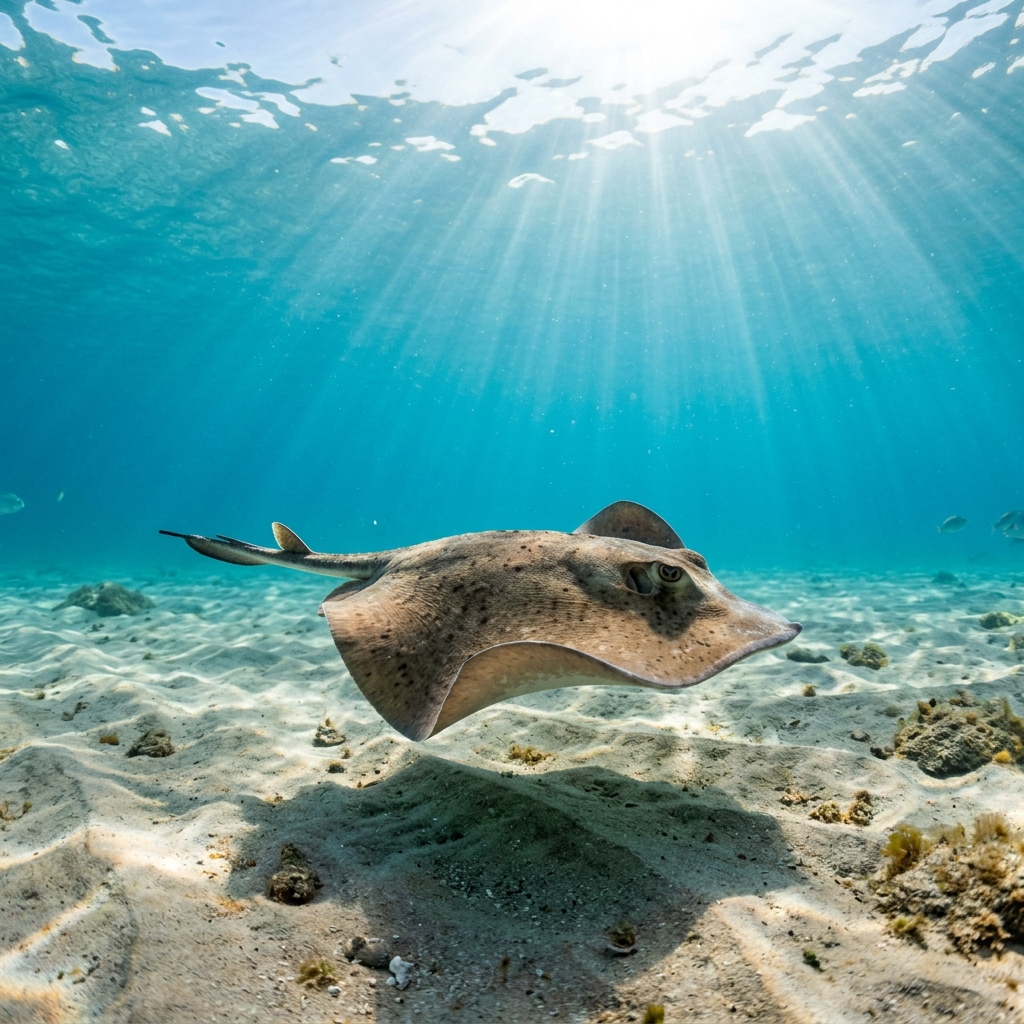
114A long stretch of varied reef, wreck and cave diving where Spotted Eagle Ray encounters are routine and sites suit every level.
21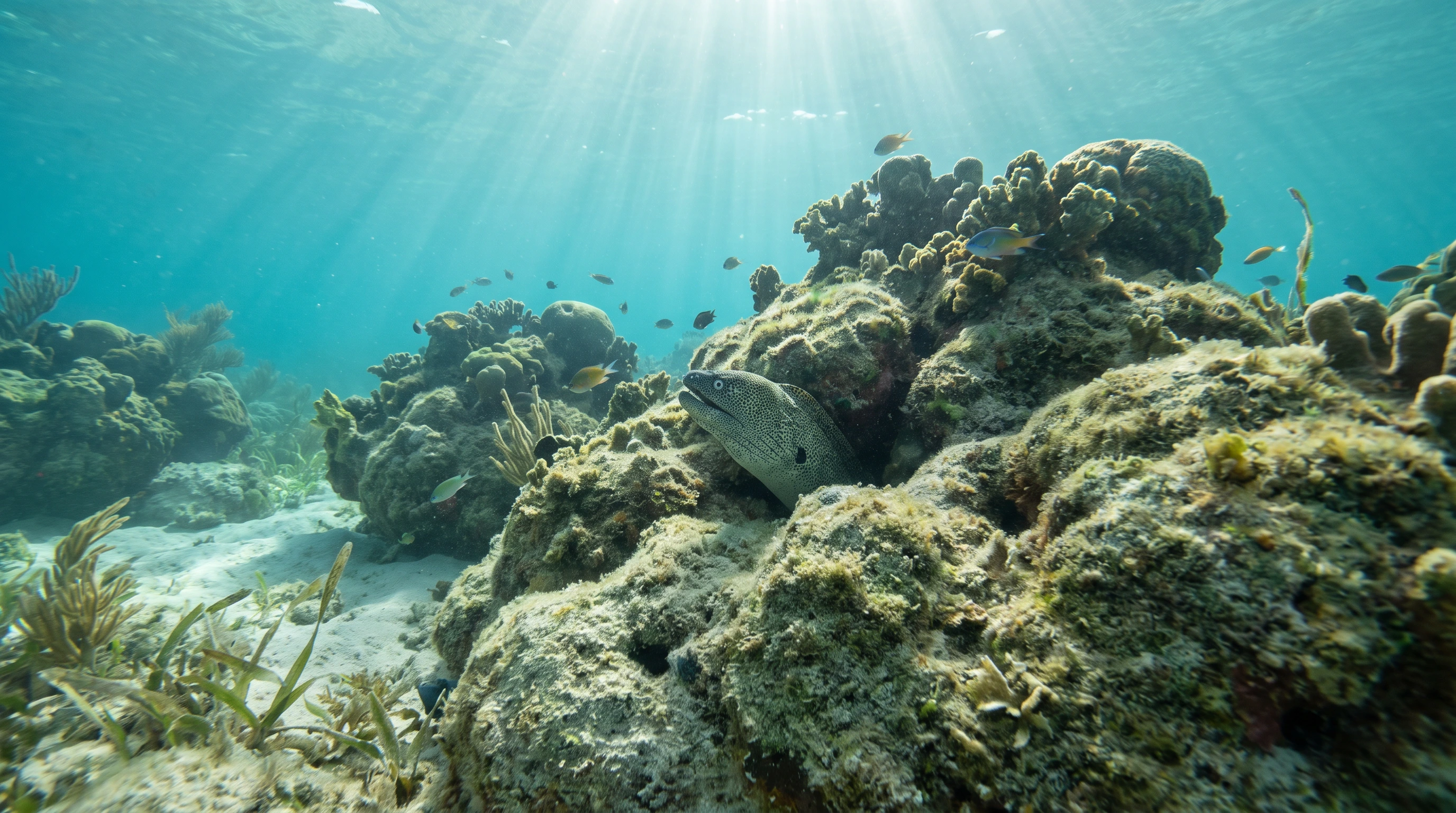
Mexico covers a wide stretch of coastline, so conditions vary by area. The band below shows the spread across its sites through the year.
Water temperatures remain warm throughout the year across most regions, with the coolest conditions found in Baja California and the Pacific Coast, where temperatures can drop noticeably in winter months. The Yucatán Peninsula stays consistently warm from January through December, making year-round diving comfortable. Visibility peaks are closely tied to calmer, drier periods, with the months from late winter through early summer and again into autumn seeing the highest volume of diver activity based on best-months data.
367 operators


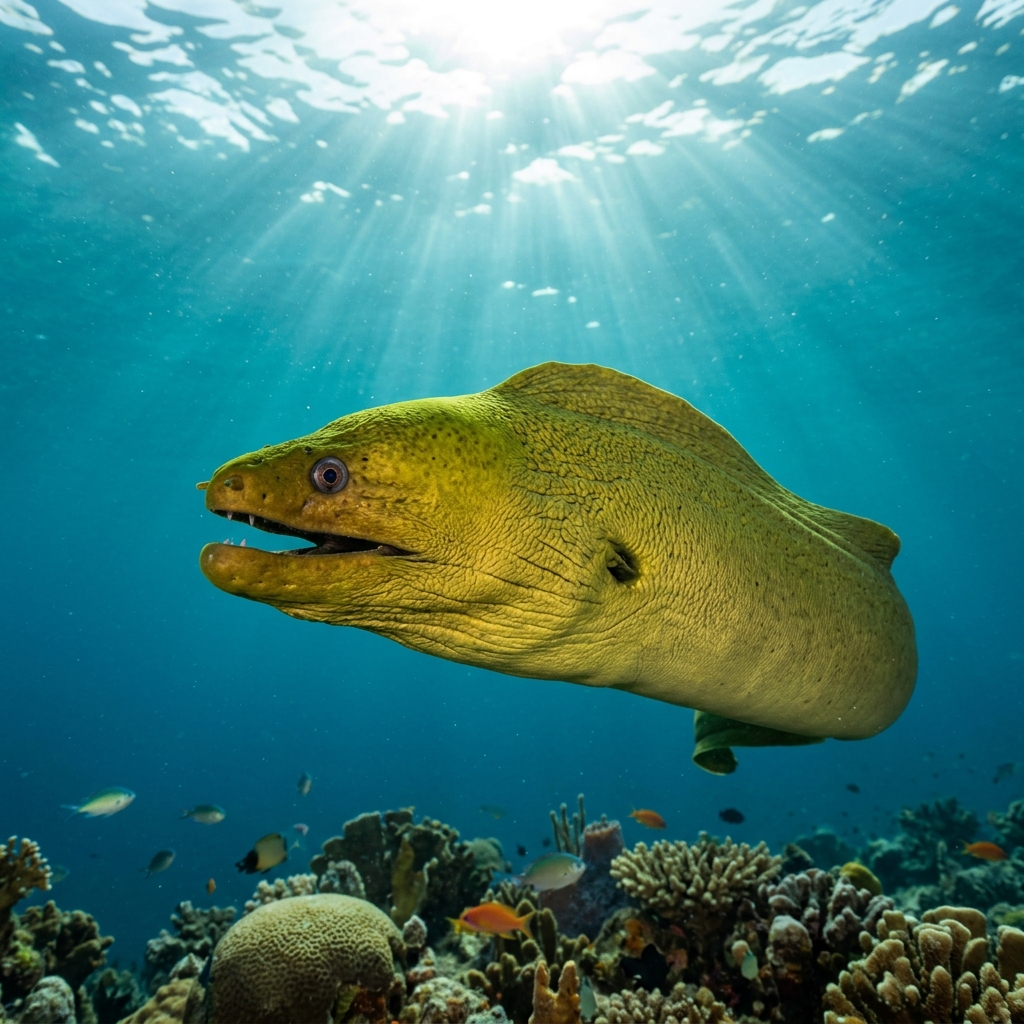
Coral reefs and wrecks across two distinct sub-areas, with a rich resident fish life anchored by octopus, angelfish and moray.
Mexico spans a wide latitude range, so water temperature varies a lot by area: roughly 18-30°C across its dive sites. Check the individual area pages for local conditions.
Fin maps 701 sites in Mexico (643 scuba diving sites and 155 snorkelling spots, with some suited to both), organised into 6 areas.
Mexico's waters hold an extensive list of observed species. Wrasses are encountered very commonly across sites, while Porcupinefish, Round Stingray, and Blue Tang are frequently seen. Signature species include French Angelfish, Queen Angelfish, Great Barracuda, Nurse Shark, and Green Moray. Whale Shark and Green Sea Turtle have also been observed, as has California Sea Lion in the Baja California region.
A large proportion of Mexico's sites are rated for beginners, particularly the shallow reefs around Puerto Morelos and Playa del Carmen and the accessible cenote sites near Akumal. Intermediate sites include some of the cenote cave systems around Tulum, while advanced ratings apply to deep caverns like Cenote El Pit and drift sites such as El Canyon on San Benedicto Island. There is a clear progression available for divers building experience.
The Yucatán Peninsula is the most site-dense region, blending Caribbean reef diving with a unique freshwater cenote cave network. Baja California offers cooler water and diverse topography including canyons, wrecks, and reef systems, with California Sea Lion among the observed wildlife. The Pacific Coast and the remote Revillagigedo cater to more advanced divers seeking drift and open-water experiences, while Veracruz and Central Mexico contribute a smaller but distinct set of sites.
Both entry types are well represented across Mexico's sites. Several popular sites including Cenote Kukulkan, Nohoch Nah Chich, Julio Kin, and Puerto Morelos reef are shore-entry dives. Others, such as Aquarium, Mahahual Reef, and Fish Market, require a short boat ride. Some sites like Palace Reef and Cenote El Pit offer both options, giving divers flexibility depending on ability and preference.