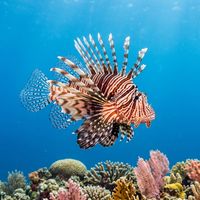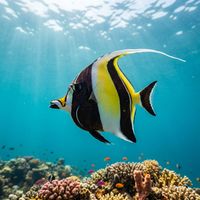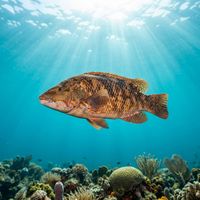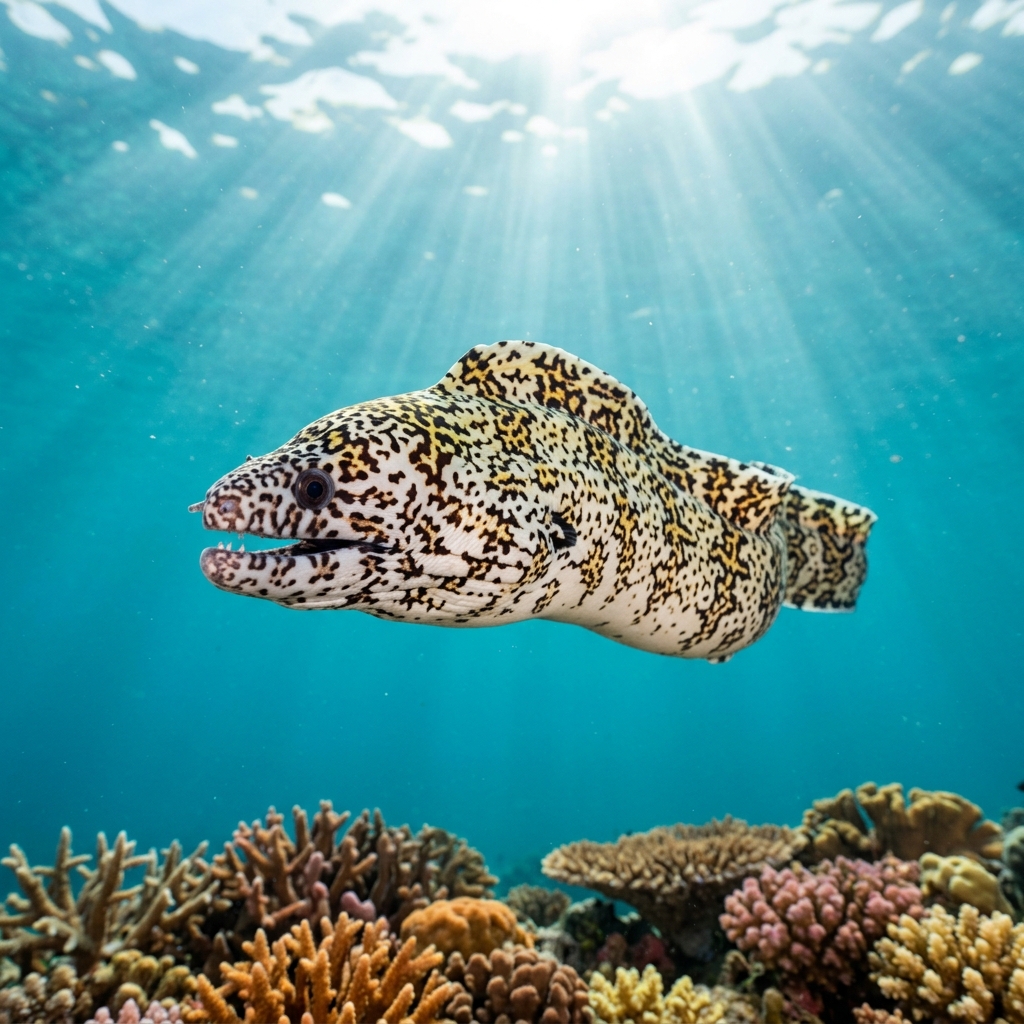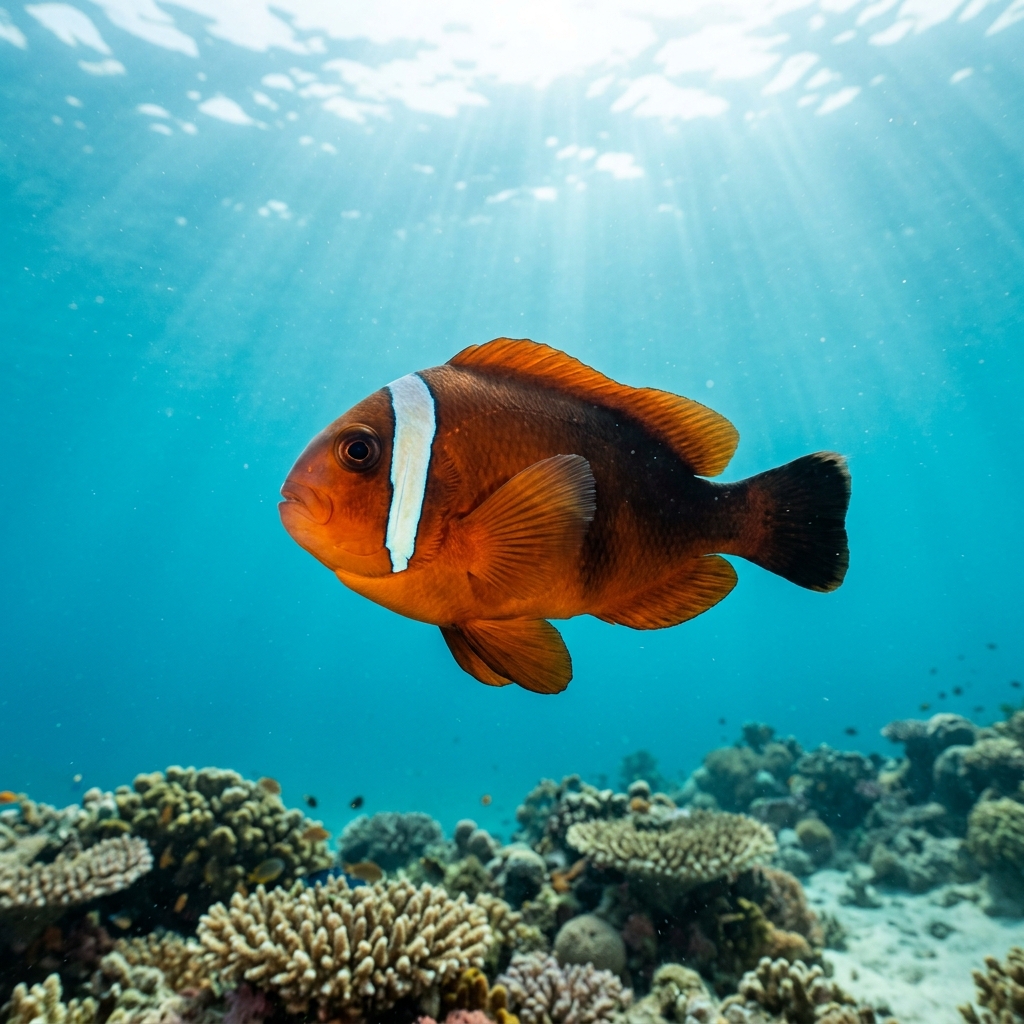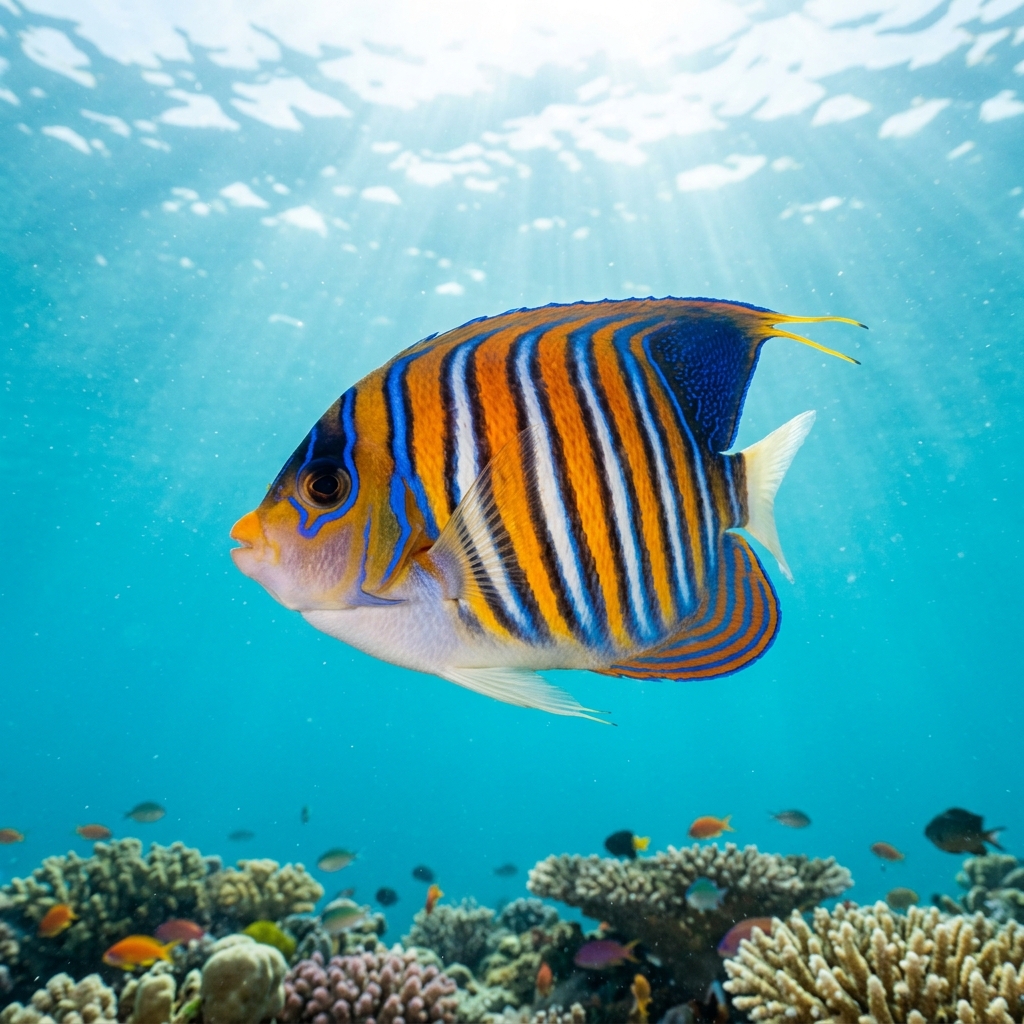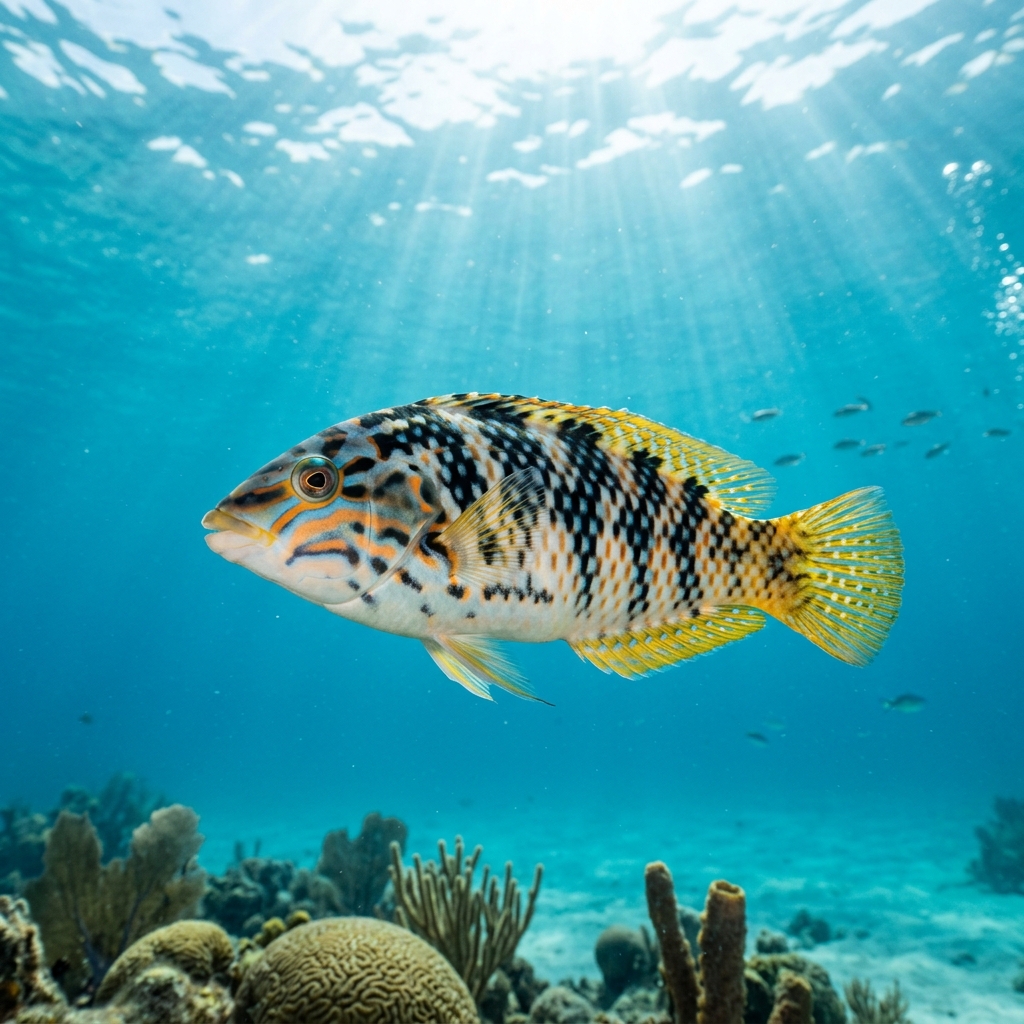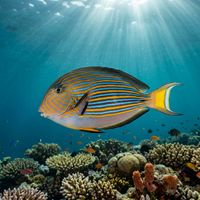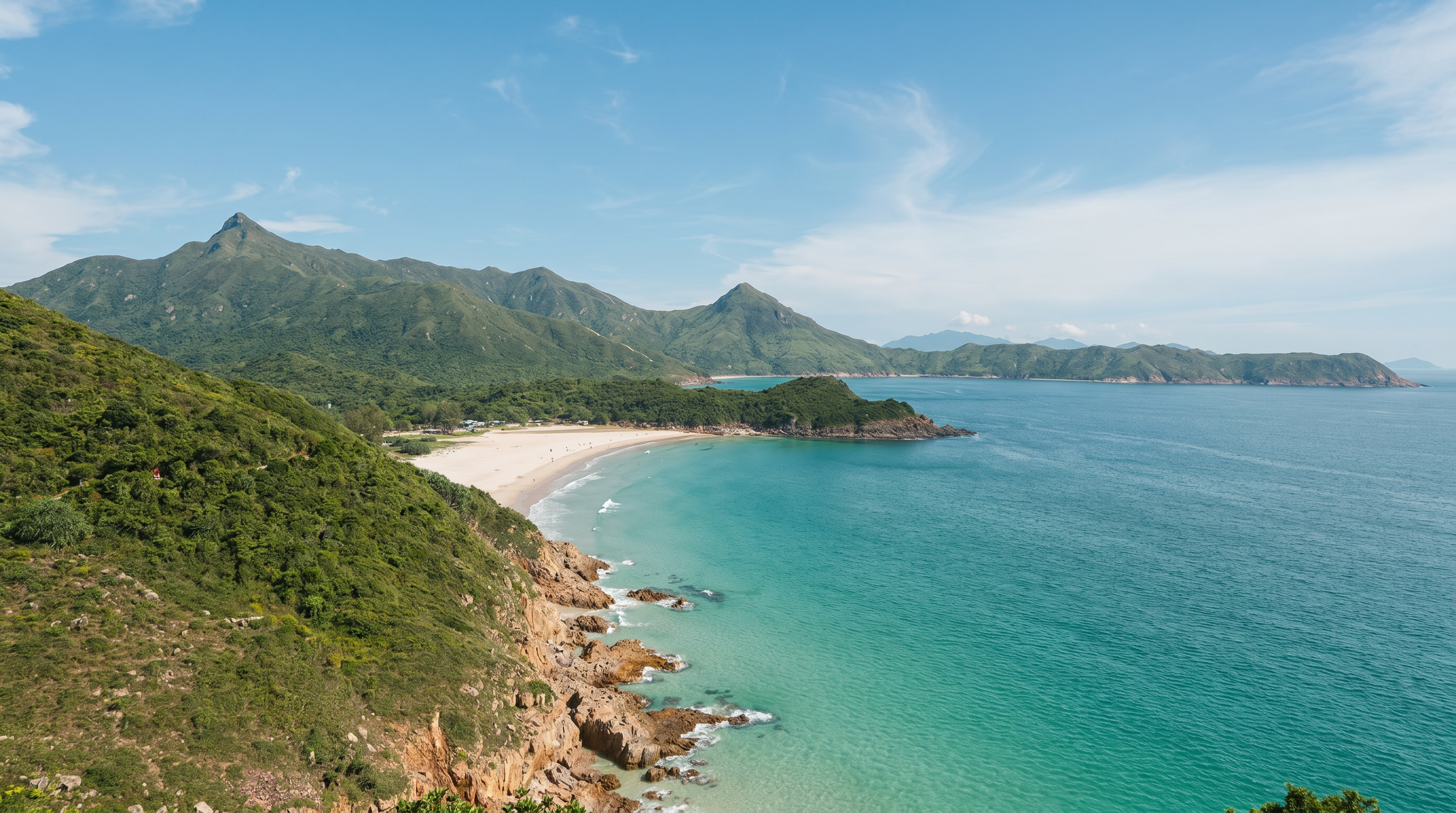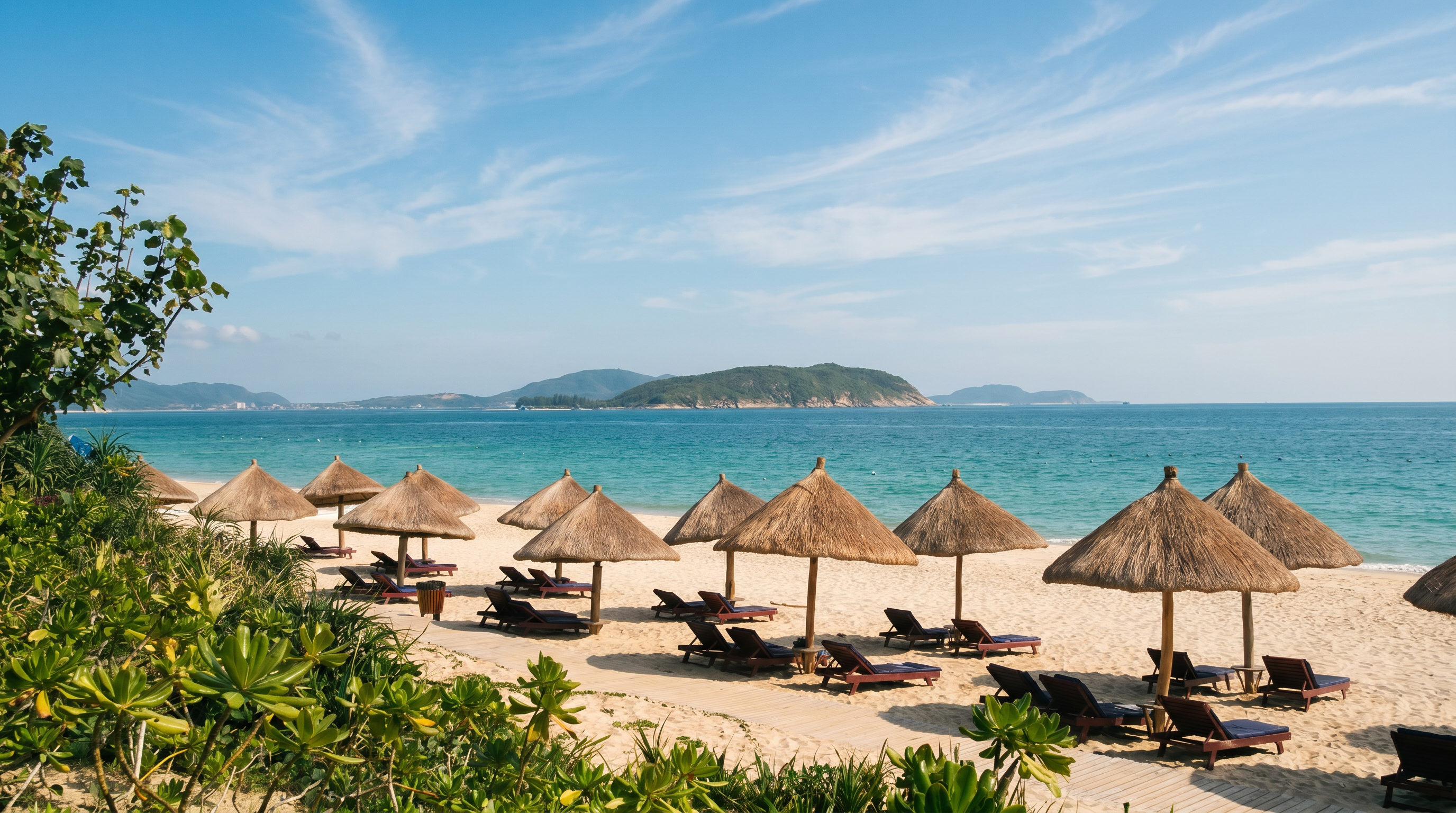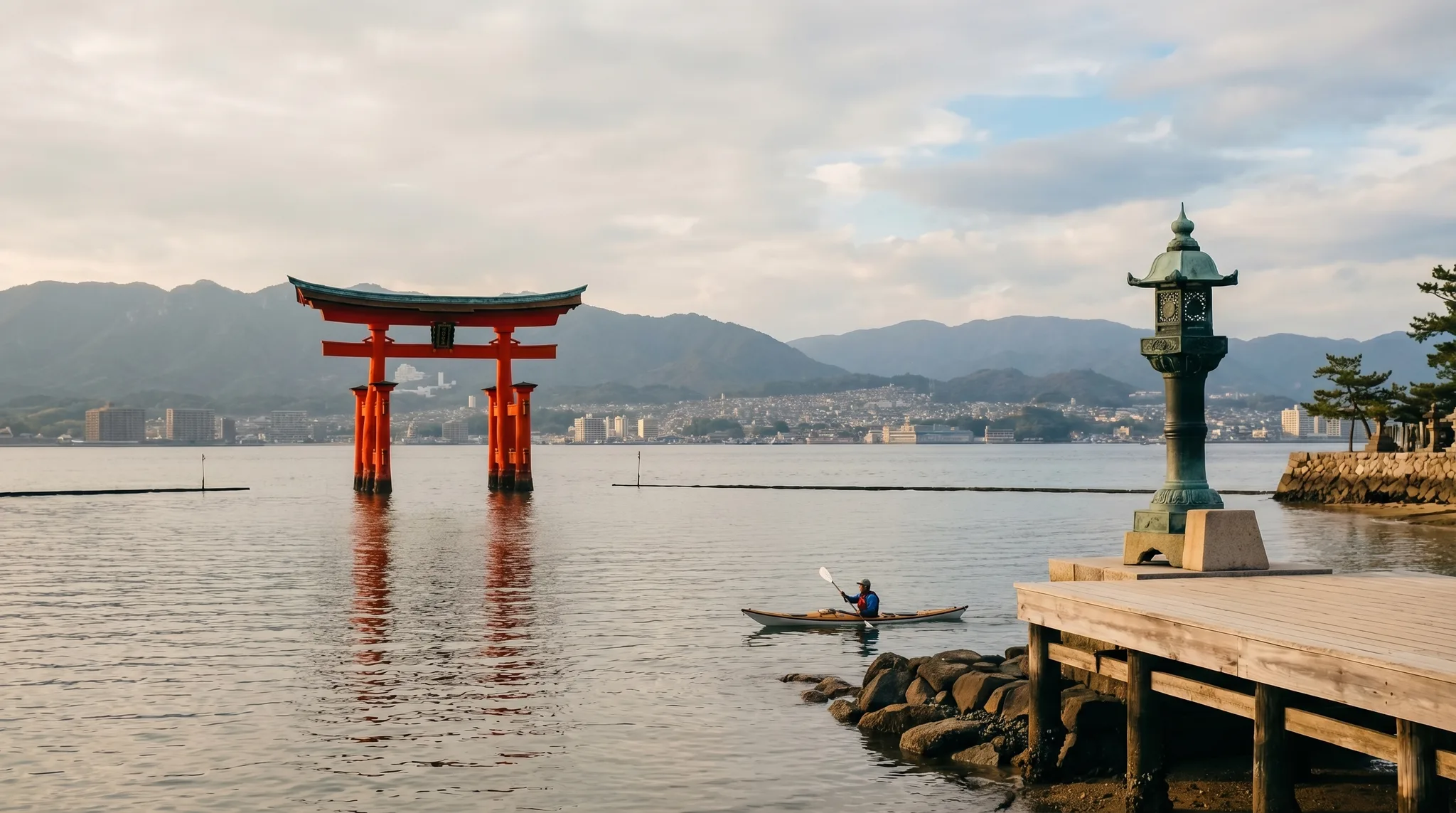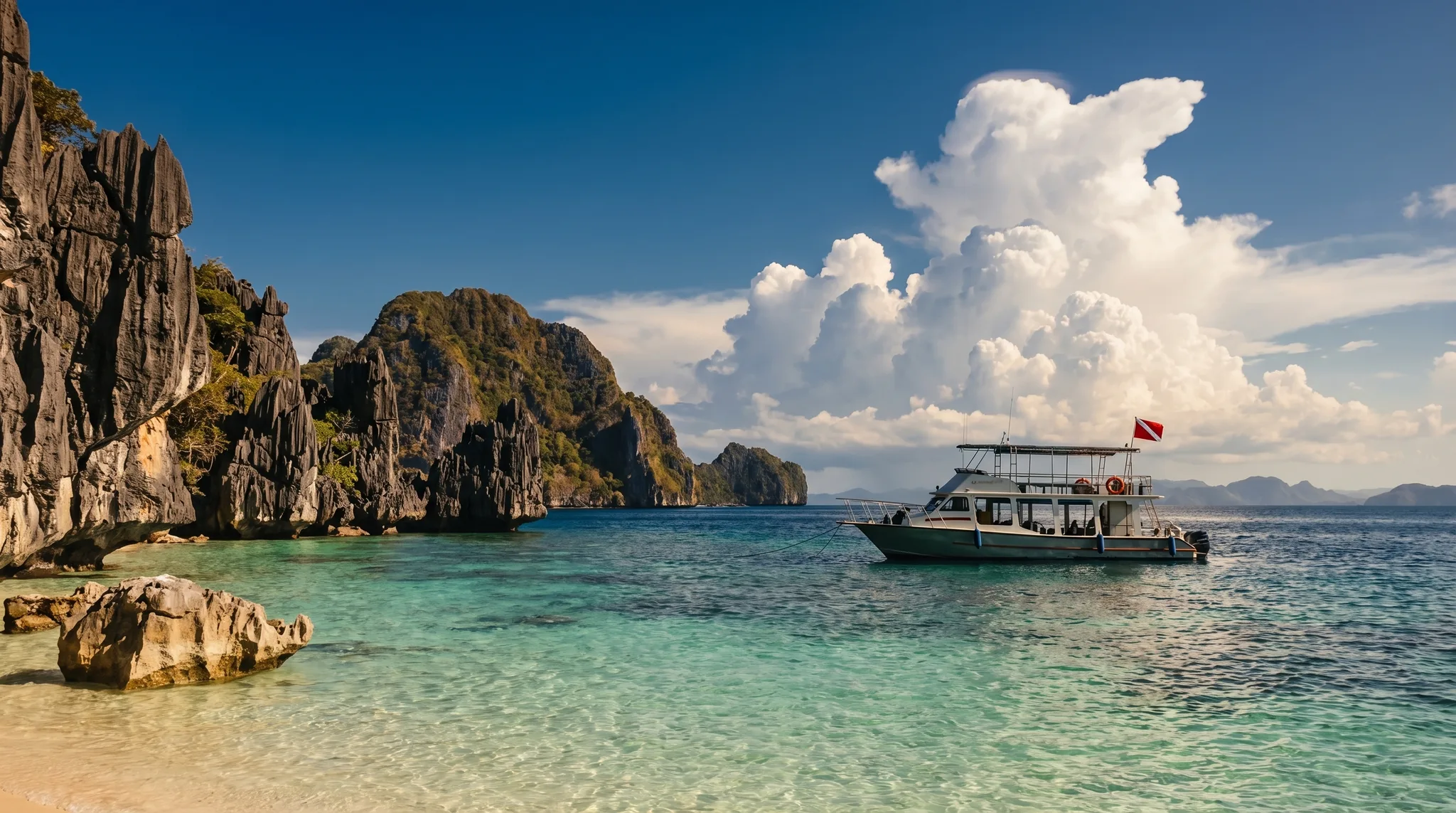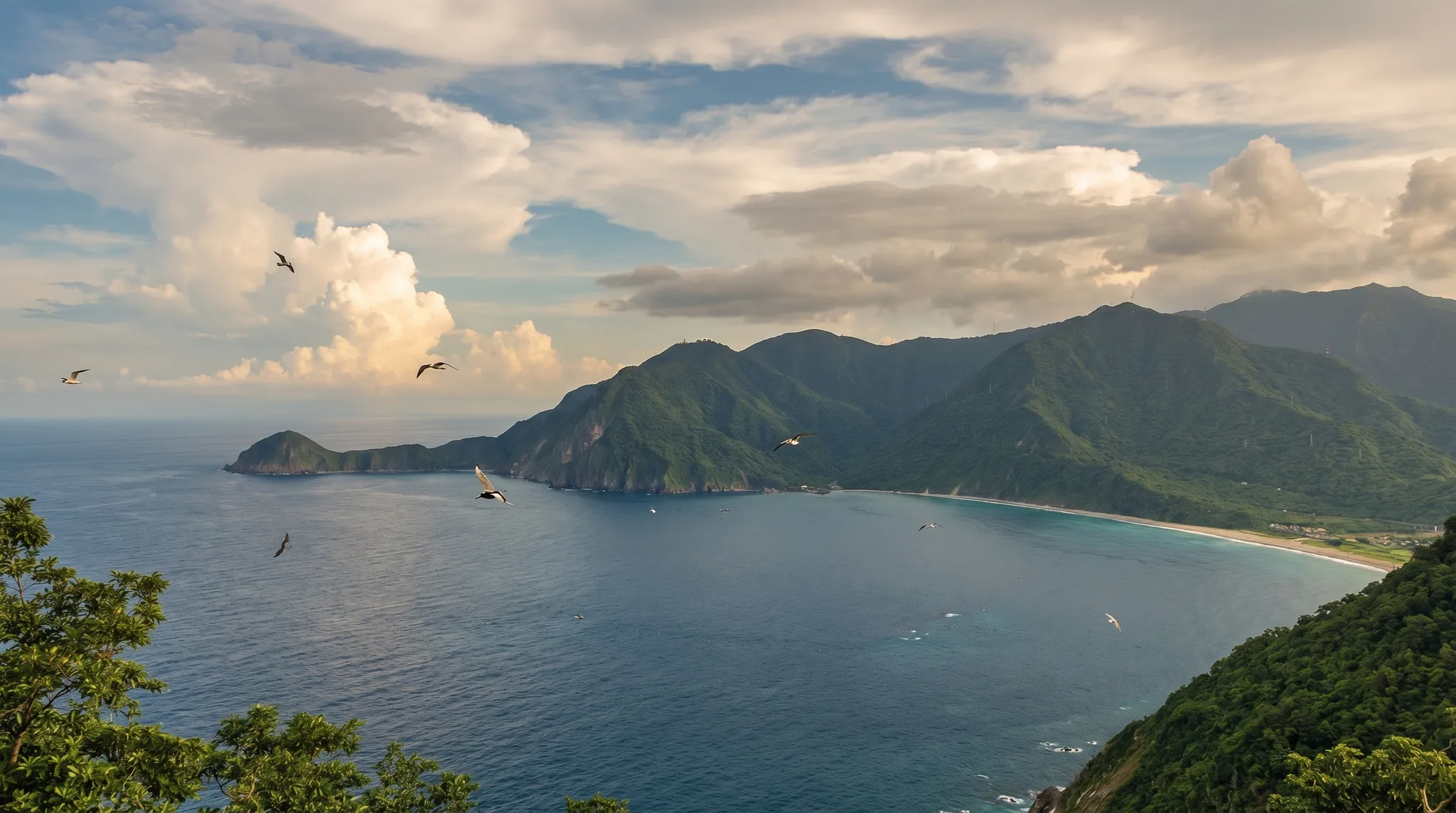
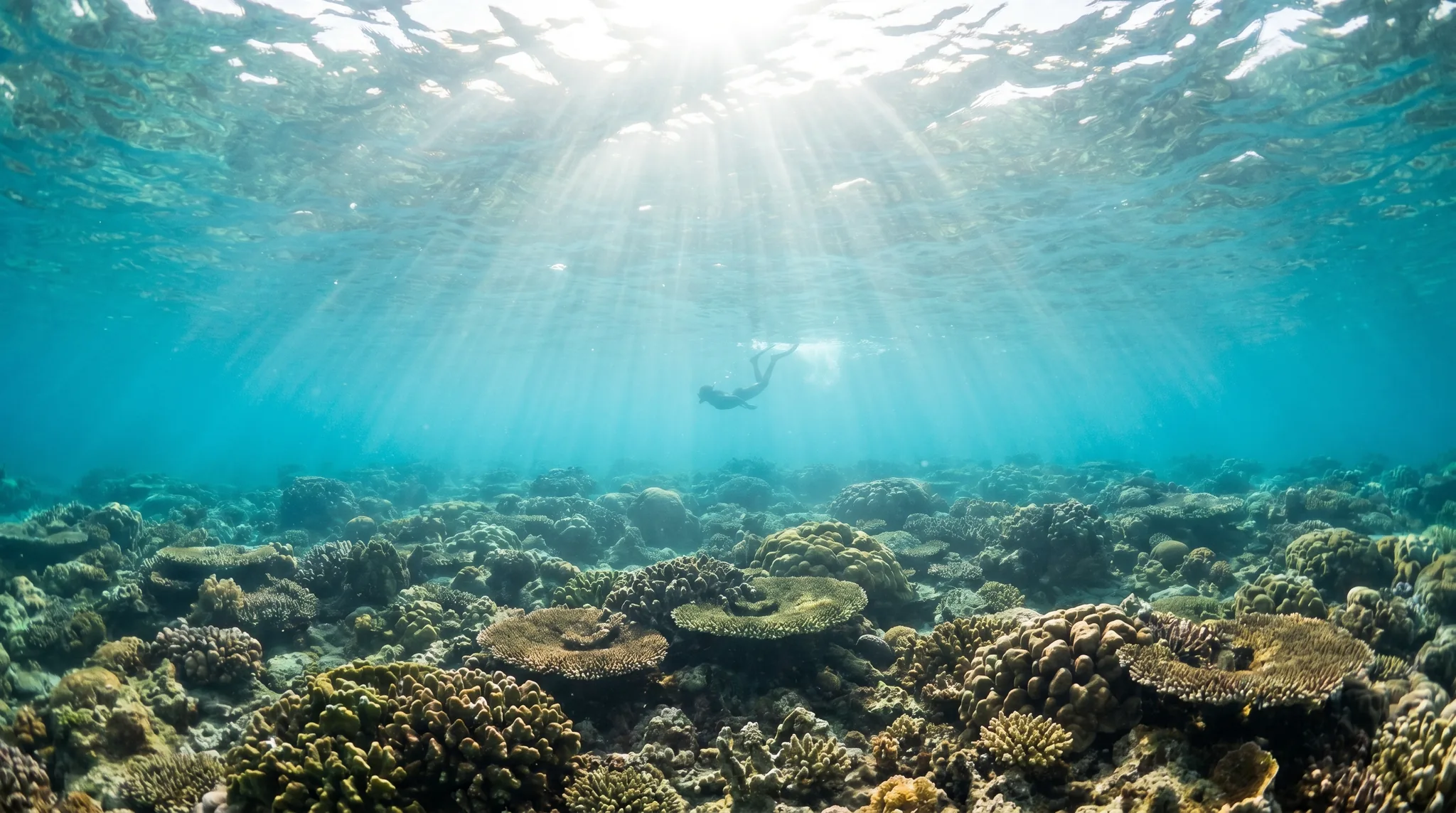
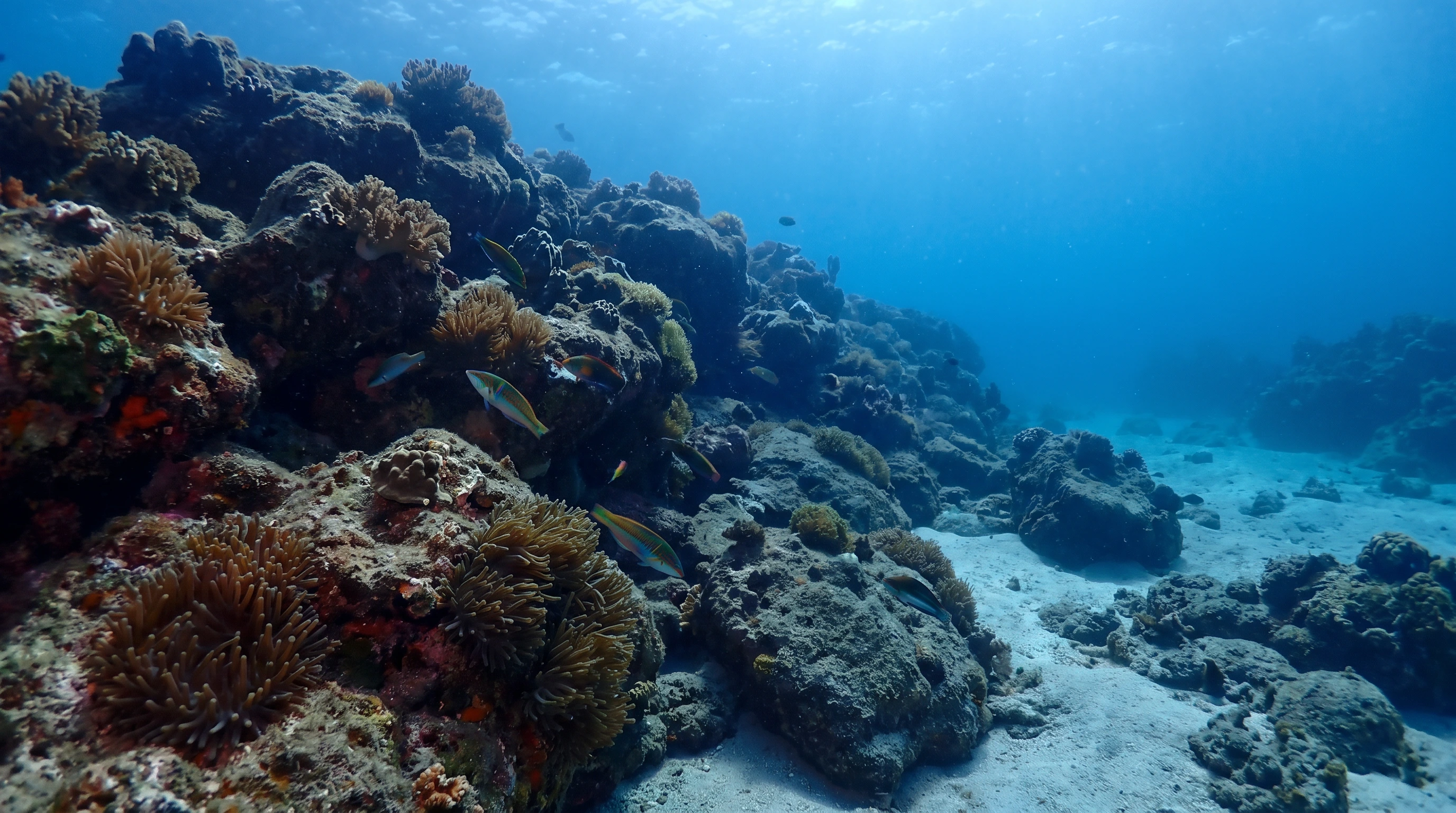
Taiwan's diving spans a broad arc of sub-areas, each with a distinct character. Orchid Island and Green Island offer the widest site selections, with pinnacles, drift dives, and deep reef walls that reward advanced divers. Xiaoliuqiu is notable for wreck, cave, and reef diving at a range of skill levels, while Kenting serves up shore-entry reef dives and offshore drop-offs. Longdong, in the north, provides accessible shore diving along rocky reef walls. Across all areas, the marine life is rich and observation-backed: Wrasses are seen at nearly every site, Moorish Idol and Chromodoris Nudibranch appear frequently, and signature encounters include the Spanish Dancer, Day Octopus, and Indian Lionfish. Water stays warm throughout the year, rising to its peak from July through September, making conditions inviting across a long season.
6 areas
 27
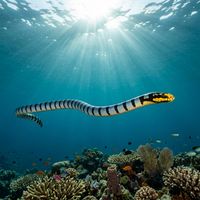
27A compact island with oceanic reefs, deep canyon and wreck dives, and prolific Sea Krait sightings across nearly every site.
 24
24A compact dive destination off Taiwan where reef, pinnacle, cave and artificial-structure sites produce consistent encounters with Ijima's Sea Snake, angelfish and nudibranchs.
19Shore and boat reefs with an exceptional nudibranch and cephalopod community, suited to all levels.
17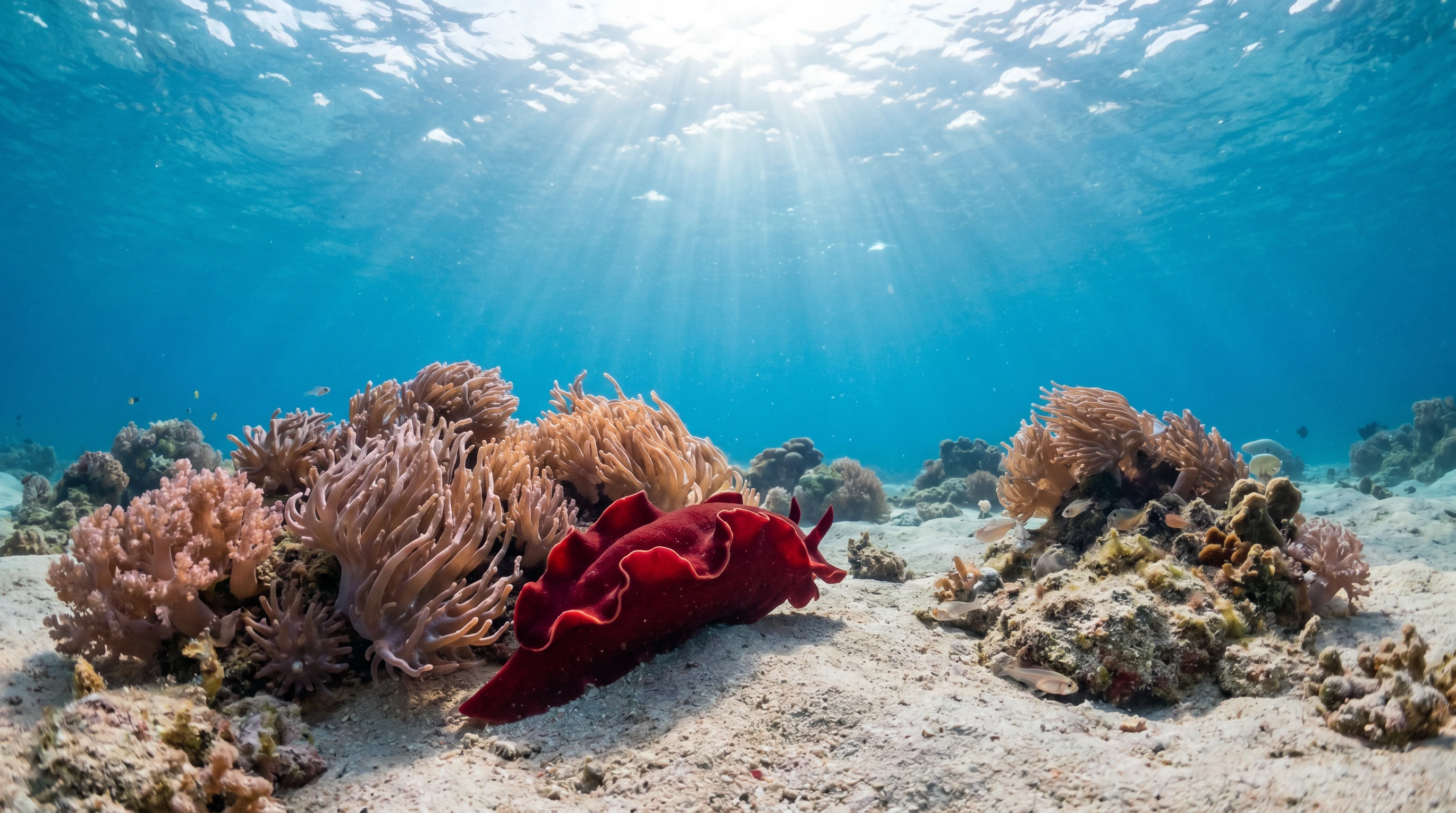
Monthly water temperature across Taiwan's sites, from satellite sea-surface data corrected for depth. The band shows the site-to-site spread.
Water temperature remains warm year-round, climbing to its highest from July through September and cooling only slightly through the winter months, never dropping to uncomfortable levels. The best-months data points firmly toward spring through early autumn as the prime window, with April to September seeing the highest diver activity. Conditions vary sharply by sub-area: sites like Shark Point at Green Island bring strong drift currents for advanced divers, while calmer shore entries at Longdong and Kenting suit those seeking relaxed reef dives.
120 operators

A compact island destination off Taiwan where Green Sea Turtle encounters and exceptional nudibranch variety define the diving.
Water temperature around Taiwan ranges from about 25°C in January to 29°C in July, based on satellite sea-temperature data for its dive sites.
In the warm season (about 29°C) a rash guard or 3mm shorty is comfortable in Taiwan; in the coldest months (about 25°C) step up to a 3mm full suit.
Fin maps 104 sites in Taiwan (102 scuba diving sites and 17 snorkelling spots, with some suited to both), organised into 6 areas.
Observation-backed sightings across Taiwan's sites include Wrasses, Moorish Idol, Chromodoris Nudibranch, Blackback Clownfish, Snowflake Moray, Indian Lionfish, Groupers, Checkerboard Wrasse, Semicircle Angelfish, and Pacific Trumpetfish. Signature species that draw particular interest include the Spanish Dancer, Day Octopus, Regal Angelfish, and Varicose Wart Slug. The Elongate Clam is also a common reef encounter across multiple sub-areas.
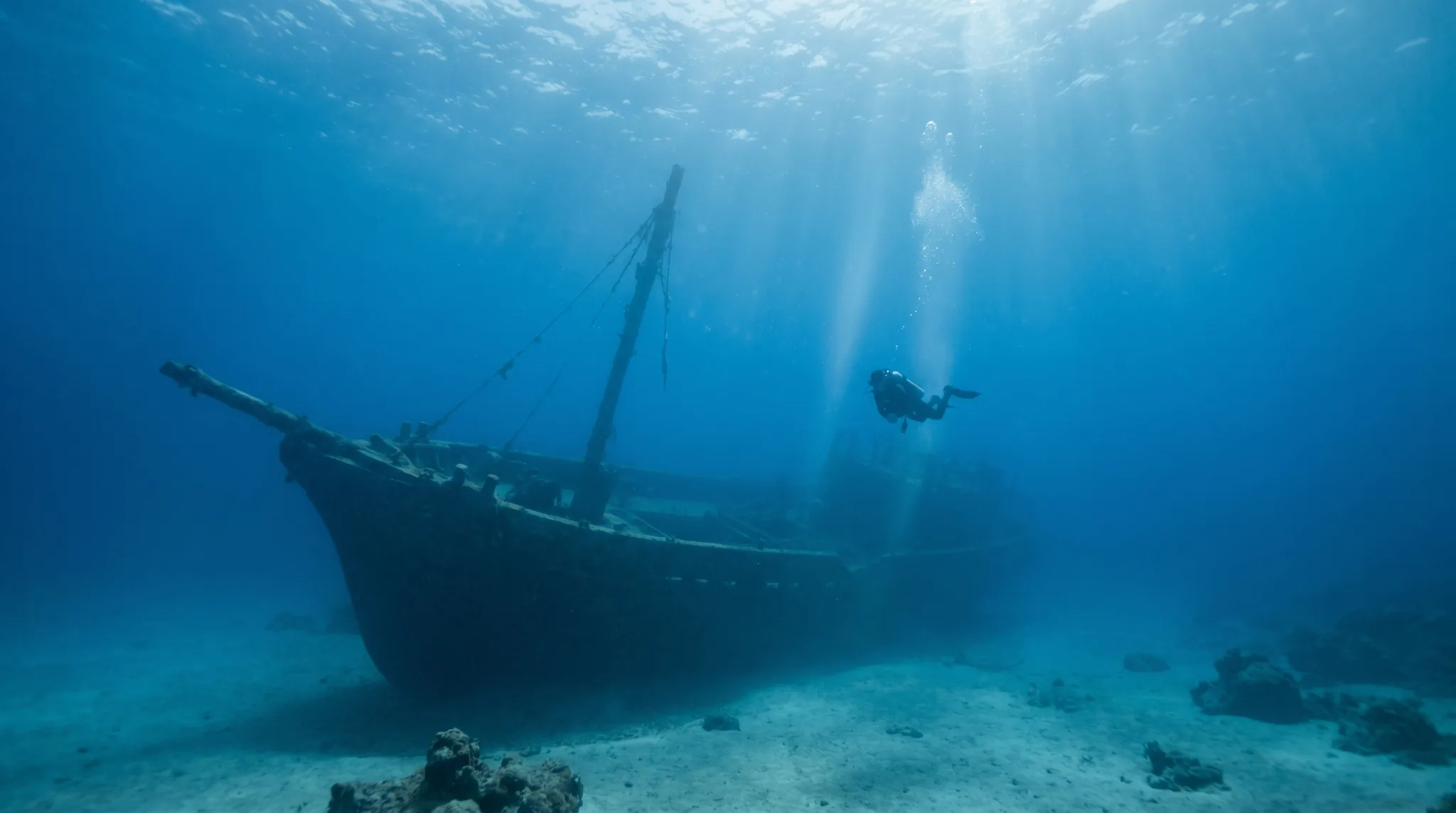
Taiwan caters well to all skill levels. Shore-entry beginner sites include Dafuxi on Xiaoliuqiu, Soft Coral and Sand Island in Kenting, and Longdong Bay #4 in the north. Intermediate divers will find rewarding cave and wall dives such as Beauty Cave and the Shanfu Wreck on Xiaoliuqiu. Advanced divers are well served by drift and pinnacle sites like Shark Point at Green Island and the deep wreck and canyon at Badaiwan off Orchid Island.
Orchid Island and Green Island hold the largest site selections, leaning toward more challenging reef, drift, and deep-wall diving. Xiaoliuqiu offers a compact mix of wrecks, caves, and accessible reef dives reachable by short boat trip. Kenting provides a variety of shore-entry reef sites alongside offshore boat dives. Longdong in northern Taiwan specialises in shore diving along rocky reef and wall terrain, while Penghu currently has only a small number of mapped sites.
Both entry types are well represented across Taiwan. Shore diving is a strong feature in Longdong, Kenting, and at several Xiaoliuqiu sites, giving independent divers convenient access. Boat access becomes necessary for many of the more exposed offshore sites, including advanced destinations like Shark Point, Badaiwan, and Seven Stars. Some sites, such as Shark Point, offer both options depending on conditions and operator.