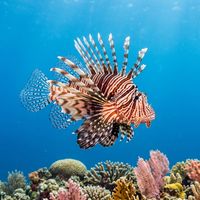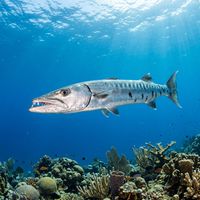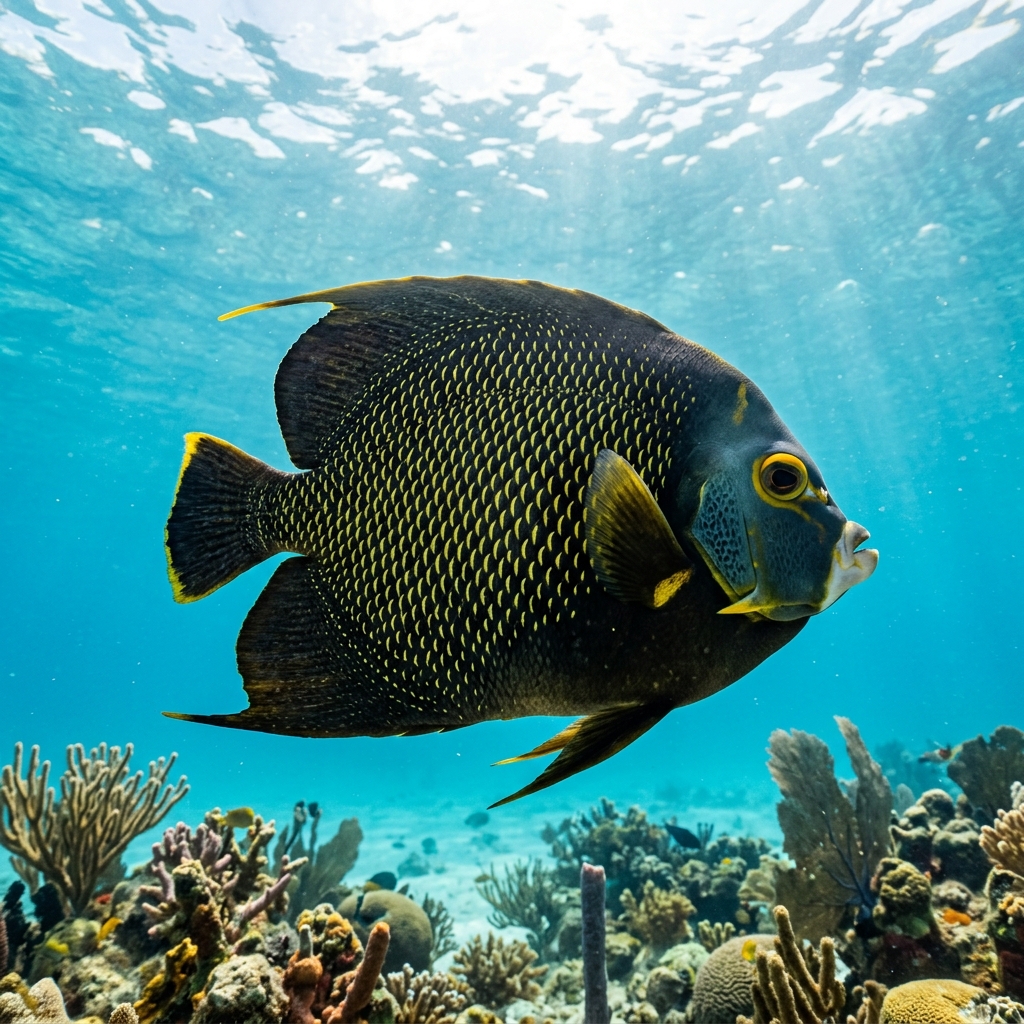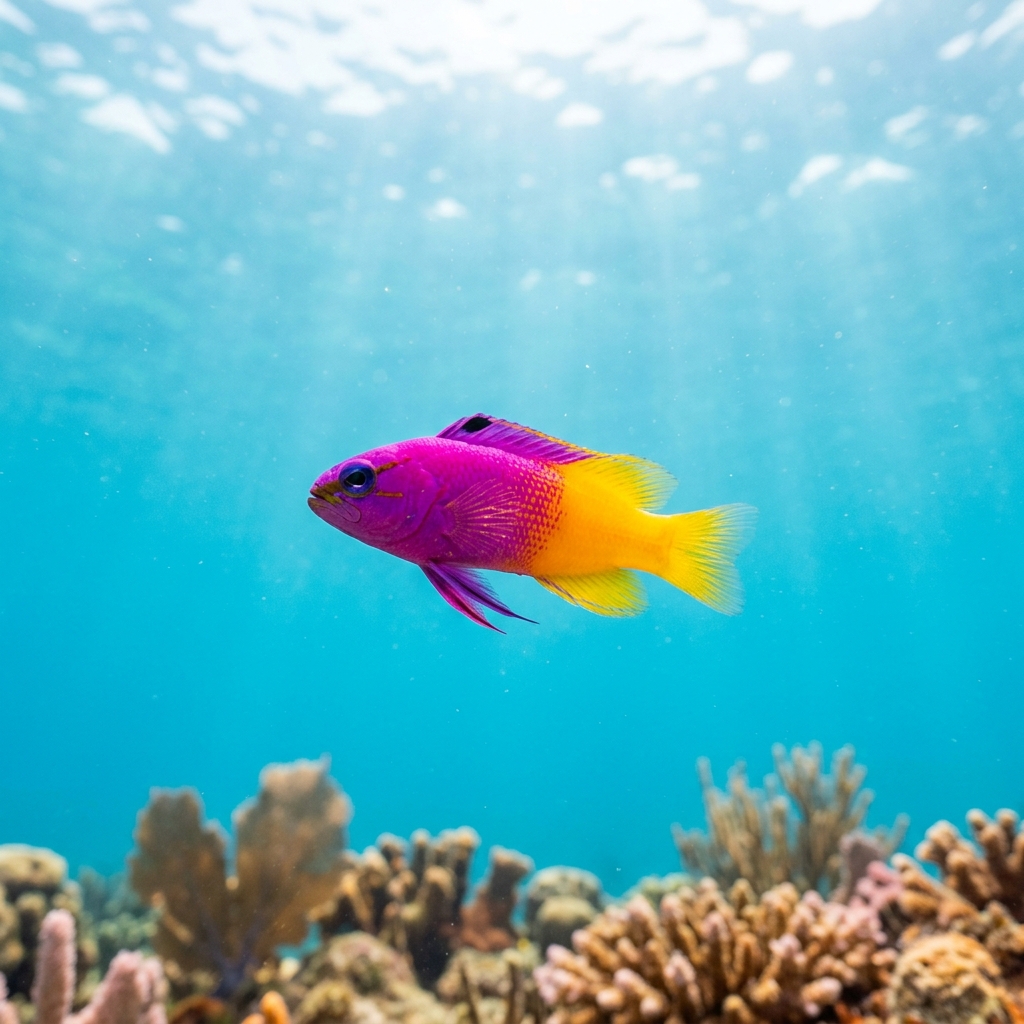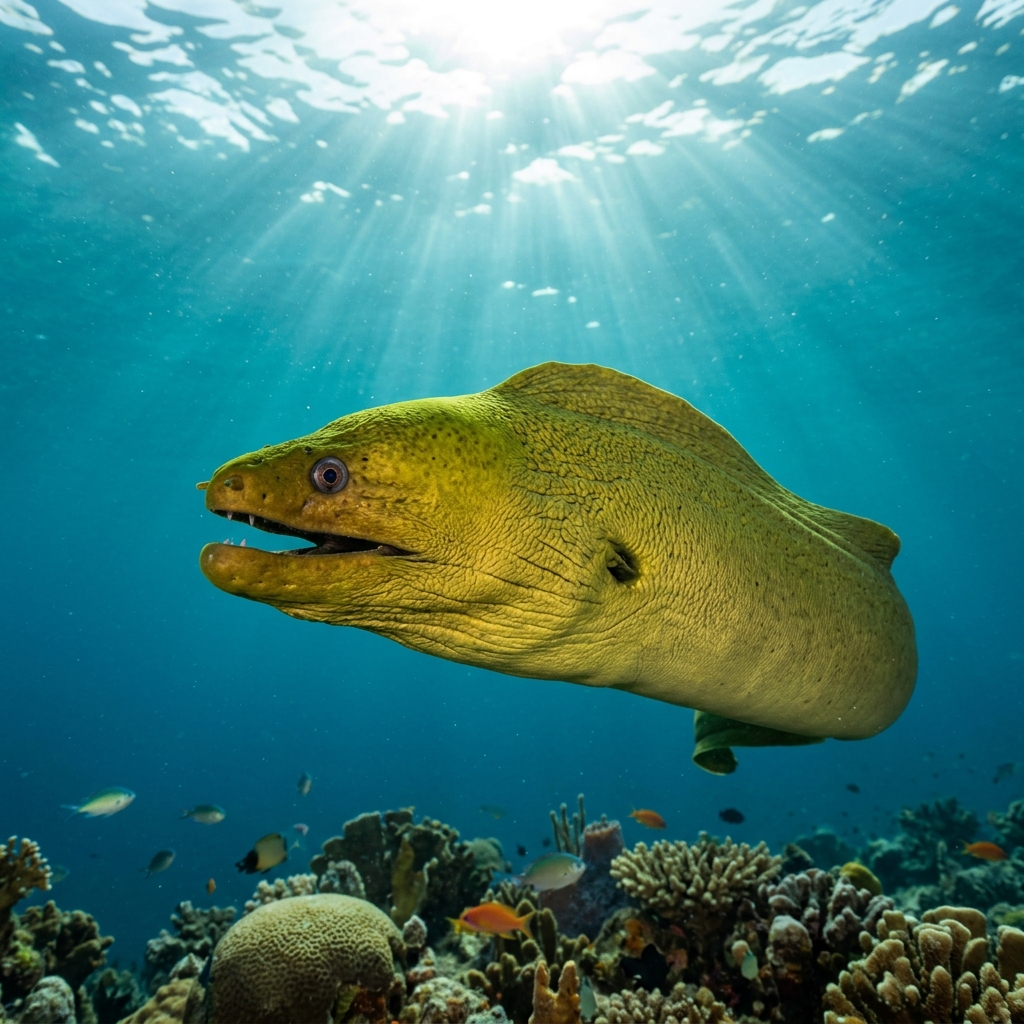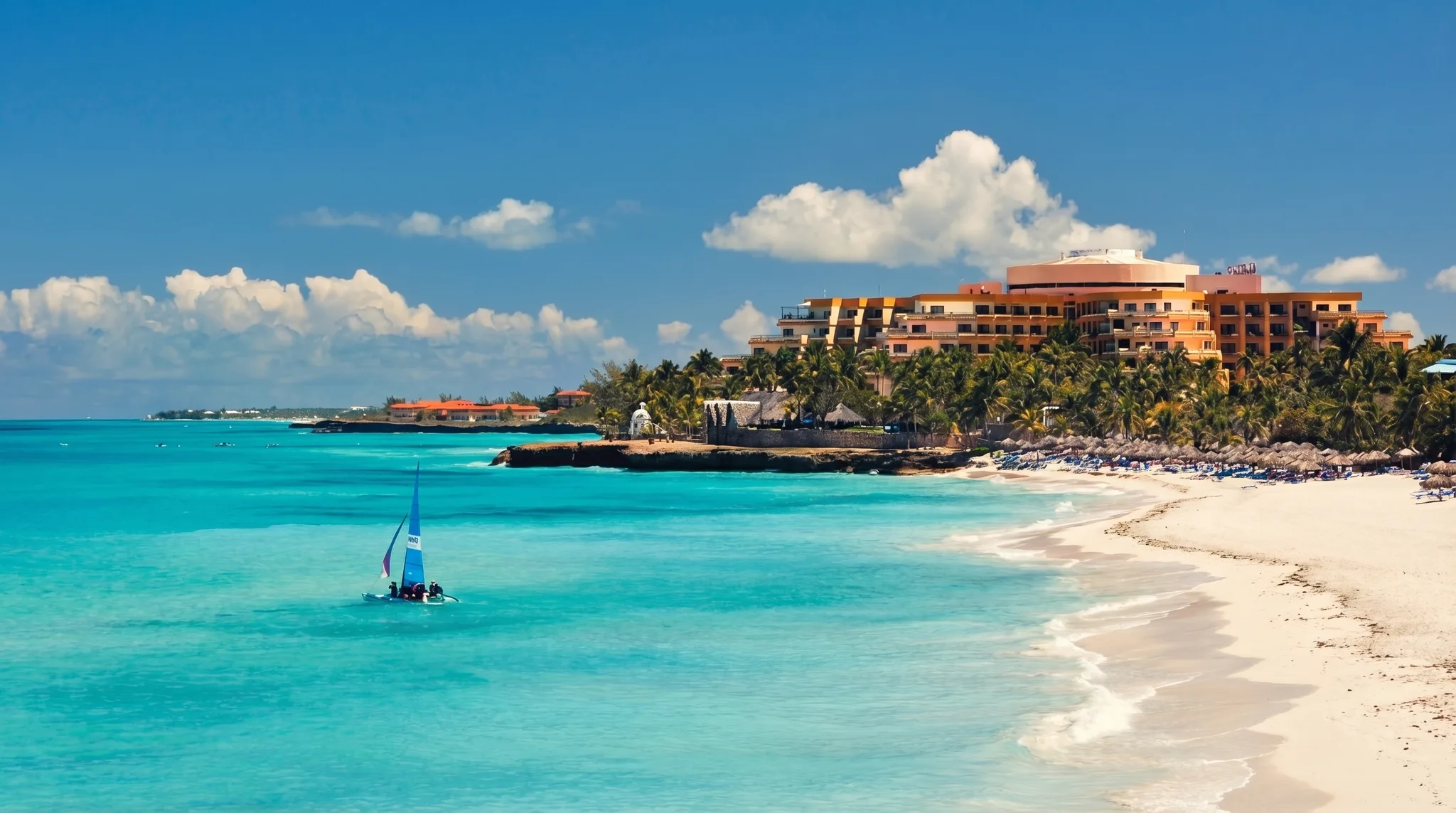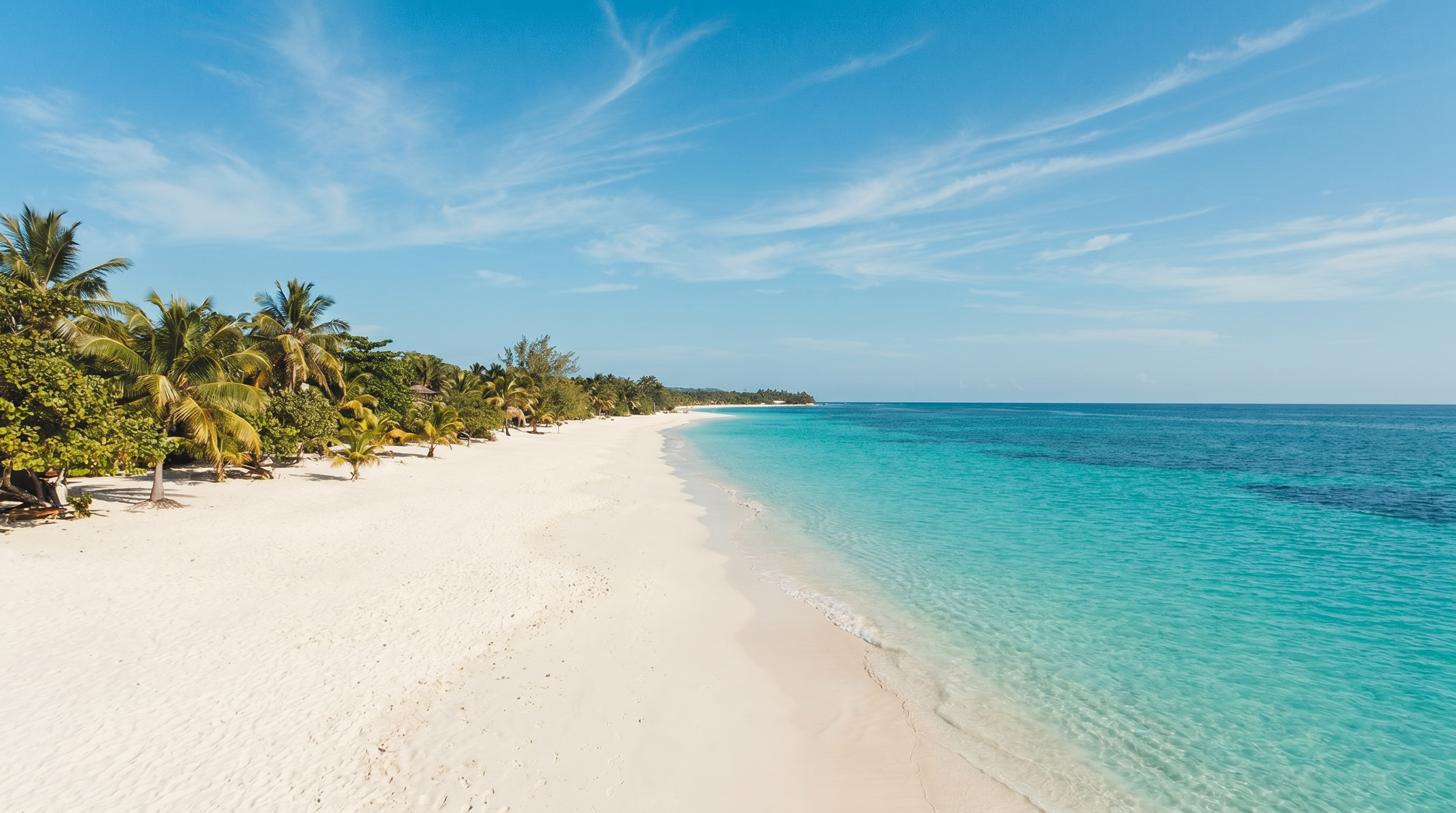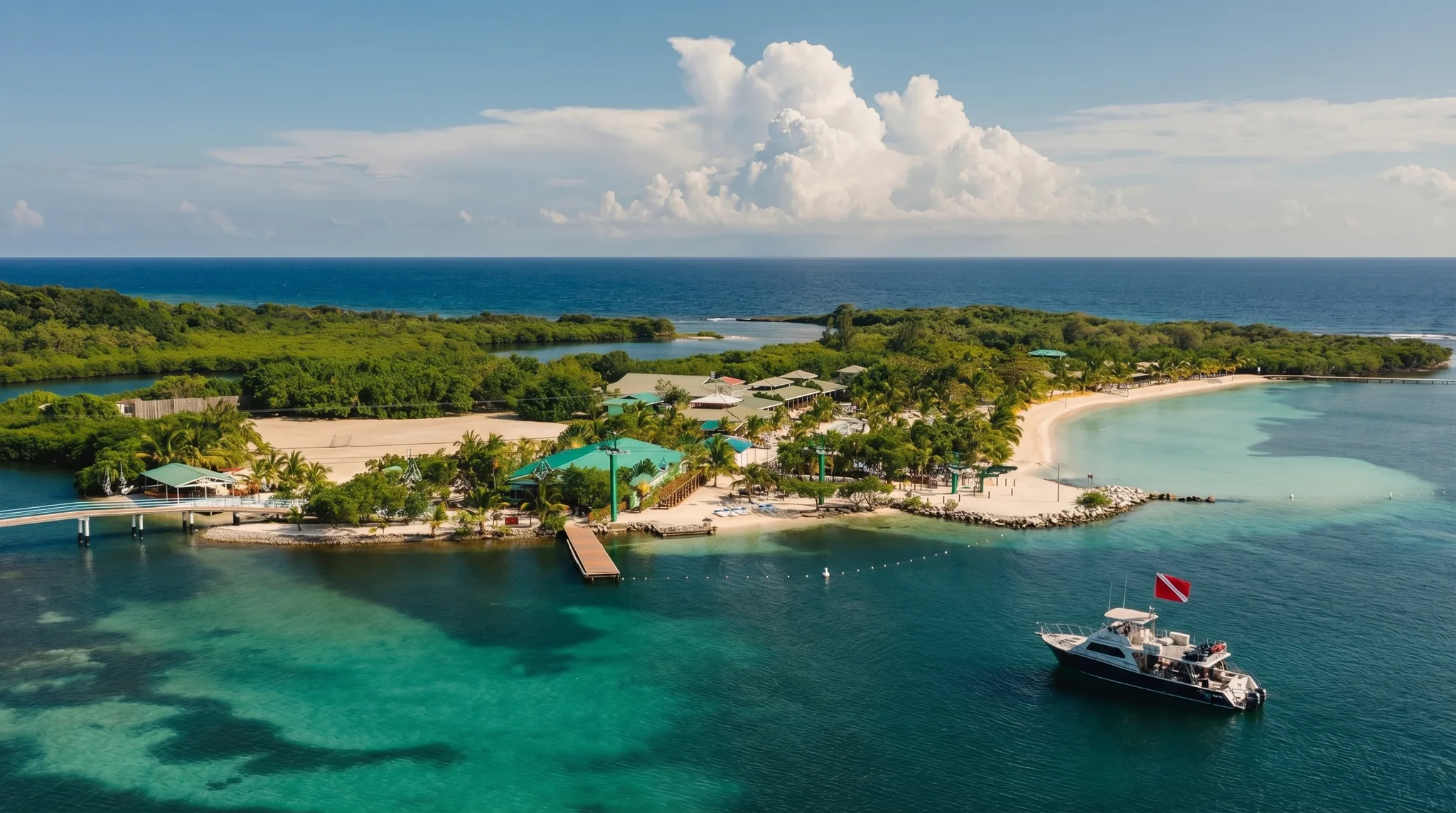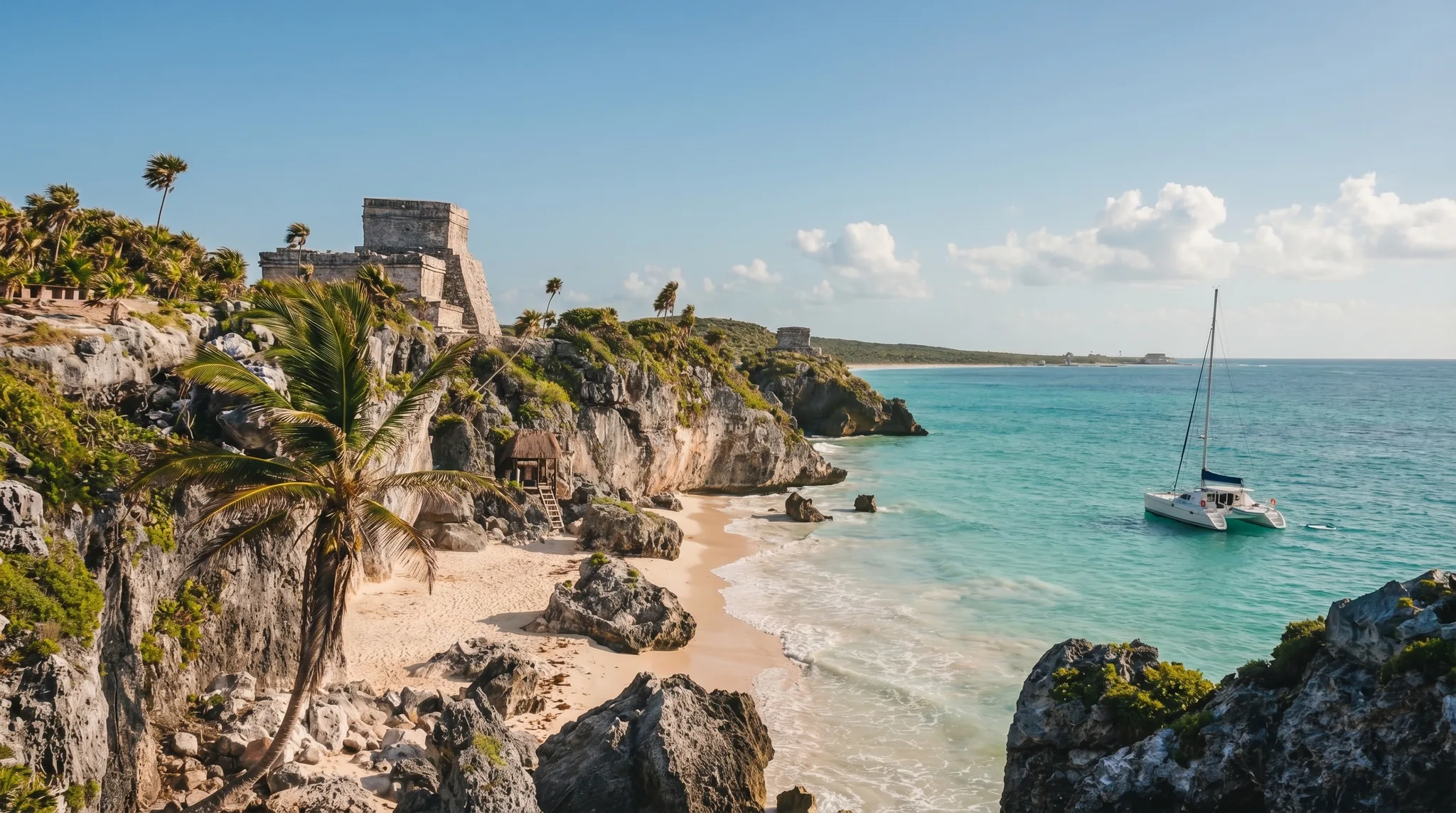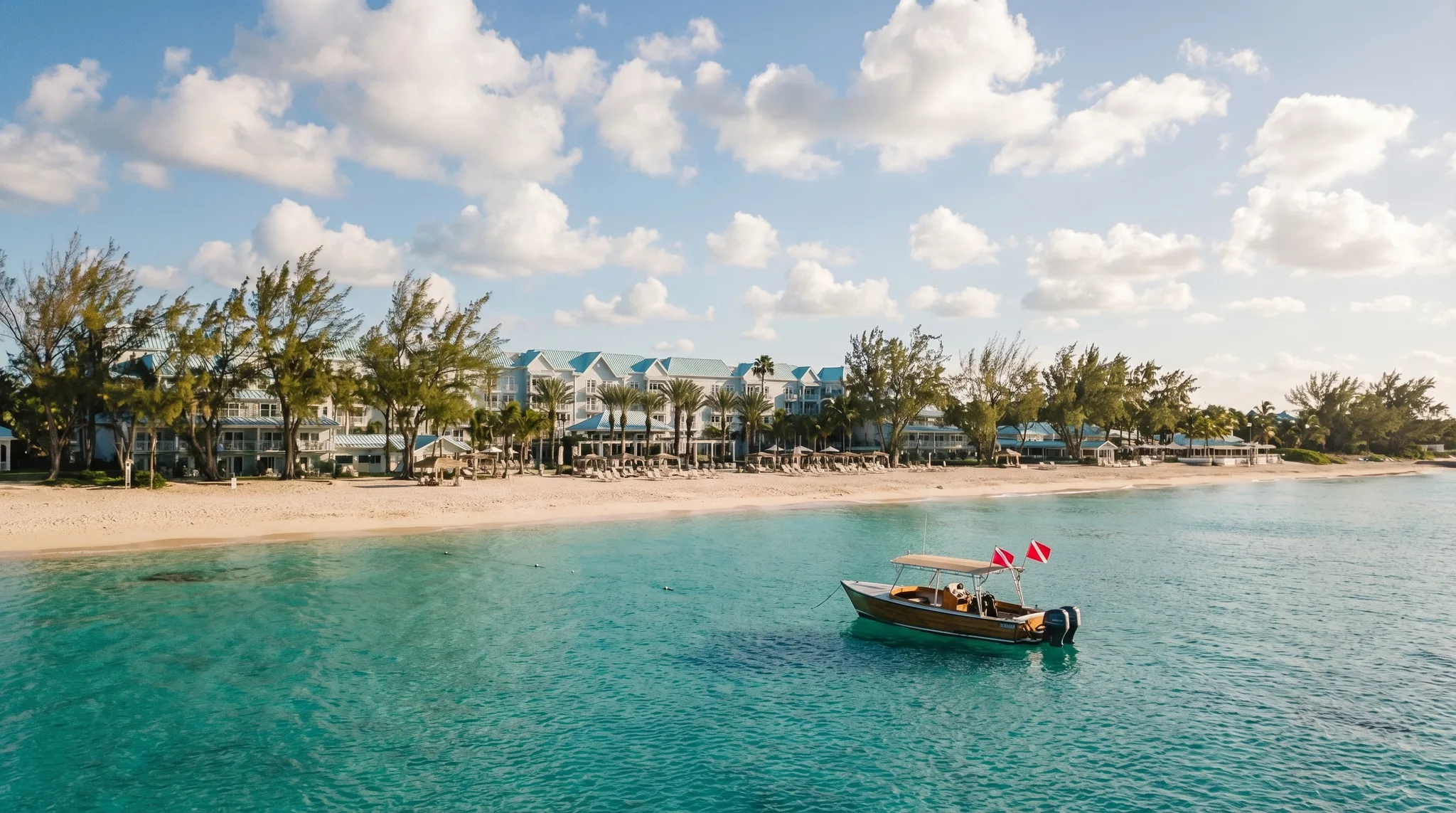
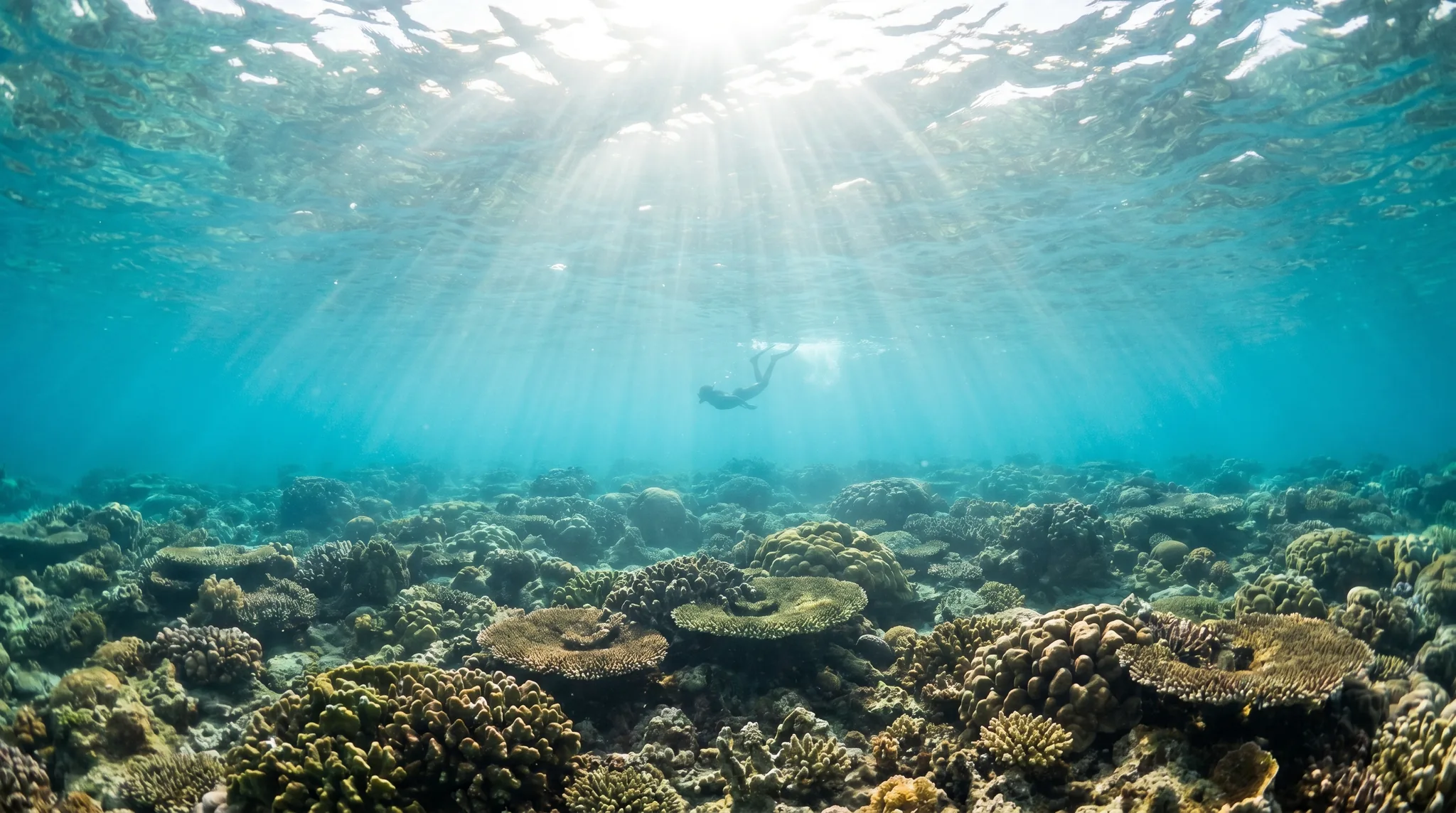
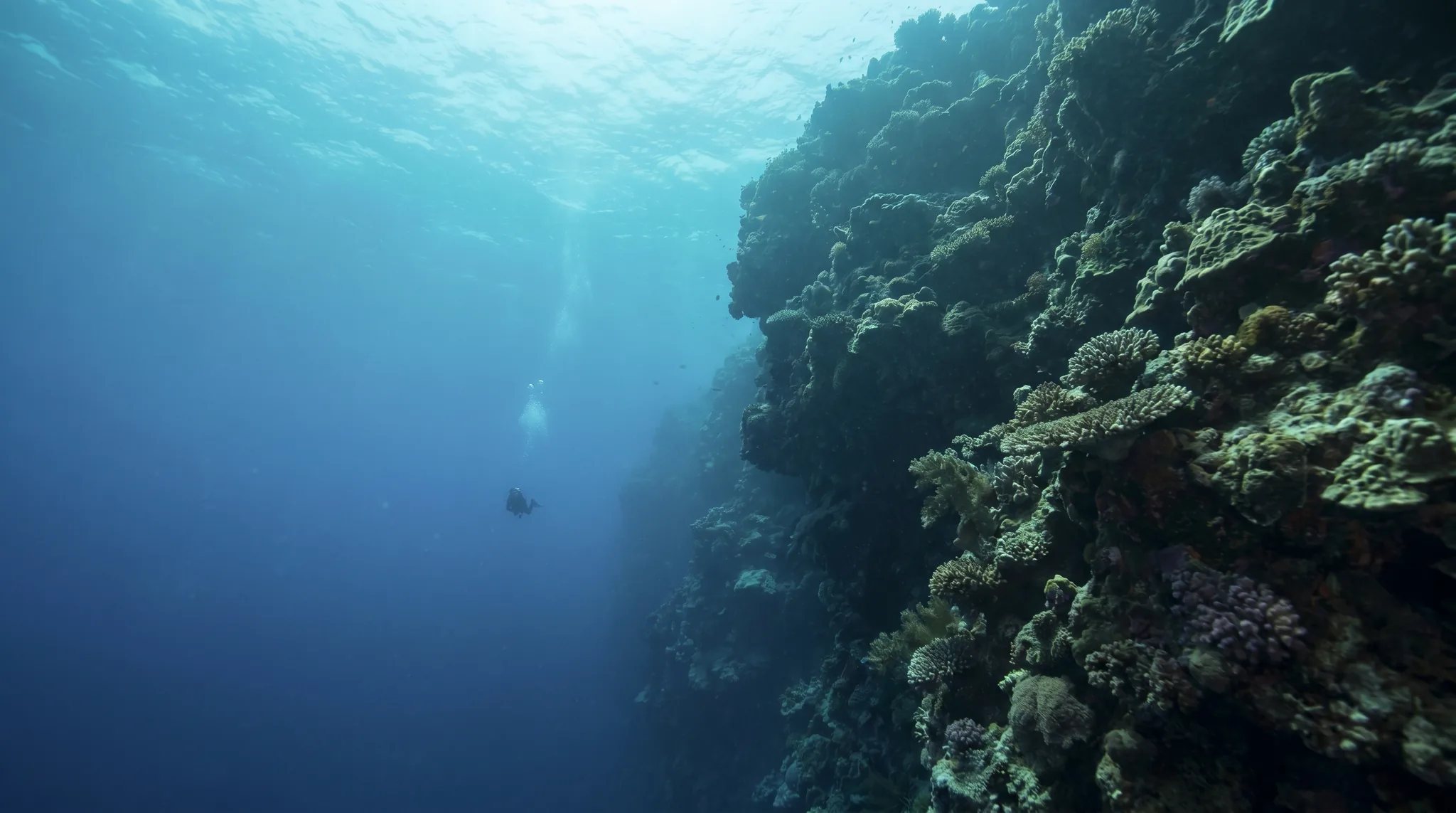
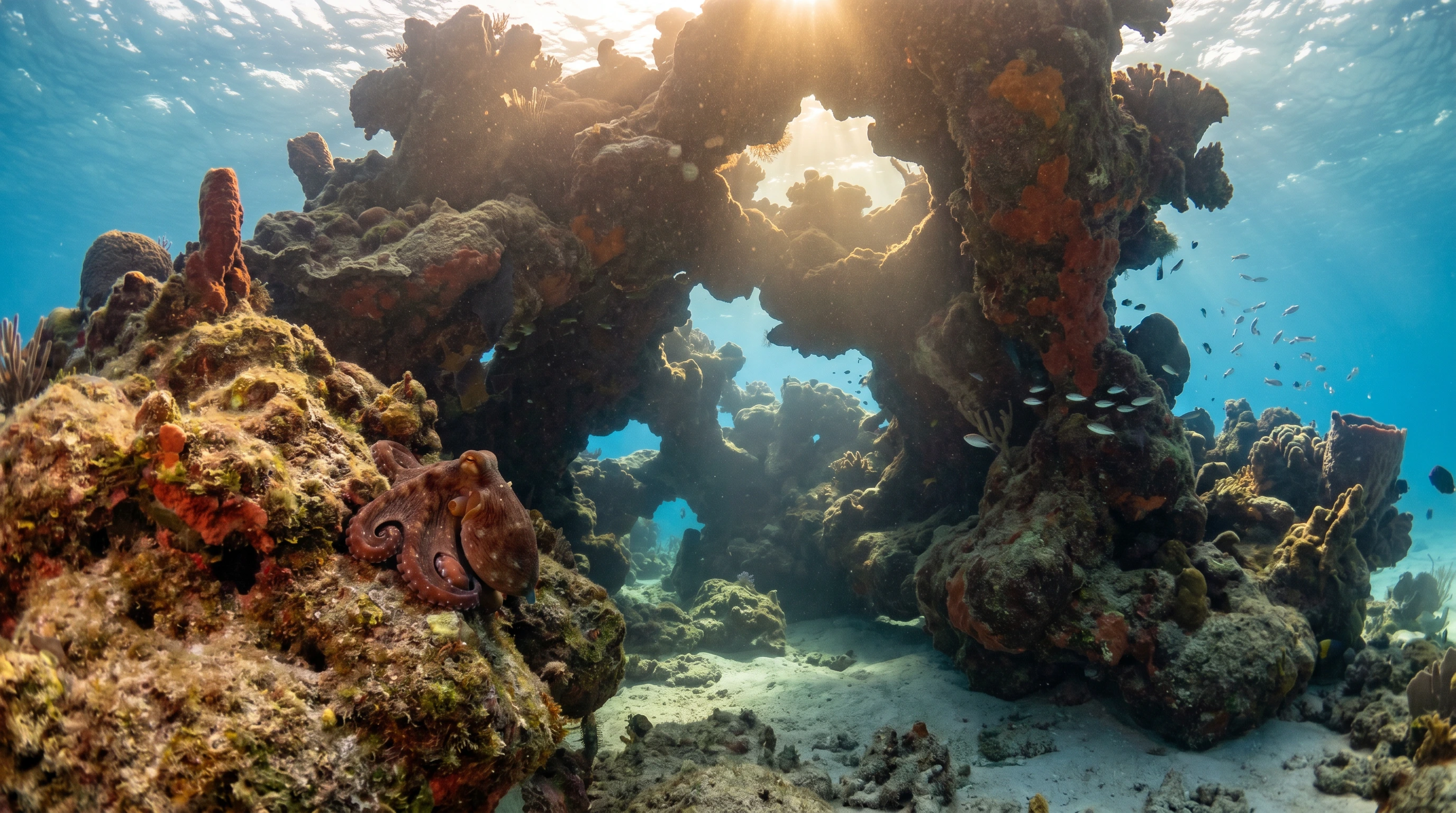
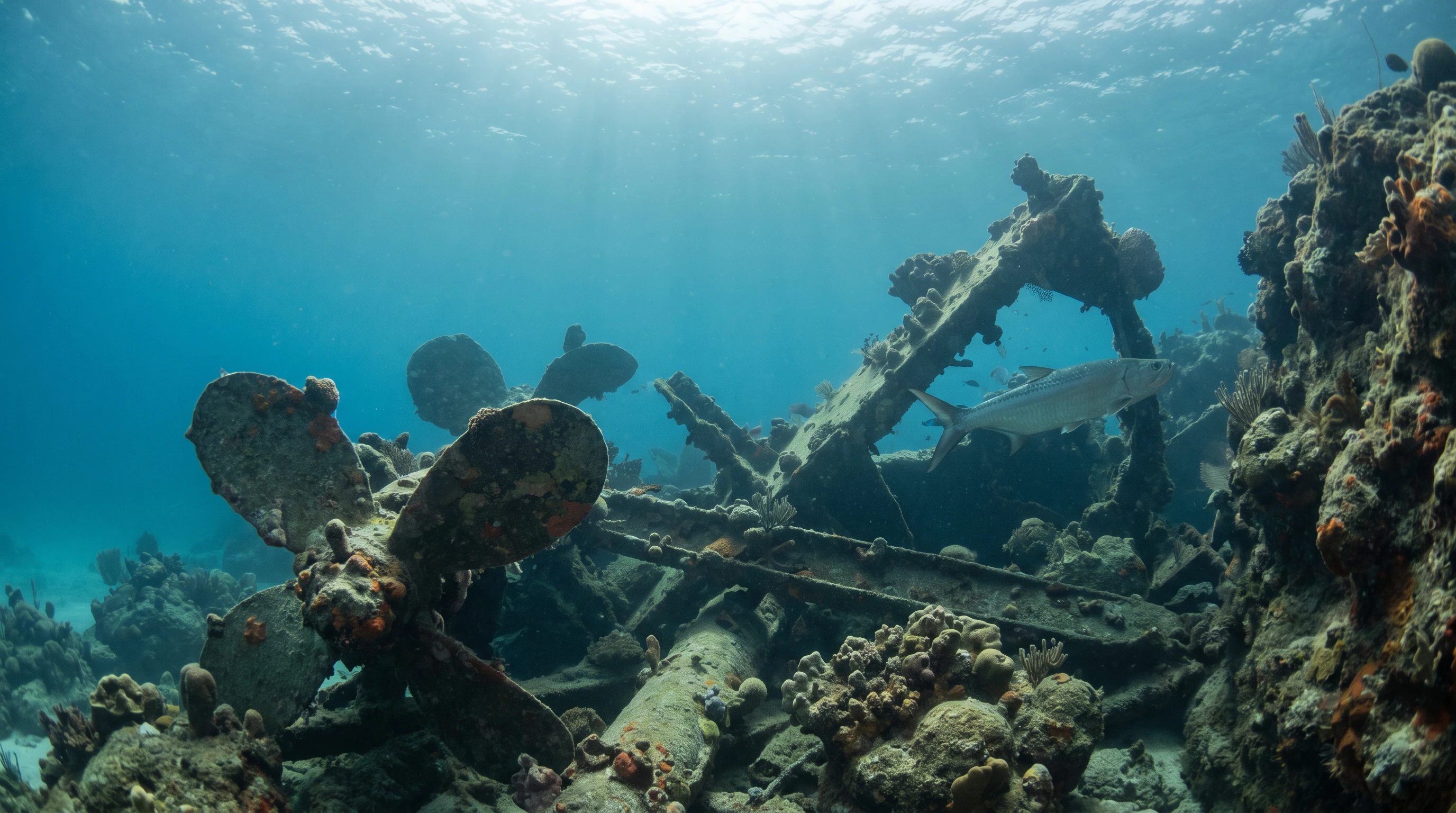
The Cayman Islands offer one of the Caribbean's most varied underwater landscapes across three distinct islands. Grand Cayman holds the largest share of sites, ranging from shallow beginner reefs and cavern systems like Devil's Grotto South to deep wall dives such as North West Point and Pat's Wall. Little Cayman punches well above its size, anchored by Bloody Bay Wall, where a shallow reef platform gives way to an abrupt drop into open water. Cayman Brac rounds out the group with drift reef diving at sites like Snapper Point. Wrecks including the Oro Verde and Balboa add structural variety across the islands. The water stays warm year-round, and visibility is consistently strong, making conditions reliable for most of the calendar. Signature species include the French Angelfish, Great Barracuda, Green Moray, and the vivid Fairy Basslet.
3 areas
 143
143Walls, wrecks and caverns across four sub-areas, with abundant angelfish, barracuda and moray on almost every dive.
 35
35Dramatic wall diving defines Little Cayman, with shallow reef platforms dropping into deep blue on both the north and south coasts.
 21
21Wall, wreck and reef diving anchored by a sunken Russian frigate, with warm water and accessible conditions year-round.
Monthly water temperature across Cayman Islands's sites, from satellite sea-surface data corrected for depth. The band shows the site-to-site spread.
Water temperature stays warm throughout the year, rising to its peak through the summer and early autumn months and dipping only slightly in winter, so thermal comfort is rarely a concern. Diver activity peaks strongly from March through May, suggesting these spring months offer the most favourable combination of conditions and calmer sea states before summer weather patterns develop. The summer and autumn months see quieter periods on the water, which can suit those who prefer less crowded sites.
57 operators

Water temperature around Cayman Islands ranges from about 27°C in January to 30°C in July, based on satellite sea-temperature data for its dive sites.
With water around 27–30°C, a rash guard or 3mm shorty works in Cayman Islands year-round.
Fin maps 199 sites in Cayman Islands (197 scuba diving sites and 22 snorkelling spots, with some suited to both), organised into 3 areas.
Across Cayman Islands's dive sites, April and May are most often reported as the best months to visit.
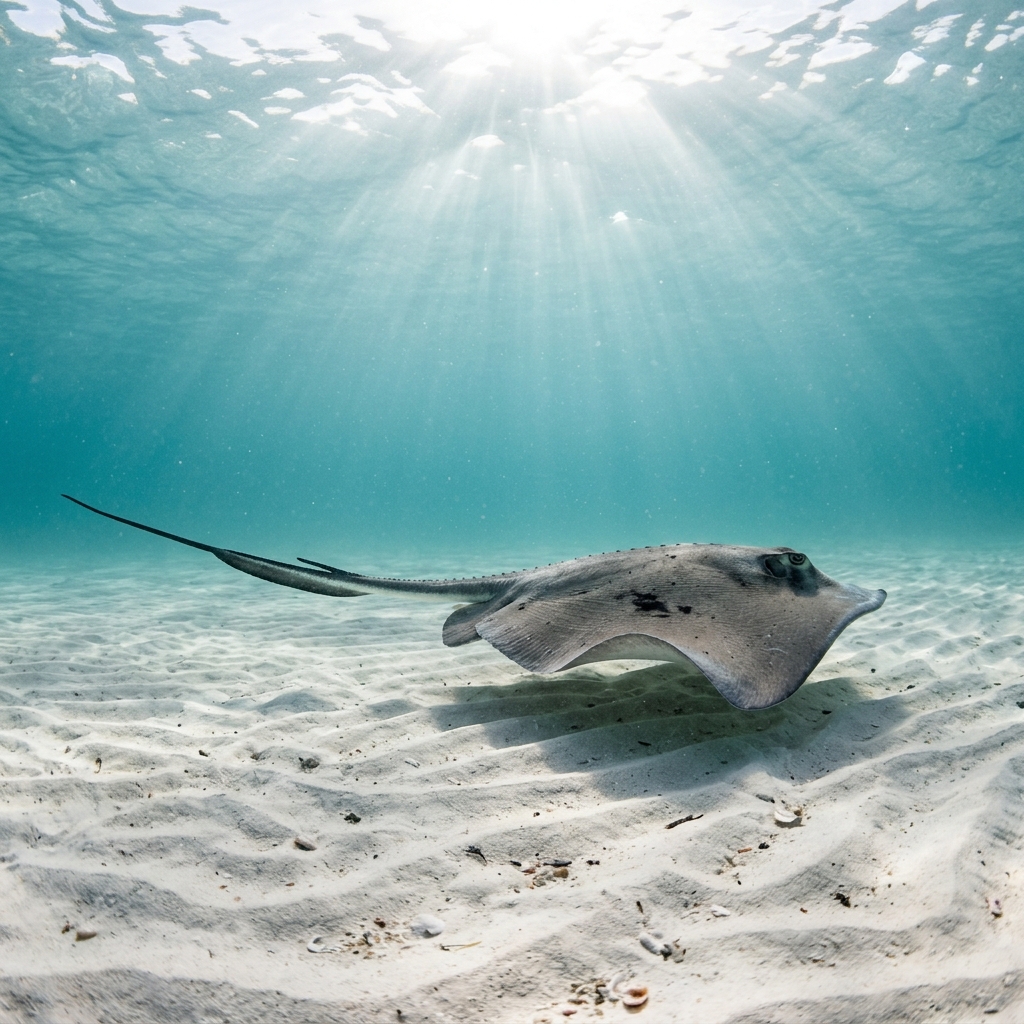
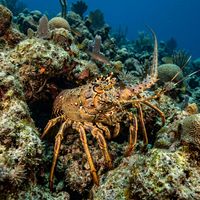
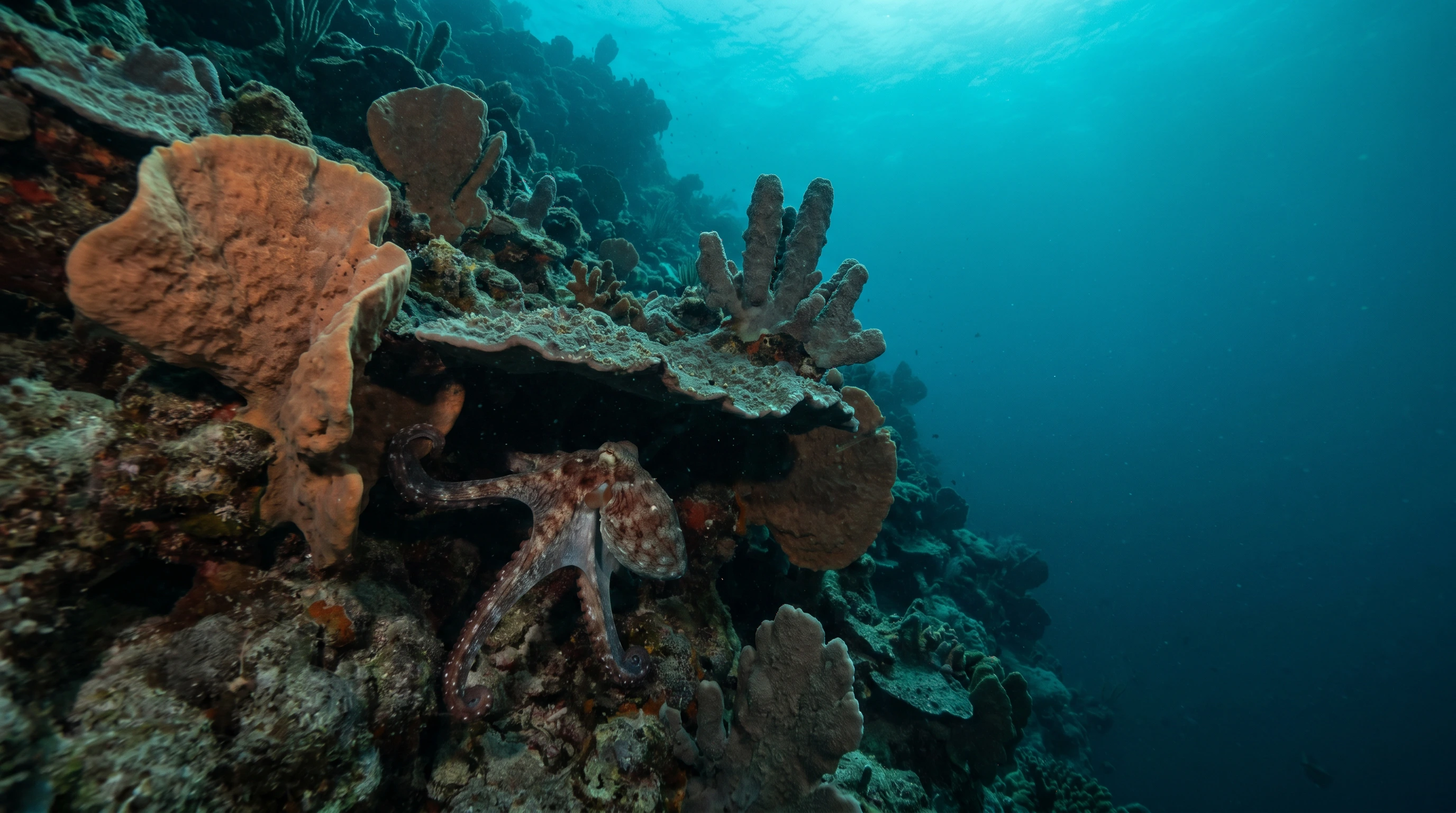
The Cayman Islands have a rich and well-documented species list. Observation-backed regulars include the Great Barracuda, French Angelfish, Stoplight Parrotfish, Whiptail Stingray, and Porcupinefish. On the reef structure you are likely to encounter the Fairy Basslet, Green Moray, Caribbean Spiny Lobster, and the striking Purple Sea Fan. The Indian Lionfish is also very commonly recorded across sites.
A good proportion of sites across the islands are rated for beginners, including Paradise Reef, Devil's Grotto South, Wildlife Reef, The Coral Garden, and the Oro Verde wreck. These tend to be shallower reef and wreck sites with straightforward conditions. Intermediate sites, particularly the wall dives, are widely available for those ready to progress, so the islands work well for mixed-ability groups.
Grand Cayman has by far the greatest number of sites and the widest variety, covering walls, wrecks, caverns, canyons, and shallow reefs spread across multiple areas including West Bay, George Town, and the North Sound. Little Cayman has fewer sites but is home to Bloody Bay Wall, one of the most celebrated wall dives in the region. Cayman Brac offers a more compact selection with good drift reef diving and its own distinct character at sites like Snapper Point.
The majority of sites across the Cayman Islands are boat-access only, which is reflected in the operator infrastructure: there are numerous dive operators across the islands, including Ocean Frontiers, Divetech, Eden Rock Diving Center Ltd, and Sunset House, among others. Shore diving is available at a smaller number of sites, notably Devil's Grotto South and Paradise Reef off Grand Cayman, which is useful for independent divers who prefer flexible timing.