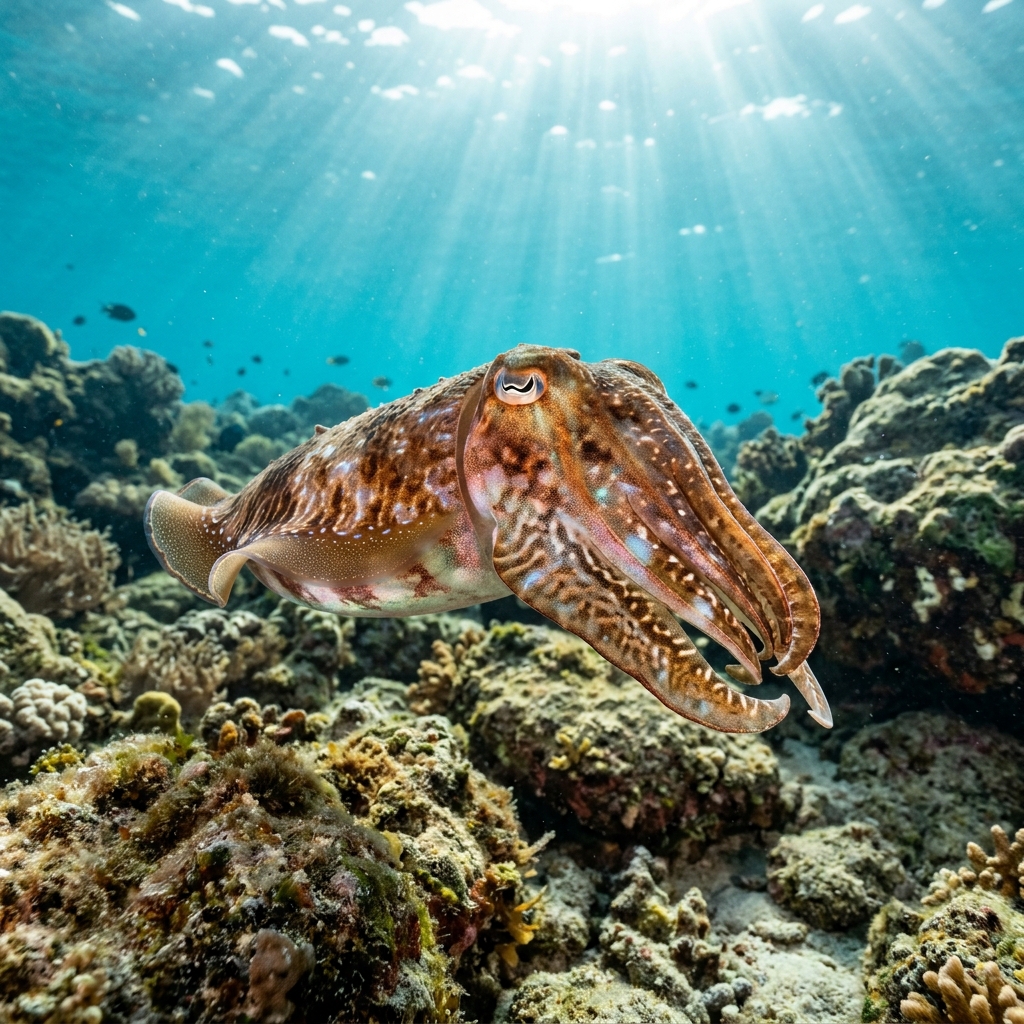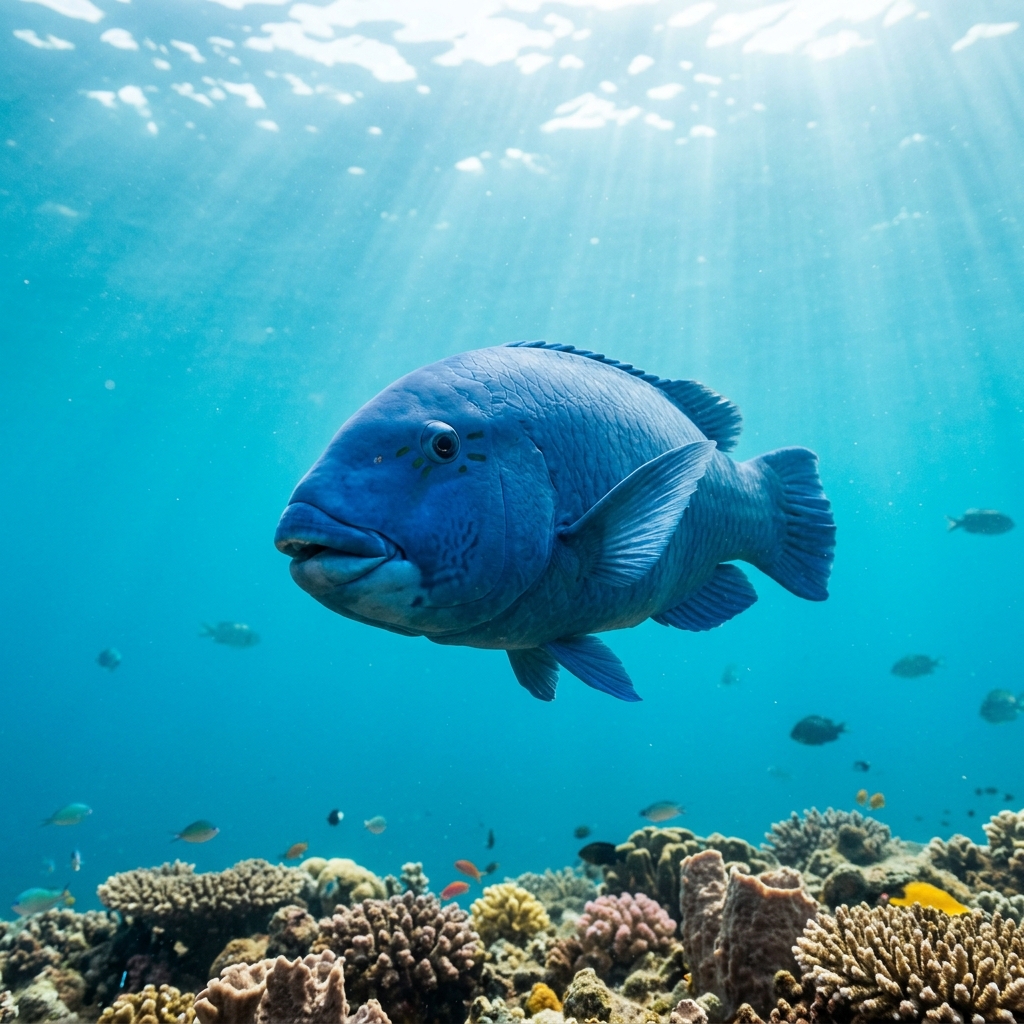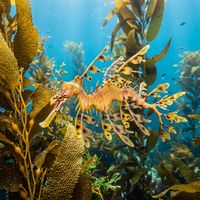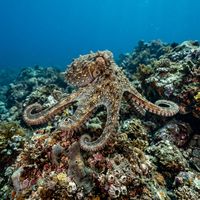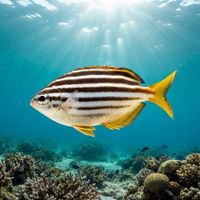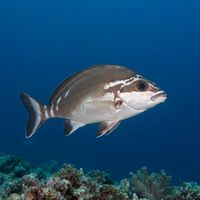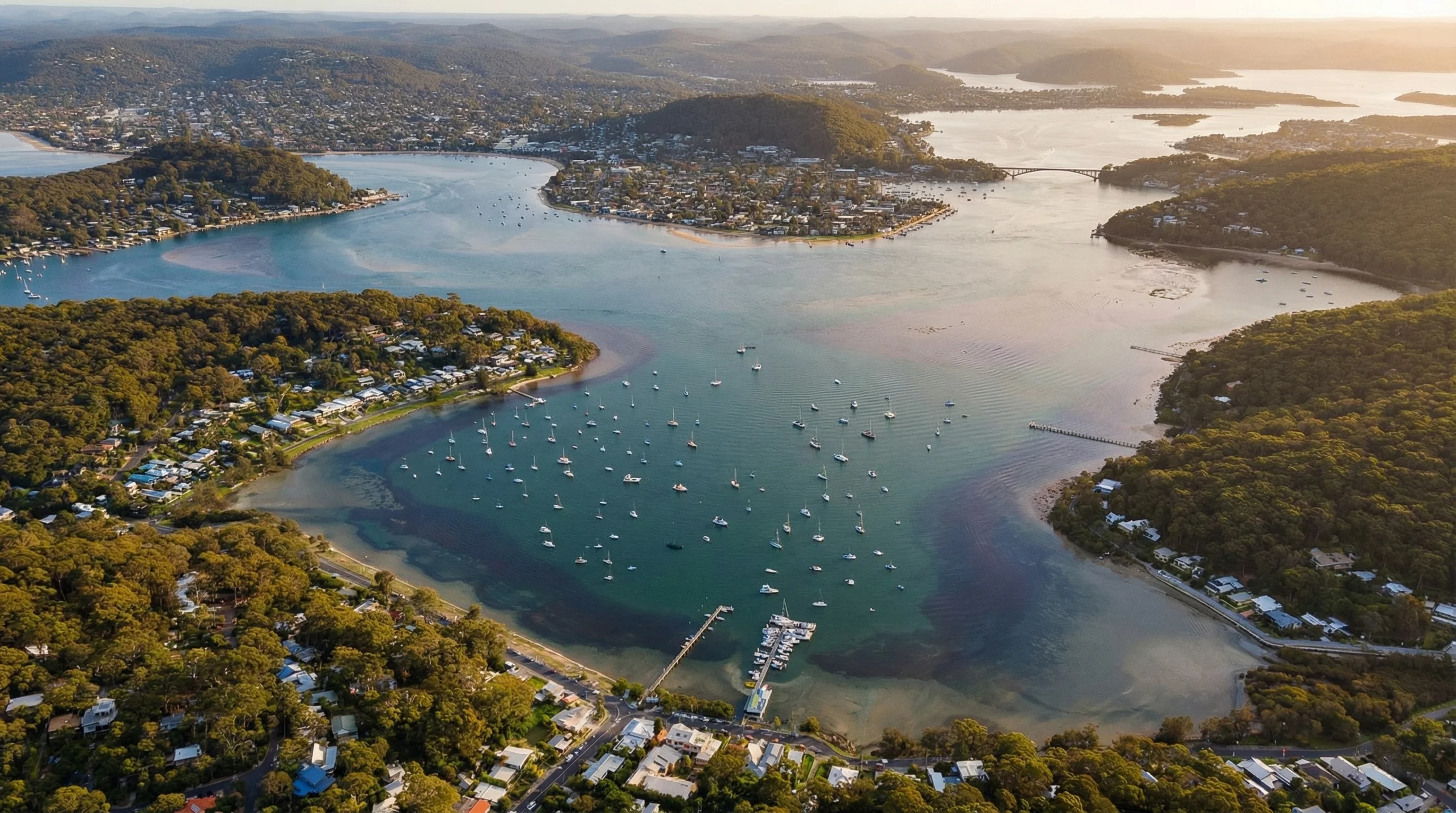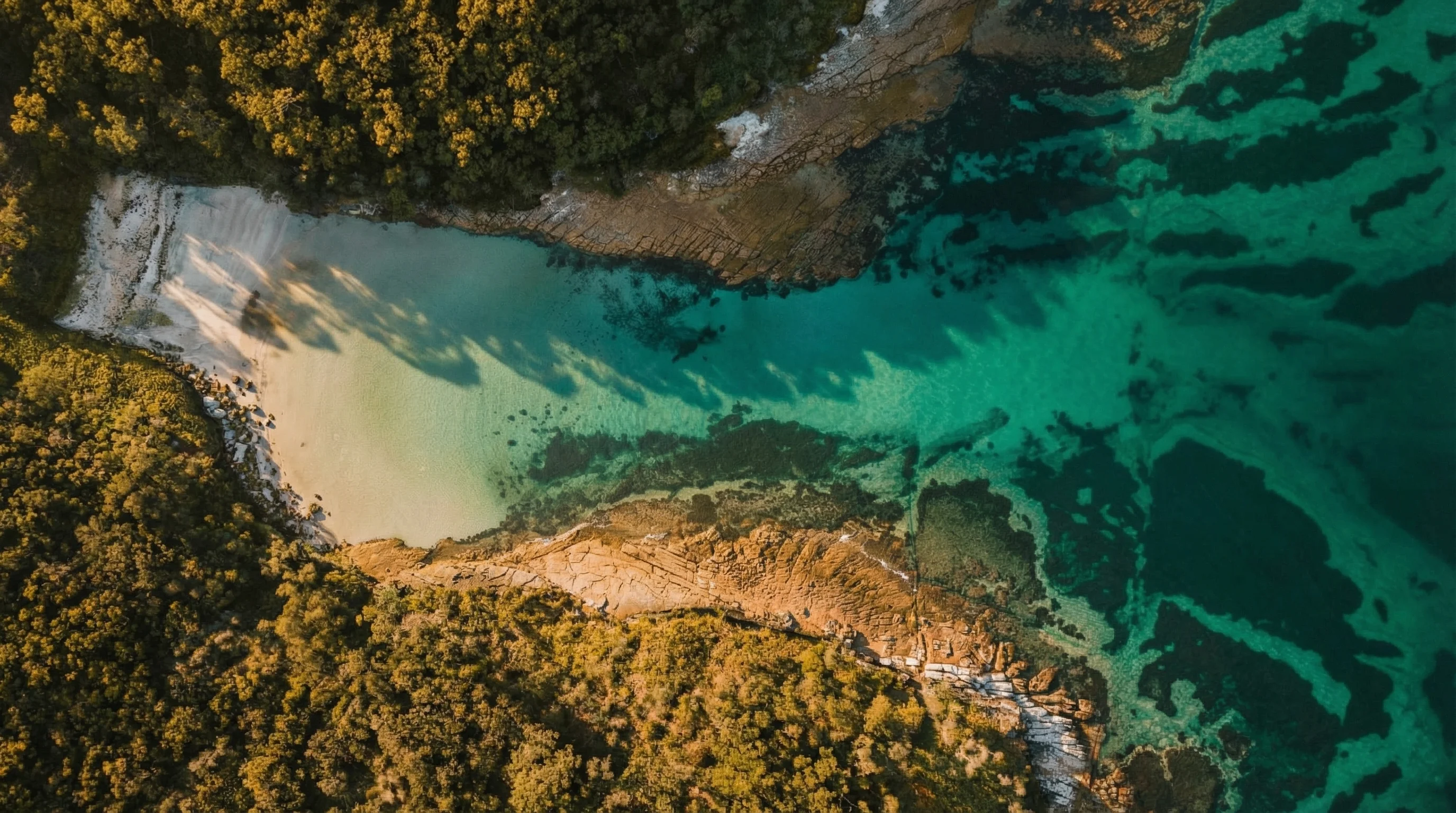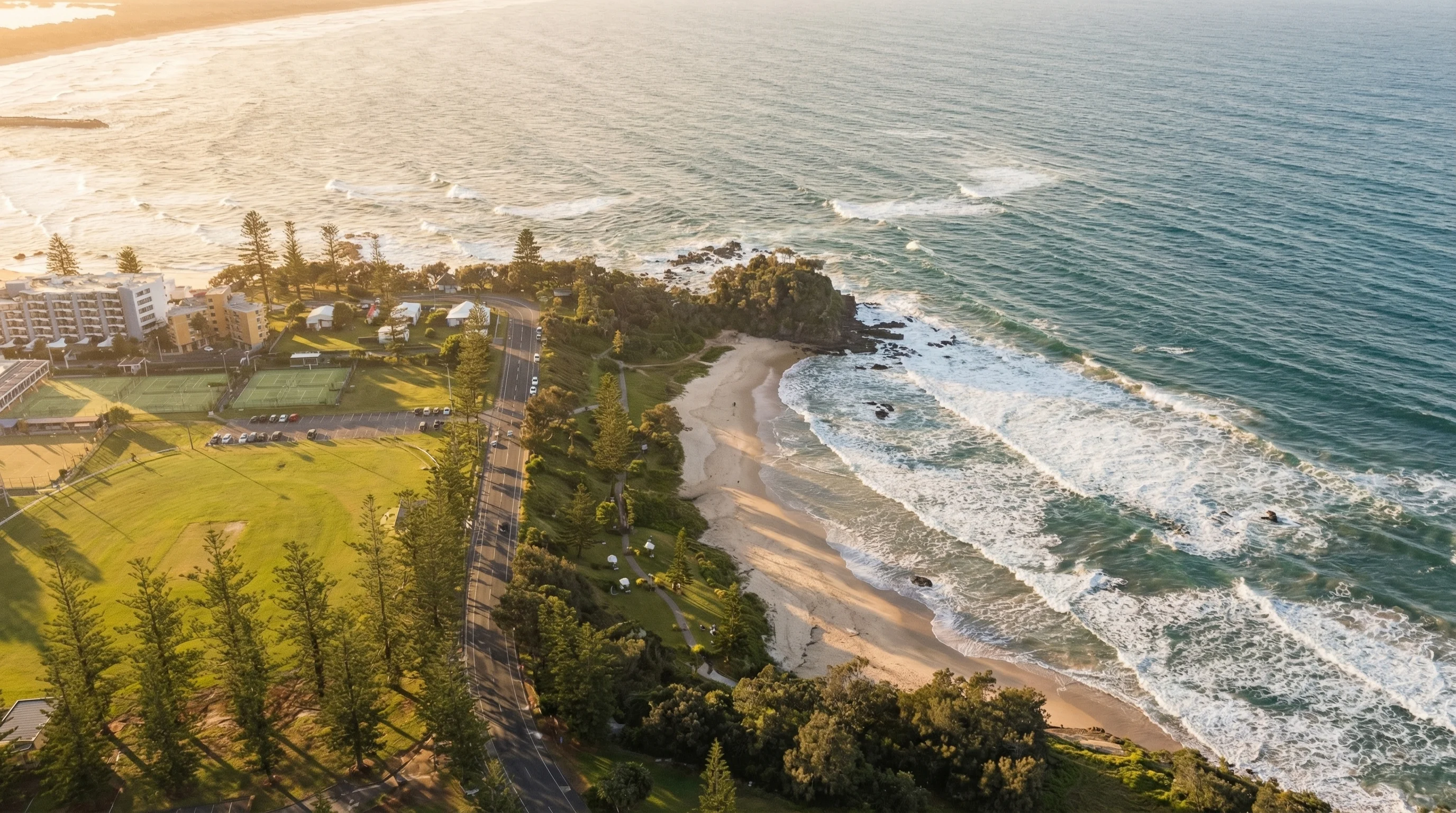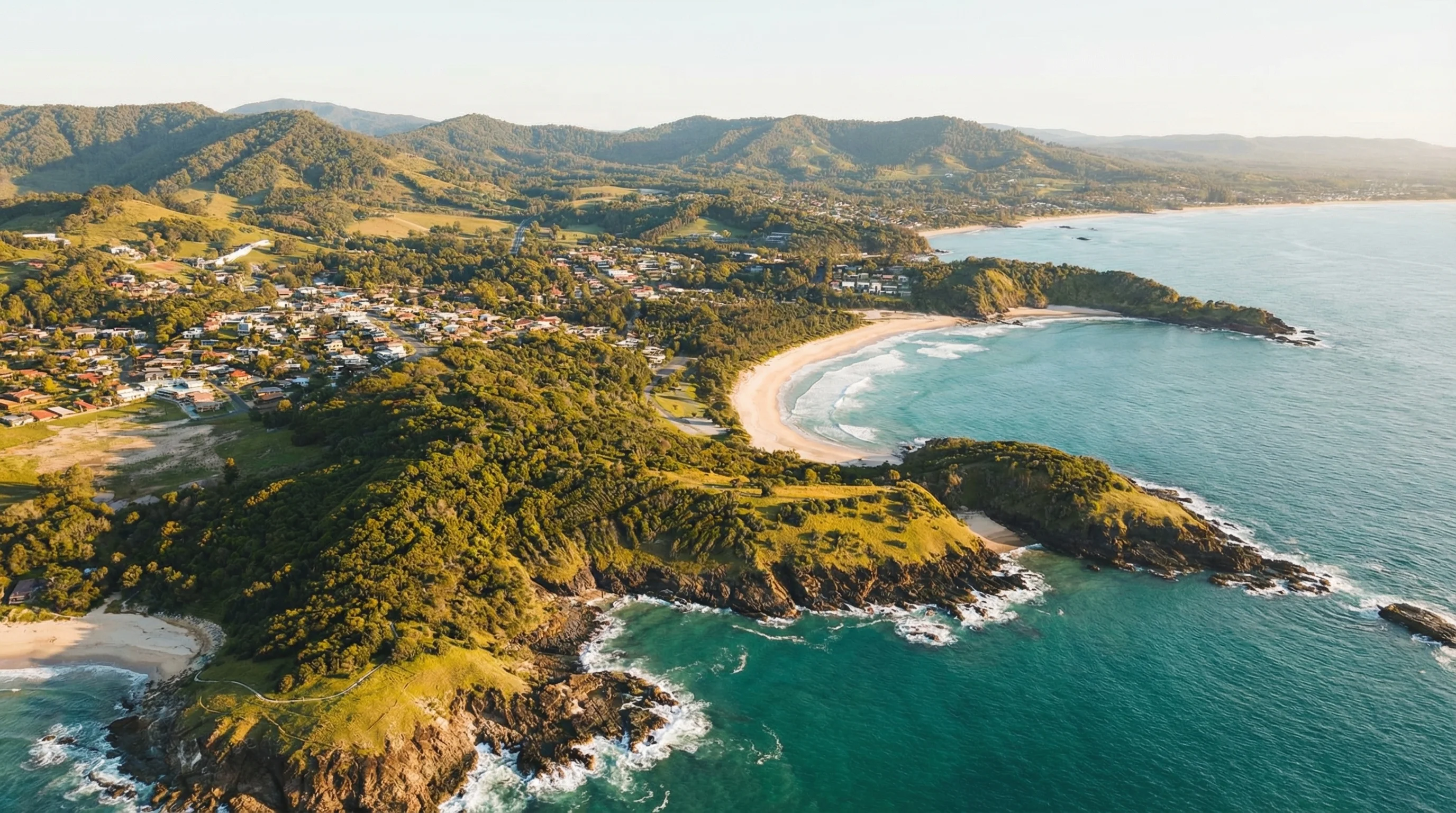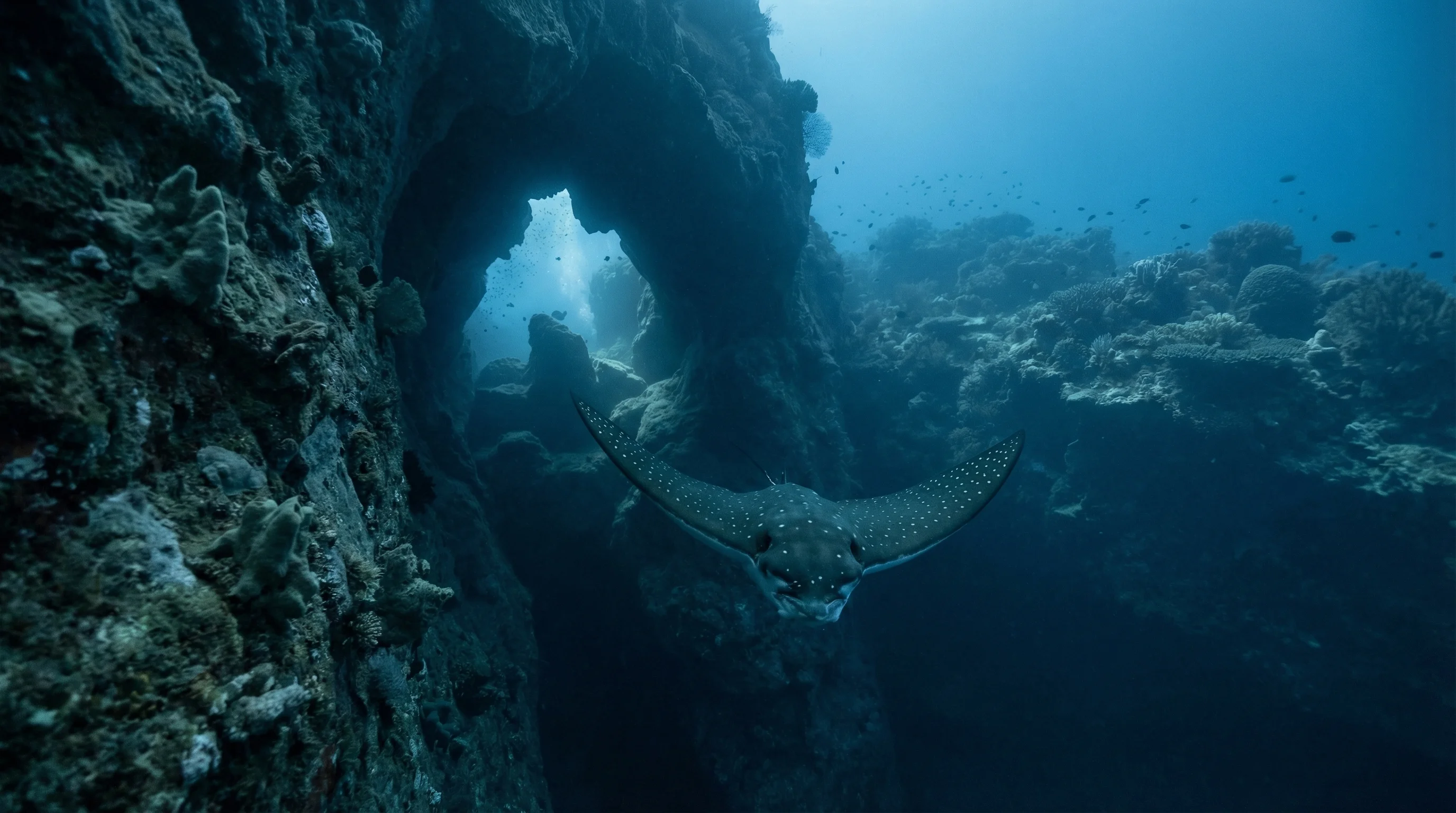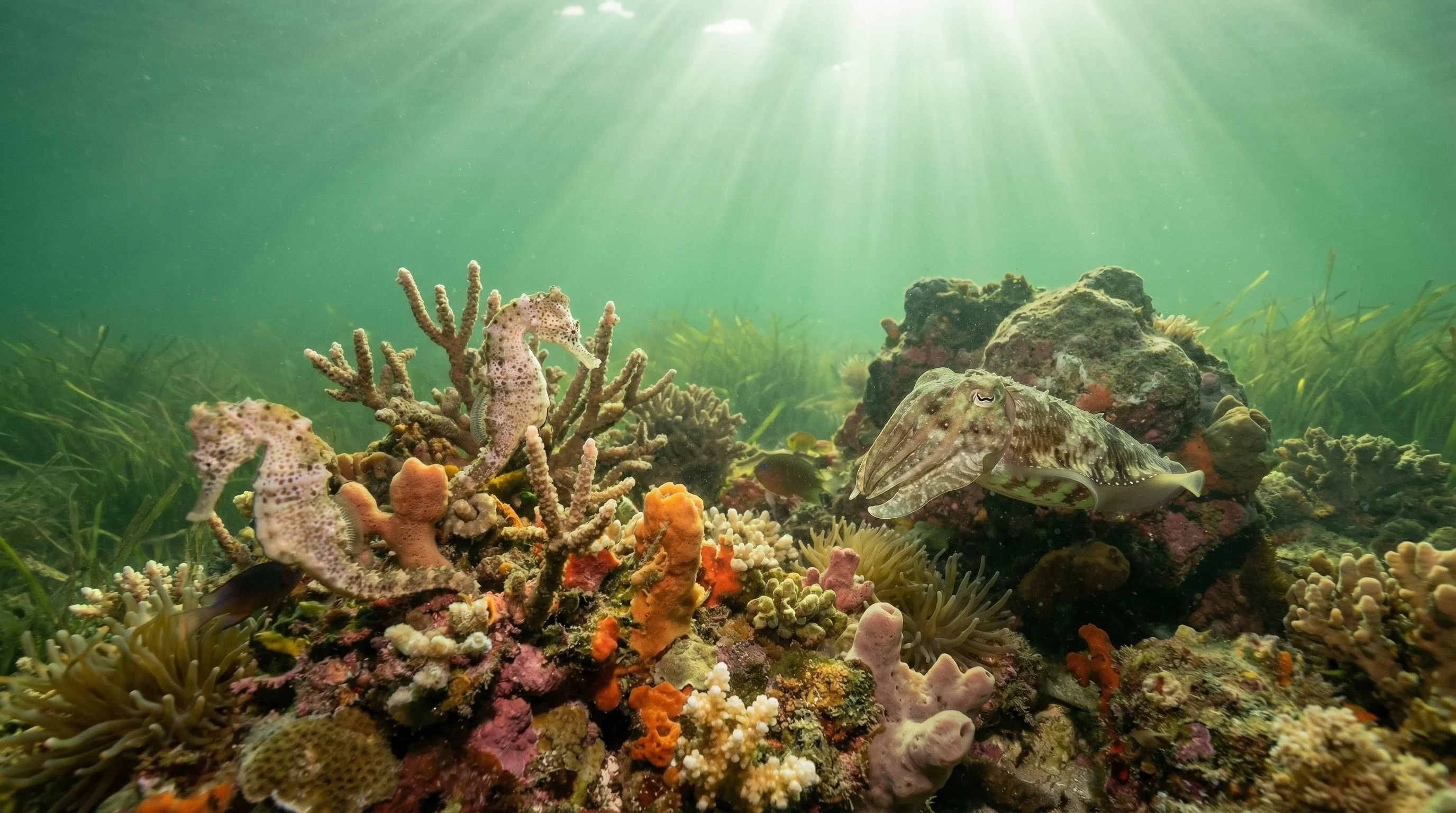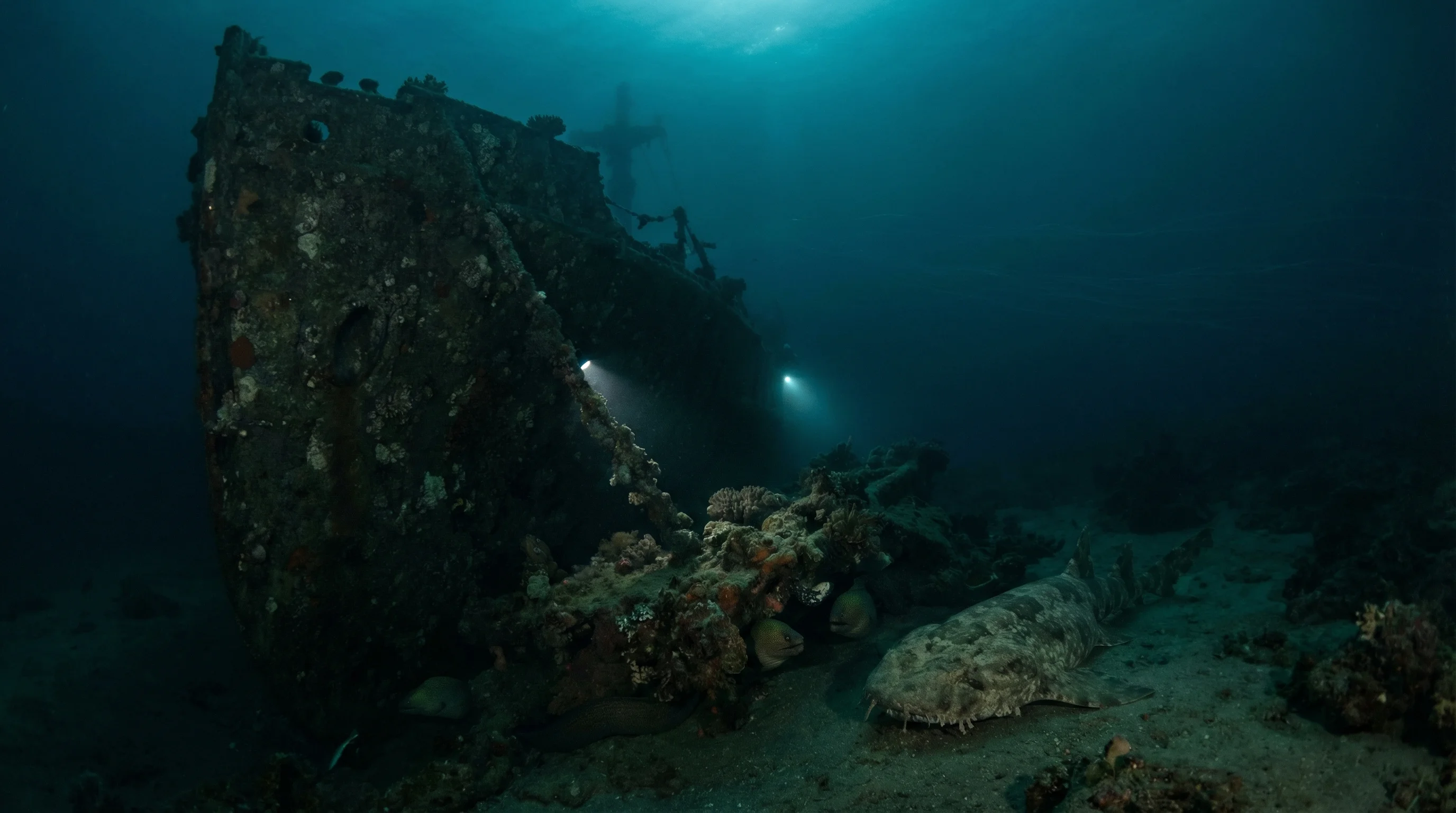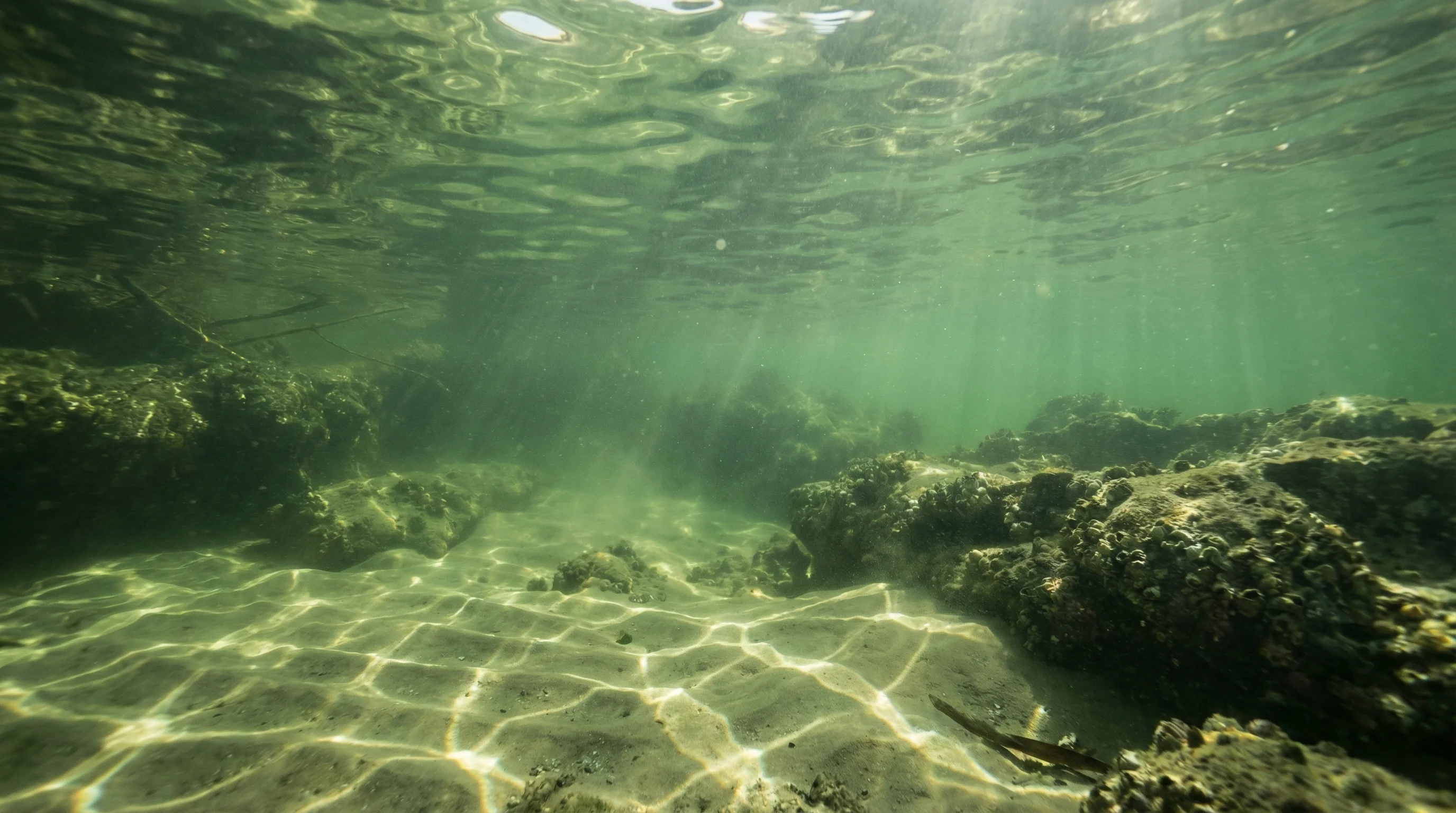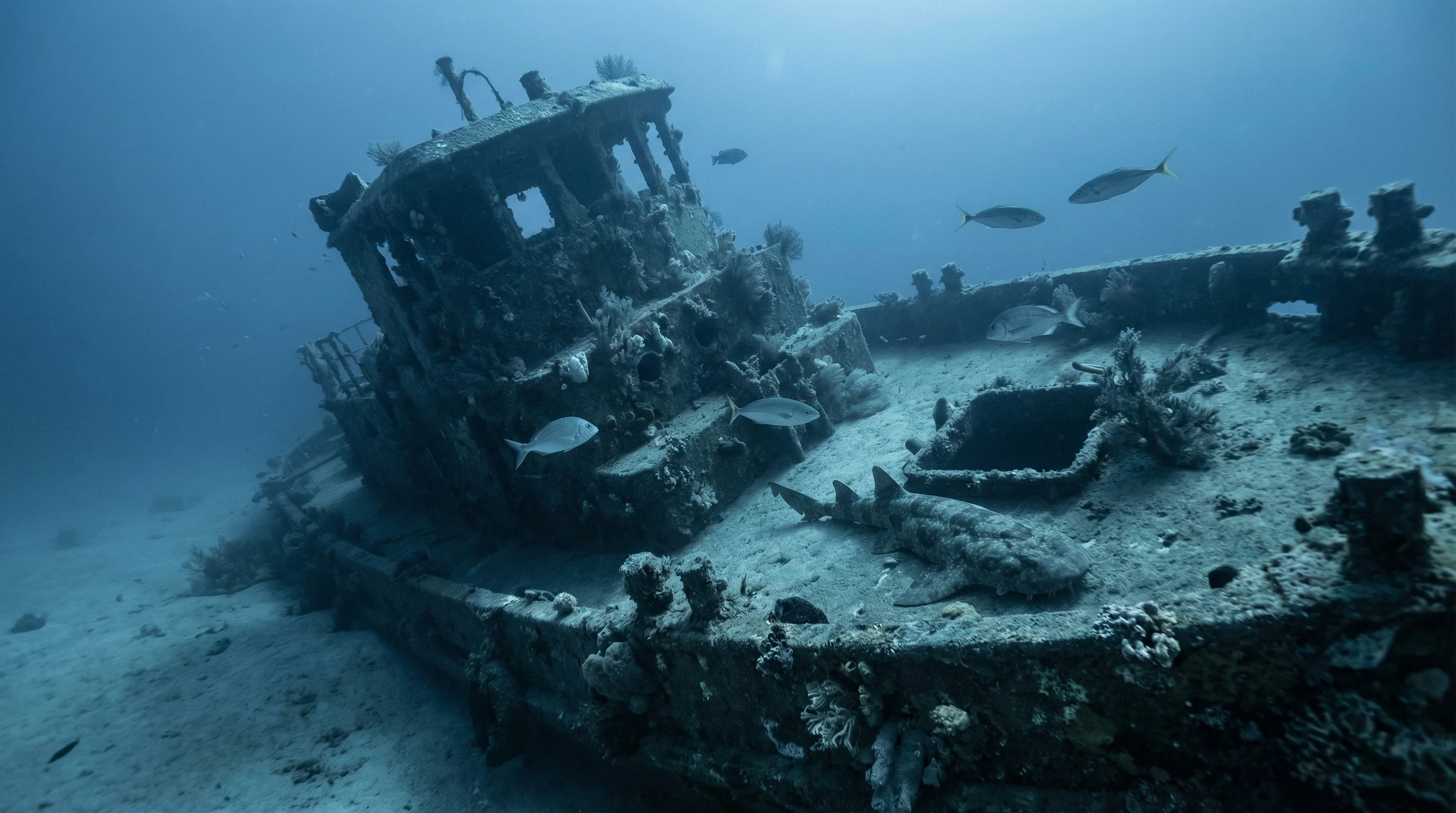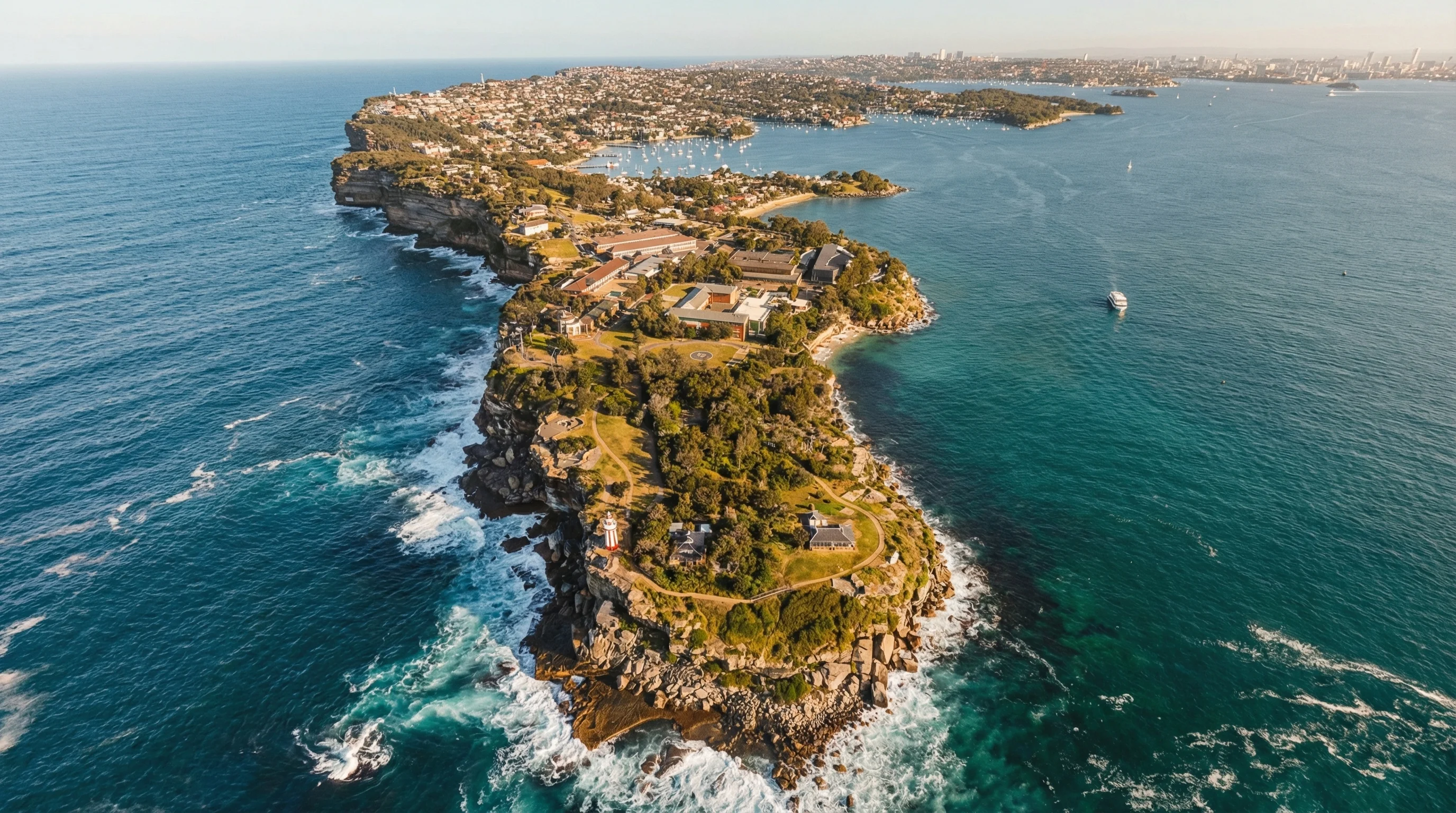
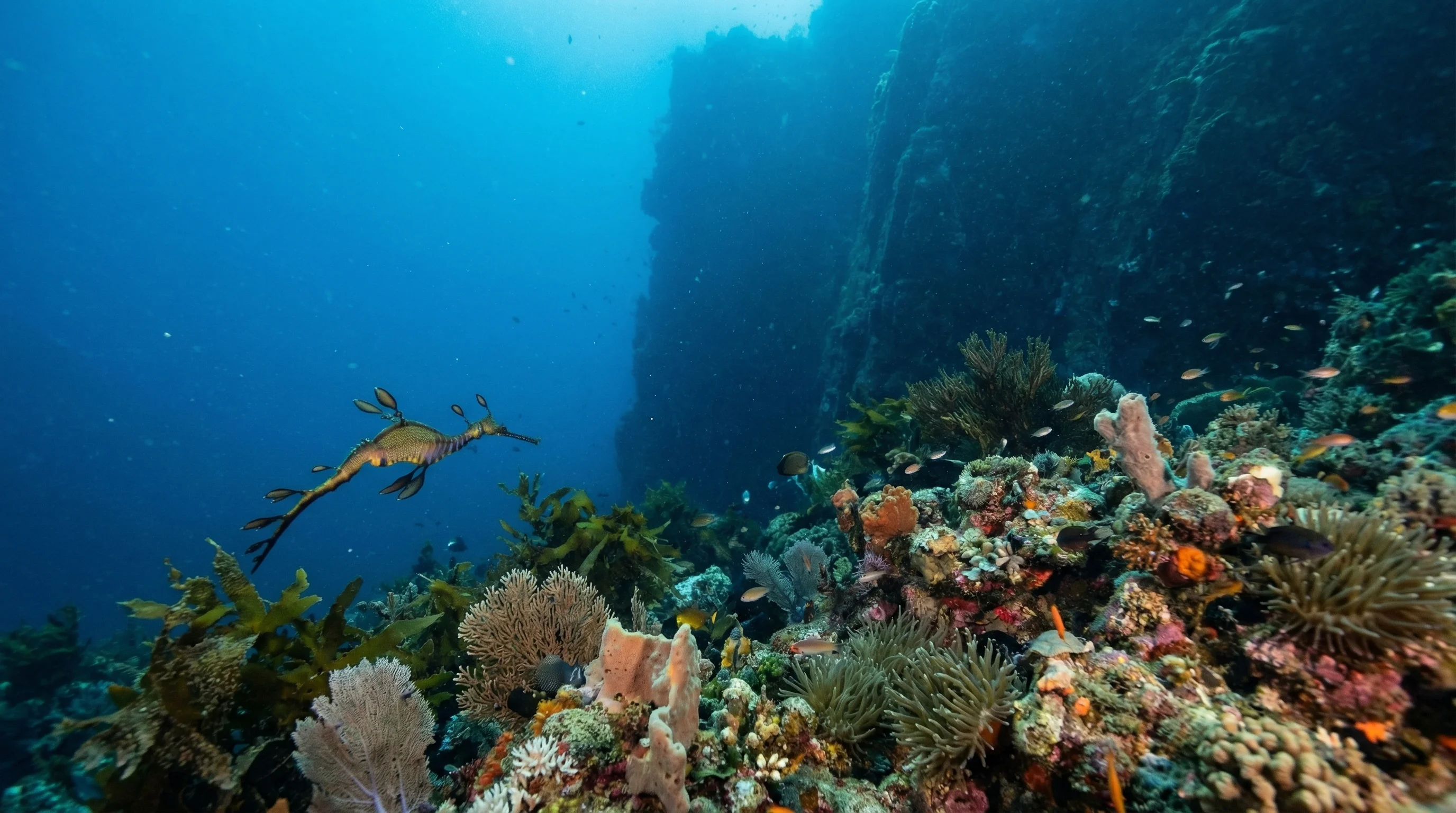
Sydney's dive sites span sheltered harbour coves, open headlands, rocky reefs, walls, caves, and a handful of technical wrecks, spread across sub-areas from Cronulla and La Perouse in the south to Manly, North Head, and Palm Beach in the north. The marine life is distinctively temperate: Spotted Wobbegong, Port Jackson Shark, Giant Cuttlefish, Weedy Seadragon, and Eastern Blue Groper are regularly observed. Conditions vary from calm beginner bays to exposed drift and deep wreck dives, giving the region real range across all skill levels.
14 areas
Monthly water temperature across Sydney's sites, from satellite sea-surface data corrected for depth. The band shows the site-to-site spread.
Water temperatures peak in late summer and ease off through autumn into a cooler winter trough, before climbing again in spring. The best-months data shows diver preference clustering through autumn and again through the cooler months of mid-year, when visibility often improves on exposed sites. Sheltered areas such as Clovelly and Watsons Bay remain accessible year-round, while sites like Barrens Hut and Cape Banks suit calmer sea conditions.
31 operators
Point Piper, Australia

82 more sites to explore
Temperate Sydney reef diving with Weedy Seadragon, Port Jackson Shark, and sites from beginner shore dives to a deep technical wreck.
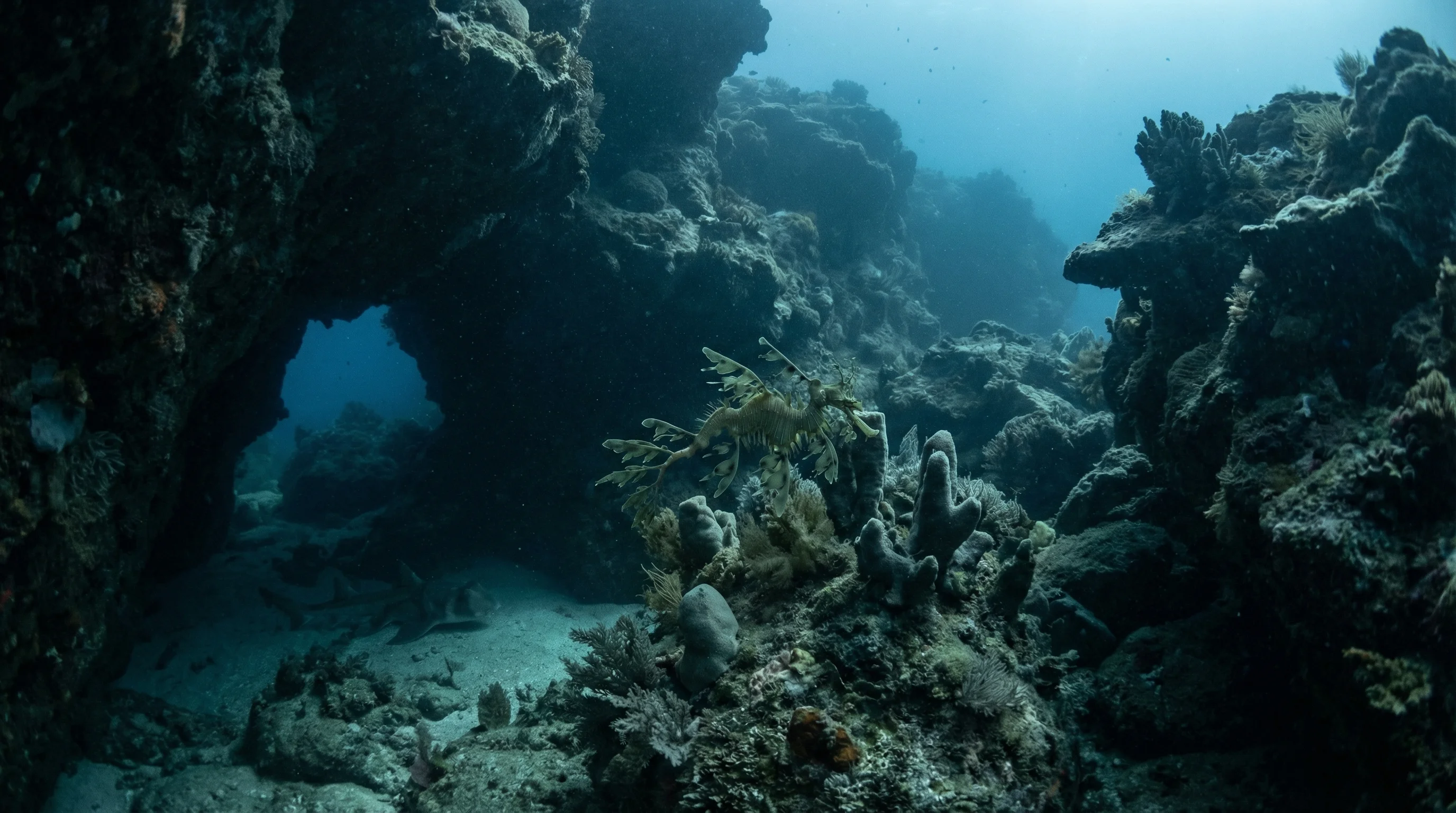
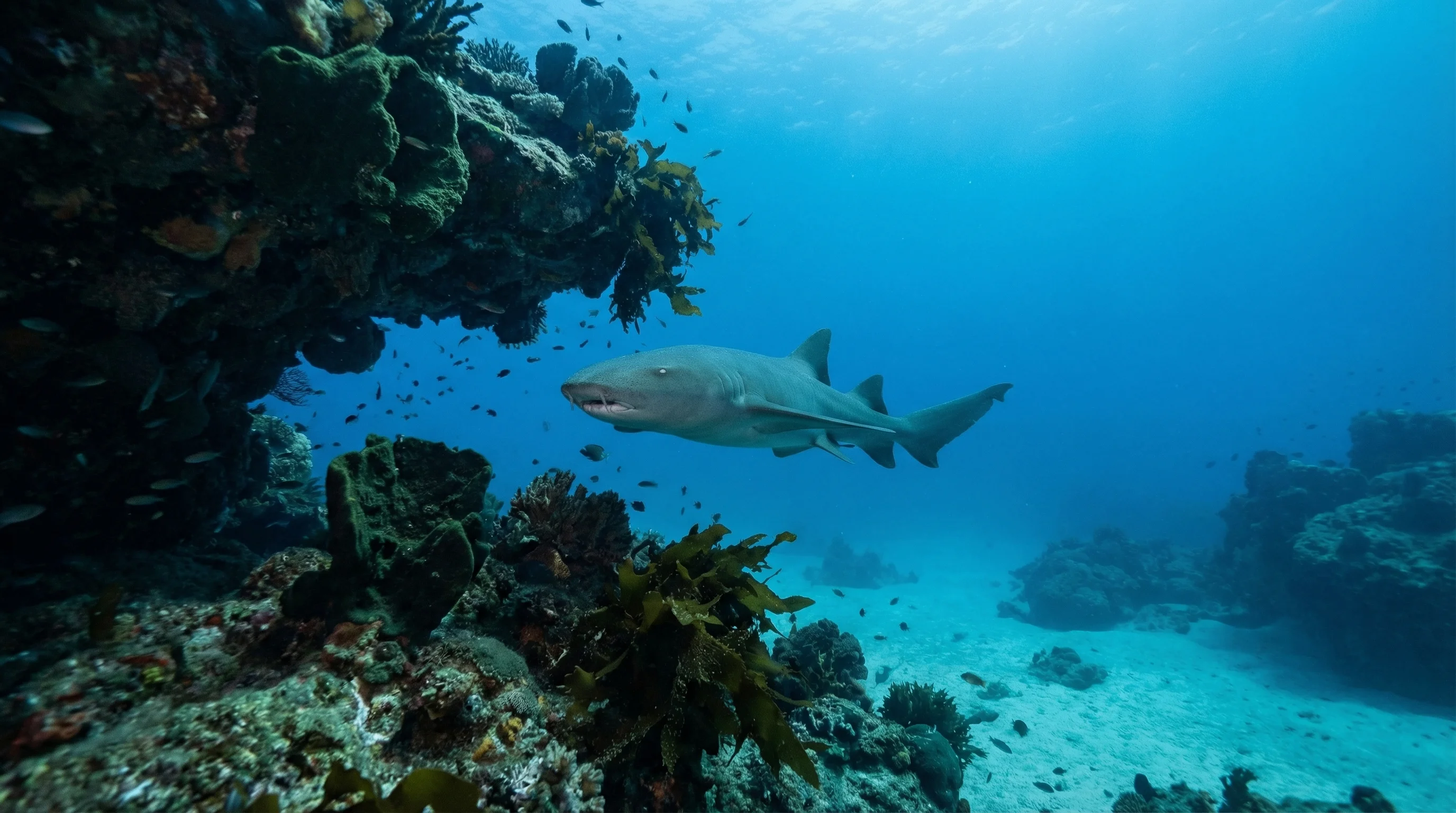
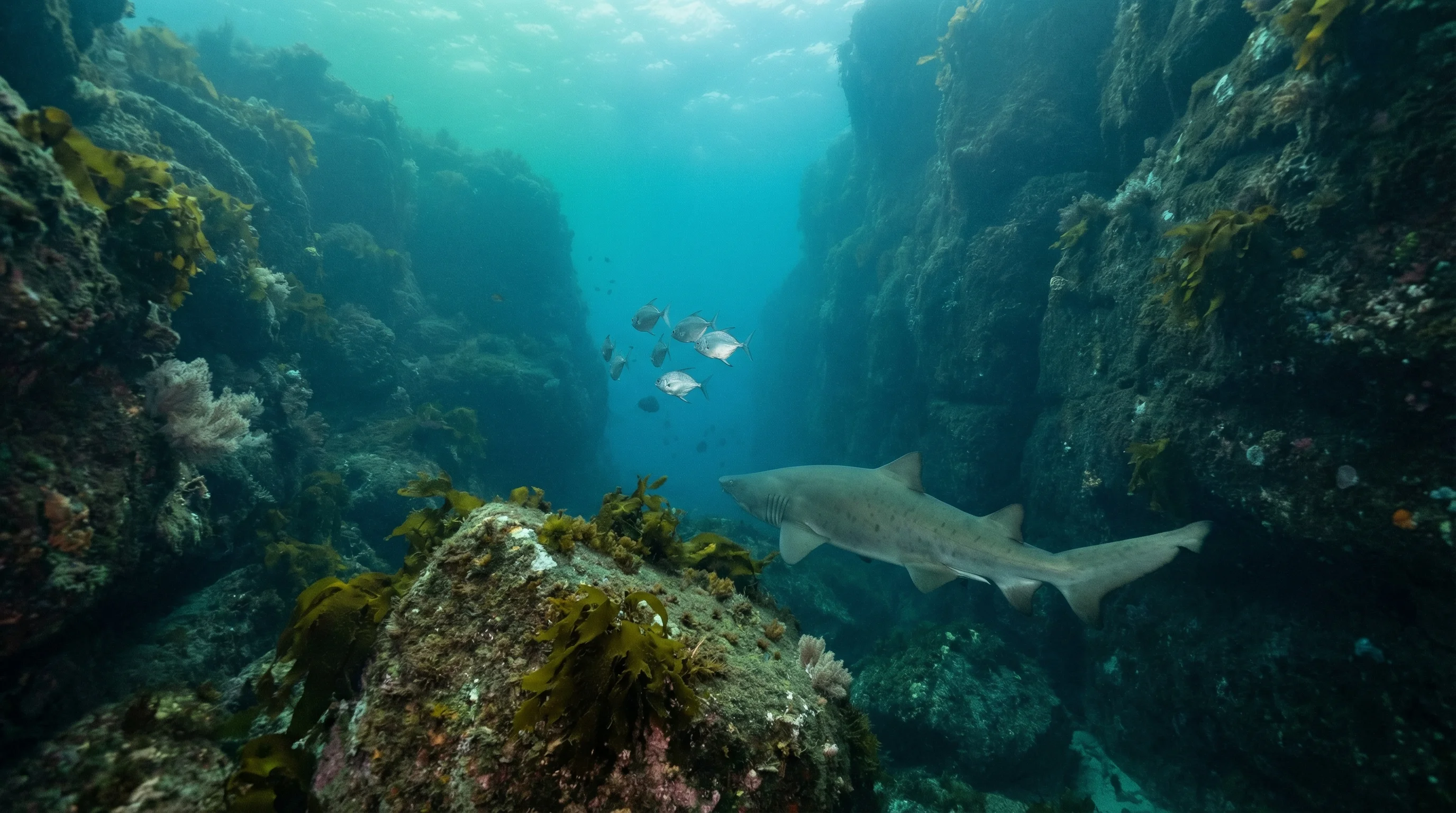
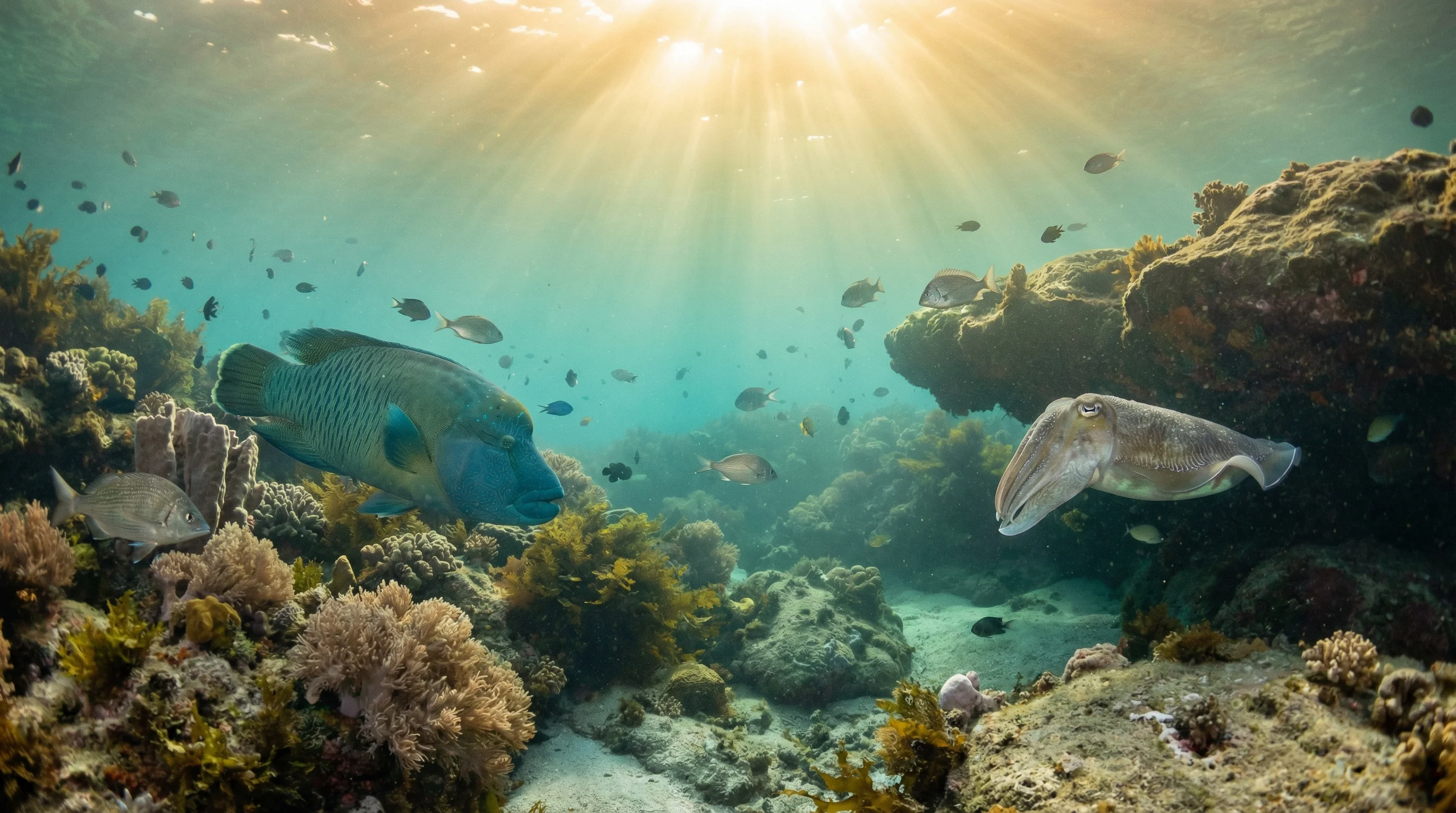
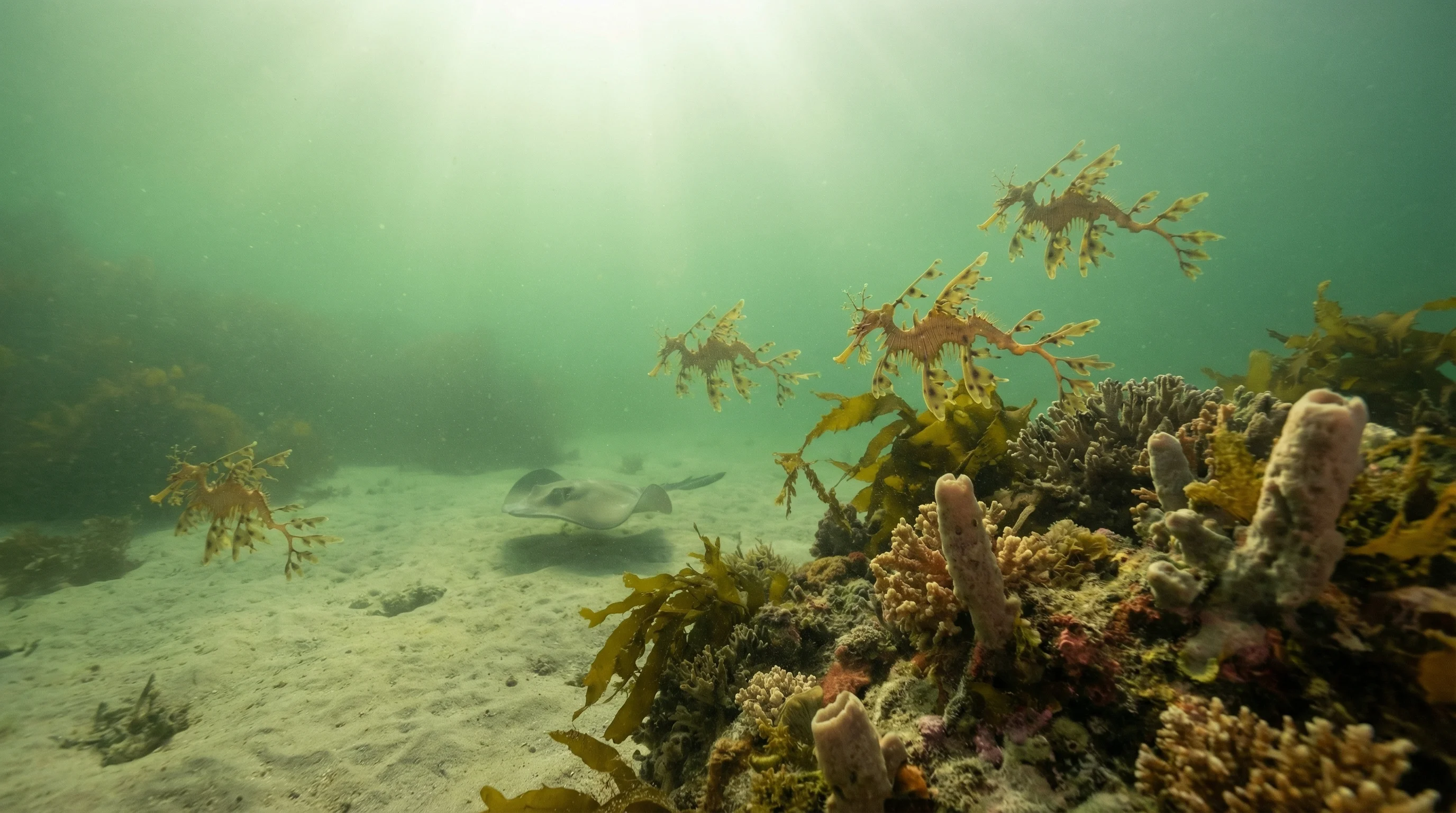
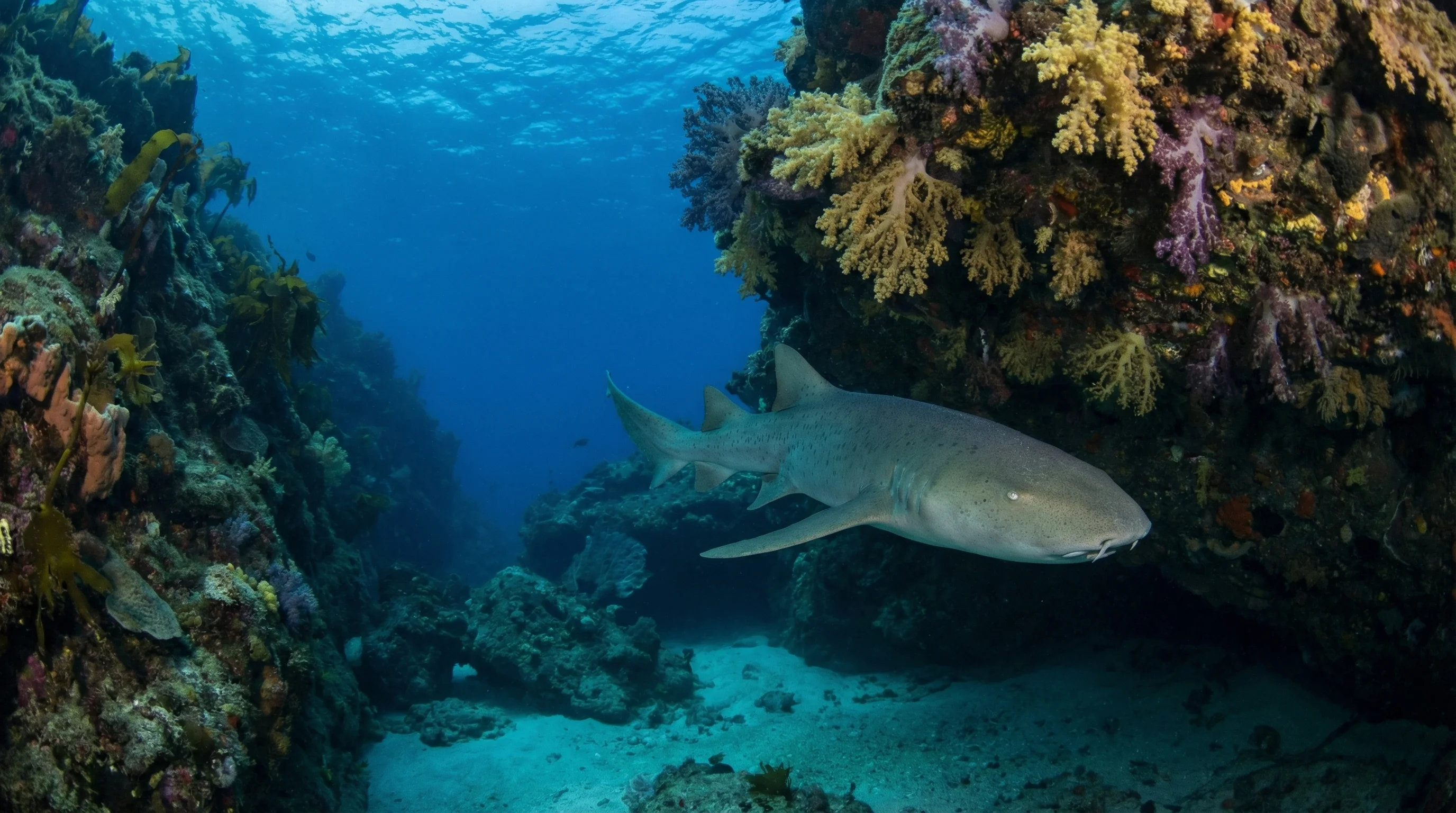
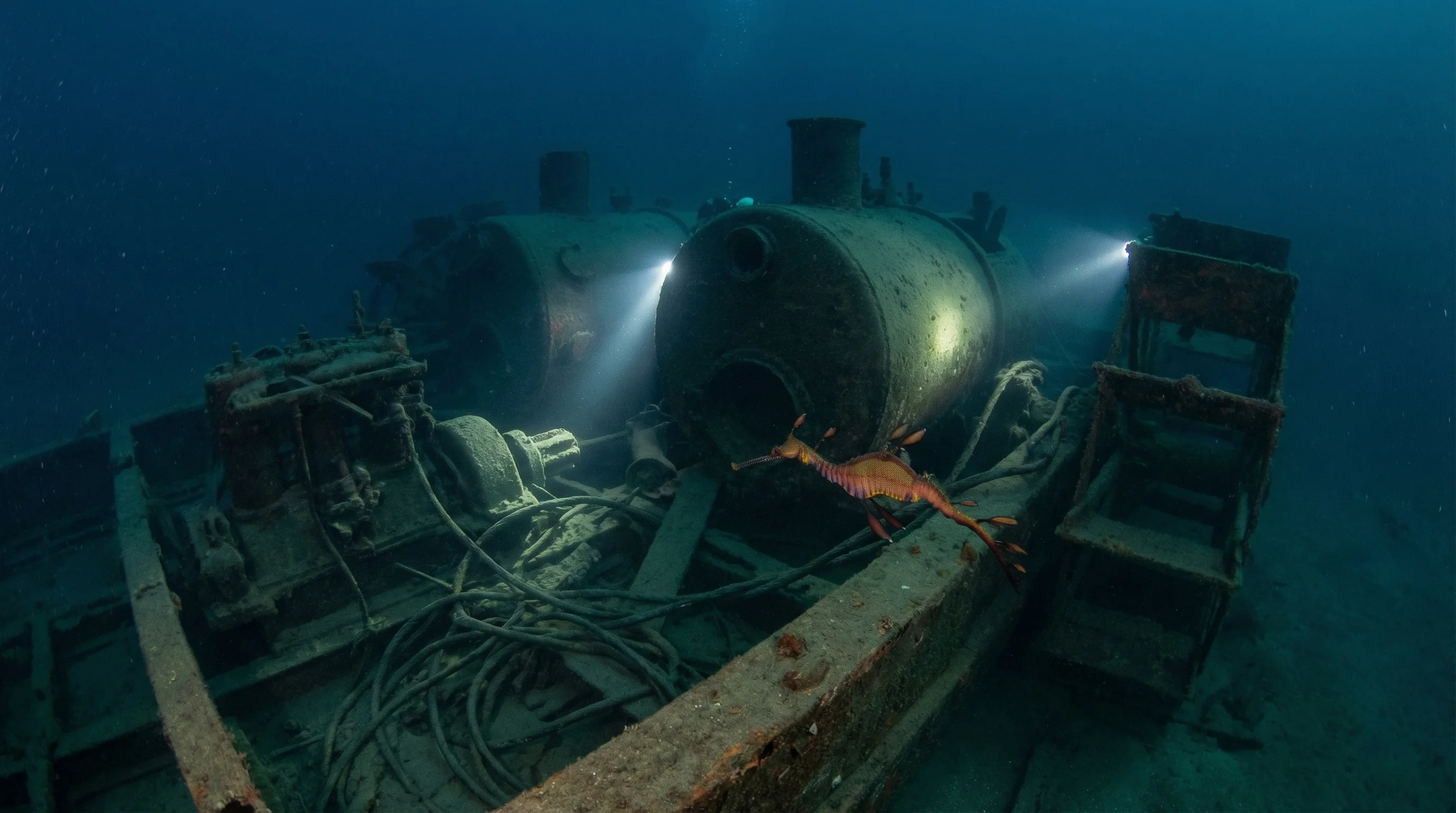
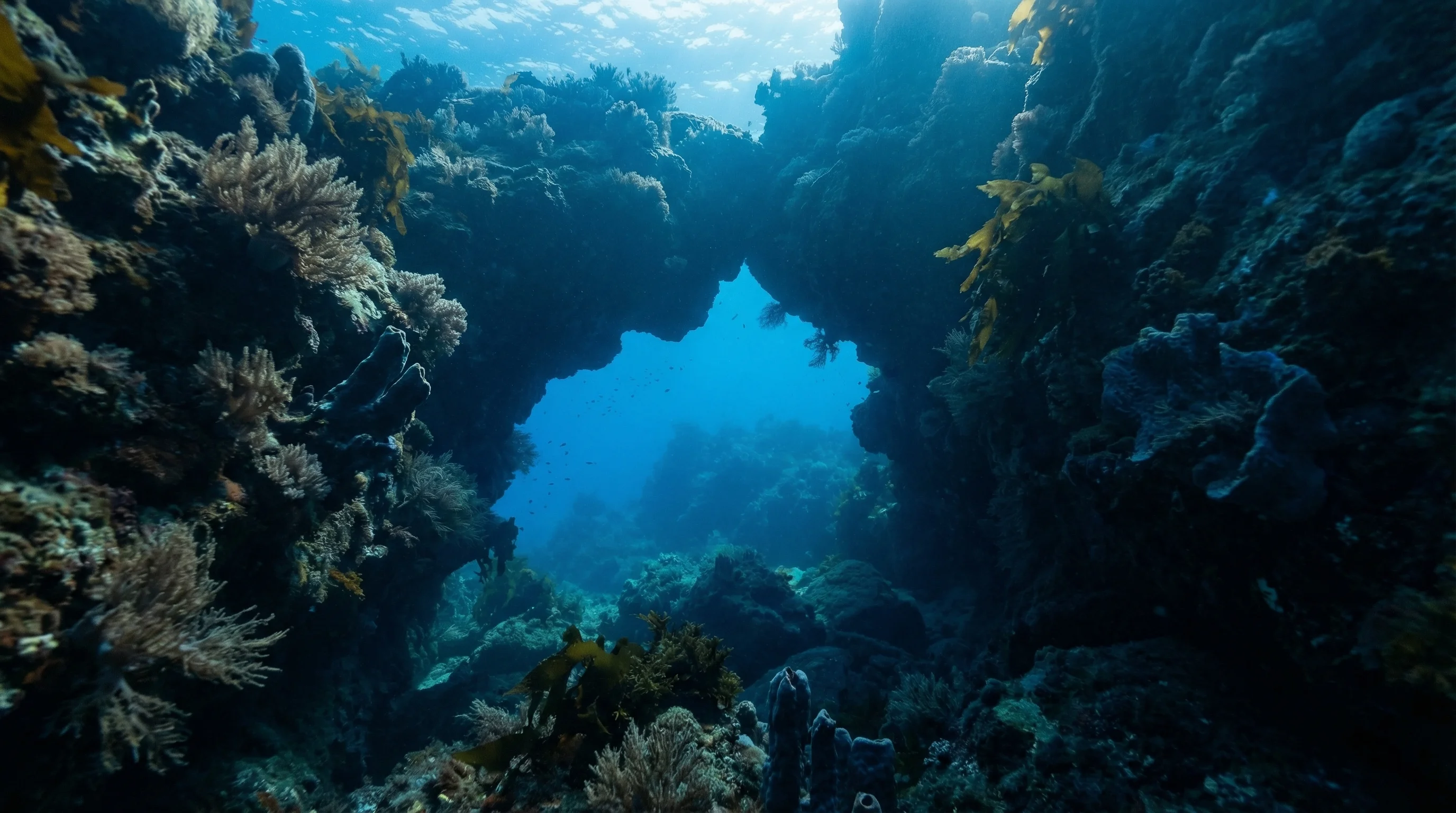
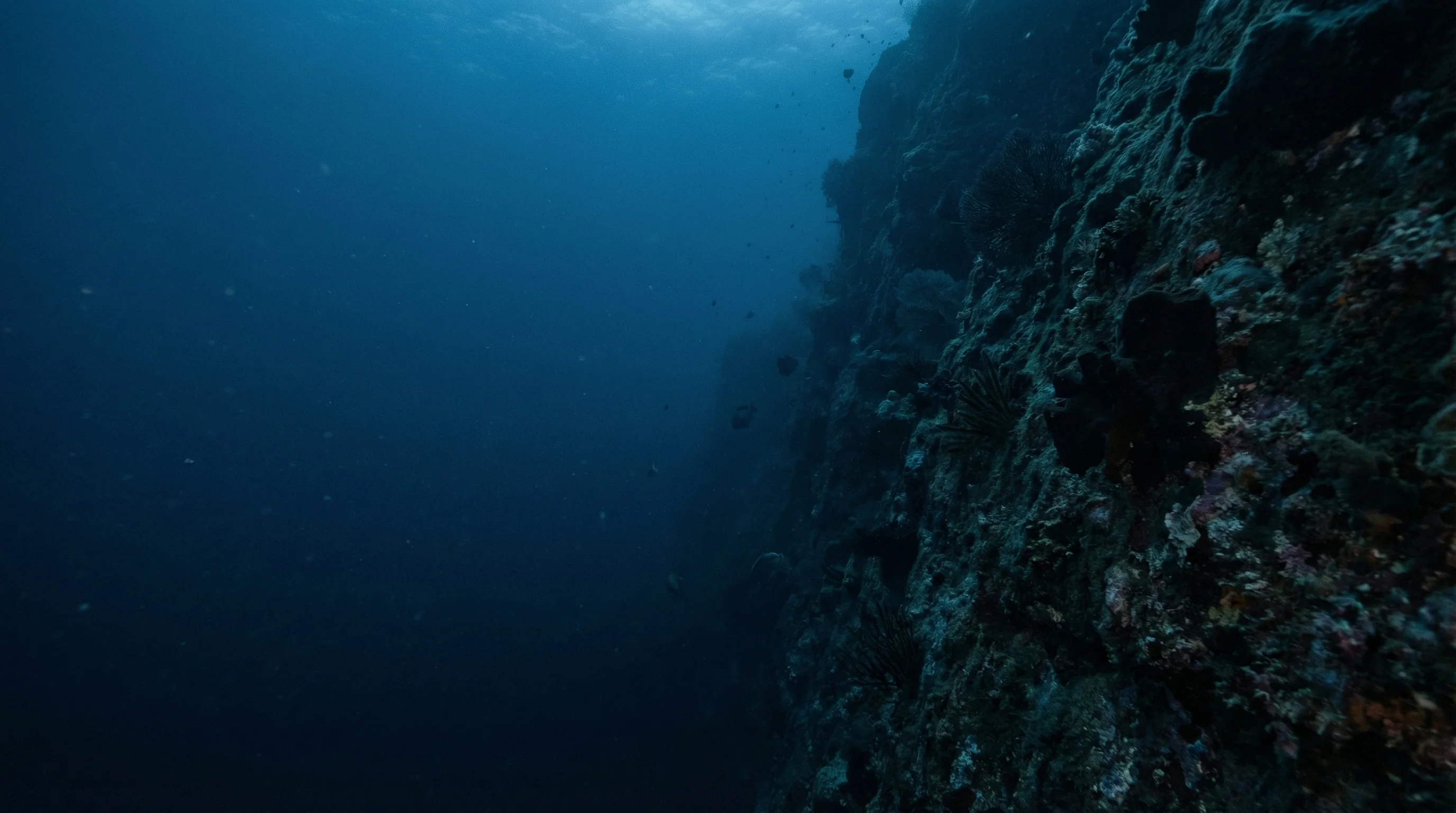
Water temperature around Sydney ranges from about 18°C in August to 23°C in February, based on satellite sea-temperature data for its dive sites.
In the warm season (about 23°C) a 3mm full suit is comfortable in Sydney; in the coldest months (about 18°C) step up to a 5mm suit.
Fin maps 94 sites in Sydney (92 scuba diving sites and 22 snorkelling spots, with some suited to both), organised into 14 areas.
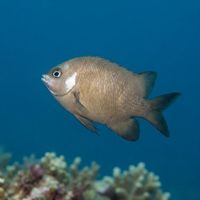
Sydney's reefs host a rich array of observed species. Spotted Wobbegong, Port Jackson Shark, Eastern Blue Groper, and Giant Cuttlefish are encountered very commonly across a wide range of sites. Weedy Seadragon, Green Moray, Eastern Red Scorpionfish, Fiddler Ray, and Eagle Ray are also regularly sighted, along with nudibranchs such as Black-margined Nudibranch and Splendid Goniobranch. The New Holland Seahorse appears occasionally in seagrass and kelp habitats.
A large proportion of Sydney's sites are rated for beginners, including shore dives at Shelly Beach, Gordon's Bay, Little Manly Cove, and Watsons Bay Baths. These sites offer sheltered entries, mild currents, and shallower reef habitats, making them well suited to newly certified divers. Intermediate and advanced sites such as The Valley, Barrens Hut, Cape Banks, and Voo Doo extend the options considerably, while technical wrecks like the Koputai require decompression planning and mixed gas.
La Perouse and Cronulla, in the south, concentrate boat-accessed reef, wall, and cave dives including the wreck and cave site at Cape Banks. Manly and North Head offer accessible shore dives in sheltered coves alongside open headland sites. Kurnell provides more challenging shore diving with complex wall and cave terrain. Clovelly's Gordon's Bay is one of the most popular beginner and snorkel sites, while Royal National Park hosts technical wrecks well offshore.
Both options exist across Sydney. Shore-entry sites include Shelly Beach, Gordon's Bay, Little Manly Cove, Watsons Bay Baths, Parsley Bay, and The Cutting Farkernell at Kurnell, accessible without a vessel. Boat access opens up deeper and more exposed sites such as Henry Head, Cape Banks, Barrens Hut, and the technical wrecks off Royal National Park and Bondi. Several operators in the region run regular boat charters to these sites.