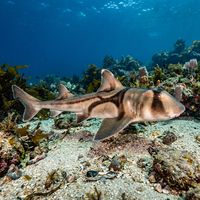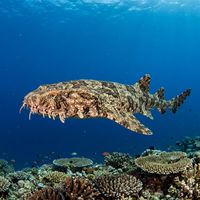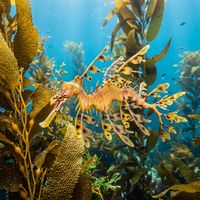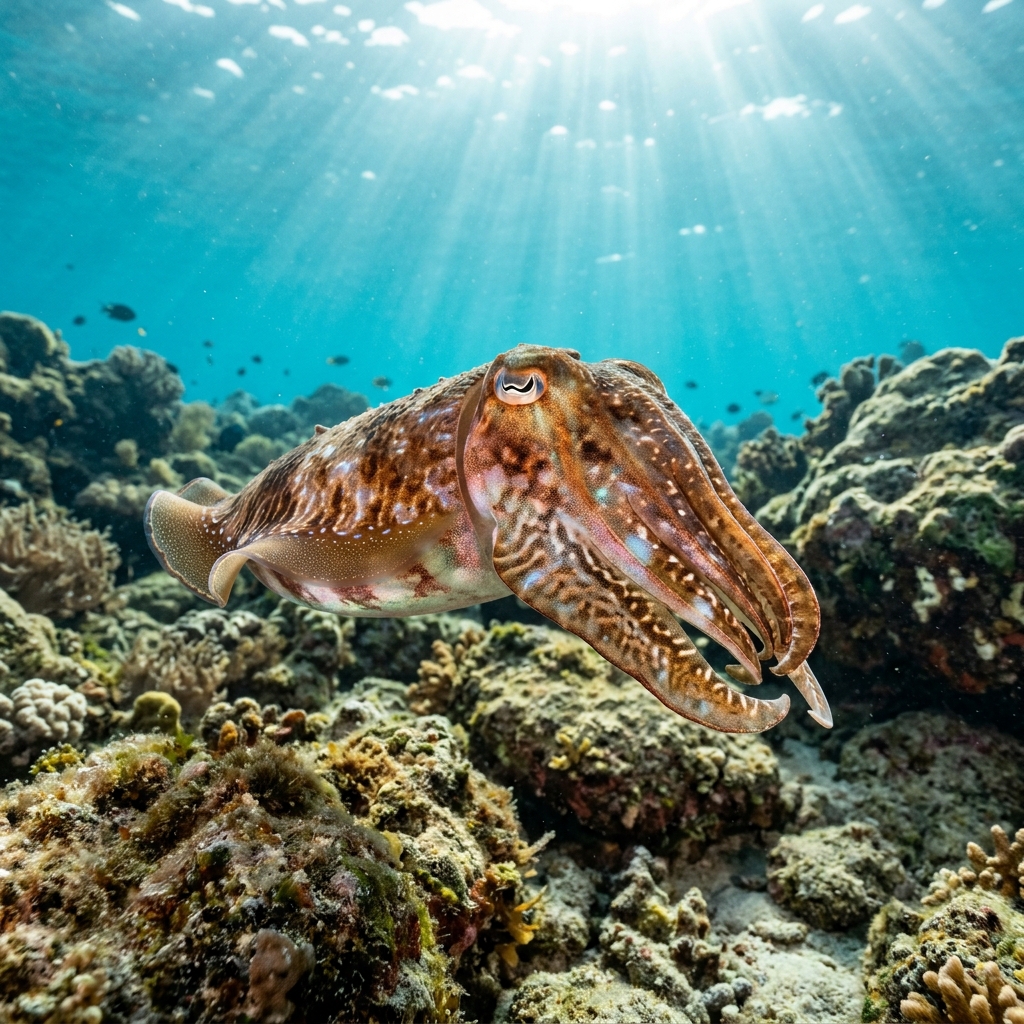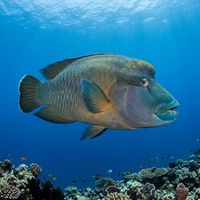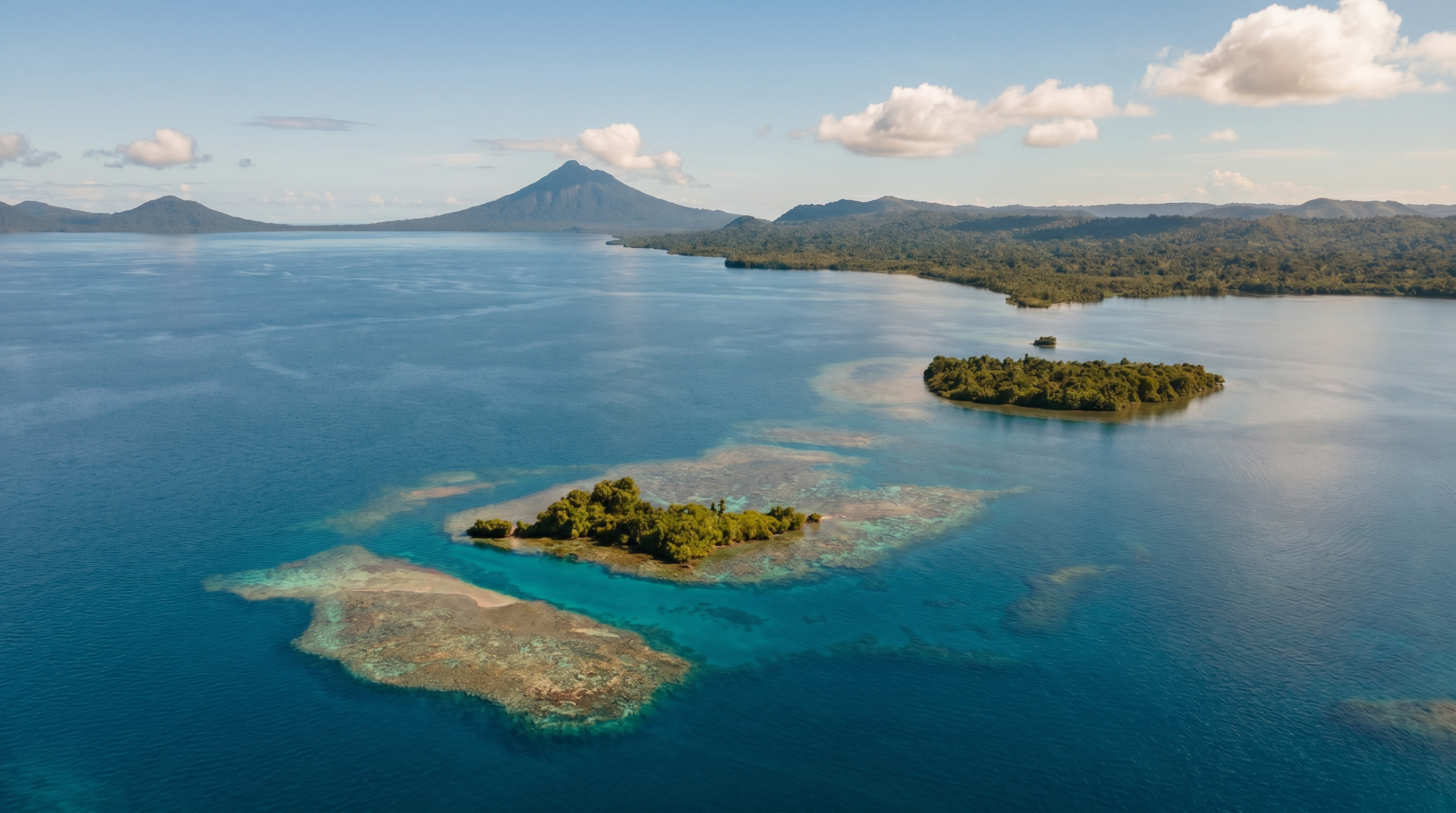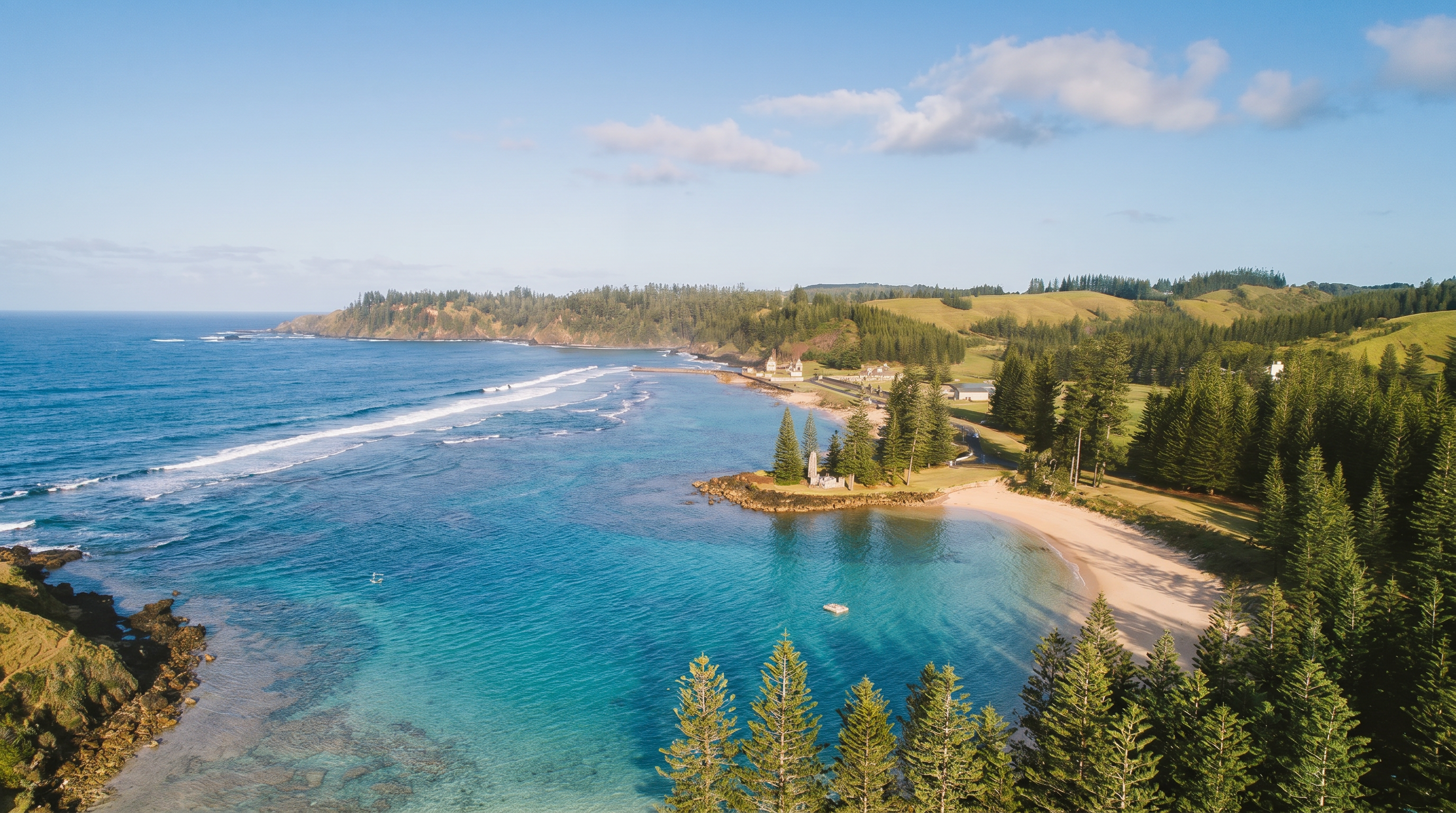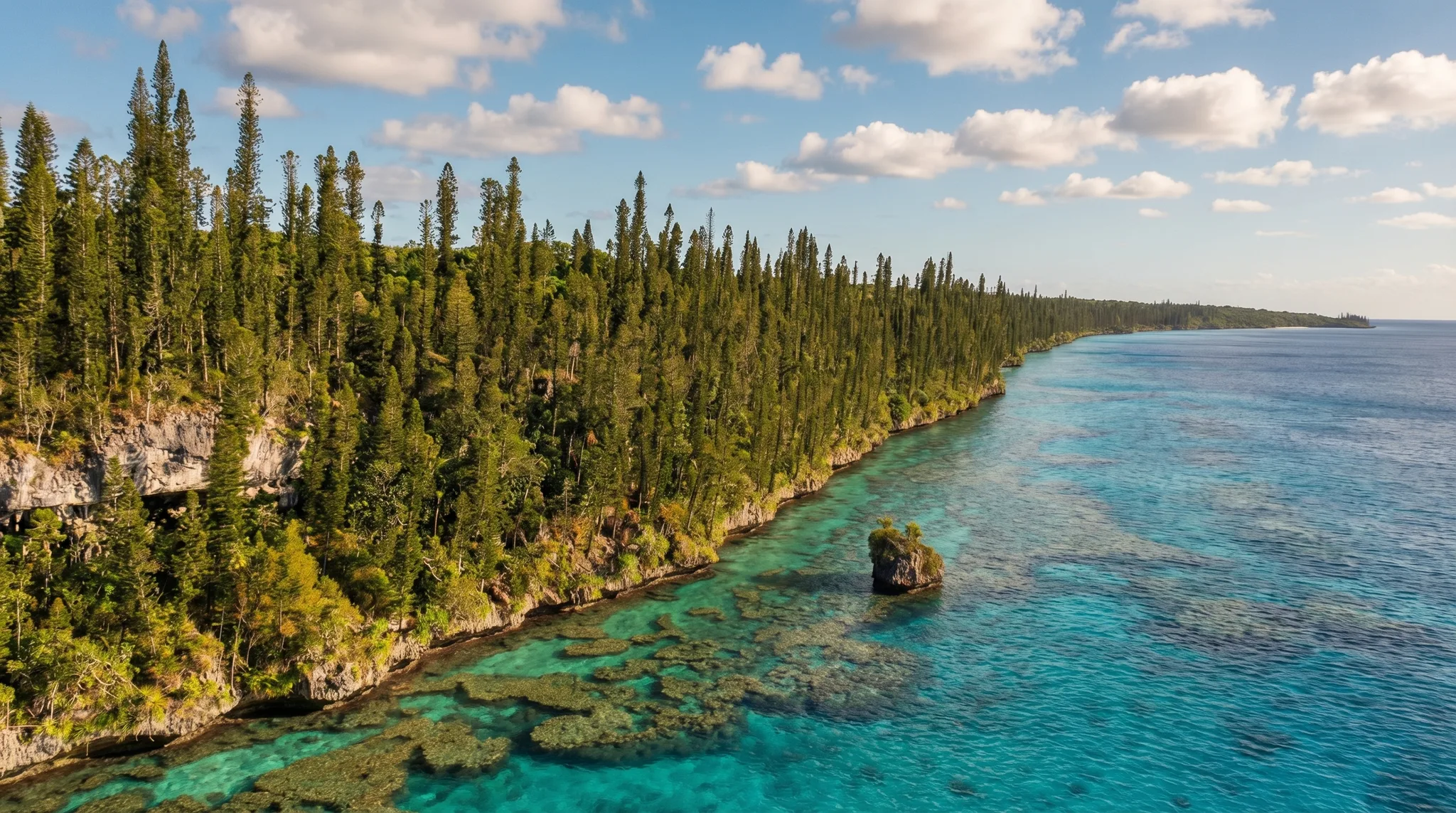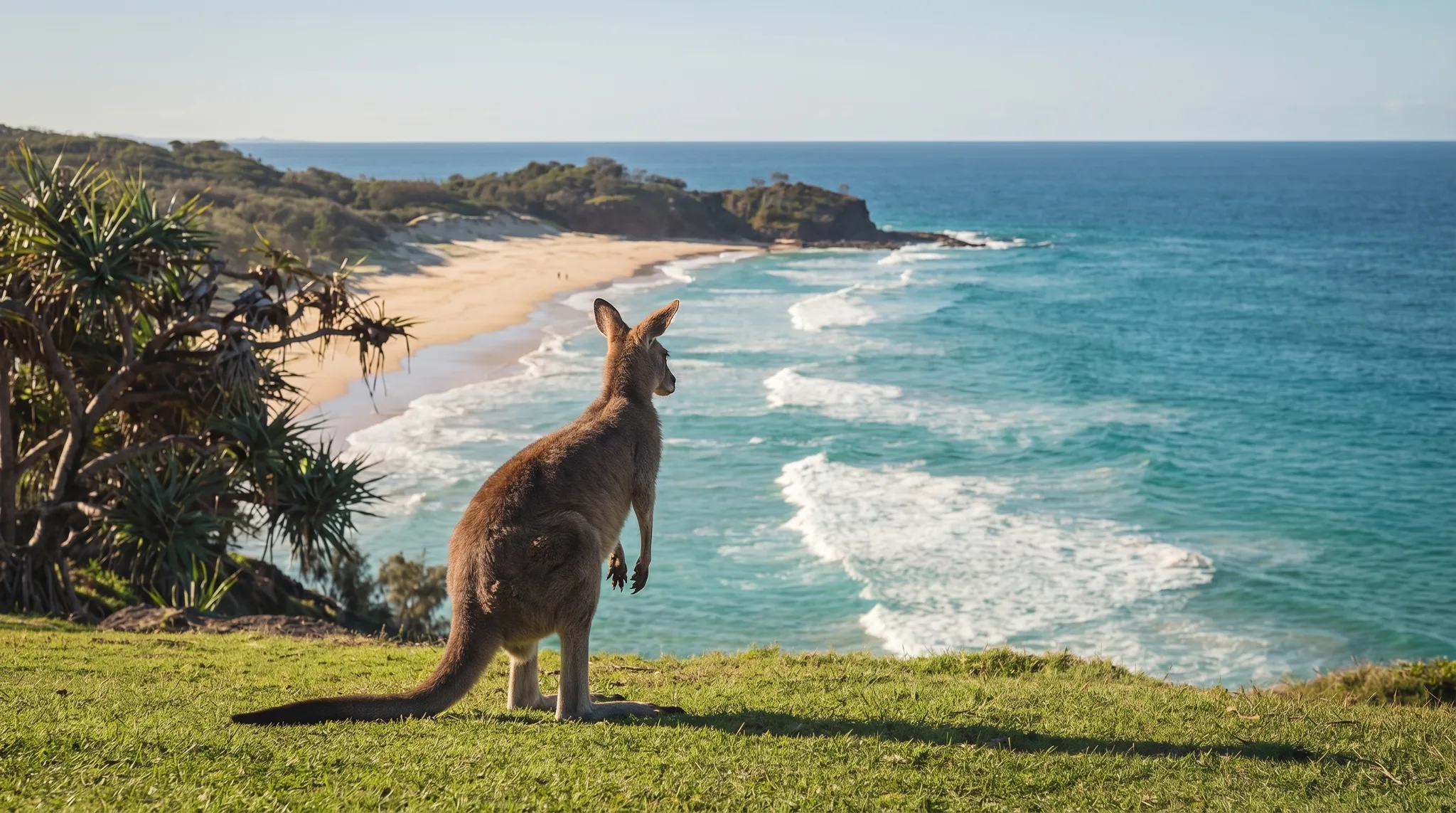
Australia's diving and snorkelling landscape is one of extraordinary contrast. Queensland's reef sites, from shallow bommies to deep walls, define the tropical north, while New South Wales and Victoria offer temperate encounters with Grey Nurse Shark, Spotted Wobbegong, and Weedy Seadragon. Western Australia adds its own character, with operators including Ningaloo Reef Dive & Snorkel and Exmouth Dive & Whalesharks Ningaloo serving a coastline rich in large pelagic encounters. South Australia's Neptune Islands draw cage divers, Tasmania offers cool southern waters, and the Northern Territory rounds out a remarkably diverse catalogue. Site types range from coral reef and wall to drift, pinnacle, and artificial wreck. Skill levels span beginner to advanced, and boat access dominates across all regions.
7 areas
 386
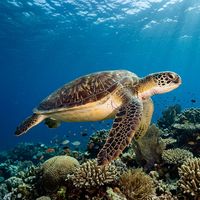
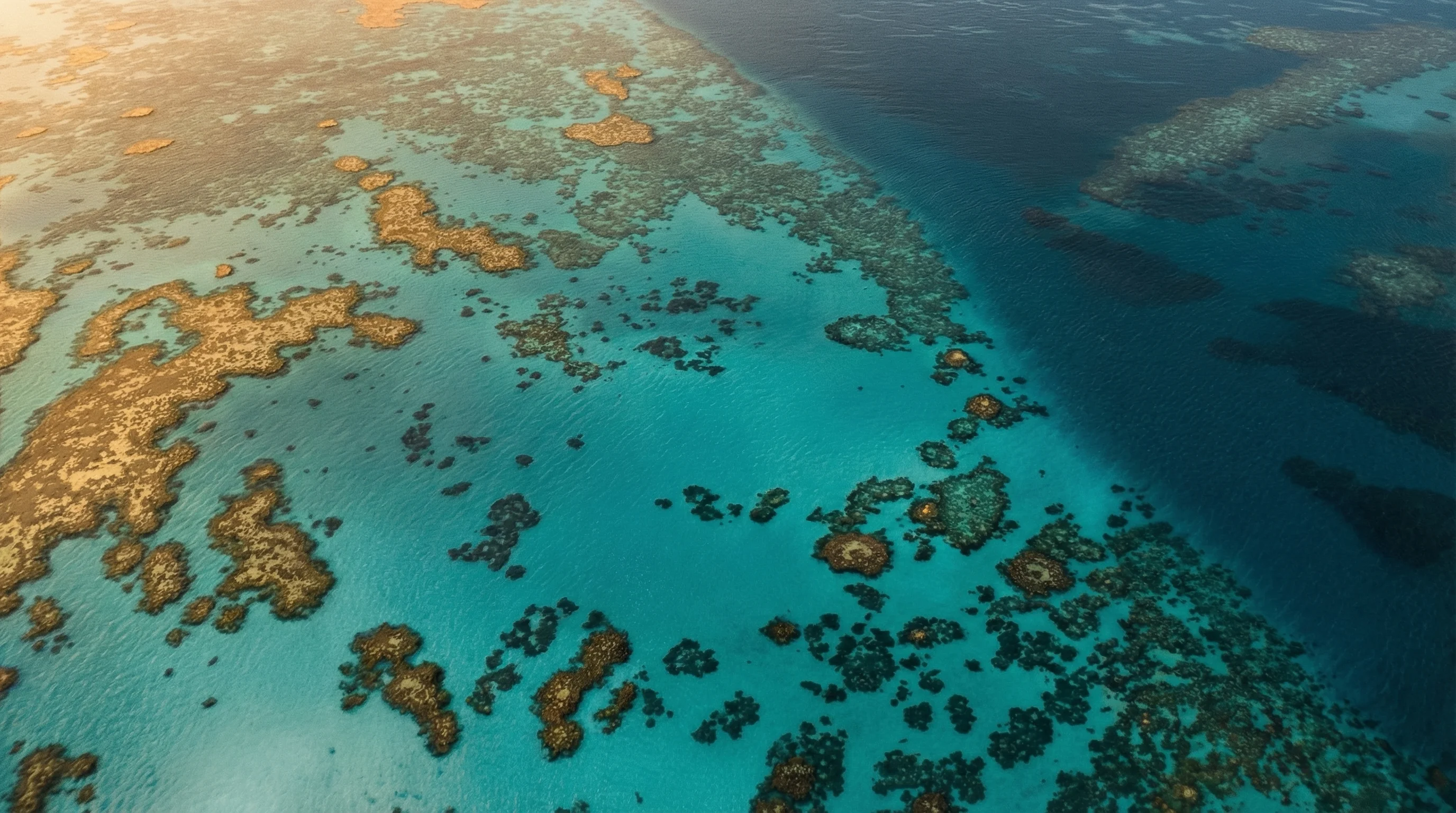
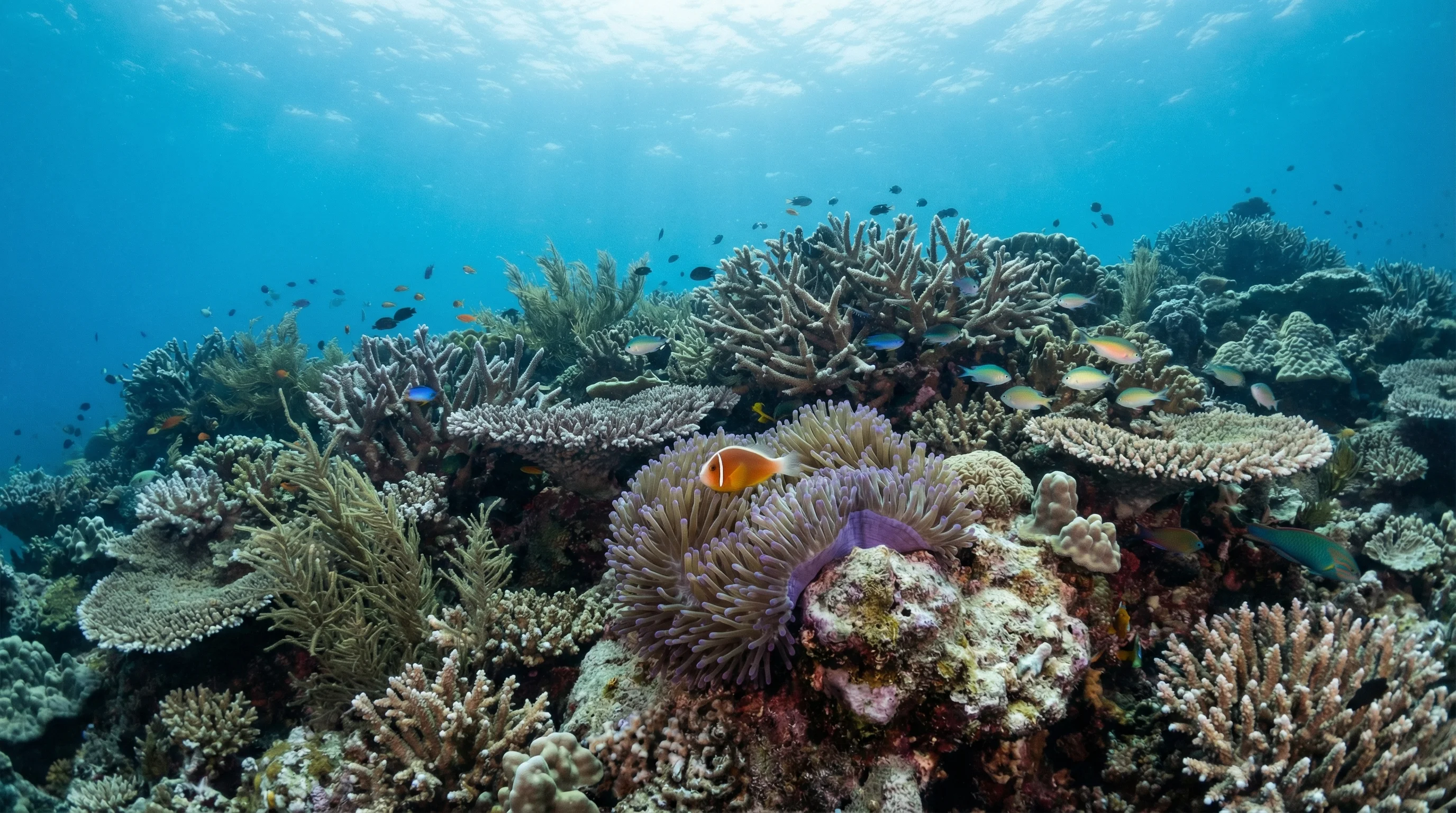
386Reef diving on an enormous scale, from accessible beginner sites to remote walls and drift dives, with Green Sea Turtle and Whitetip Reef Shark regularly observed.
 304
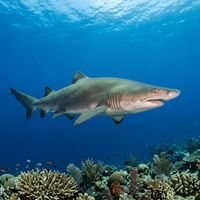
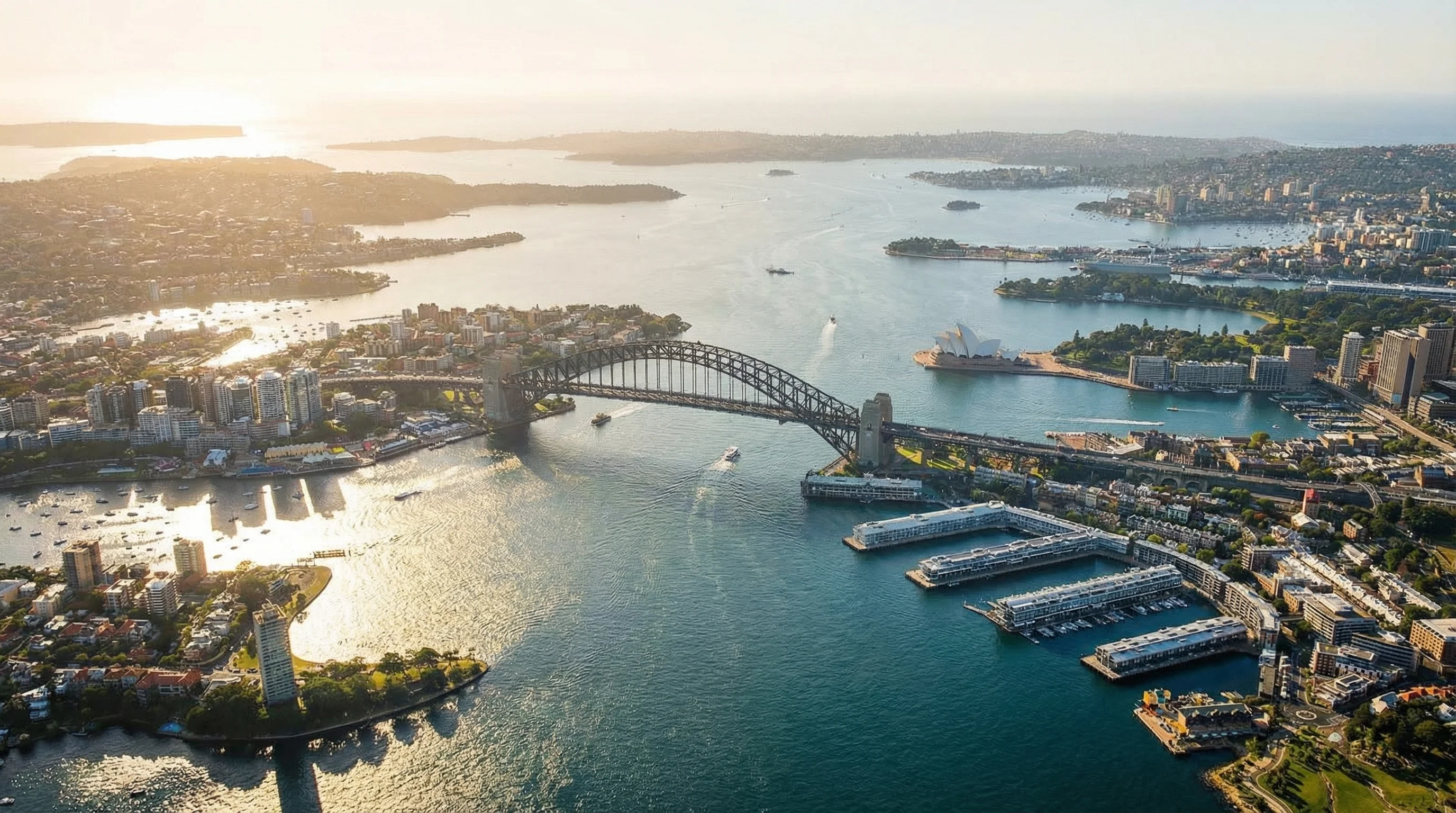
304Temperate reefs, iconic sharks and a remarkable spread of sites from Sydney to the far coasts make New South Wales a compelling year-round destination.
 289
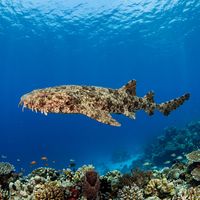
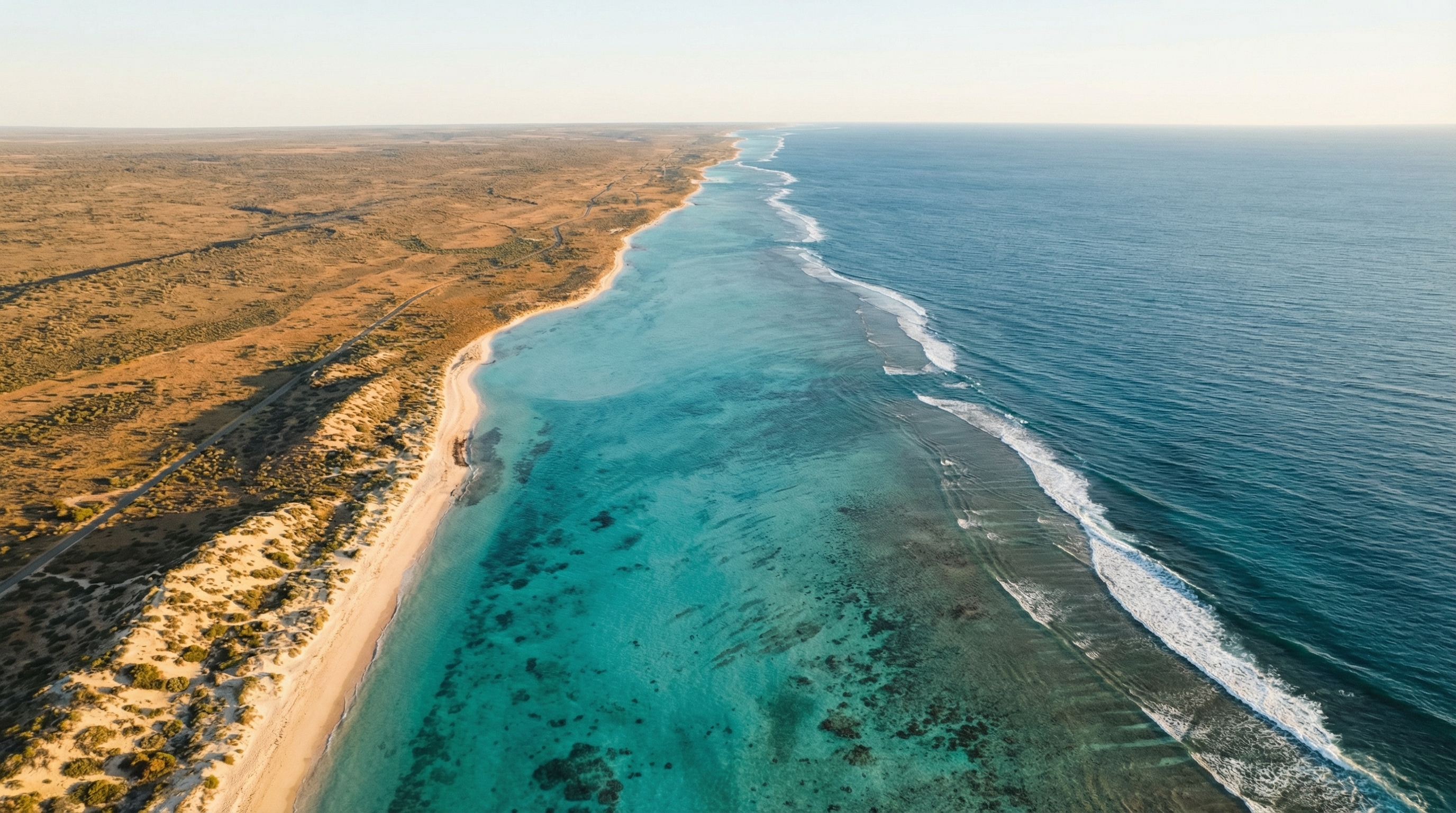
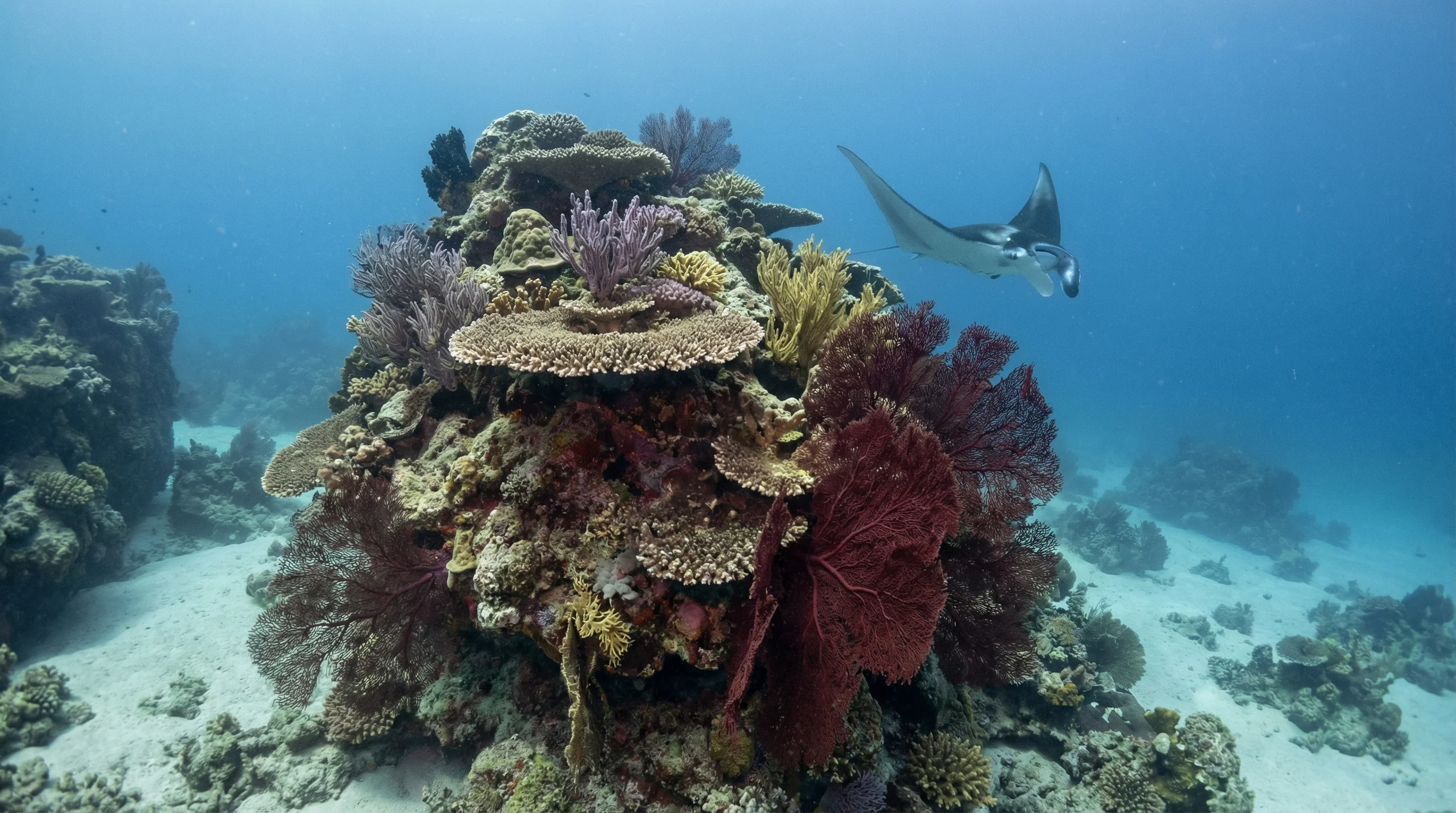
289A vast range of reef, wall and cave sites from Perth to Ningaloo, with wobbegong, dugong and Chromodoris Nudibranch among the signature sightings.
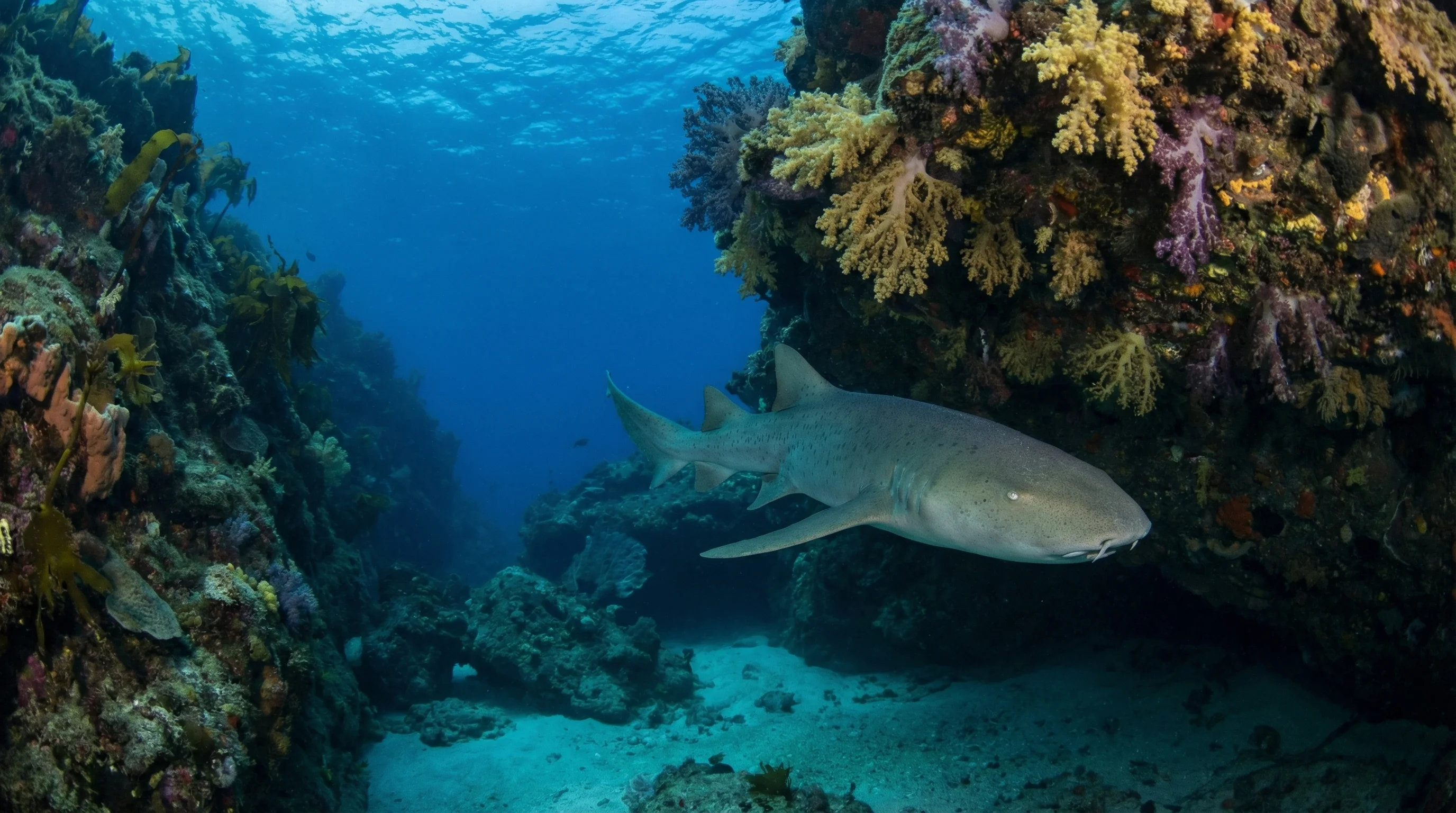
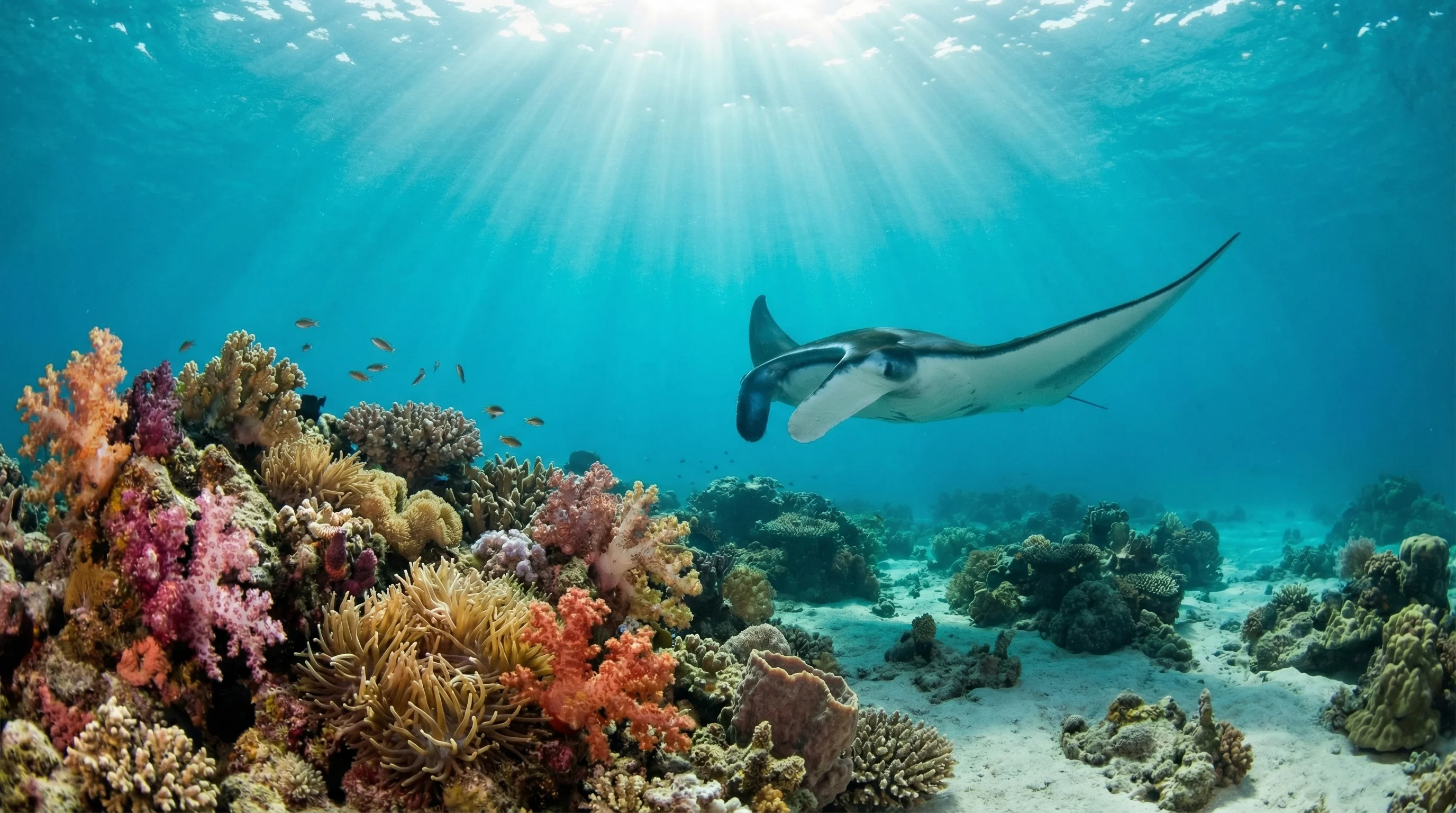
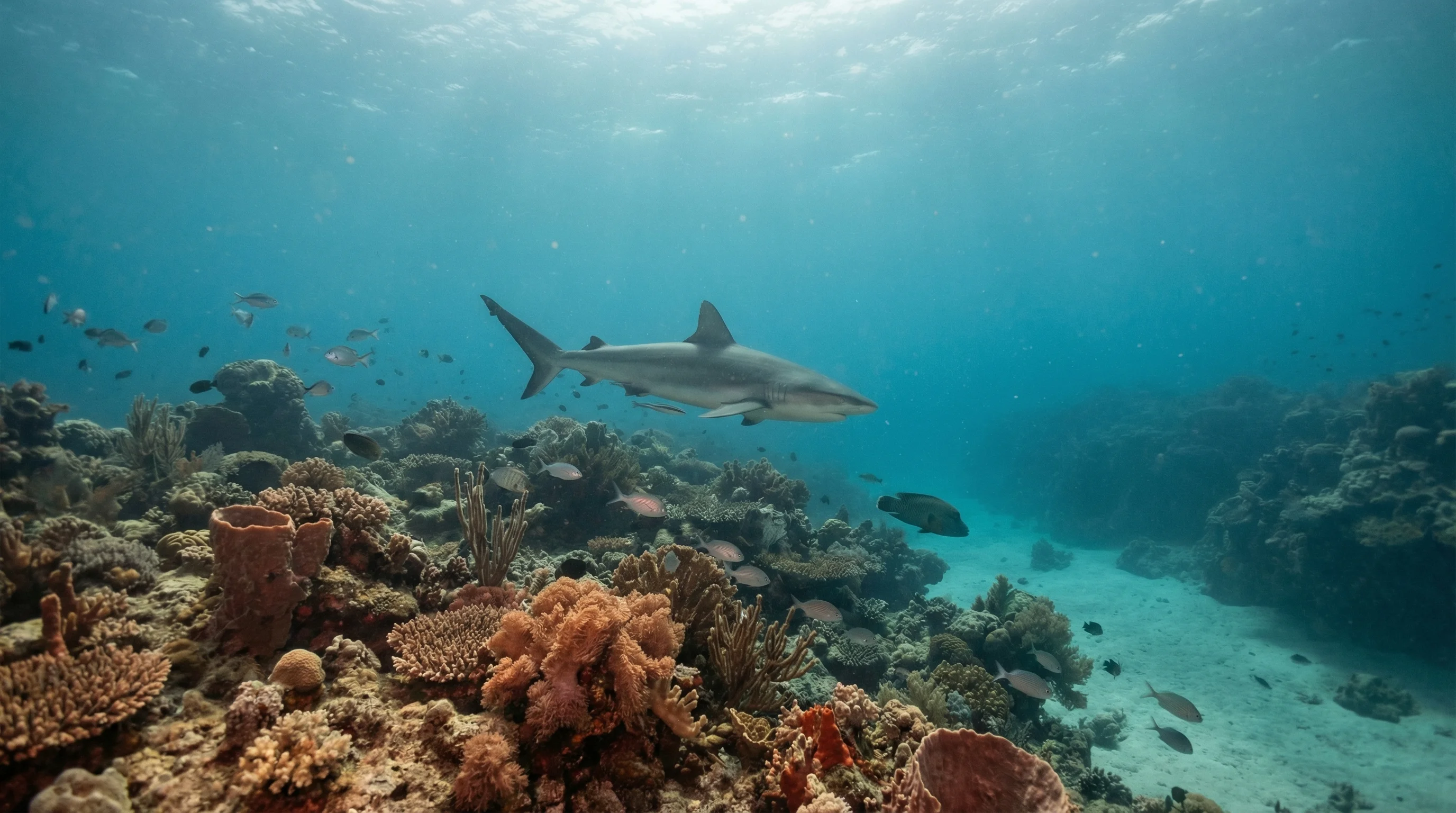
Australia covers a wide stretch of coastline, so conditions vary by area. The band below shows the spread across its sites through the year.
Water temperature follows a clear seasonal arc, warmest through the Australian summer and cooling into the southern winter months, which shapes the character of diving considerably. Tropical Queensland sites remain inviting year-round, while temperate southern waters in Victoria, South Australia, and Tasmania call for more exposure protection in cooler months. The best-months data shows a broad peak from late autumn through spring, suggesting conditions across the country as a whole are most favoured outside the height of summer.
404 operators


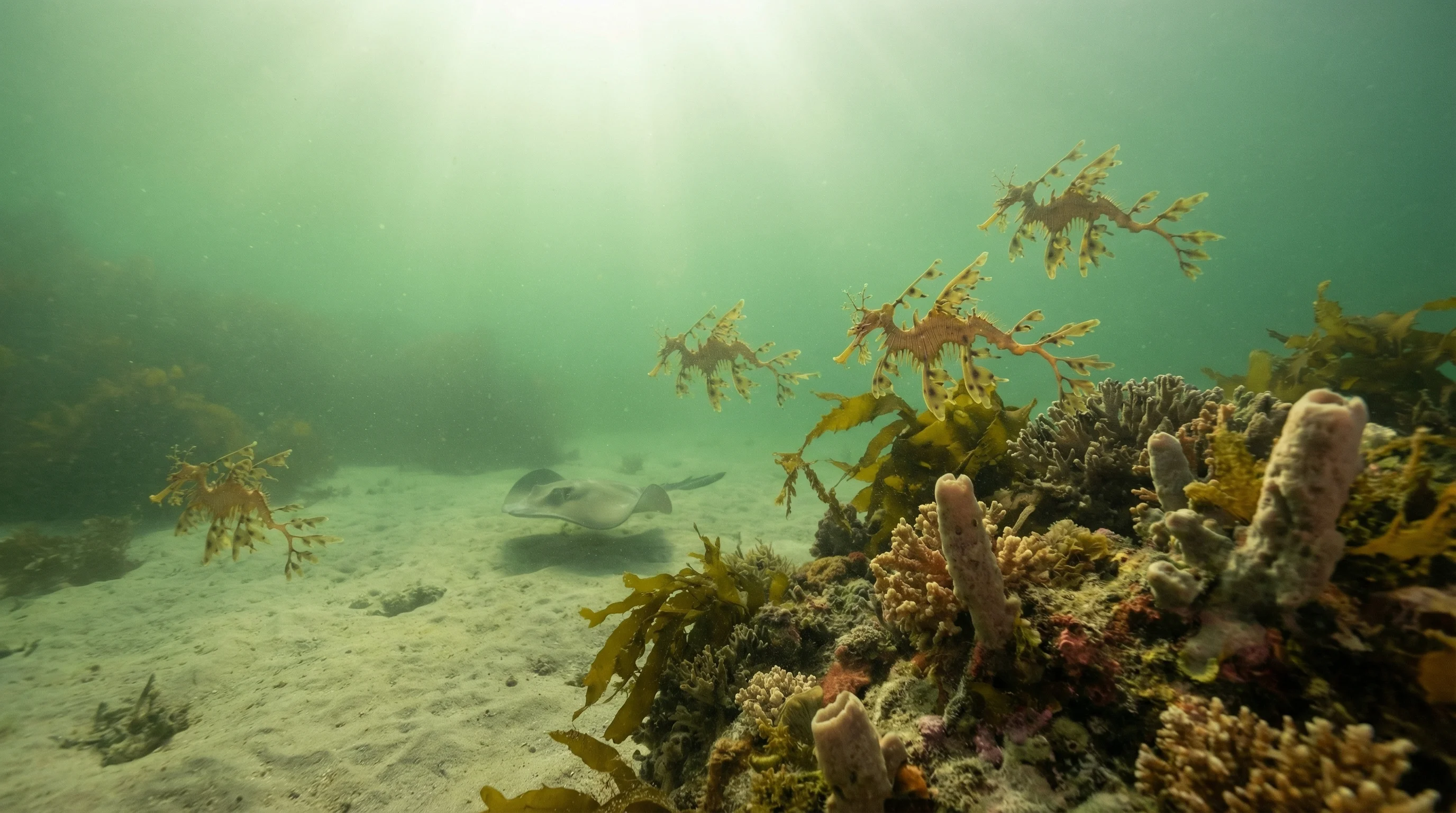
Cool-water diving defined by Weedy Seadragon, Giant Cuttlefish, and a wealth of piers, reefs, and walls across the Mornington Peninsula.
Australia spans a wide latitude range, so water temperature varies a lot by area: roughly 13-29°C across its dive sites. Check the individual area pages for local conditions.
Fin maps 1,303 sites in Australia (1,189 scuba diving sites and 477 snorkelling spots, with some suited to both), organised into 7 areas.
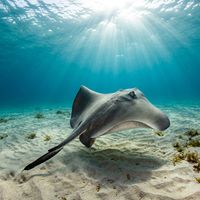
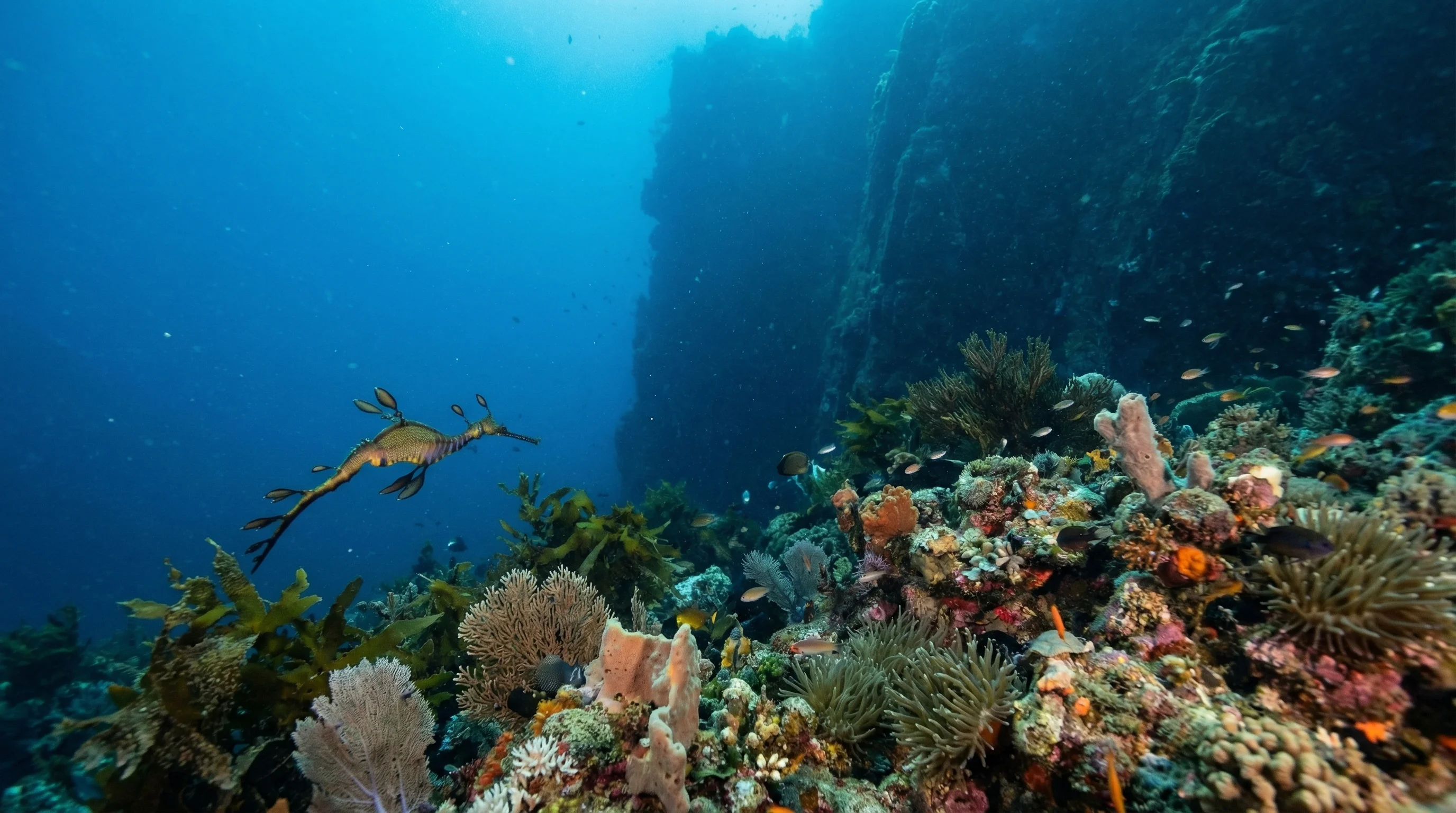
Australia hosts an observed species list that spans a wide range of marine life. Signature species include the Spotted Wobbegong, Grey Nurse Shark, Port Jackson Shark, Green Sea Turtle, Smooth Ray, and Chromodoris Nudibranch. Wrasse are commonly recorded across many sites, and less frequent but documented encounters include the Weedy Seadragon, Giant Cuttlefish, Dugong, Zebra Shark, and Pot-bellied Seahorse. The mix of tropical and temperate environments means the species you encounter shift considerably depending on which region you visit.
A substantial portion of Australia's dive sites are rated for beginners, including sites such as Great Detached Reef, Crowded Garden, Hardy Reef, Opal Reef, and Derry Reef. These are generally boat-accessed reef dives with mild currents and shallower sections. Advanced and intermediate sites such as Wolf Rock, Blue Corner, and Sevens Reef are also present for more experienced divers, so there is real breadth across all skill levels.
Queensland holds the largest concentration of sites and is dominated by coral reef, wall, and bommie diving, much of it beginner-friendly and boat-accessed. New South Wales is the second-largest region and is well known for temperate species such as Grey Nurse Shark and Spotted Wobbegong. Western Australia offers large pelagic encounters, while South Australia, Victoria, and Tasmania provide cooler southern diving with distinct species not found in tropical waters. The Northern Territory adds a further distinct character to the national mix.
The majority of Australia's top-rated sites require boat access, including all of the featured Queensland reef sites and South Australia's Neptune Islands. Operators such as Tusa Dive, Divers Den, Dive Jervis Bay, and Forster Dive Centre among others run regular boat charters across the country's main diving regions. Shore entry is present across the broader site catalogue, particularly in more populated coastal areas, but planning around boat departures is the norm for the most-visited locations.