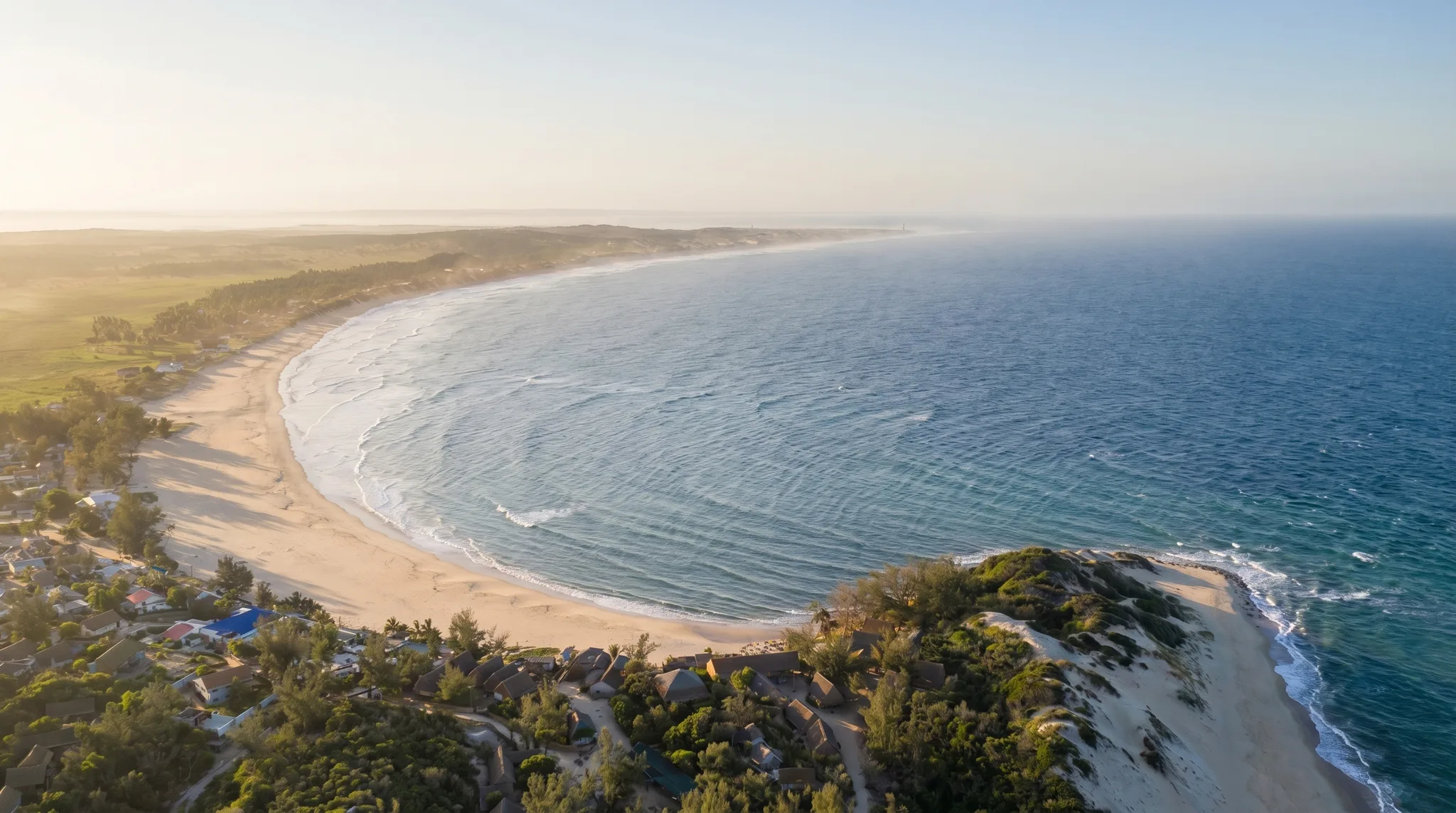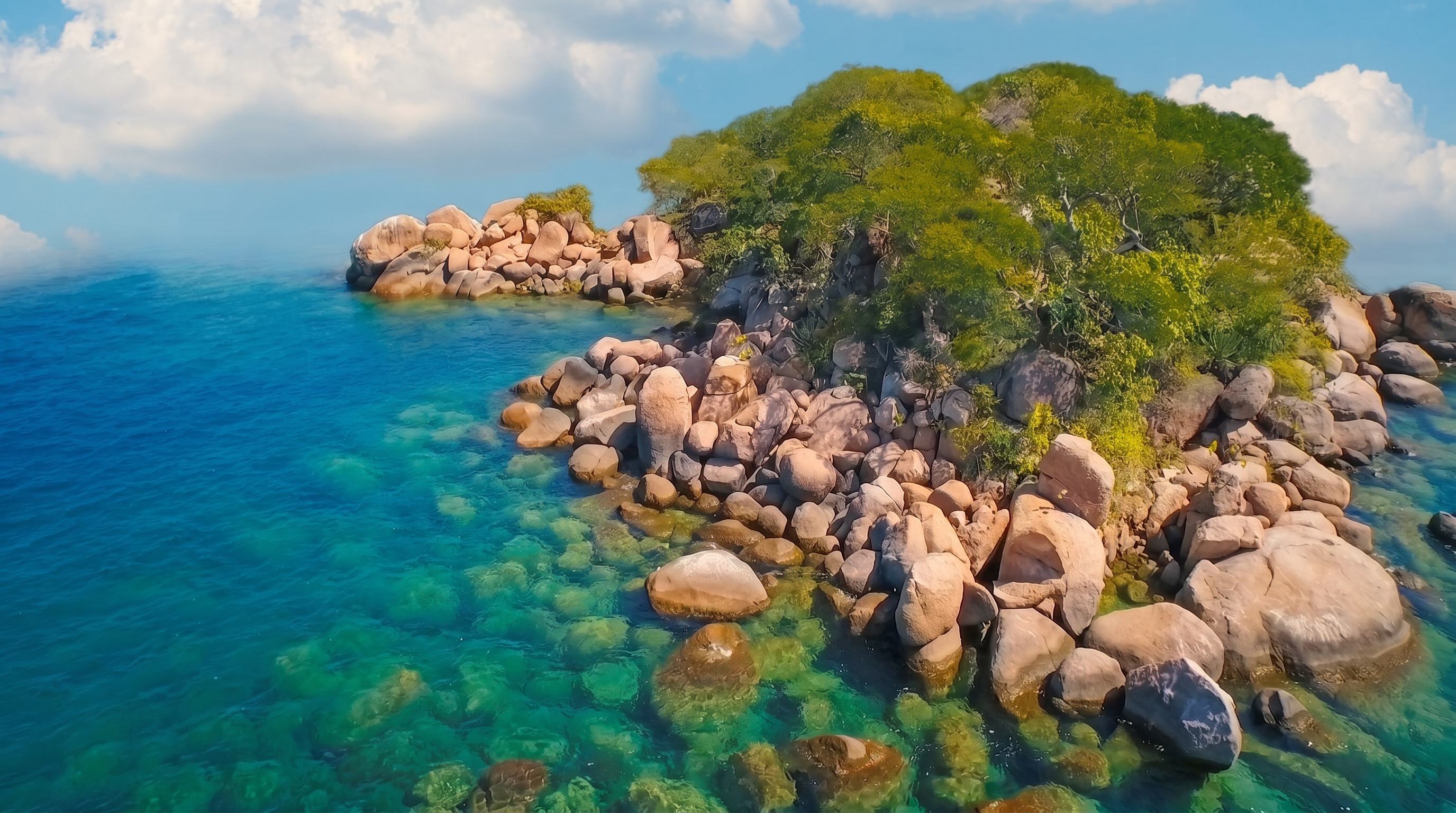
Malawi offers something rare in diving: freshwater reef sites within Lake Malawi, the region's single sub-area and the source of all sites listed here. Reef diving dominates, with several sites also featuring wrecks, caves, and caverns. The mix of beginner and intermediate sites means the region suits a wide range of experience levels, from sheltered shallow reefs at Tumbe Island's Aquarium to deeper cave and reef combinations at Simbabwe Rock. Shore entry is available at Nkhata Bay, while all other sites require a boat. Tilapia is observed across every site, with Carp and Catfish also commonly encountered. Two operators, Cape Maclear Scuba and Cape Maclear EcoLodge and Scuba Shack, serve the area. Visibility can vary considerably between sites, and conditions are generally mild with light currents.
1 areas
5 operators
Fin maps 14 sites in Malawi (14 scuba diving sites and 1 snorkelling spots, with some suited to both).
Across Malawi's dive sites, August and September are most often reported as the best months to visit.
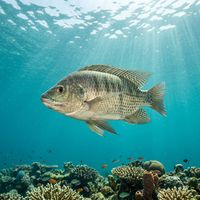
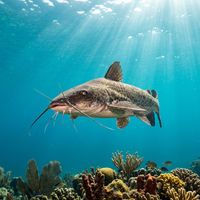
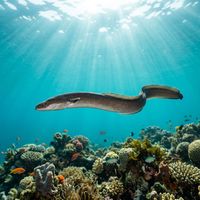
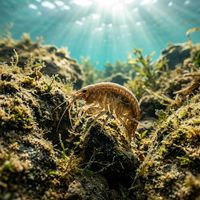
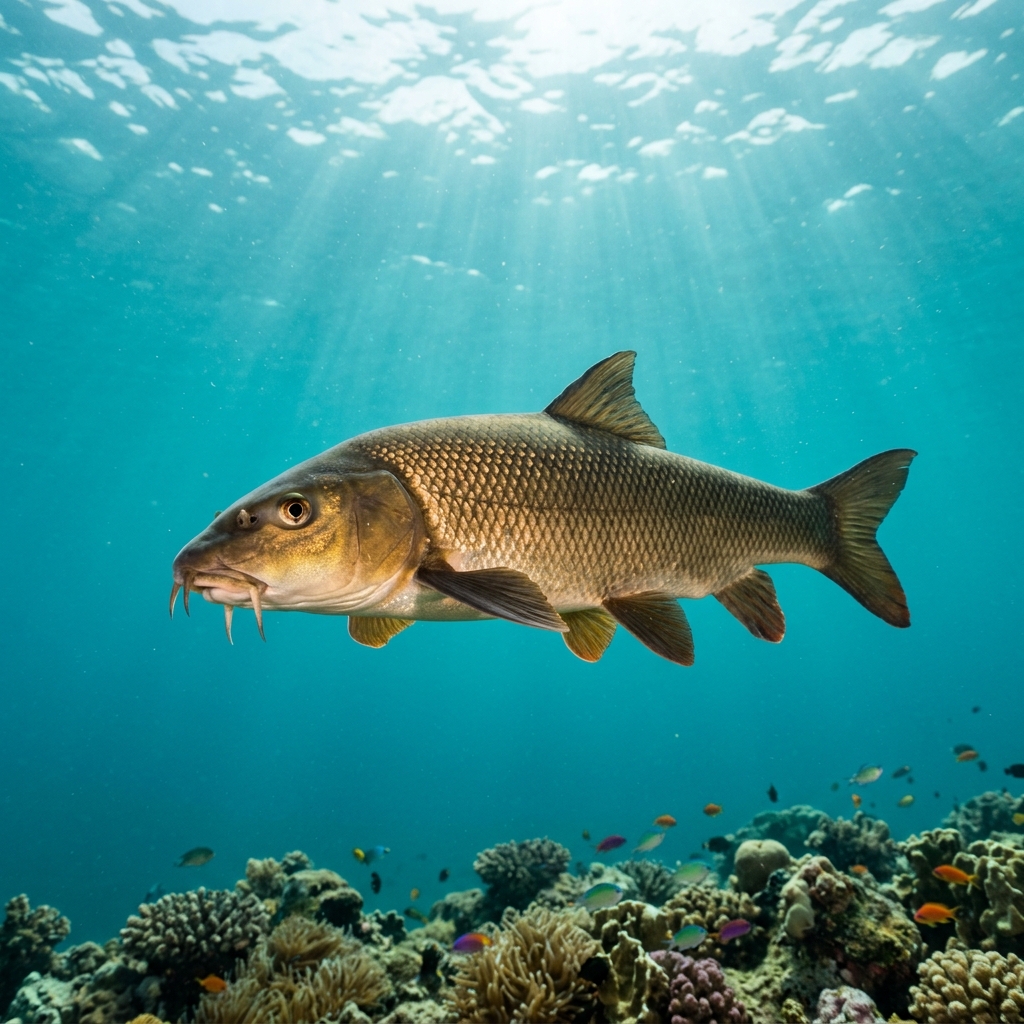
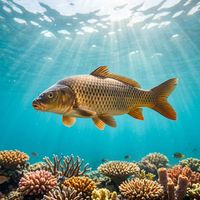
Because Lake Malawi is a freshwater environment, the species encountered differ entirely from coastal diving. Tilapia is observed at every site in the region. Carp and Catfish appear frequently across the majority of sites. Less commonly, divers have also recorded European Eel, Freshwater Shrimp, Barbel, and Snail.
A good number of sites in Malawi are rated for beginners, including Nakantenga Island, Lizard Island, Tumbe Island's Aquarium, Otter Point, and Nkhata Bay. Currents across the region are generally mild, and several of these beginner sites are sheltered. Intermediate divers have their own options too, with deeper and more complex sites such as Simbabwe Rock and Mumbo Island.
Almost all sites in Malawi are accessed by boat. The single exception is Nkhata Bay, where divers can enter directly from the shore and explore a mix of reef and cavern structures. Two operators, Cape Maclear Scuba and Cape Maclear EcoLodge and Scuba Shack, provide boat-based access to the wider area.
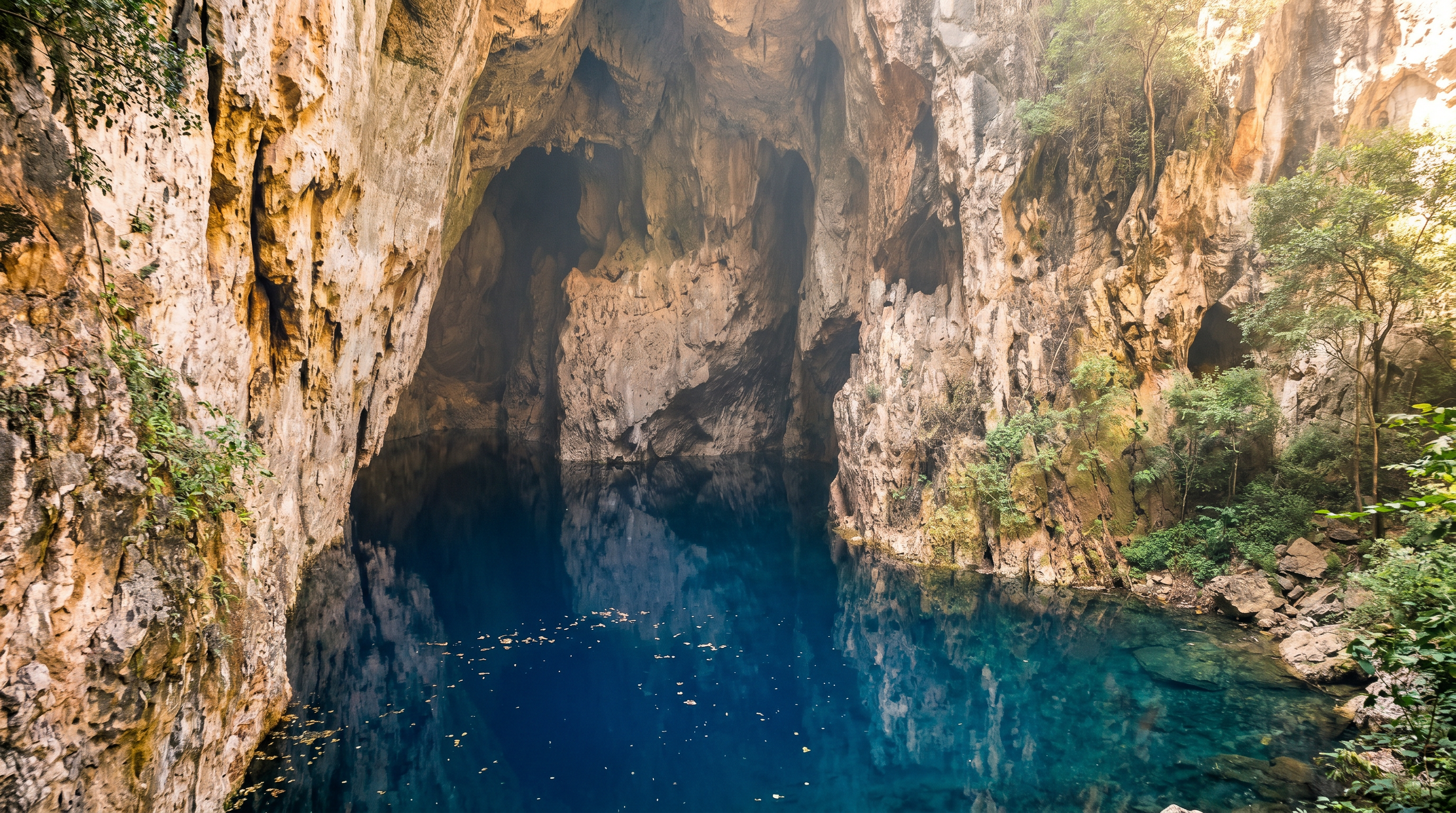
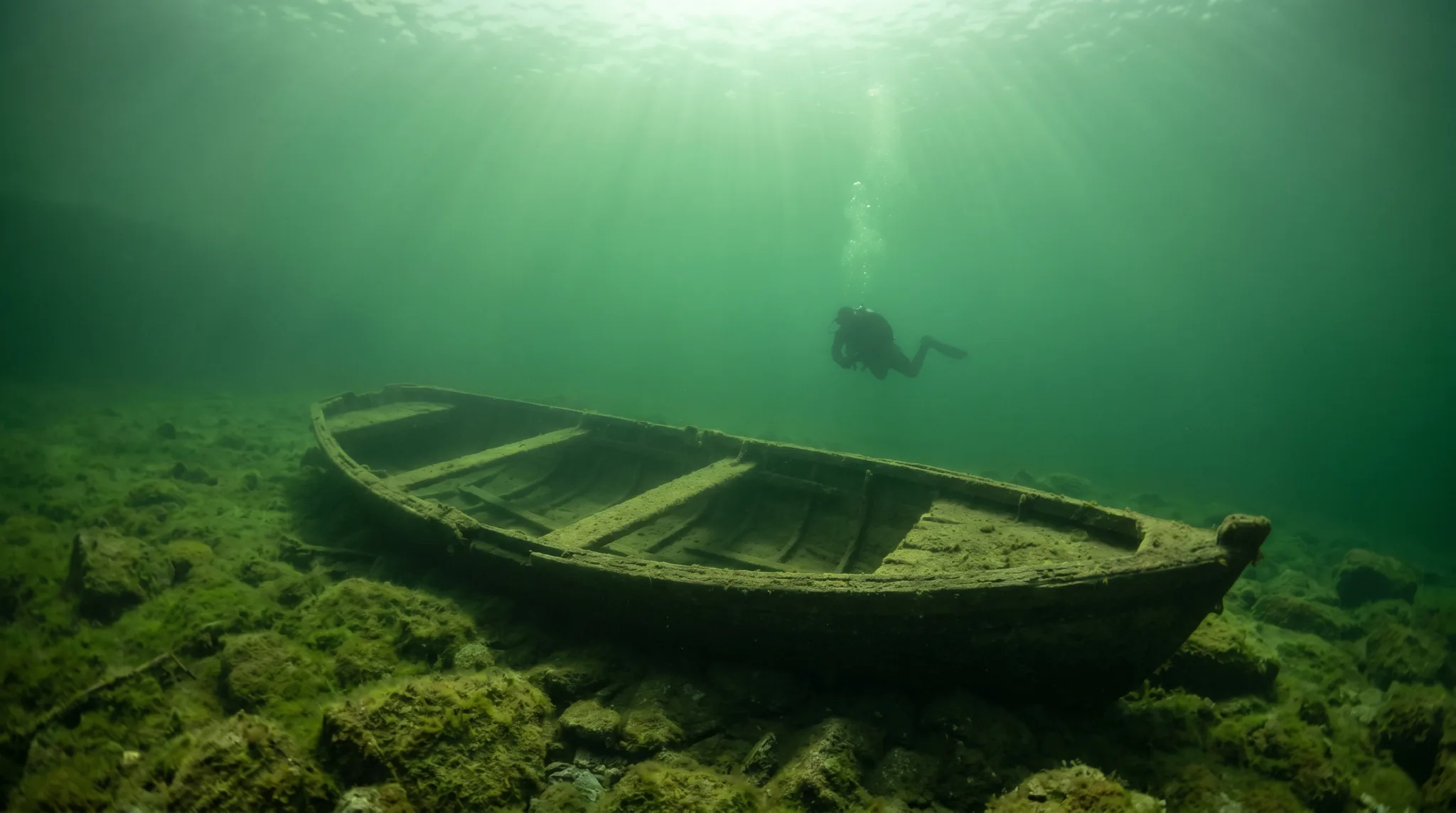
Reefs form the foundation of diving in Malawi, but several sites offer additional structure. Tumbe Island Northeast and Moon Rock both combine reef diving with wreck exploration. Simbabwe Rock features reef alongside cave topography, while Nkhata Bay includes cavern systems. This variety means divers can mix straightforward reef dives with more exploratory underwater environments.