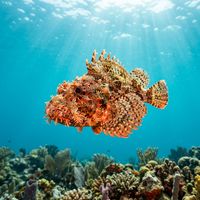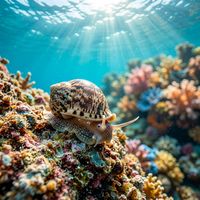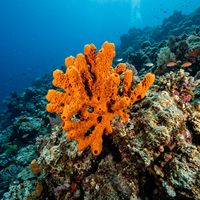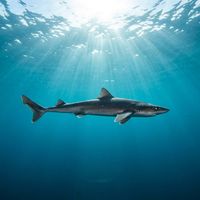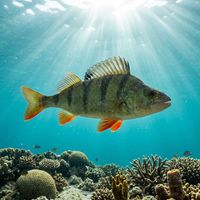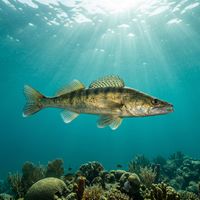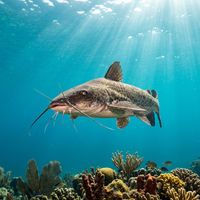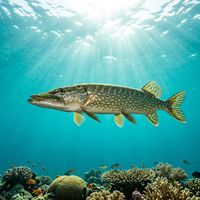
Ukraine's diving spans a striking range of environments, from saltwater reef and cave sites along the Crimea coast to inland freshwater lakes and river-fed quarries. Crimea holds the majority of sites, offering boat-access reef dives at places like Ayu-dag and Adalar Rocks alongside the Cold War-era infrastructure of the Underground Submarine Base in the Sevastopol area. The Alley of Leaders on the Tarkhankut Peninsula provides a welcoming artificial reef for beginners. Further afield, Kyiv and Western Ukraine contribute calmer, current-free freshwater sites suited to new divers building skills. The Sulina wreck sits off the Odesa coast for those seeking wreck diving. Observation-backed species include Scorpionfish, Sponge, Crab, and freshwater residents such as Carp, Perch, Pike Perch, and Catfish. Water is cool to cold across the year, with the warmest conditions arriving from late summer into autumn.
5 areas
 11
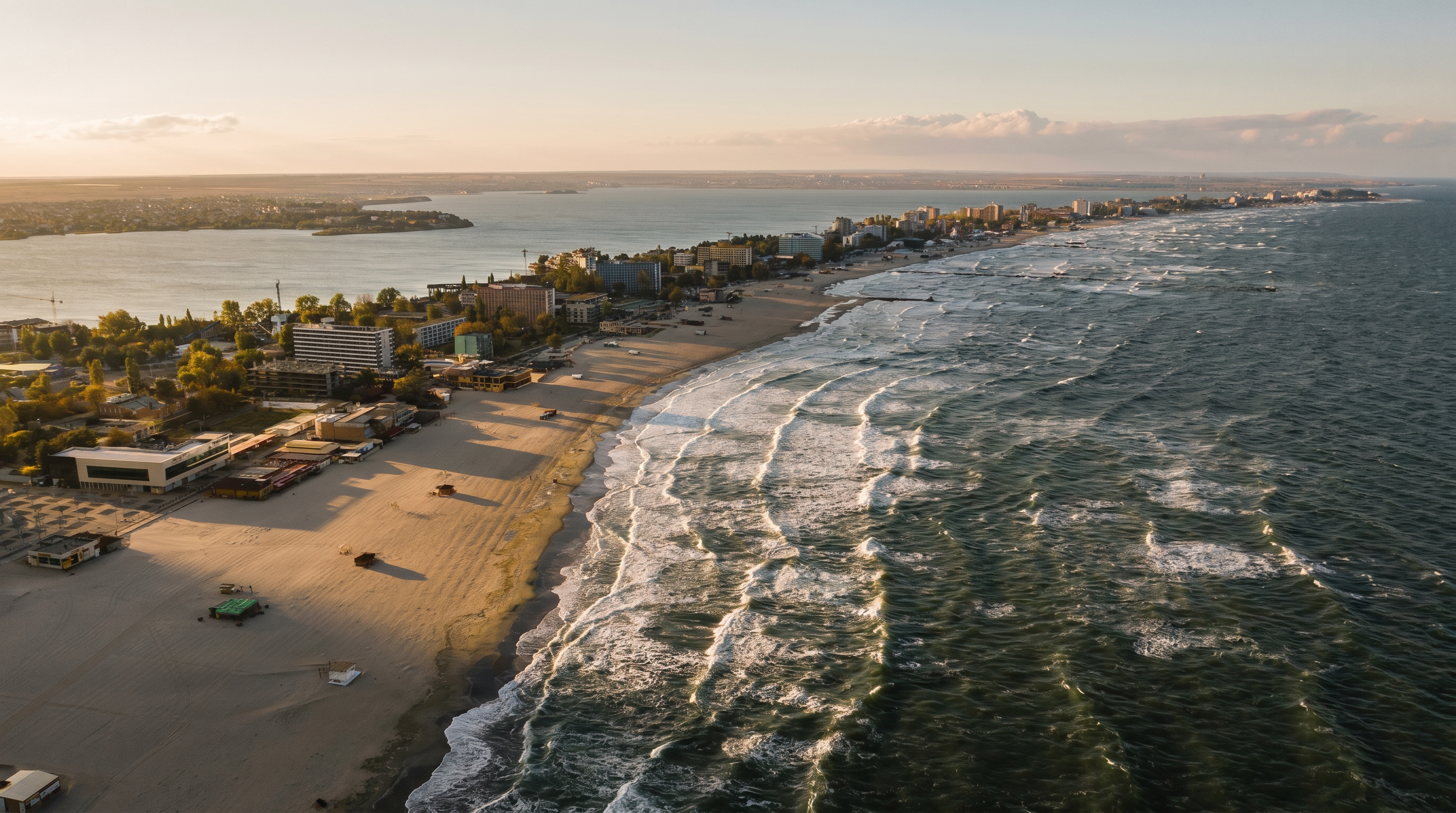
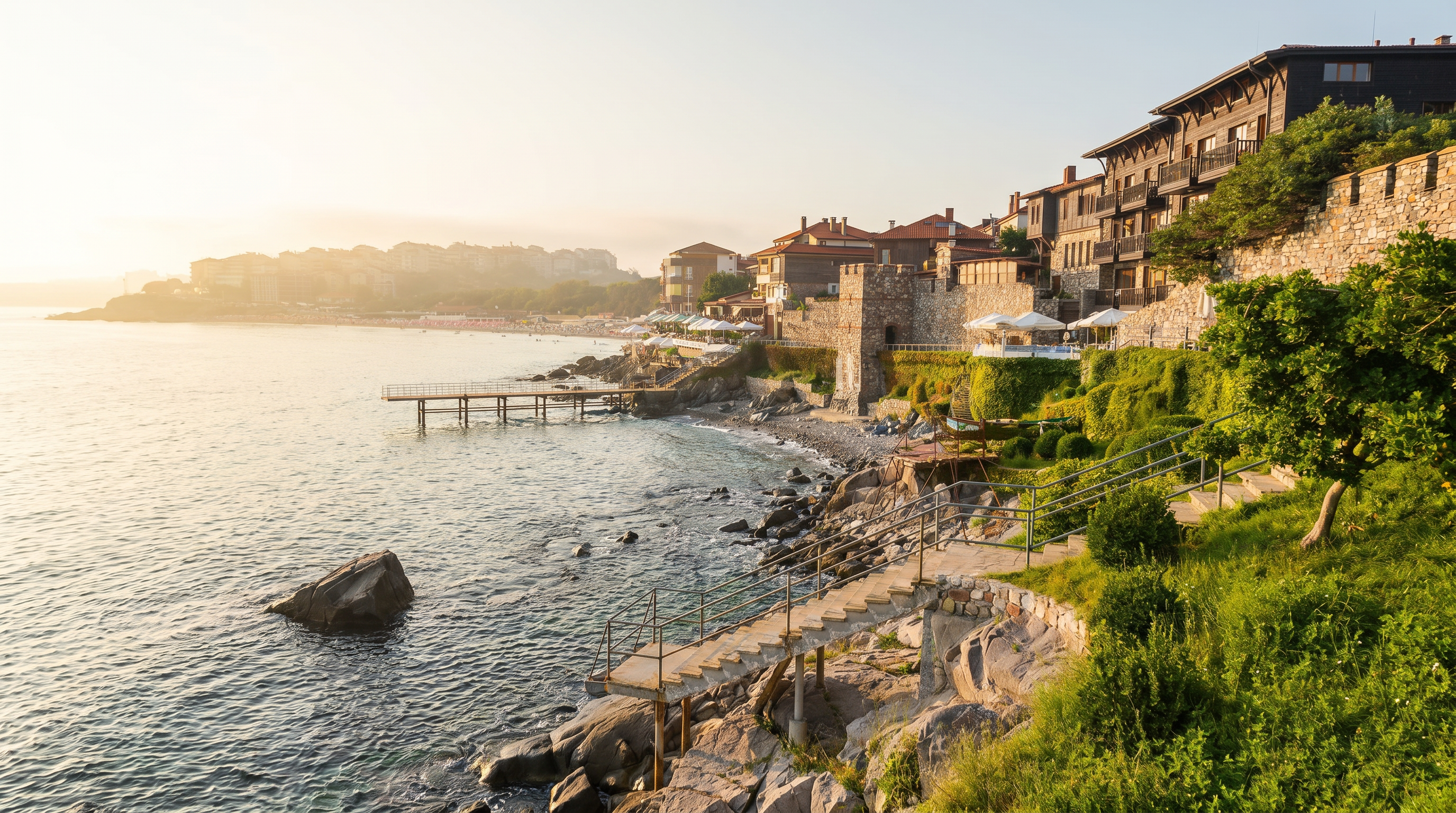
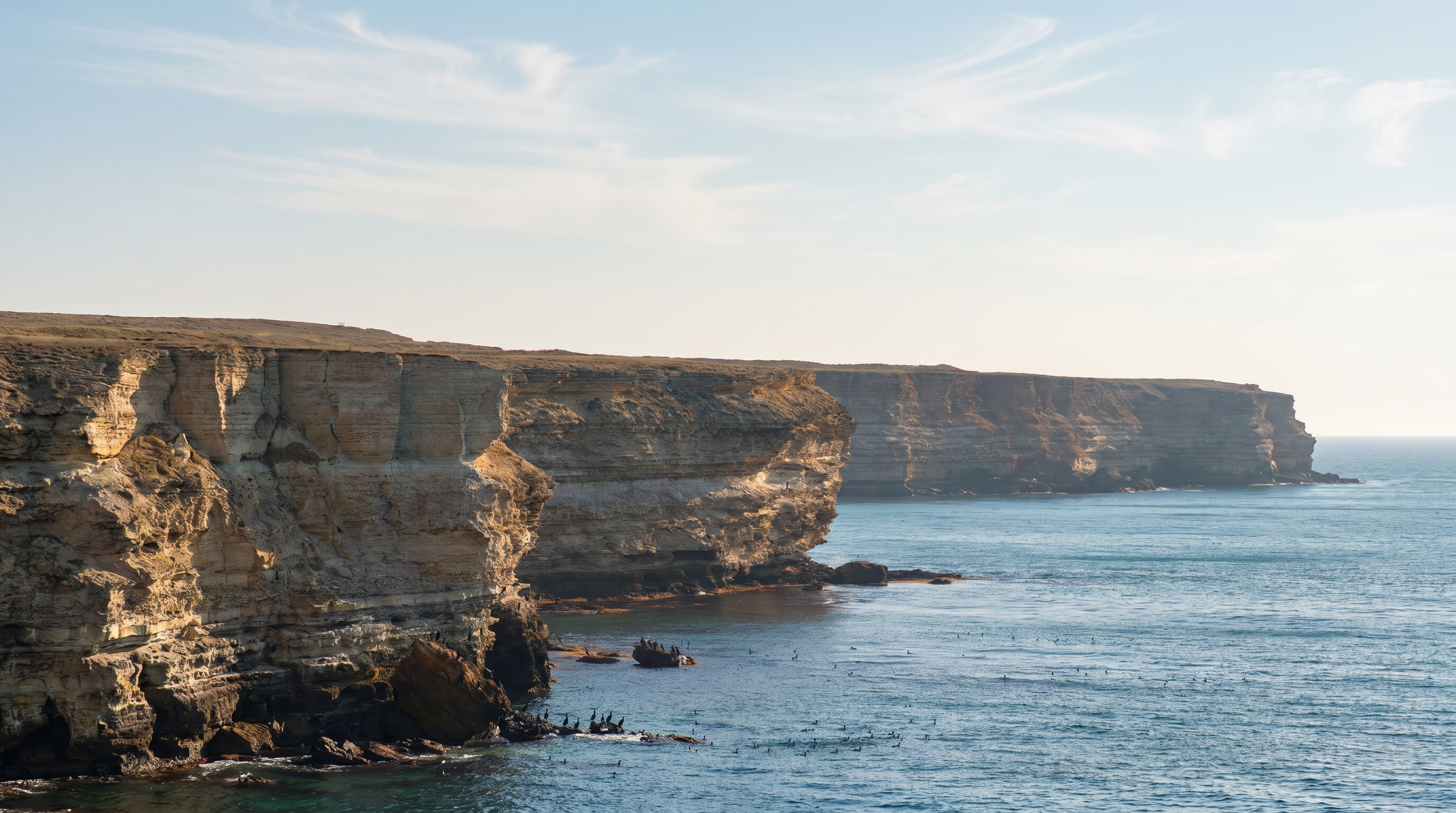
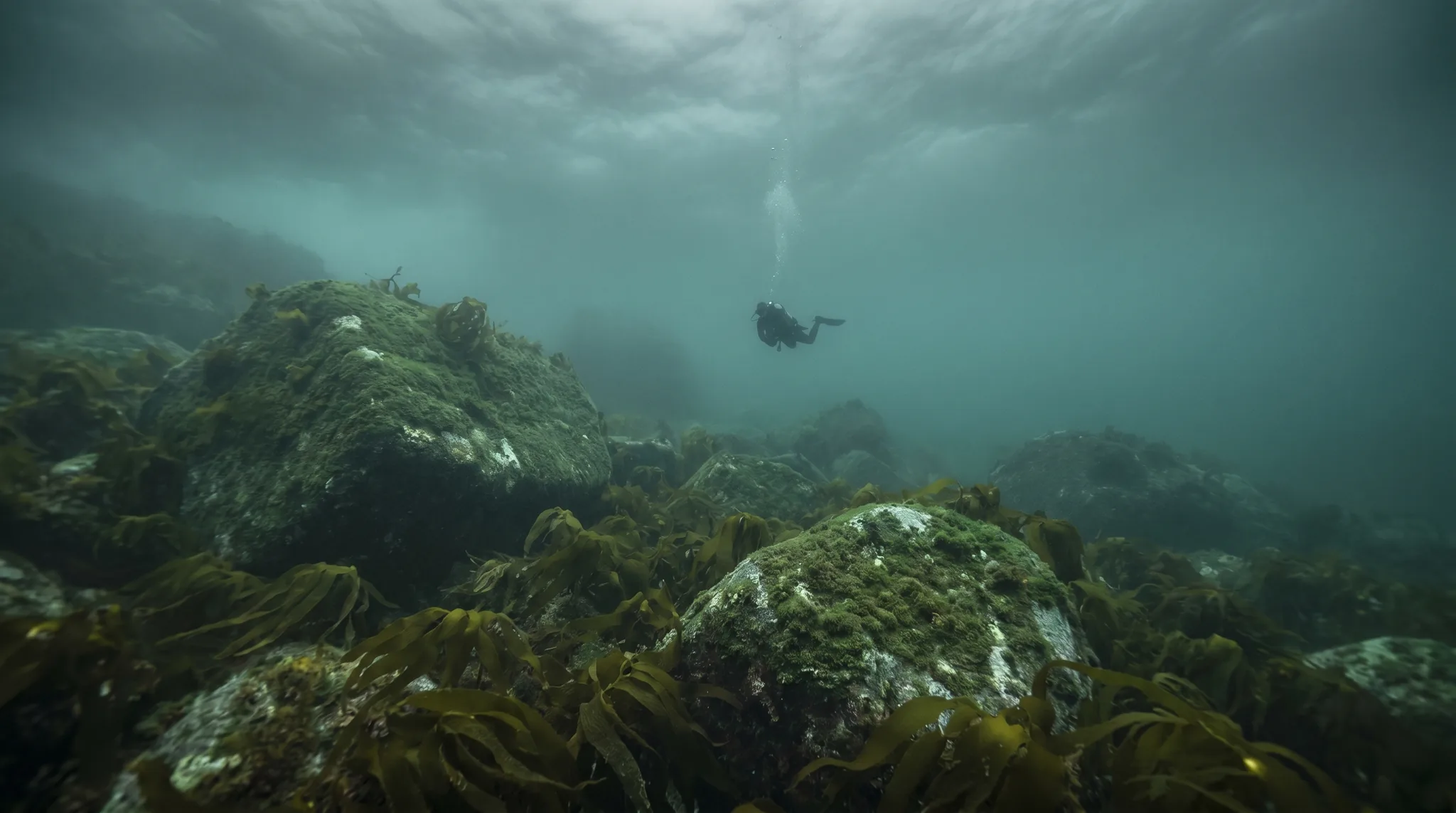
11Shore and boat diving across wrecks, artificial reefs, and caves, with a confirmed-sighting list led by Scorpionfish and Sponge.
 2
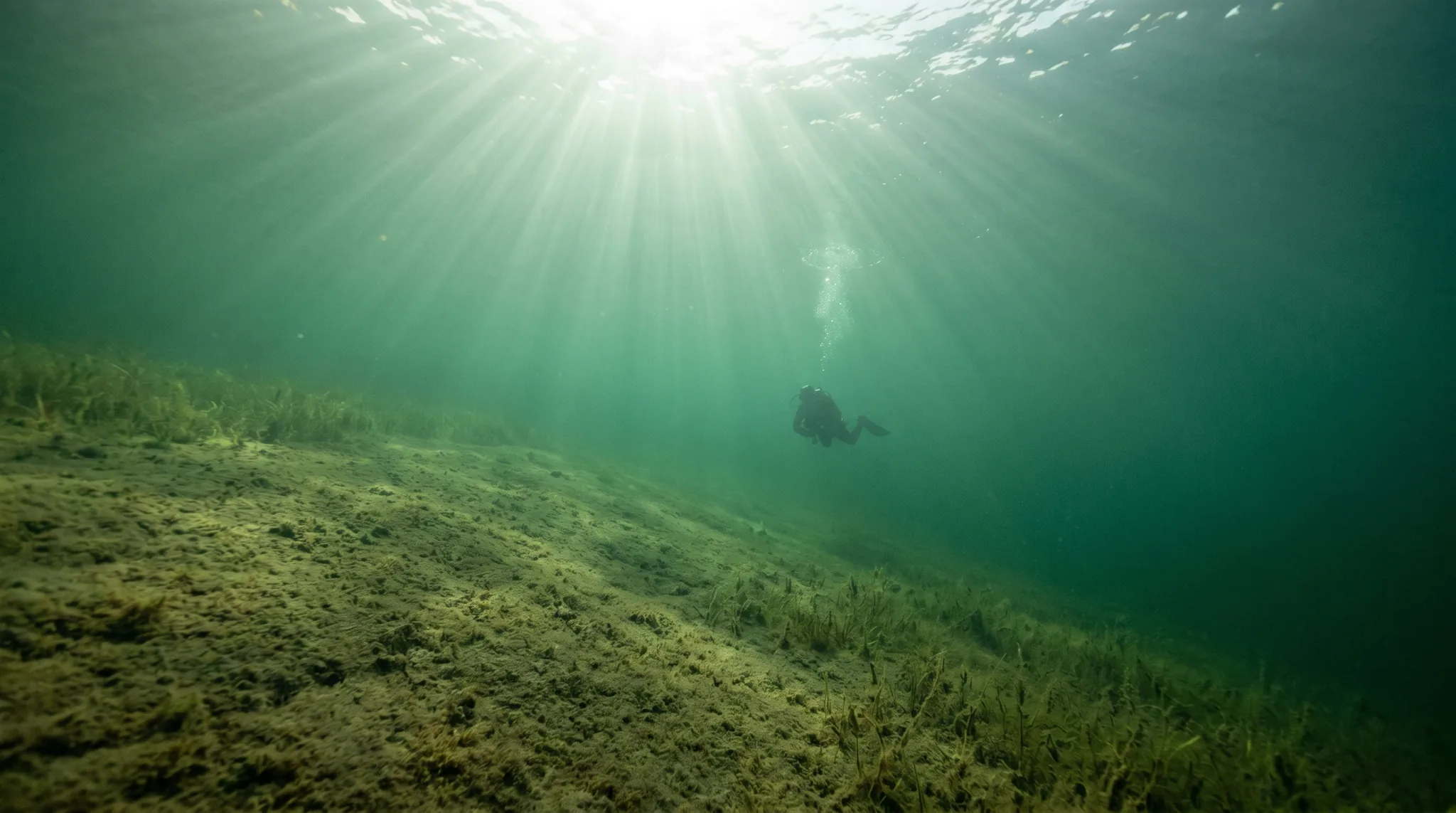
2Two flooded freshwater quarries near Kyiv offering shore diving for beginners and intermediate divers, with pike, carp, and sturgeon present.
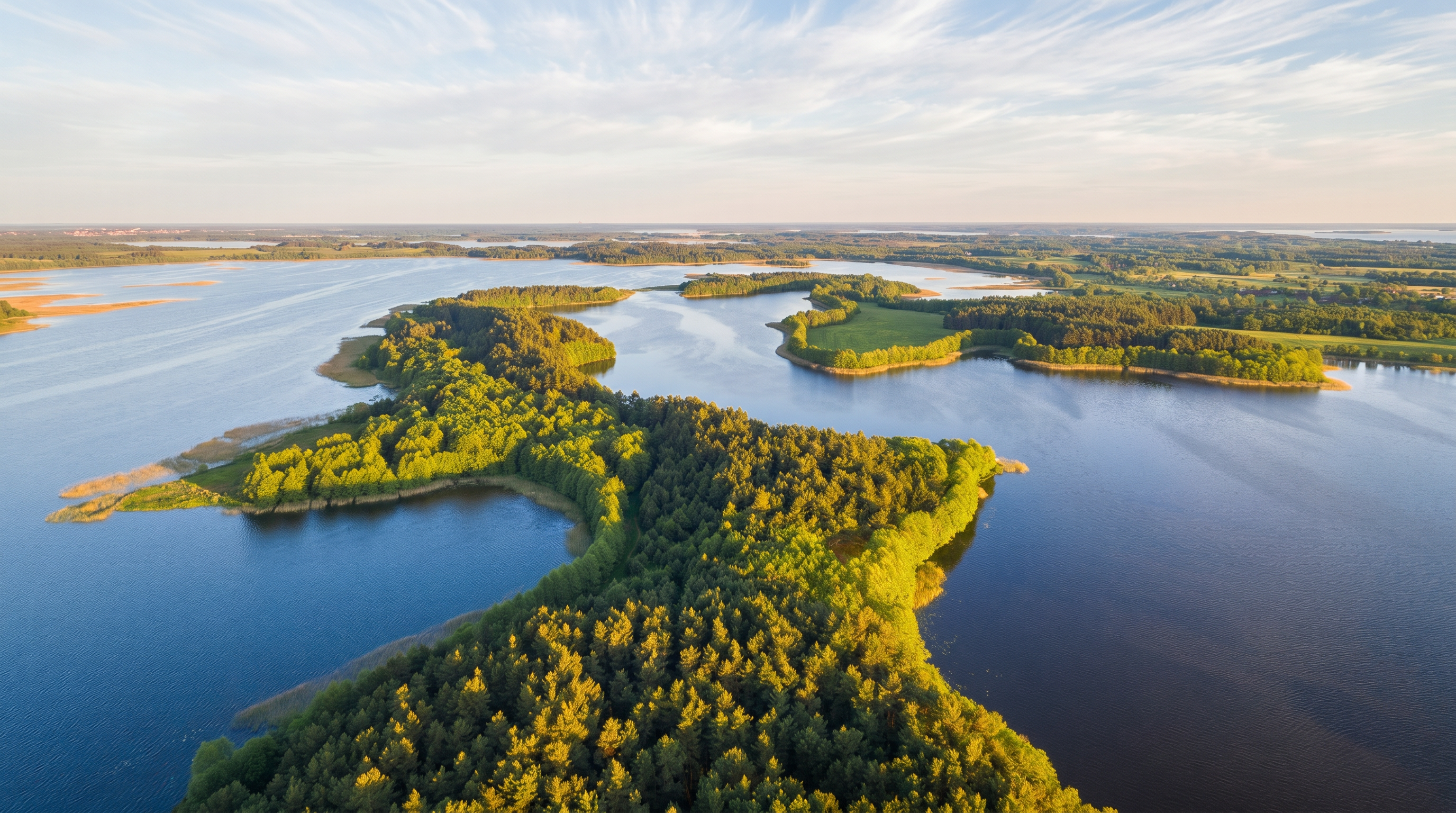
2Freshwater lake diving in the Shatsk area, including Svityaz Lake inside a national reserve, with catfish, pike, and tench.
 1
1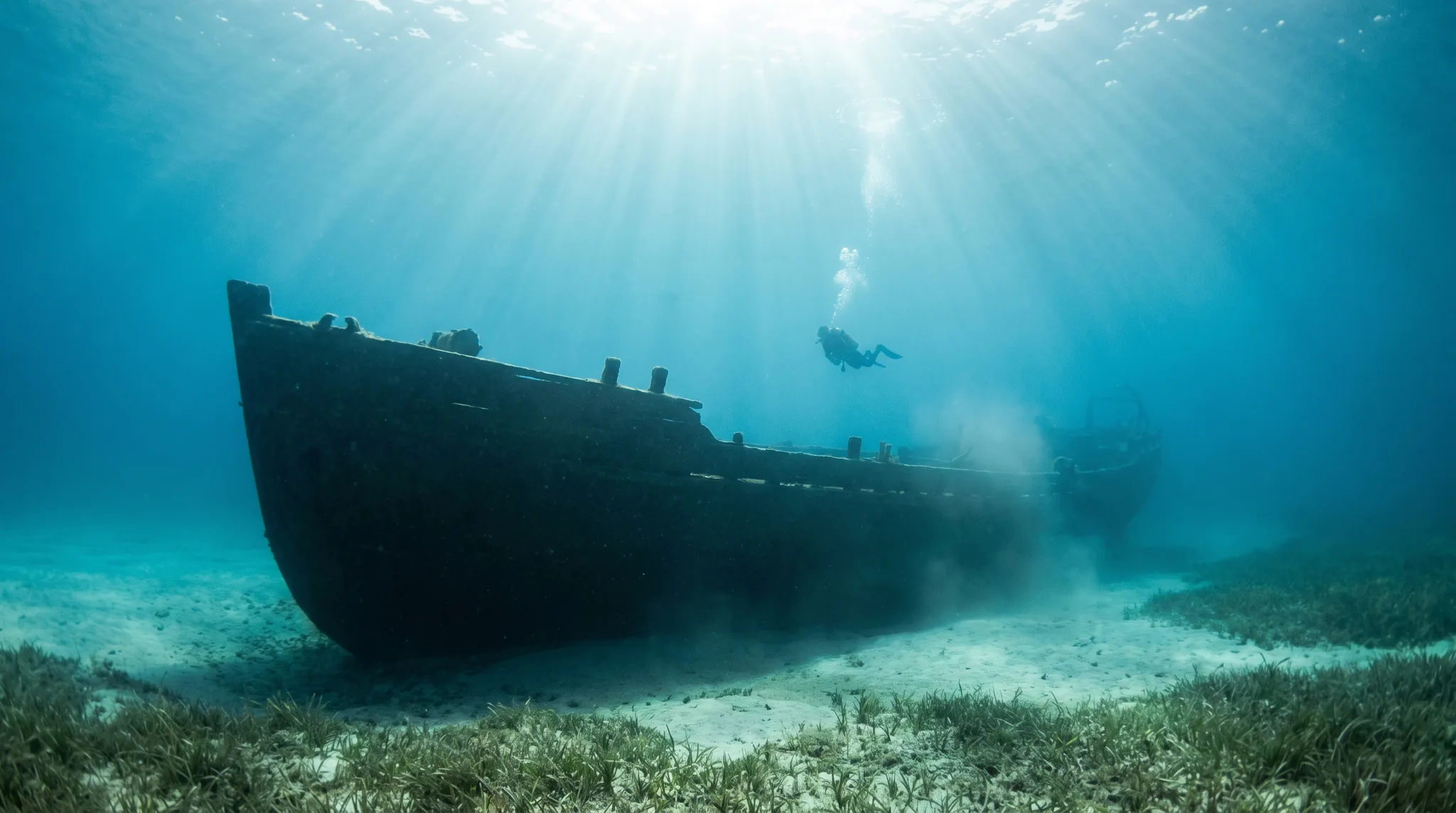
Monthly water temperature across Ukraine's sites, from satellite sea-surface data corrected for depth. The band shows the site-to-site spread.
Water temperatures stay cool through winter and spring before climbing through summer to their peak in September, making the warmer months the most comfortable for extended dives. June and September see the strongest concentration of recommended diving dates, bookending a warm core season. Outside this window, cooler water demands thicker exposure protection, though the freshwater inland sites remain diveable year-round in calm, current-free conditions.
46 operators

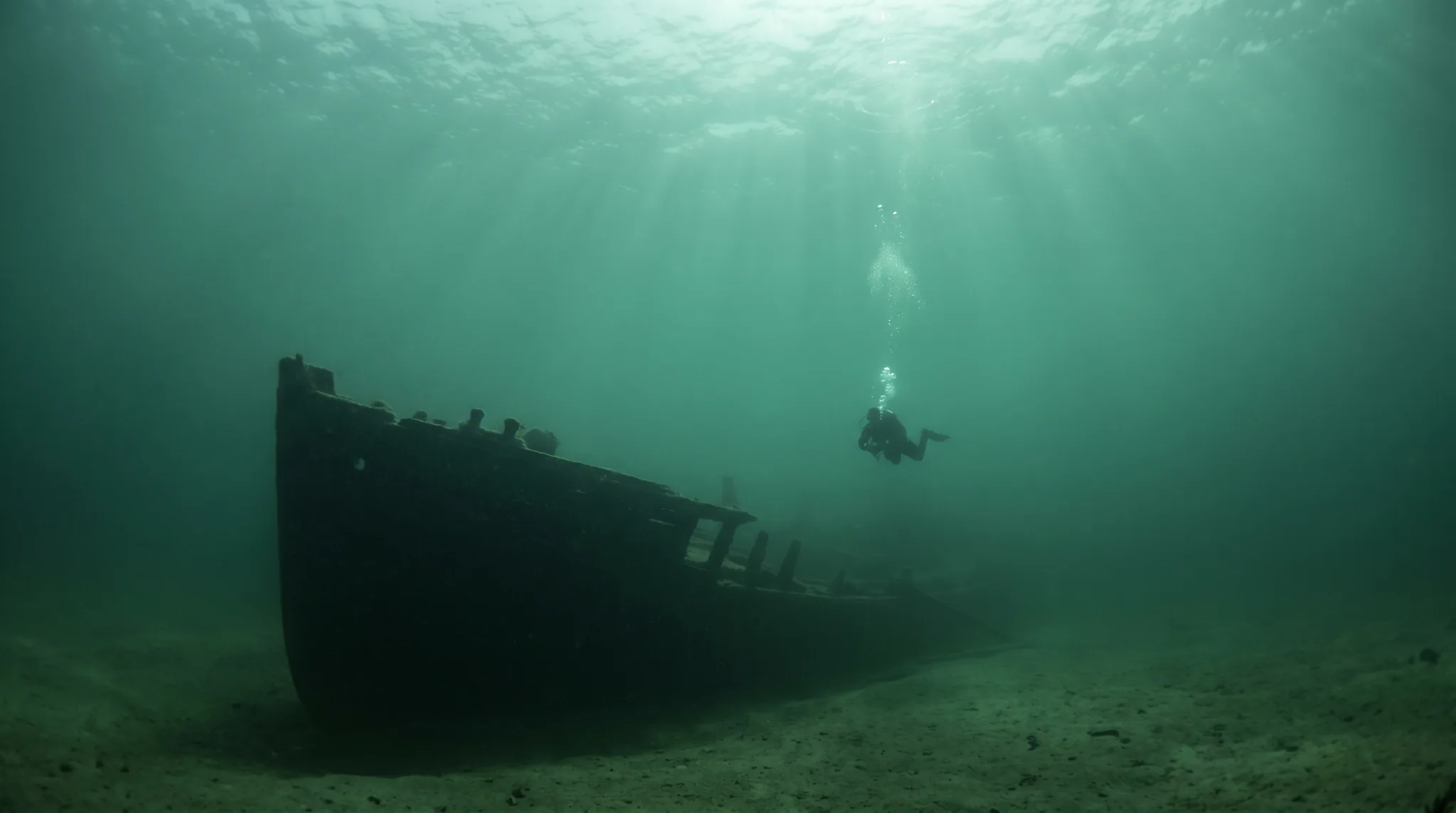
Black Sea wreck diving off Odesa, with the Sulina wreck accessible by boat at intermediate depths in variable visibility.
Water temperature around Ukraine ranges from about 9°C in February to 19°C in September, based on satellite sea-temperature data for its dive sites.
In the warm season (about 19°C) a 5mm suit is comfortable in Ukraine; in the coldest months (about 9°C) step up to a drysuit.
Fin maps 17 sites in Ukraine (17 scuba diving sites), organised into 5 areas.
Across Ukraine's dive sites, May, June, July, August and September are most often reported as the best months to visit.
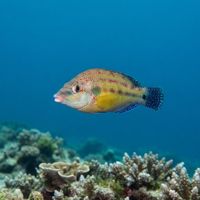
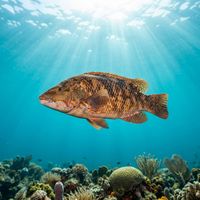
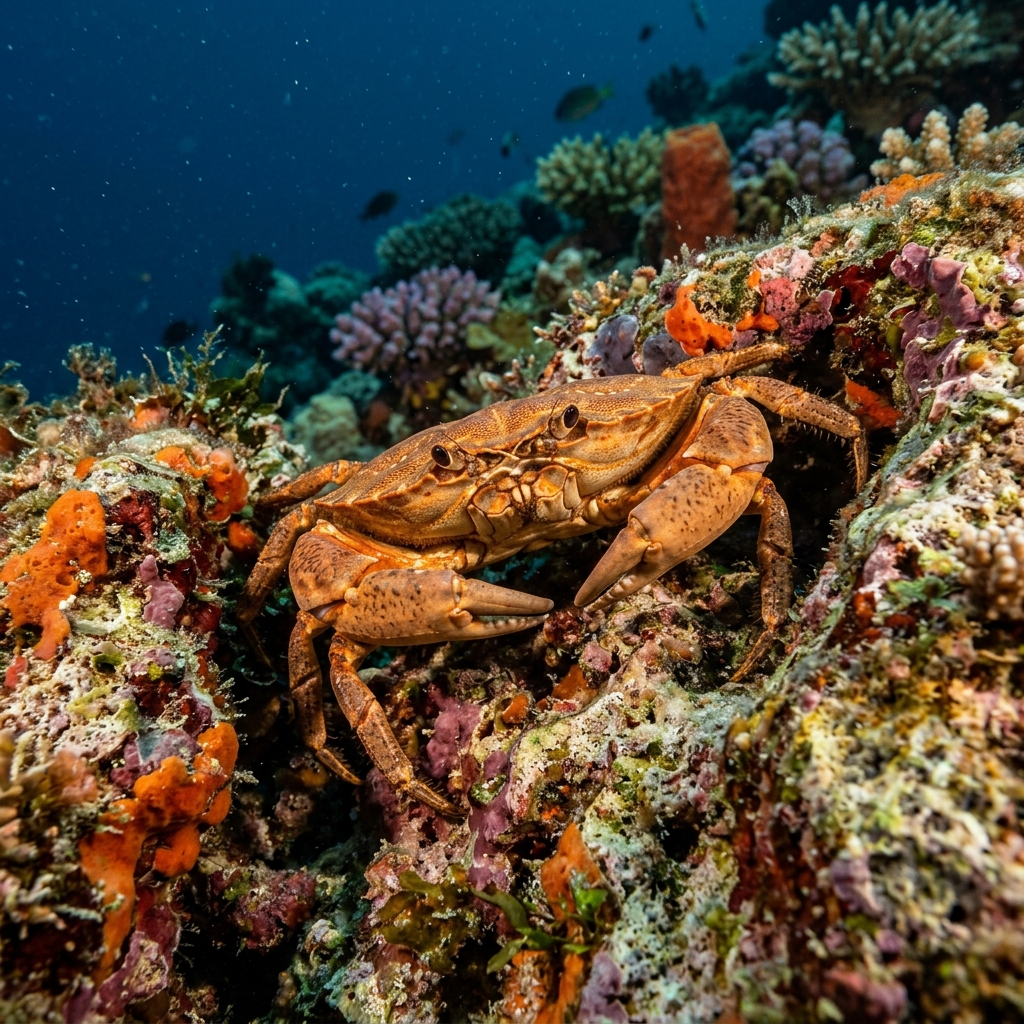
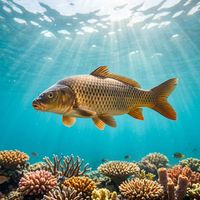
Observation-backed sightings across Ukraine's dive sites include Scorpionfish, Sponge, Crab, and Wrasses in coastal areas. Inland freshwater sites host Carp, Perch, Pike Perch, Catfish, Pike, and Tench. The mix reflects the country's dual character: saltwater species along the Crimean and Odesa coasts and freshwater fish at landlocked lake sites.
Several sites are rated for beginners, including Adalar Rocks, the Underground Submarine Base, the Alley of Leaders, and Zadorozhne Lake. Zadorozhne Lake in particular offers calm, current-free freshwater conditions that are well suited to divers building confidence. More demanding sites such as Ayu-dag and the deep Agnes Blaikie wreck call for intermediate or greater experience.
The majority of Ukraine's dive sites require boat access, including the main Crimean reef sites and the Sulina wreck off the Odesa coast. Shore entry is available at the Underground Submarine Base, while Zadorozhne Lake and the Alley of Leaders both offer either shore or boat access. Operators such as OutdoorUkraine, DIVEZONE, IDC Dive Centre, and Submarine Club can arrange guided dives and transport to boat-access sites.
Crimea is the most site-rich area, with reef, cave, and artificial reef diving ranging from beginner to intermediate level, plus a very deep wreck in the Agnes Blaikie. Odesa contributes the Sulina wreck for intermediate boat divers. Kyiv and Western Ukraine offer calmer inland freshwater sites, while Kryvyi Rih adds one further inland option. Each area reflects a distinct environment, so the right choice depends on whether you prefer coastal or freshwater diving.