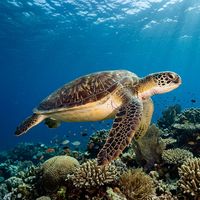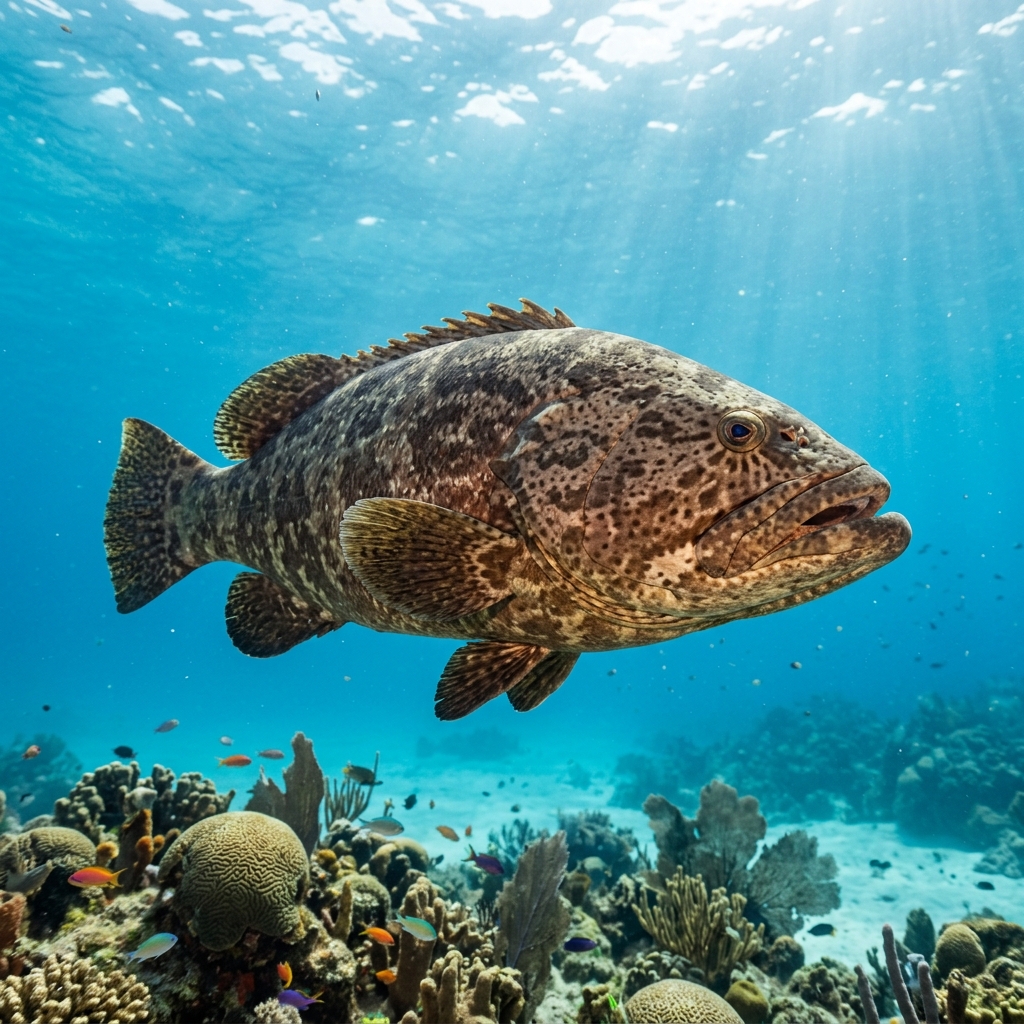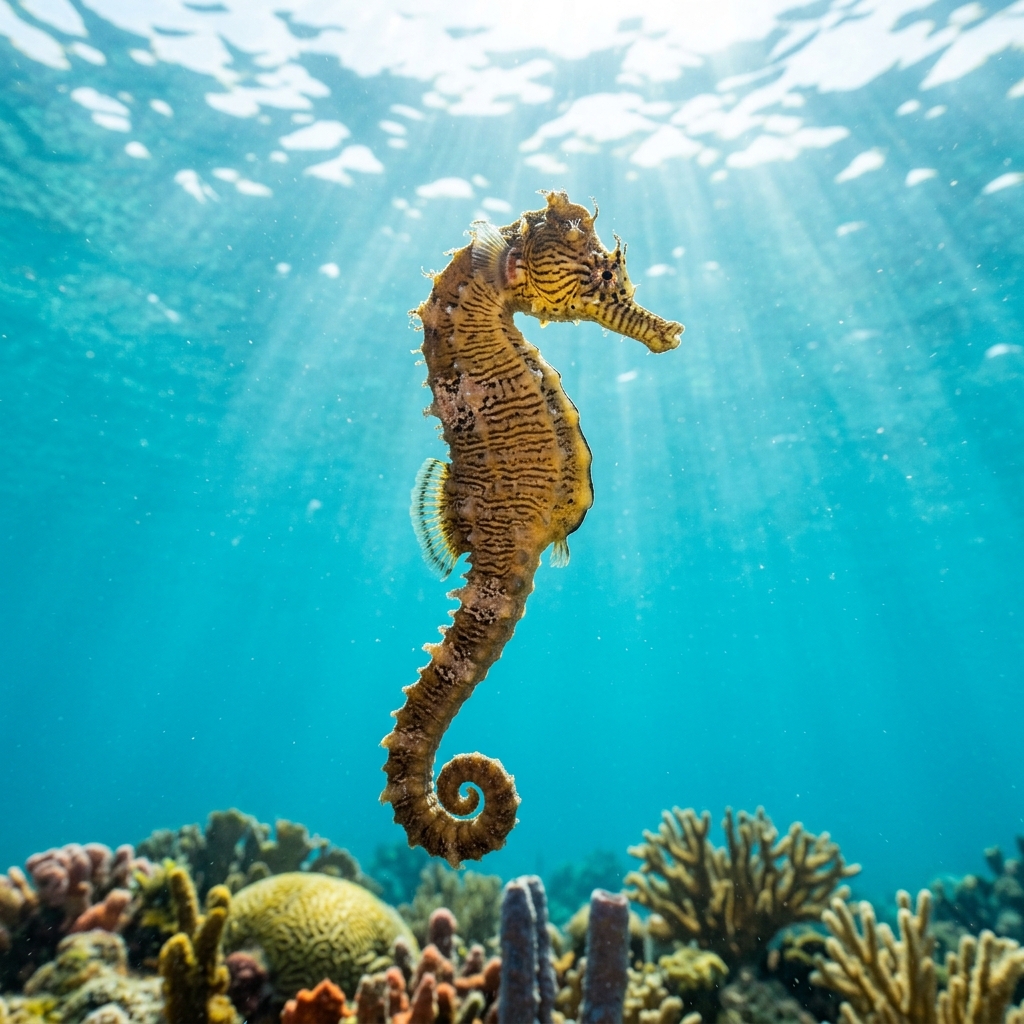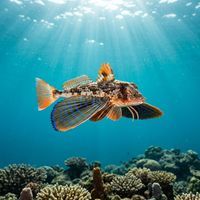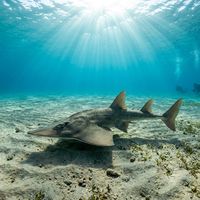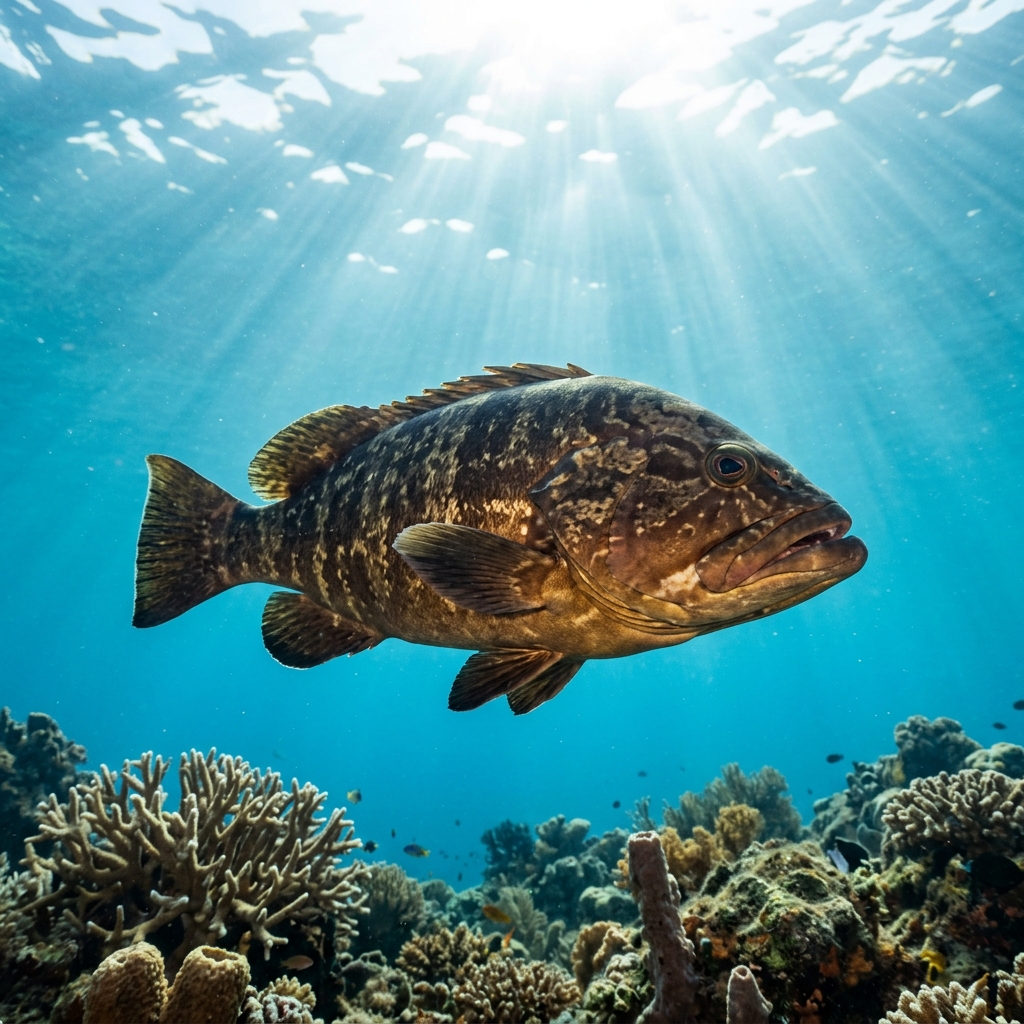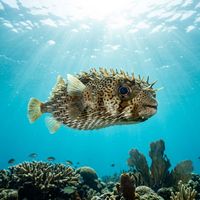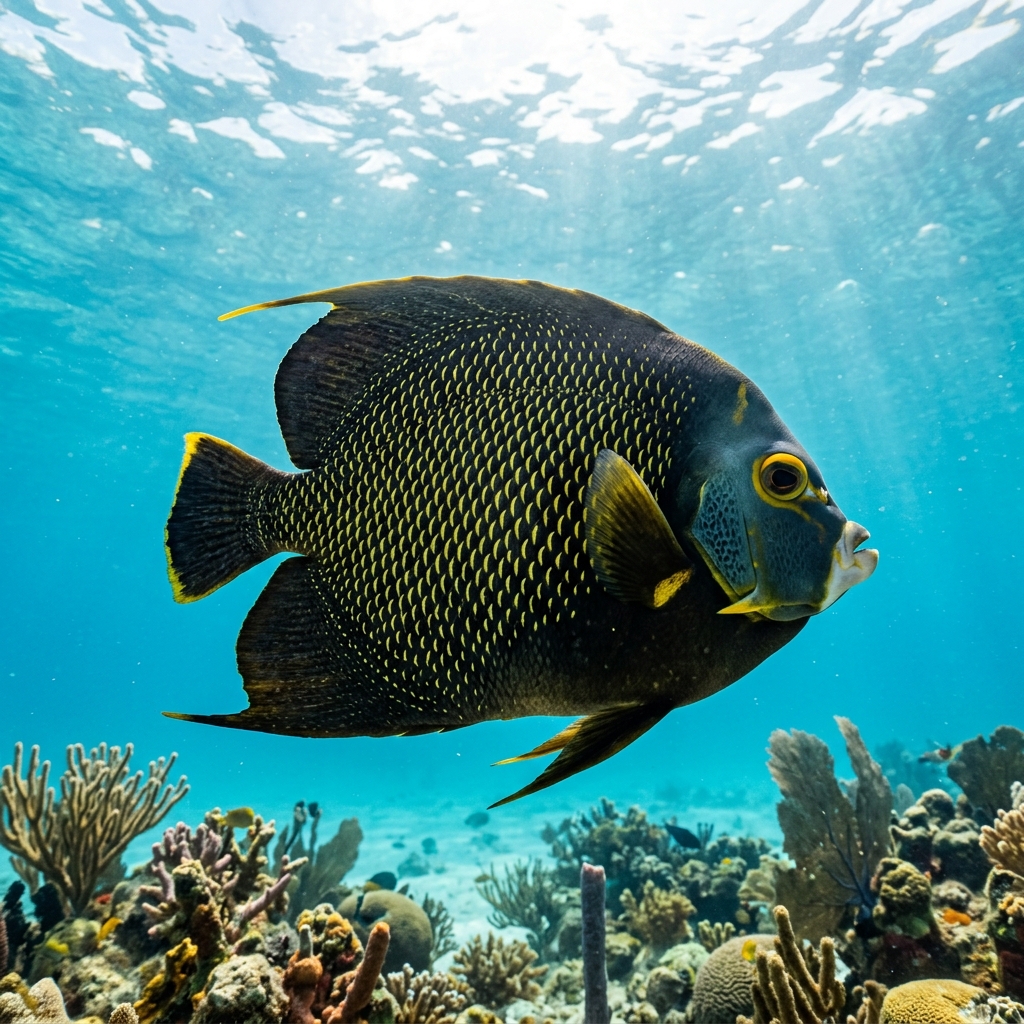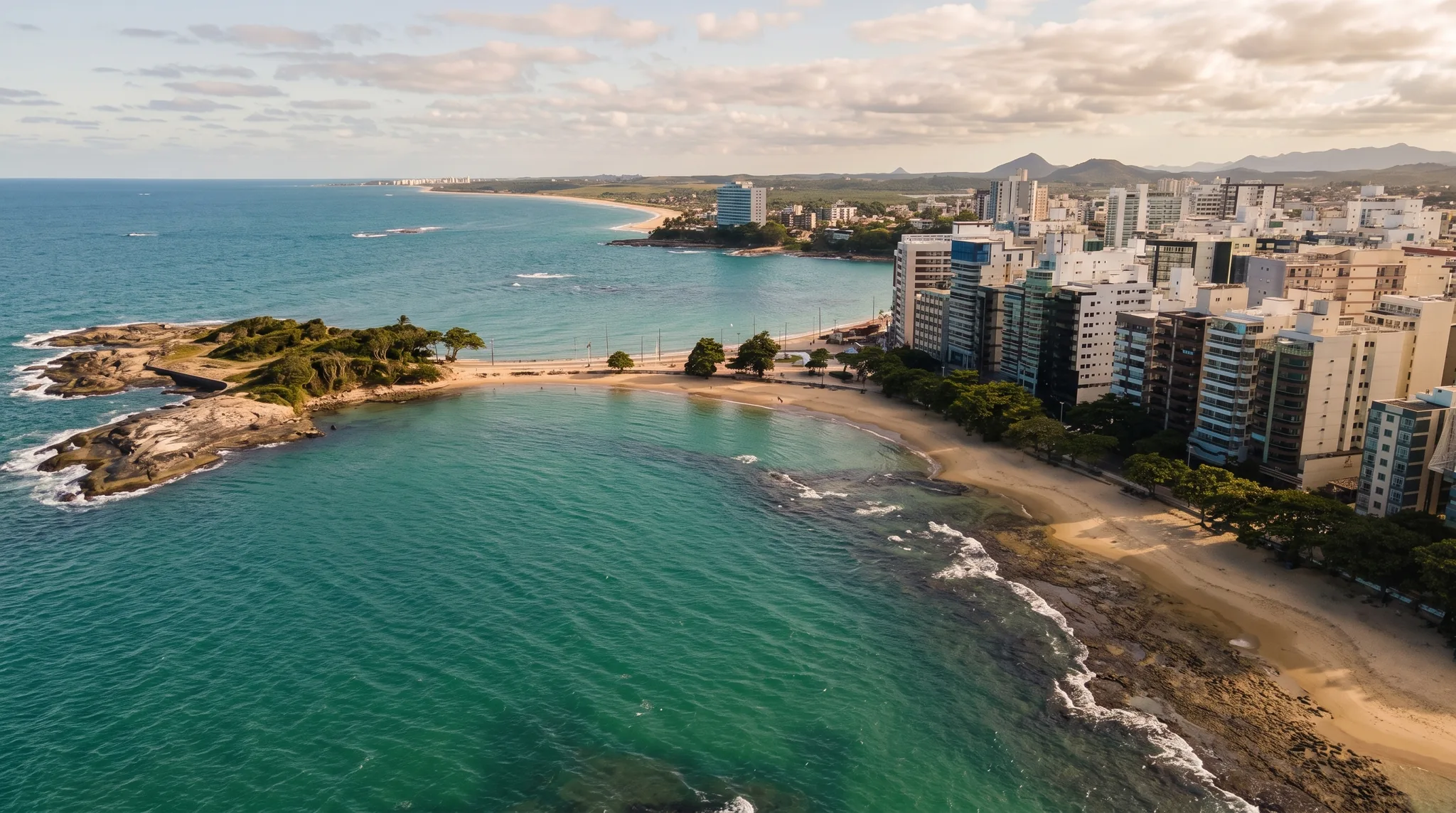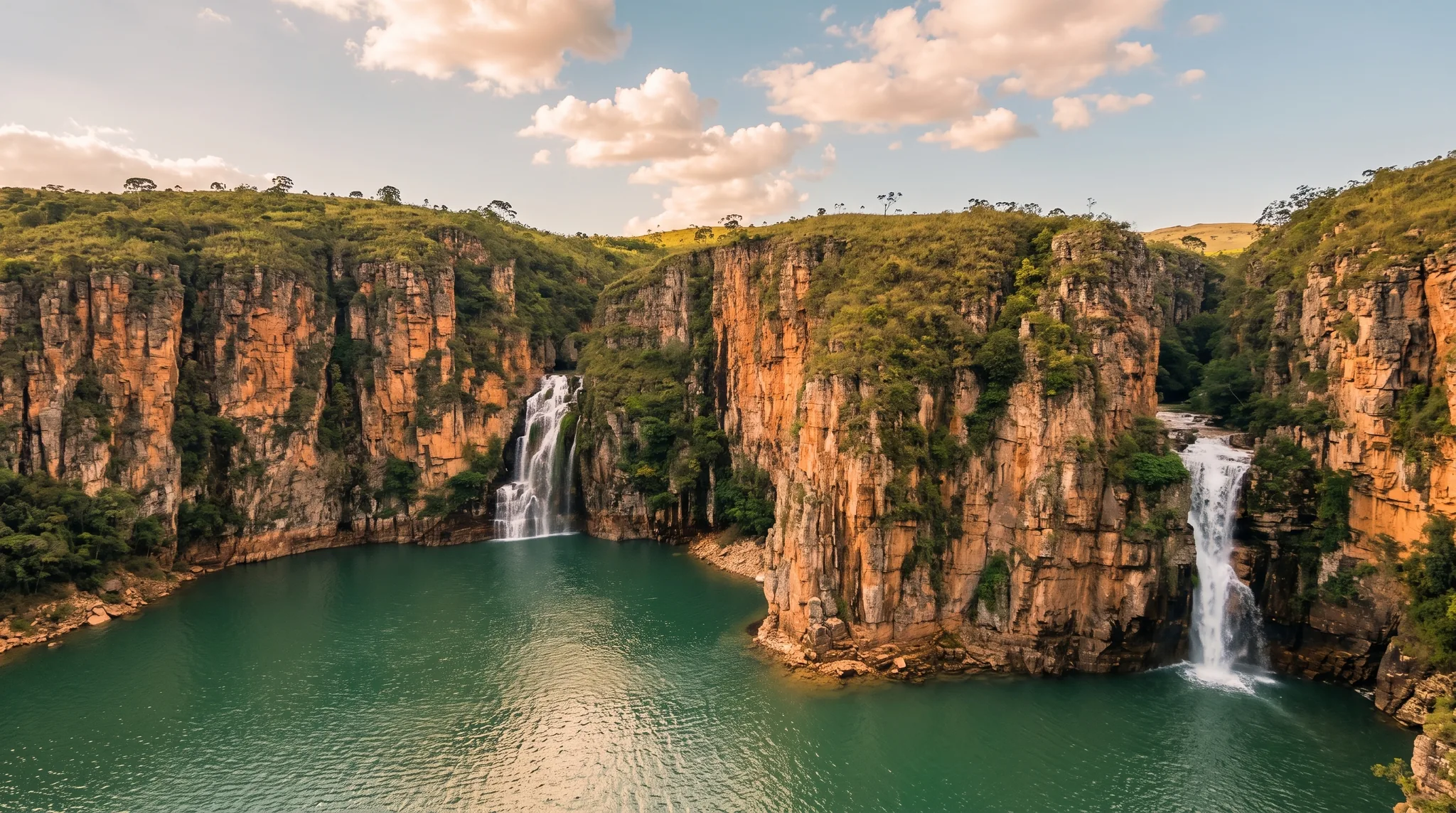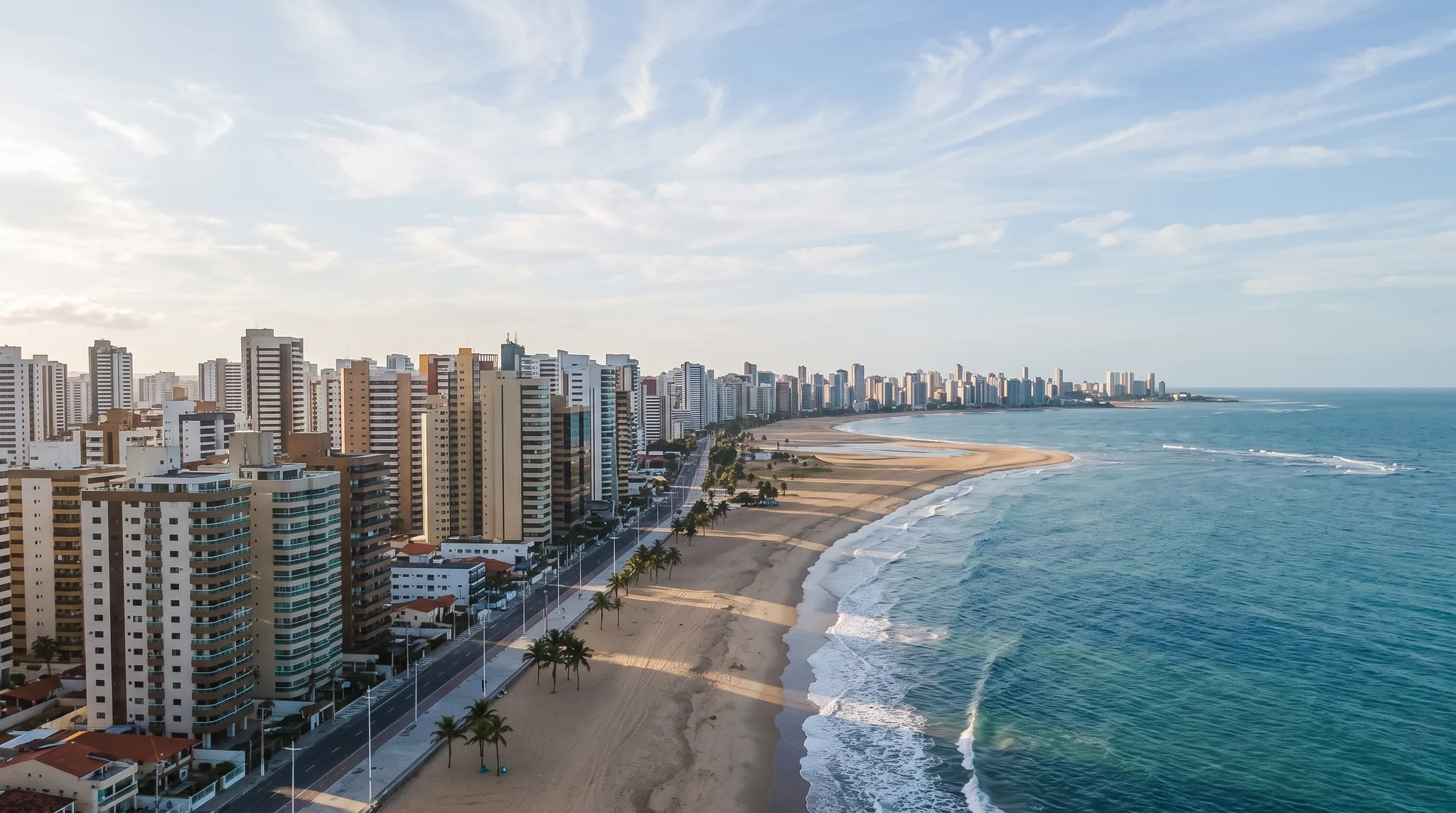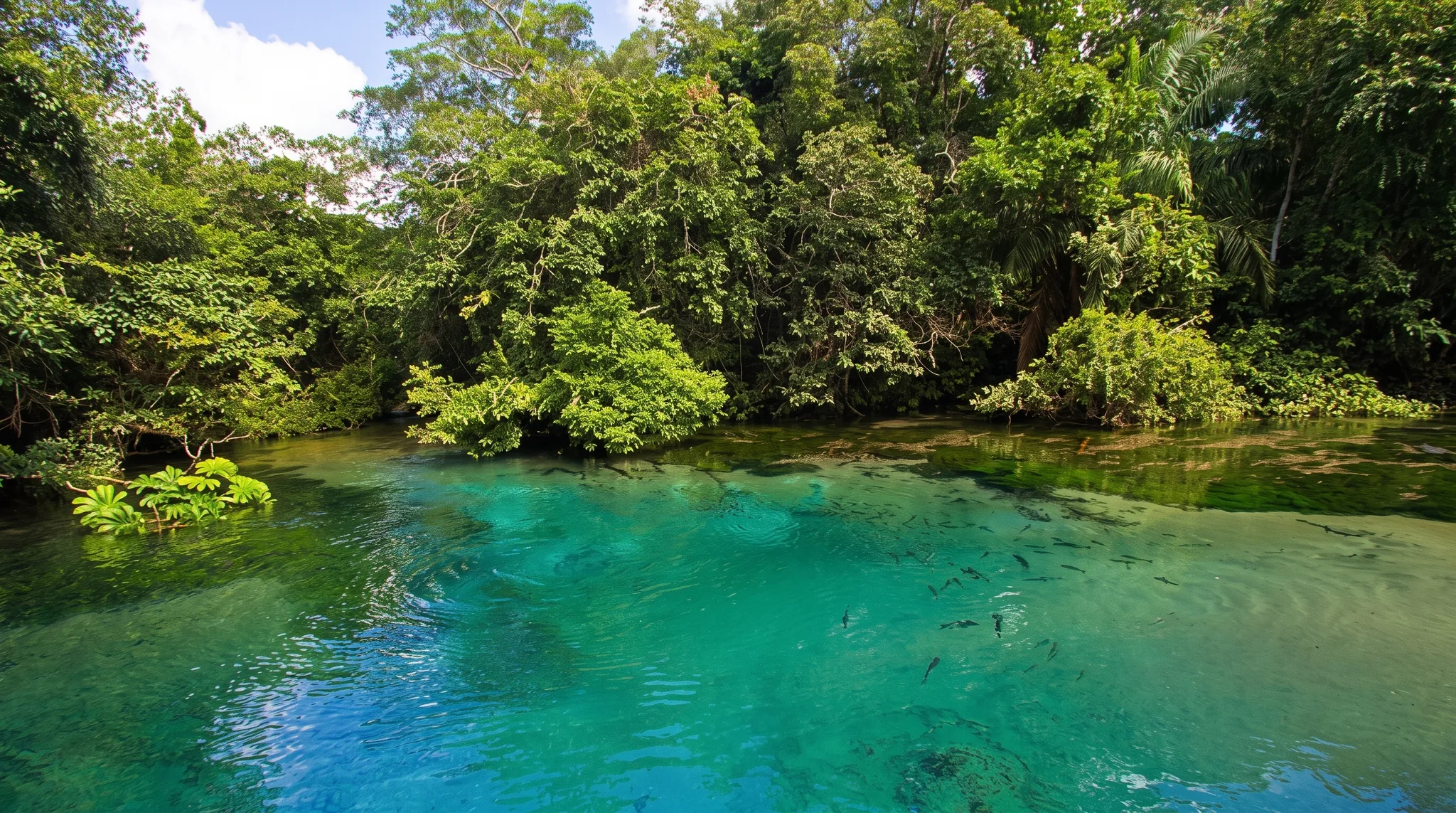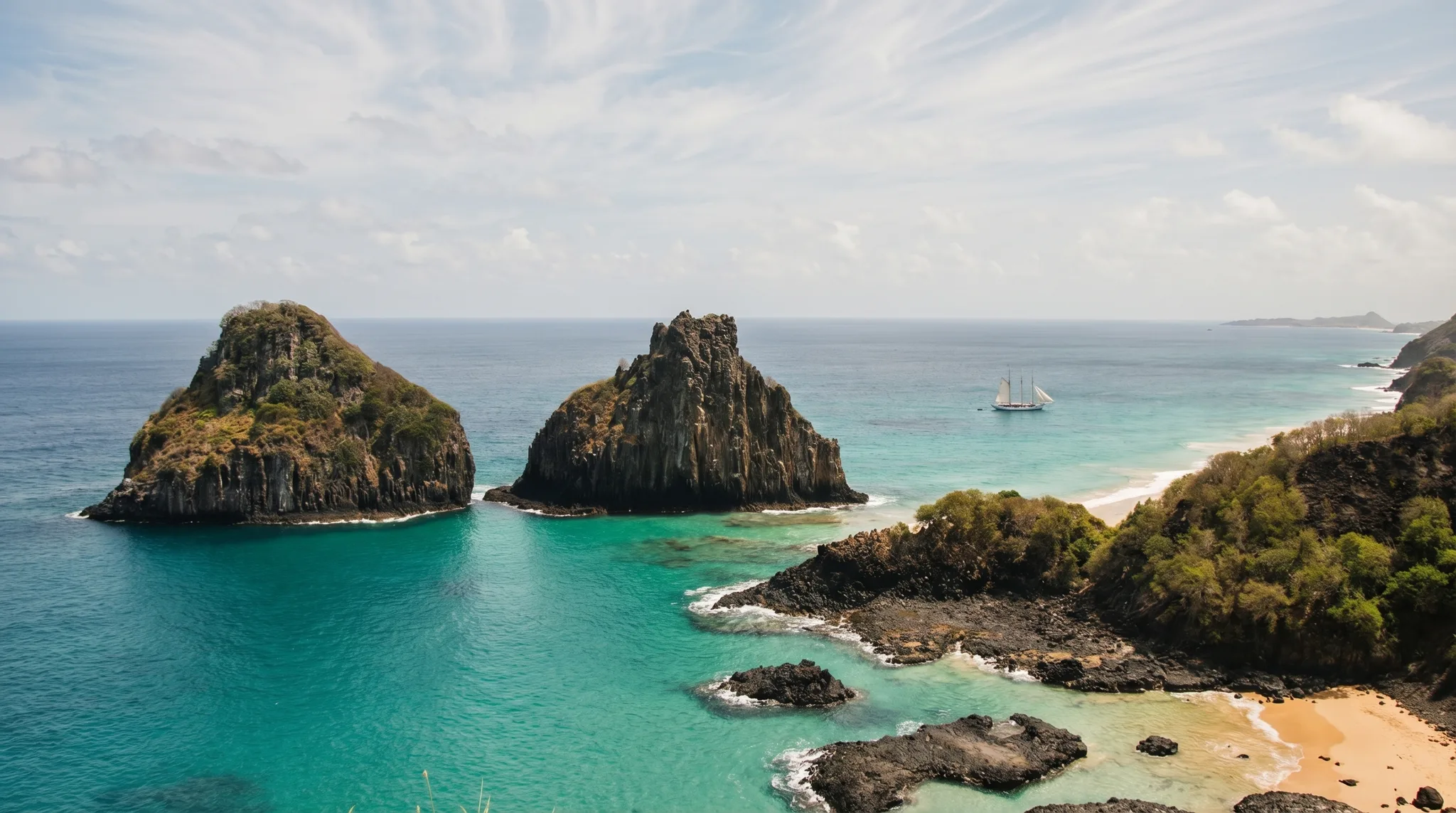
Brazil offers one of the most varied underwater landscapes of any country, stretching from tropical coastal reefs and deliberate wreck sinkings through to freshwater cave systems, muck sites, and river drift dives. Rio de Janeiro holds the largest concentration of sites, while Fernando de Noronha is known for reef walls and caves, and Bonito delivers freshwater cave diving of a very different character. Inland Brazil adds river drifts and reservoir dives that set the country apart from purely coastal destinations. The Green Sea Turtle and Atlantic Goliath Grouper are consistently observed across many sites, alongside the Guitarfish, Flying Gurnard, Snake Eel, and Lined Seahorse. Water is warmest from January through March and cools noticeably in the southern winter months. Conditions and site character shift considerably between sub-areas, rewarding divers who explore more than one region.
12 areas
 103
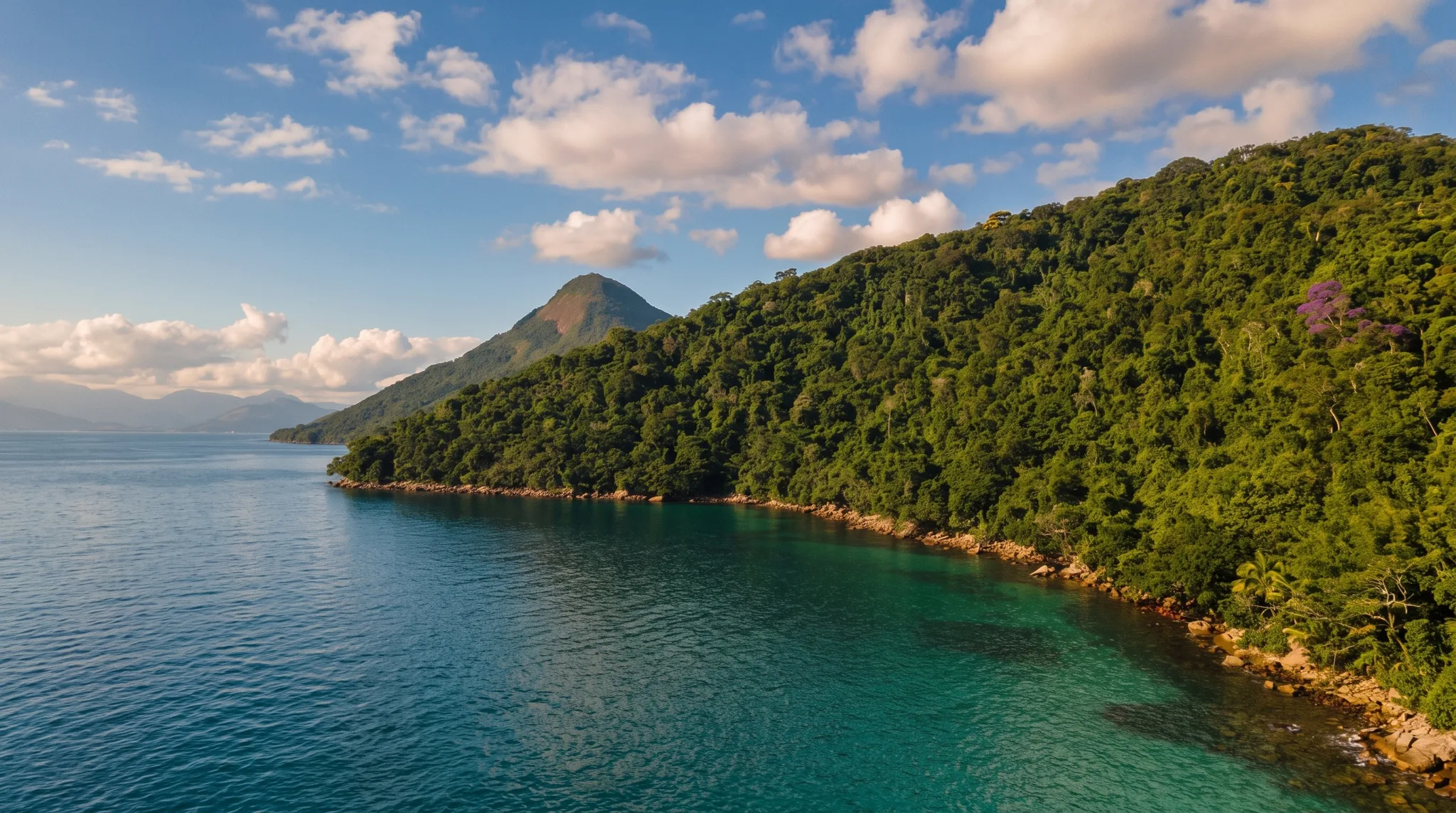
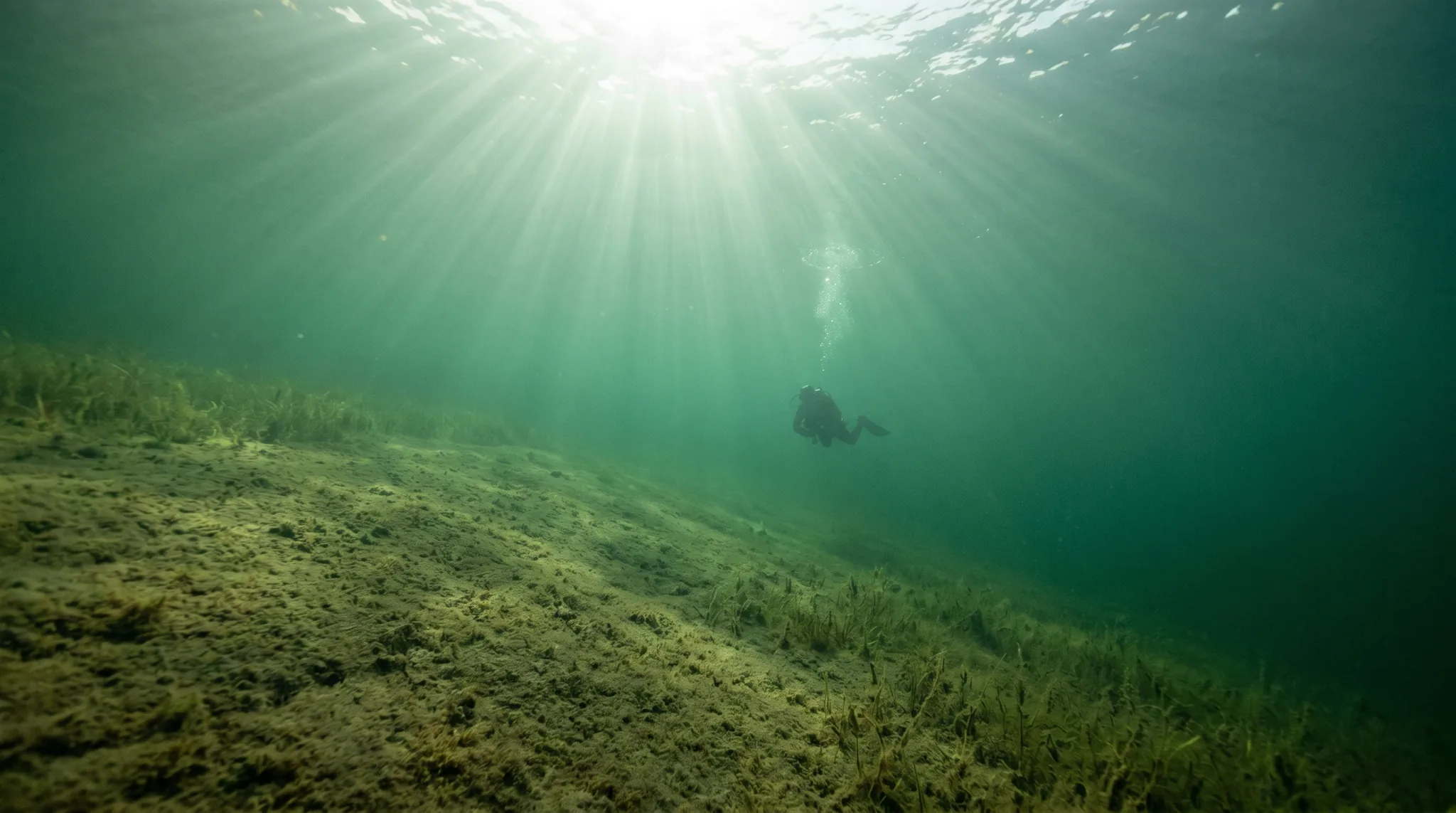
103Six sub-areas of reef, wall, cave, and canyon diving, with Green Sea Turtle and Flying Gurnard among the most commonly observed species.
 42
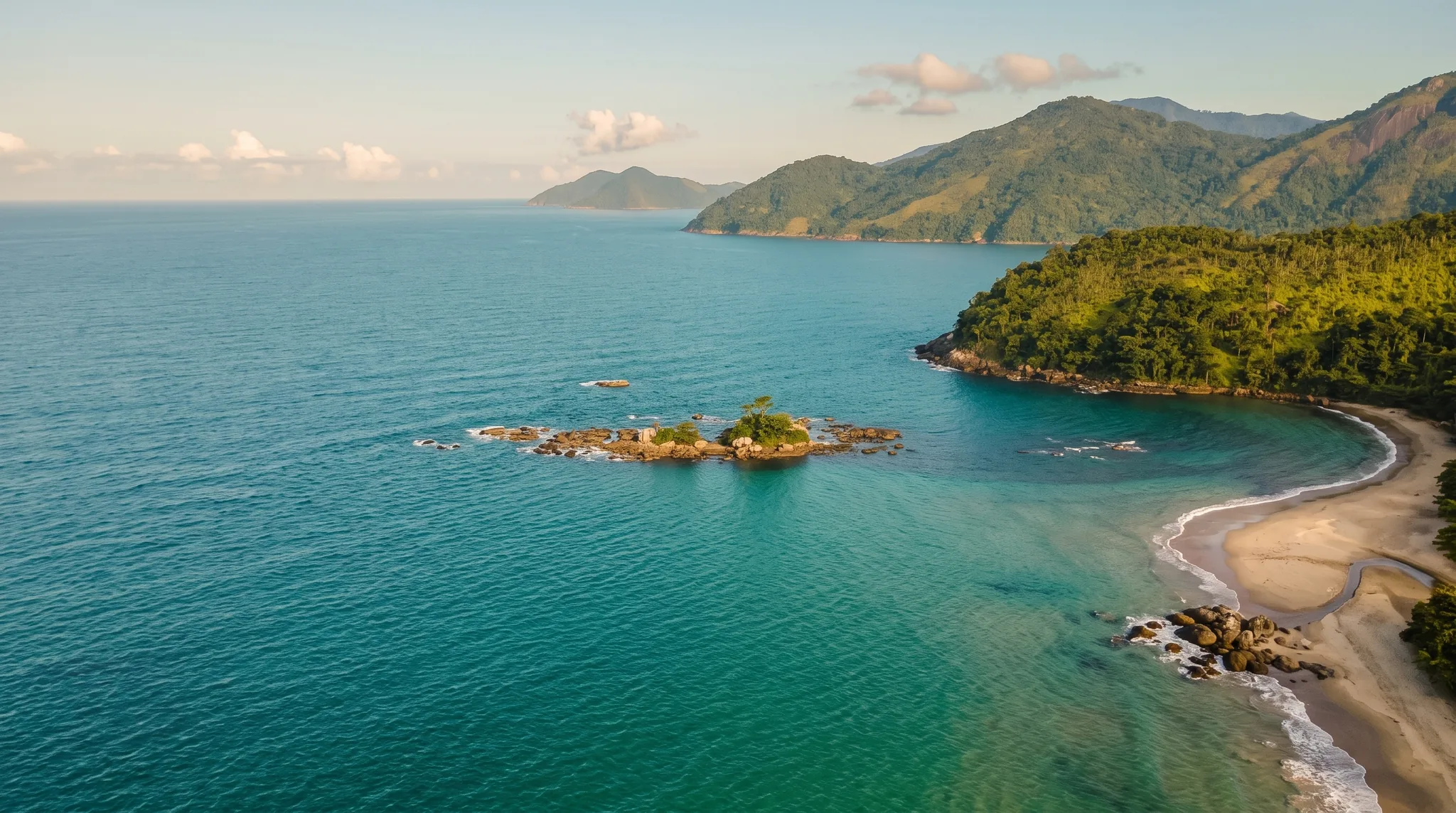
42Reef, wreck and pinnacle diving across three distinct sub-areas, with Atlantic Goliath Grouper and Green Sea Turtle as signature sightings.
 37
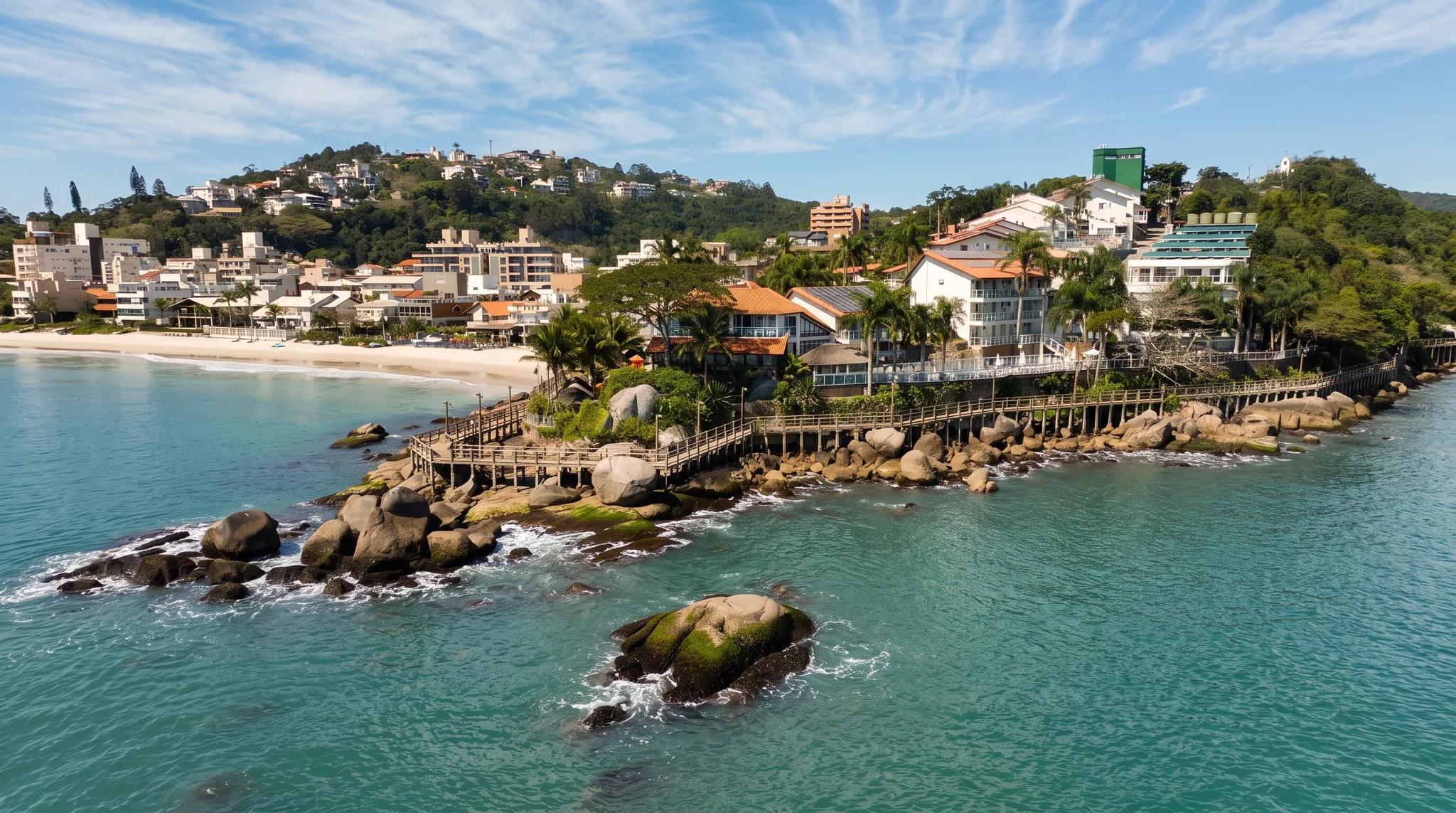
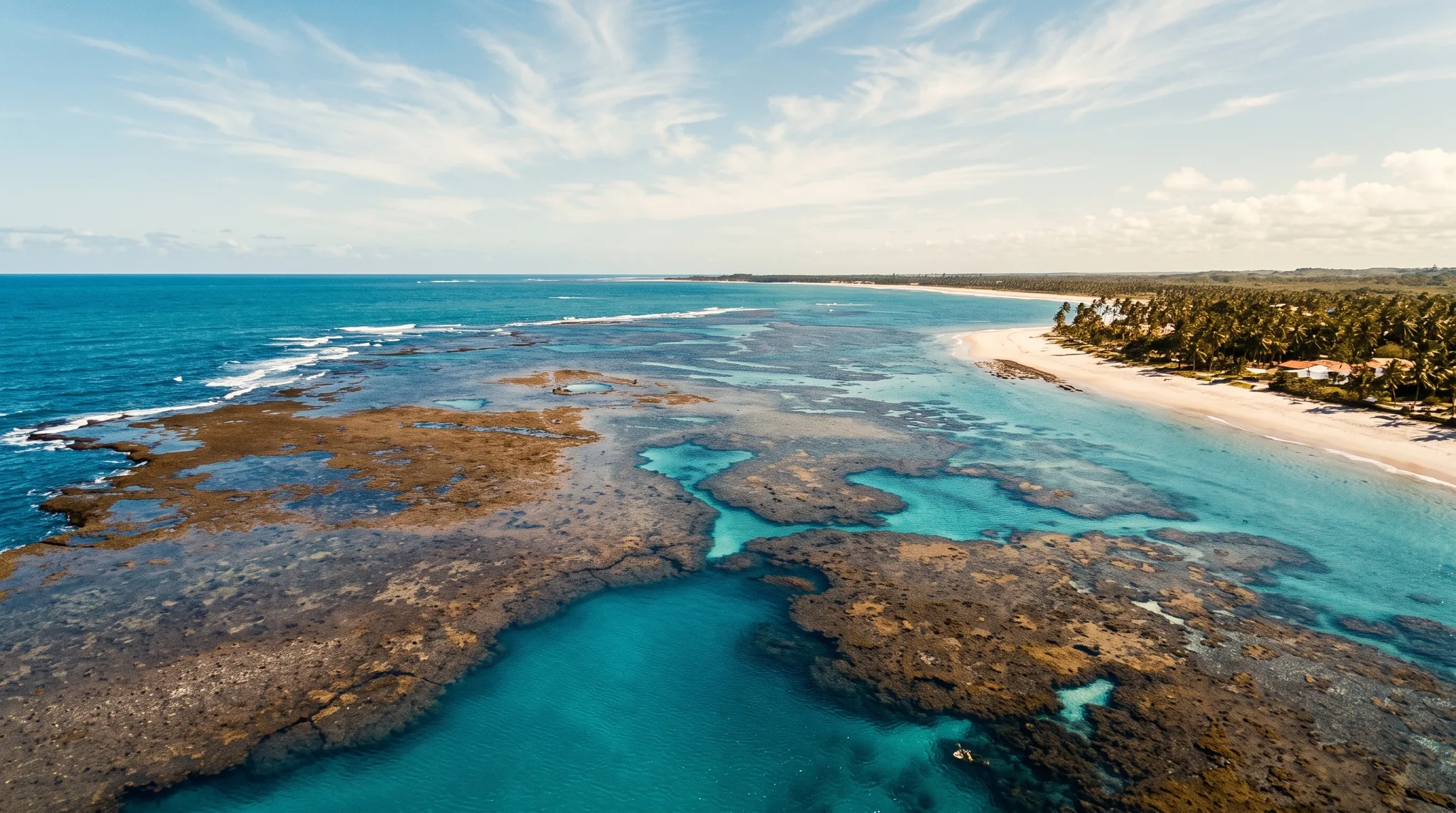
37Reef, wall, and wreck diving across three sub-areas, with Dusky Grouper, Flying Gurnard, and Green Sea Turtle among the signature sightings.
 37
37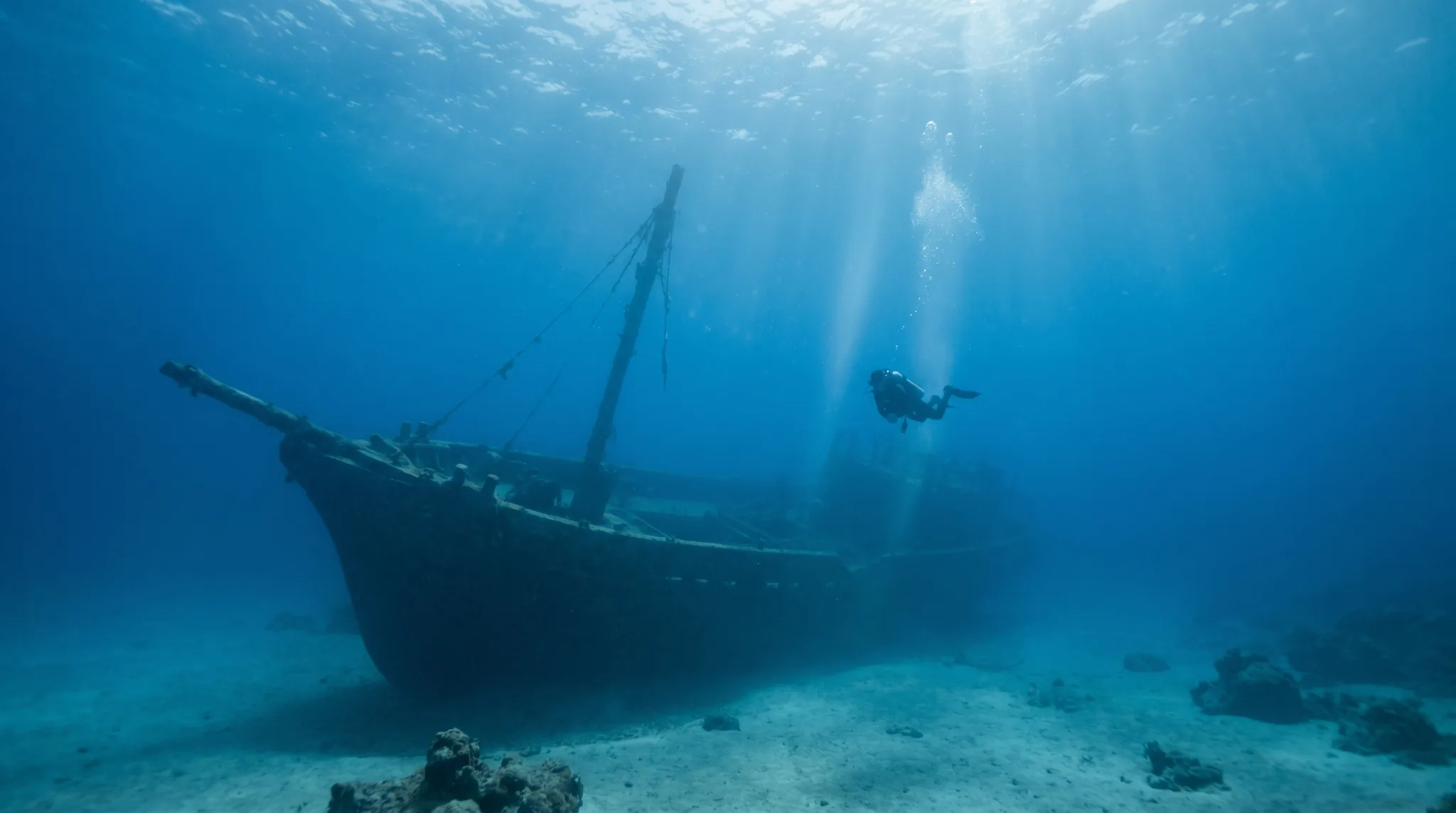
Brazil covers a wide stretch of coastline, so conditions vary by area. The band below shows the spread across its sites through the year.
Water temperatures peak from January through March and remain relatively warm into autumn, before cooling through the southern winter months of July and August. The histogram of preferred diving months reflects this pattern, with January, March, and October through December drawing the strongest activity. Currents vary considerably by site type: river drift dives such as Fundao Rio Parana demand advanced skills, while many coastal reef and wreck sites suit intermediate or beginner divers throughout the year.
267 operators
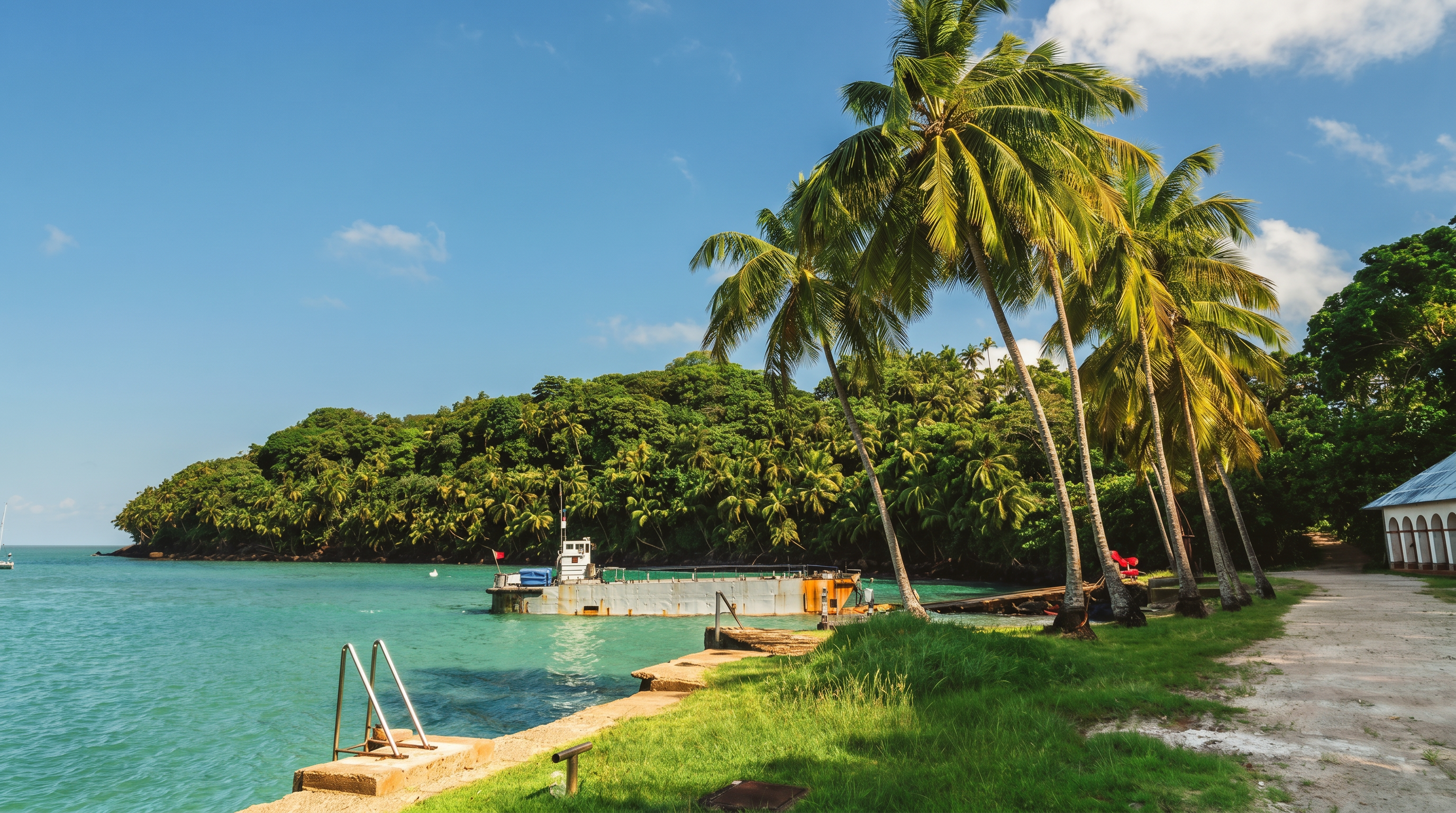
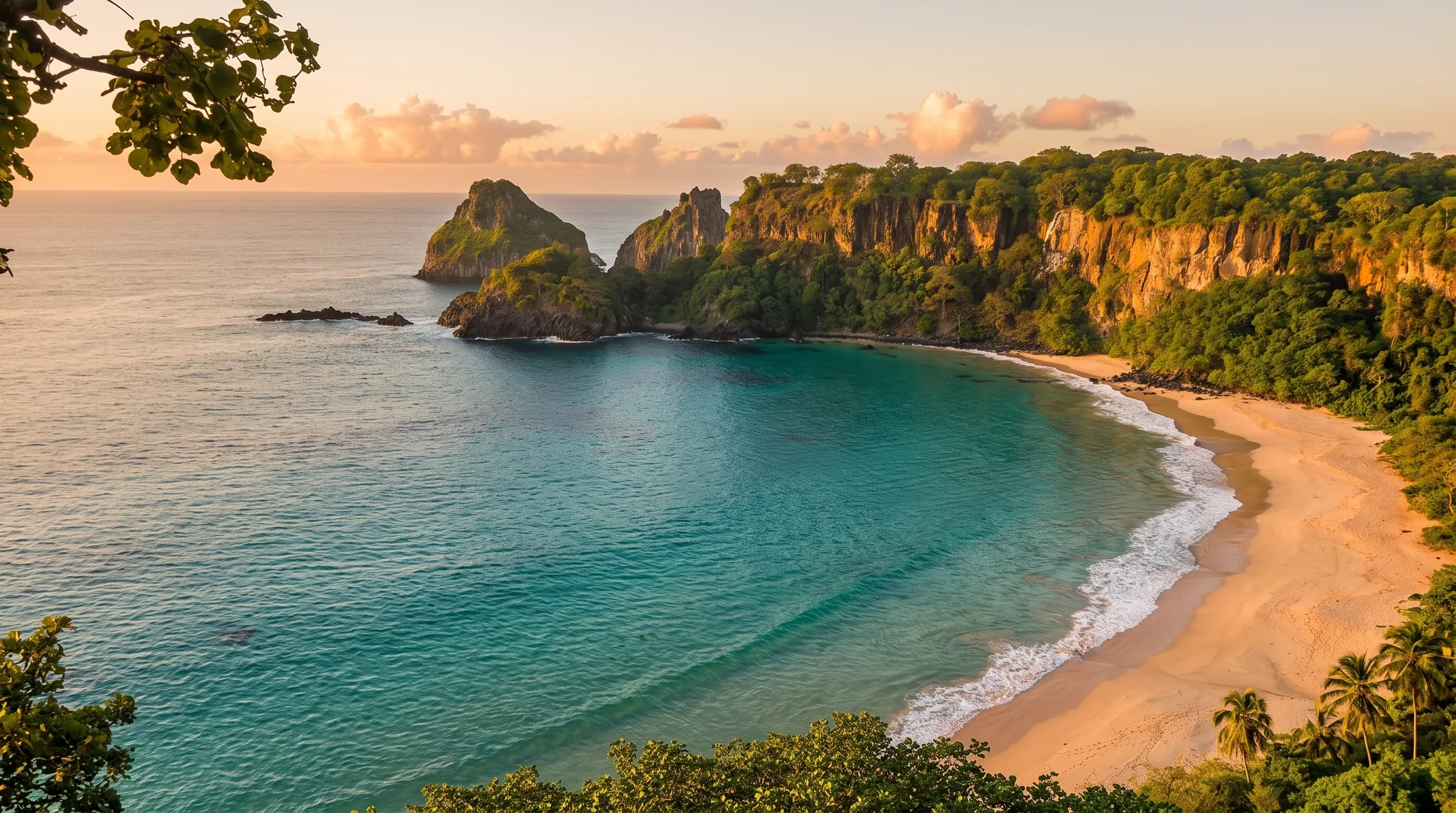
Fernando de Noronha (Distrito Estadual), Brazil
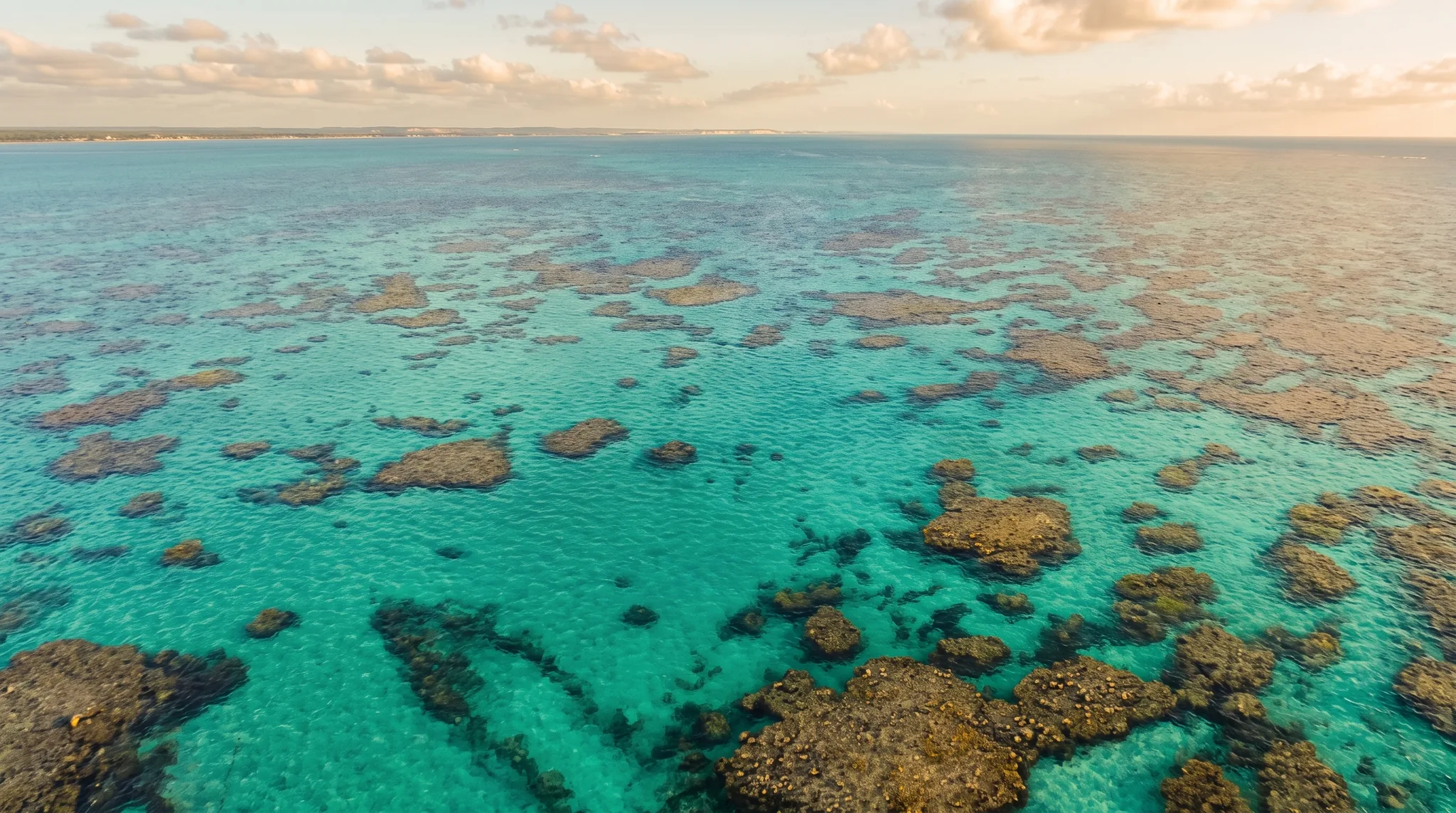
A dense network of wreck-turned-reef dive sites off Recife and Porto de Galinhas, with Green Sea Turtle and Atlantic Goliath Grouper at almost every site.
Brazil spans a wide latitude range, so water temperature varies a lot by area: roughly 18-29°C across its dive sites. Check the individual area pages for local conditions.
Fin maps 345 sites in Brazil (325 scuba diving sites and 69 snorkelling spots, with some suited to both), organised into 12 areas.
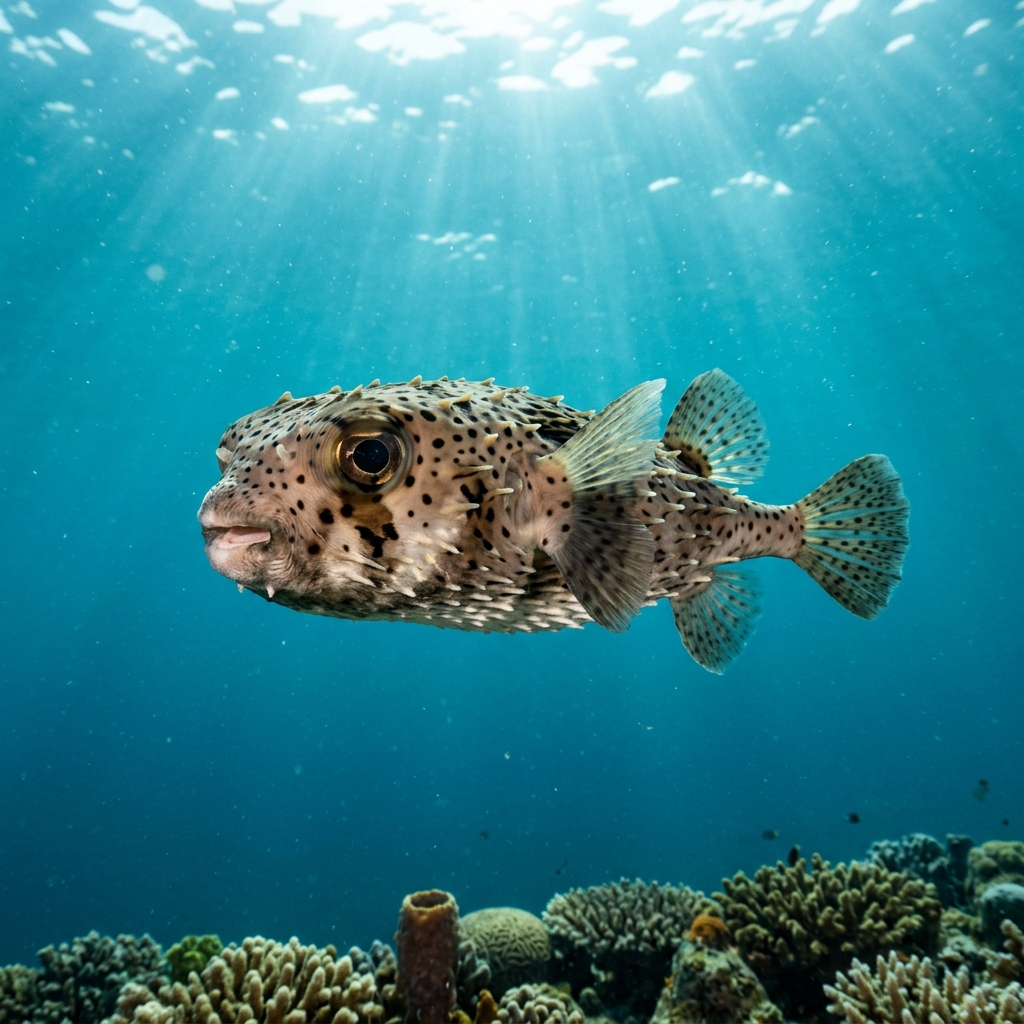
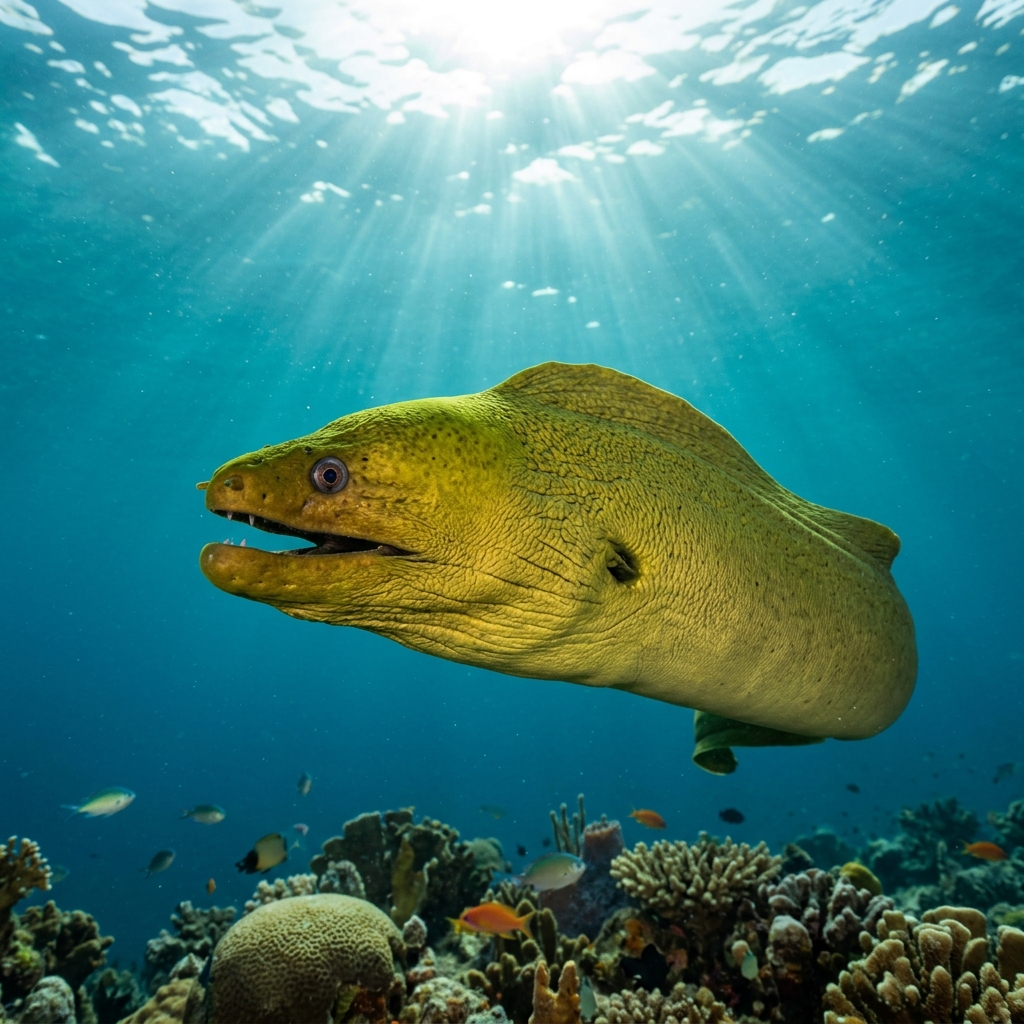
Brazil has an exceptionally wide species list, with the Green Sea Turtle and Atlantic Goliath Grouper observed commonly across many sites. The Guitarfish, Flying Gurnard, and Snake Eel are frequently reported, while the Lined Seahorse, Dusky Grouper, and Brazilian Reef Octopus appear on a good range of sites. Sharks including the Nurse Shark, Lemon Shark, and Whale Shark have also been recorded, making Brazil one of the few countries where all three appear in the observation-backed species list.
Brazil caters well to all skill levels. A large proportion of the top sites carry beginner ratings, including shallow reef dives such as Ilha Vitoria and Caieiras, shore-entry freshwater sites, and calm drift sites like Meião da Brasil. Intermediate divers have a strong selection of wrecks and reef walls, while advanced divers can head to demanding drift sites such as Fundao Rio Parana or the deep wall at Fenda Jorge Grego.
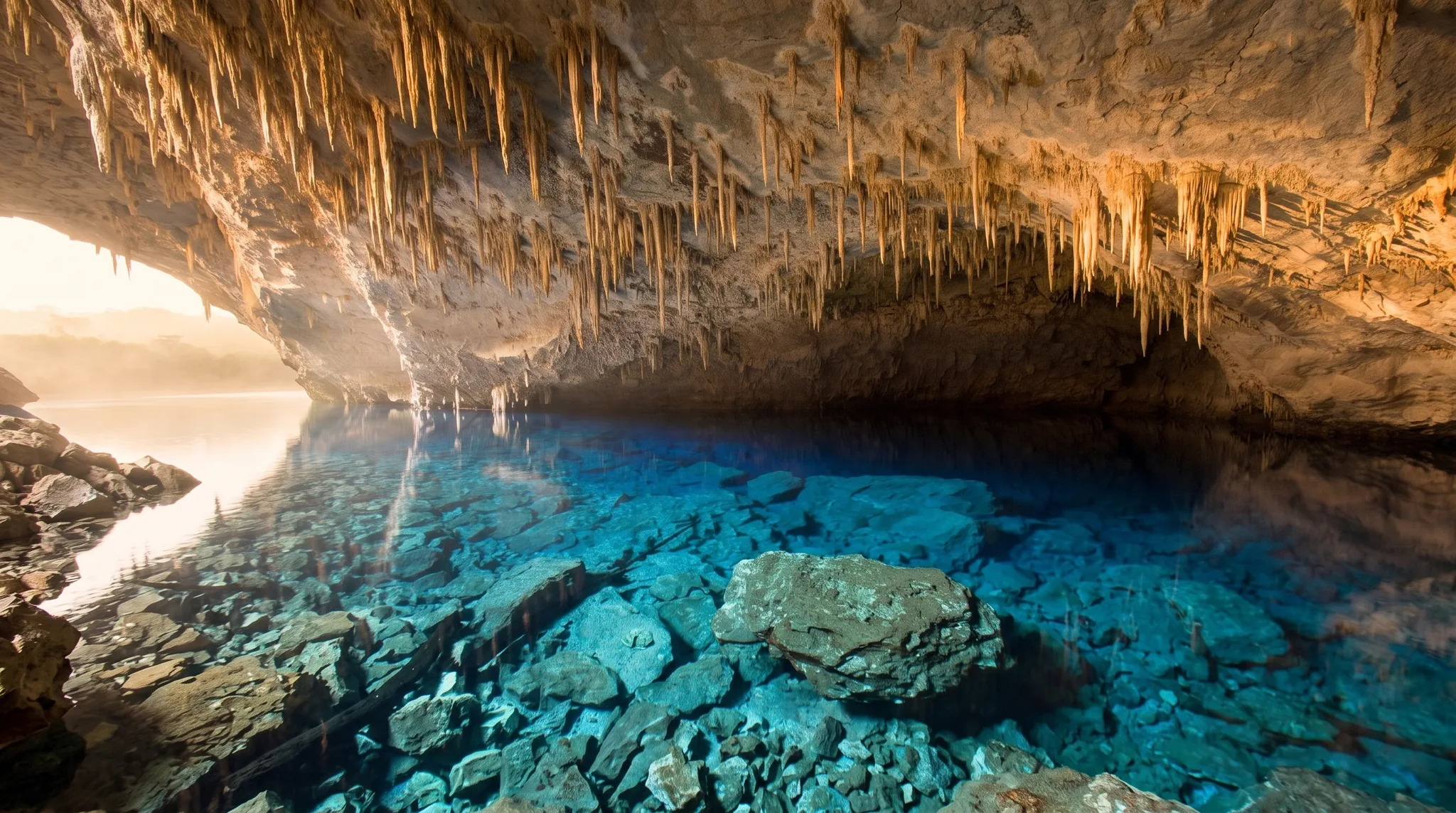
Rio de Janeiro has the largest number of sites and includes a mix of coastal reefs, wrecks, and drift dives. Fernando de Noronha specialises in reef walls, caves, and drift sites with a strong intermediate and advanced character. Bonito and Inland Brazil offer a completely different experience through freshwater cave diving, muck sites, and river drifts. Santa Catarina and Pernambuco add further reef and wreck options along the coast, giving Brazil a breadth of underwater environments that few countries can match.
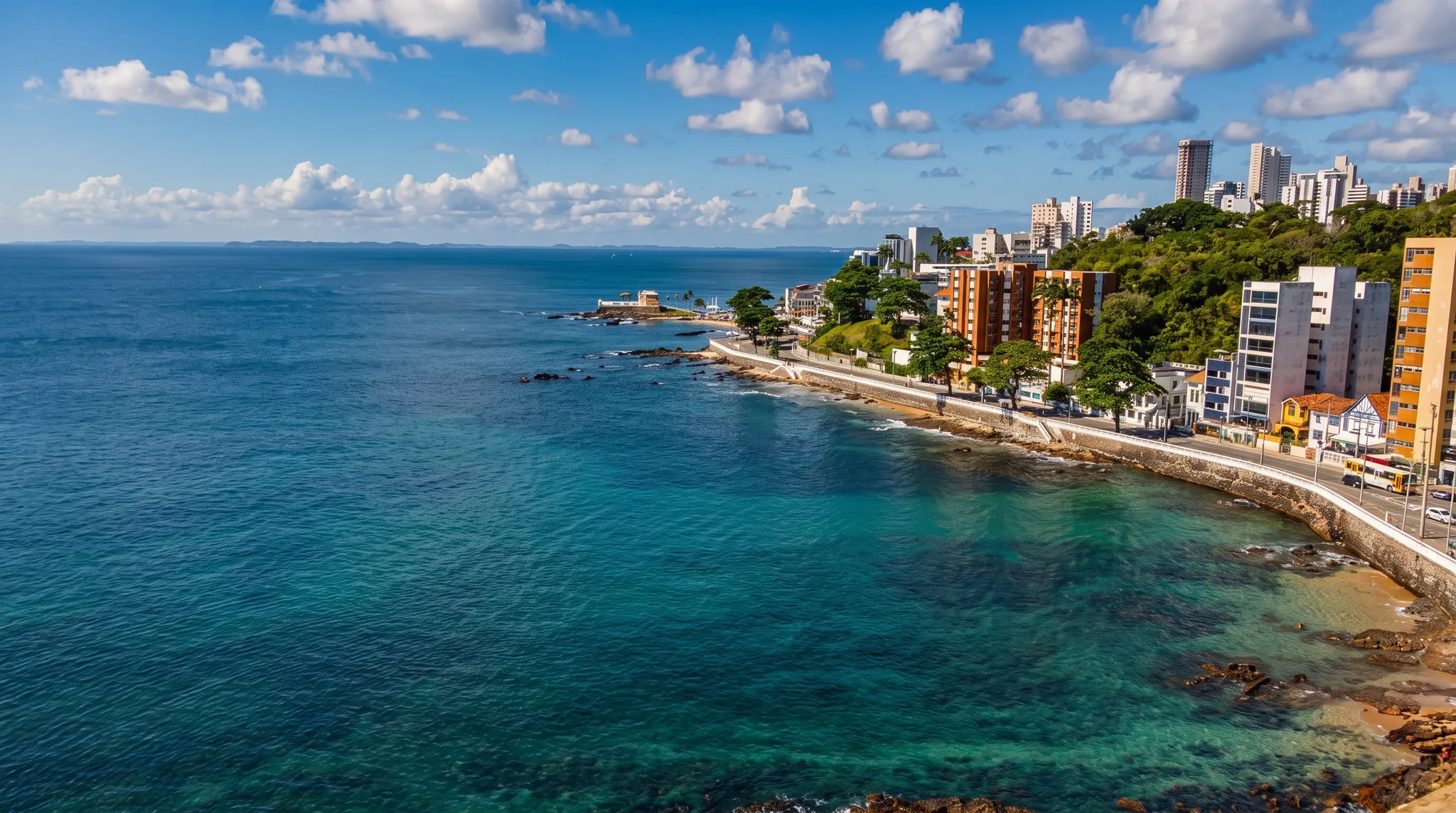
Both access types are well represented across Brazil's sites. Shore entry is available at a number of sites including Meião da Brasil, Praia do Meio, Barragem Lago Paranoa, and the Reliance wreck in Salvador. Many coastal reef and wreck sites, particularly in Fernando de Noronha and Rio de Janeiro, require a short boat journey. The large number of operators across the country, from Bonito Scuba in the inland freshwater areas to Dolphin Dive Brasil and XDivers on the coast, can arrange boat access to most sites.