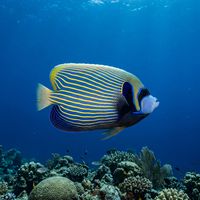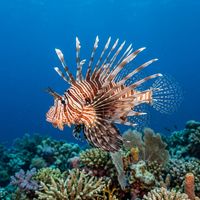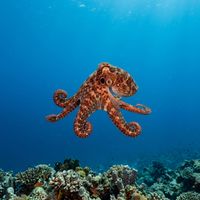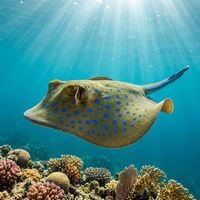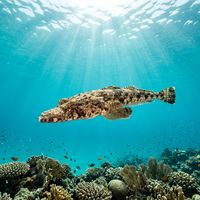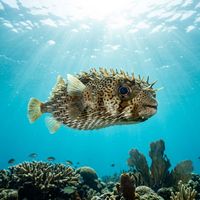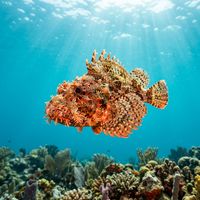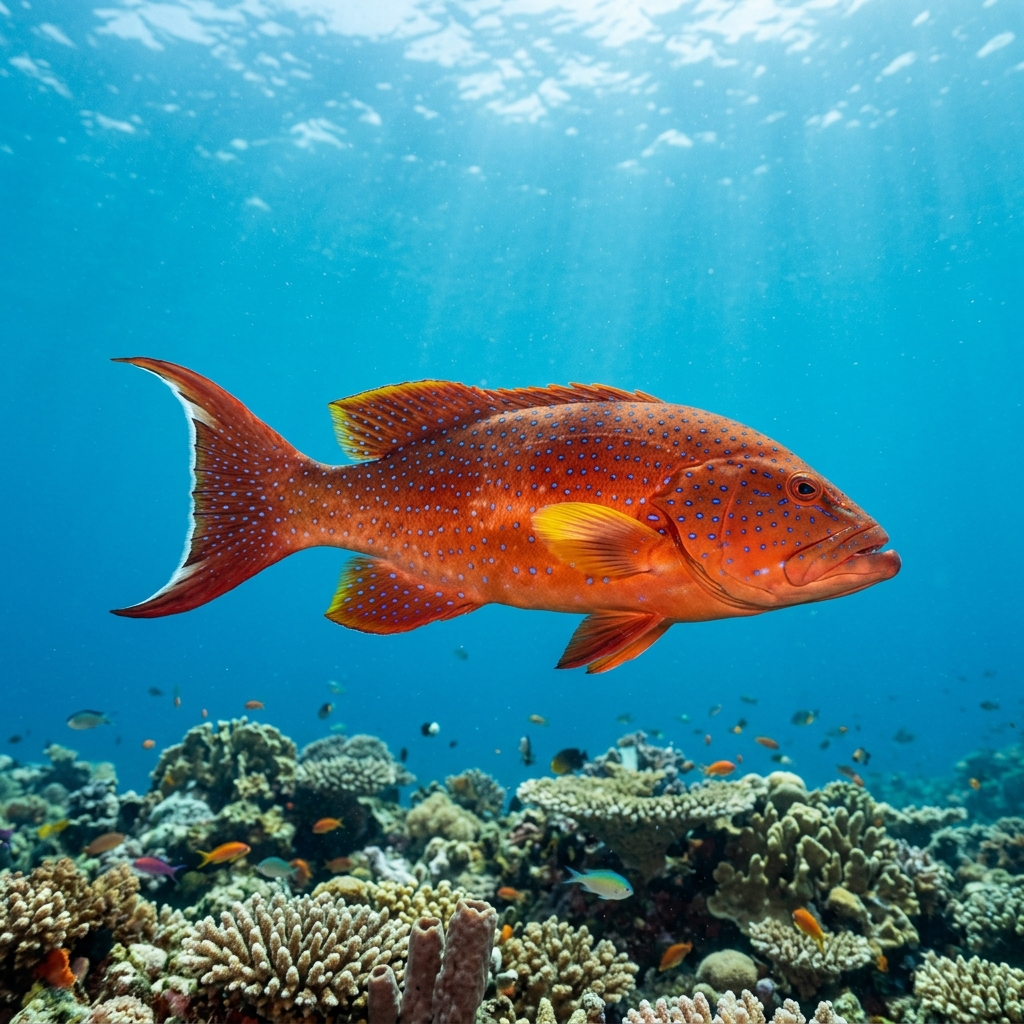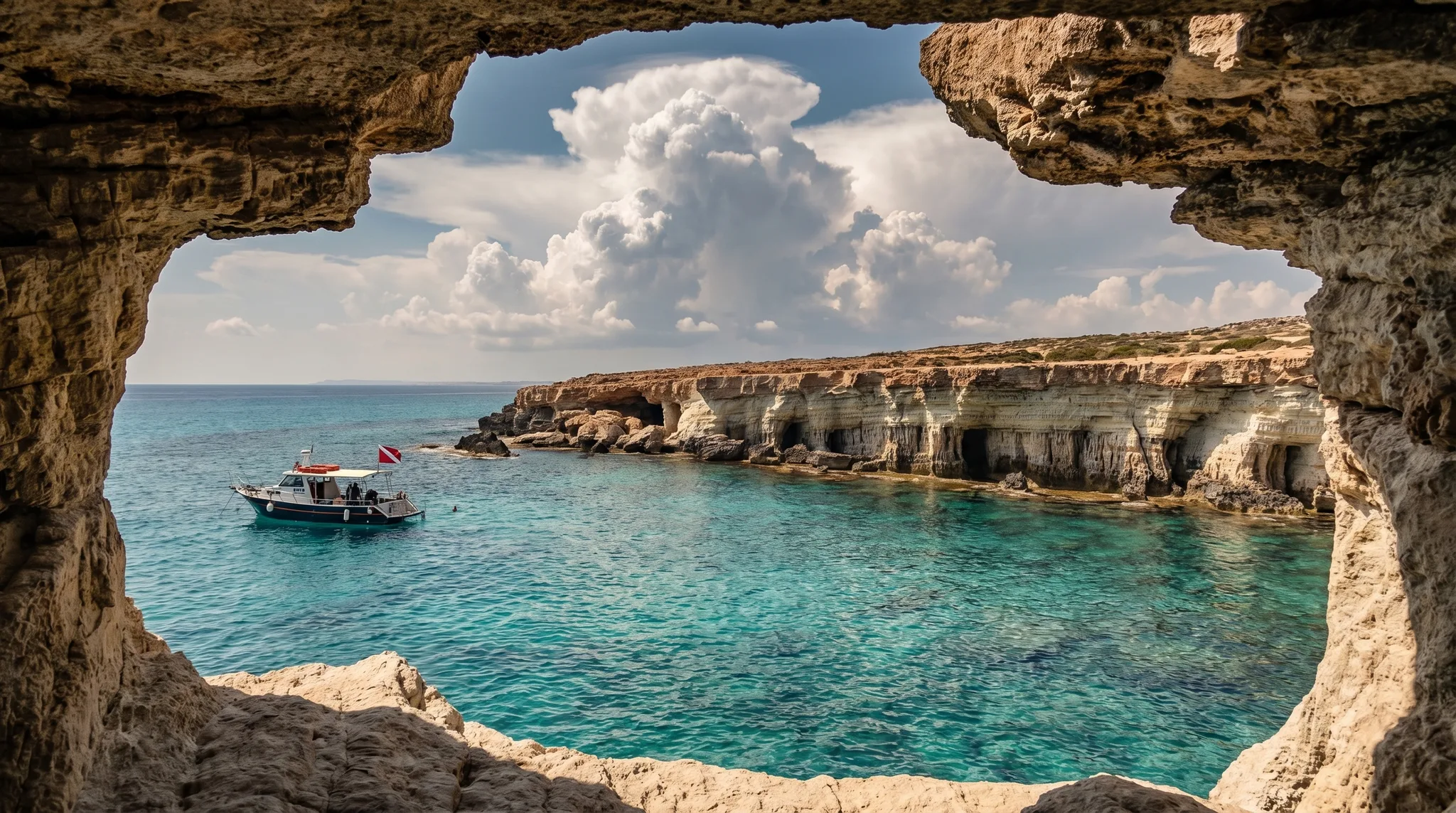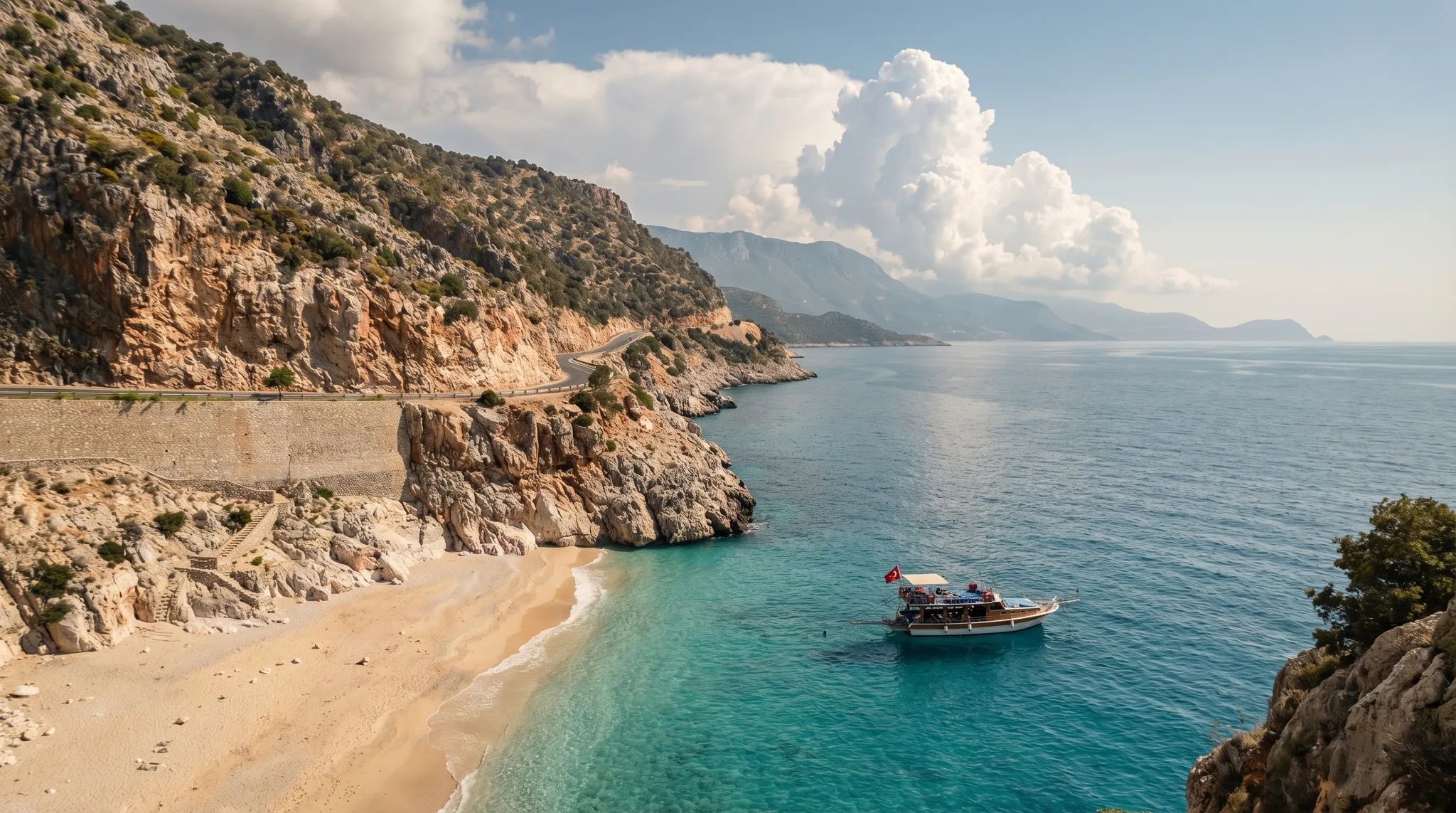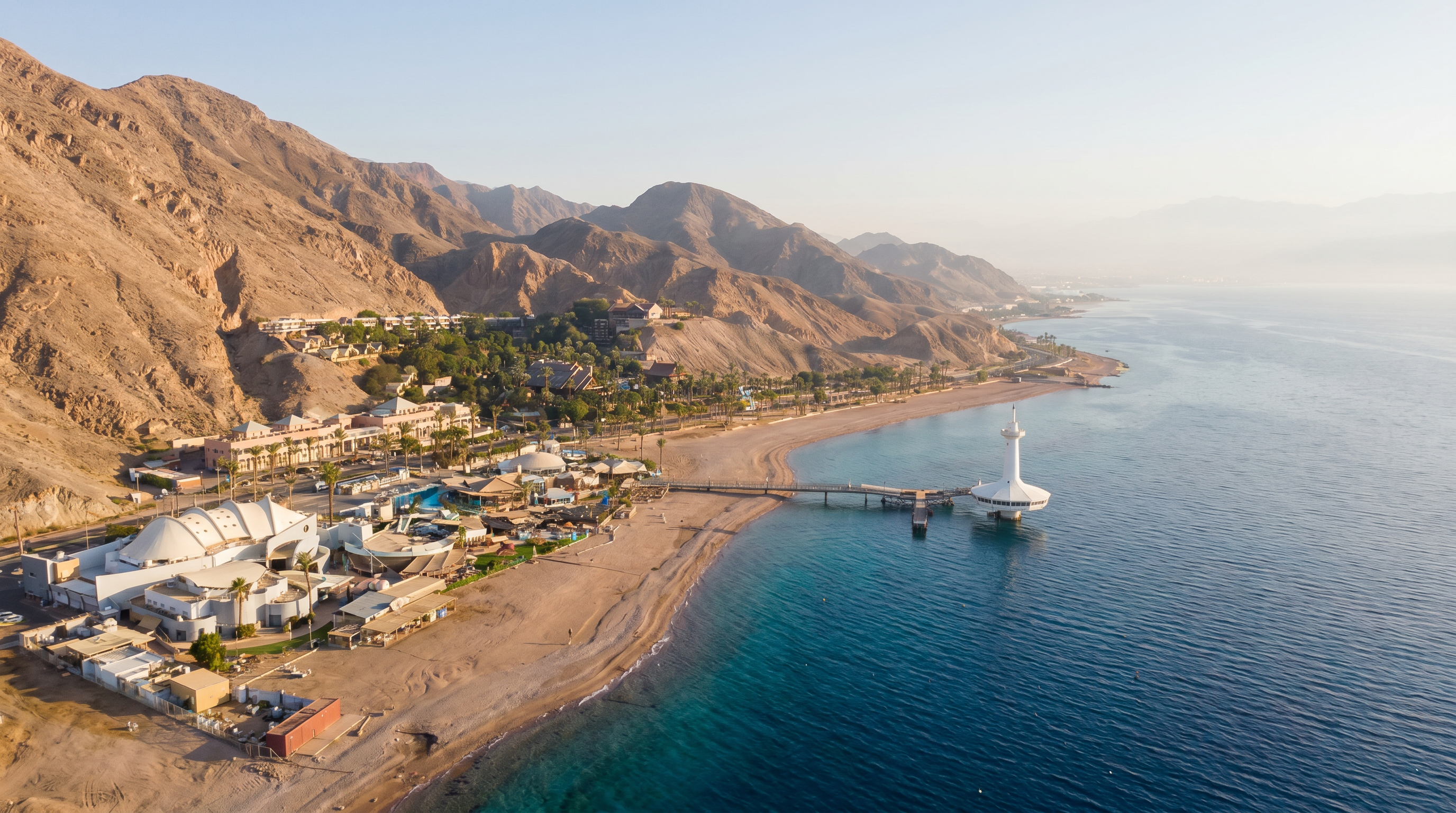
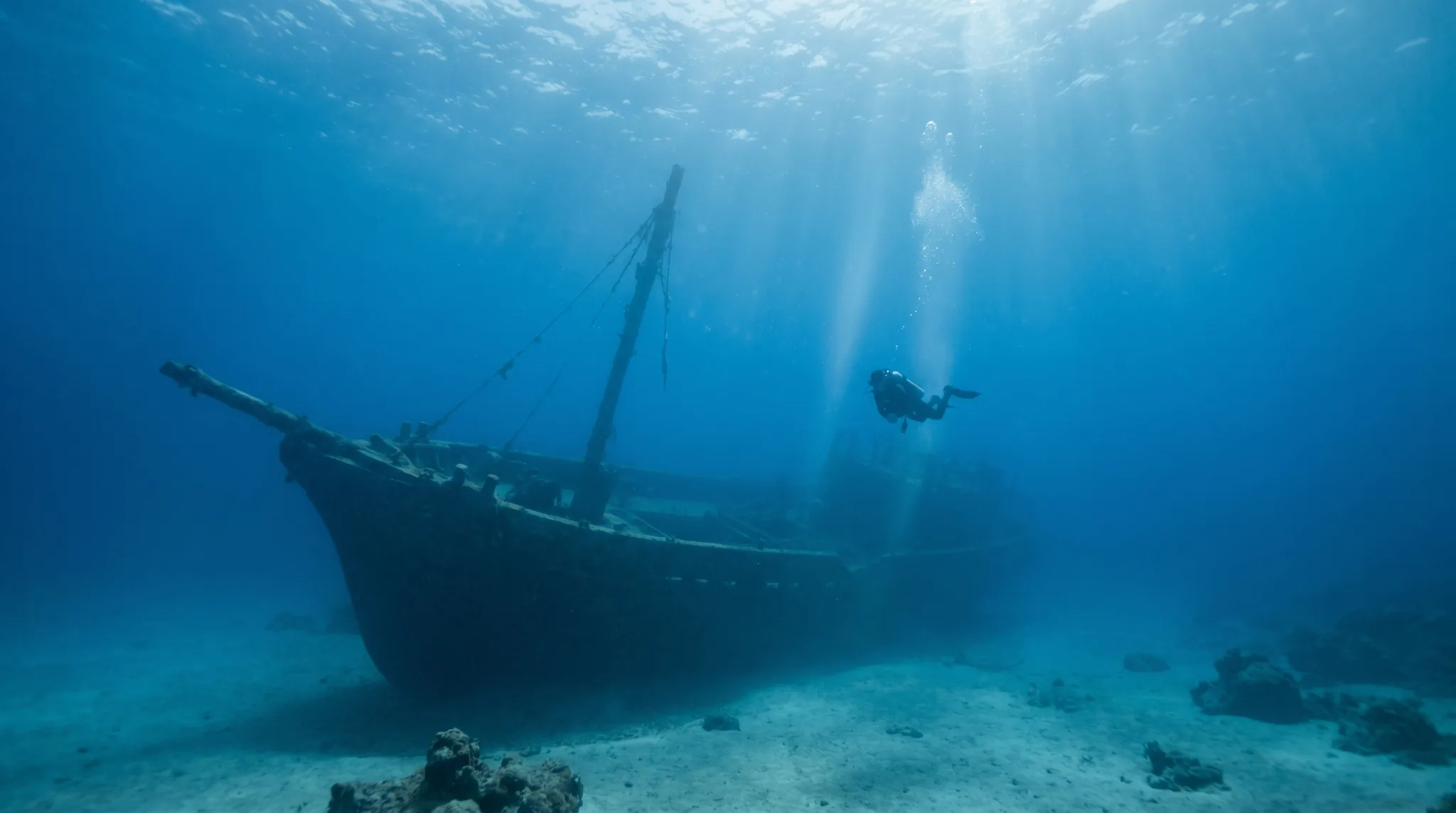
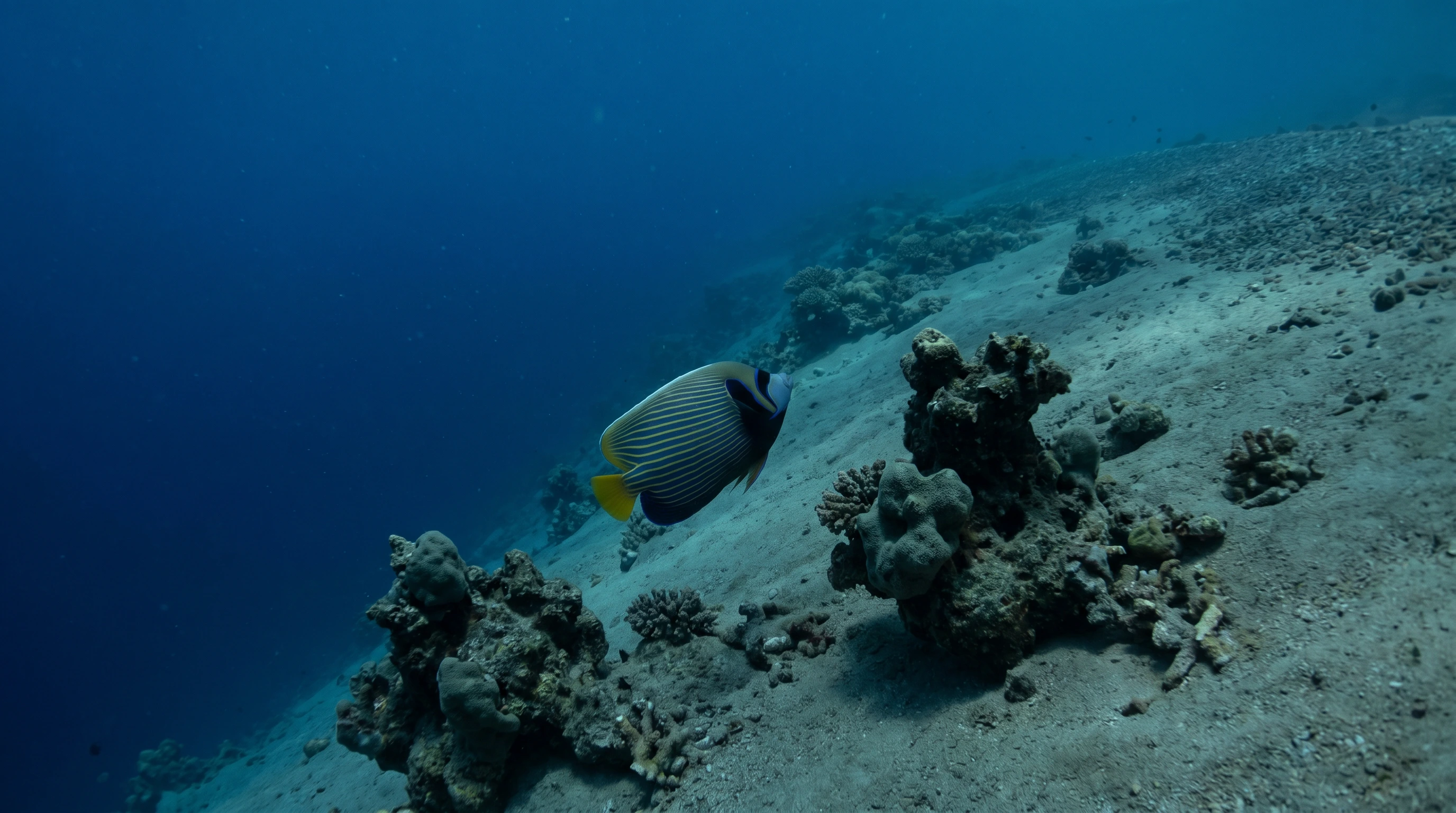
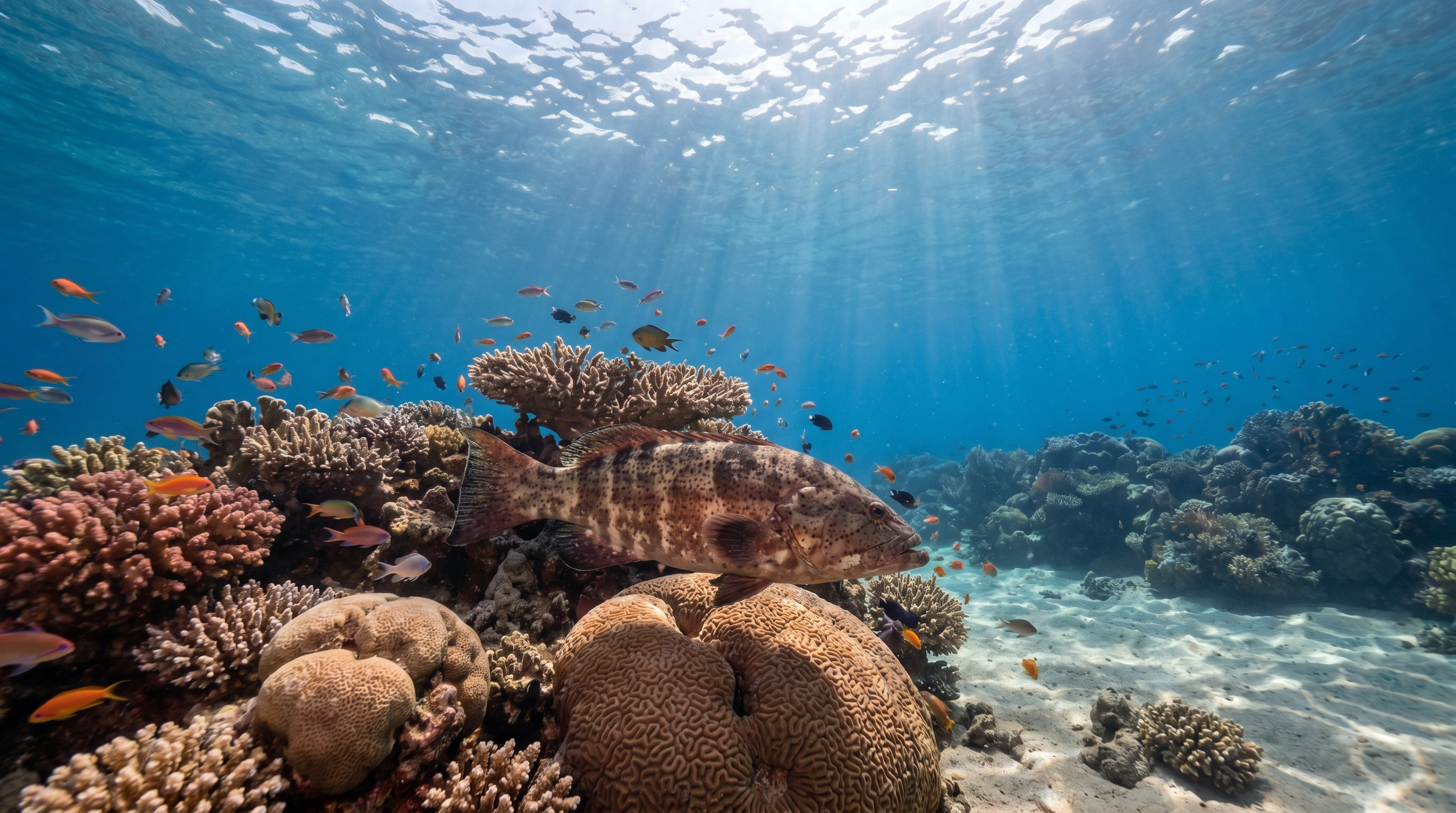
Israel offers two distinct underwater worlds within one small country. Eilat, in the south, centres on the Coral Beach Nature Reserve, where shore-entry reef sites, artificial structures, wrecks and drop-offs sit alongside boat-access dives ranging from shallow beginner reefs to deep advanced sites like the Yealat Wreck and the Pyramid. The Mediterranean Coast adds a different character: sites such as Stream of Sharks, with its thermal artificial reef off Caesarea, and Pillar 5 show how varied this coastline is. Marine life across both areas is rich, with Rabbitfish very commonly observed, alongside Indian Lionfish, Snake Eel, Day Octopus, Scorpionfish and Twoband Clownfish. Signature sightings include the Emperor Angelfish, Bluespotted Fantail Ray and Crocodilefish. Conditions favour warm water through summer and milder but diveable water through winter, making Israel accessible across much of the year.
2 areas
 24
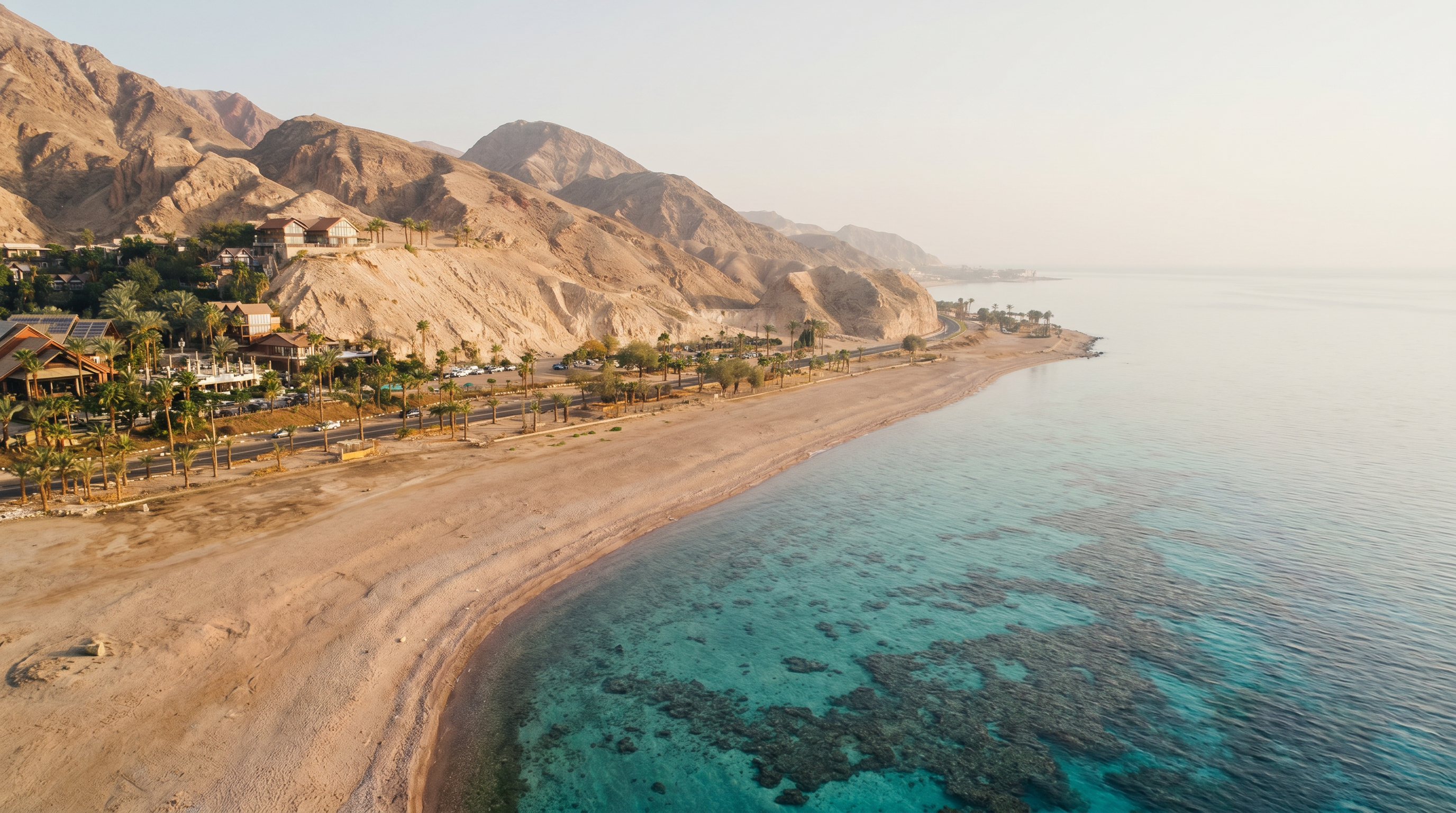
24Shore-access coral reef diving with a remarkable species list, from Indian Lionfish to Chromodoris Nudibranch, right on Eilat's doorstep.
 19
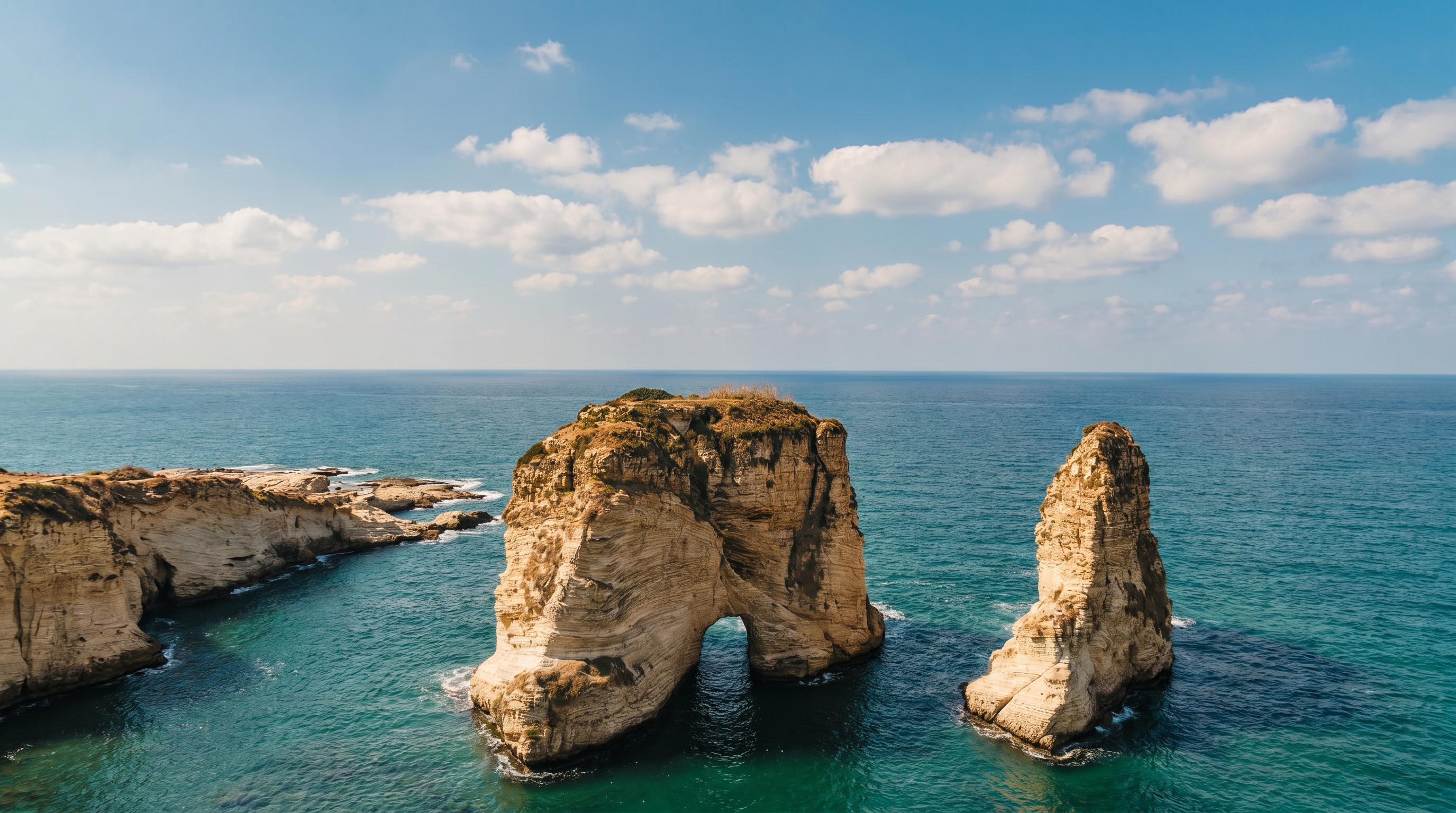
19Shore-entry reefs, ancient wrecks, and sea caves along Israel's Mediterranean coastline, with regular sightings of Common Octopus, Dusky Grouper, and the occasional Green Sea Turtle.

Monthly water temperature across Israel's sites, from satellite sea-surface data corrected for depth. The band shows the site-to-site spread.
Water stays warm from late spring through summer, peaking in August and September before cooling gradually through the cooler months, though it remains mild even in winter. The shoulder months of May and October see strong conditions across both Eilat and the Mediterranean Coast, and these are among the most favoured periods for diving. Eilat's reef sites are generally sheltered, while Mediterranean Coast sites can be subject to greater surface exposure, so conditions are worth checking before heading out.
45 operators
Water temperature around Israel ranges from about 22°C in January to 28°C in August, based on satellite sea-temperature data for its dive sites.
In the warm season (about 28°C) a rash guard or 3mm shorty is comfortable in Israel; in the coldest months (about 22°C) step up to a 3mm full suit.
Fin maps 43 sites in Israel (39 scuba diving sites and 16 snorkelling spots, with some suited to both), organised into 2 areas.
Across Israel's dive sites, May, June, July, October and November are most often reported as the best months to visit.
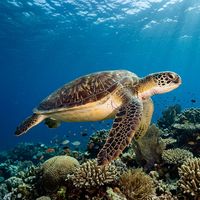
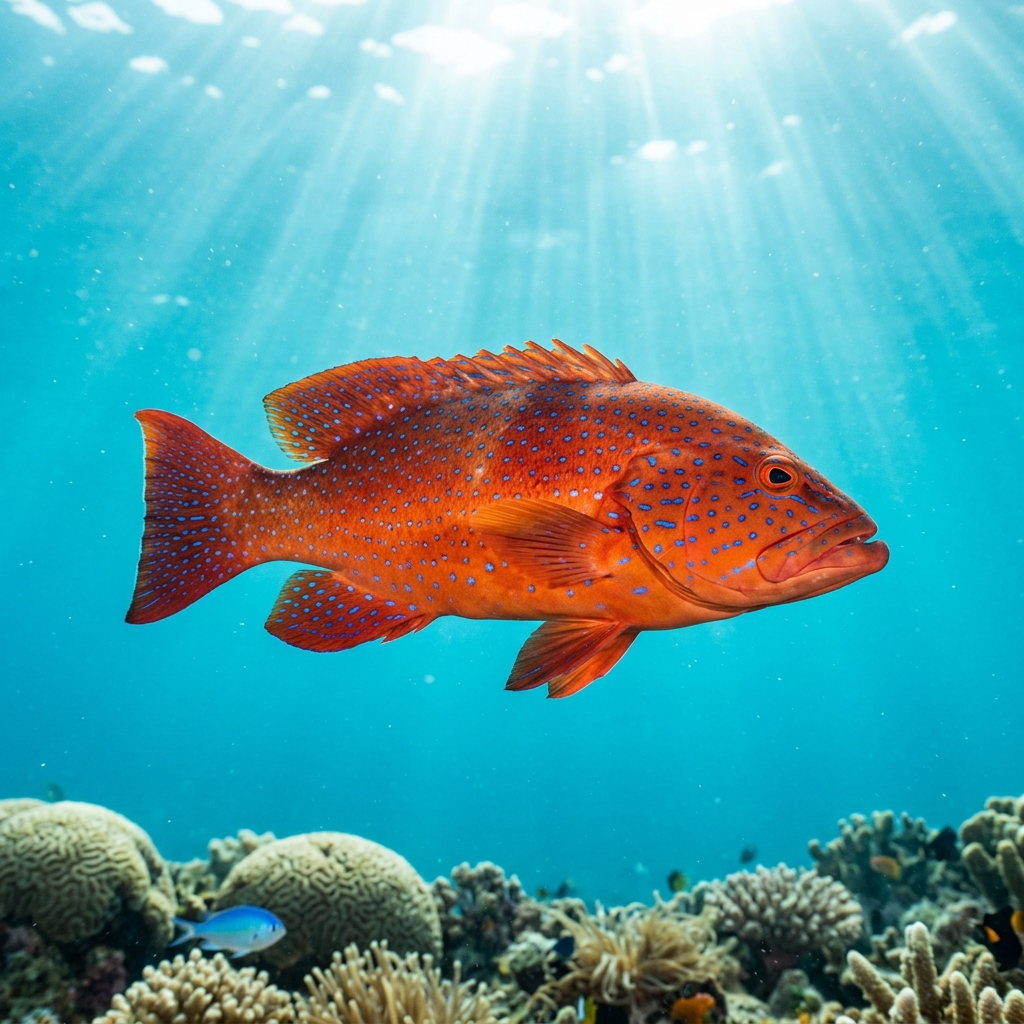
The species list is broad and observation-backed. Rabbitfish are very commonly encountered, and Indian Lionfish, Snake Eel, Day Octopus, Scorpionfish and Twoband Clownfish are all frequently seen. Signature sightings include the Emperor Angelfish, Bluespotted Fantail Ray, Crocodilefish and Chromodoris Nudibranch. Starry Moray, Undulated Moray, Lunartail Grouper, Coral Grouper and Green Sea Turtle have all been recorded across the sites.
Much of Israel's diving is beginner-friendly, particularly in Eilat where the majority of sites carry a beginner skill rating. Shore-entry reefs such as Coral Beach, The Border Line, Veronica Beach and Katza Beach are accessible without advanced certification. Sites like the Yealat Wreck and Pyramid are rated intermediate or advanced, giving more experienced divers deeper and more challenging options within the same area.
Eilat is the more site-dense area and is built around the Coral Beach Nature Reserve, offering a concentrated mix of reef, artificial reef, wreck and drop-off diving, much of it accessible directly from the shore. The Mediterranean Coast offers a different experience, with sites spread along a longer stretch of coastline and including thermally unusual environments such as Stream of Sharks off Caesarea. Visibility on the Mediterranean Coast can vary more than in Eilat.
Shore access is common across both regions. In Eilat, sites including Coral Beach, The Border Line, Veronica Beach, Katza Beach, Mosh Beach, Eilat IUI and Three Sisters all have shore entries. On the Mediterranean Coast, Pillar 5 and Stream of Sharks are also shore-access sites. Boat access is required for sites such as Japanese Garden, the Yealat Wreck and Pyramid.