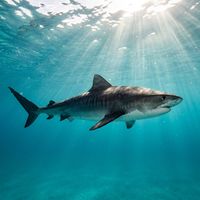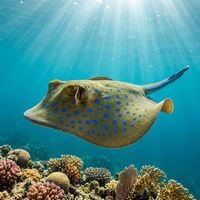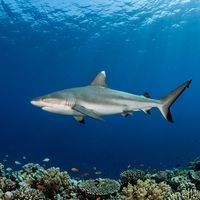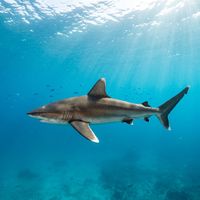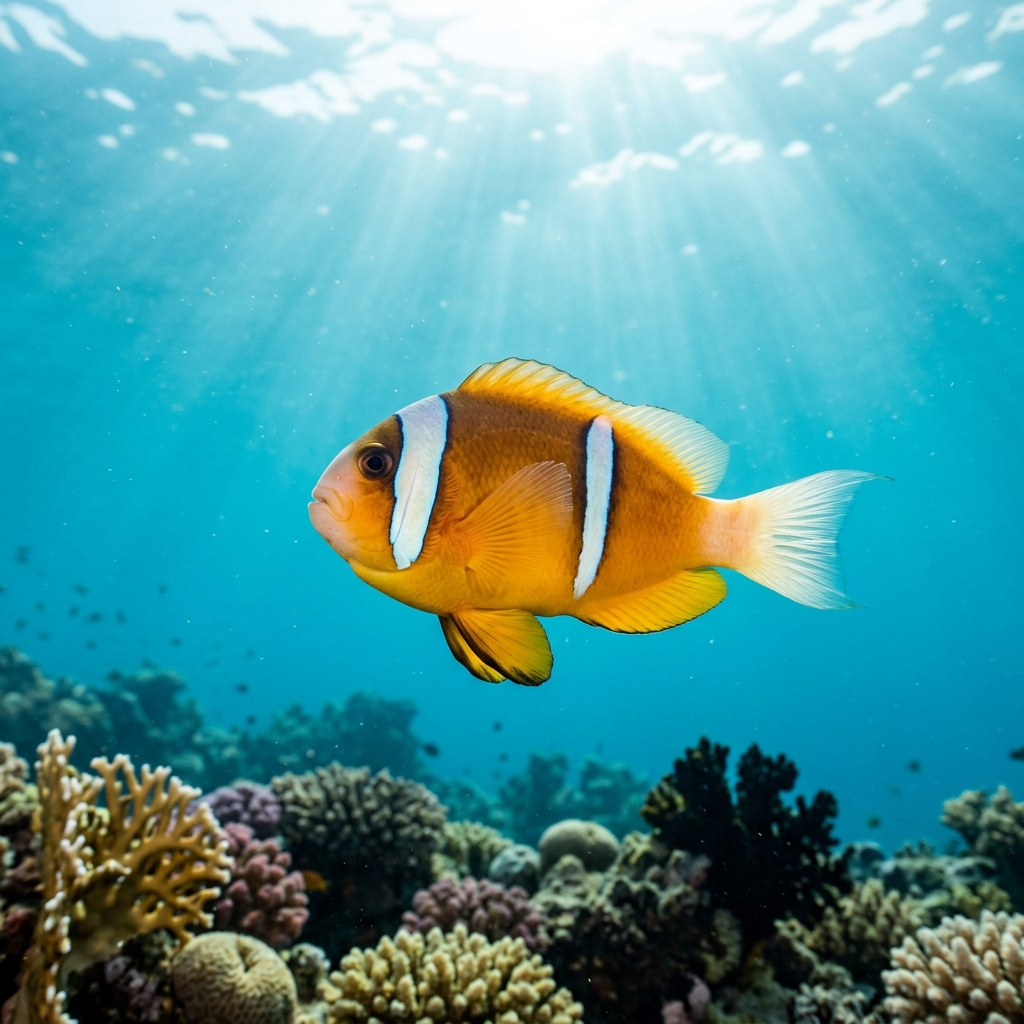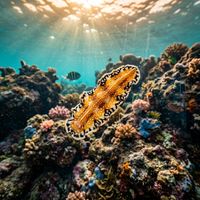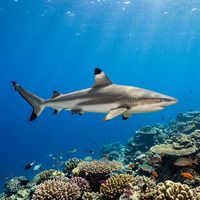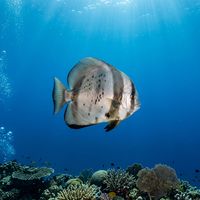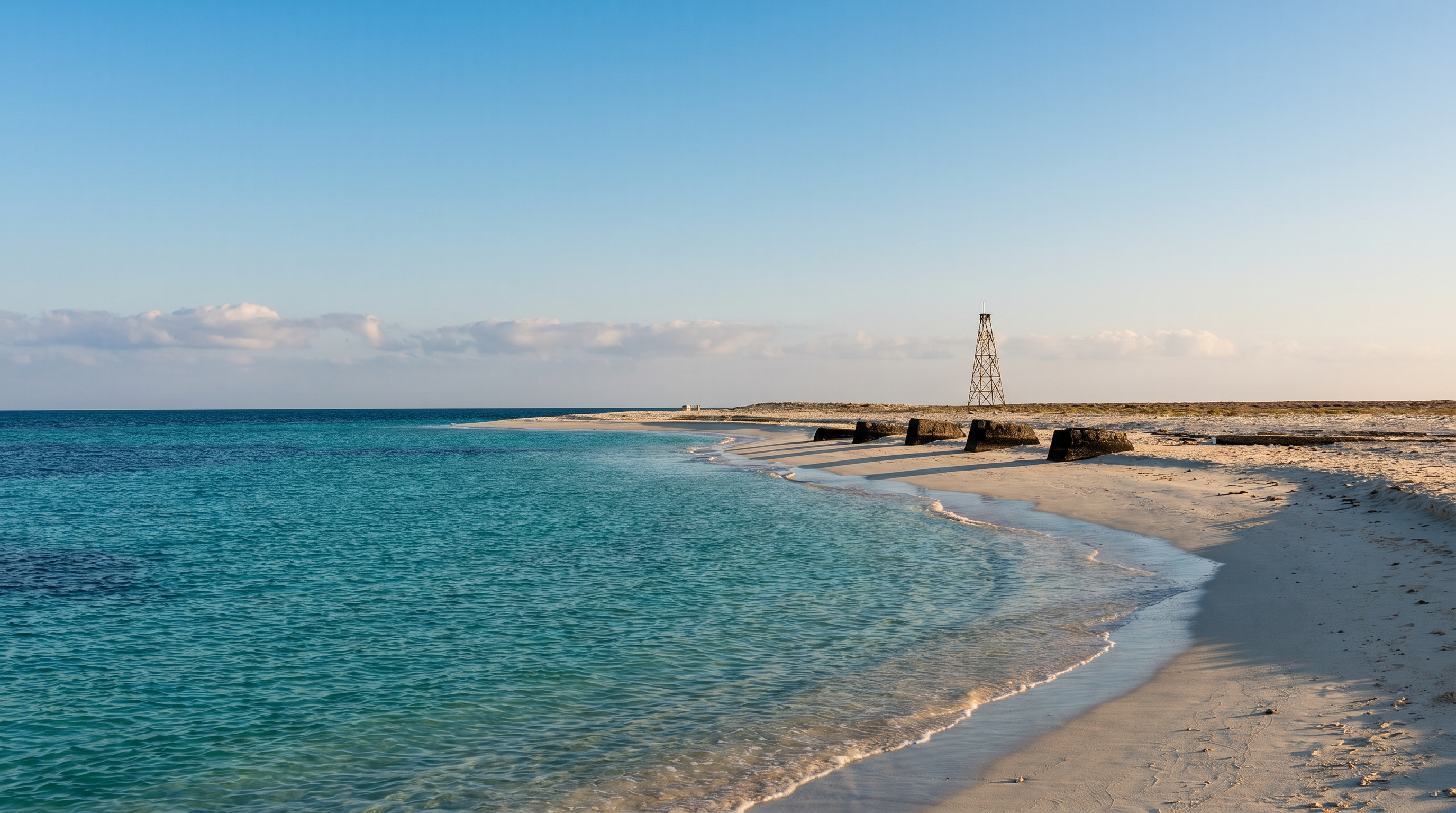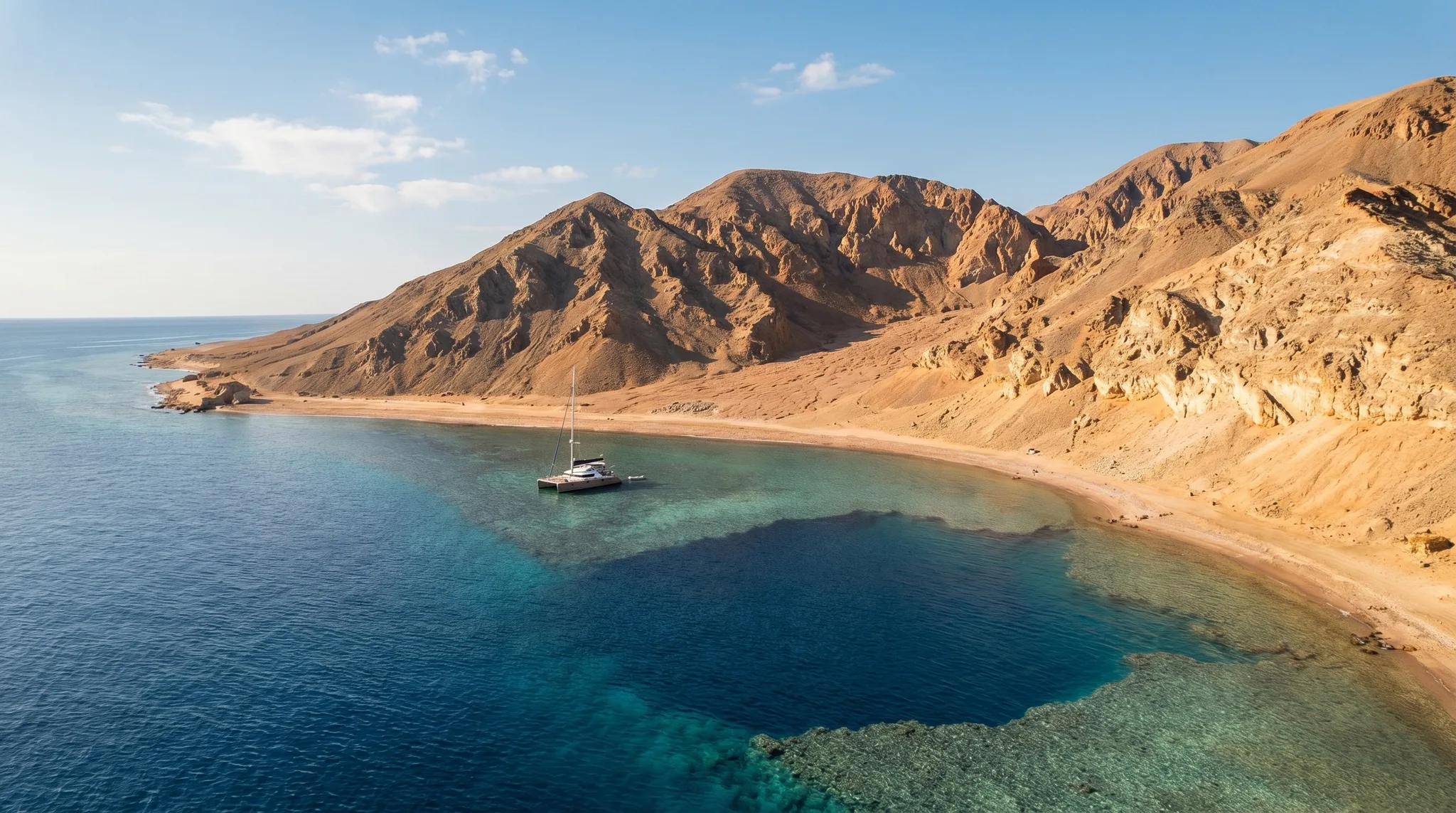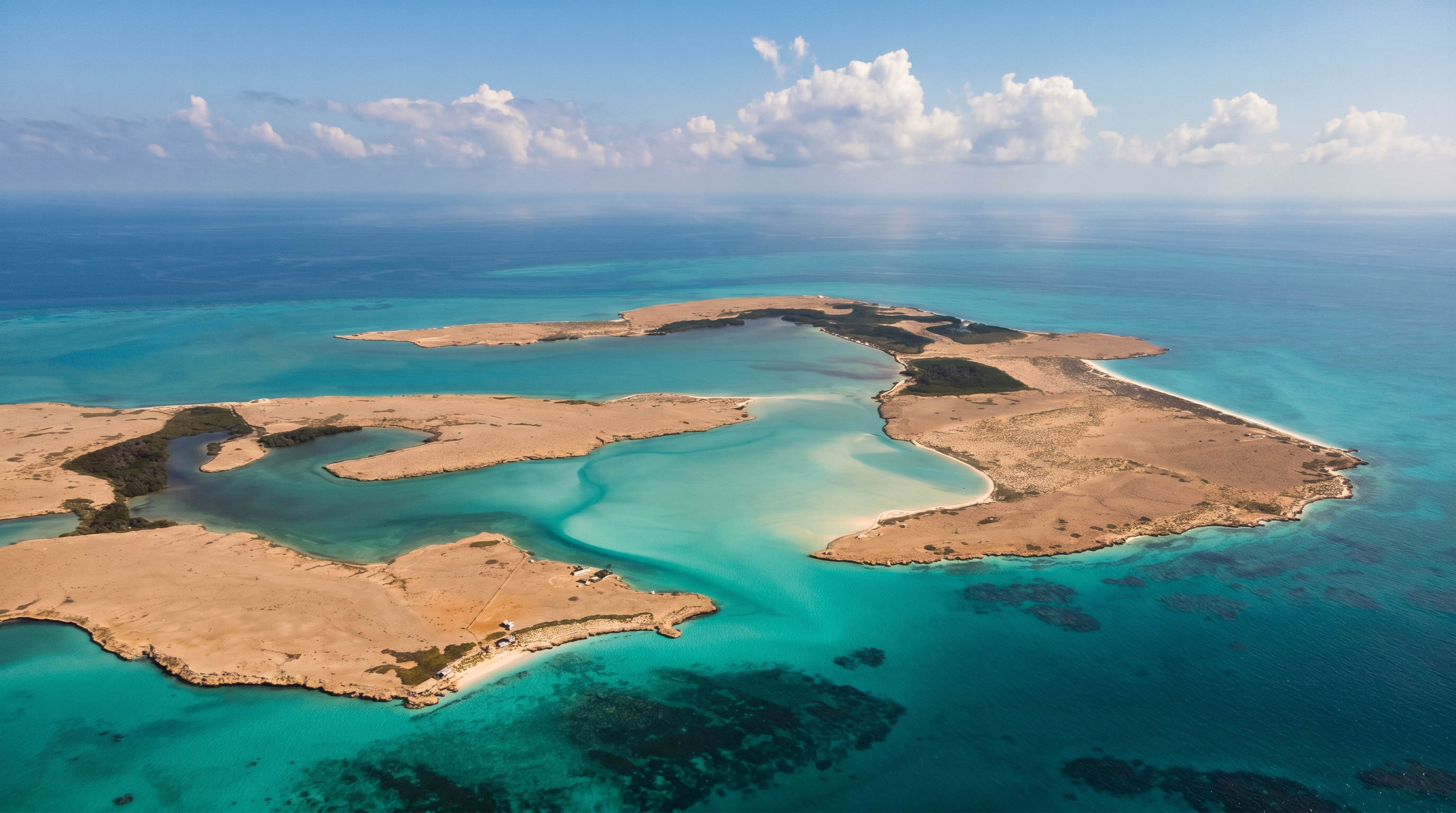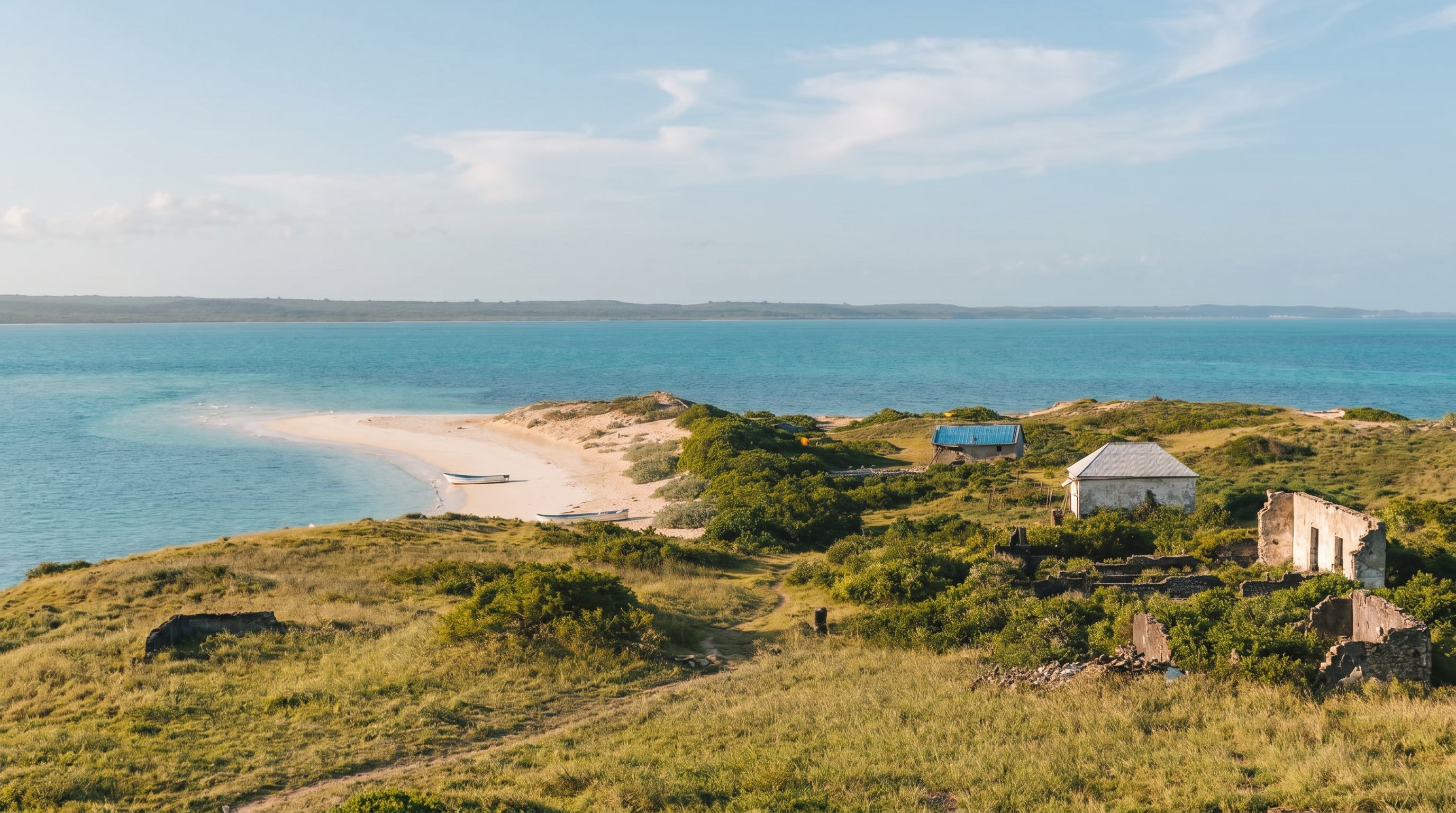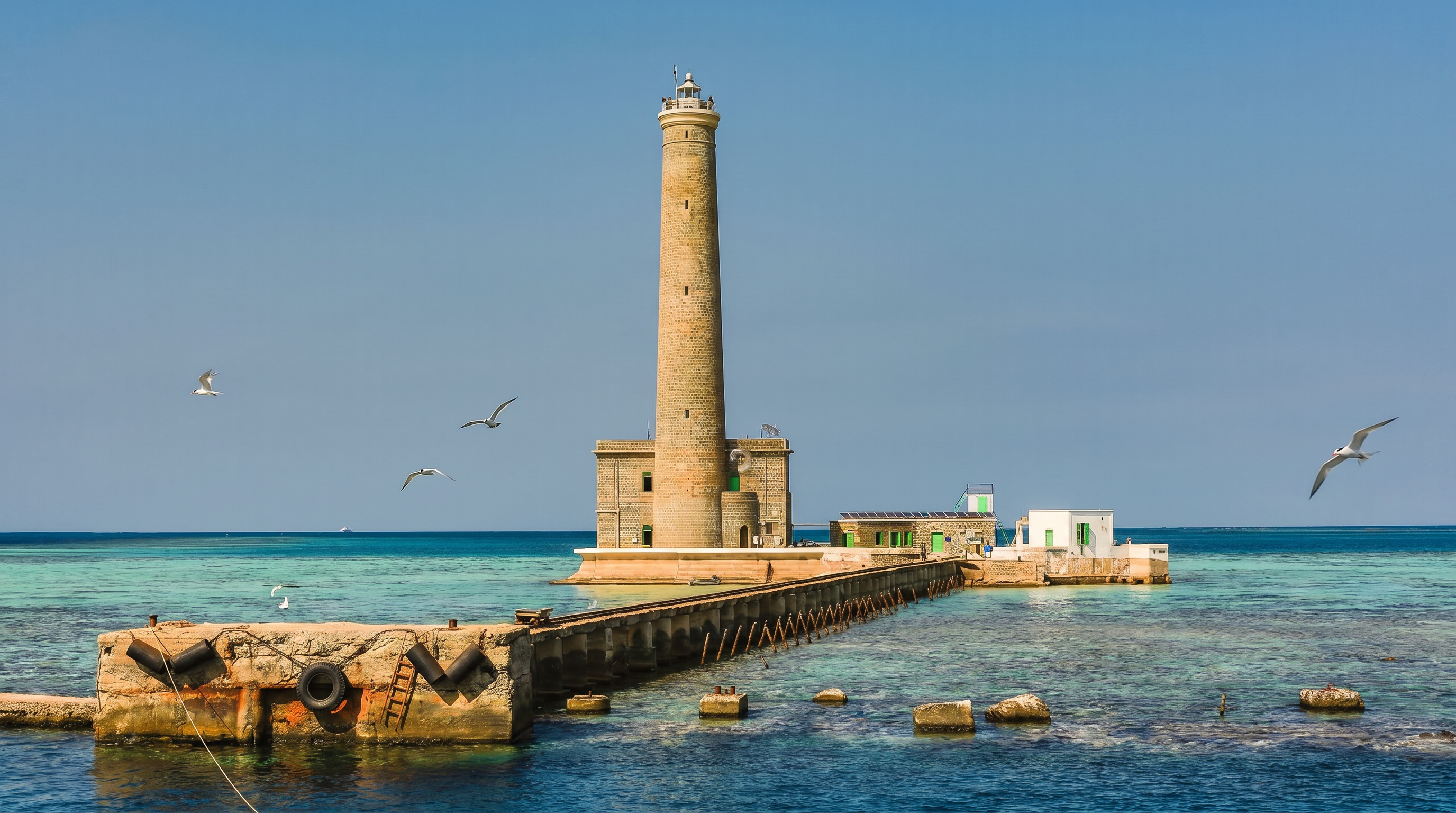
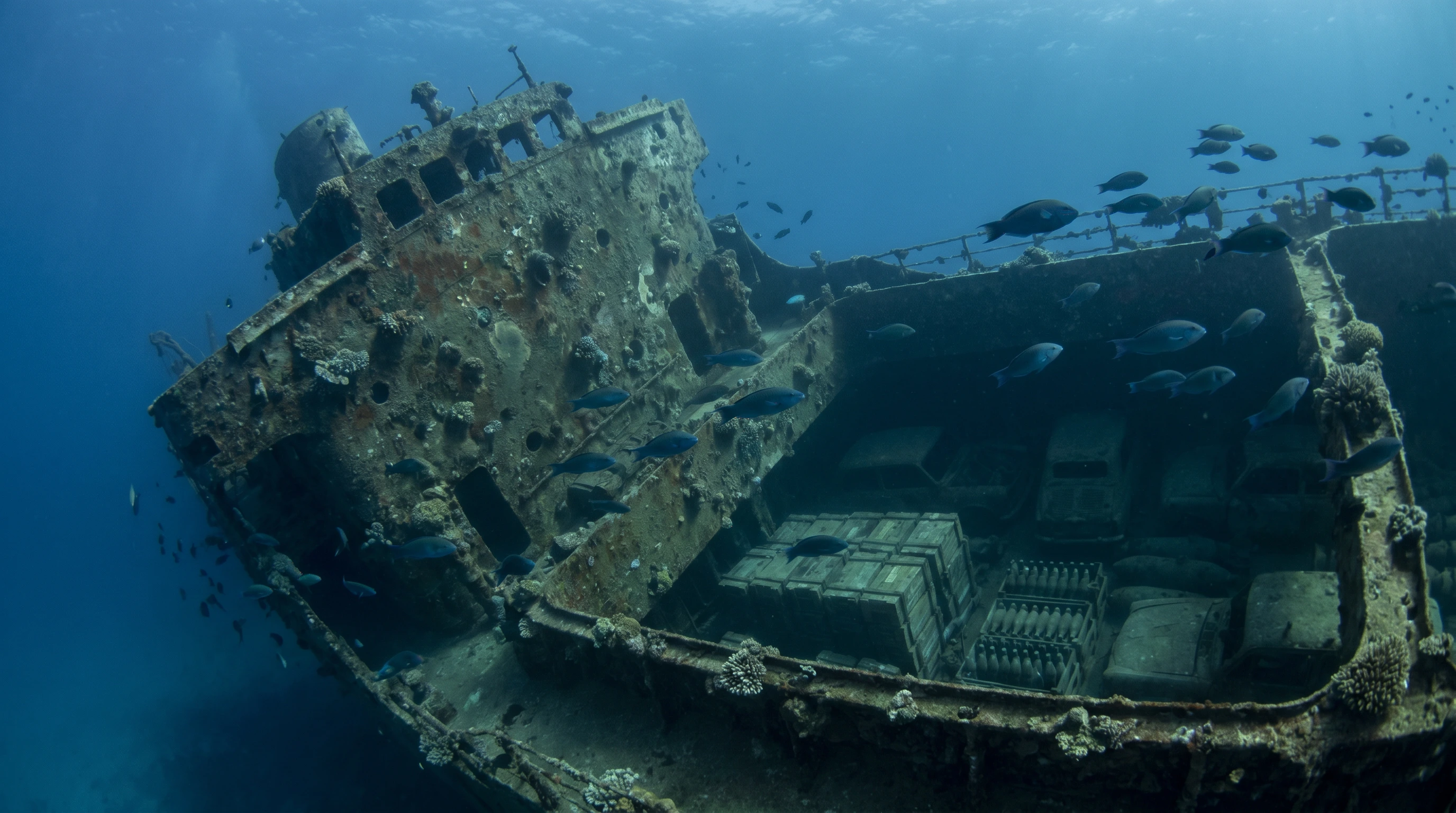
Sudan's diving is defined by remote offshore reefs, deep walls, and a shark encounter that few destinations can match. Every site is reached by boat, and the region divides into three distinct sub-areas: the Northern Reefs, the Central Reefs around Port Sudan, and the Deep South and Suakin Archipelago. The SS Umbria wreck, draped in reef growth and resting on its port side, stands apart as the centrepiece of Sudanese diving. Beyond it, sites like Angarosh Reef, Sanganeb North Point, and Abington Reef deliver vertical walls and drift diving into deep blue water. Scalloped Hammerhead, Grey Reef Shark, Tiger Shark, and Whale Shark are all observation-backed across the region. Visibility is at its best from October through March, when cooler, calmer conditions prevail and liveaboard traffic peaks.
3 areas
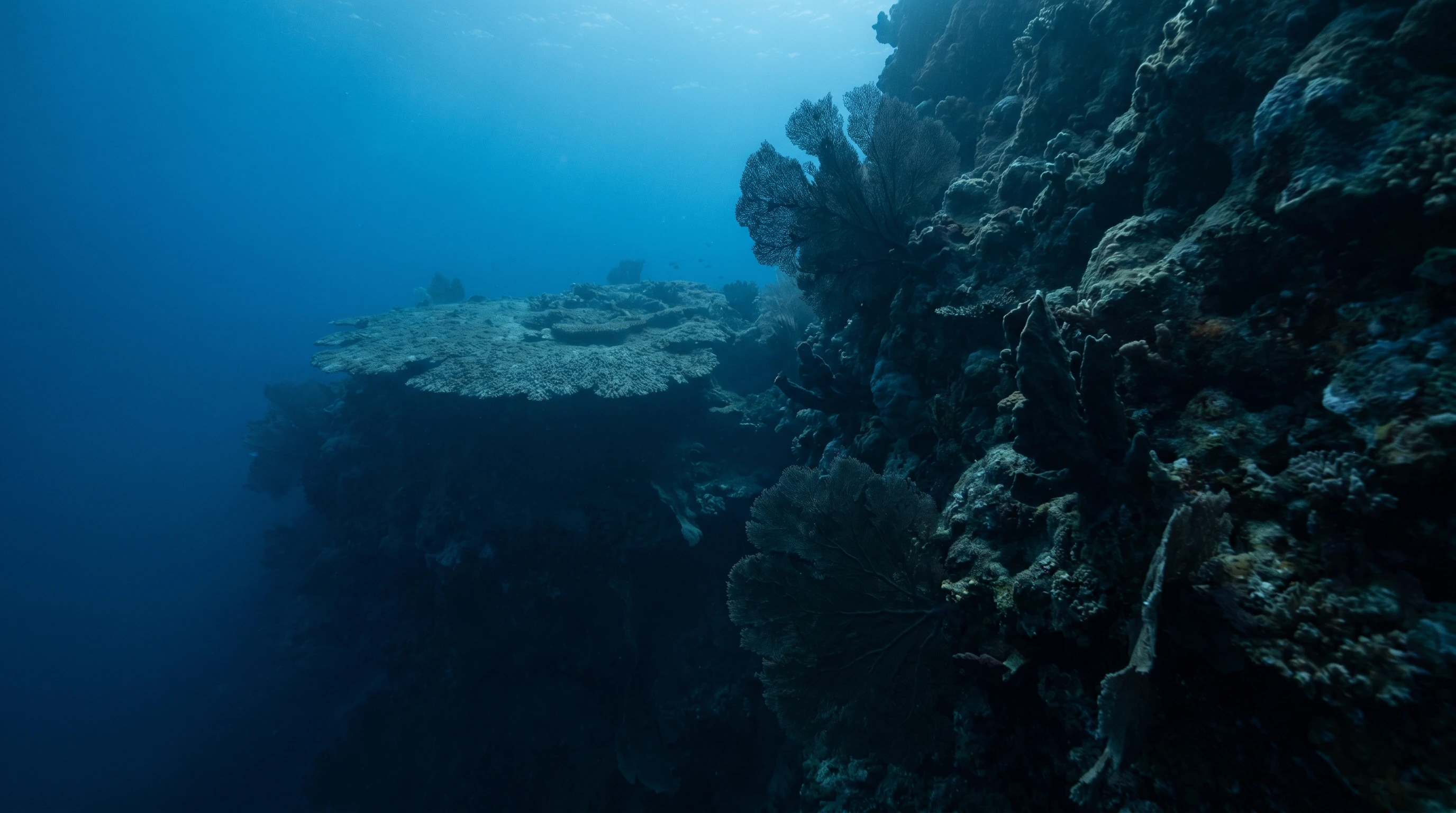 17
17Remote Sudanese reefs and walls where Scalloped Hammerhead and Grey Reef Shark are regularly observed on boat-only expeditions.
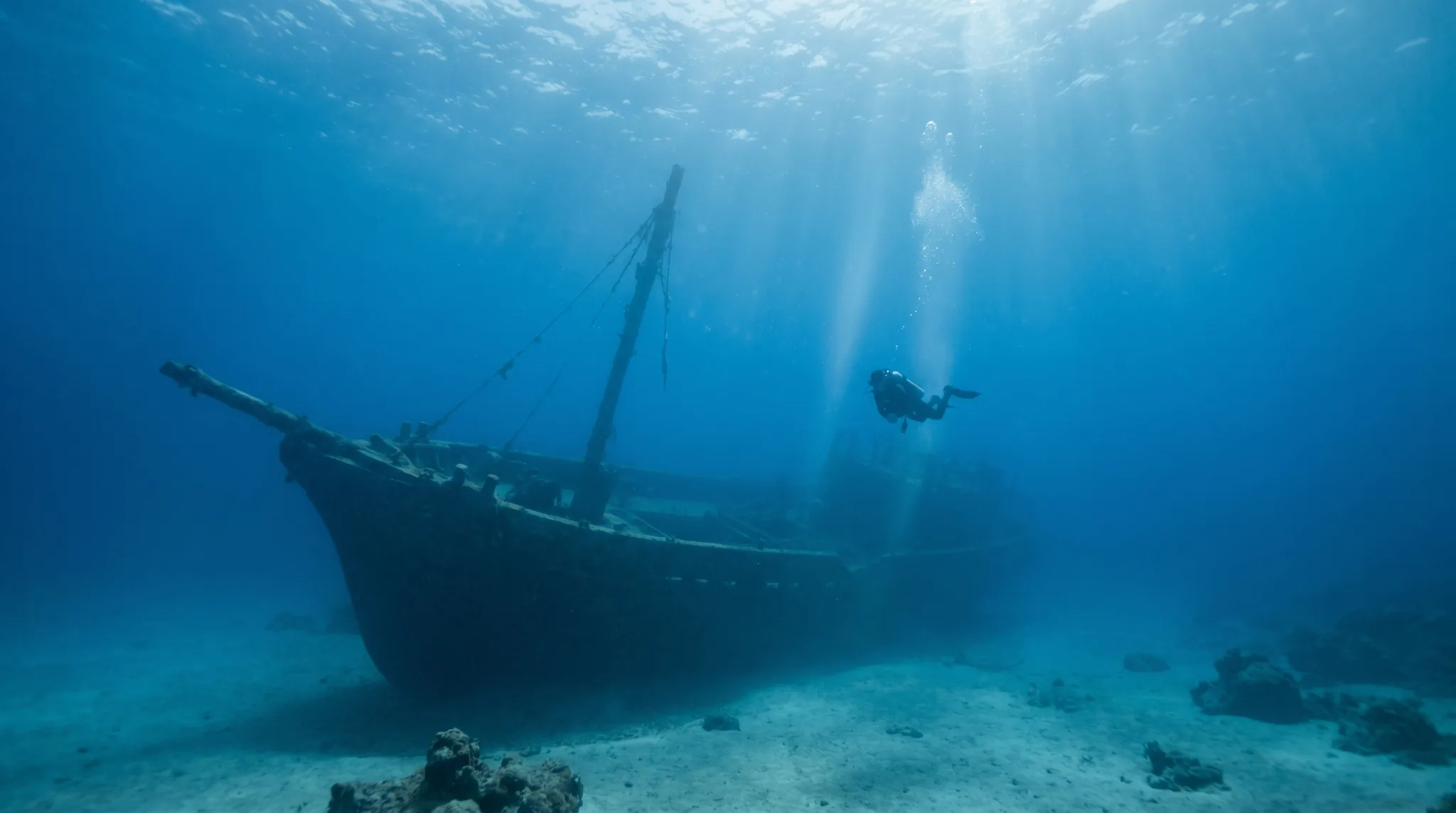 12
12Walls, wrecks, and multiple shark species across three offshore reef systems, all accessed by boat.
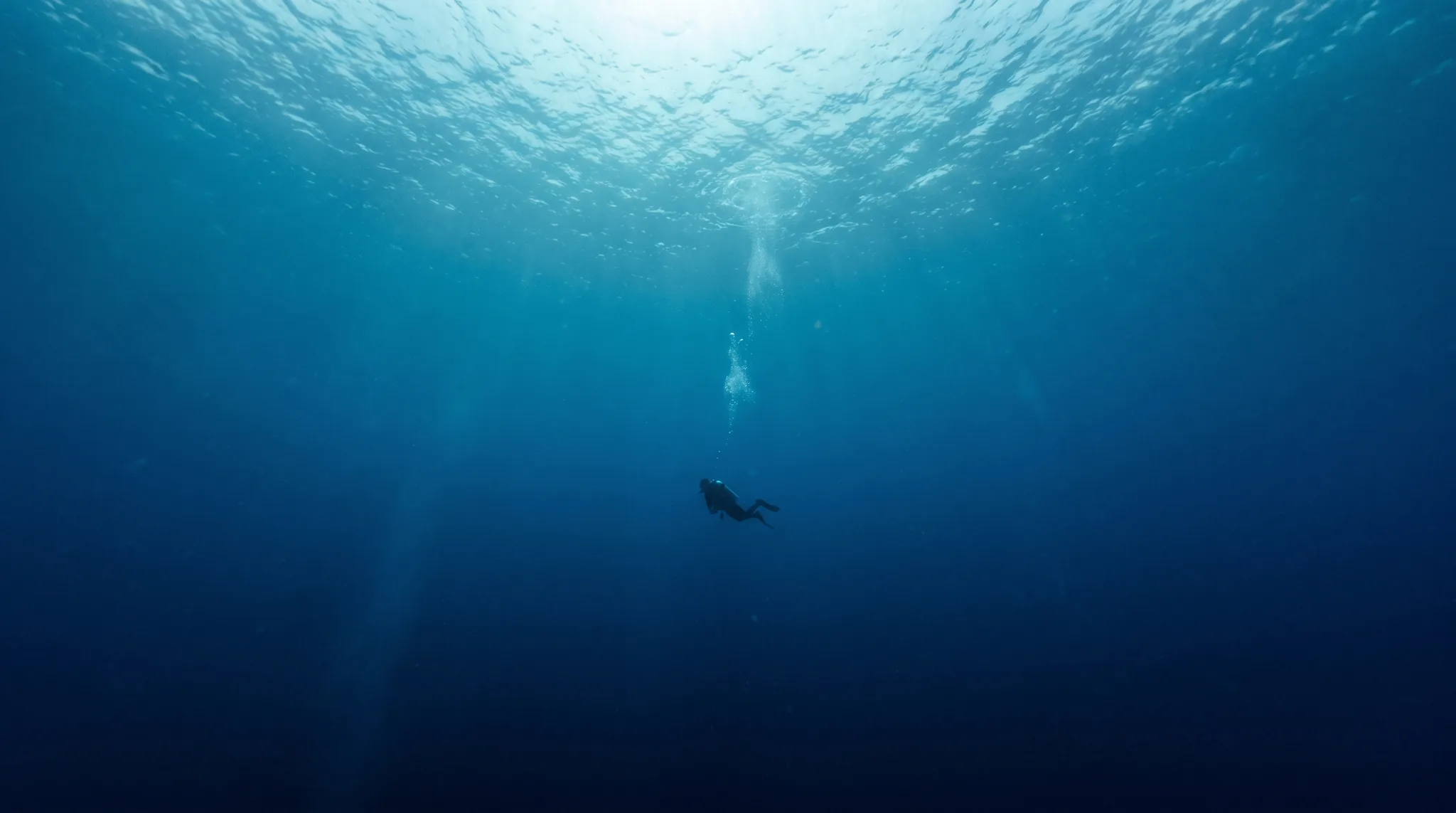 10
10Remote offshore reefs and wrecks in Sudan with consistent Scalloped Hammerhead, Tiger Shark and Whale Shark encounters for advanced divers.
Monthly water temperature across Sudan's sites, from satellite sea-surface data corrected for depth. The band shows the site-to-site spread.
Water temperatures remain warm throughout the year, rising from a consistent winter baseline in the cooler months to noticeably warmer conditions through late summer and early autumn. The best diver consensus clusters around October through March, aligning with calmer surface conditions and the highest reported visibility. Summer months see both warmer water and fewer operators running trips, making the cooler half of the year the practical window for most itineraries.
19 operators
Water temperature around Sudan ranges from about 26°C in January to 31°C in September, based on satellite sea-temperature data for its dive sites.
In the warm season (about 31°C) a rash guard or 3mm shorty is comfortable in Sudan; in the coldest months (about 26°C) step up to a 3mm full suit.
Fin maps 39 sites in Sudan (39 scuba diving sites), organised into 3 areas.
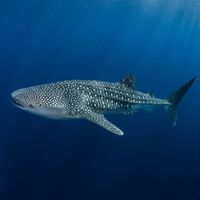
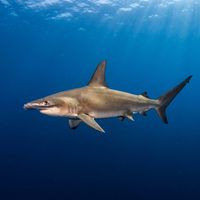
Sudan has observation-backed records for several shark species across its reefs. Grey Reef Shark is very commonly sighted, while Scalloped Hammerhead, Tiger Shark, Silvertip Shark, and Blacktip Reef Shark are all recorded as common. Whitetip Reef Shark appears occasionally. Whale Shark, though not a shark in the reef-dwelling sense, is also commonly observed across the region.
A significant proportion of Sudan's top sites are rated advanced, including Angarosh Reef, Abington Reef, Roman Reef, Qita El Banna, and the Blue Belt Wreck. These sites involve deep walls, strong currents, and overhead environments. Intermediate divers are well served by sites such as the SS Umbria, Sanganeb North Point, and Masamirit. Gota Shambaia is the one site in the data rated suitable for beginners.
The Northern Reefs offer a smaller selection of sites and tend to be the most remote from the main Port Sudan hub. The Central Reefs around Port Sudan include landmark sites such as the SS Umbria, Angarosh Reef, and Roman Reef, making this the most site-dense zone. The Deep South and Suakin Archipelago has the largest number of sites and includes wall and pinnacle dives within the Suakin Archipelago, such as Dahrat Ghab, Masamirit, and Logan Reef.
Yes, every site listed for Sudan requires boat access. There are no shore-entry dive sites in the region's data. This means diving here is typically organised through liveaboard vessels or day-boat operators, which suits the remote, offshore nature of the reefs and wrecks.