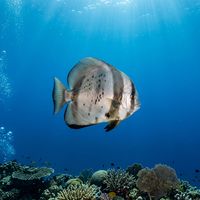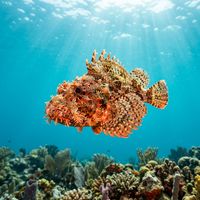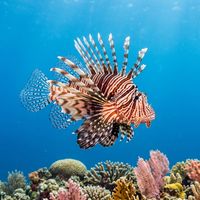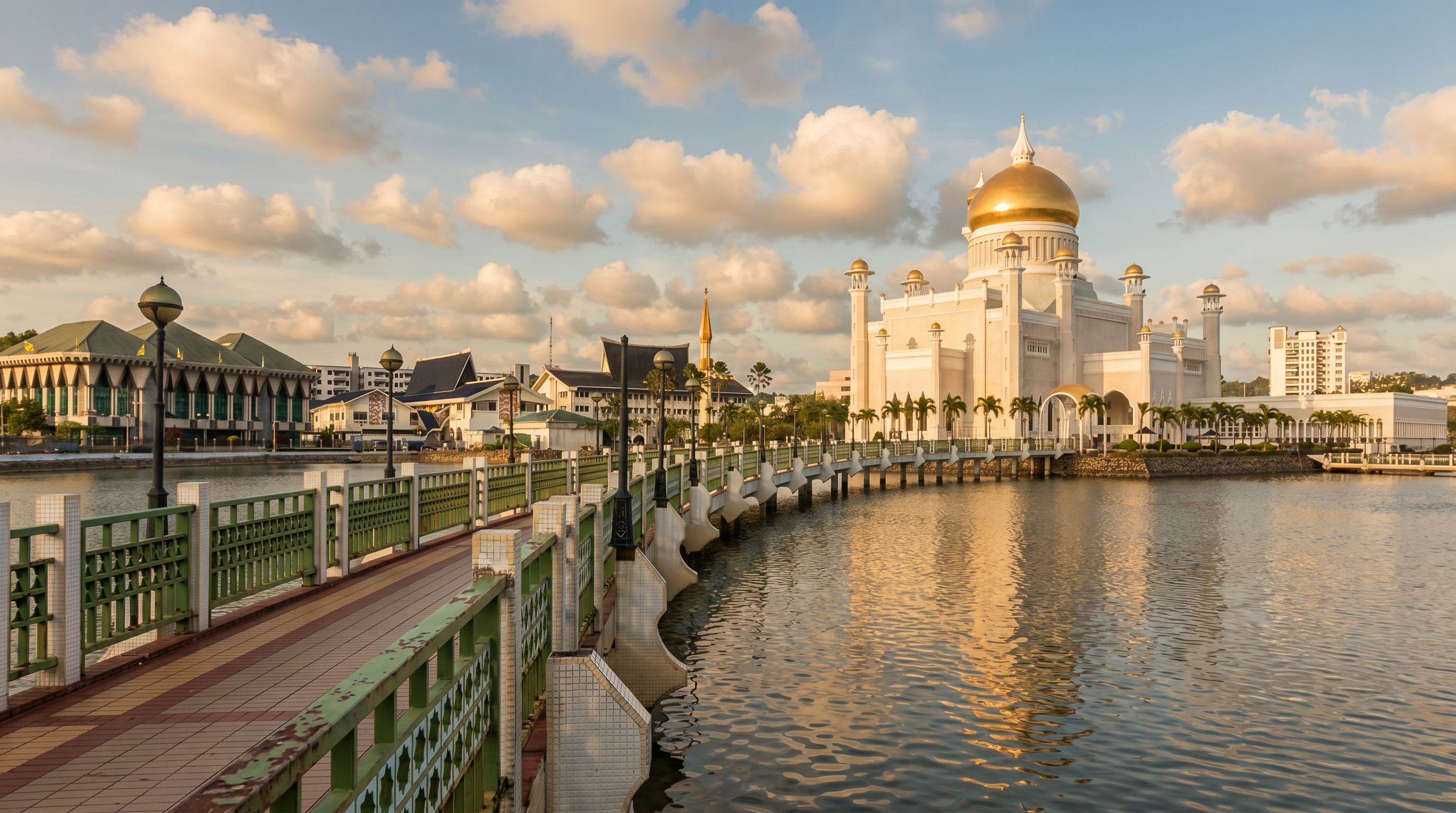
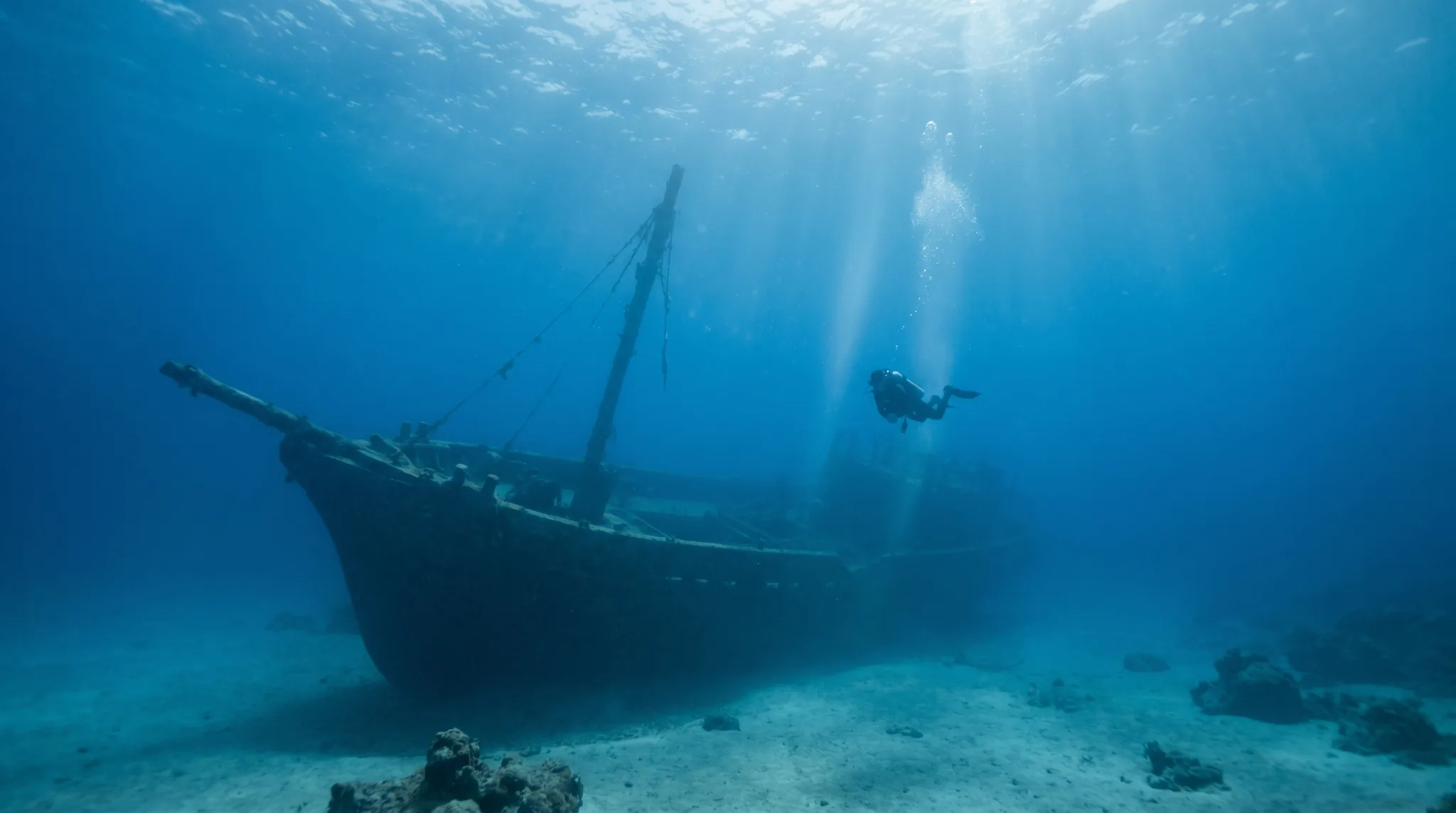
Brunei's diving is defined almost entirely by wrecks. All sites are reached by boat, and the concentration of sunken vessels in the Muara sub-area and the Pelong Rocks area gives the region a character unlike reef-first destinations. The range spans shallow beginner-friendly wrecks such as the Labuan Wreck, combined with natural and artificial reef, through to serious deep-water technical sites such as the Yuho Maru Wreck, which demands deep-diving certification. Pelong Rocks adds natural shallow reef and artificial reef structure to the mix, broadening the options for newer divers. Across these sites, Batfish and Scorpionfish are observed very commonly, Striped Barracuda appear regularly, and Lionfish is the standout signature species. Conditions vary considerably by site, with visibility range running from limited to excellent depending on season and location.
1 areas

Monthly water temperature across Brunei's sites, from satellite sea-surface data corrected for depth. The band shows the site-to-site spread.
Water temperature stays warm throughout the year, with the coolest readings in early months and warmth peaking from late spring through to November. The best-months data points clearly to a prime season centred on spring through to mid-autumn, when conditions are most reliable. Outside this window, visibility can tighten and conditions become less predictable, so timing your visit within the favoured months makes a meaningful difference to your experience.
11 operators
Water temperature around Brunei ranges from about 27°C in March to 30°C in May, based on satellite sea-temperature data for its dive sites.
With water around 27–30°C, a rash guard or 3mm shorty works in Brunei year-round.
Fin maps 11 sites in Brunei (11 scuba diving sites).
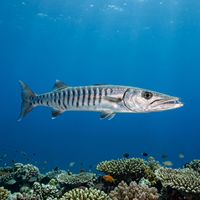
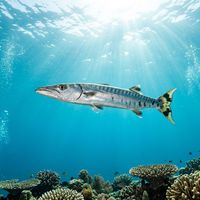
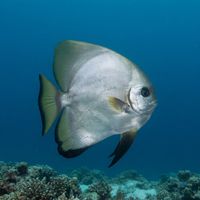
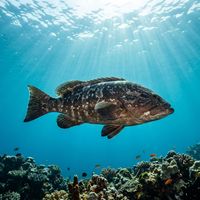
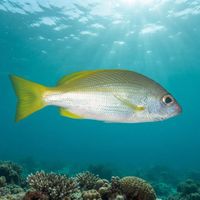
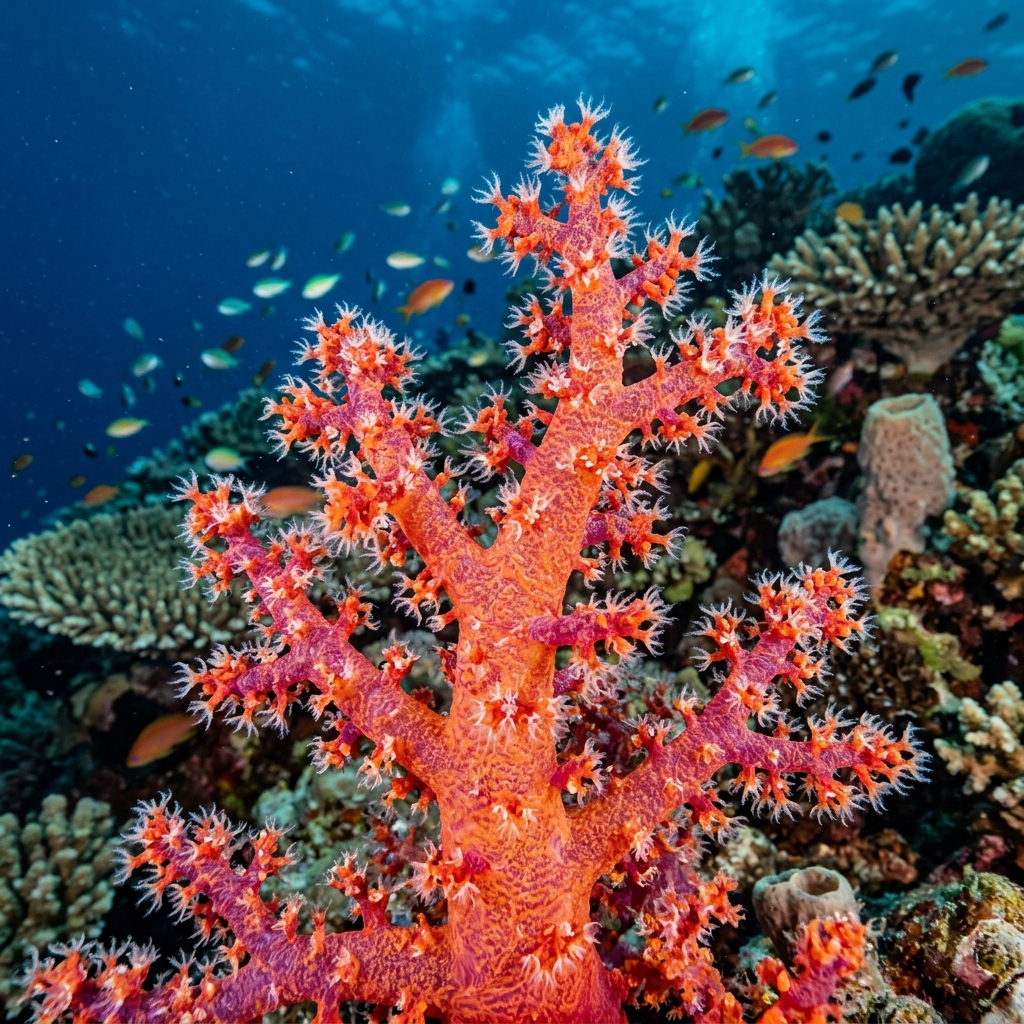
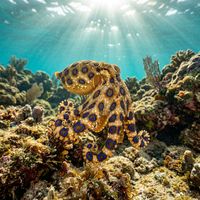
Batfish and Scorpionfish are observed very commonly across the sites, and Striped Barracuda are a regular presence. Lionfish is considered the signature species of the region. Barracuda, Groupers, Soft Coral and Sponge have also been recorded on observation-backed dives.
Brunei caters to both levels, though the site mix leans towards advanced divers. Beginner-rated sites include the Labuan Wreck, Abana Reef, Pelong Rocks and Oil Rig Reef, all of which are relatively shallow and approachable. Advanced divers have several deeper wreck options, including the Yuho Maru Wreck, which requires deep-diving certification.
The Pelong Rocks area concentrates several sites in one zone, including reef, artificial reef and wreck diving at a range of depths, making it well suited to mixed-ability groups. The deeper offshore wrecks such as the Blue Water Wreck and the Yuho Maru Wreck sit at greater depths and demand more experience, offering a different, more technical character to the dive.
All sites in Brunei are accessed by boat; there are no shore-entry dive sites listed. Operators running trips in the region include Miri Divers, Borneo Dive Network, Poni Divers and Oceanic Quest Sdn Bhd, giving divers a reasonable choice of guided access to both the shallower reef and wreck sites and the deeper technical dives.