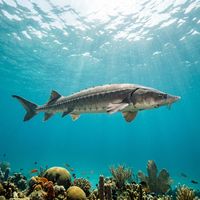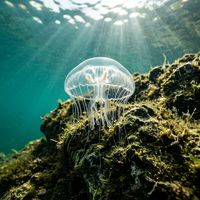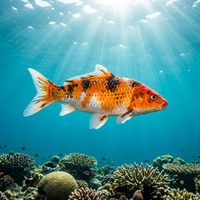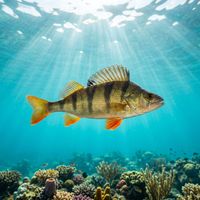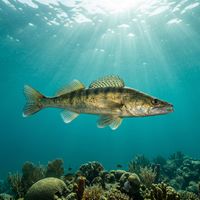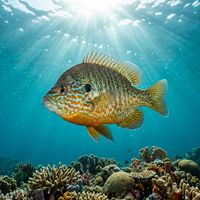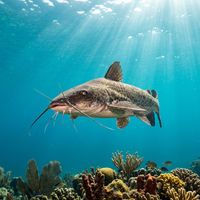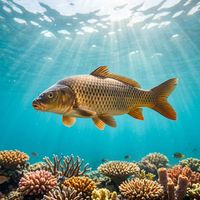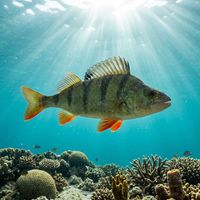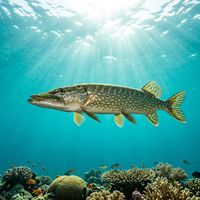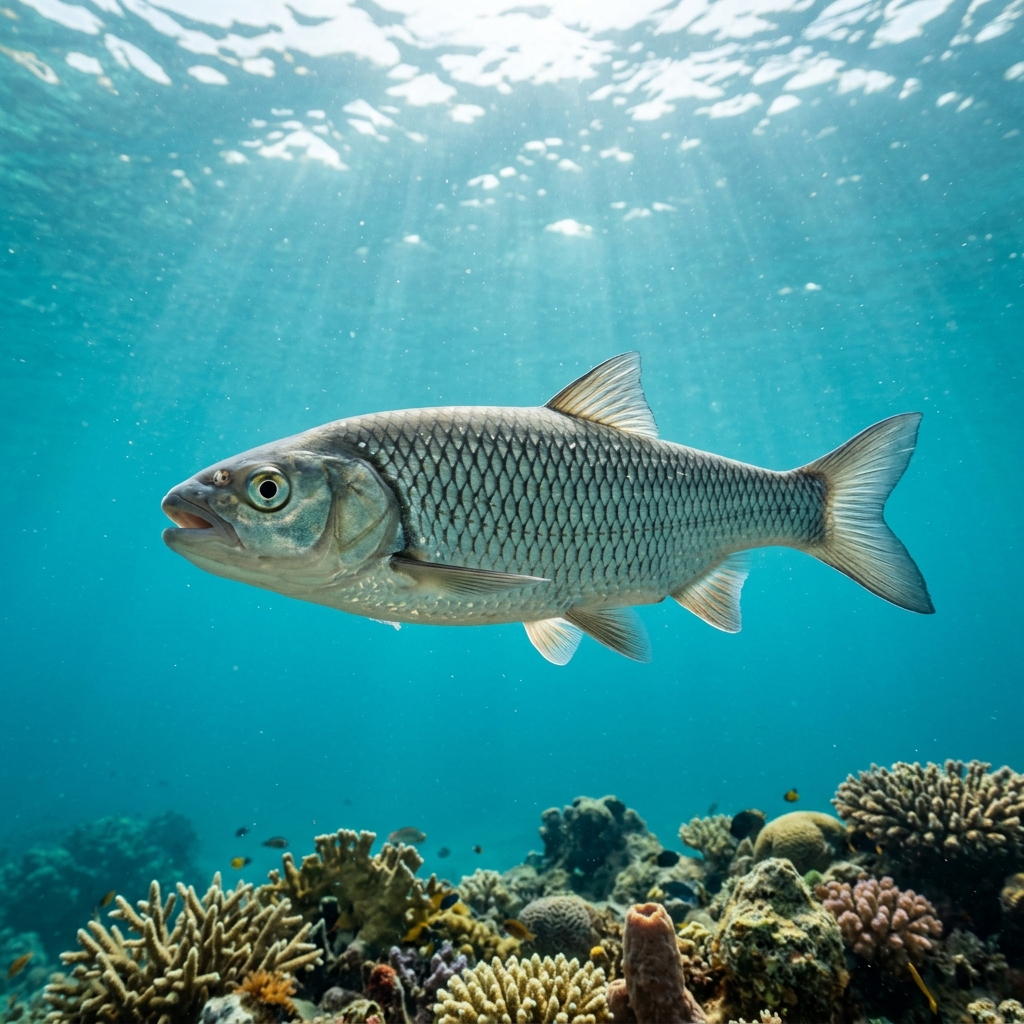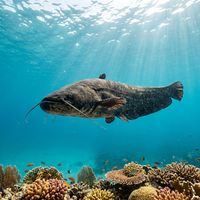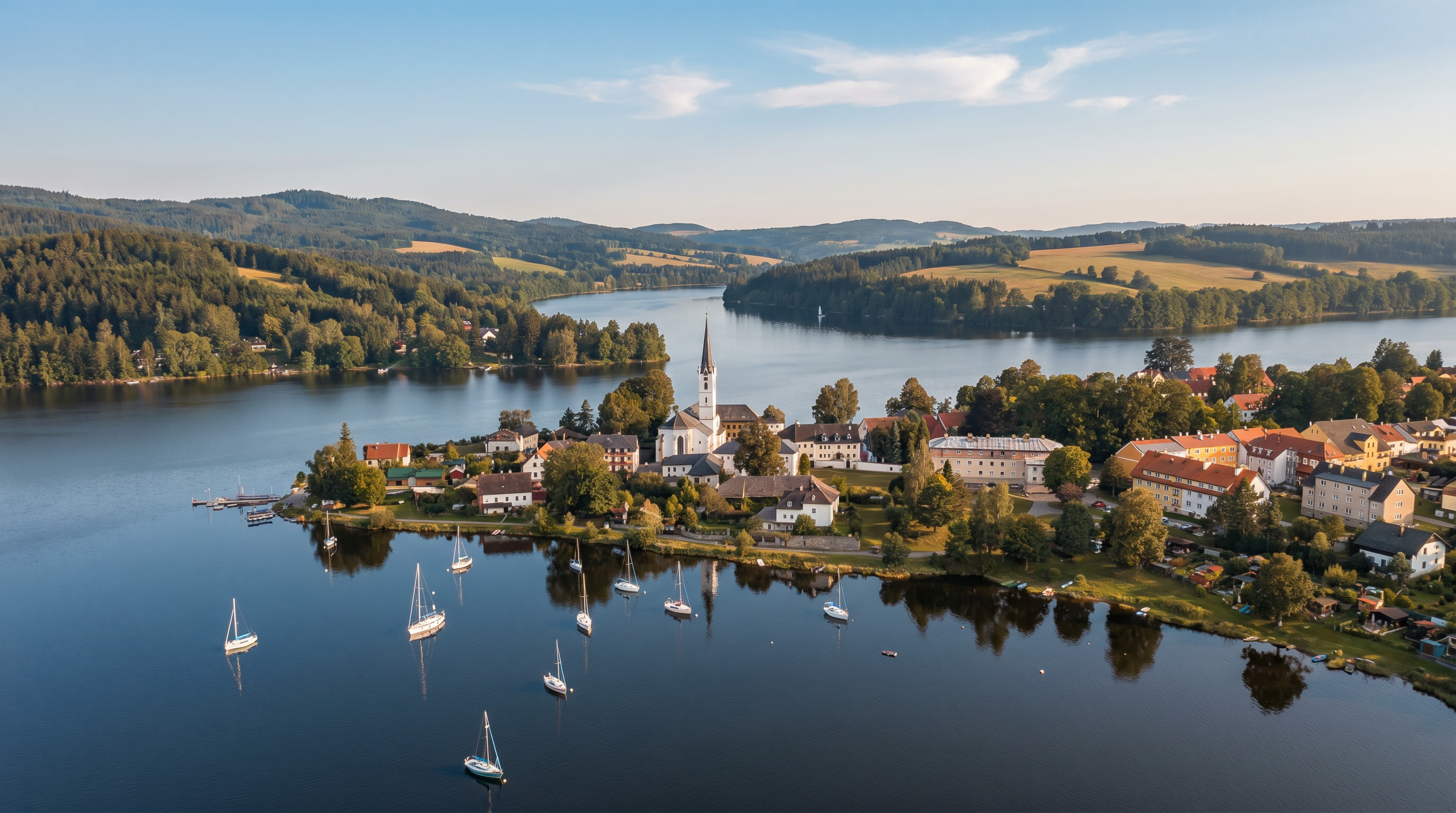
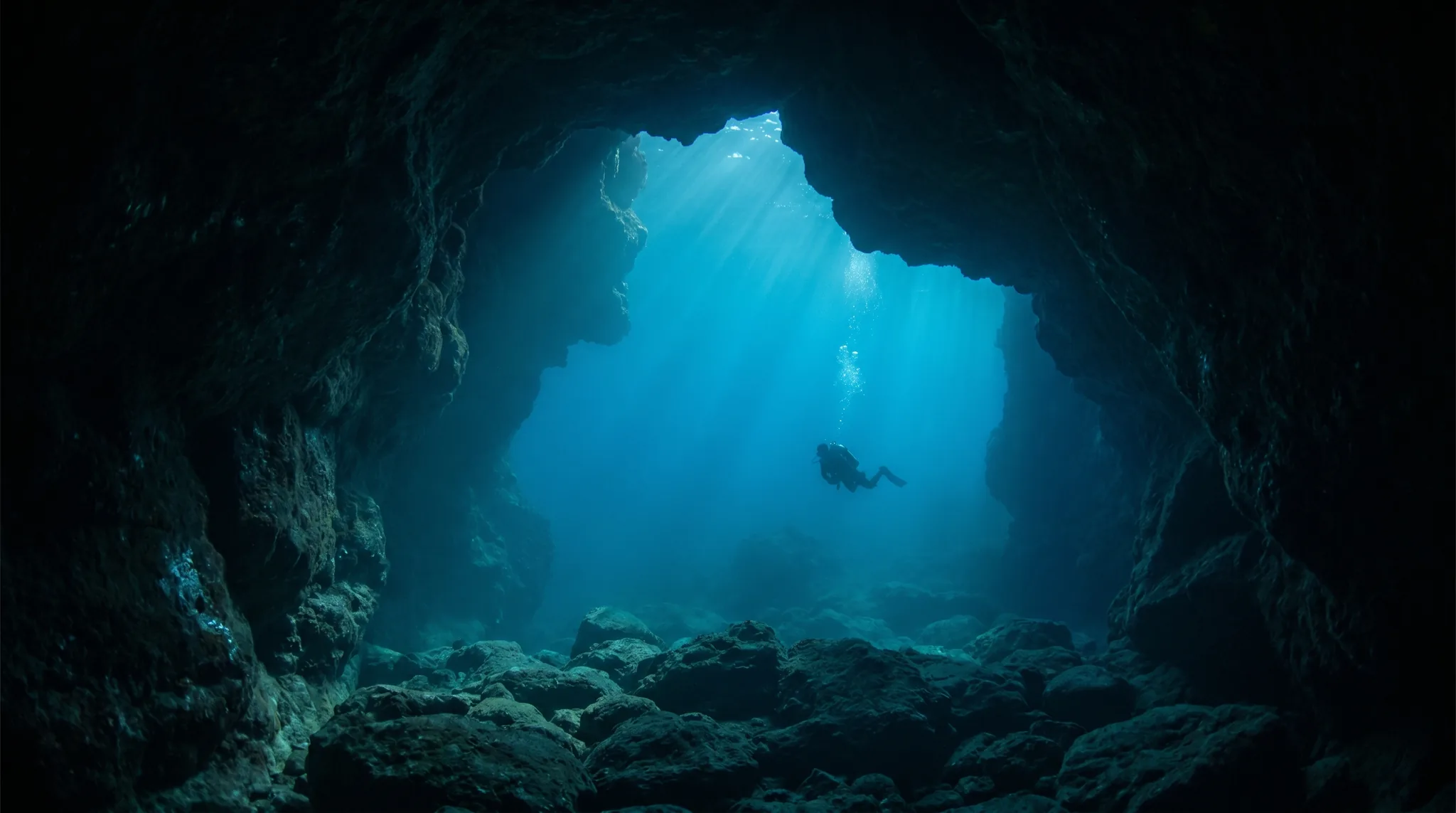
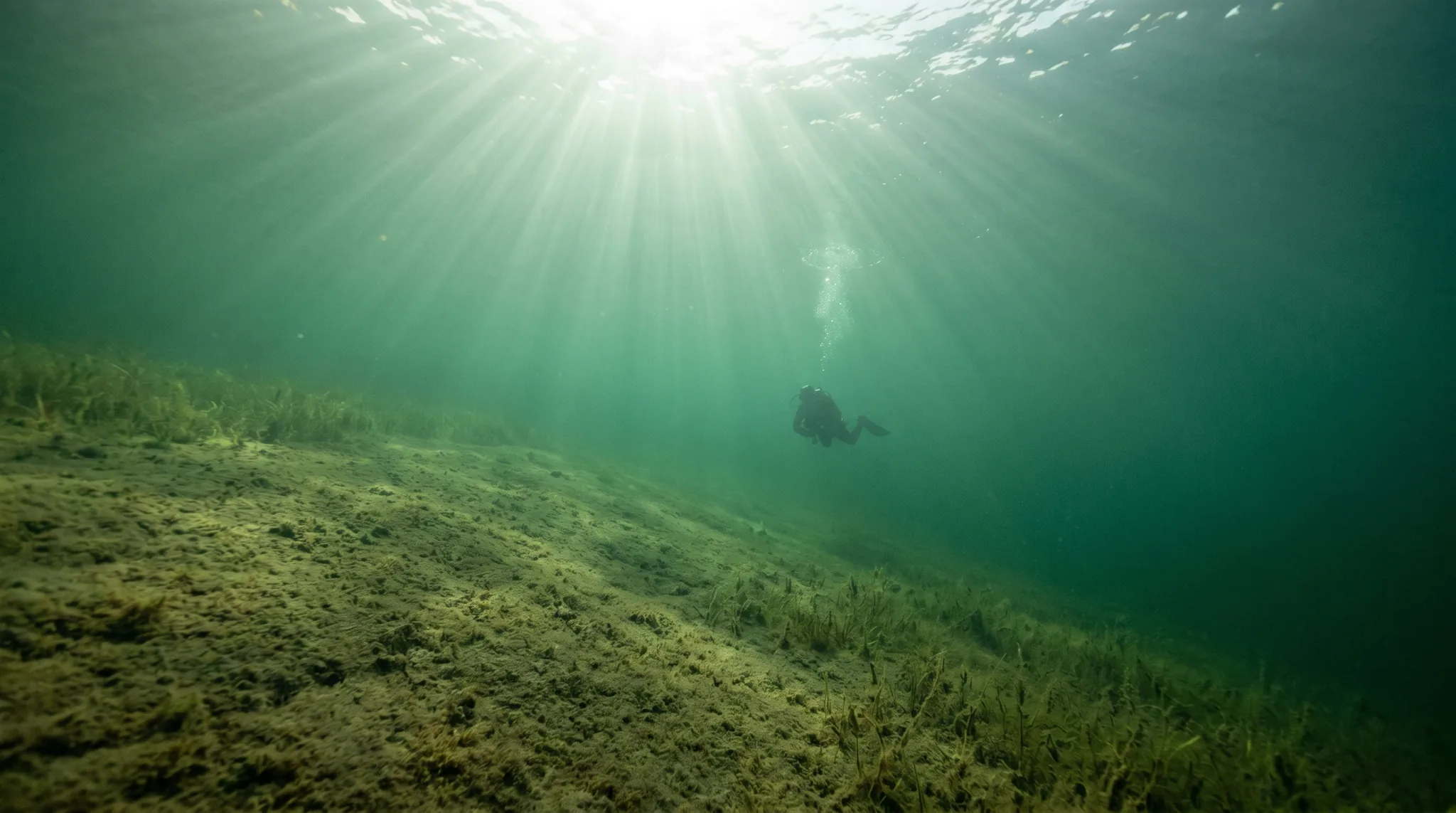
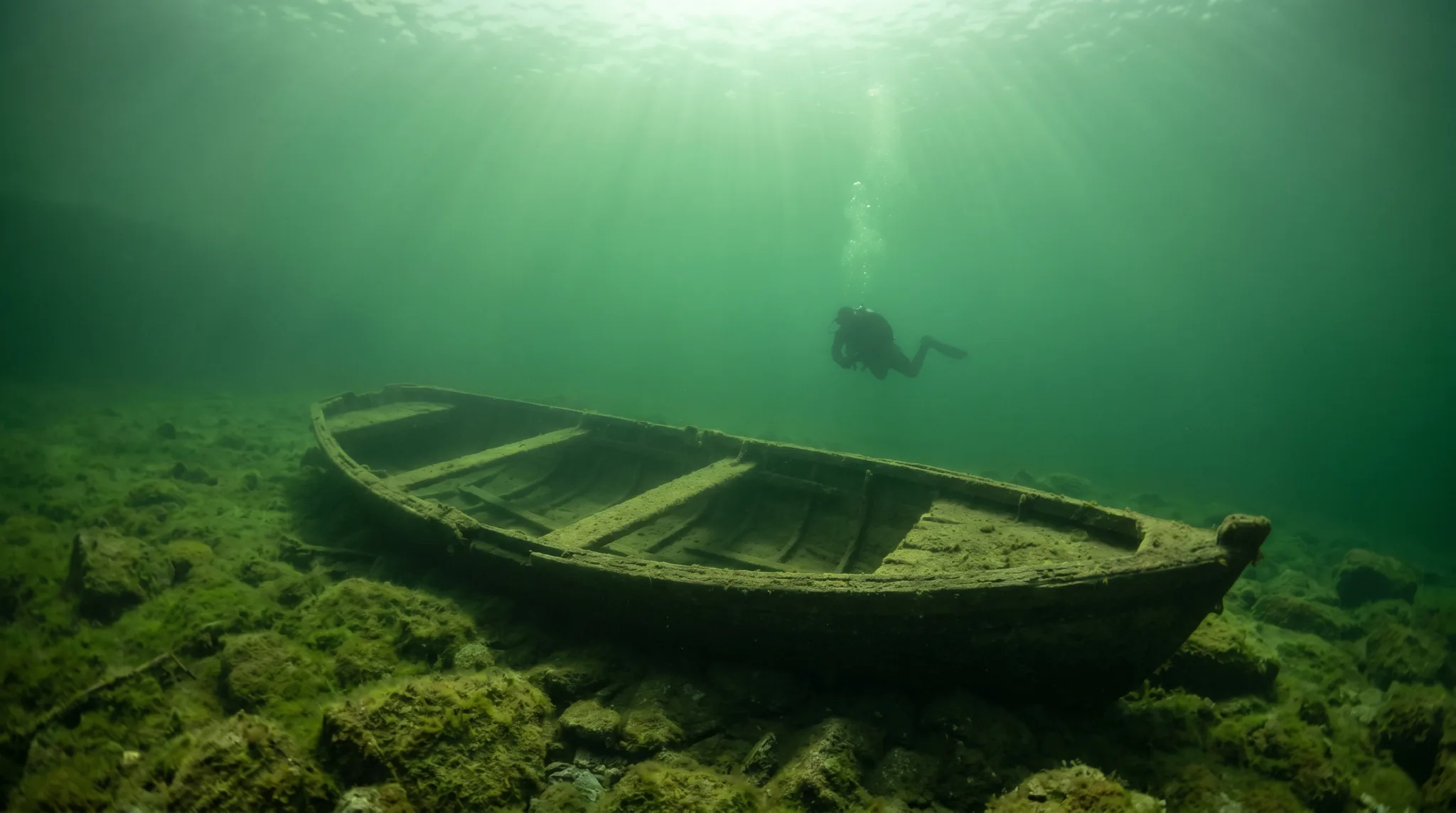
Diving in the Czech Republic is a wholly freshwater pursuit, built around flooded quarries, reservoirs, and one remarkable cave system. Bohemia holds the majority of sites, ranging from sheltered beginner quarries with artificial reefs and wrecks to intermediate reservoir dives featuring submerged industrial structures. Moravia contributes fewer sites but delivers the standout experience: Dul Hranicna, a flooded cave system with artificial reef structures suited to advanced divers. Across both regions, deliberately placed wrecks and artificial reef structures give divers clear points of interest in otherwise open water. The fish life is truly diverse for an inland destination: Sturgeon, Common Carp, Pike, Catfish, and the Wels Catfish are all observation-backed, and the Freshwater Jellyfish adds an unexpected encounter at many sites. Visibility varies considerably by site and season, so managing expectations around clarity is part of planning any Czech dive.
2 areas
37 operators

Fin maps 42 sites in Czech Republic (42 scuba diving sites and 3 snorkelling spots, with some suited to both), organised into 2 areas.
Across Czech Republic's dive sites, June, July, August and September are most often reported as the best months to visit.
All species here are freshwater. Sturgeon, Common Carp, Common Perch, Pike Perch, Sun Perch, Catfish, and Pike are all commonly observed across many sites. The Freshwater Jellyfish is an occasional but observation-backed highlight, and the Wels Catfish has also been recorded. Bronze Bream, Chub, Roach, and Rudd round out the list at a smaller number of sites.
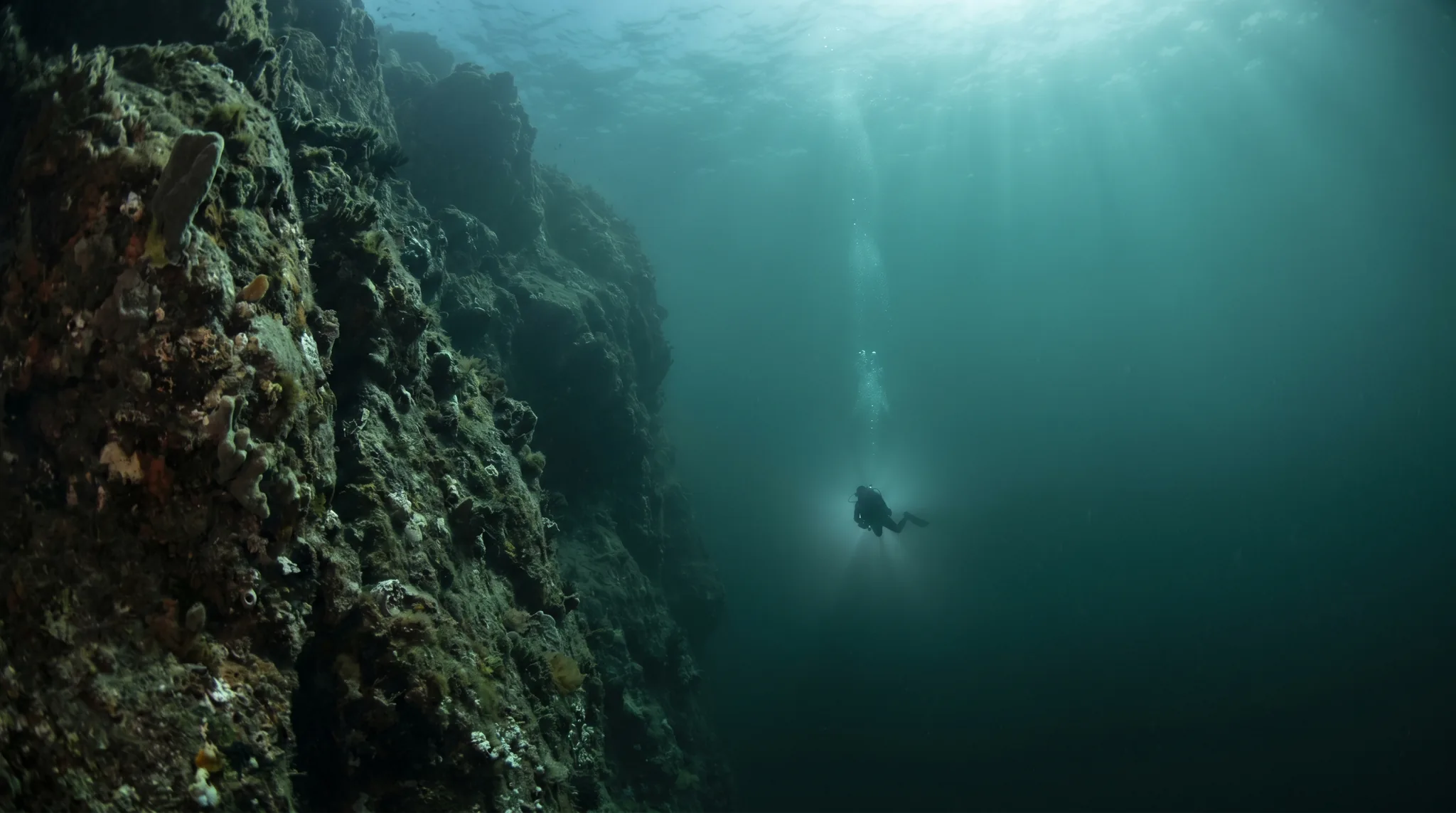
Yes, a large proportion of sites are rated beginner level. Flooded quarries such as Řečice, Lom Miličín, Lom Bořená Hora, and Barbora offer sheltered shore-entry conditions with artificial reefs and wrecks in shallow to moderate depths. These sites are frequently used as training grounds. Advanced divers are catered for at Dul Hranicna and Velká Amerika, which involve caves, walls, and greater depth.
Bohemia holds the majority of Czech dive sites and offers the widest variety, including quarry wrecks, artificial reefs, wall dives, and reservoir sites such as Cholín továrna with its submerged factory structure. Moravia has fewer sites but stands apart through Dul Hranicna, a flooded cave system that combines natural passages with artificial reef features and is the only advanced cave dive in the country's site list. Divers targeting cave diving should head to Moravia; those building skills or seeking variety will find most options in Bohemia.
All listed sites are shore-entry, so boat access is not required. Operators including Kapr Divers, Diving Center Brno, HappyDivers, and Max Dives are among those active in the region, offering guided dives and training. With sites spread across both Bohemia and Moravia, it is worth choosing an operator based in the sub-area you plan to explore.