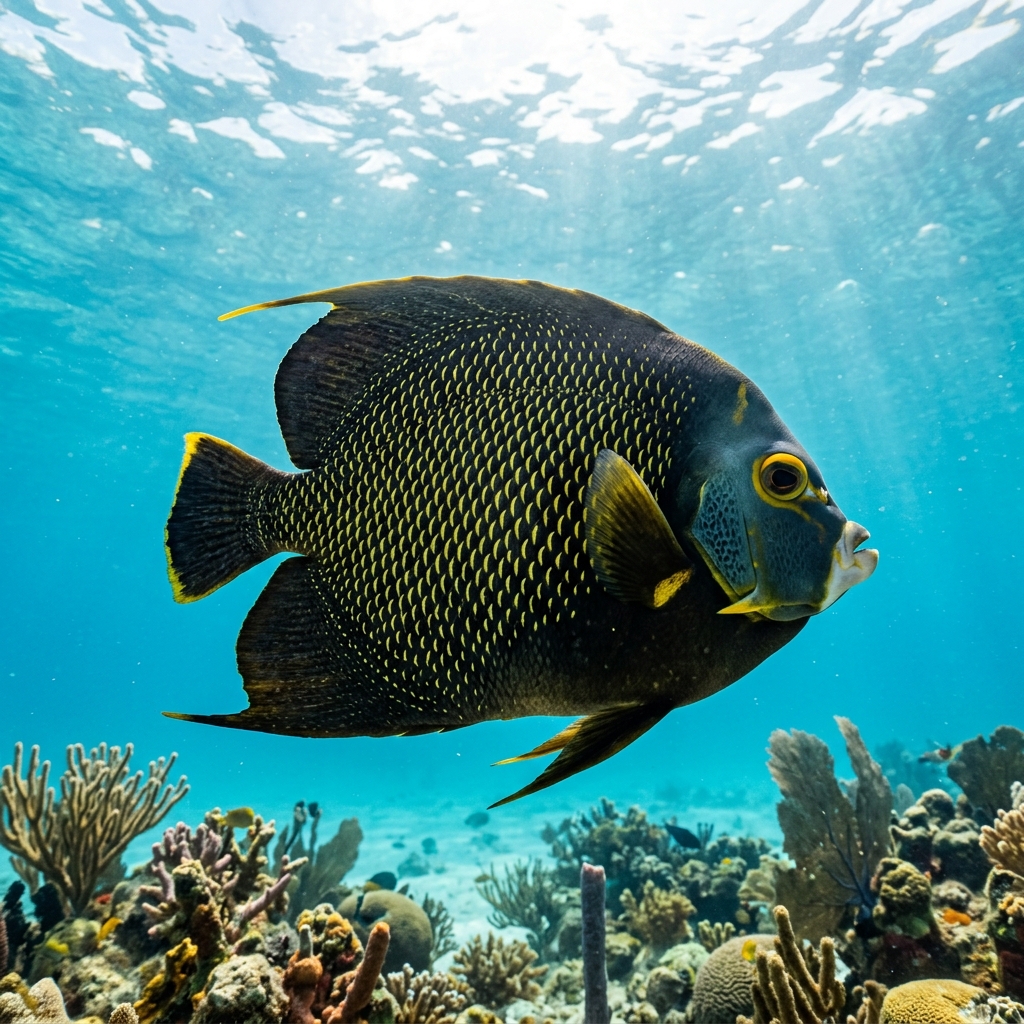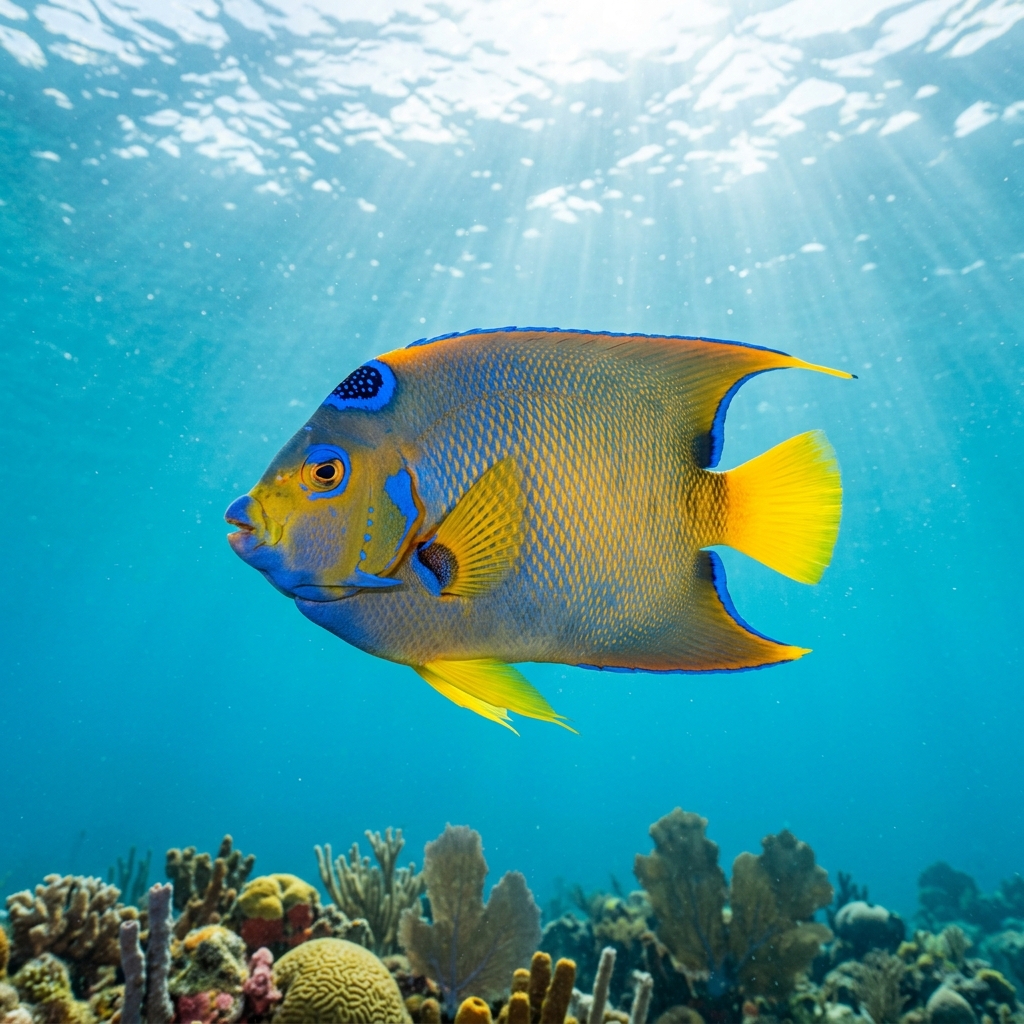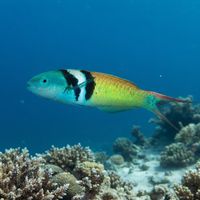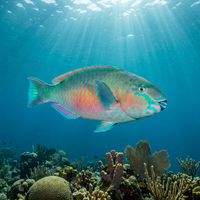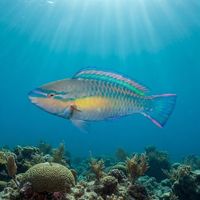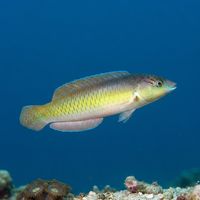
Trinidad and Tobago's underwater character is defined almost entirely by Tobago, which holds all of the region's sites. The mix leans toward reef and drift diving, with walls, a wreck, cave passages, and seagrass beds rounding out the variety. Sites off Little Tobago, including Black Jack Hole, TDE Special, Flying Manta, and Round Table, tend toward stronger currents and deeper profiles suited to intermediate and advanced divers, while shallower sites near Crown Point, such as Buccoo Reef and Flying Reef, welcome beginners. The fish life is rich and observation-backed: Pacific Trumpetfish, Stoplight Parrotfish, and Wrasses appear across the great majority of sites, with French Angelfish and Queen Angelfish adding colour at mid-water. Nurse Shark, Green Sea Turtle, and Spotted Moray round out the signature encounters. Water stays warm throughout the year, and visibility can be notably good during the drier months.
1 areas

Monthly water temperature across Trinidad and Tobago's sites, from satellite sea-surface data corrected for depth. The band shows the site-to-site spread.
Water temperature stays consistently warm all year, rising slightly through the second half of the year. The best-months data points clearly toward the drier period from late December through April, when visibility tends to be at its most reliable. Currents at sites off Little Tobago can be strong at any time of year, so conditions should always be checked with local operators before heading out.
12 operators
Trinidad and Tobago
Scarborough, Trinidad and Tobago
Mucurapo, Trinidad and Tobago
Laventille, Trinidad and Tobago
Water temperature around Trinidad and Tobago ranges from about 27°C in January to 29°C in July, based on satellite sea-temperature data for its dive sites.
With water around 27–29°C, a rash guard or 3mm shorty works in Trinidad and Tobago year-round.
Fin maps 31 sites in Trinidad and Tobago (25 scuba diving sites and 11 snorkelling spots, with some suited to both).
Across Trinidad and Tobago's dive sites, January, February, March and April are most often reported as the best months to visit.
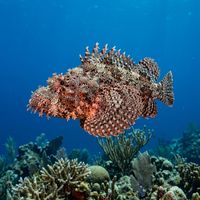
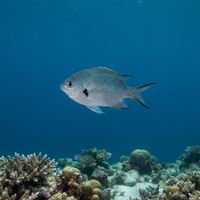
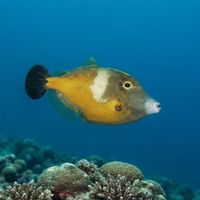
Observation-backed species across Tobago's sites include Pacific Trumpetfish, Stoplight Parrotfish, Wrasses, French Angelfish, and Queen Angelfish as frequent reef companions. Signature encounters include the Nurse Shark, Green Sea Turtle, Spotted Moray, and Spotted Scorpionfish. Purple Sea Fan, Christmas Tree Worm, and Lettuce Sea Slug add interest for divers who look closely at the reef structure.
Some sites are well suited to beginners: Buccoo Reef near Crown Point offers a shallow reef and seagrass environment accessible to those new to diving. However, many of the sites off Little Tobago, including Flying Manta and Round Table, are rated intermediate or advanced due to strong currents and greater depths. Beginners should discuss site selection carefully with one of the local operators before diving.
Sites off Little Tobago, such as Black Jack Hole, TDE Special, Flying Manta, and Japanese Gardens, tend to be deeper, current-exposed, and rated for intermediate or advanced divers. Crown Point sites like Buccoo Reef and Flying Reef are shallower and include beginner-friendly options. Both clusters are boat-access only, so you will need to arrange a dive with one of Tobago's operators regardless of which area you choose.
Several operators are listed for the region, including Extra Divers, Manta Lodge and Dive Centre, The Dive Tribe Limited, Tobago Frontier Divers Ltd, Spencer's Underwater Adventures, Out and Under, and Rick's Dive World. Because virtually all sites require boat access, booking with an established operator is essential rather than optional. It is worth contacting them directly to discuss current conditions and appropriate site choices for your experience level.