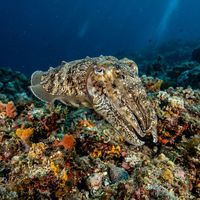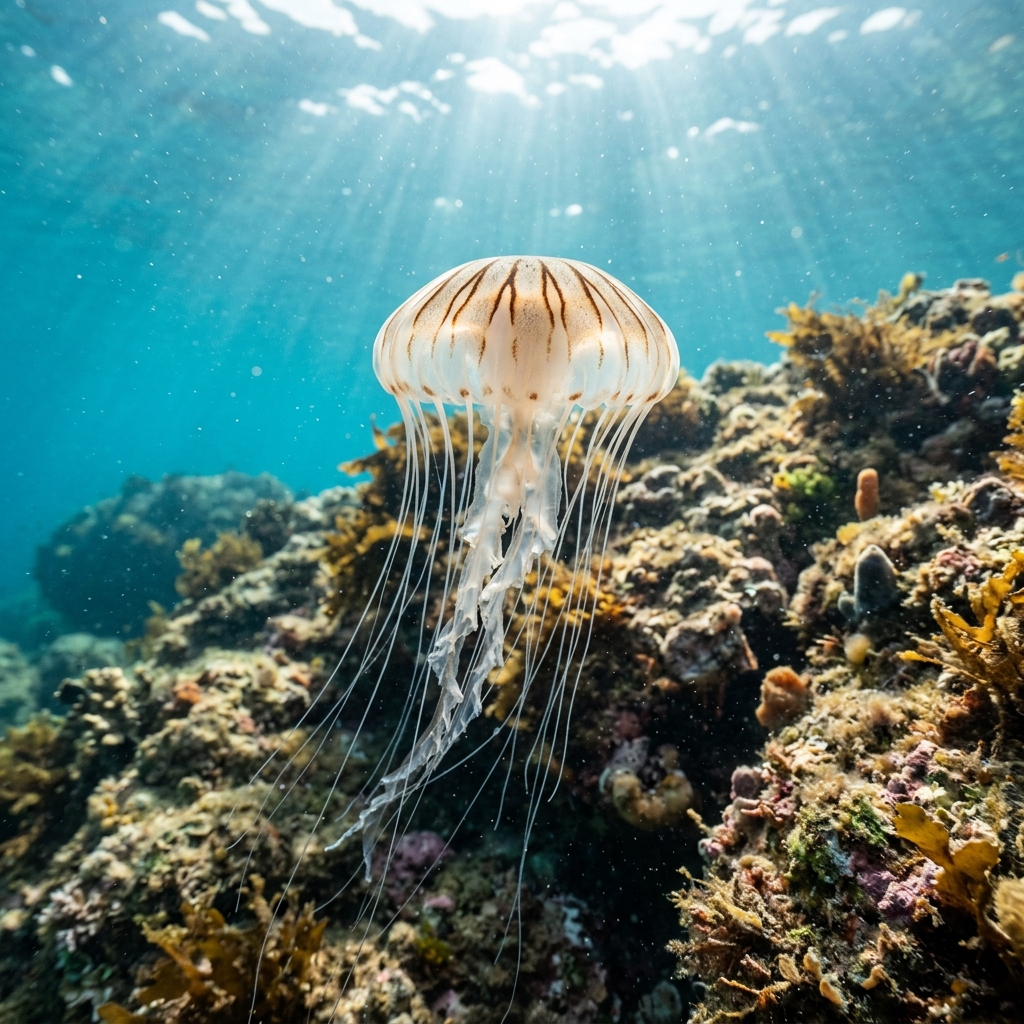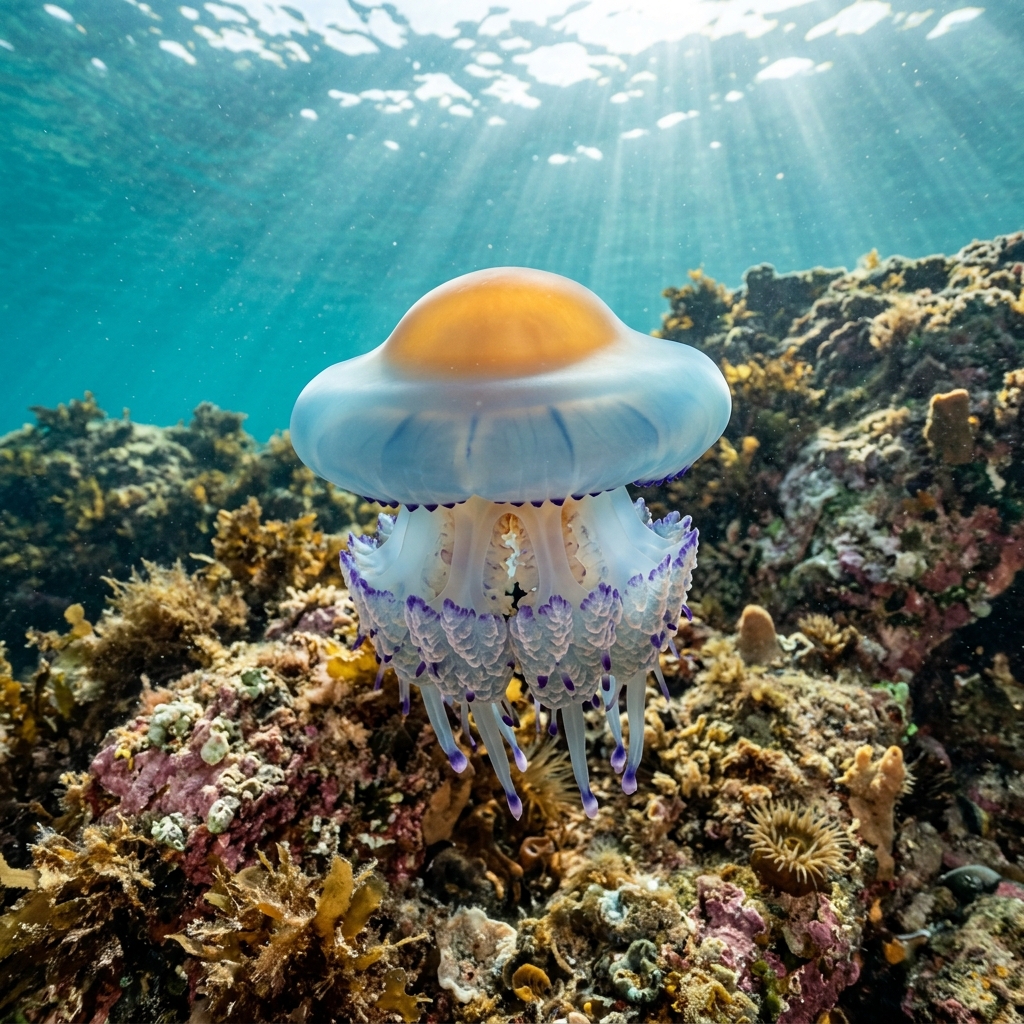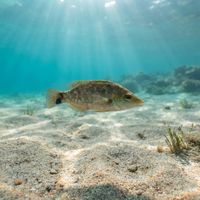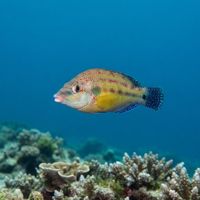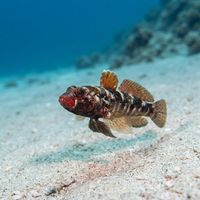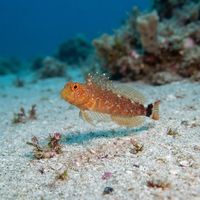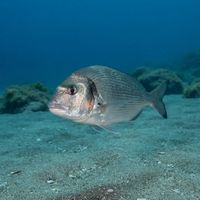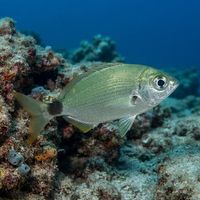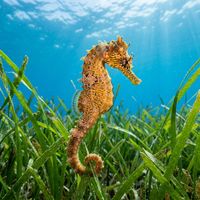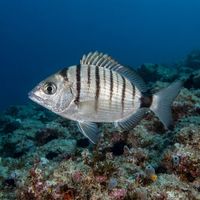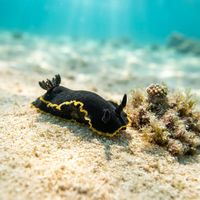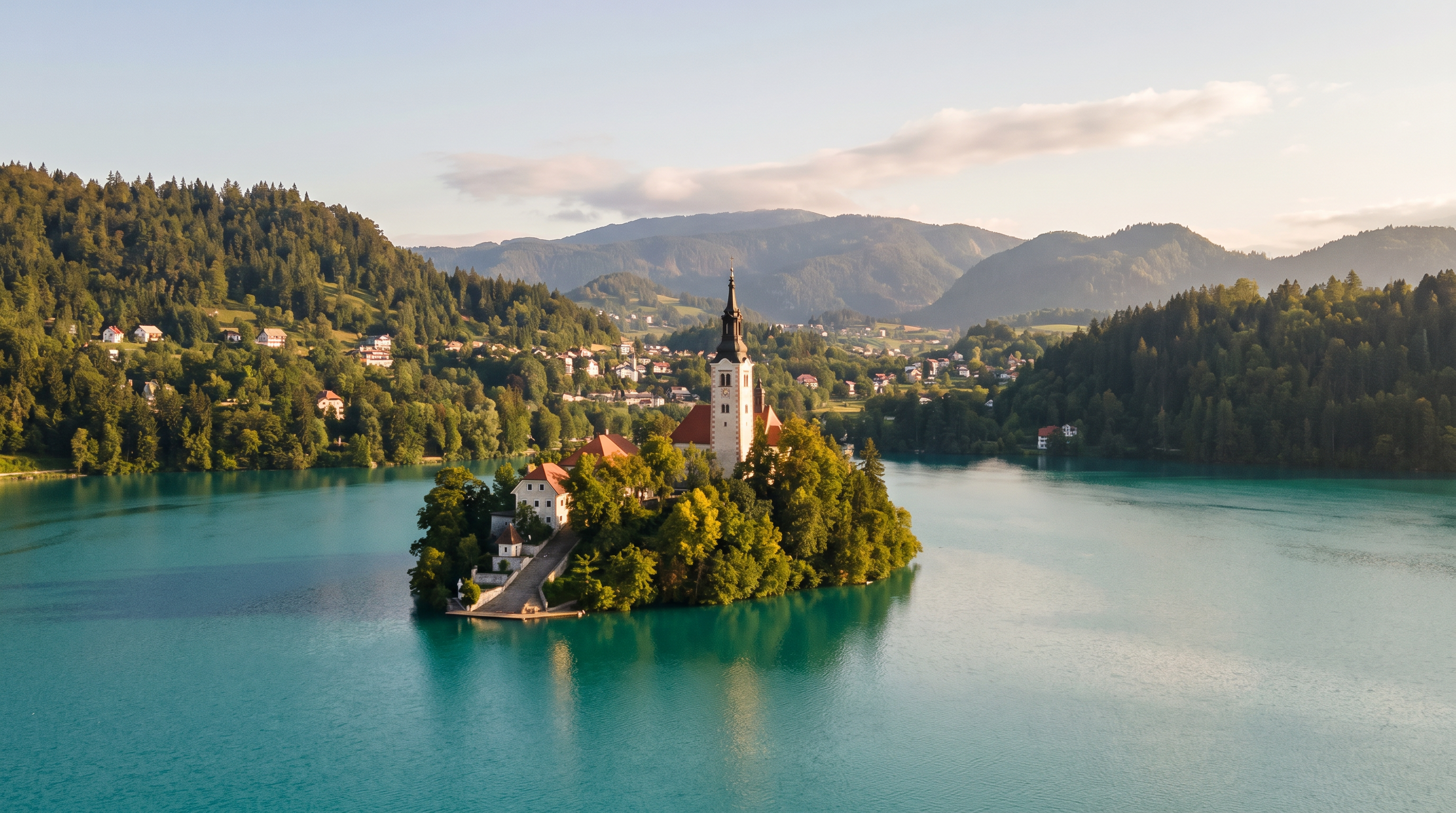
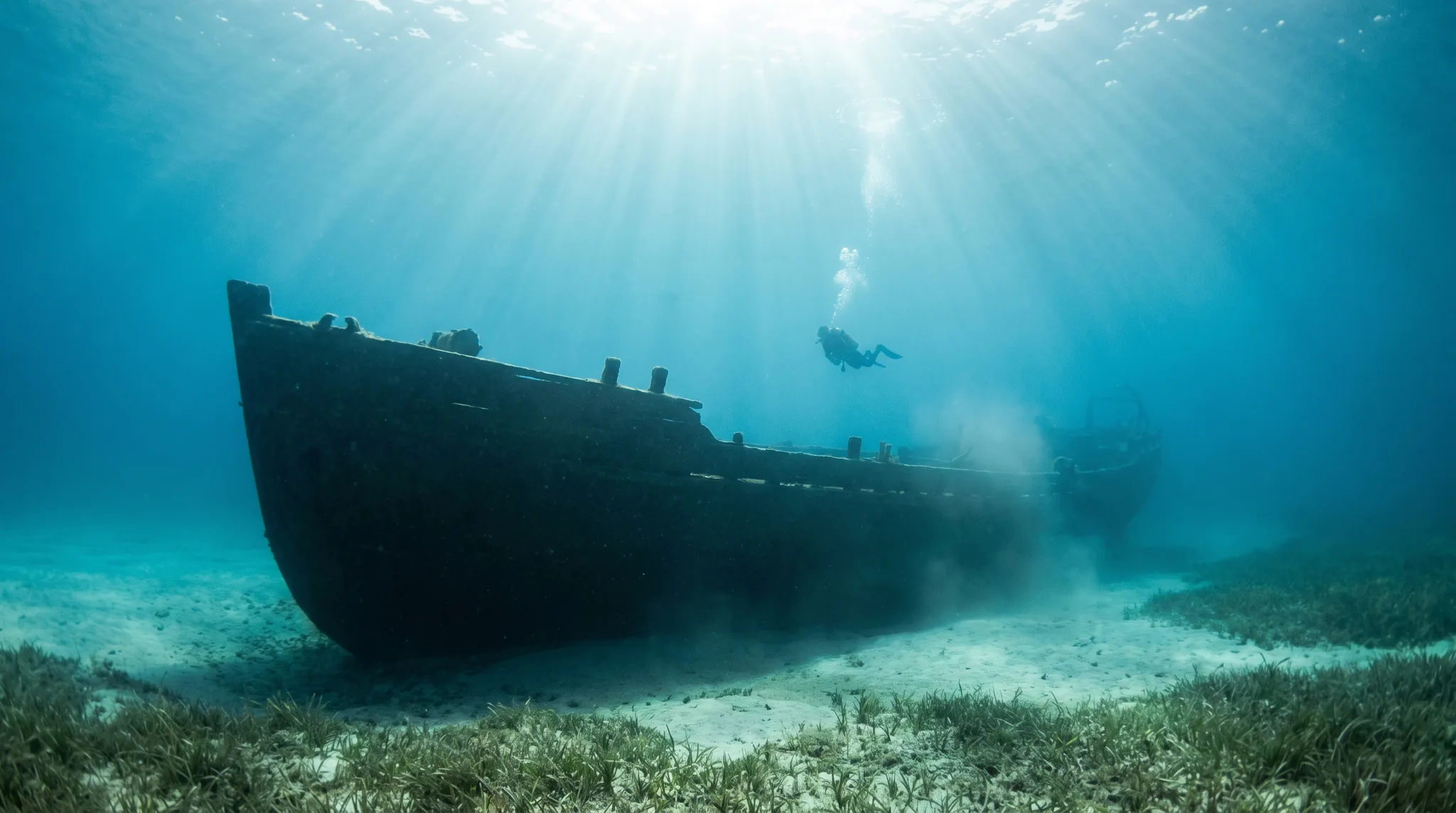
Slovenia packs a remarkable variety of diving environments into a compact country. The Slovenian Coast offers shore-accessible reefs, walls, wrecks including the Hydroplane Wreck and the deeper Kec Wreck, and even a site with Roman remains at Army Tower. Inland, Lake Bohinj draws divers to canyon formations, wall dives and submerged alpine scenery, with sites ranging from beginner-friendly shallows to more challenging overhead environments. The Soča Valley adds a different character entirely: fast-moving freshwater drift dives through turquoise canyons at sites such as Kobarid and Solkan. Lake Bled provides a calm, sheltered introduction to freshwater diving. Marine life on the coast includes observed European Common Cuttlefish, Seahorse, Common Lobster, Eagle Ray and Common Octopus alongside regularly sighted Bream, Wrasses and Tompot Blenny. The summer months bring warmest water and the highest concentration of diver activity.
6 areas
 10
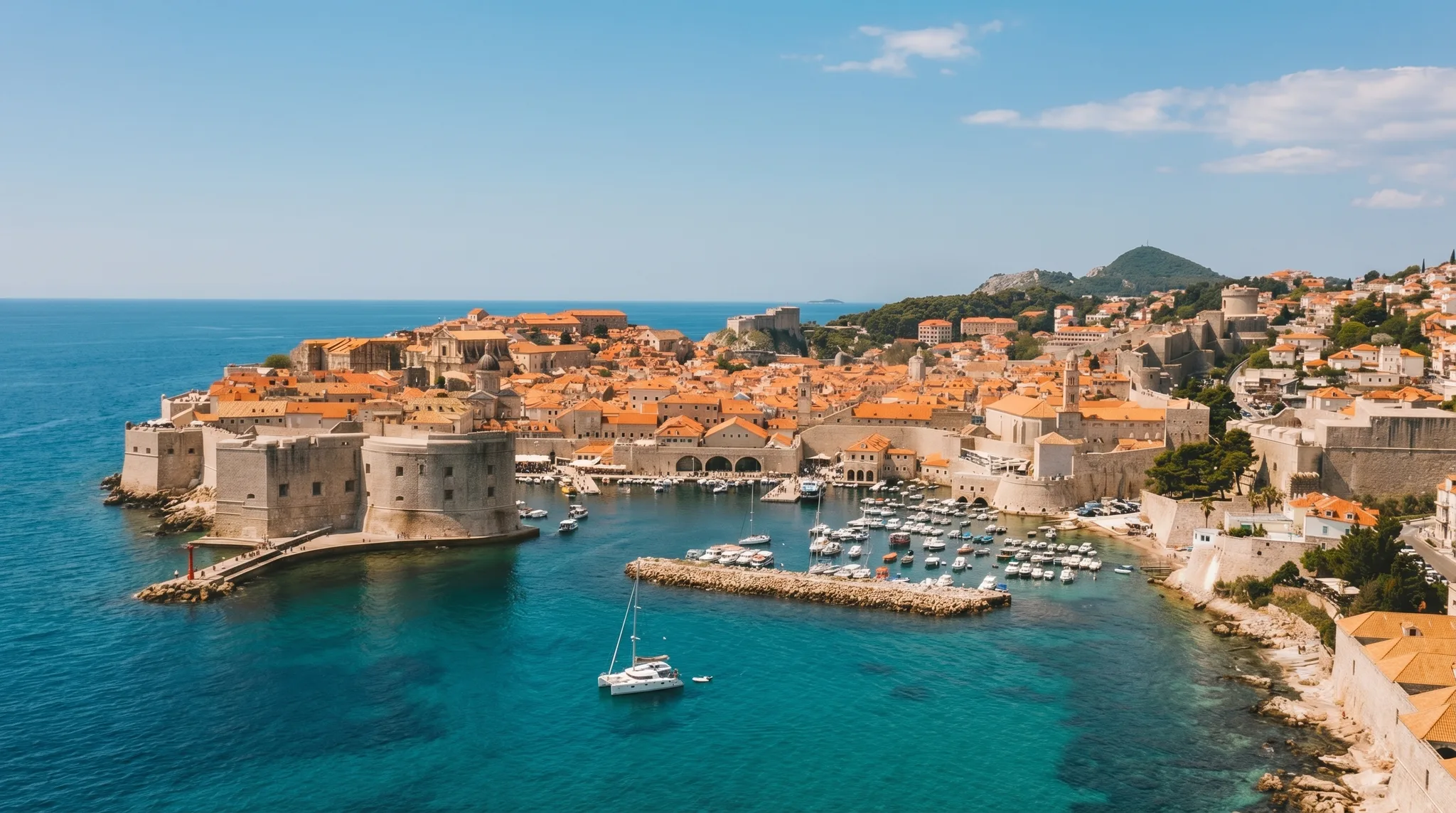
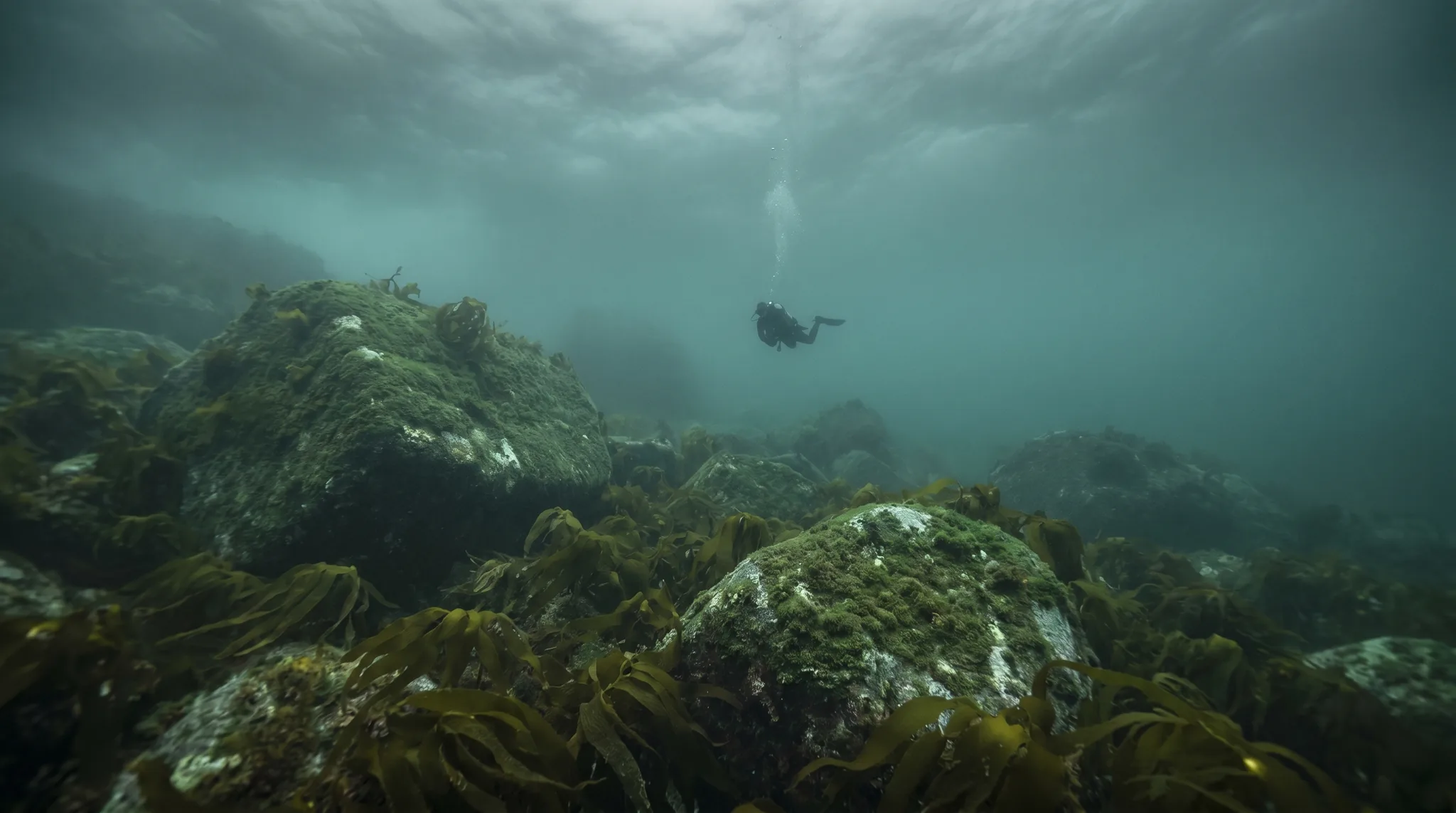
10A compact coastal region where reefs, wrecks and muck diving converge, led by the European Common Cuttlefish as the signature encounter.
 7
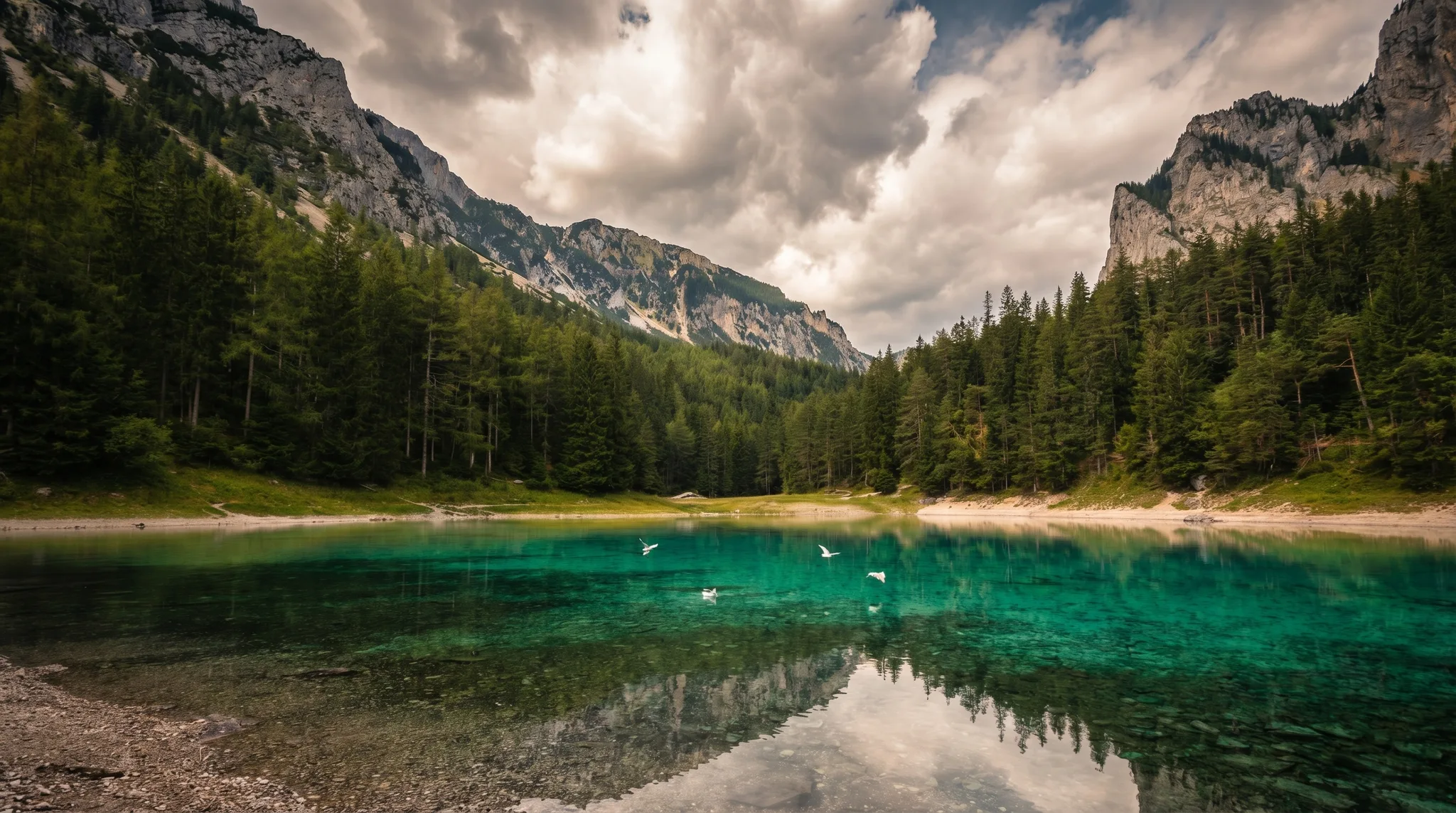
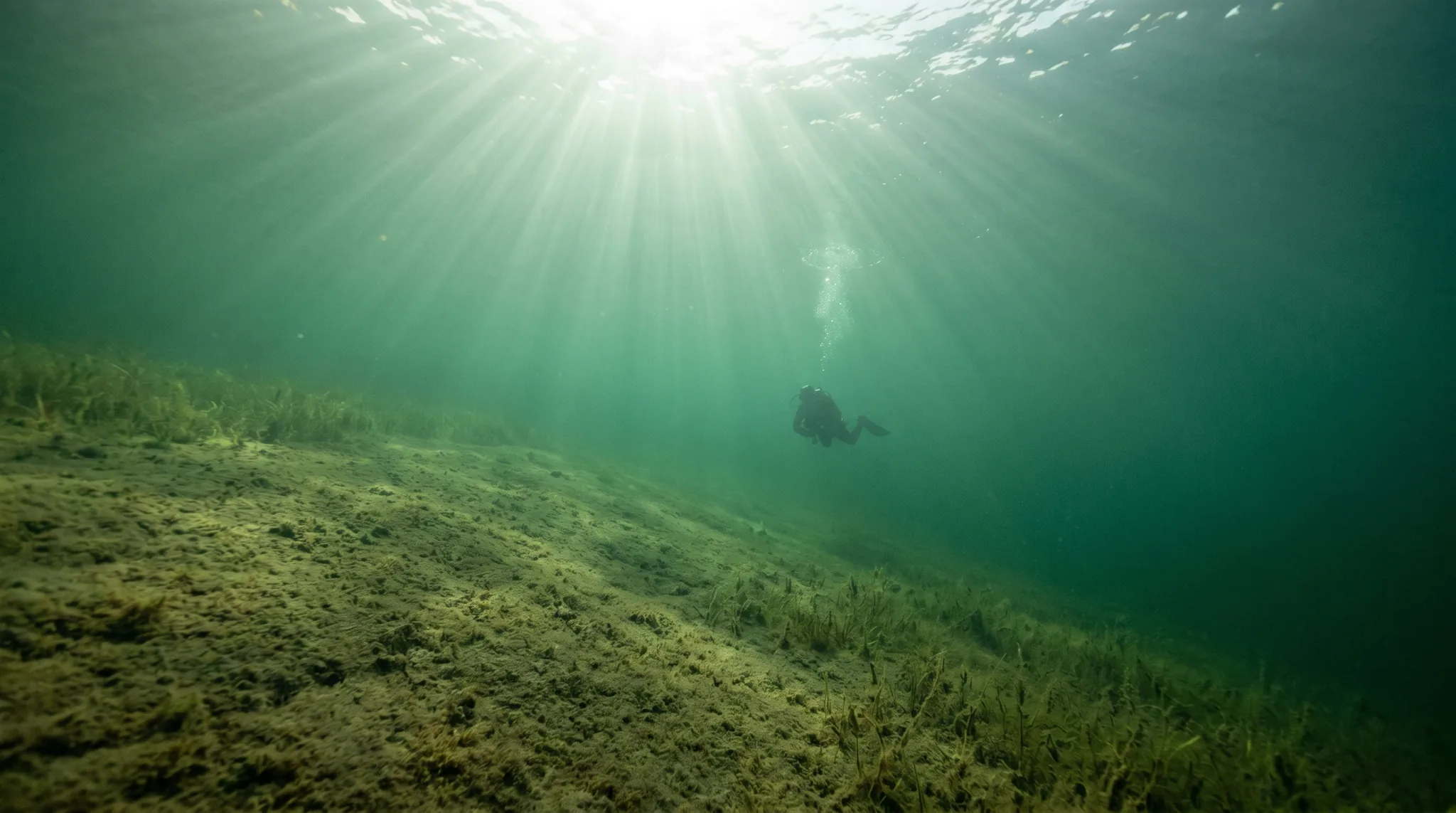
7Glacial freshwater lake in Triglav National Park with wall, reef, wreck, and canyon dives in cold alpine water.
6River diving along the emerald Soča, with canyon and drift sites for intermediate divers across a scenic alpine valley.
1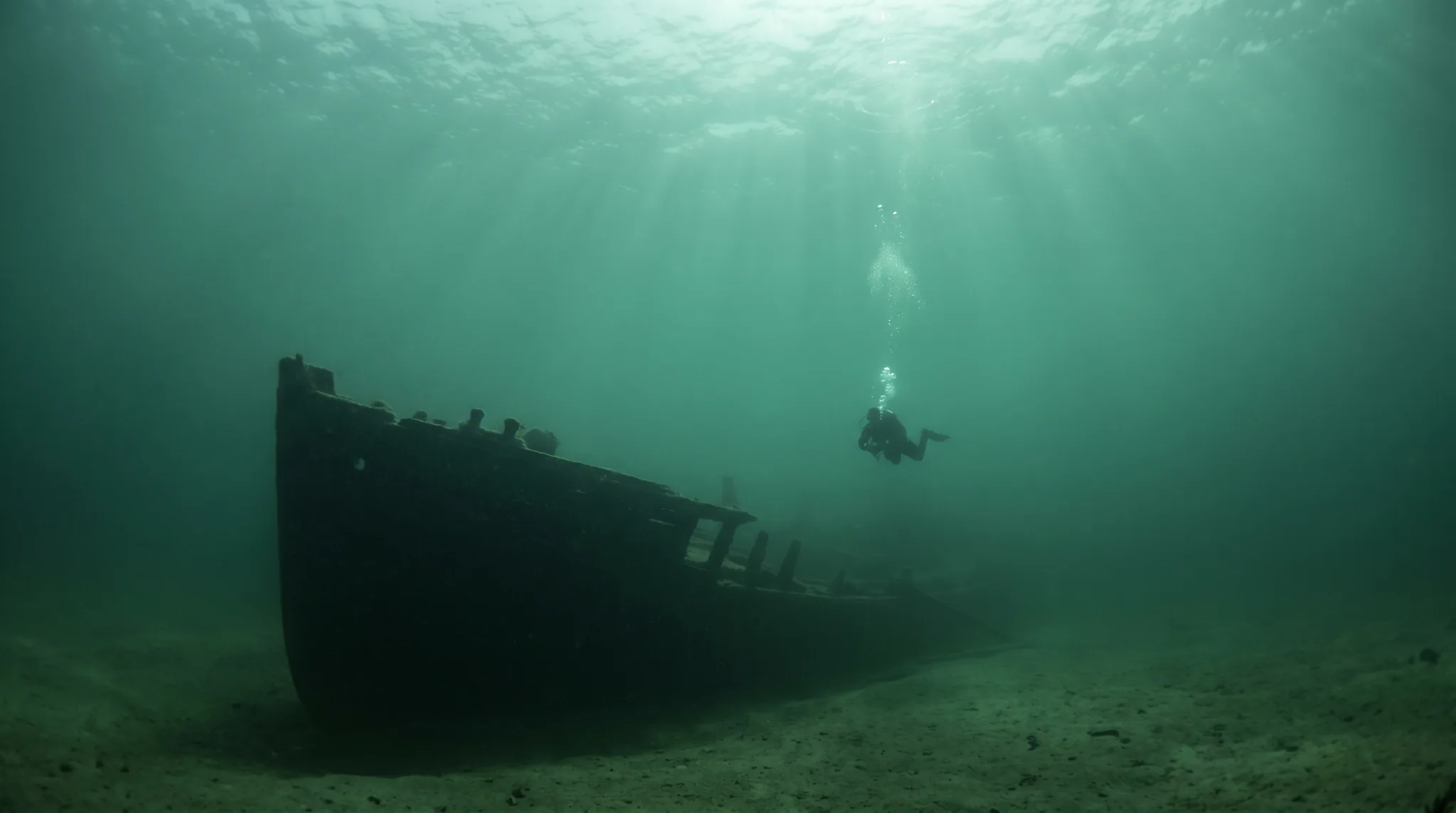
22 operators
Piran, Slovenia
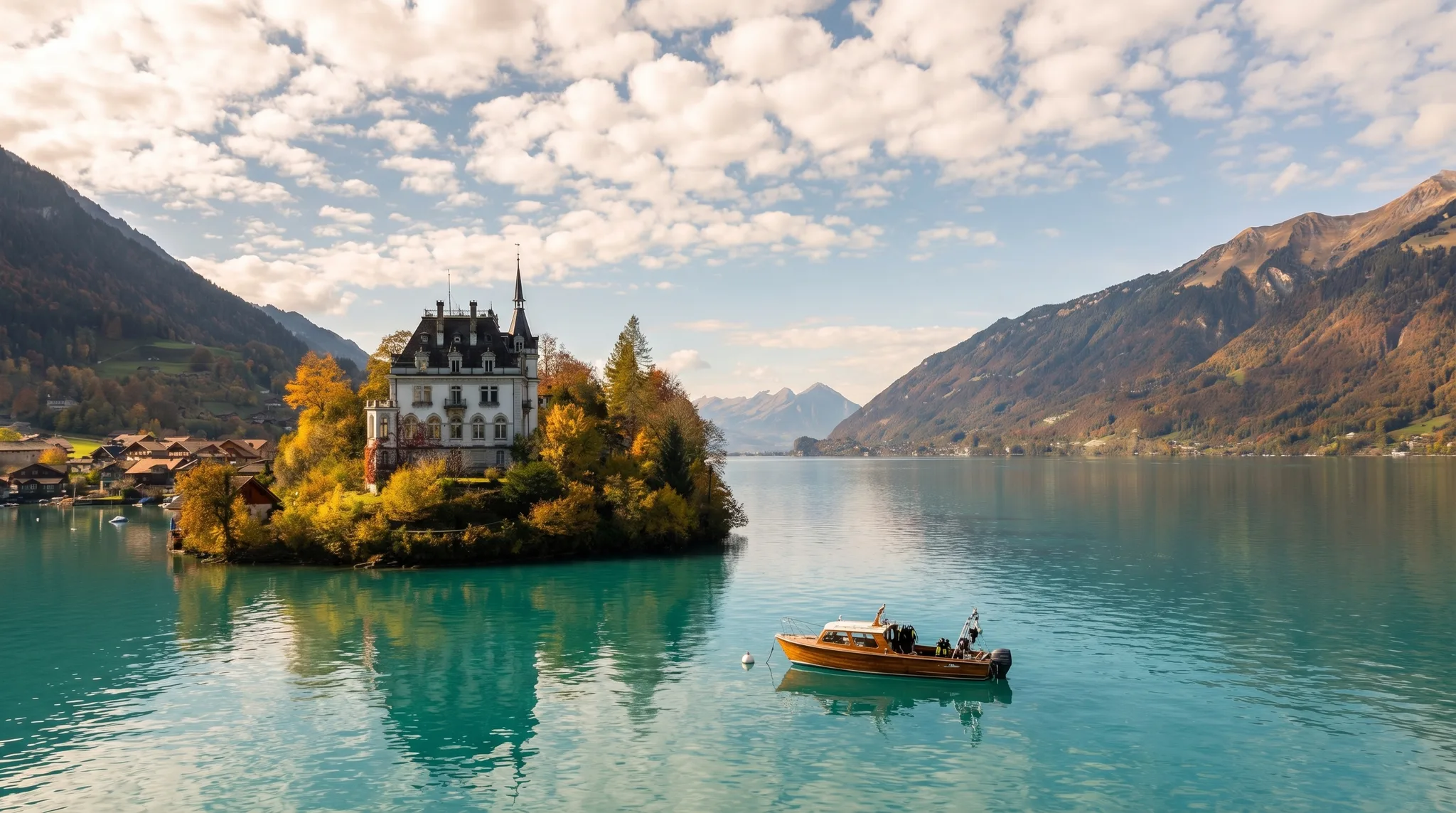
Calm alpine lake with a single shallow shore-entry site, suitable for beginners in cold, clear conditions.
Fin maps 26 sites in Slovenia (26 scuba diving sites and 4 snorkelling spots, with some suited to both), organised into 6 areas.
Across Slovenia's dive sites, June, July, August and September are most often reported as the best months to visit.
The coastal sites host a wide range of observed species. European Common Cuttlefish is the signature coastal species, while Seahorse, Common Octopus, Common Lobster and Eagle Ray have all been recorded. Divers regularly encounter Bream, Wrasses, Tompot Blenny, Painted Comber, Scorpionfish and Conger Eel, along with Barrel Jellyfish and Compass Jellyfish during warmer months.
Yes, a large proportion of Slovenia's sites are rated for beginners. Shore-entry reef sites such as Bernardin House Reef and Piran on the coast offer calm, shallow introductions, while Grajsko kopališče in Lake Bled is one of the most sheltered options available. Intermediate and advanced divers are catered for at canyon and drift sites in the Soča Valley and the deeper sections of Lake Bohinj.
The Slovenian Coast focuses on reef, wall and wreck diving in saltwater, with sites accessible from shore or by boat. Lake Bohinj offers freshwater wall and canyon dives with an alpine character, while the Soča Valley is defined by drift dives through vivid turquoise canyons. Lake Bled provides a single calm, beginner-friendly freshwater site, and Lake Velenje and Ljubljana each offer one additional inland option.
Most sites in Slovenia are shore-accessible, which keeps logistics simple. The main exceptions on the coast are the Hydroplane Wreck and the Kec Wreck, both off Piran, which require boat access. Army Tower also offers a boat entry option alongside shore access. Freshwater sites in the Soča Valley and at the lakes are all entered from shore.